
Canada and US ramp up negotiations ahead of Trump’s August 1 tariff deadline. In related news: a trade deal seems unlikely, as Trump threatens higher tariffs, and Carney seeks to avoid conflict. In other Business news: Kruger expands its Memphis tissue facility; Goodfellow reports stable Q2 sales; the US Lumber Coalition calls for an end to expedited duty reviews, Vancouver’s container port expansion goes out for bid; Canada’s job surge cools talk of a rate cut; US remodeler sentiment dips; and Toronto’s Hälsa project showcases mass timber innovation.
In Forestry/Wildfire news: BC First Nations protest timber sales on unceded territory; Manitoba renews its state of wildfire emergency as wildfires rage and air quality deteriorates; Senator Lee applauds US repeal of the Roadless Rule, as fire-focused budget cuts dominate US Forest Service hearings; a look at a Louisiana wildfire two years post-fire; and Estonia looks to employ more controlled burns.
Finally, FPAC names its 2025 Green Dream Interns; and Oregon’s legendary smokejumper base museum.
Kelly McCloskey, Tree Frog News Editor
 With Trump’s 90-day
  OTTAWA — The federal government is taking steps to help people who have lost important documents as a result of wildfires this year. Lena Diab, the federal minister of immigration, refugees and citizenship, announced special measures to help people displaced by wildfires and evacuations earlier this year. According to Diab’s announcement, Canadian citizens and permanent residents whose documents like passports, citizenship certificates and permanent resident cards were lost or damaged because of wildfires this year can apply for free replacements. …Temporary residents… who were impacted by wildfires can also apply to restore or extend their status in Canada or renew their permits free of charge. The 90-day requirement for temporary residents to apply for the restoration of their status is also being waived for people impacted by wildfires, and foreign emergency workers coming to help fight wildfires in Canada are having their application and biometric fees waived.


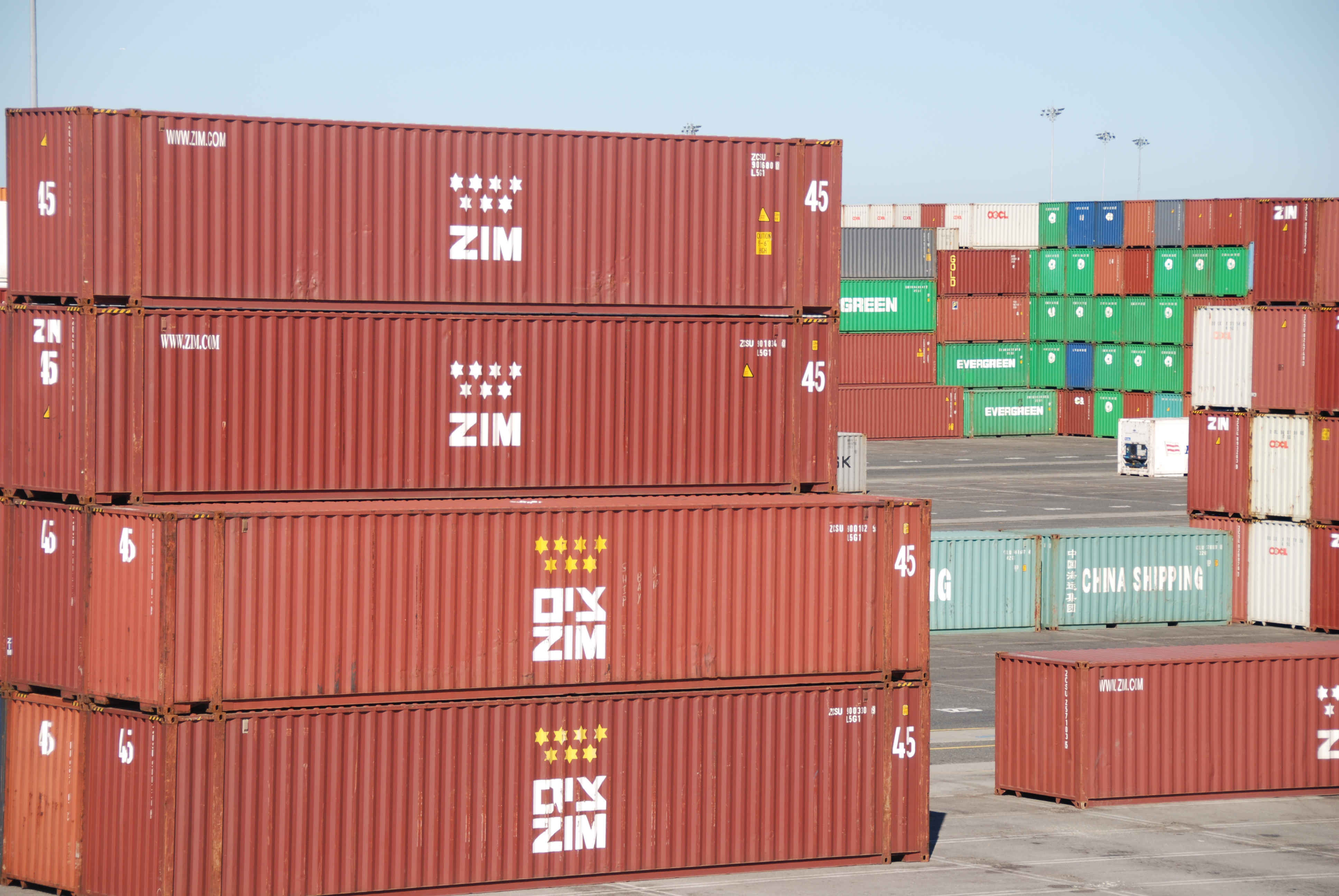 President Donald Trump’s trade war risks reigniting next week when a
  WASHINGTON — Sen. Mike Lee, R-Utah, said late Saturday that he had dropped his contentious plan to sell millions of acres of public lands from the sweeping domestic policy package that the Senate will soon begin debating. Lee made the announcement on social media after it became clear that the plan faced insurmountable opposition from within his own party. At least four Republican senators from Western states had said they planned to vote for an amendment to strike the proposal from the bill. The plan had also triggered intense pushback from conservative hunters and outdoorsmen across the American West, who had warned that it threatened the lands where they hunted and fished. …Lee said that, because of the strict rules governing the budgetary process … he was “unable to secure clear, enforceable safeguards to guarantee that these lands would be sold only to American families — not to any foreign interests.”

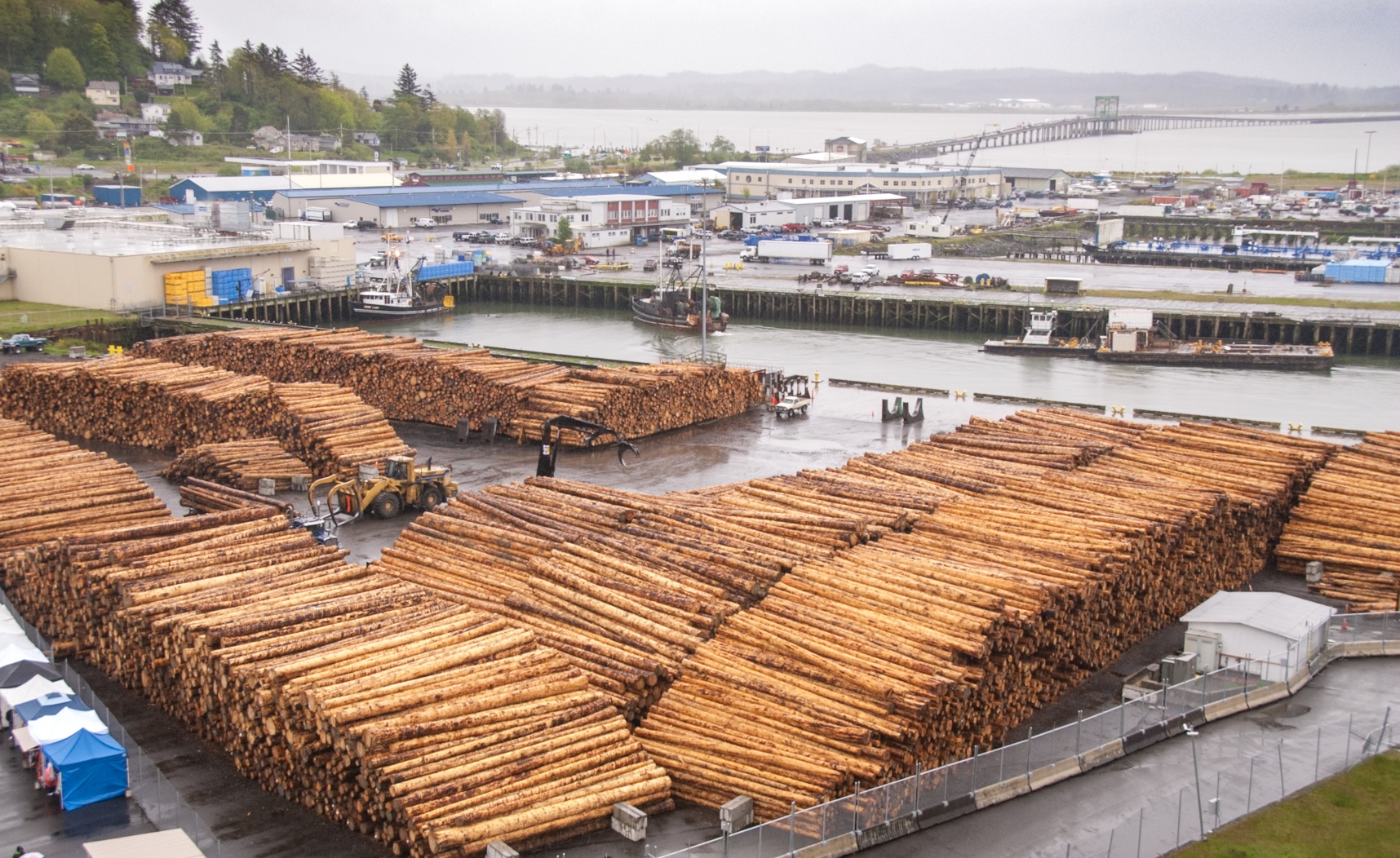 Congressional Republicans have passed their domestic policy bill that makes sweeping changes to entitlement programs like Medicaid and SNAP, significantly increases funding for immigration enforcement efforts and cuts funding for a number of environmental programs. …In Oregon, the impacts of the legislation will be significant. An analysis …found the state would be disproportionately hit by the cuts to Medicaid. The Senate’s version of the bill would also cut funds to the state’s timber counties, and could reshape Oregonian college tuition and student loans. …Oregon will see more logging, less timber money going to local communities and less support for private forest owners. …However much more is logged, Oregon counties will not get a cut. That’s a change from current practice. Many counties in rural areas rely on a cut of revenues from timber sales on federal public lands to pay for schools, law enforcement and public infrastructure.
 Timber and forestry investment is gaining ground in Europe, as private equity increasingly shifts towards climate-aligned strategies. A recent EY report highlights growing momentum behind timber and forestry funds, previously seen as niche, now positioned as core components of sustainability-focused portfolios. Despite global private equity fundraising falling to $680 billion in 2024, the lowest since 2015, investors are favouring fewer, larger deals. Europe is leading in sustainable asset allocation, with over half of all new fund launches in Article 8 and 9 categories under the EU Sustainable Finance Disclosure Regulation, according to Morningstar. Timber and forestry funds attracted $8.4 billion in 2024, slightly down from 2023 but above the five-year average. These funds often deliver double-digit internal rates of return, with top-performing vintages exceeding 16 percent.
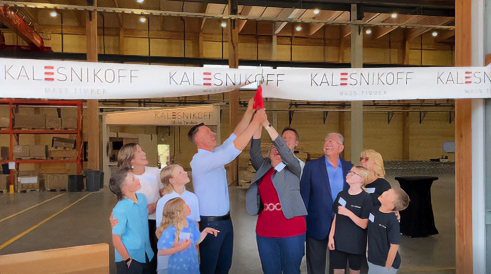 Kalesnikoff Mass Timber recently opened its new 100,000-square-foot mass timber prefabrication and modular facility in Castlegar, B.C., 400 miles east of Vancouver. Starting small just before the Second World War, Kalesnikoff today is a family-owned, fourth-generation company that produces dimensional lumber, glulam beams and columns, glue-laminated timber (GLT) panels, cross laminated timber (CLT) and prefabricated components. The new facility, which is built entirely out of Kalesnikoff’s own mass timber… enables Kalesnikoff to provide new products that can be used for prefabricated walls, flooring, modules and full modular construction. Chief operating officer Chris Kalesnikoff says it’s the first vertically integrated mass timber operation in North America. Kalesnikoff was started by Chris’s great-grandfather and two of his brothers in 1939 as a logging operation. His grandfather and his father (Ken) expanded the sawmill into value-added wood products.
 University of Oregon researchers hope to make wood — often overlooked in health care facilities — more commonplace in those settings. Exposed wood, they’ve found, can resist microbial growth after a brief wetting. During the study, wood samples tested lower for levels of bacterial abundance than an empty plastic enclosure used as a control. “People generally think of wood as unhygienic in a medical setting,” said assistant professor Mark Fretz, co-director of the UO’s Institute for Health in the Built Environment and principal investigator for the study. “But wood actually transfers microbes at a lower rate than other less porous materials such as stainless steel.” Numerous studies support those properties of wood. A UO-led research team including scientists from the Salk Institute for Biological Studies in San Diego and Portland State University wanted to explore what happens when wood gets wet and then dries.
 The fashion industry is often seen as a voracious, thirsty villain that extracts billions of liters of water out of the environment. …These conditions are the biggest ‘WHY’ for Spinnova, a Finnish startup that works tirelessly to create technology for sustainable natural fibers to match its growing demand. …But before we delve into the details, would you believe the core idea for Spinnova was actually born from… a spiderweb? Back in 2009, Juha Salmela, a cellulose expert from Finland attended an Oxford University conference. He heard a presentation from a leading spider researcher, who explained the similarities between spiderweb’s protein and nanocellulose. And, that happened to be his Eureka moment. What if wood fiber could be spun into textile fiber in a similar manner? Fast forward to 2023, the wood-based Spinnova fiber was born. …The process at Spinnova starts with sourcing cellulose-rich raw materials such as FSC-certified wood pulp.


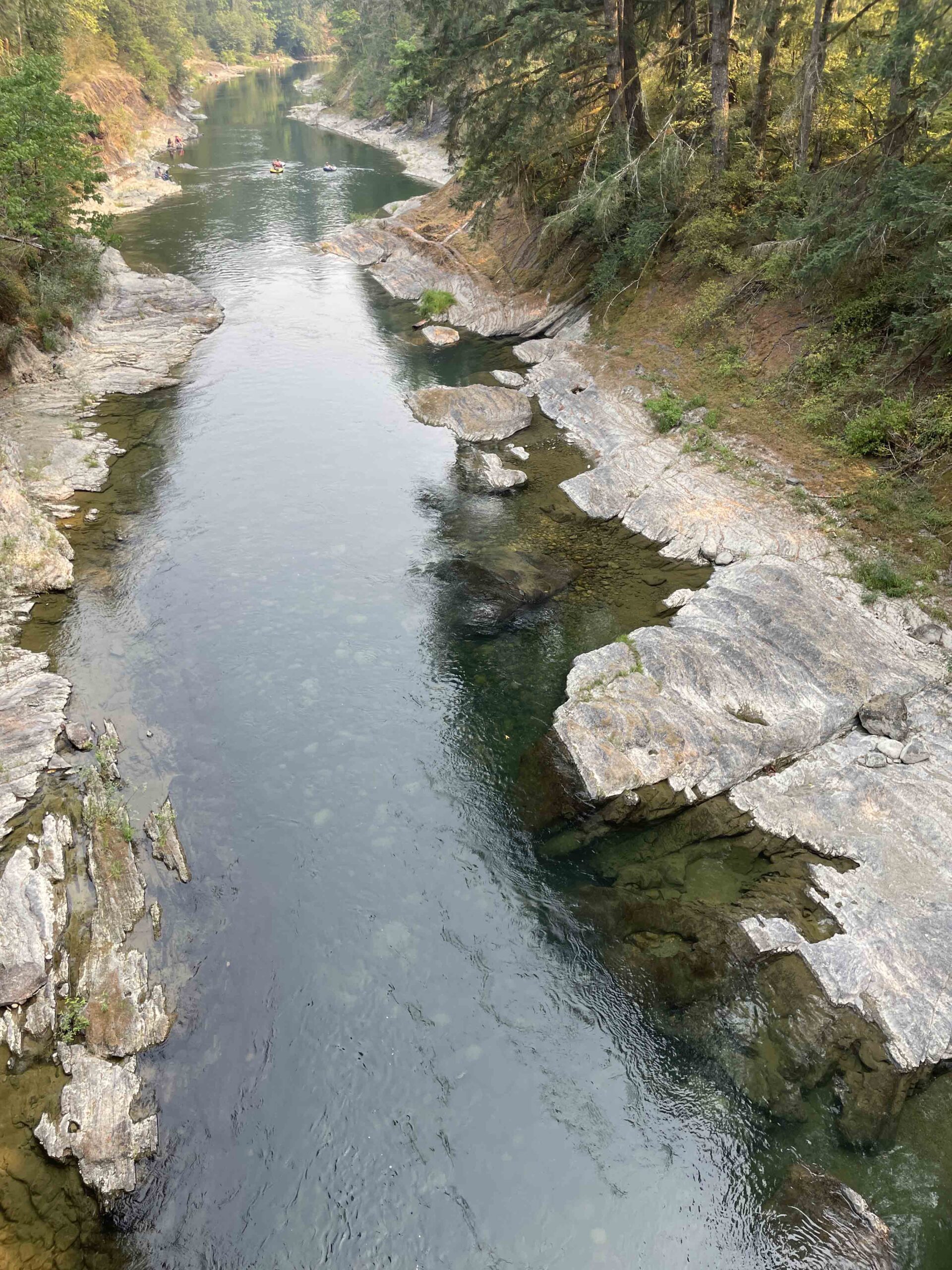 Flow at the Cowichan River will be reduced again with the lake at 48 per cent full. Brian Houle, environmental manager at Domtar’s Crofton pulp mill, says a meeting with regulators of the watershed on July 7 led to an agreement to reduce flow from seven cubic metres per second (cms) to 5.5. “Given the summer 2025 drought conditions in Cowichan Lake, careful watershed management decisions need to be made,” reads a news release from Houle. “Today’s water levels are not dissimilar to 2023, when several factors resulted in a fish kill event in the upper Cowichan River and pumping of lake to river was needed for extended period of 36 days in the fall.” In May, the flow was reduced to seven cms and Houle said the plan was to hold that rate through July and August. In 2023, the river flow was reduced to 4.5 cms in May. Houle says keeping it at seven this year was intended to reduce impacts on fish.
 In partnership with the First Nations Leadership Council, the Province is moving forward to the next stage of consultation and engagement on modernizing the Heritage Conservation Act. The act, which regulates the protection, management and conservation of cultural and heritage sites in B.C., was last substantively updated in 1996. “The Heritage Conservation Act is how we protect important cultural and archeological sites in B.C., but the current system doesn’t work well for people, and it doesn’t fully reflect our shared values or commitments,” said Ravi Parmar, Minister of Forests. “As we embark on this important engagement, I am committed to ensuring our collective work will lead to a system that will support faster permitting, better planning and more meaningful discussions with people, communities, industry and First Nations.” The project is a multi-year collaborative effort, mandated in 2021 and co-developed through the Joint Working Group on First Nations Heritage Conservation…


 Fire hazard assessments and hazard abatement are key activities in reducing the potential threat of wildfires arising from fuels left on the land base following industrial activities. Under the Wildfire Act a person carrying out an industrial activity or prescribed activity is required to assess and abate fire hazards as necessary. The BC Wildfire Service has developed
  At
At 
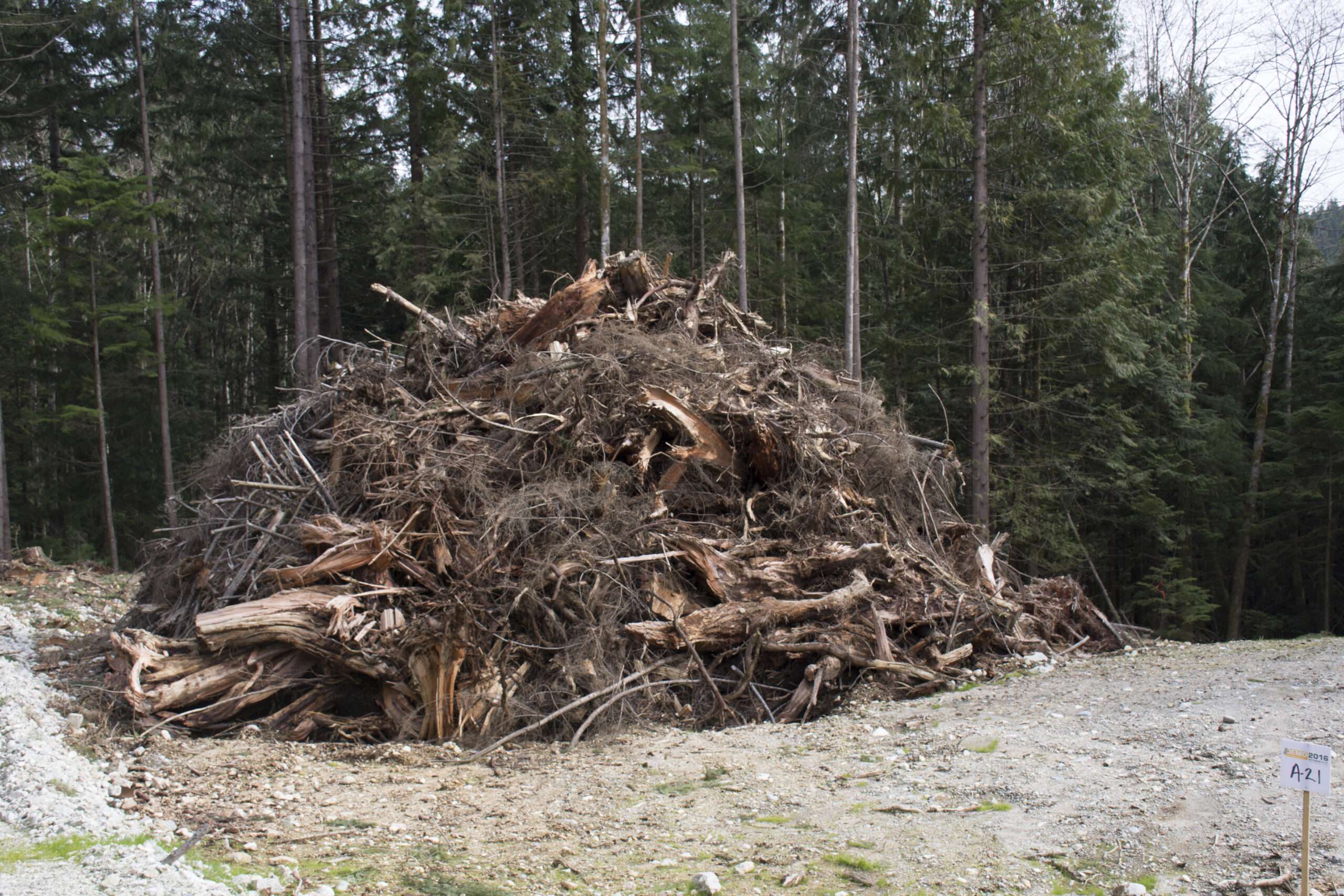 On the Easter long weekend, there was a wildfire on Egmont Forest Service Road that had to be controlled by the local fire department because a logging slash pile being burned was left unattended. How big does a wildfire have to get before the shíshálh Nation or the province will finally fulfill their promises to the residents around North Lake in Egmont? …Four years ago we participated in a community engagement process with BC Timber Sales and the shíshálh Nation regarding the cutting of 60,000 cubic metres (thousands of trees) around North and Klein Lakes. …One of the bigger concerns that we had was the removal of hundreds of large burn piles created by the logging. We were promised by both BCTS and the shíshálh Nation that the burn piles would be dealt with after the logging ended. It is now two years later and the burn piles have not been removed.
 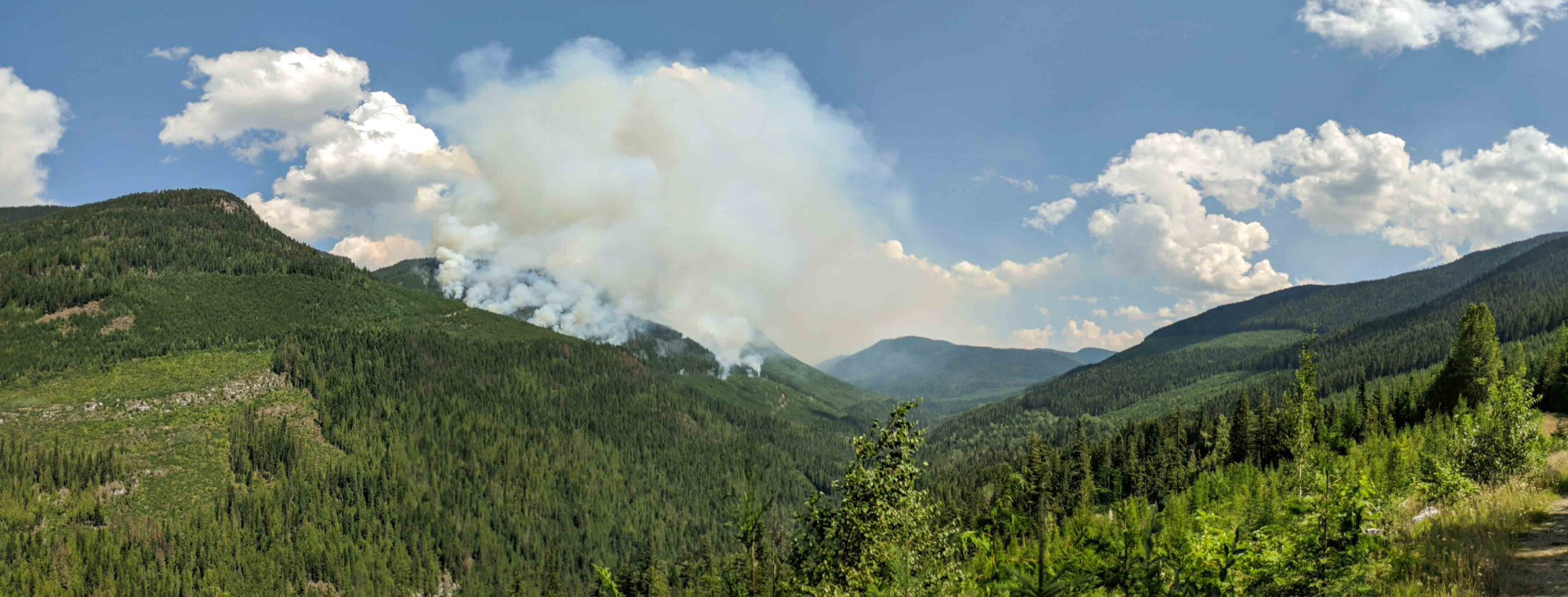 With wildfire season in full swing, an immigration consultant says there is a simple way to end the shortage of qualified people to fight wildfires: Let existing, trained firefighters who are non-residents stay once their work permits expire by letting them choose a path to permanent residency. Jennie McCahill is representing Irish national Jake McGavin, a team leader with a wildfire-fighting contractor called Carmanah Wildfire, which is based in Sidney but has firefighting crews spread all over B.C. …McGavin, who turns 29 in September, is in his third season fighting wildfires in B.C. He’s been lucky to have received a pair of two-year work permits, but the second is soon to run out. …He wants to stay in Canada not only because he’s fallen in love with B.C. …”Unfortunately, Immigration, Refugees and Citizenship Canada does not recognize wildland firefighting as skilled work.”
 WASHINGTON, D.C. – Northland congressmen are pushing for stronger forest management practices in Canada. Representatives Tom Tiffany of Northwest Wisconsin and Pete Stauber of Northeast Minnesota were included on the letter sent to Canada’s ambassador Kirsten Hillman urging better management of forests to help with wildfire risk. In the letter, the lawmakers wrote: “As I’m sure you know, this is not the first year Canadian wildfire smoke has been an issue. …While we know a key driver of this issue has been a lack of active forest management, we’ve also seen things like arson as another way multiple large wildfires have ignited in Canada. With all the technology that we have at our disposal, both in preventing and fighting wildfires, this worrisome trend can be reversed if proper action is taken.” …The letter asked the ambassador to address the issue with key Canadian agencies, such as the Canadian Forest Service.
 The clock is ticking to register and make plans for the 38th Forest Products Machinery & Equipment EXPO from August 6-8 in Nashville, and you do not want to miss it! EXPO is the epicenter of the entire wood products manufacturing sector – held only every other year – with numerous exhibitors showcasing state-of-the-art machinery and specialized services designed for the forest products industry. This event brings together thousands of industry leaders and decision-makers eager to explore cutting-edge products and solutions, spanning advancements in hardwood and softwood log processing, remanufacturing, pallet industries, bioenergy, engineered wood products, and pressure treatment. Seize this unparalleled opportunity to explore new machinery, engage with key decision-makers, reimagine your sawmill operations, and propel your business to new heights.
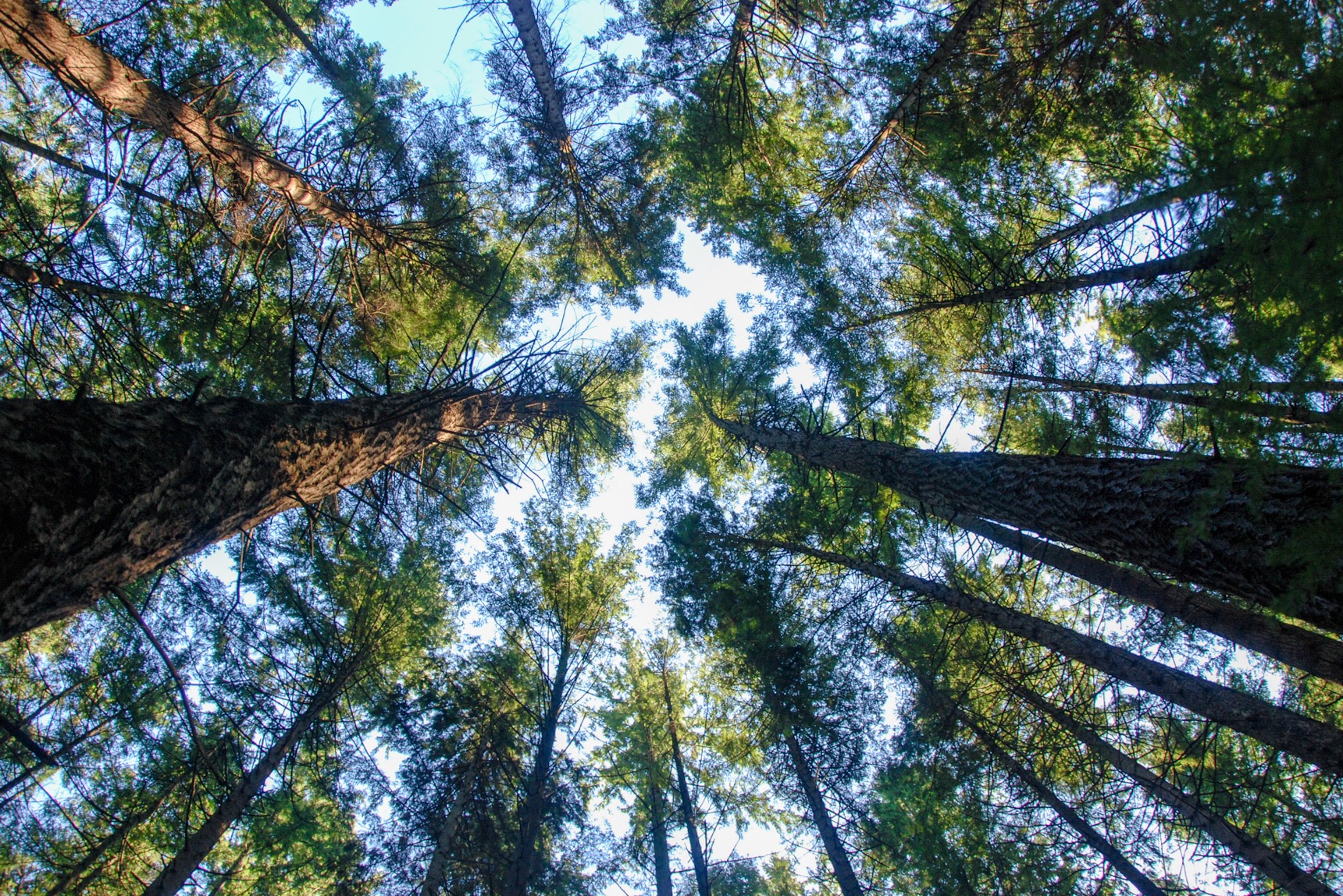 MULLAN, Idaho — The Bureau of Land Management is offering the Gentle Annie Timber Sale, totaling approximately 493,000 board feet, for commercial thinning on 100 acres near Mullan, east of Kellogg in Shoshone County. The harvested timber will supply critical materials for construction and other industries, supporting jobs across Idaho’s Panhandle. This thinning project will remove dead and downed wood caused by insects and disease, leaving an average of 55 trees per acre. The result: a healthier, more fire-resilient forest. “We’re excited to continue our work in the Mullan Urban Interface and hope this timber sale will help reduce the town’s risk of catastrophic wildland fire,” said BLM District Manager Kurt Pindel. “We’ll also be limiting the spread of insects and disease within the timber stand, as well as harvesting some merchantable timber for the local economy.”
 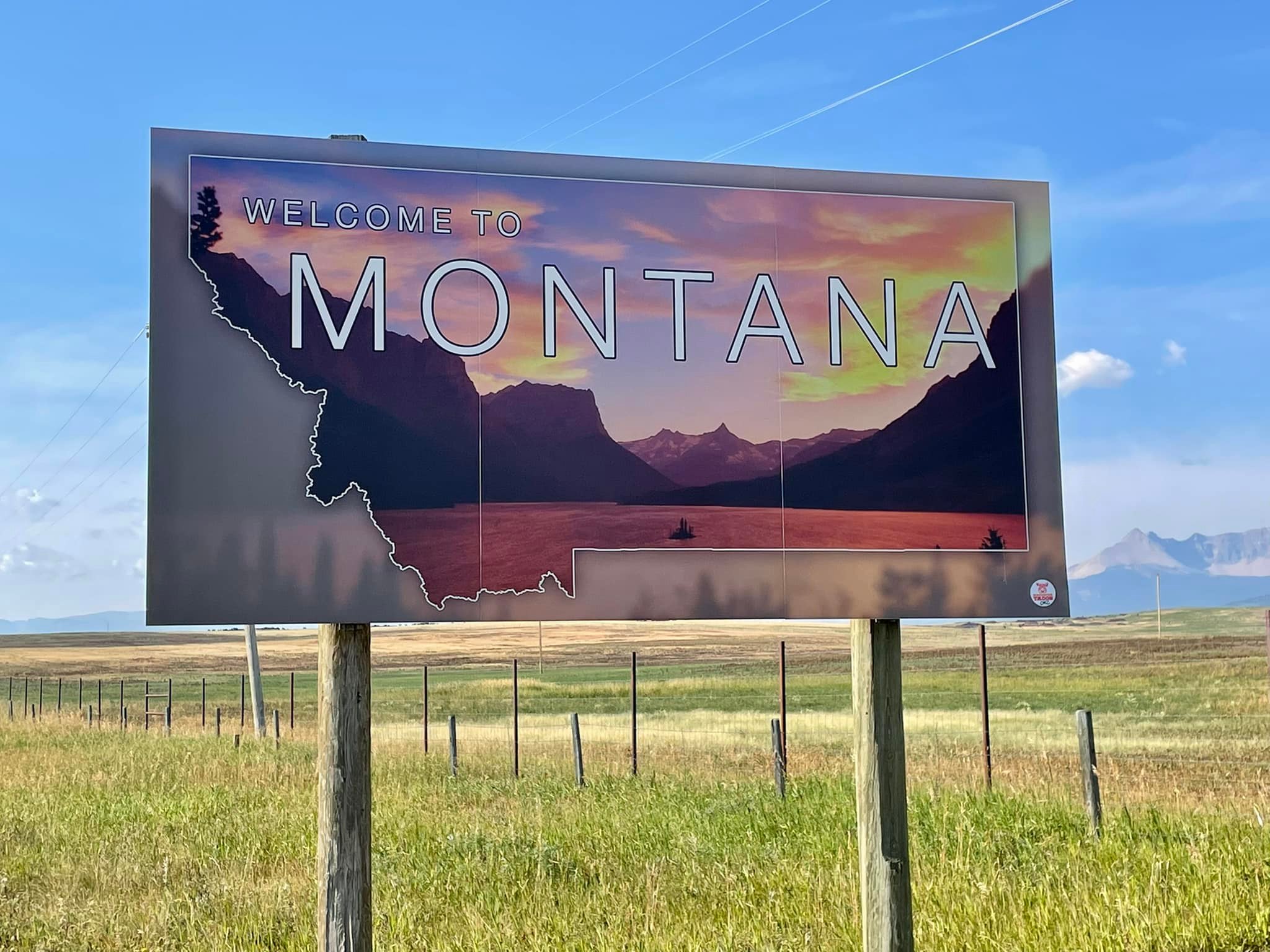 Montana Fish, Wildlife and Parks (FWP) completed its review of a proposal to permanently protect 53,000 acres of private timberland in Flathead and Lincoln counties, recommending the state purchase a conservation easement that would keep the working forest in timber production while guaranteeing year-round public access and preserving wildlife habitat. The Montana Fish and Wildlife Commission is scheduled to vote on the proposal on Aug. 21 in Helena. …In total, the project would encompass 85,752 acres of private timberland owned by Green Diamond Resource Company. The first phase of the project… received final approval in December. The new easement would encompass forestlands in the Cabinet Mountains between Kalispell and Libby. …If approved, Green Diamond would maintain ownership of the land under an easement owned by FWP [allowing them to] sustainably harvest wood, preclude development, protect important wildlife habitat and associated key landscape connectivity, and provide permanent free public access to the easement lands.
 In the face of a backlash, Utah Republican Sen. Mike Lee has revamped his public land sell-off measure to target only Bureau of Land Management holdings while also declaring, “we’re just getting started.” A reconciliation budget proposal revised by Lee’s Senate Energy and Natural Resources Committee targets BLM land within five miles of undefined “population centers.” It puts checkerboard BLM holdings back on a priority list for his “mandatory disposal” measure and takes lands under permit for grazing off the auction block. The revision would shift 15% of revenue to local governments and conservation. The bill would appropriate $5 million to carry out the mandatory sales, which are designed to be offered within 60 days of passage and regularly thereafter. …But opposition to Lee’s measure comes from “all walks of life,” said Land Tawney, former president and CEO of Backcountry Hunters and Anglers. That includes “Democrats, Independents, Republicans, hunters, anglers, bird watchers, kayakers, ranchers [and] loggers,” he said.
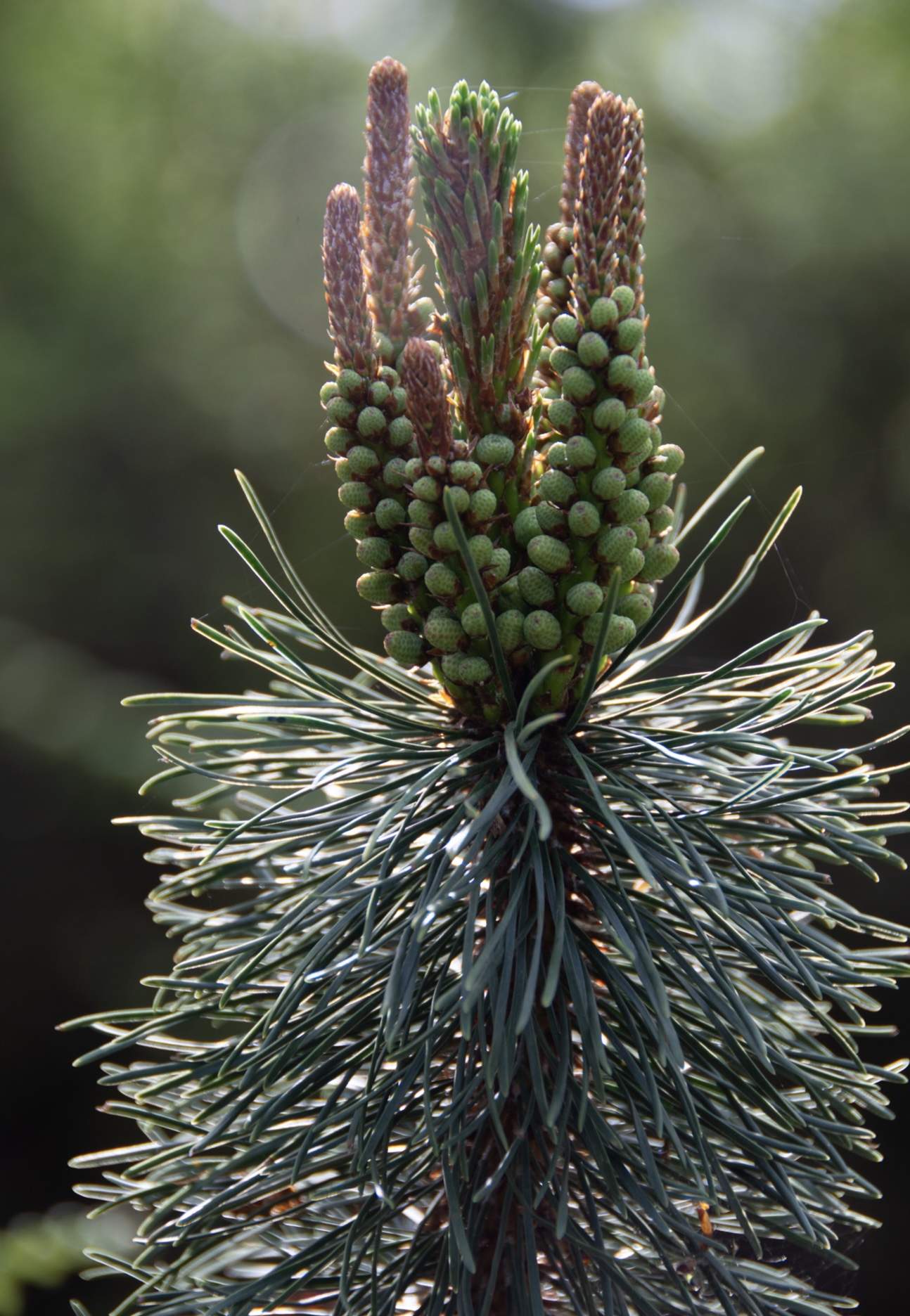 In the parched summer of 1988, wildfires ripped through more than one-third of Yellowstone National Park during the most severe fire year in park history. Approximately 1.2 million acres scorched by September. …While new forests sprouted in most of Yellowstone’s charred woodlands, recent research has identified that 16 percent of the forests consumed by the fires still have few trees. A recent study found that much of this land has transformed into green meadows full of grasses and wildflowers. Of the roughly 965 square miles of forest killed by the fires, 158 remain unforested, largely due to a lack of available seeds to start the next generation of trees. Seventy square miles of the previously forested land is now open meadow… The forests that [recovered quickly] were full of lodgepole pines with serotinous cones. …Alternatively, the areas that remain unforested were mainly above 8,200 feet in elevation and dominated by subalpine fir, Engelmenn spruce and non-serotinous lodgepole pines.
 A new study in The Journal of Cleaner Production confirms that Forest Stewardship Council (FSC) certification contributes to maintaining and increasing forest cover, especially in lower-middle income countries. These findings reinforce the conclusions of previous research and provide insights on adapting regional certification strategies to increase sustainable forest management. The study investigated the critical role of FSC certification in promoting sustainable forest management and mitigating deforestation across diverse economic and climatic contexts. Using dynamic panel data model and Generalized Method of Moments estimations on 70 countries from 2000 – 2021, the researchers examined forest cover as a measure for impact of FSC certification. Results indicate that FSC certification contributes to maintaining and increasing forest cover across diverse economic and climatic contexts. This positive impact is most strongly observed in lower-middle income countries. Scaling up certification and integrating it into national policies could benefit countries of this economic category.
 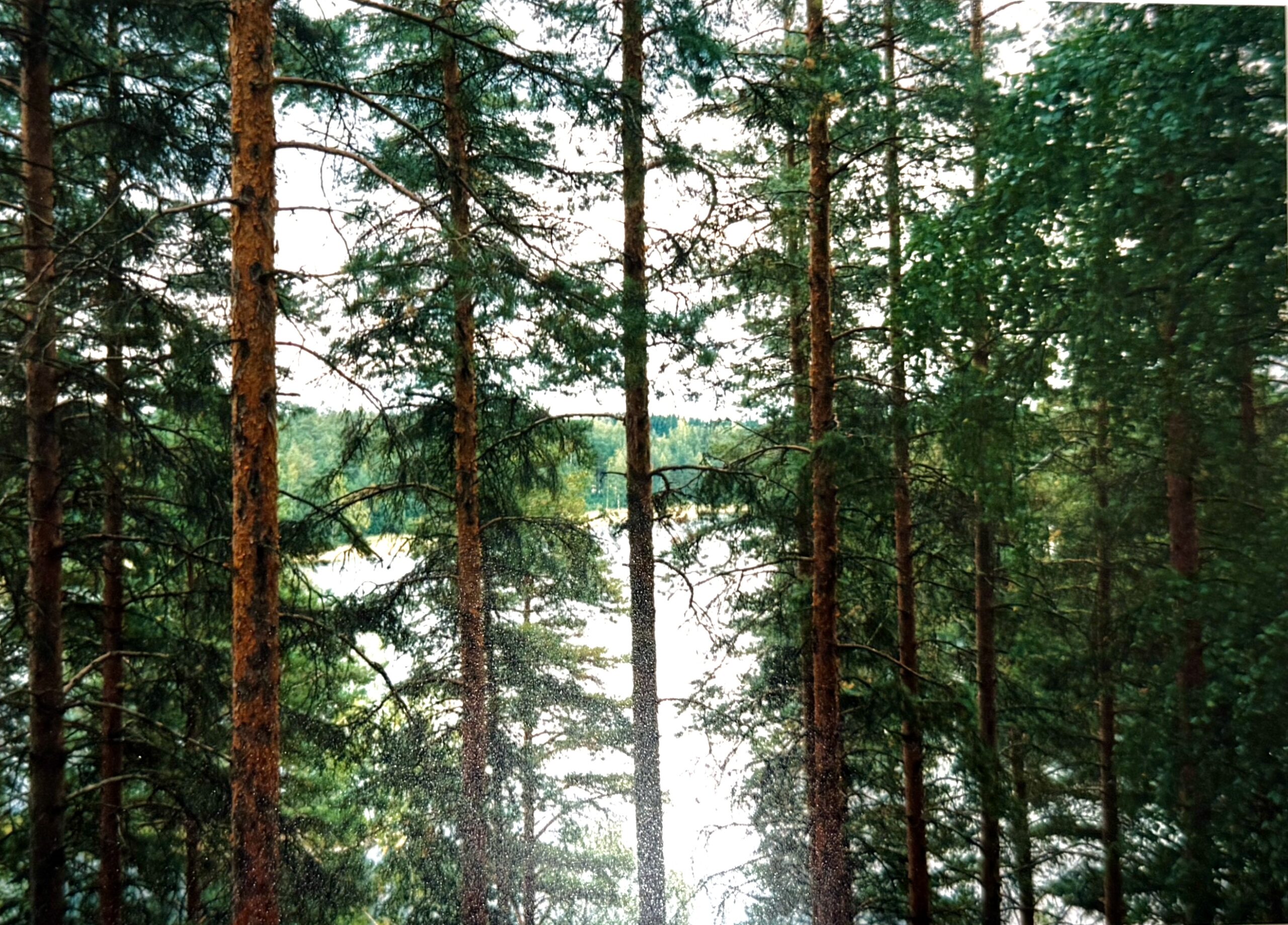 The Ministry of Agriculture and Forestry has unveiled a broad package of measures aimed to boosting forest growth and pollution-absorbing carbon sinks. The moves will help Finland reach its goal of carbon neutrality by 2035, as required by law and stipulated in the government programme, ministry officials said on Friday. The agency is led by Minister of Agriculture and Forestry Sari Essayah, chair of the Christian Democrats. The government of Prime Minister Petteri Orpo (NCP) approved the financing of forest-related climate measures during its mid-term policy review session last spring and in its second supplementary budget of 2025. The measures include moves to step up fertilisation of forests and expansion of the forest cover in an effort to increase carbon sequestration, in other words woodlands’ capacity to absorb and store carbon from emissions that would otherwise contribute to global warming.
 The Wood Pellet Association of Canada will host the largest gathering of the Canadian wood pellet industry. Biomass and wood pellets play a key role in ensuring Canada has renewable and responsible energy. Join us in Halifax, Nova Scotia, September 23-24, 2025.
 In 2023, the Canada wildfires that incinerated more than 17 million hectares of boreal forest were so hot they … smoldered underground all winter. That heat created vast columns of rising air, carrying dust, volatile organic compounds, and huge quantities of a simple particle with the potential to exacerbate climate change: black carbon. Commonly known as soot, black carbon is a type of pollution formed by the incomplete combustion of fossil fuels or biomass such as trees. It’s a risk to human health, having been linked to respiratory and cardiovascular diseases. It’s also a potent short-term warming agent. Black carbon absorbs copious heat from the sun and, when it coats a layer of ice or snow, reduces its ability to reflect solar energy back into space. …The research on black carbon needs to be updated as more becomes known about the aerosol, and that makes tracking wildfire smoke even more important.


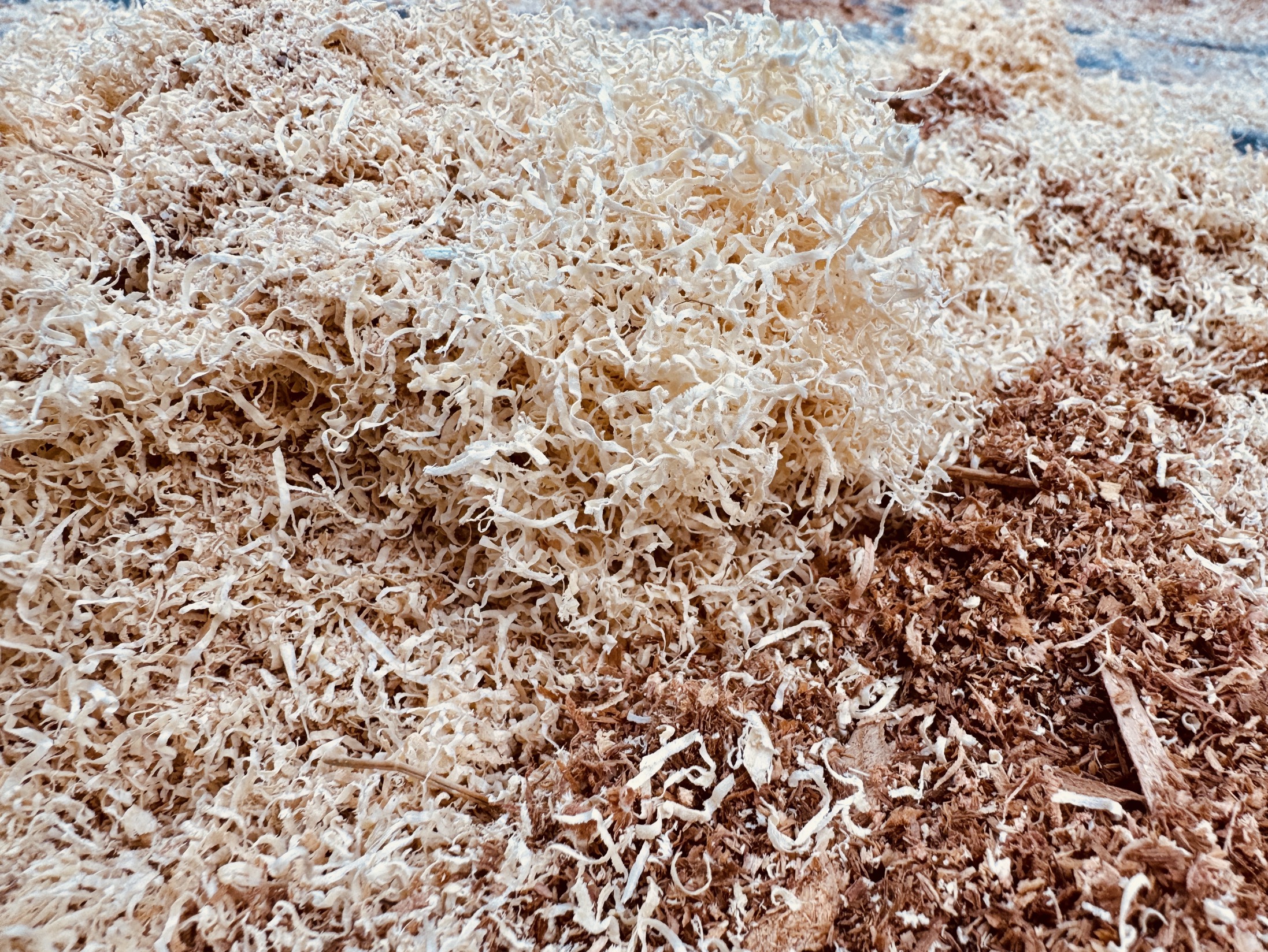 EGANVILLE, Ontario — The Government of Ontario is protecting workers and jobs in the forest sector by investing over $9.1 million in five research, innovation and modernization projects in Eastern Ontario. The investments from the Forest Biomass Program will help boost Ontario’s forest sector’s competitive advantage by creating new jobs, increasing productivity and opening up opportunities for revenue streams in new markets. …The government’s investment is supporting projects related to underused wood and mill by-products, known as forest biomass. …These projects will help create good-paying local jobs while supporting the delivery of high-quality, made-in-Ontario products to market at a lower cost. In addition, they will strengthen Eastern Ontario’s economy by creating added demand for the harvesting, hauling and trucking industries, and develop new opportunities for Indigenous communities to participate in the growing forestry industry.
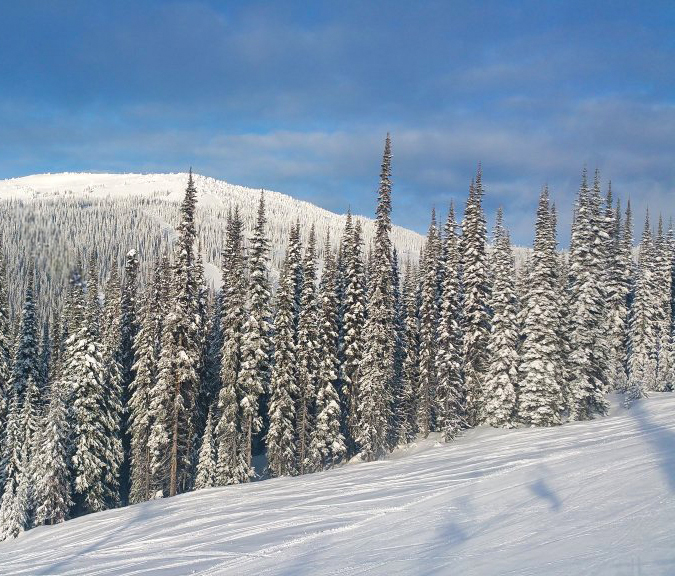 Many forests are losing their winter snowpack as global temperatures rise, and that could substantially slow their growth – and reduce the amount of carbon they remove from the atmosphere. Current projections “are not incorporating that complexity of winter climate change, so they are likely overestimating what the future carbon storage will be”, says
 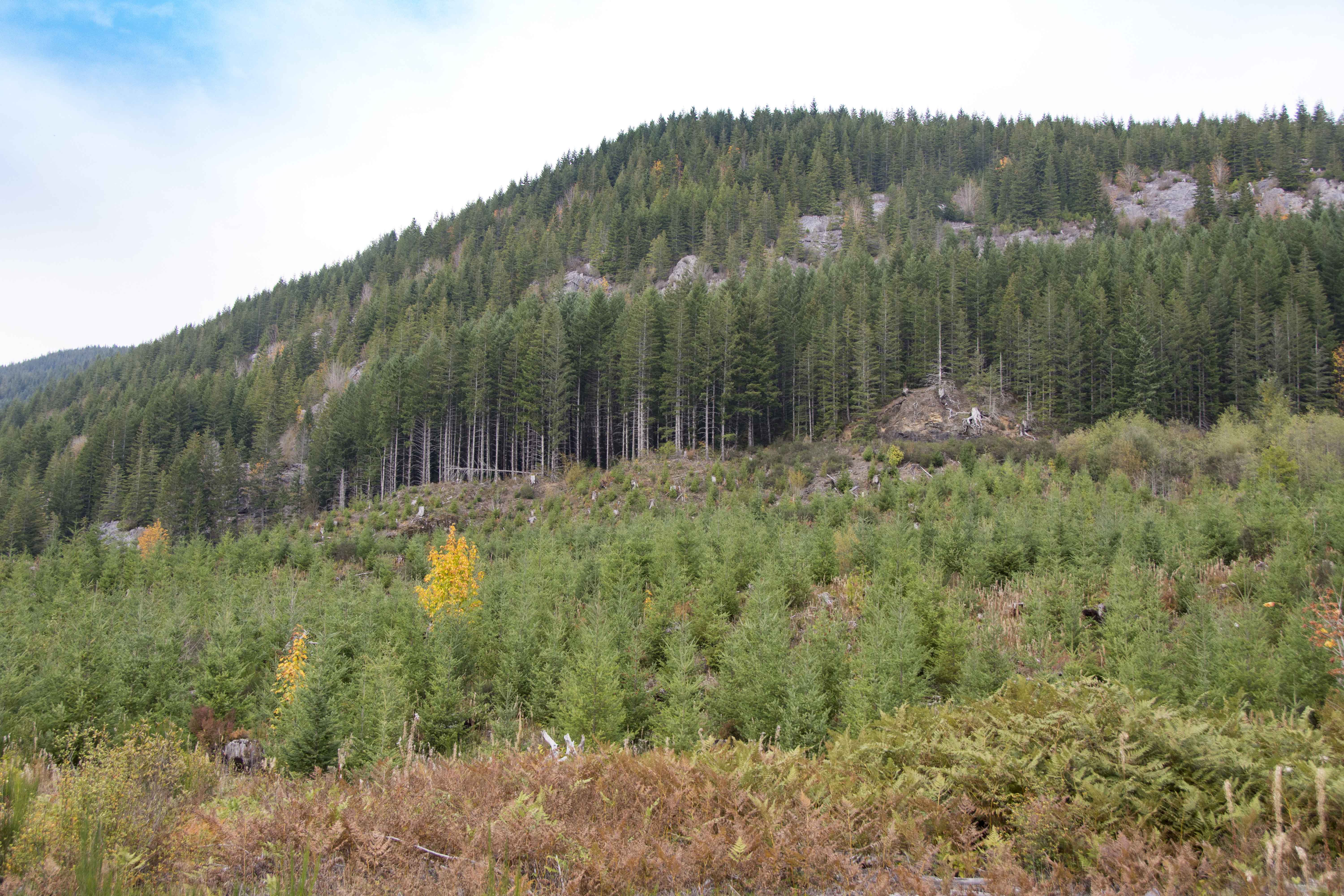 Young forests regrowing from land where mature woodlands have been cut down have a key role to play in removing billions of tons of atmospheric carbon dioxide (CO2) and combating climate change, a new study reveals. …Forest regeneration offers a cost-effective method for carbon removal, but rates vary by location and forest age. Researchers have discovered that young secondary forests, particularly those aged between 20 and 40 years, exhibit the highest rates of carbon removal—locking away up to eight times more carbon per hectare than newly regenerating forests. …Their study reveals that if 800 million hectares of restorable forest begin regenerating in 2025, up to 20.3 billion metric tons of carbon could be removed by 2050, but delays sharply reduce this potential.
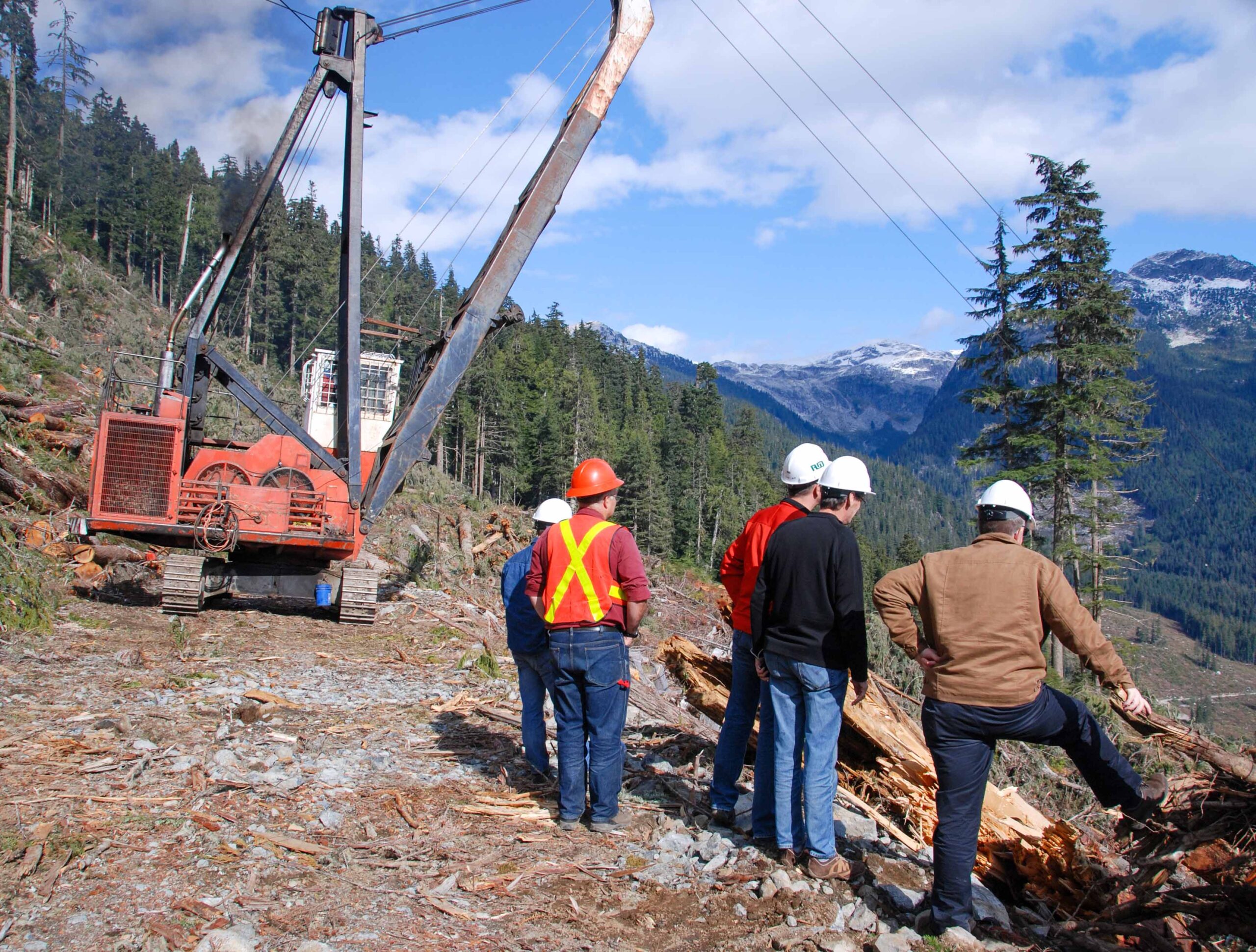 Overlapping work activities are one of forestry’s most complex safety challenges; without proper controls, phase congestion can pose serious hazards to workers. However, with proper management, forestry operations can achieve safe, efficient phase integration. “Preventing injuries and fatalities takes ongoing commitment to coordinated planning, qualified supervision, worker training, and clear communication, says Tom Pawloski, manager of prevention programs and services at WorkSafeBC. Phase congestion occurs when multiple harvesting phases overlap in the same or nearby area, often due to insufficient time or distance between phases. It often builds gradually and can go unnoticed until a serious incident occurs. …When phases aren’t properly coordinated, workers face greater risks of being struck by or caught between equipment or missing other hazards. …Safe phase integration begins before work starts. …”Phase congestion doesn’t always show up right away … staying proactive, adjusting plans as conditions change, and maintaining clear communication is essential to keeping workers safe,” Pawlowski says.
 Halifax spent more than $160,000 on the wrong type of wildfire protective gear, and the union for municipal firefighters says the mix-up is just one example that the department is not properly preparing for wildfires. In the aftermath of the
  The herbicide ingredient used to replace glyphosate in Roundup and other weedkiller products can kill gut bacteria and damage organs in multiple ways, new research shows. The ingredient, diquat, is widely employed in the US as a weedkiller in vineyards and orchards, and is increasingly sprayed elsewhere as the use of controversial herbicide substances such as glyphosate and paraquat drops in the US. But the new piece of data suggests diquat is more toxic than glyphosate, and the substance is banned over its risks in the UK, EU, China and many other countries. …Despite the risks amid a rise in diquat’s use, the EPA is not reviewing the chemical, and even non-profits that push for tighter pesticide regulations have largely focused their attention elsewhere.

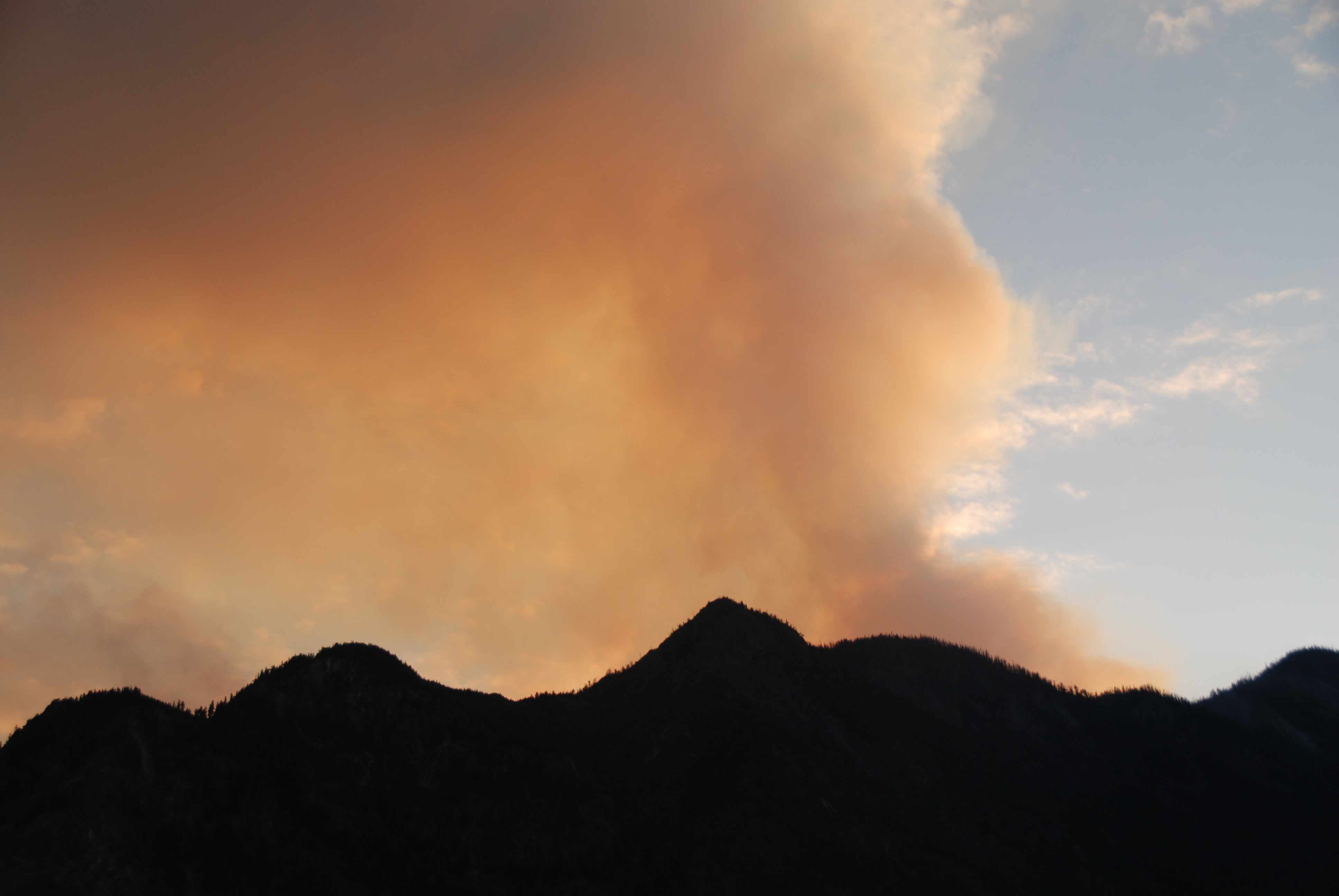 Wildfire smoke from just across the U.S. border is drifting into southern B.C., prompting a Level 1 activation of the Regional District of Kootenay Boundary’s Emergency Operations Centre (EOC). As of Wednesday night, the Hope Fire had grown to 3,500 acres with zero per cent containment, burning 11.4 miles southwest of Northport, Washington. Wednesday morning, the regional district issued an update on the Hope (USA) Fire. According to the Regional District of Kootenay Boundary (RDKB), as forecasted, favourable weather conditions last night resulted in shifting winds that blew the fire back onto itself and away from the Canada/US border. The United States has put considerable resources on the now 3,200-acre fire. For current information on the Hope Fire, residents are advised to consult U.S. agency sources, such as

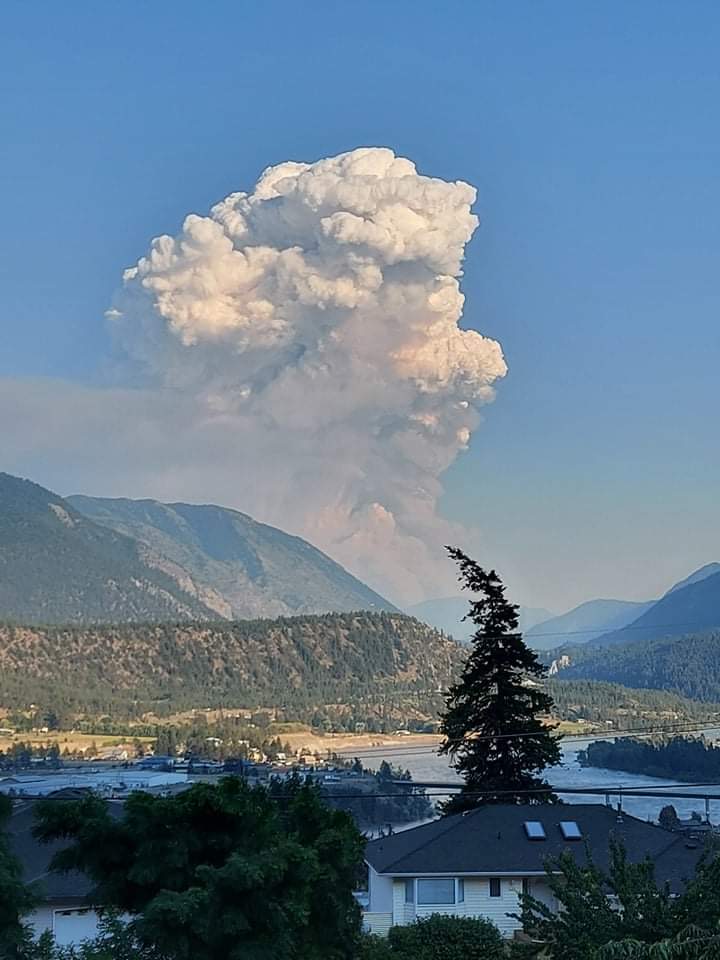 The Thompson-Nicola Regional District has declared a local state of emergency for the Blue Sky Country region due to an encroaching out-of-control wildfire near Lytton, B.C. It has also issued an evacuation order for two properties on Spencer Road South as the blaze poses “immediate danger to life.” The BC Wildfire Service says the Nikaia Creek wildfire is about six hectares in size and is one of more than 70 wildfires burning across the province. It says crews, supported by firefighters from Lytton First Nation, made “good progress” overnight and they are now focused on the north and south flanks of the blaze. The Thompson-Nicola Regional District also issued an evacuation alert Monday night for nine properties in the Harper Lake area near Chase, B.C., due to the rapidly growing Mount Scatchard wildfire.

 Firefighters across Europe continue to battle forest fires amid blistering heatwaves, as blazes broke out in Germany, Greece and Turkey on Saturday. Hundreds of German firefighters have been battling blazes for days in the forested regions of Thuringia and Saxony, including the Gohrischheide nature reserve near the Brandenburg border. …Firefighters in Greece made progress in containing a wildfire that broke out on Friday afternoon in eastern Attica. …Strong winds and dry conditions have raised the risk of wildfires across Greece, prompting heightened vigilance by emergency services. In Turkey, firefighters have reportedly brought several large wildfires under control in the western Izmir province. …Ground crews, supported by planes and helicopters, worked around the clock for three days to contain the fires, according to the Turkish forestry directorate. …Turkey also reportedly sent two aircraft and 11 fire engines along with support vehicles to Syria on Saturday to help in the firefighting efforts there.
 ISTANBUL/PARIS/BRUSSELS – Firefighters battled wildfires in Turkey and France on Monday and more than 50,000 people were evacuated as an early summer heatwave hit Europe. Health alerts were issued in France, Spain, Italy, Portugal and Germany. Even the Netherlands, used to a milder climate, issued a warning for high temperatures in the coming days, coupled with high humidity. “Large parts of Western Europe are experiencing extreme heat and heatwave conditions that are normally observed in July or August, rather than June,” said the EU’s Copernicus Climate Change Service. …In Turkey, wildfires raged for a second day in the western province of Izmir, fanned by strong winds, Forestry Minister Ibrahim Yumakli said. More than 50,000 people have been evacuated from five regions, including more than 42,000 in Izmir, Turkey’s AFAD emergency management authority said.