 US housings starts fell 10% in May as US home builder sentiment sunk to its lowest level since 2022. In Business news: Mercer’s Peace River pulp mill is targeted for carbon sequestration; the defunct Ponderay Newsprint Mill assets are for sale; and International Timber & Veneer is closing its Pennsylvania facility. Meanwhile: Kelowna’s mass timber airport roof is complete; and Ireland considers Wood First Plan to solve its housing crisis.
In Forestry/Wildfire news: the G7 Leaders boost cooperation with Wildfire Charter; Canada’s wildfire crisis in displacing First Nations; BC Minister Parmar is appointed Canadian Council of Forest Ministers’ chair; David Elstone’s out of the box idea for wildfire resiliency; a BC logging contractor is fined for grave site damage; and wildfire updates from California, BC and Newfoundland.
Finally, June is National Safety Month in the US, and wildfire smoke can hurt your brain.
Kelly McCloskey, Tree Frog News Editor
 Western Forest Products
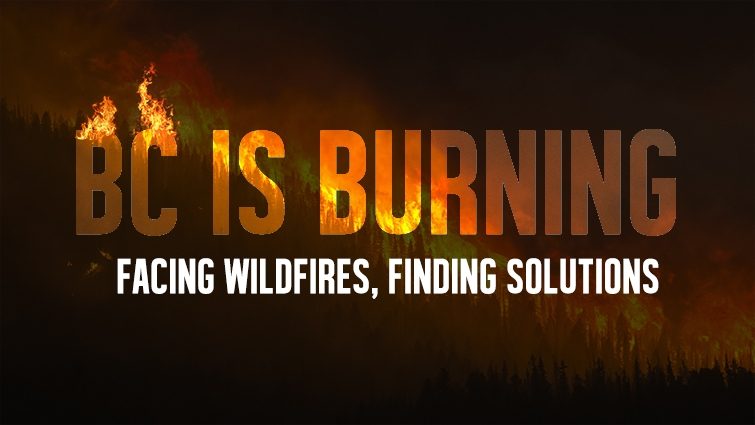
 New film reveals the roots of B.C.’s wildfire crisis—and what we must do to stop it. A powerful new documentary exploring the causes and consequences of British Columbia’s escalating wildfire crisis will premiere to the public at the Mary Irwin Theatre in Kelowna on Tuesday, June 24 at 7:00 pm and at the Vernon Performing Arts Centre Thursday June 26 at 7:00 pm. Titled B.C. is Burning, the 45-minute film delivers a sobering but hopeful look at what’s fueling today’s megafires—and the science-based solutions that could protect our forests, our communities, and our future. B.C. is Burning was independently produced and funded through community support, with Homestead Foods generously contributing half of the total budget. We also gratefully acknowledge major support from Skyline Helicopters, Padoin Reforestation, and Kalesnikoff.

 The Institute is seeking an enthusiastic individual to provide strategic and operational leadership as Executive Director. The Executive Director leads the Canadian Institute of Forestry / Institut forestier du Canada (CIF-IFC), guiding the organization through strategic growth and operational excellence. This role ensures the long-term sustainability of the Institute through sound governance, financial stewardship, and stakeholder engagement. The Executive Director works closely with a small team, the Executive Committee, and a broad national network of members, volunteers and partners. They are accountable to the Board of Directors and collaborate with committees, staff, members, sponsors, and regions across Canada. This is a full-time, remote position. Individuals with the requisite qualifications are invited to apply by July 21, 2025.


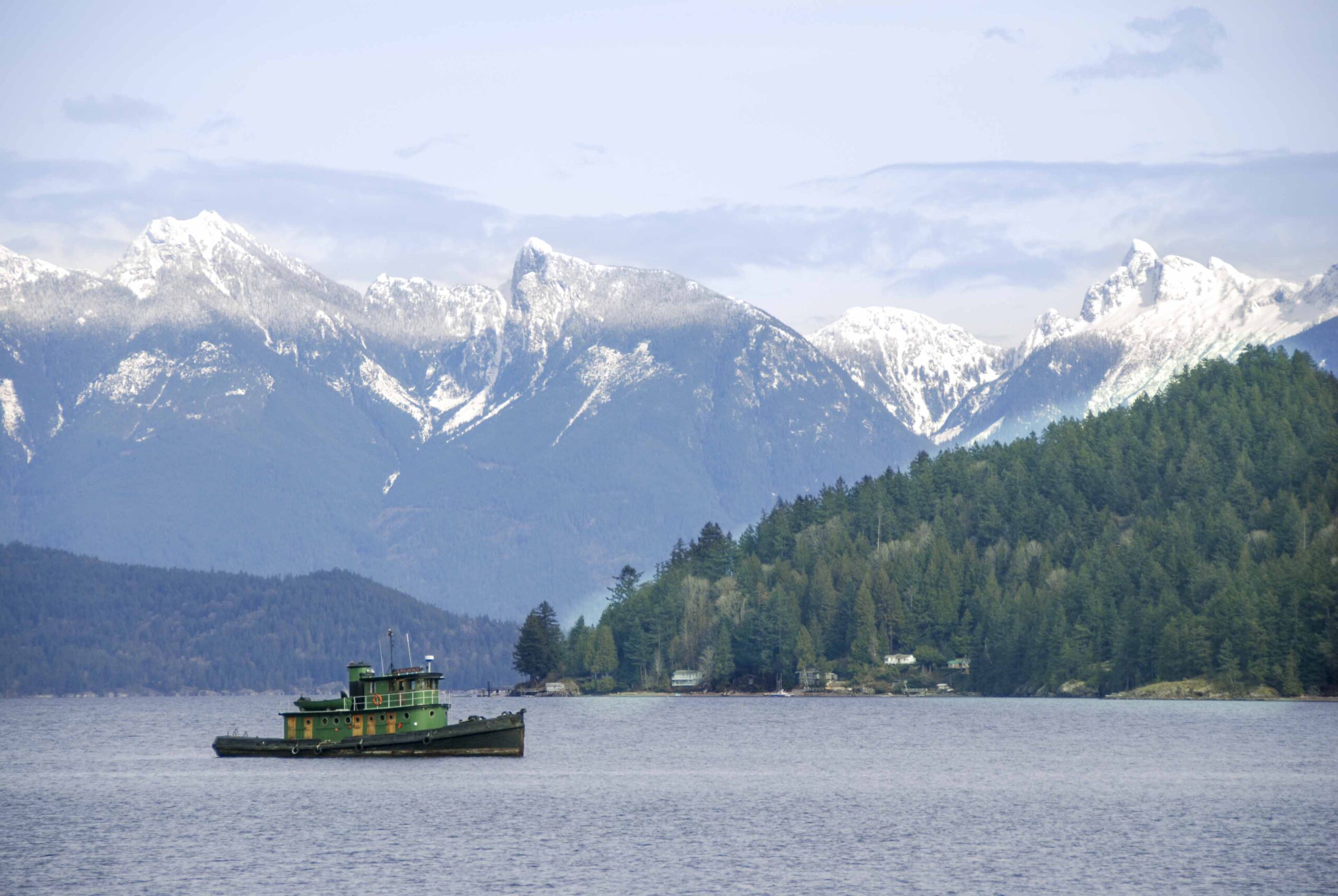 A contractor hired to oversee logging on a Sechelt property and that site’s numbered company owner were sentenced for violations of the Heritage Conservation Act June 16, in the first ever B.C. Provincial Court sitting held at the shíshálh Nation longhouse. Grant Starrs, 55, of Sechelt and 0990199 B.C. Ltd. both pleaded guilty to the 2020 disruption of an identified heritage site. That area was occupied by the graves of 49 shíshálh people, according to federal Crown counsel Molly Greene. Provincial Court Judge Robert Hamilton accepted the joint submission of the Crown and defence attorneys, and fined the company $200,000, payable within five business days. Starrs was fined $30,000 and given 90 days to pay. Each is also to pay a victim surcharge of 15 per cent of their fine amounts. …In issuing his decision, Hamilton stated the fine to the company was four times higher than previous ones issued for such violations of the Heritage Conservation Act.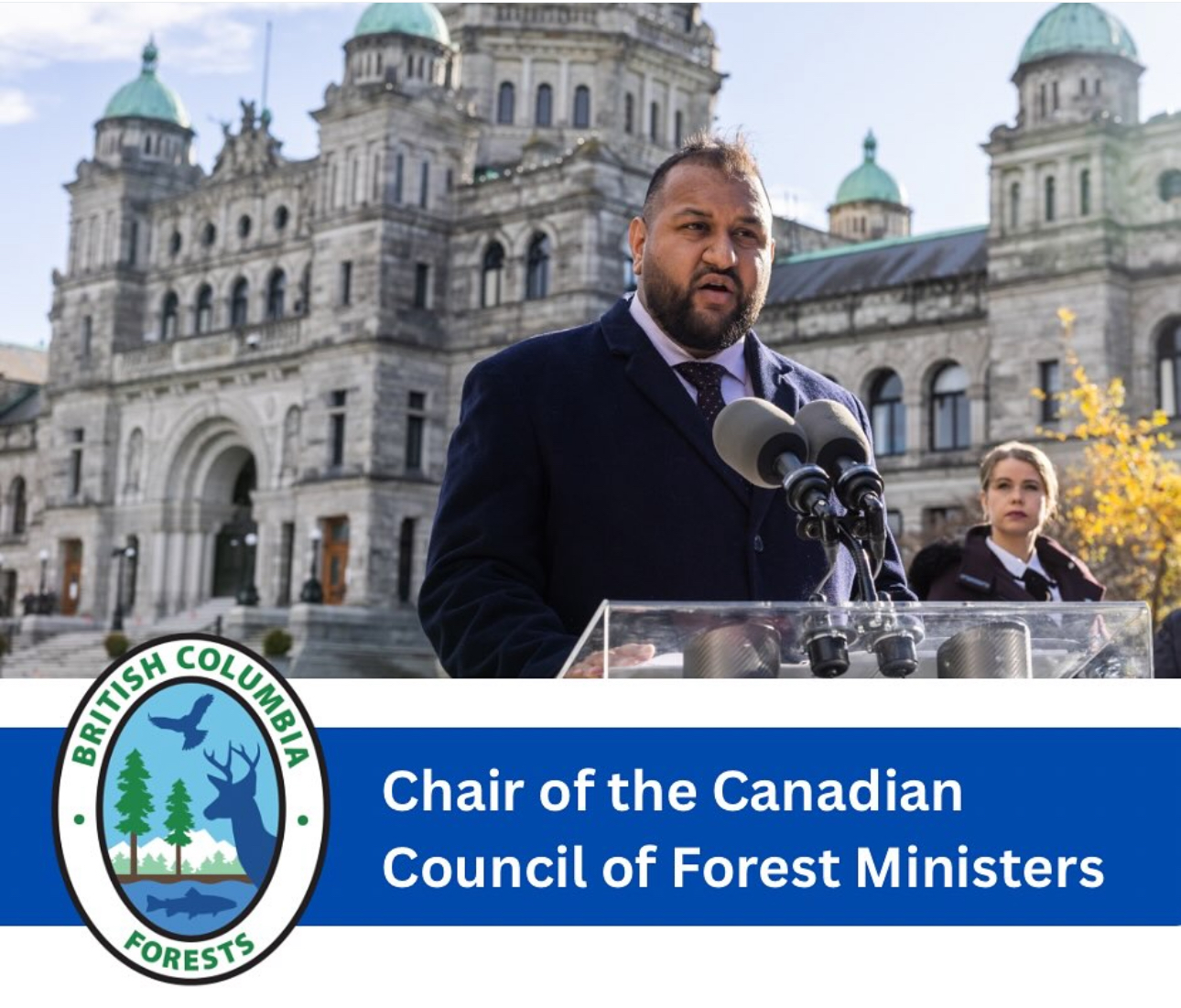
 Cranbrook, BC – United Steelworkers (USW) Local 1-405 members at Galloway Sawmill have had enough and are going public with their frustration with Peak Renewables and Galloway Sawmill owner Brian Fehr and the violation of their collective agreement rights and severance owed to the 20 workers of the Galloway Sawmill. “Workers left at the Galloway Sawmill are entitled and deserve their severance from Peak Renewables and owner Brian Fehr at Galloway Sawmill. The company is reneging on a negotiated closure agreement and the workers are the only ones that get hurt,” said USW Local 1-405 President Grant Farquhar. “That site was closed officially by the employer in December of 2024. Five months later and two months after the commitment was made by the employer to pay the severance was made, the members still haven’t received it.” Brian Fehr, owner of Peak Renewables, bought the Galloway Sawmill from Bud Nelson in 2017. The mill hadn’t run since December of 2022.
 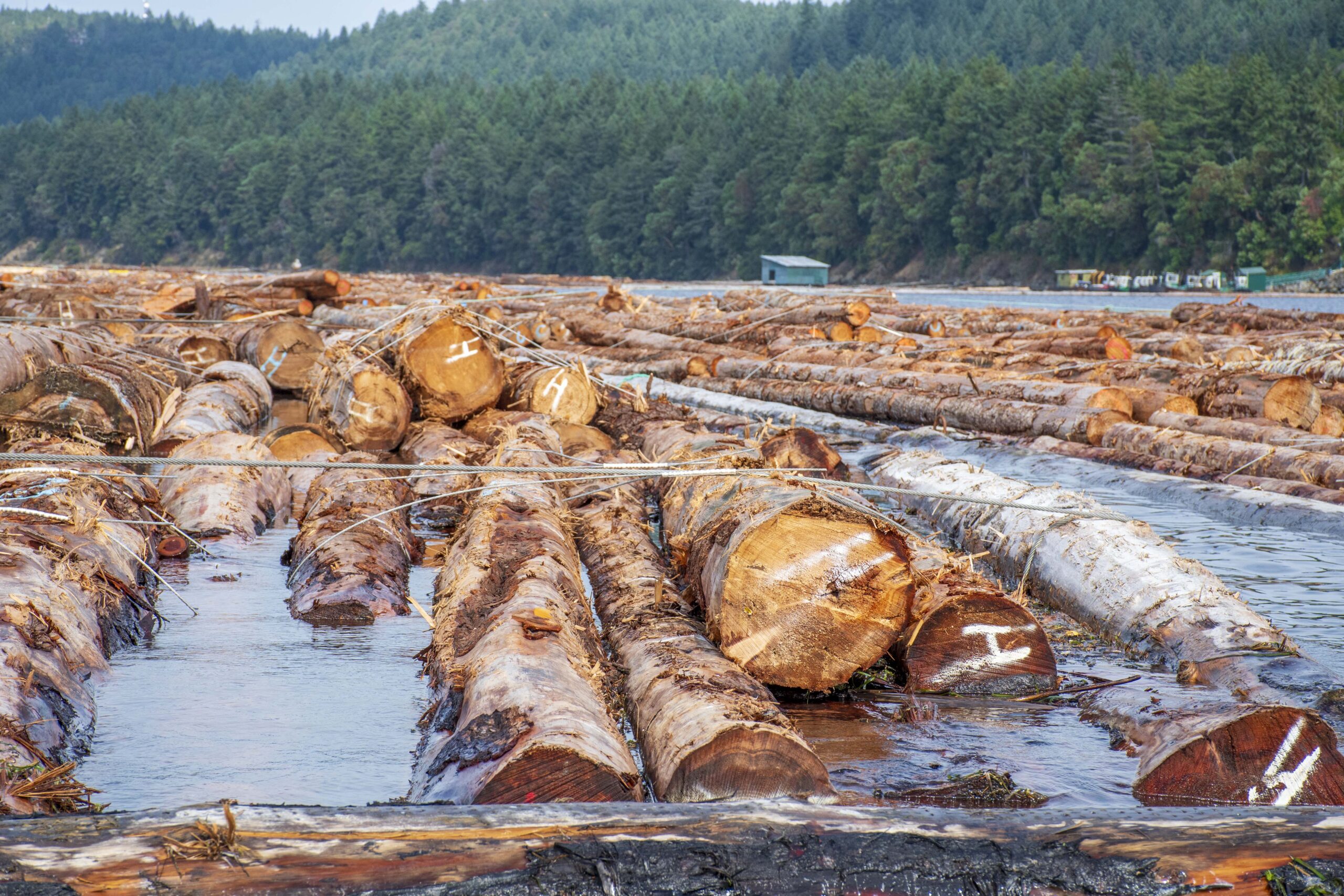 About 100 unionized forestry workers are on the picket line at operations on the mid and north Island, claiming their employer wants to contract out their work. United Steelworkers Local 1-1937 went on strike June 6, citing “significant concessions” demanded by La-kwa sa muqw Forestry Limited Partnership (LKSM Forestry). LKSM Forestry is the former Western Forest Products Mid-Island Forest operation now jointly owned by four First Nations of the Nanwakolas Council — the Tlowitsis, We Wai Kai, Wei Wai Kum and K’ómoks First Nations — as well as Western Forest Products, which still owns the majority of the company. The Steelworkers union said one of the main concessions LKSM is demanding is the use of non-union contractors to do work currently done by union members on sites. That includes jobs performed by union members working for contractors on sites. …The union said it remains open to talks with the company that focus on resolving the outstanding issues.


 VANCOUVER, BC


 Maximising the use of bio-based products is key to meeting current sustainability targets. Yet according to sustainability consultancy Metabolic, using bio-based products for half of new housing in Europe would require production of engineered timber to increase nearly fivefold, and roundwood by four and a half times. Given the improbability of an uplift in production on that scale, as well as the current rapid growth in global demand and the UK’s own limited timber harvest, using the country’s waste timber to make ‘cross-laminated secondary timber’ – CLST – would seem to make a great deal of sense. Rather than its current fates of combustion for energy recovery, chipping for MDF, dumping in landfill, and other low-grade, non-circular activities, incorporating this plentiful material into supply chains would benefit the construction industry, as well as the country’s economy and environment. And it would also seem to be a highly achievable ambition – so why isn’t it happening?
 Mass timber construction is gaining traction for its sustainability and efficiency, yet it brings distinct insurance and risk management challenges that require industry collaboration and proactive strategies. Key Takeaways from this Article:
 EDINBURGH, SCOTLAND — The International Sustainable Forestry Coalition (ISFC) welcomes the release by the International Organization for Standardization (ISO) of its new Standard covering the way greenhouse gas accounting should be applied to wood and wood-based products. Until the publication of this Standard, there had not been an internationally agreed upon accounting approach for biogenic carbon emissions and removals – an important piece of the puzzle to support corporate climate action and reach global net zero targets. The new series is ISO 13391 Wood and wood-based products — Greenhouse gas dynamics, and covers all essential components of carbon accounting for the sector: carbon in forests, carbon in harvested wood products and potential greenhouse gas emissions avoided through the use of wood-based products instead of fossil-based products.
 Since mid-May, wildfires across Canada have burned 9.6 million acres, prompting the evacuation of approximately 40,000 people. According to Indigenous Services Canada, a government ministry, more than half of those evacuees are from First Nations communities, and nearly 34 tribes in almost every province are affected. The sudden rush of refugees has challenged the country’s crisis response infrastructure as people seek shelter and services in cities far from their homes, with little information of when they may return to their communities. …Indigenous Services Canada has been authorized to release $20.9 million to disburse to First Nations. …According to an Intact Centre report in 2023, 60 percent of Canadian communities are now vulnerable to wildfires, a third of which are Indigenous living on reserves.
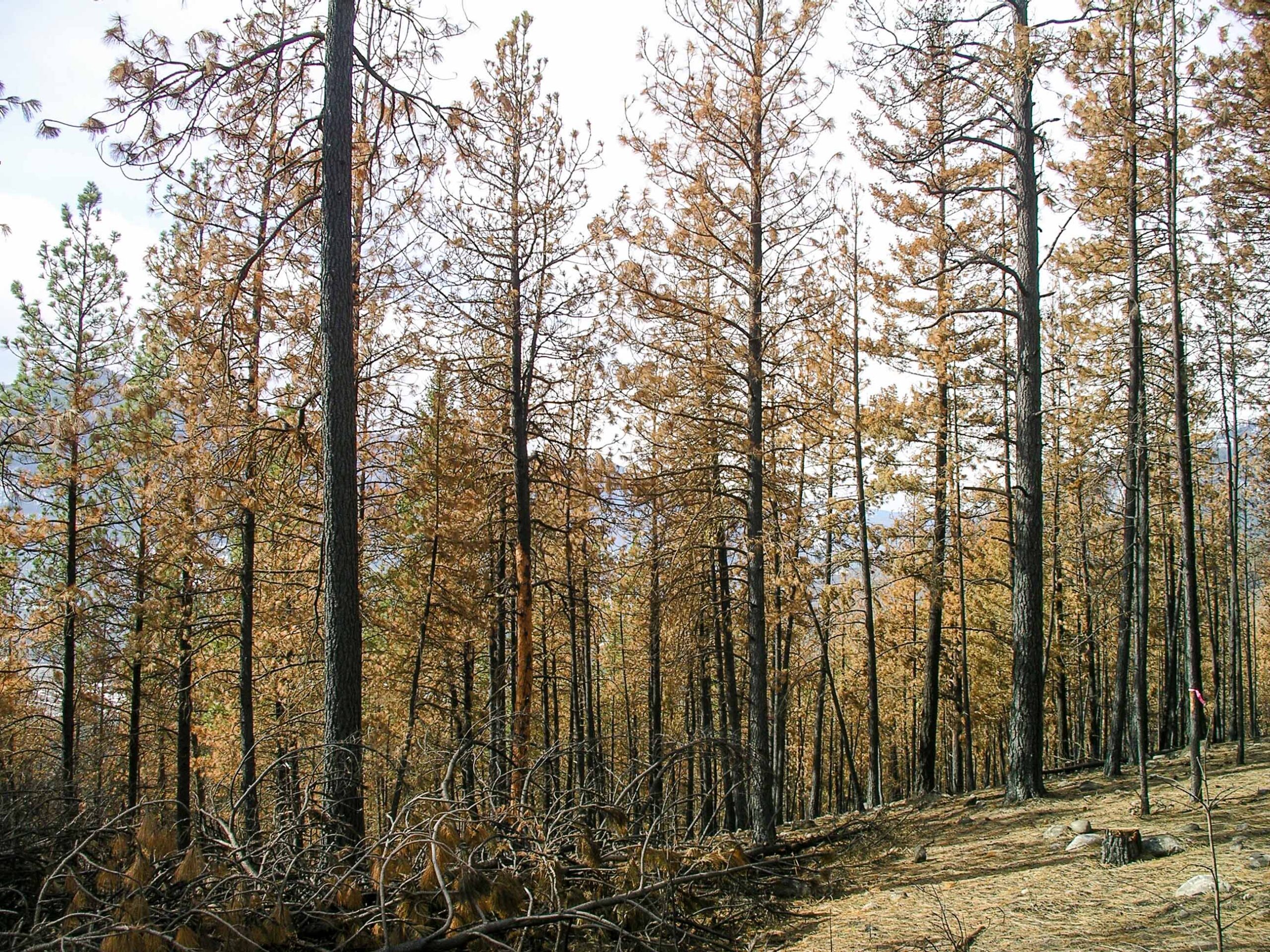 Scientists say wildfire could transform parts of the Canadian landscape, as more intense and more frequent fires push forests to adapt and prevent certain common Canadian trees from regrowing…. Canada’s native plants are hardwired to endure the effects of wildfire — to an extent. But … drier conditions and warmer weather due to climate change are making these fires more frequent and hotter. …What could happen is a shift from tall forests to grassland or savanna in some parts of the country… This would in some ways be a return to the past, said Marc-André Parisien, a scientist with the Canadian Forest Service — and not necessarily a bad thing. …“We’re moving to a place that has no historical analogue,” said Mike Flannigan, the science director of the Canadian Partnership for Wildland Fire Science at the University of Alberta. “We’re in new uncharted territory,” as climate change has exacerbated wildfires’ pace and scale. [Full story access requires a subscription to the Washington Post]
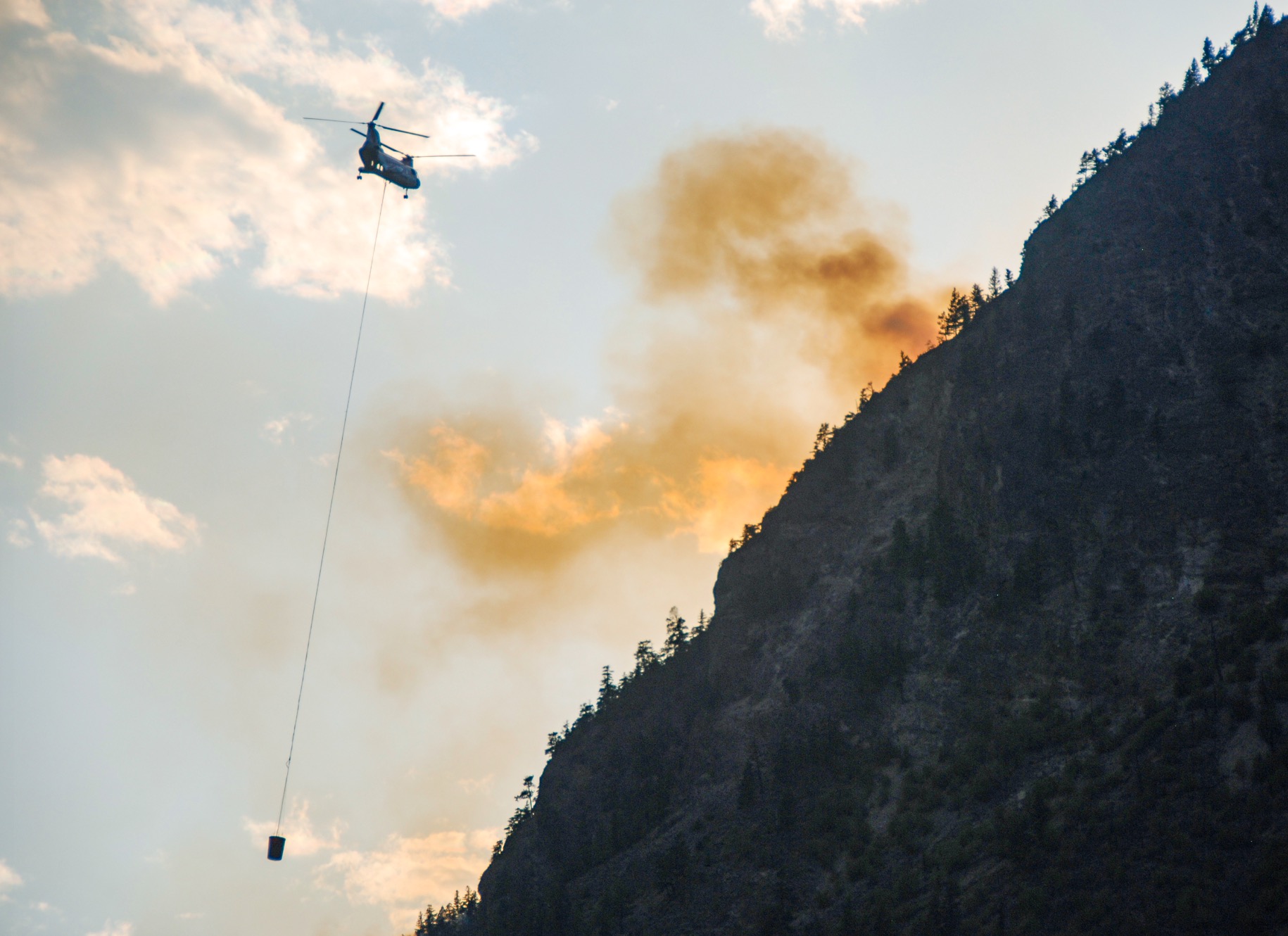 OTTAWA – This year’s wildfire season in Canada is shaping up to be the second-worst on record and federal officials are warning of a dangerous summer in parts of British Columbia. Officials … held a technical briefing Thursday in Ottawa with an update on the state of multiple wildfires and its forecast for the coming months. “We are expecting a hot and dry summer, and definitely leading to a forecast of increased fire danger conditions for much of western and northern Canada,” said Michael Norton, director general of the Northern Forestry Centre with Natural Resources Canada. Wildfires have scorched 3.7 million hectares across the country so far… Modelling by Environment and Climate Change Canada suggests temperatures will be about a degree or two above normal across the country through August, though the risk of wildfires remains highest in central and western provinces and territories.

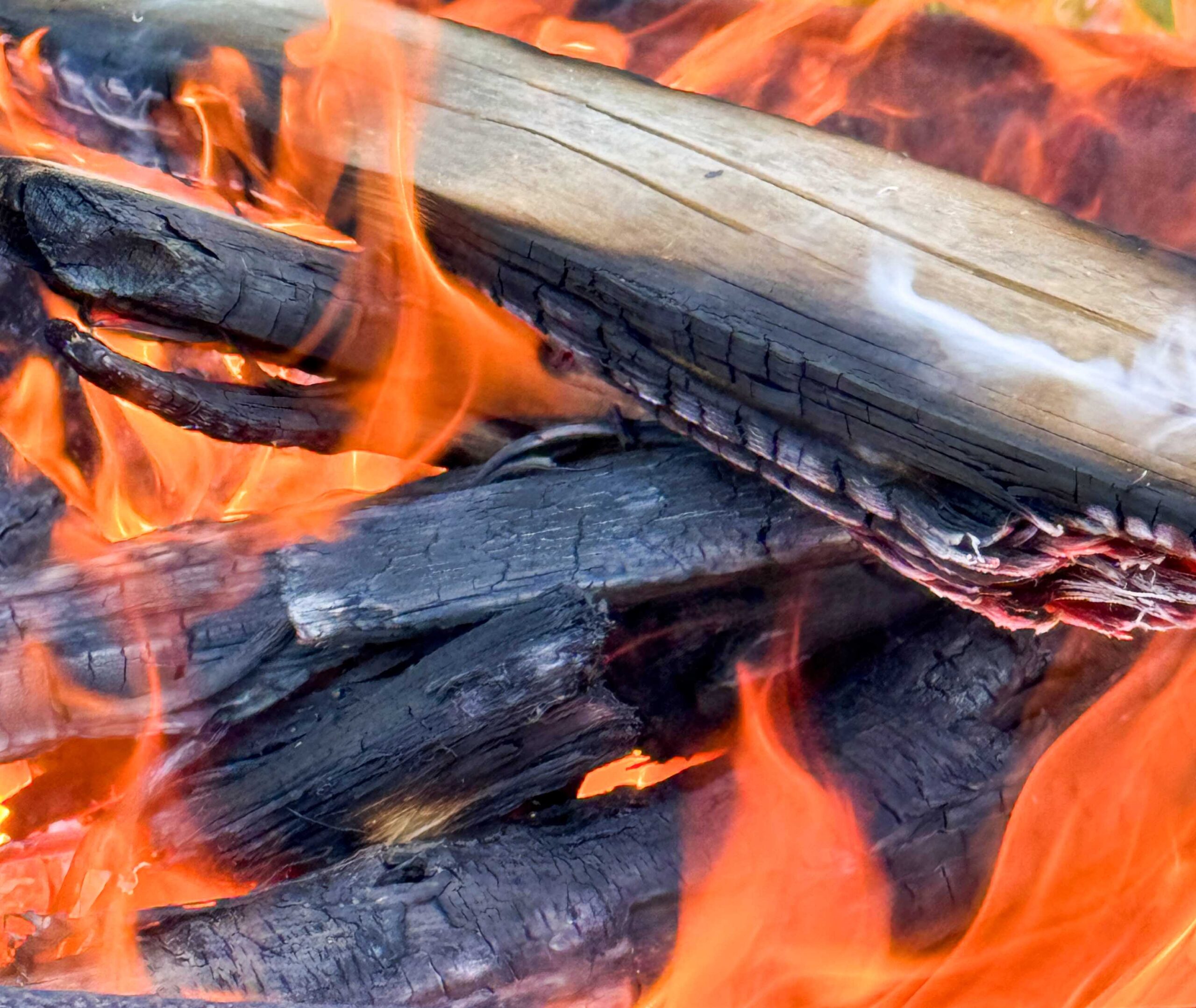 There’s an entire cycle of life that helps some wildlife thrive when the boreal forest burns, but experts say climate change and human activity have led to larger, more intense wildfires, exacerbating the negative effects on some species. While it’s too early to know exactly how one of the worst wildfire seasons in Saskatchewan history is affecting wildlife, research shows some species have evolved over millennia to take advantage of forest fire cycles. “It’s almost essential, particularly in the boreal forest, to have some degree of fire on the landscape, because it is important to create that sort of regenerative habitat for species that depend on it,” said Jean-Michele DeVink, an environmental consultant and adjunct professor at the University of Saskatchewan. “The challenge, is that for other species that do require more mature forest, the extent of fires that we’re seeing throughout the boreal forest is a bit of a problem.”
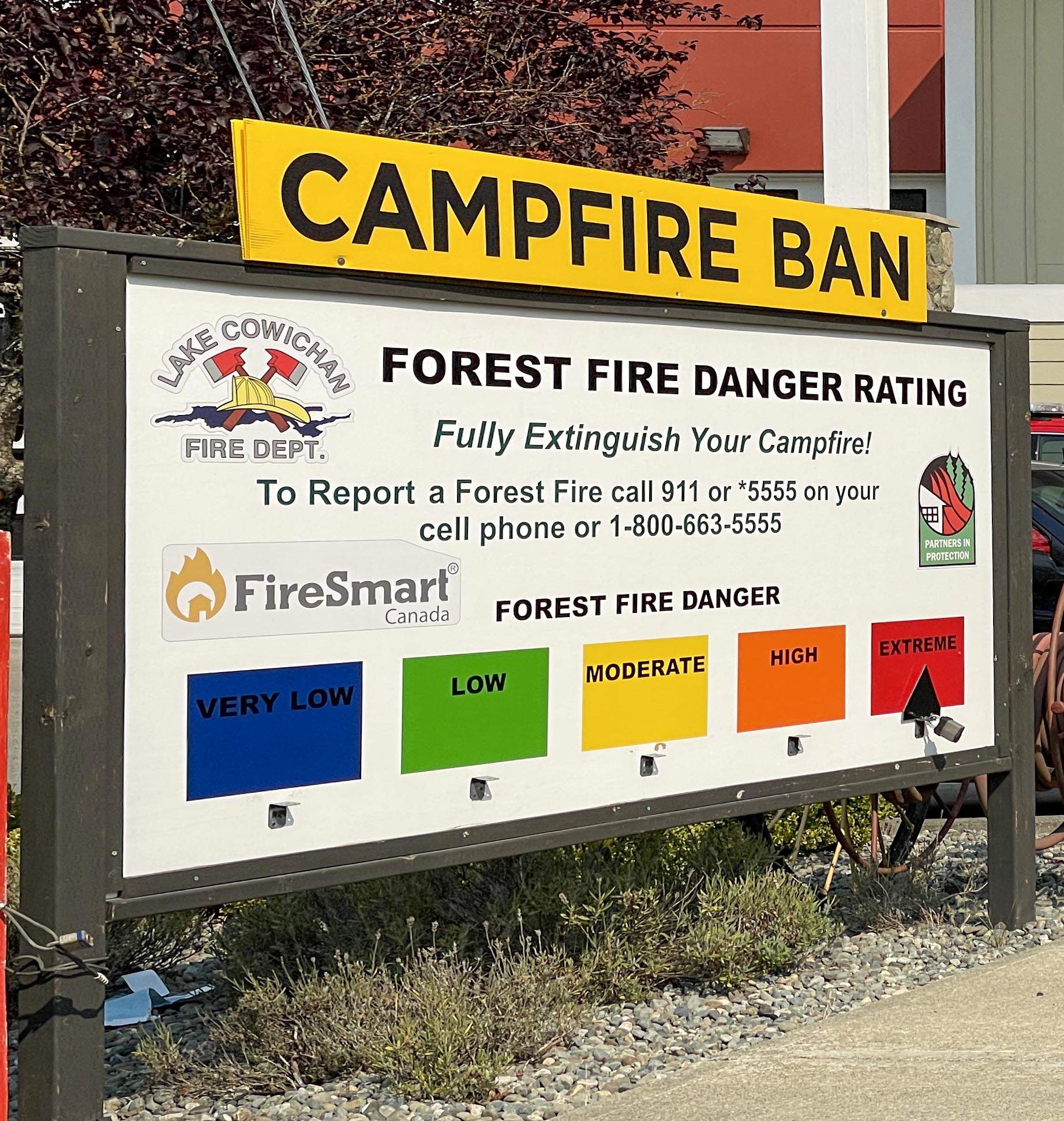 With dry conditions persisting, the Fire Danger Rating in North Saanich remains at ‘high’ since it was first raised on June 10, prompting fire and emergency services to urge residents to prioritize fire safety. “Forest fuels are extremely dry and the fire risk is serious,” the district warns. “Fires can start easily, spread quickly and be difficult to control. Use extreme caution in forested areas and during outdoor activities.” “We’re hoping the rating will encourage residents to take a proactive approach to keep their homes and properties safe in the event of a fire,” Deputy Fire Chief Aaron Kary emphasized. The fire department is offering residents valuable tools to enhance their preparedness. Wildfire automated sprinkler systems protection kits are available for purchase through the department, offering an easy-to-install solution for home protection. …While the forecast offers a glimmer of hope with potential rain … the rating will “remain high until significant precipitation occurs.”
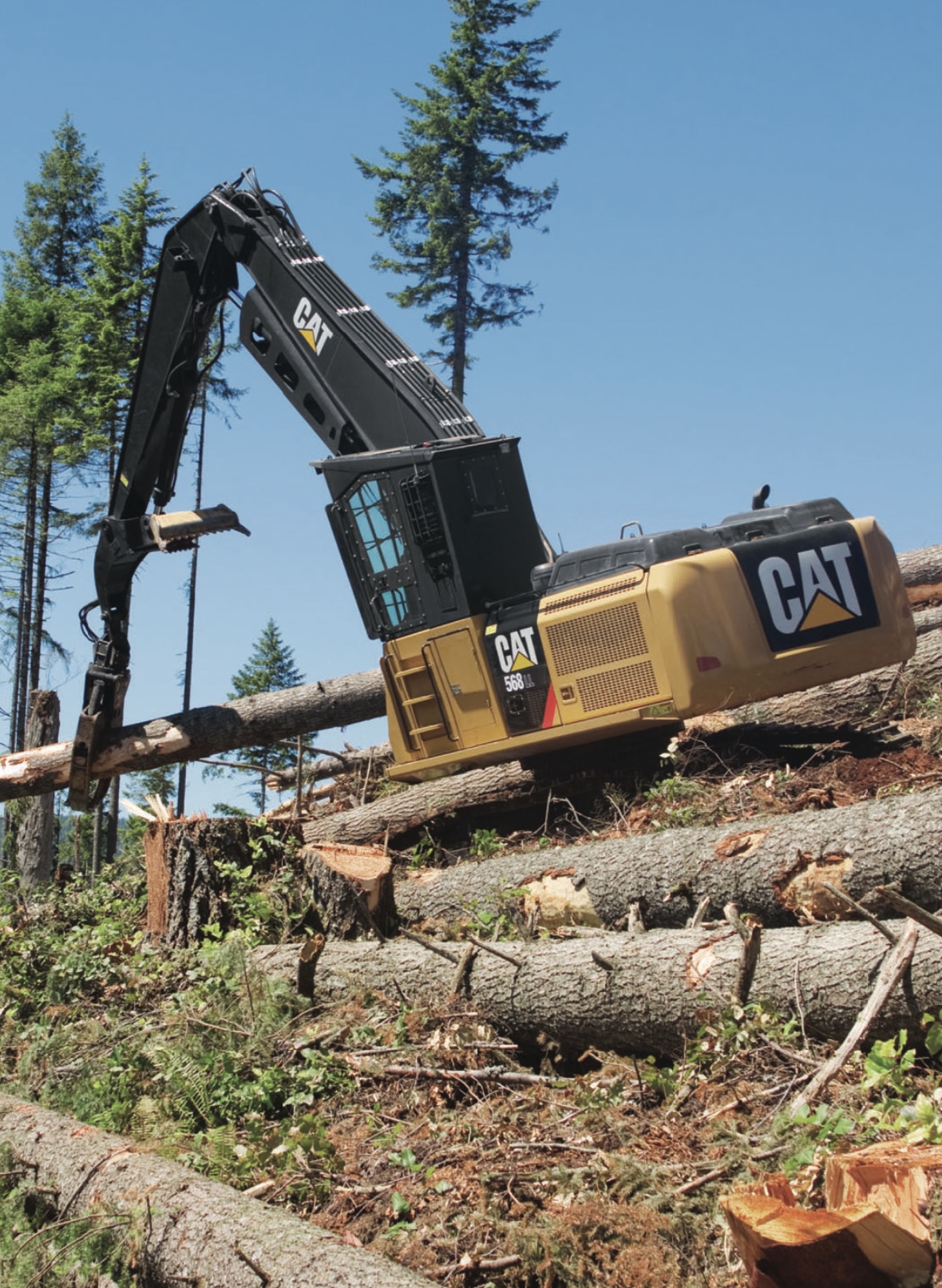 At the 2025 Council of Forest Industries (COFI) Convention in Prince George, the message coming from the stage was clear and consistent: British Columbia’s forestry sector, though challenged, was on the cusp of transformation. Words like resilience, partnership, and innovation echoed across the sessions. COFI’s President and CEO, Kim Haakstad, struck a hopeful tone in her remarks: “The forest sector is facing unprecedented challenges—but with collaboration and innovation, there is a path forward.” …Seven weeks later, I attended the Canada North Resources Expo, in Prince George. The contrast couldn’t have been more striking. This show, which typically draws the biggest names in logging and roadbuilding equipment, felt subdued. Gone were the sprawling displays from Caterpillar, Komatsu, Hitachi, Volvo, John Deere, and XCMG. These are big players – their absence was impossible to miss. …At COFI, we heard big ideas. At the Resource Expo, we saw who’s showing up—and who isn’t.



 Canada’s wildfire season has had an early and intense start, with states of emergency declared in Saskatchewan and Manitoba and forecasts warning of severe conditions across central and eastern Canada. Wildfire smoke is already crossing borders, affecting millions. In this Q&A, wildfire experts Dr. Lori Daniels and Dr. Mathieu Bourbonnais, co-directors of the
 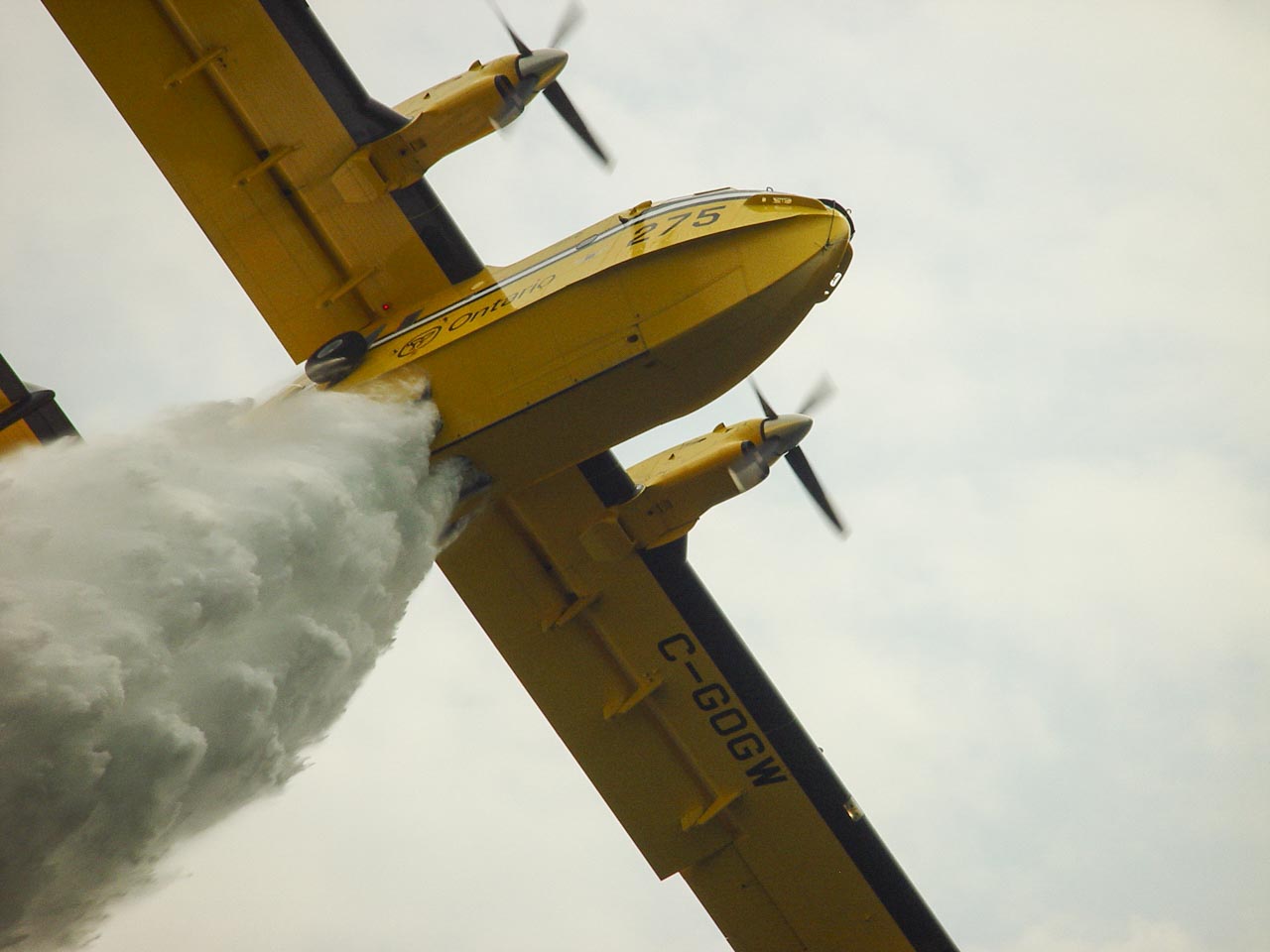 The Ontario Public Service Employees Union (OPSEU) is calling on the province to increase wages for water bomber pilots, as a shortage of pilots has led to the grounding of some aircraft. OPSEU said in a news release that pilots it represents have “resoundingly rejected an offer that would have made Ontario second to last in terms of wages for these dangerous and critical jobs.” OPSEU president JP Hornick told CBC that Ontario water bomber pilots are leaving for other provinces because they can earn better wages. “We have a government that is touting the fact that they’re purchasing six new water bomber planes, but they can’t even actually address the staffing needs that they have on the existing planes,” Hornick said. “This isn’t somebody taking off of a regular tarmac, right? They’re flying planes into the worst possible conditions, active wildfires, dipping down into lakes, filling it with water.”
 Federal agencies are seeking to reinterpret a key word in the Endangered Species Act that could weaken habitat protections for certain at-risk species, according to two wildlife biologists at North Carolina State University. The U.S. Fish and Wildlife Service and the National Marine Fisheries Service have proposed a rule that would exclude habitat modification and degradation from the regulatory definition of “harm” under the Endangered Species Act. “If we lose critical habitat protections for threatened and endangered species … they could face a heightened risk of extinction,” said Chris Moorman, a biology professor. Roland Kays, a research professor of fisheries, wildlife and conservation biology, added: “The Endangered Species Act, as it is written, is crucial to the protection and recovery of at-risk species across the country. And while there have been many attempts to change the law over the years, it’s held up and worked as intended.”


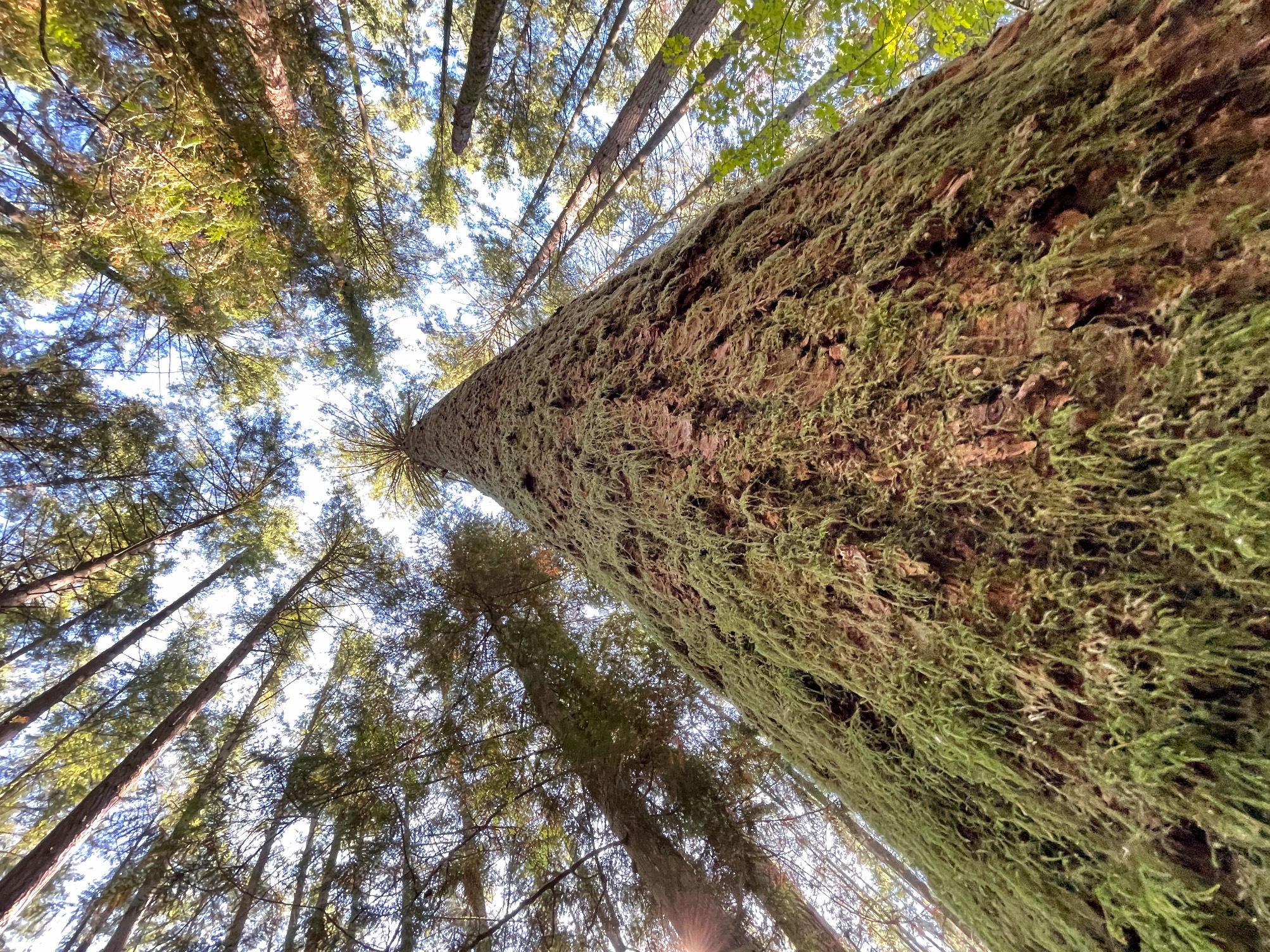 The world’s oldest forests are facing growing pressure from all sides. Their decline isn’t just an environmental concern – it carries serious consequences for people, climate stability and global biodiversity. According to a new
 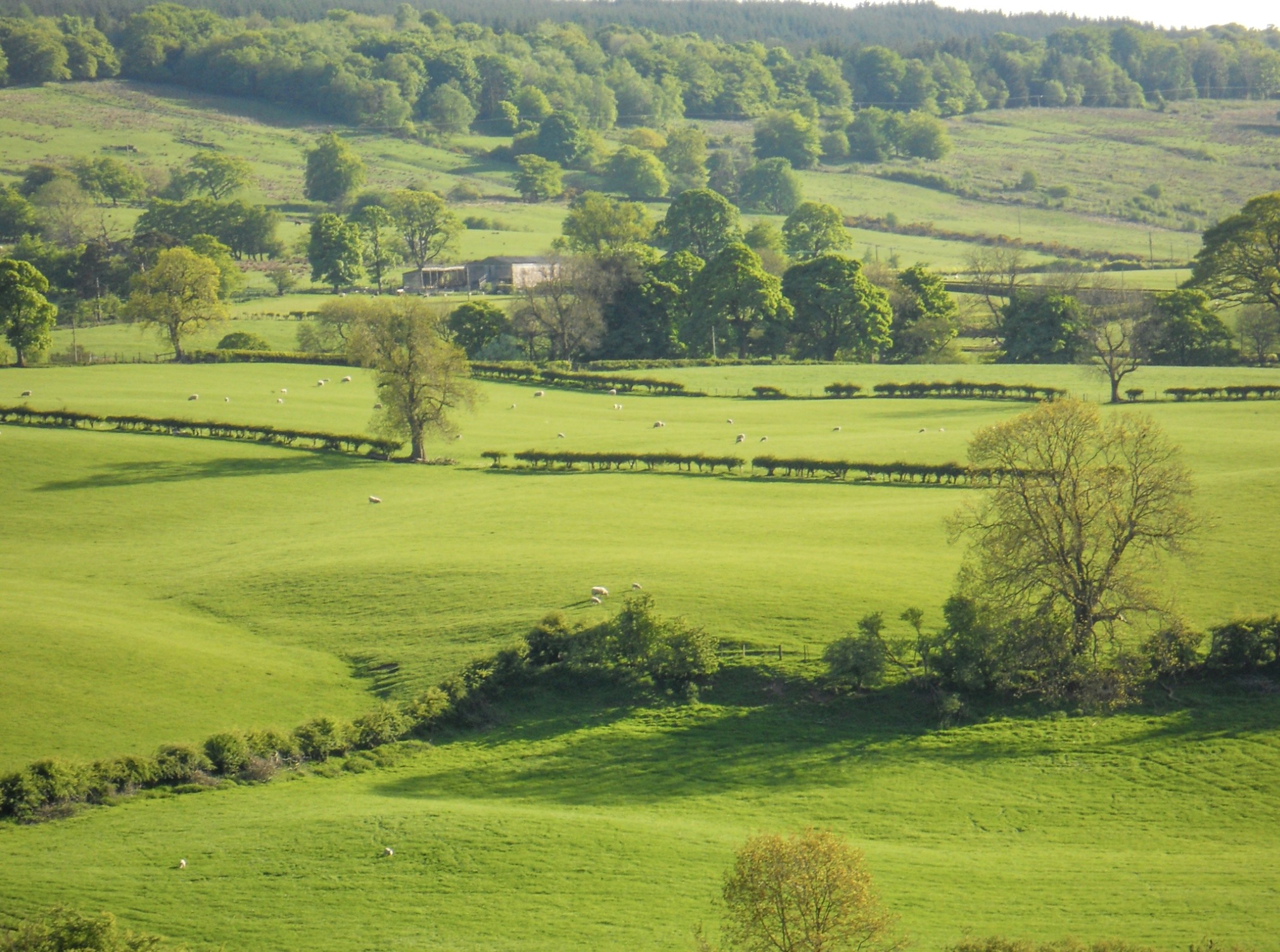 Urgent action must be taken to avoid a loss of wildlife due to the “plummeting” condition of the UK’s woodlands, according to a new report. The report, published by the Woodland Trust on Tuesday, found that the quality of woodland is on the decline, despite a slight increase in tree cover. Woodland covers 24% of Surrey, making it the most wooded county in England. Abigail Bunker, director of conservation and external affairs at the trust, said: “We are calling on the government and others to invest in the management of our woodlands.” She said investing in woodland management would mean wildlife could experience the benefits “of these precious ecosystems”. Woodlands are becoming less effective as habitats for wildlife because they lack complexity, such as having enough trees of differing ages, states and sizes.



 WASHINGTON — On behalf of the American Wood Council (AWC) and the American Forest & Paper Association (AF&PA), AF&PA Vice President of Public Policy Paul Noe gave oral testimony before the House Committee on Energy and Commerce, Subcommittee on Environment in their hearing titled, “Short-Circuiting Progress: How the Clean Air Act Impacts Building Necessary Infrastructure and Onshoring American Innovation.” In his testimony, Noe applauded legislation that would allow the paper and wood products industry to make capital investments to modernize their manufacturing facilities. …discussion was heard by the committee on two bills that would make critical revisions to the National Ambient Air Quality Standard (NAAQS) setting and implementation process that would reduce the type of permit gridlock created when the particulate matter NAAQS was significantly lowered by the previous administration. “We strongly support Congressmen Rick Allen and Buddy Carter in their efforts to address the impacts of air permitting issues on U.S. manufacturing,” said Noe.
 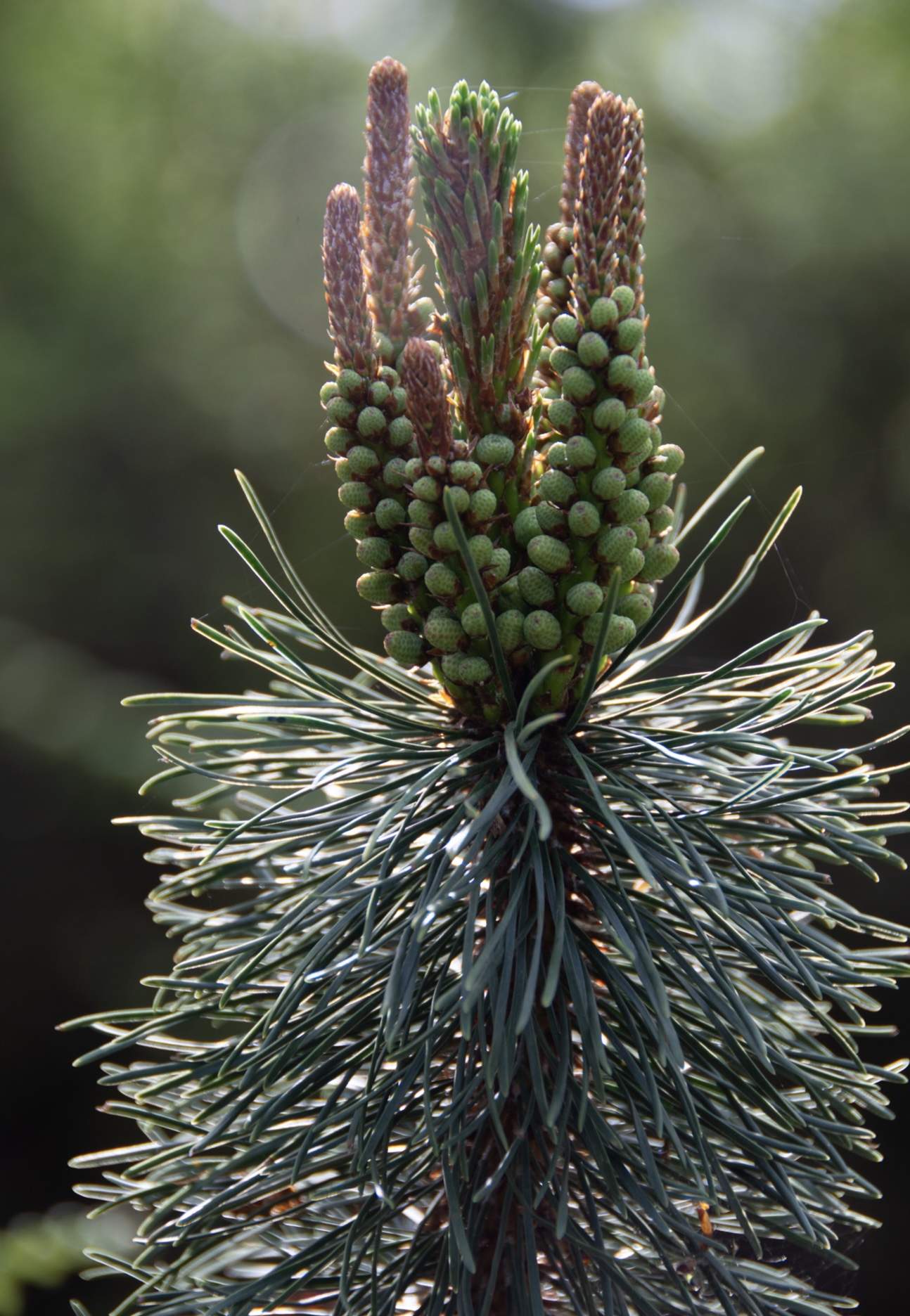 Hundreds of top environment lawyers are suing the New Zealand government over what they say is its “dangerously inadequate” plan to reduce emissions to net zero by 2050. It is the first time the country’s emissions reduction plan has faced litigation, and the lawyers believe it is the first case globally that challenges the use of forestry to offset emissions. …two groups representing more than 300 lawyers filed judicial review proceedings against the government in Wellington’s high court on Tuesday. The groups … claim … the government has abandoned dozens of tools to tackle emissions, failed to adequately consult the public, and too heavily relies on high-risk carbon capture strategies such as forestry. …They claim that the government is relying on “high risk” methods such as planting hundreds of thousands of hectares of introduced pine trees to offset emissions, and capturing carbon underground, with few alternatives to fall back on if something goes wrong.
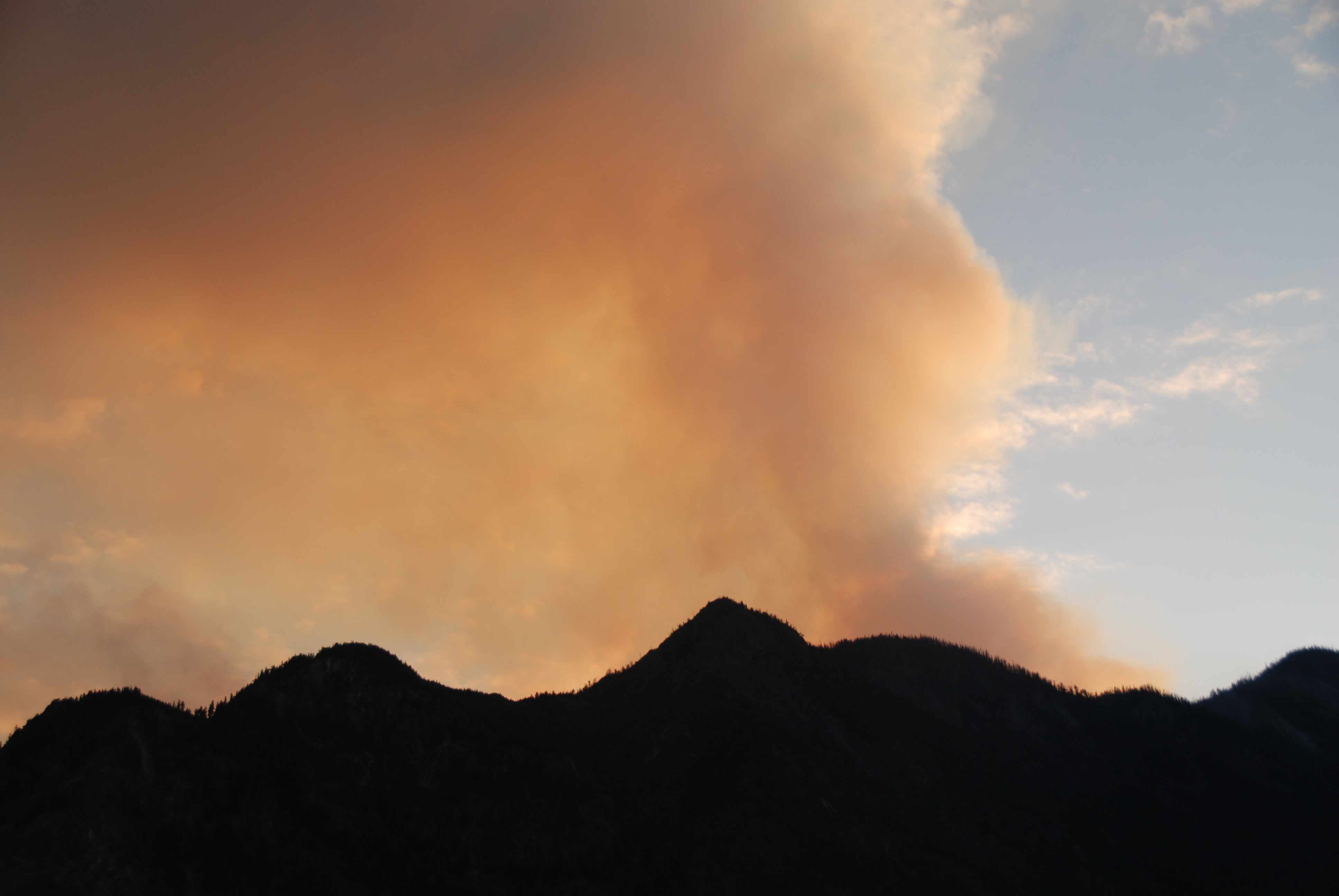 Wildfires are already burning in parts of Canada, and as they do, many communities are already facing the familiar thick haze as smoke drifts in. Smoke from wildfires has already led Environment Canada to issue air quality warnings for much of Ontario. In Toronto, smoke led to the city briefly having the worst air quality in the world. Anyone who has experienced wildfire smoke knows how it can leave you with a scratchy throat, stinging eyes and impact your lungs. However, smoke can also affect your brain. Tiny airborne pollutants found in smoke have been linked to increased risk of stroke, dementia and flare-ups in neurological diseases like multiple sclerosis, or MS. These effects can disproportionately impact older adults, people with disabilities, Indigenous Peoples and those living in low-income communities. This isn’t just about climate. It’s about equity, and health systems need to catch up.
 The 2023 McDougall Creek wildfire caused serious damage to the Rose Valley reservoir, which provides source water to more than half of West Kelowna residents through the Rose Valley Water Treatment Plant. During a presentation to city council this week, Interior Health medical health officer Dr. Fatameh Sabet said that damage makes it harder to treat water coming from the reservoir. “We know the land surrounding the Rose Valley reservoir has been contaminated because of the wildfire in 2023 and it means the contaminated source of water can be harder to treat because of the sediment, nutrients, metals and organic matter as a result of burned material,” said Dr. Sabet. “Fortunately, the Rose Valley Water Treatment Plant was not damaged from the fire and it has been very helpful to compensate for damage to the watershed.” The plant ensures water is safe by not only controlling levels of manganese and disinfection byproduct, but other perspectives as well.
 NAHB is joining with official safety sponsor Builders Mutual to highlight jobsite safety resources during
  WINNIPEG — Rain and cooler temperatures brought relief to fire-ravaged Manitoba and Saskatchewan Monday, allowing fire bans to be reduced and more evacuees to go home. The weather helped fire crews get an upper hand in parts of northern Manitoba to clear the way for some of the 21,000 or more evacuees to start returning home. David Monias, chief of Pimicikamak Cree Nation, reposted video of heavy rainfall on social media along with video of small planes leaving Winnipeg with evacuees who were forced out almost three weeks earlier. “Our people are coming home,” Monias wrote on Facebook, adding the community’s infrastructure is intact and water systems have been tested by health officials. …There were 18 fires still burning across Manitoba, with seven of them listed as out of control.
 Smoke from wildfires in northern Alberta and northeastern B.C. reached Calgary this weekend, resulting in poor air quality in the city through the weekend and into Monday morning. Fire bans remain in effect for a large part of Alberta, including in all of Rocky View County, as six of the province’s forest areas are considered to be at extreme wildfire risk. An evacuation order for parts of the County of Grande Prairie was expanded again late Saturday after the Kiskatinaw River wildfire in B.C. crossed into Alberta Friday afternoon. …As of Monday night, there were 60 fires burning in the province, with 23 of them classified as out of control. More than 615,000 hectares have burned in Alberta so far in 2025. Fire personnel and aircraft from British Columbia, Yukon, Quebec, Nova Scotia, New Brunswick, Washington State, Oregon and Idaho have arrived in Alberta to assist with battling out-of-control blazes.
 In response to the Dryden Creek fire, as this wildfire is called, Squamish Fire Rescue said in a post late Monday night that the District’s emergency response team is working out of the Emergency Operations Centre, located at Fire Hall 1 in Valleycliffe. The out of control fire is located above the eastern end of Depot Road, in the north end of Squamish. It said the BC Wildfire Service has “actively and aggressively” attacked the wildfire thus far by air and with ground crews and would continue to late into the night, and will begin again early this morning. Aerial attack will also resume early Tuesday morning, the post said. Late last night the District of Squamish issued evacuation alerts to those living in properties at the east end of Depot Road, east of Highway 99 including the campground Mountain Fun Basecamp and at the end of Tantalus Road.


 New Jersey — A wildfire that began Friday in the Wharton State Forest in Burlington County is now 80% contained, fire officials said Sunday. The New Jersey Forest Fire Service posted on its Facebook page a total of 5,750 acres were scorched since the blaze began Friday morning. It was first spotted near the Carranza Memorial in the state forest. By 11 p.m. Friday, flames had grown to 3,250 acres, state fire officials had said. The blaze, dubbed the Mines Spung Wildfire, is located within Wharton State Forest in Shamong Township. A wildfire is defined by state fire officials as an uncontrolled fire burning different types of vegetation covering the land, with a “major wildfire” being anything that exceeds 100 acres in size. Crews on Sunday were continuing to mop up hot spots and patrol the fire perimeter, state fire officials said.