 Trump’s tariffs to remain in effect after appeals court grants stay to consider the government’s position. In related news: Prime Minister Carney welcomed the trade policy snag, as analysts weigh in on its potential impact and how Canada could win the trade war; tariff pause creates housing hopes amid affordability concerns; and the US economy shrank 0.2% in Q1, 2025. Meanwhile: South Carolina’s New Indy paper mill is called out for mercury pollution.
In Forestry news: the USDA invests $200M in active forest management; the EU Deforestation Regulation is panned for governance lapse; and wildfire challenge updates from Saskatchewan, Alberta; Ontario and southern Europe. Meanwhile: BC’s Sunshine Coast Community Forest is recognized for excellence; and the latest news from the BC Forest Enhancement Society, and the Wood Pellet Association of Canada.
Finally, Forest Safety Awareness weeks wraps with stories on extreme heat, crew talks and danger trees.
Kelly McCloskey, Tree Frog News Editor
 In recent years we have seen an increase in the unpredictable nature of summer weather conditions. Recently BC broke numerous heat records due to a heat dome which led to an unprecedented number of heat related illnesses and fatalities.
  People who work outdoors can often be at the highest risk for heat-related illnesses and injuries during hot summer conditions. High temperatures and sunshine can be a wonderful thing when enjoying time at the lake or on the beach but can cause serious health issues. The wide variety of job roles and often rigorous physical activity in forestry can put workers at risk for heat-related illness if not managed properly.
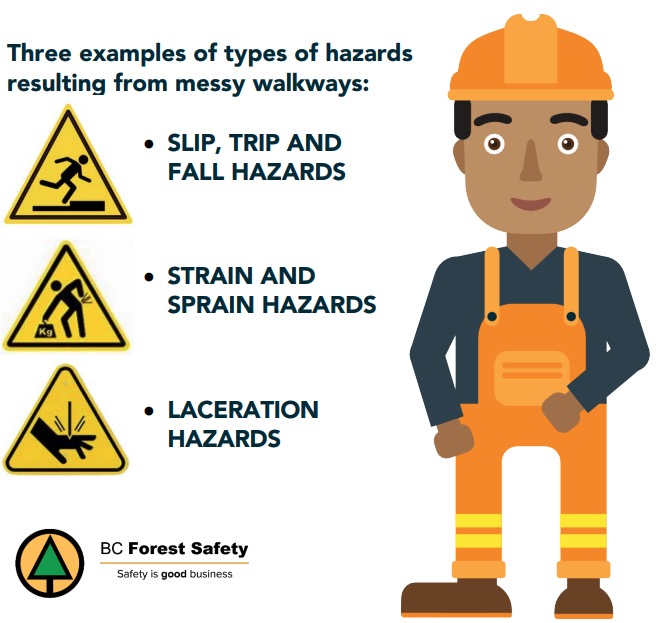 These weekly resources are simple yet powerful tools to help keep safety conversations alive and evolving in your workplace. BCFSC offers a library of hundreds of Crew Talks each designed to support short, focused safety discussions in five minutes or less. They support effective supervisor-worker engagement, helping spark meaningful conversations about current safety procedures and concerns.
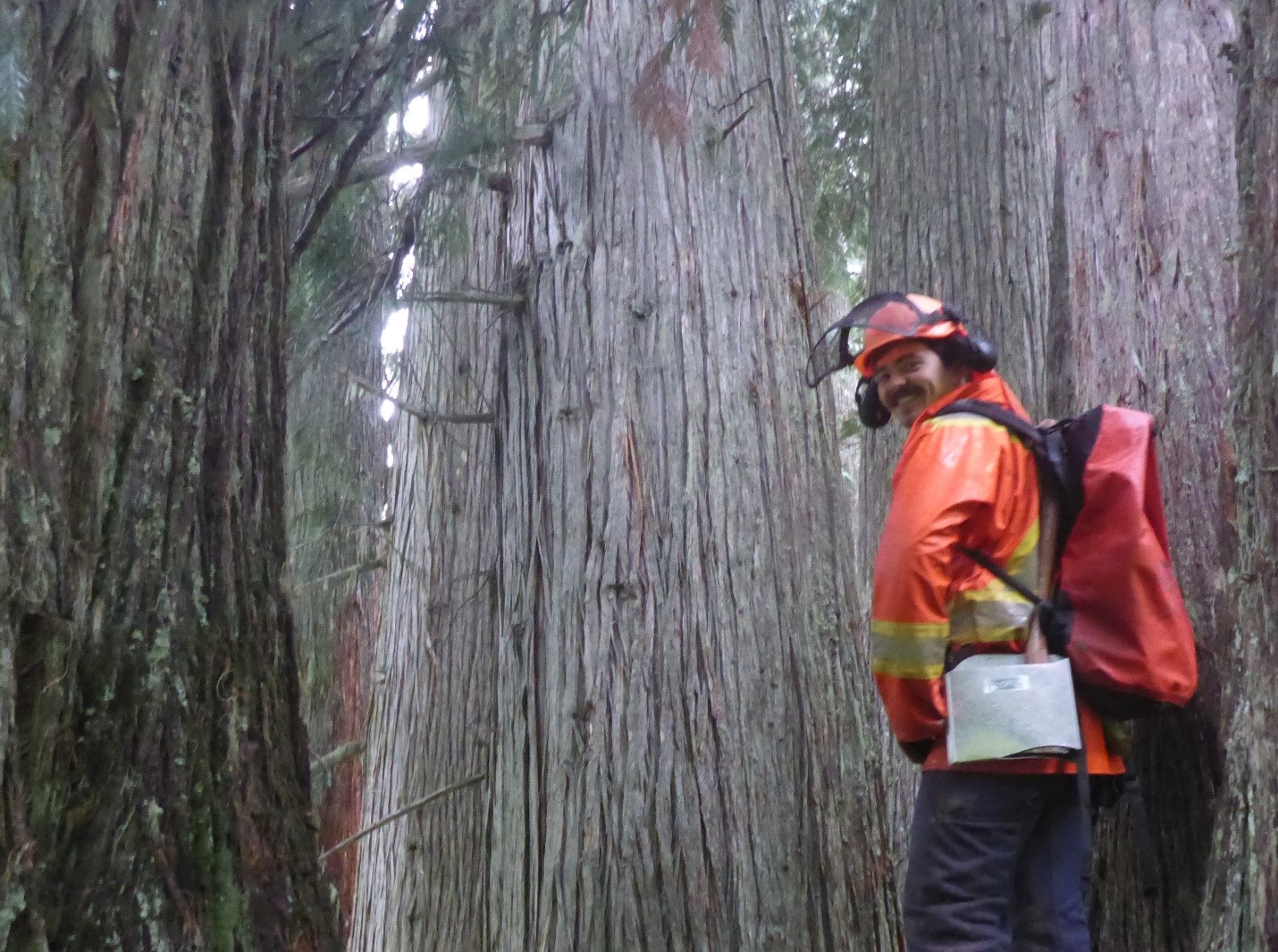 Whether working or playing, it is essential to be aware of a forest’s potential hazards and what can put you at risk, specifically as it relates to the trees. …“If a tree falls in the forest, does anyone hear?” … only if someone is near enough to hear. The same applies to the danger it may pose. If no one is near it, then even if it falls, it isn’t a danger to anyone. Spend enough time in a forest and you will witness a tree fall over on its own.
 They are also required to conduct regular emergency and first aid drills as part of their annual drill requirements to ensure workers understand their roles and responsibilities. As forestry operations in BC move into more remote and rugged areas, getting help to an injured worker quickly can be a serious challenge. …To help companies build stronger ERPs—especially when it comes to worker extraction—the BC Forest Safety Council and the Trucking and Harvesting Advisory Group created a video series.
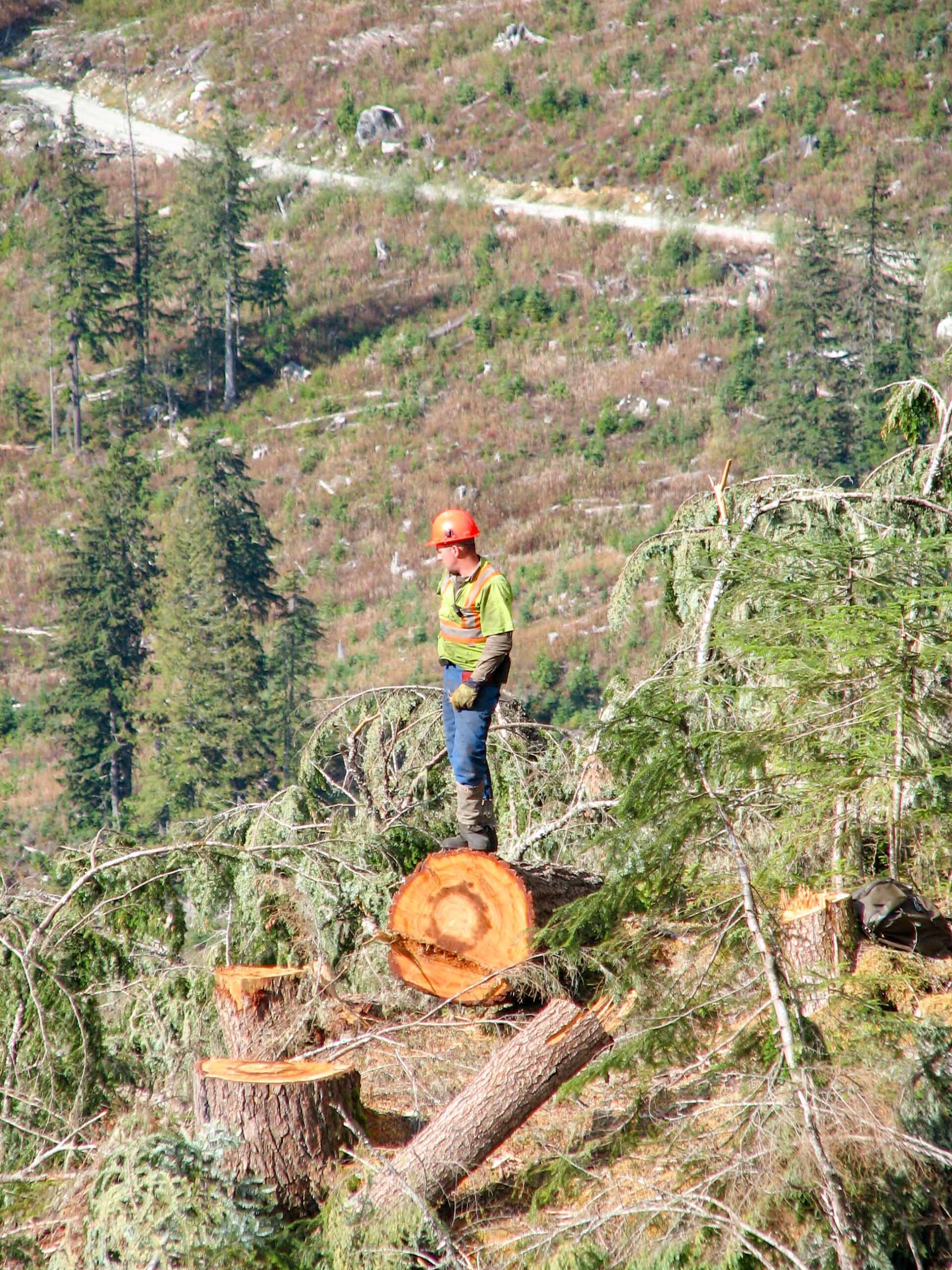 Managing psychological health and safety in the workplace is as important as managing physical health and safety. A psychologically healthy and safe workplace prevents harm to workers’ mental health and promotes mental well-being. While many factors outside the workplace can affect mental health, it is an employer’s responsibility to address the factors that are within the control, responsibility, or influence of the workplace. Psychological health and safety involves how people interact with each other daily, how working conditions and management practices are structured, and how decisions are made and communicated. In the forestry sector, workers face unique psychological challenges, including financial stress from an unstable market, job instability, social isolation, and the impact of climate change and severe weather conditions.
 BC Hydro data shows that severe weather events in the last 3 to 5 years have led to some of the most damaging storms in BC Hydro’s history. BC’s forest health aerial surveys show that the area of windthrown timber in 2021 (12,600+ ha) was 3 times the average over the last decade. Wind events pose significant risks to people working on and traveling to and from woodlots and community forests. This bulletin provides licensees, managers and workers with guidance and resources they can use to plan and conduct operations that minimize risk of injury to workers during those events.
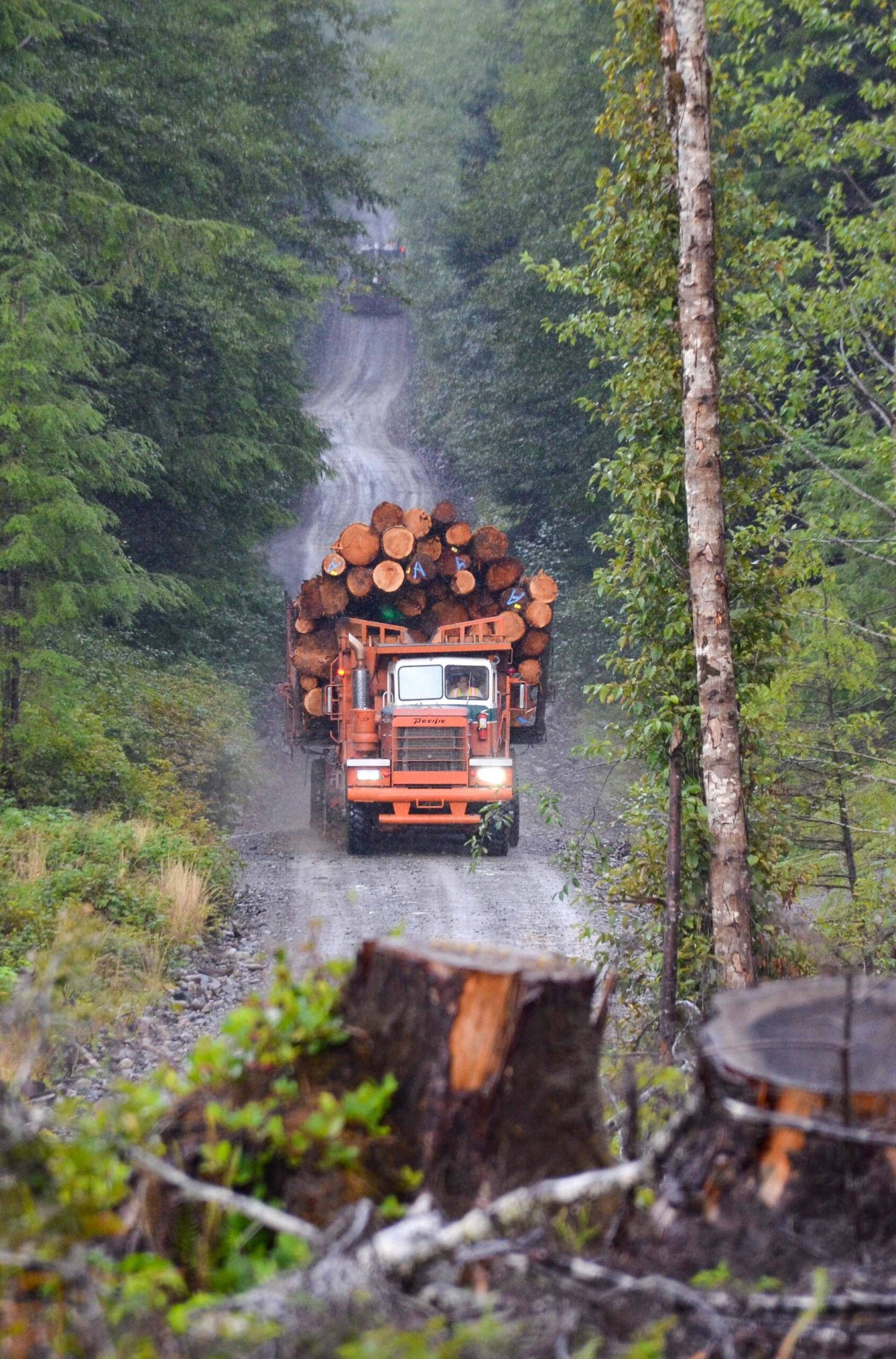 All resource road users play a key role in ensuring safe passage on these roads. Always exercise caution and have an understanding of the risks. Most resource roads have gravel surfaces and are often single lanes with limited visibility due to roadside brush and sharp, winding turns and curves. They often have soft shoulders, minimal ditches, steeper grades, changing road surfaces with loose or rough gravel and potholes. Drivers should always read and understand the signs at the start of the road and along the way as they provide important information about the road, radio channel, restrictions, expected traffic and other hazards and obstacles you may encounter while driving.
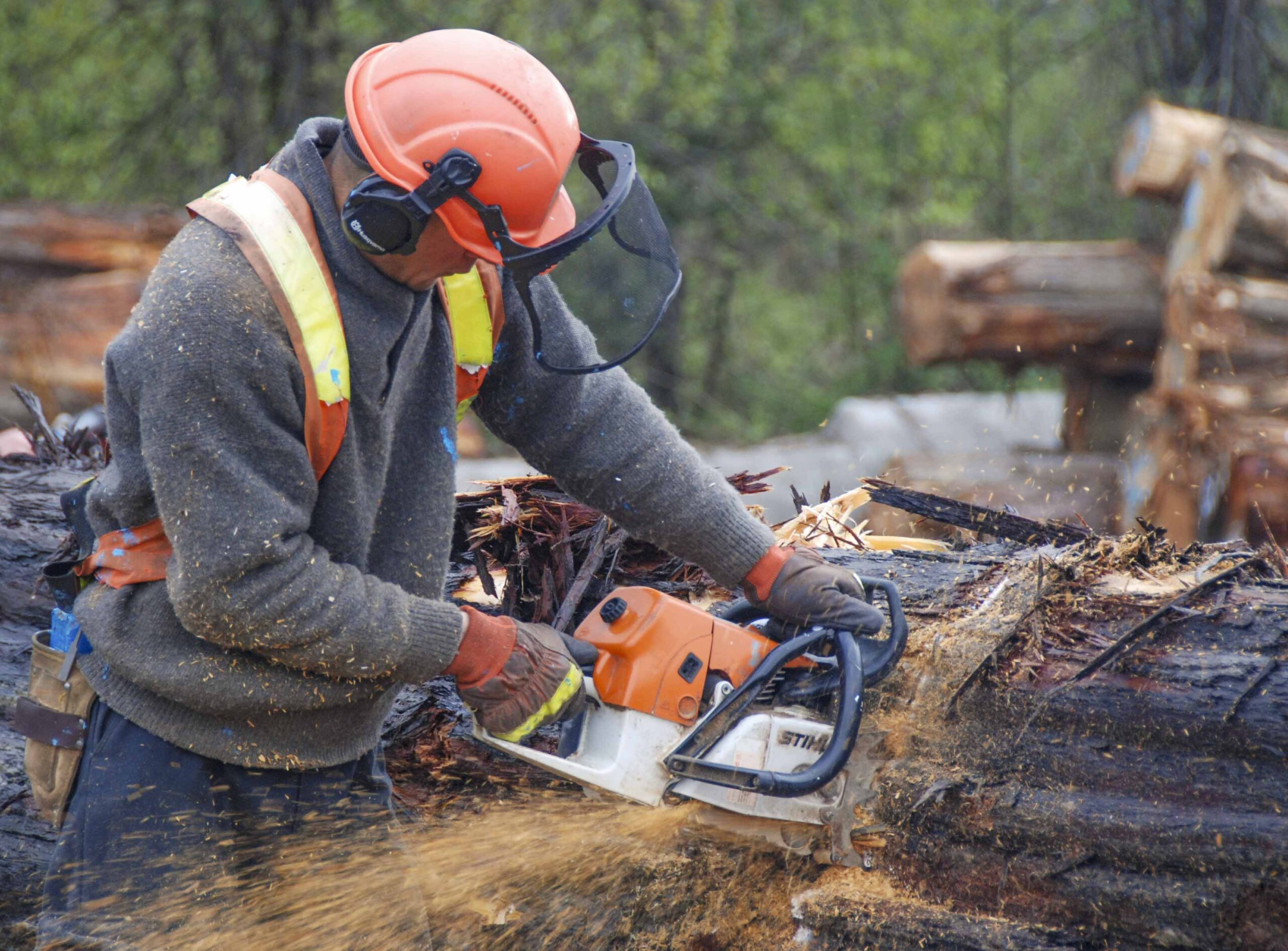 Noise-induced hearing loss (NIHL) is not just a long-term risk, it’s a fast-growing occupational disease that affects workers across the province. Over the past decade, WorkSafeBC has accepted almost 2,000 claims for hearing loss in the forestry sector. To prevent hearing loss, employers in the forestry sector must proactively recognize risks and understand the specific tasks workers will undertake, making pre-work planning a key step in injury prevention. The impact of noise on hearing “The risk of hearing loss depends on both noise level and exposure time,” says Sasha Brown, an occupational audiologist with WorkSafeBC. “For example, brief exposure to extremely loud noise or sustained exposure to moderate levels can be equally damaging to hearing.”
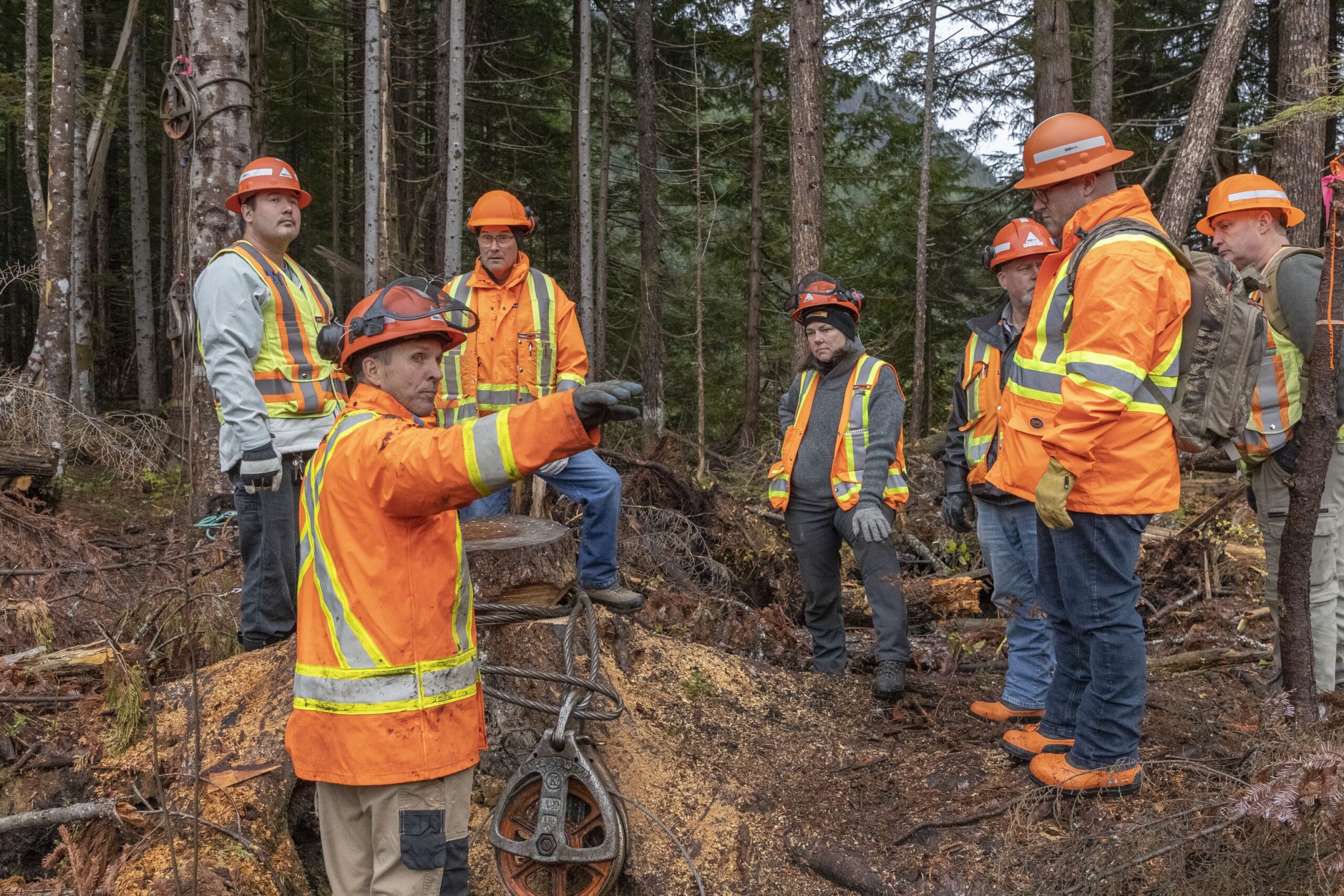 Steep slope harvesting can be approached in several ways, each with its own set of challenges and safety considerations. …Steep slope harvesting presents significant risks, but with careful planning, proper equipment, and a culture of safety, these risks can be managed. “Safety is not a one-time effort but an ongoing process that requires daily attention,” says Pawlowski. “By consistently prioritizing hazard assessment, equipment suitability, proper setup, and staying in the clear, employers and workers can minimize risks and help ensure that steep slope harvesting remains a safe and effective method of timber harvesting.”
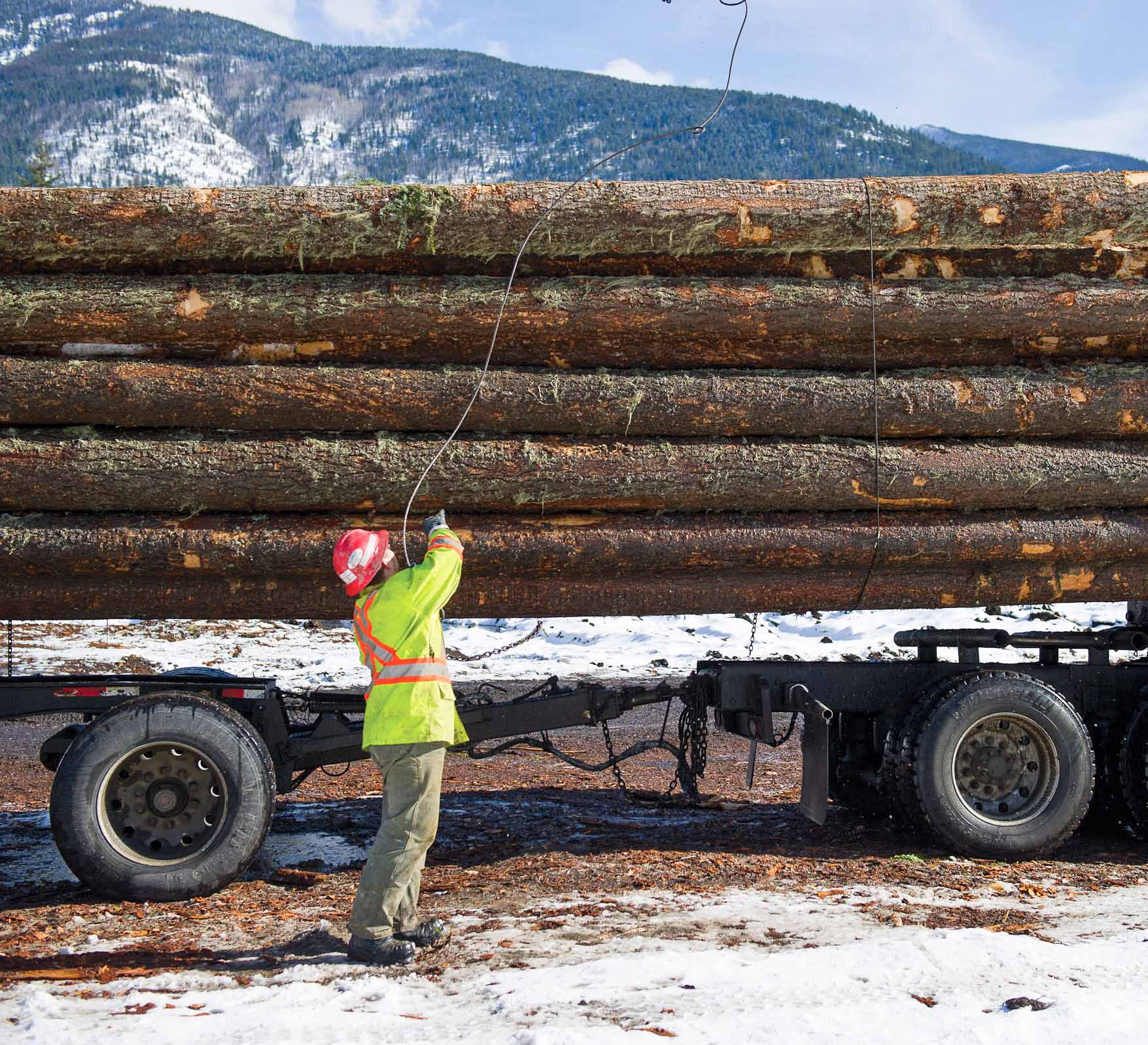 By implementing ergonomic practices, promoting proper body mechanics and fostering a culture of early reporting and prevention, employers and workers can work together to significantly reduce the occurrence and impact of MSIs across the industry. Although musculoskeletal injuries can affect workers across all areas of forestry, certain roles are particularly vulnerable due to the physical demands and repetitive nature of their tasks.
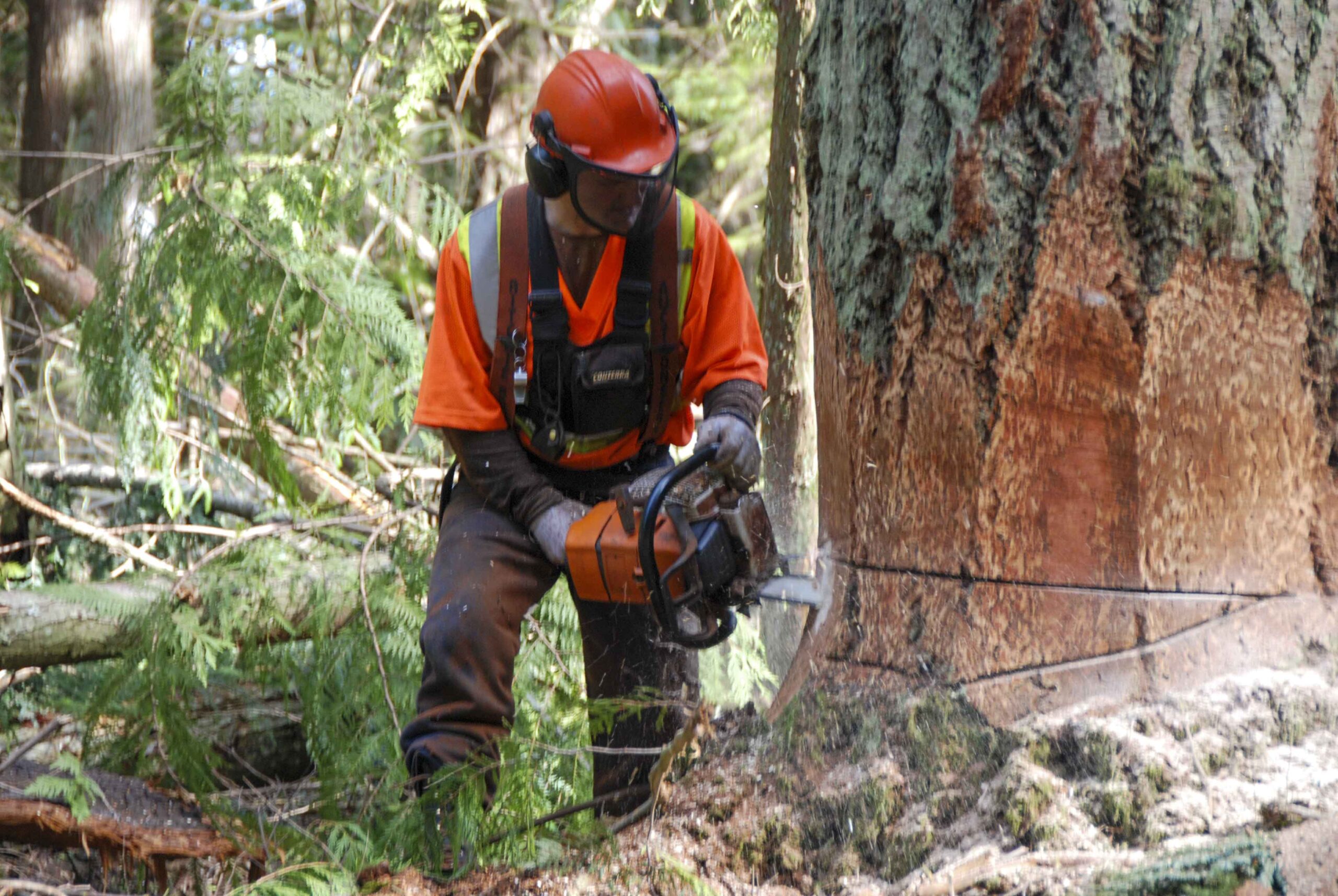 The following focuses on considerations for supervisors and owners when developing a PPE program. Components of a good PPE program include: Regulation Check; Planning; Appropriate Selection; Fitting; Education and Training; Supervisor and Management Support; Inspection and Maintenance; and Auditing the Program. Get all the details by clicking the Read More!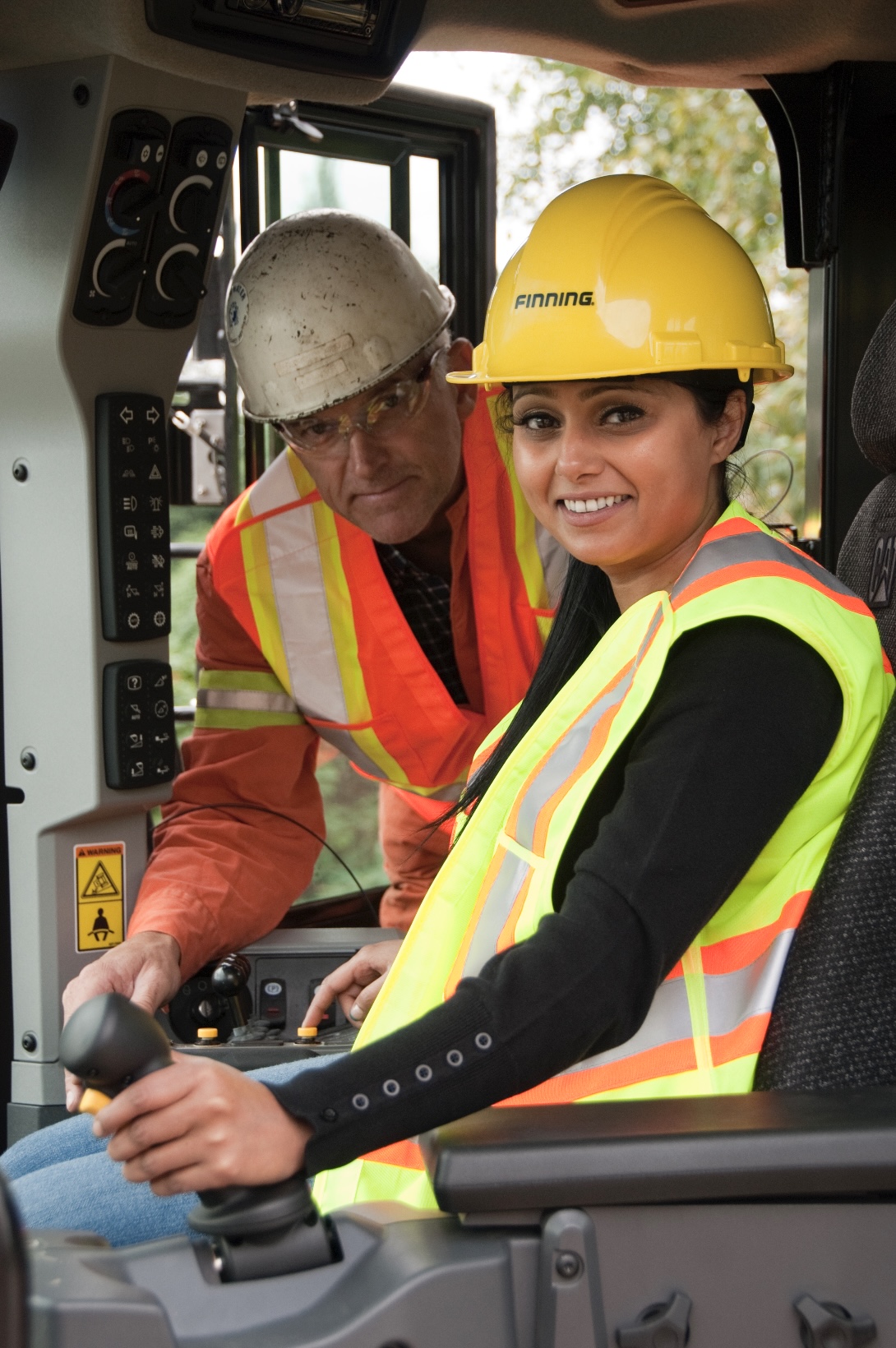
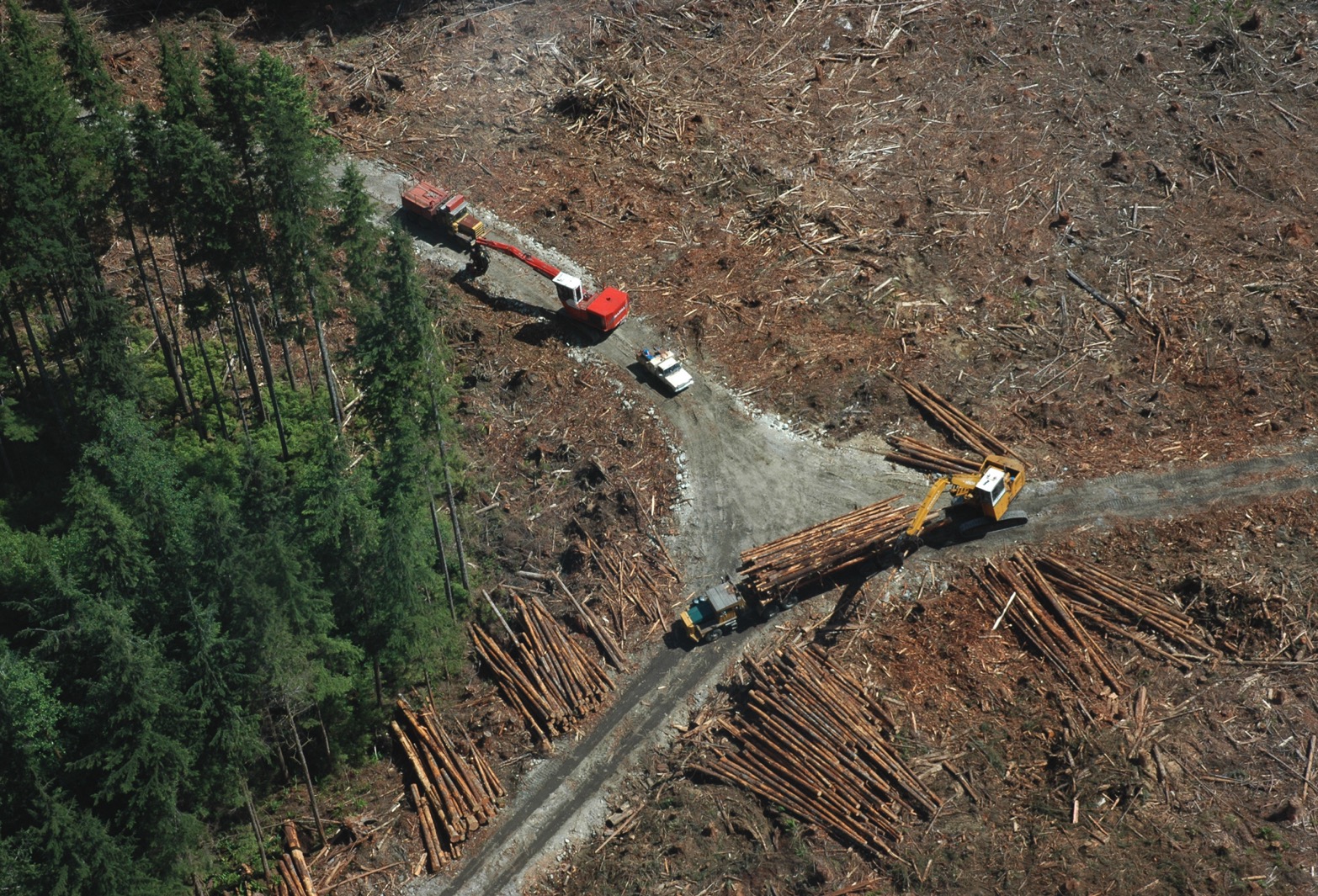 Here again in 2025, phase congestion has become a heightened concern as forestry operations are scrambling to produce in the face of uncertainty which could lead to dangerous situations for workers. History has proven that during uncertain times, productivity becomes the main driver, not for all contractors, but for some, and safety can be put on the backburner which puts everyone at risk, even those who put safety first.


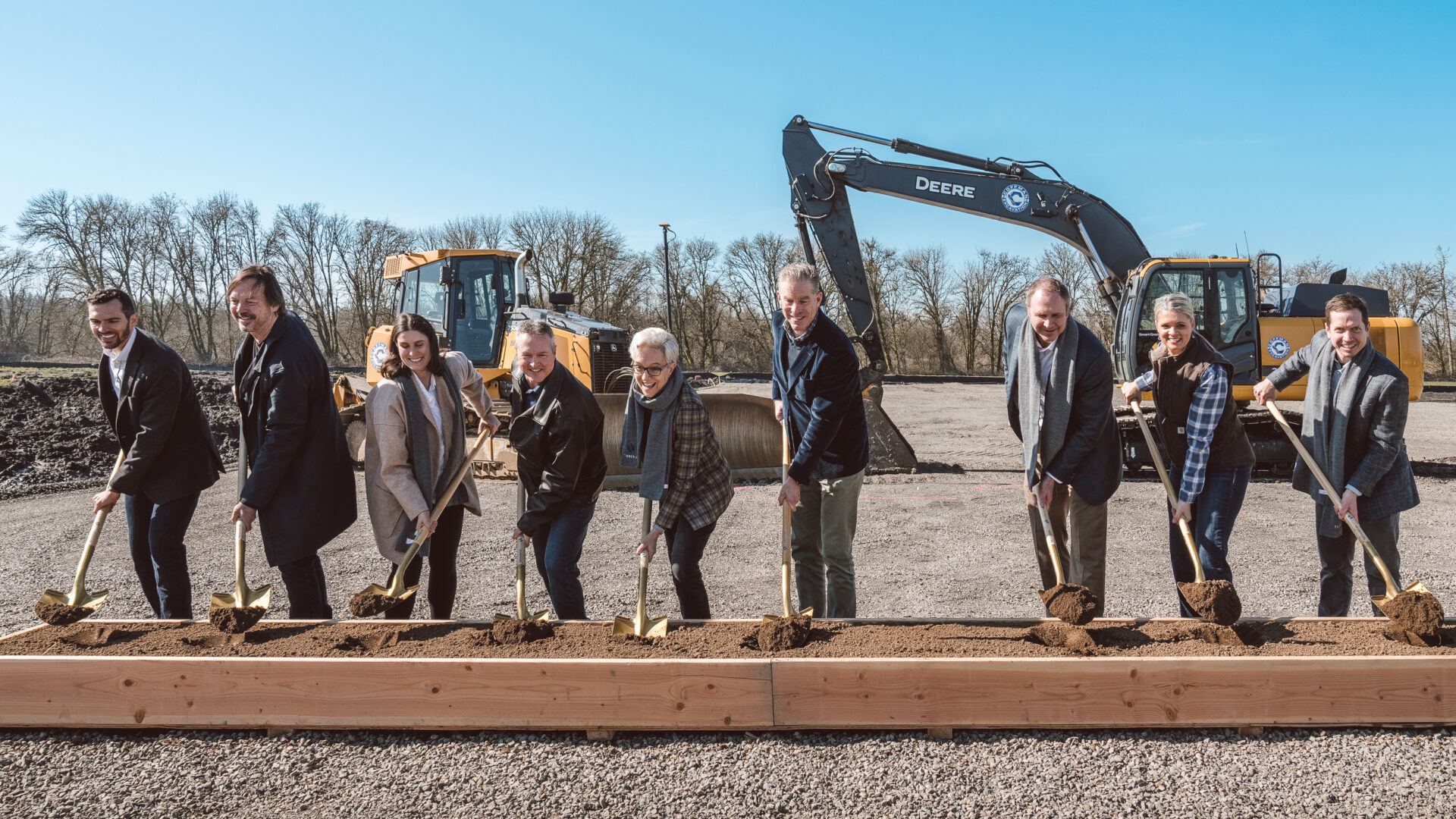



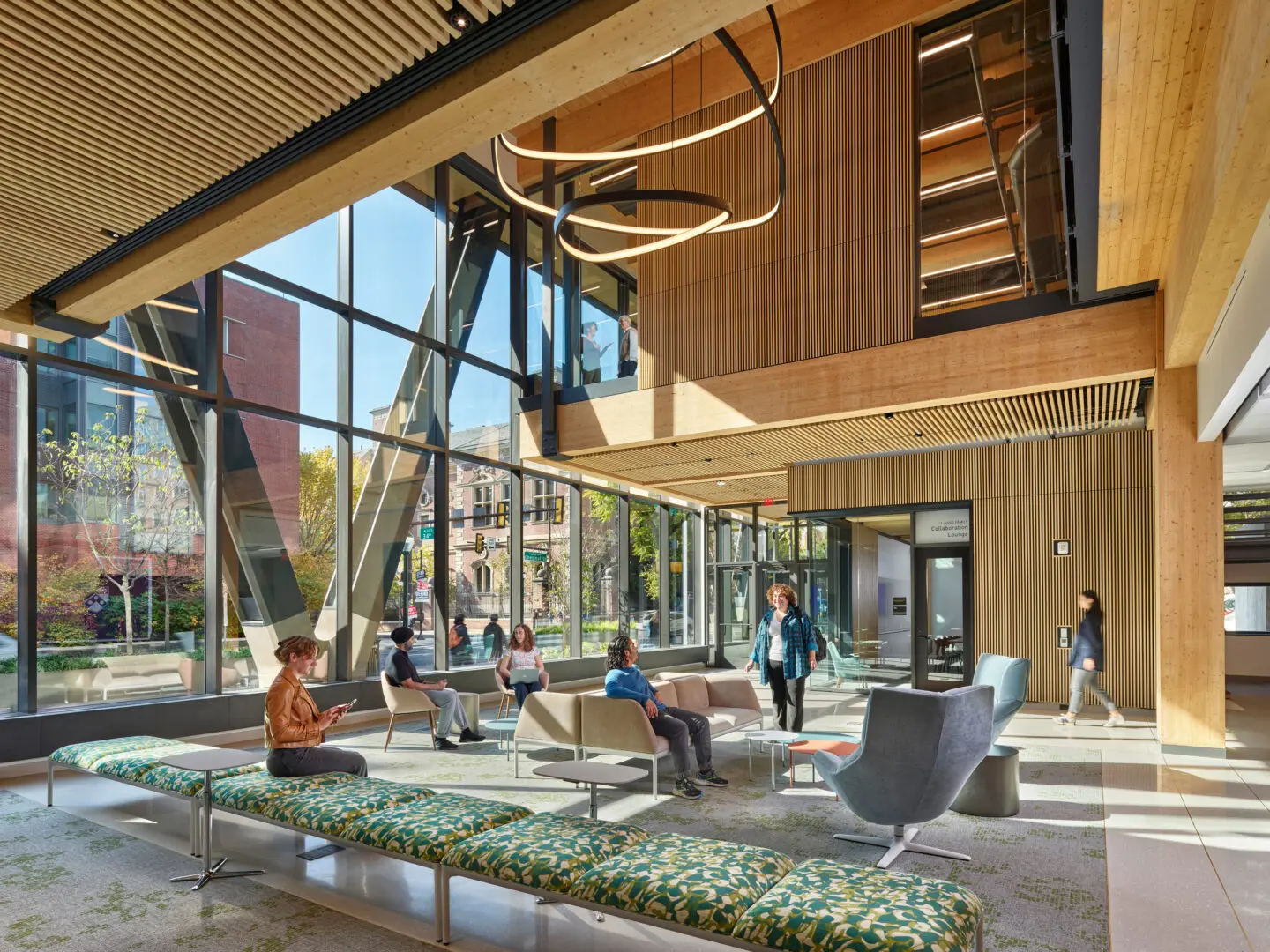
 …Mass timber provides several key learnings to understand how bioregional design can be developed and scaled. In the early 1990s, cross-laminated timber was invented in Austria, primarily driven by efforts to add value to softwood timber. The process involves glueing layered boards together to create strong, stable panels. Canada was an early adopter in North America, supported by knowledge-sharing with Europe and government-funded projects like the Wood Innovation and Design Centre in British Columbia. The US followed with key projects such as the Framework Building in Portland and T3 in Minneapolis, demonstrating that mass timber is viable for mid-rise and even high-rise buildings. The Canadian National Building Code was updated in 2020 and the American International Building Code was updated in 2021 to allow mass timber buildings up to 18 stories in certain conditions based on these pilot projects.
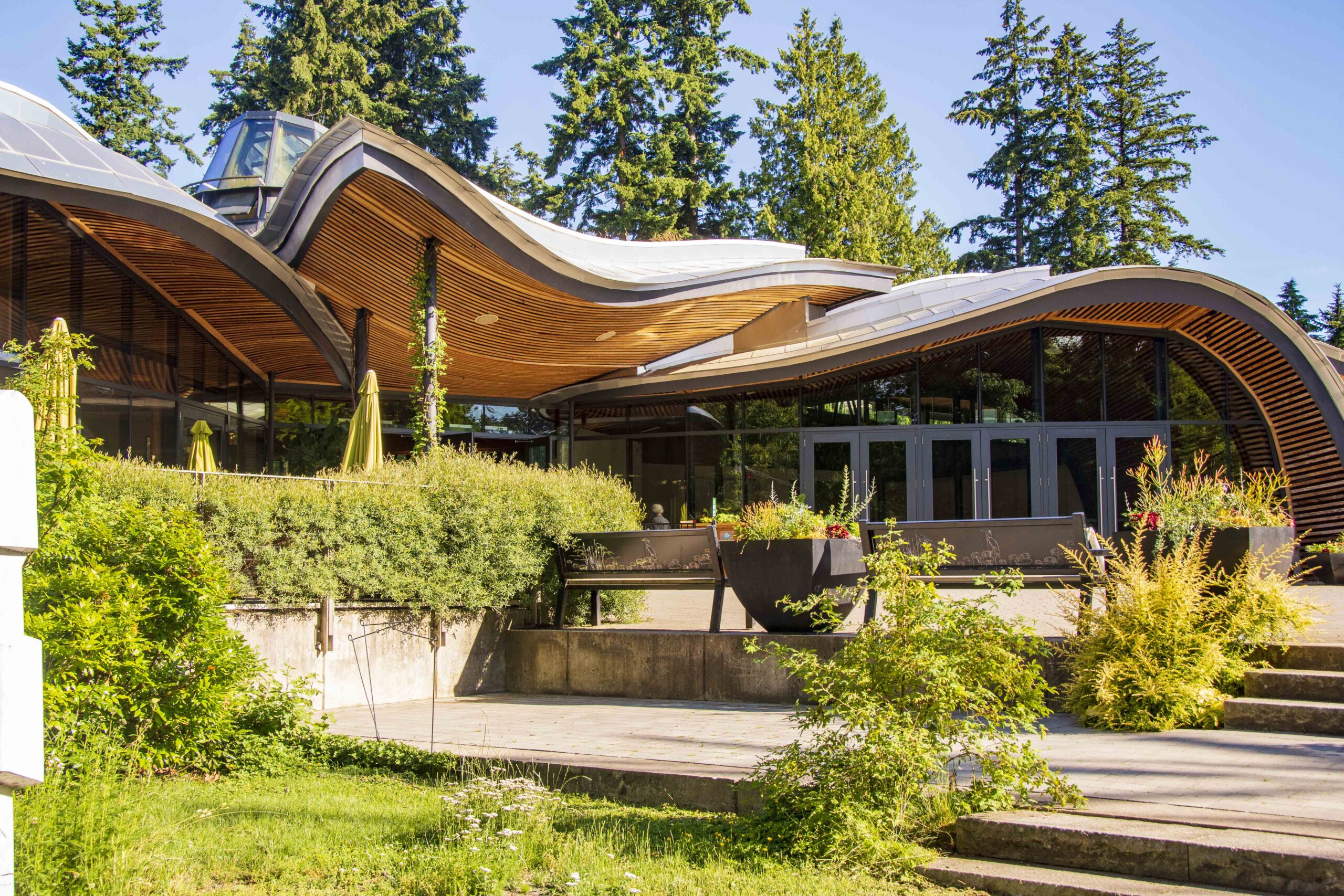 As the popularity of wood-based materials in building construction increases, facade-based applications are becoming more desirable and prevalent. Wood’s susceptibility to decay is a familiar phenomenon, and many established preservation methods exist. However, most wood treatments for external use are problematic from human health and environmental perspectives. Conventional preservation chemicals …contain known hazards. …For these reasons, scientists and manufacturers have been developing alternative techniques that are biocompatible and ecologically friendly, aiming to preserve wood effectively without the drawbacks of harmful chemicals. An established example is acetylation, a process that chemically alters wood to make it water resistant without toxic substances. …A Florida Atlantic University research team has developed a method to elevate the mechanical performance of hardwood as well. The technique strengthens the cell walls of trees by introducing an iron compound into their vascular systems. …Other investigations seek to prevent decay before it begins.




 British Columbia’s forests are home to a diverse range of wildlife species, which play a significant role in the ecology of a living forest. At the Forest Enhancement Society of BC, we recognize that responsible forest management plays a crucial role in enhancing wildlife habitat and supporting biodiversity. Because of this, one of our key purposes as an organization is to help improve wildlife habitat within B.C.’s forests. Collaborating with the Habitat Conservation Trust Foundation we have supported over 100 wildlife habitat enhancement projects restoring forest health and evaluating the habitat and wildlife response to fire… In this newsletter: Tick Safety from the BC Forest Safety Council; An interview with Thomas Sullivan, Applied Mammal Research Institute; 64 newly funded forest enhancement projects; Lower Nicola Indian Band wildfire risk reduction; and a UBC Faculty of Forestry survey explores interest in international tours.
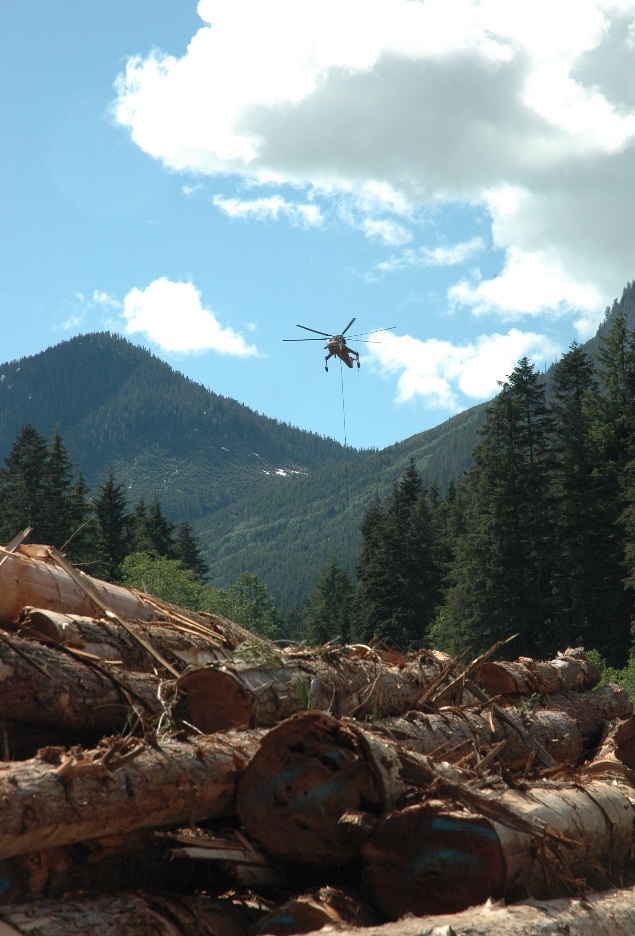 qathet Regional District’s planning committee is recommending the regional board express no objection to a Western Forest Products helicopter logging operation on Powell Lake. At the May 27 planning committee meeting, directors considered a recommendation to advise the provincial ministry of water, land and resource stewardship that the regional district has no objection to the crown land application for a licence of occupation for the purpose of industrial log handling and storage on the northern arm of the lake. Electoral Area A director and committee chair Jason Lennox said there was a detailed staff report on the application. “I’m in support of the recommendation,” said Lennox. “If you read the report, it’s a three-year activity for harvesting into the lake. You will see the different due diligence pieces in there around mitigation measures to the environment; the Powell Region Cabin Owners Association was consulted as well.



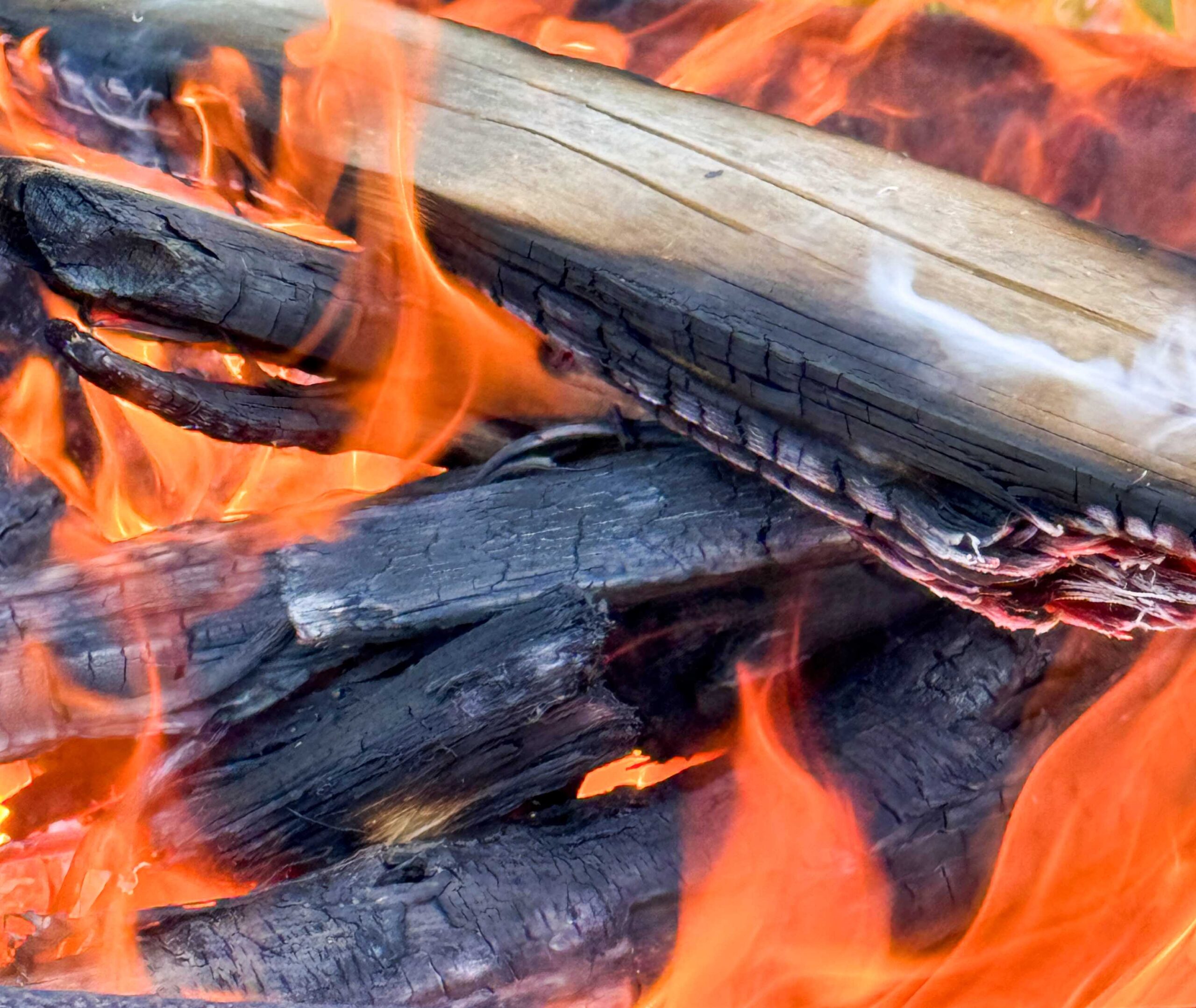 NANAIMO — Larger, open fires are set to be banned for the summer months, effective at the end of this week. The Coastal Fire Centre will enact a sweeping ban on category two and three fires beginning at noon on Friday, May 30, a typical first step in their fire prevention efforts every summer. Banned across Vancouver Island and a vast majority of coastal B.C. will be large burn piles or burns over stubble or grass to certain measurements. Also banned are fireworks, exploding targets, burn barrels and cages, air curtain burners and other, similar open flames. …“Anyone found in contravention of an open fire prohibition may be issued a violation ticket for $1,150, required to pay an administrative penalty of up to $10,000 or, if convicted in court, fined up to $100,000 and/or sentenced to one year in jail,” the BC Wildfire Services stated.
 To celebrate the dedication of our industry and our collective love for Alberta forests, the Alberta Forest Products Association (AFPA), will be hosting a raffle The prize? Be entered into a draw for a chance to win a $200 Mountain Equipment Co-op (MEC) or Marks Work Warehouse gift card (choice between the two) and a

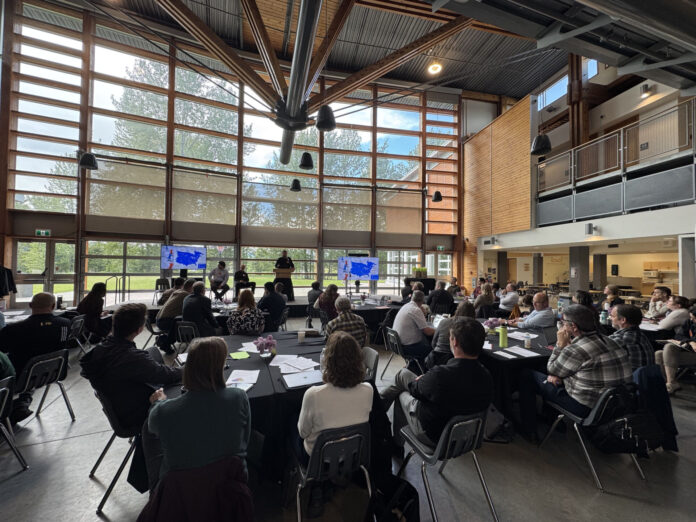
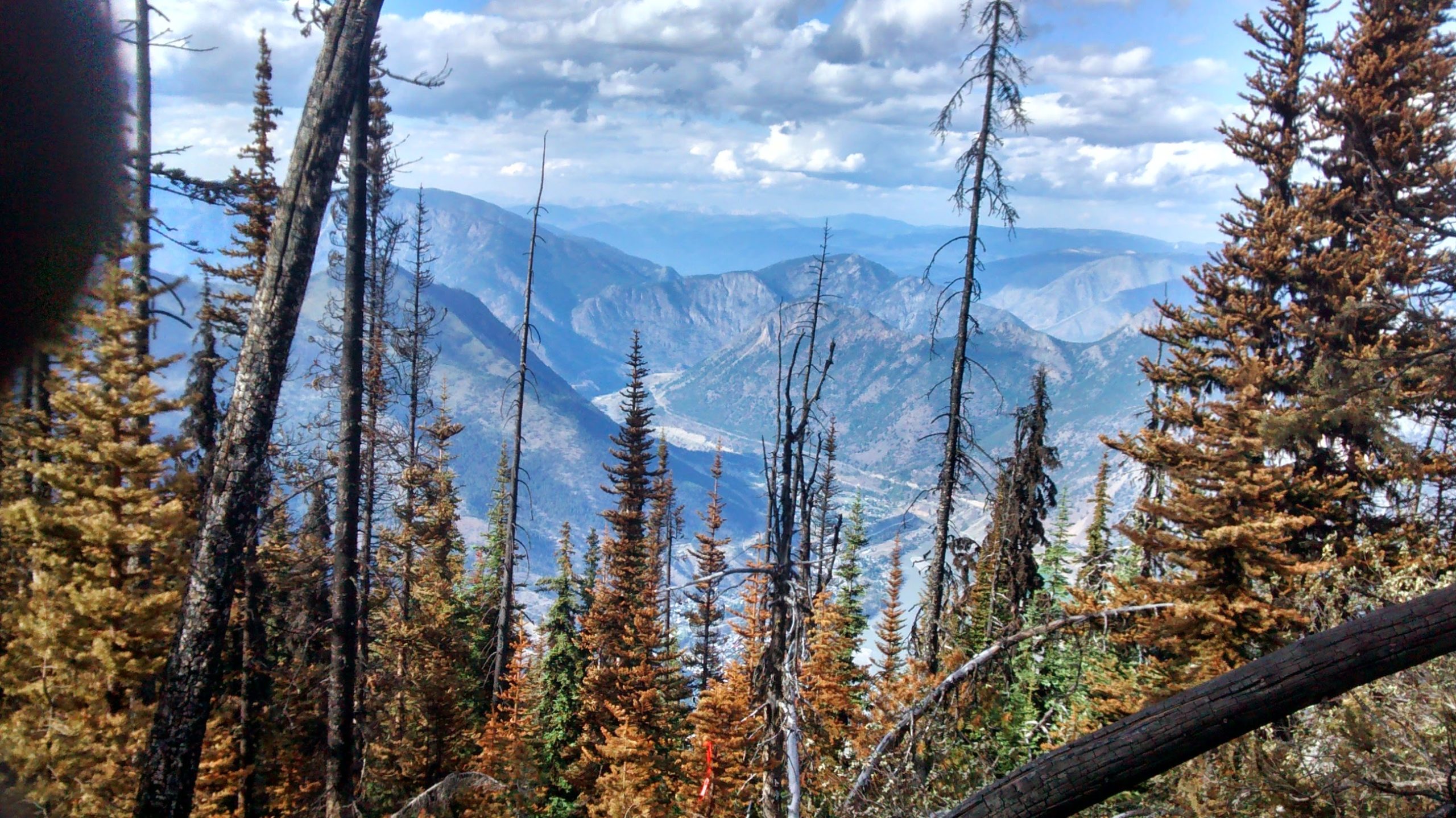 The southernmost herd of endangered woodland caribou in Manitoba might not be able to recover from wildfire-caused habitat and population losses, experts say. Fire burn patterns and maps suggest a fire that has ravaged more than 100,000 hectares in and west of Nopiming Provincial Park in eastern Manitoba has destroyed a substantial part of the habitat of the Owl-Flintstone caribou herd. Boreal woodland caribou are classified as threatened under the Manitoba Endangered Species Act. There are an estimated 1,500 to 3,000 in the province. Daniel Dupont, a professor at St. Boniface University, is worried that last week’s inferno will weaken the woodland caribou population in several ways. “The caribou have just lost the habitat where their females give birth from mid-May to June,” Dupont said. …The Nopiming area is home to between 40 and 60 woodland caribou, he said.
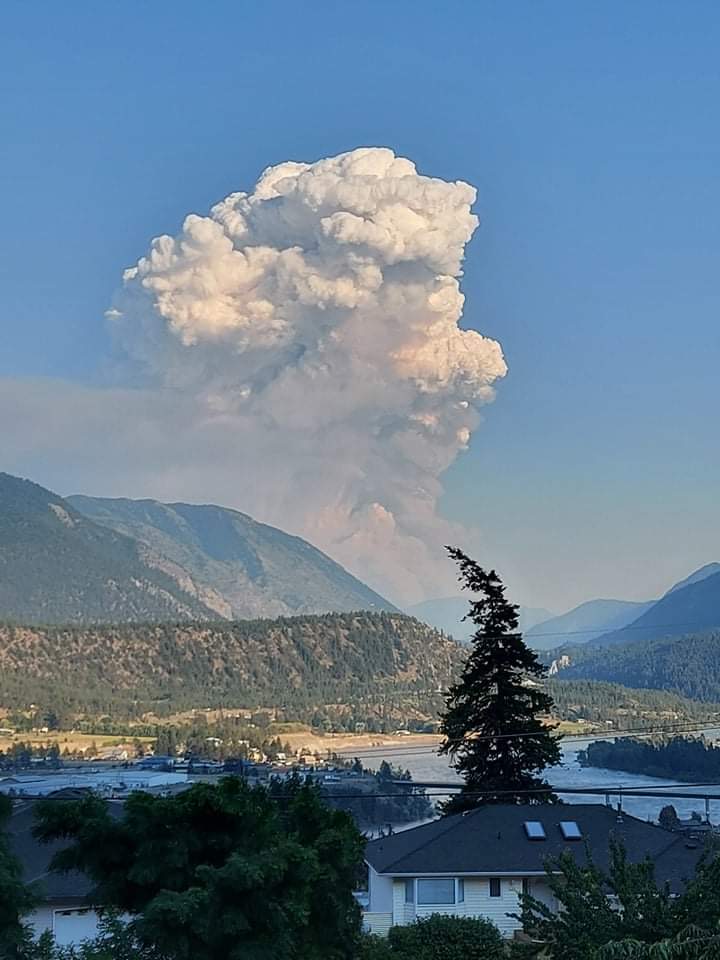 With drought and tinder dry conditions hitting many parts of the province, a number of municipal mayors are raising concerns about yet another potentially record-breaking wildfire season in B.C. Clearwater Mayor Merlin Blackwell, who has seen flames dance around his community for years, says current temperatures are well above normal. “We are in drought conditions up here. We are expecting an above normal, higher risk wildfire season for sure,” he said. …Mayor Barbara Roden has lived in Ashcroft for 28 years. She says, given the fire seasons in the last several years, fear now hangs over residents. …she says the increasingly extreme heat facing this province year after year is also becoming an equally serious concern. A sentiment understood and echoed by Lytton Mayor Denise O’Connor. She moved back to her family home not that long ago after the village was leveled by a massive wildfire during the 2021 heat dome.

 Washington, D.C. – U.S. Secretary of Agriculture Brooke Rollins announced a bold $200 million investment to implement the U. S. Department of Agriculture (USDA) Forest Service’s National Active Forest Management Strategy, a key initiative to increase timber harvest, improve forest health and productivity, reduce wildfire risk, and support rural prosperity in forest communities. The strategy supports President Trump’s Executive Order: Immediate Expansion of Timber Production by streamlining burdensome regulations, leveraging emergency authorities, and expediting project approvals—ensuring faster access to critical timber resources. Increasing the use of long-term contracts to carry out these projects, the strategy envisions a more stable supply of wood products, healthier forests, and stronger rural economies. “Trump is committed to cutting red tape, rolling back burdensome regulations and unleashing the potential of America’s abundant natural resources. This is a win for … forest management which will help keep our forests safer and reduce wildfire risk,” said Secretary Rollins.
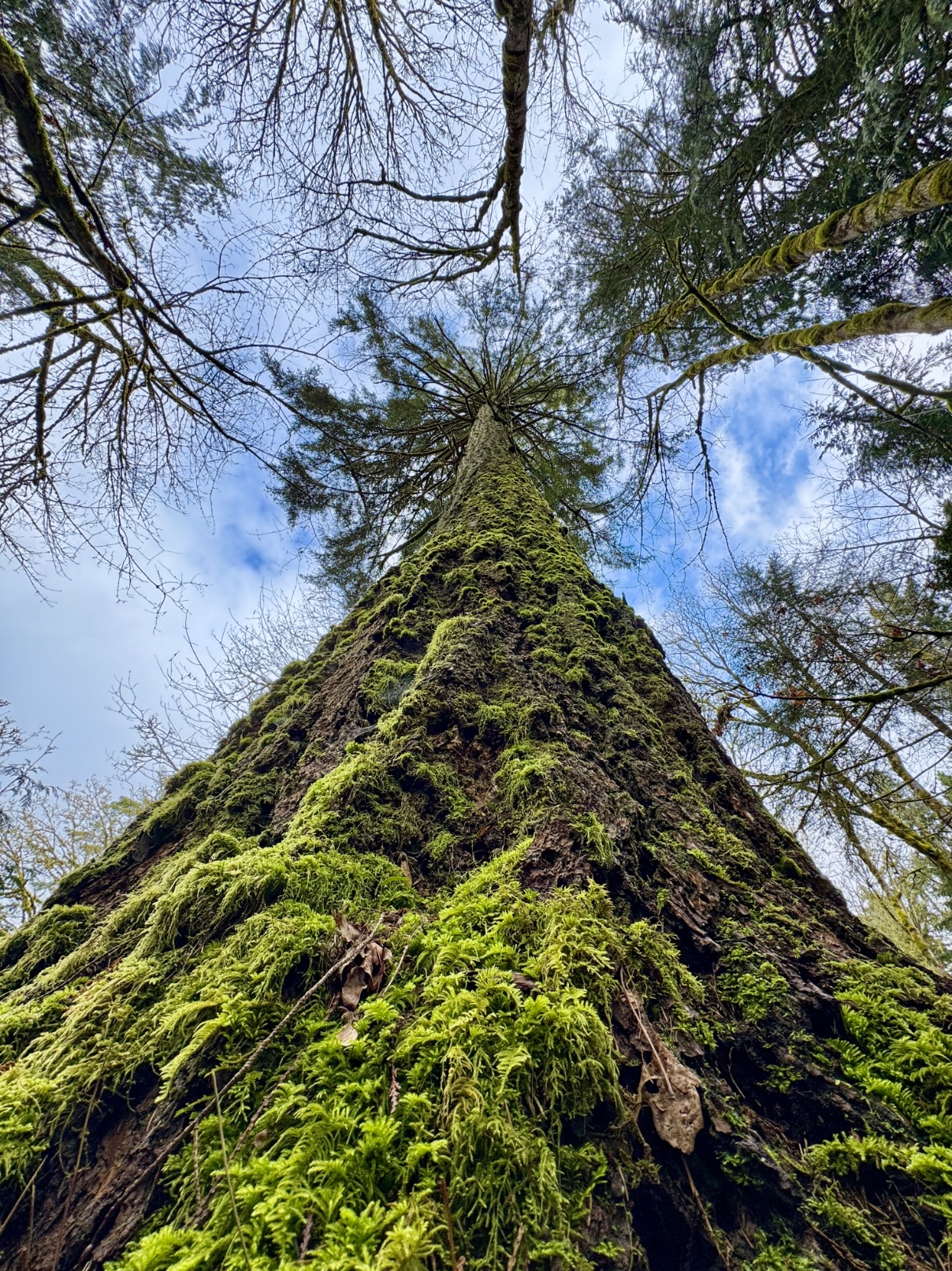 The Clallam County Superior Court denied environmentalists’ request for an administrative stay on two local Department of Natural Resources parcels, although it granted a motion to compel information from the state agency. If the stay had been granted, it would have barred logging-related activities for 90 days on the parcels named Parched and Tree Well. The motion to compel will require the Department of Natural Resources (DNR) to file administrative records relevant to the case by June 18 — a five-month delay from the original required date of Jan. 2. The logging rights for these two forests were bought by Oregon-based Murphy Company in December. The sale to the Eugene, Ore.-based Murphy Company was approved by the Washington State Board of Natural Resources in December. The Murphy Company is a more-than-a-century-old, family-owned wood products company based in Oregon, with a veneer mill in Elma.

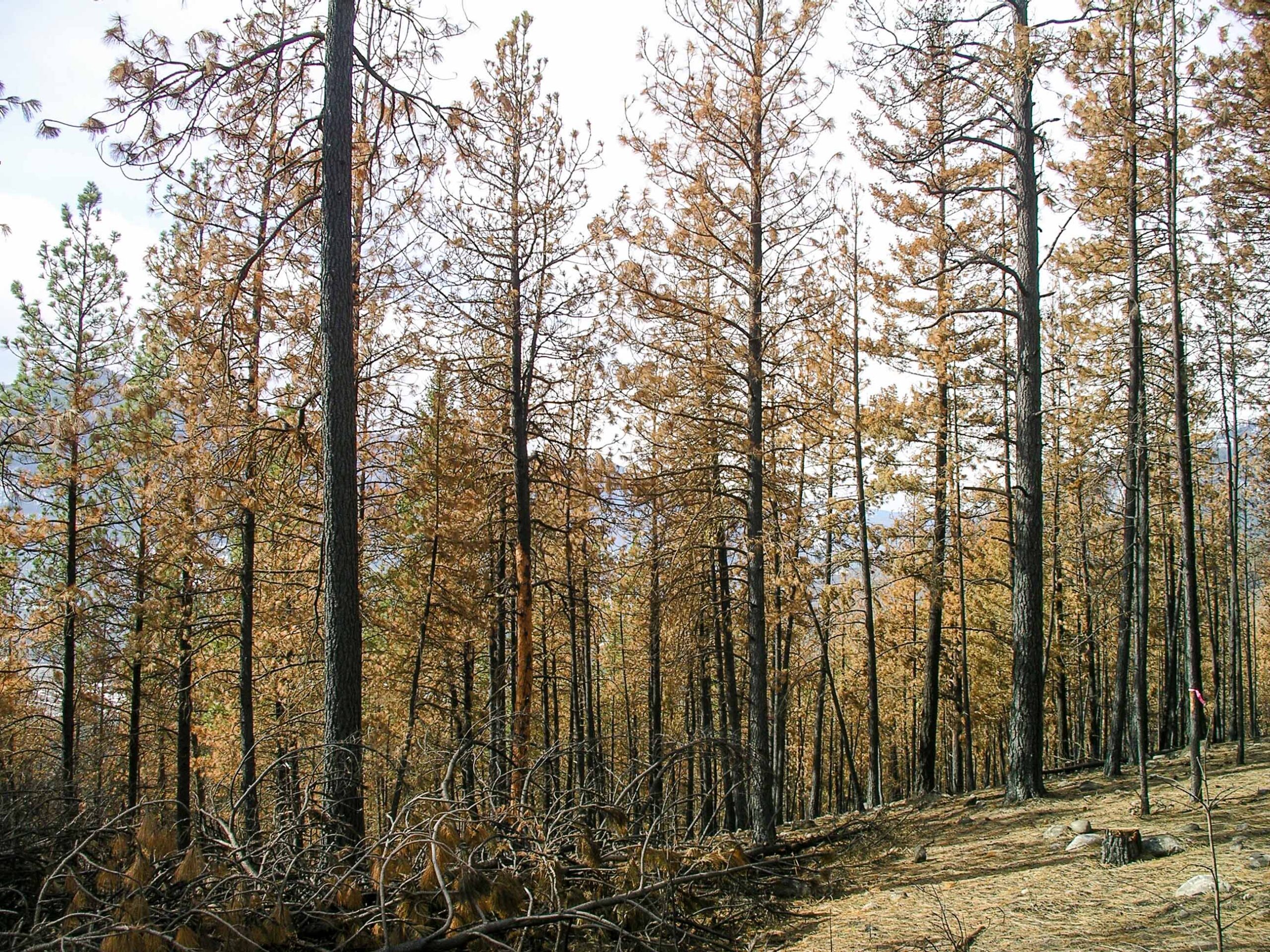 Across the western U.S., wildfires are becoming larger and more severe — and even trees that initially survive are dying in subsequent years, making it harder for forests to regenerate, according to new research from Portland State University. Building on previous research exploring fire refugia — the green islands of live trees that remain after forest fires — researchers in PSU’s Global Environmental Change lab mapped annual changes in the extent of live tree cover up to three years after the unprecedented 2020 Labor Day fires in Oregon’s western Cascades. The study quantifies changes in the spatial distribution and attributes of fire refugia as a result of delayed tree mortality. …there is potential for delayed fire effects to cause trees to die in subsequent years, including direct burn injuries as well as a combination of direct and indirect effects related to climate, insects, pathogens and heatwaves.
 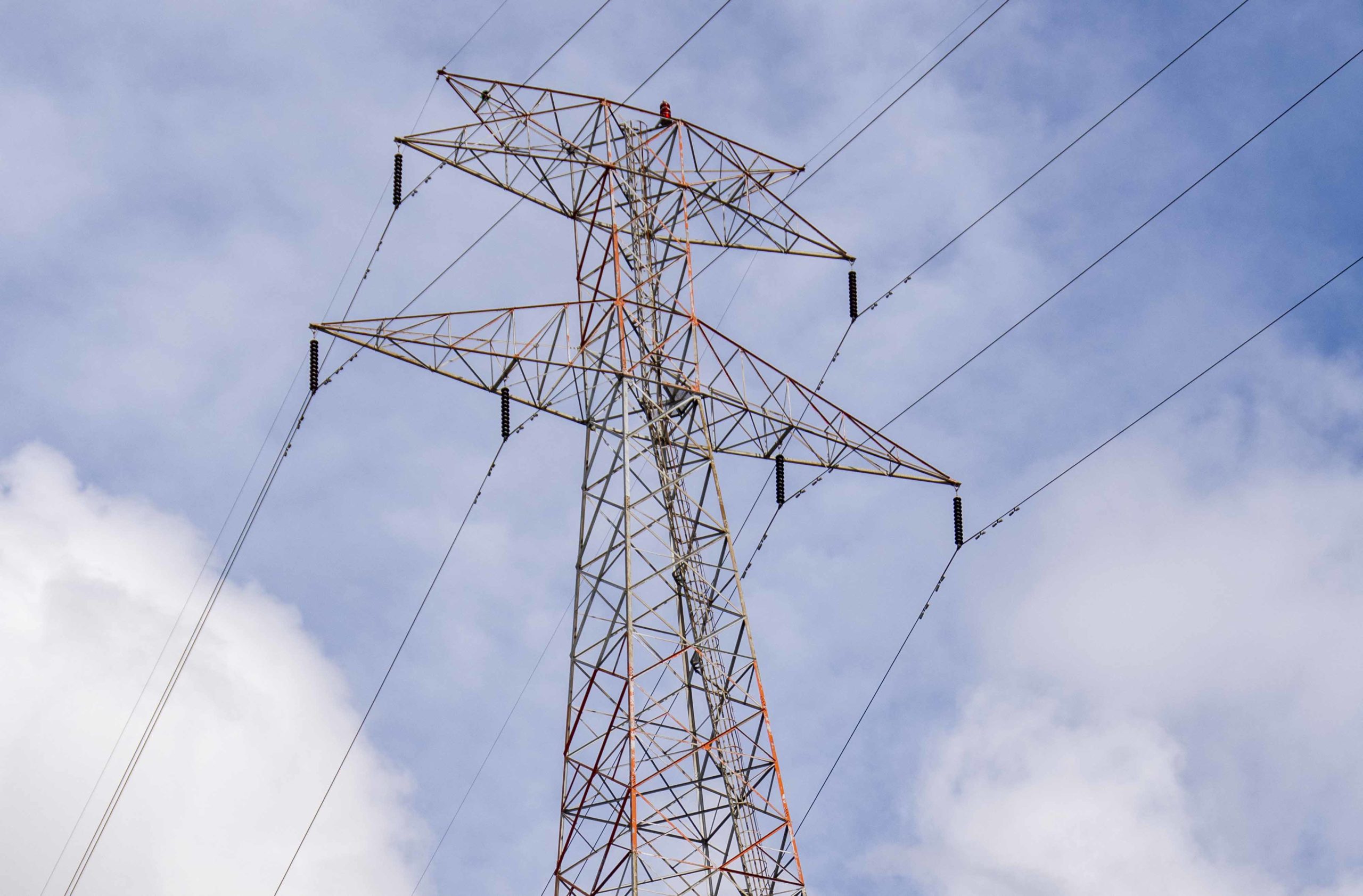 As Arizona utility companies make aggressive plans to mitigate wildfire risks, many met in Payson to update a state regulatory body. On May 15, the Arizona Corporation Commission hosted a special open meeting on wildfire mitigation at the Payson Public Library. ACC Vice-Chairman Nick Myers moderated the nearly three-hour town hall, which included stakeholder presentations from Arizona Public Service, Tucson Electric Power & UniSource, Salt River Project, Navopache Electric Cooperative, Alliant Gas, Arizona Water Company, and the Arizona Department of Forestry and Fire Management. Following brief opening remarks and commissioner comments, utility companies from throughout the state provided insight and information regarding their ongoing wildfire mitigation efforts. The electric companies focused on both grid hardening and creating defensible space around their infrastructure, before providing updates about each of their Public Safety Power Shutoff programs.
 U.S. House Republicans narrowly passed a budget reconciliation bill early Thursday morning that pushes forward President Donald Trump’s domestic policy on health care, energy, immigration, and more. …Included in the package were provisions pushing Trump and Republicans’ policy around increasing domestic energy, timber and mineral production, and restoring the federal multiple-use mandate on public land. …House Democrats in the committee, who have criticized Trump’s reconciliation package as a way to fund tax cuts for billionaires, referred to the legislation as one of the most destructive and extreme anti-environment bills in the country’s history. …Now, the big bill is heading to the Senate, where advocates are hopeful changes will continue to be made. Louis Geltman, the vice president of policy and government relations for the recreation member group Outdoor Alliance, said in a statement that the act is still “very bad for public lands and waters.”
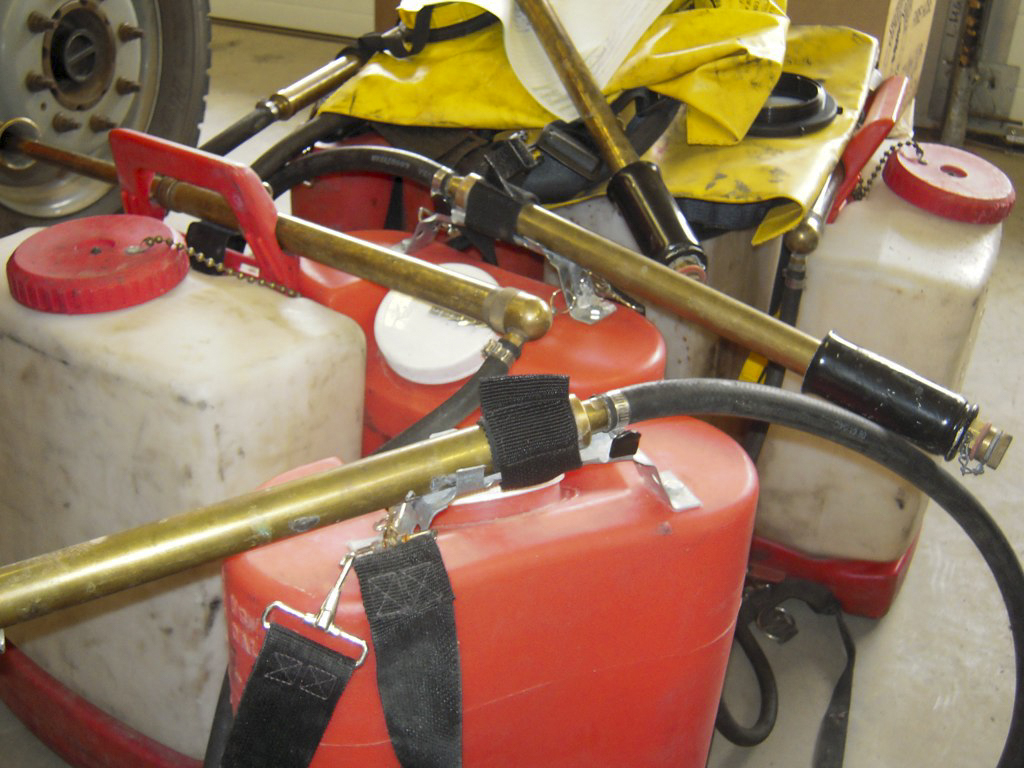 In fire-prone Southern Oregon, residents of the Greensprings joined forces to carry out a 12-acre prescribed burn… The effort reflects a growing movement to use“good fire” to reshape landscapes and build community resilience. …The volunteers — a mix of firefighters, Greensprings residents, and fire experts with the Rogue Valley Prescribed Burn Association — were there to put “good fire” on a 12-acre triangle of land owned by Deb Evans and Ron Schaaf. …In fire-prone Southern Oregon, intentionally setting fire to a forested hillside might seem reckless, especially as summers have grown hotter and wildfire seasons more intense. But under the right conditions, fire can burn away vegetation that would otherwise fuel dangerous wildfires in warmer, drier months, helping protect homes and forests before the next wildfire strikes. Now, a growing number of residents are learning how to use prescribed burns to make their communities safer.
 Mike Lithgow, director of policy and outreach for the Kalispel Tribe joined panelists Amanda Parrish, executive director of The Lands Council, and Todd Myers, vice president for research at the Washington Policy Center, for the 2025 Forum on the Environment in Spokane. Parrish introduced her organization’s work with the Northeast Washington Forestry Coalition, the U.S. Forest Service, and regional tribes. The Lands Council is currently working with the city of Spokane’s urban forestry program to plant trees in low-income neighborhoods. …On a broader scale, the Kalispel Tribe reaches out from their small reservation in collaborative work across 2.3 million acres of Washington, Idaho, Montana and British Columbia, Canada. Lithgow said the tribe focuses on restoration, which might not be high on the list for other partners. In addition to water, their conservation efforts include forests and wildlife. Forest management in Washington is a concern going into the summer, owing to the potential for wildfires.
 Jim Thorpe – Pennsylvania — It was a sight like no other, last month, smoke clouded the air as a wildfire spread on Bear Mountain in Jim Thorpe. The fire burned 500 acres in what the Department of Environmental and Natural Resources called the Packerton fire. “We are really still evaluating; it’s probably still too early to tell. Certainly, some trees got killed in that process, and we are still evaluating how extensive the damage was, explained Seth Cassell, Director of the Bureau of Forestry with DCNR. On Arbor Day, DCNR launched an online donation drive for communities impacted by wildfires. … Officials with DCNR say there are several types of trees that make up the forests of Carbon County. “Where the fire was, there is often pine trees, oak trees, we see a lot of chestnut oak trees in those areas, and some of those trees are there because of repeat fires in those areas.”



 Emergency crews are dealing with a fire in the woods east of Churchill Falls — an area of central Labrador currently under an extreme fire risk warning. The provincial government confirmed the fire is moving east, away from the town. It said crews and two water bombers were deployed. The Royal Newfoundland Constabulary closed part of the Trans-Labrador Highway between the company town and Happy Valley-Goose Bay, 300 kilometres east along the isolated road, for a stint Wednesday night. It has since reopened. N.L. Hydro said helicopters fought the fire from the air. The fire knocked out the power in Labrador City and Wabush for nearly three hours. N.L. Hydro restored electricity to all customers shortly after 9 p.m.
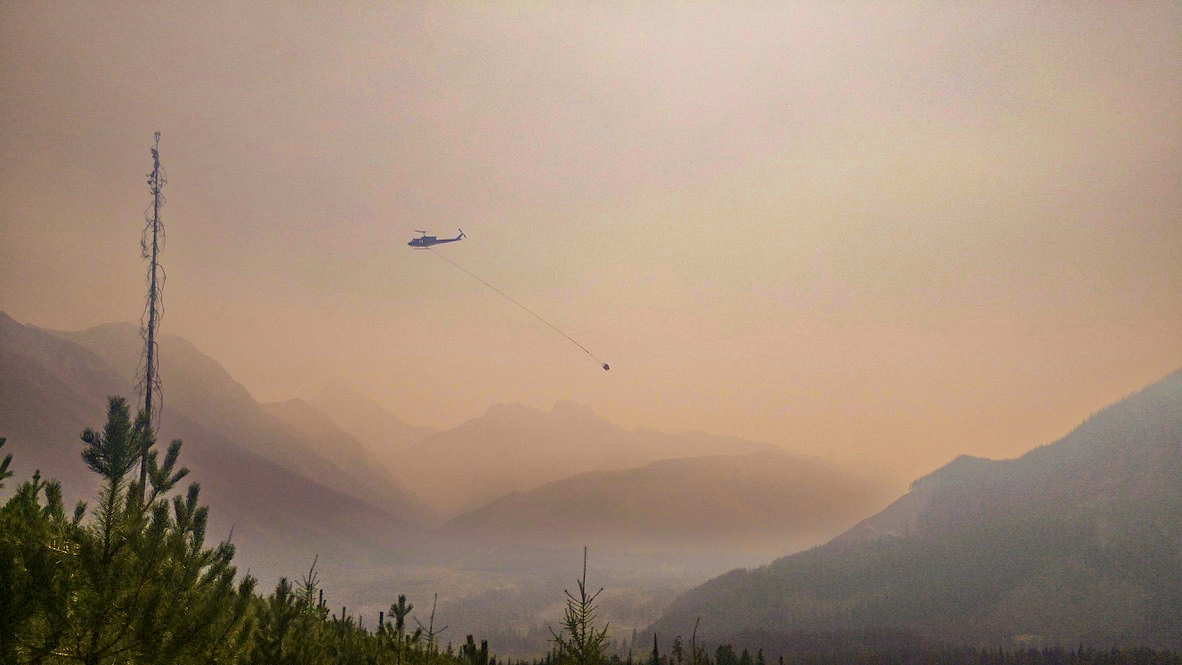 Oregon’s first major wildfire of the season, the Butte Creek Fire, has been mapped at 1,776 acres burning on the John Day River 9 miles north of Clarno in eastern Oregon as of May 27. Firefighters were suppressing the blaze with multiple crews, engines, dozers and aircraft. Some structures are threatened by the fire, officials said. Wheeler County Fire & Rescue and South Gilliam County Rural Fire Protection District are providing structure prevention. No evacuations or closures were in place. However, boaters on the popular stretch of the John Day River “are being asked to use caution as helicopters will continue dipping water out of the John Day River today,” according to Central Oregon Fire Information.