 US President Trump signed an executive order directing the consolidation of US wildland fire programs—to the chagrin of some and applause of others. In related Wildfire news: Mike Flanagan says Canada’s forests are in uncharted territory; the BC is Burning documentary exposes causes and consequences; a BC Indian Band’s wildfire equipment is vandalized; and fire updates from Squamish BC, Ontario and New Jersey. Meanwhile: AI and LiDAR combine forces to advance forest carbon mapping.
In Business news: Cranbrook, BC Steelworkers say severance payments are still owed at shuttered Galloway Sawmill; the Veldman brothers financed Michigan’s paper mill restart; and Sierra Pacific settles its water pollution lawsuit. Meanwhile: Dr. Kathy Lewis received an honorary title at the University of Northern BC; Boise Cascade has a new Senior VP of wood manufacturing; and the Canadian Institute of Forestry is seeking a new Executive Director.
Finally, Canadian housing starts remain flat, but US consumer sentiment finally improves.
Kelly McCloskey, Tree Frog News Editor
 Western Forest Products
 New film reveals the roots of B.C.’s wildfire crisis—and what we must do to stop it. A powerful new documentary exploring the causes and consequences of British Columbia’s escalating wildfire crisis will premiere to the public at the Mary Irwin Theatre in Kelowna on Tuesday, June 24 at 7:00 pm and at the Vernon Performing Arts Centre Thursday June 26 at 7:00 pm. Titled B.C. is Burning, the 45-minute film delivers a sobering but hopeful look at what’s fueling today’s megafires—and the science-based solutions that could protect our forests, our communities, and our future. B.C. is Burning was independently produced and funded through community support, with Homestead Foods generously contributing half of the total budget. We also gratefully acknowledge major support from Skyline Helicopters, Padoin Reforestation, and Kalesnikoff.

 Cranbrook, BC – United Steelworkers (USW) Local 1-405 members at Galloway Sawmill have had enough and are going public with their frustration with Peak Renewables and Galloway Sawmill owner Brian Fehr and the violation of their collective agreement rights and severance owed to the 20 workers of the Galloway Sawmill. “Workers left at the Galloway Sawmill are entitled and deserve their severance from Peak Renewables and owner Brian Fehr at Galloway Sawmill. The company is reneging on a negotiated closure agreement and the workers are the only ones that get hurt,” said USW Local 1-405 President Grant Farquhar. “That site was closed officially by the employer in December of 2024. Five months later and two months after the commitment was made by the employer to pay the severance was made, the members still haven’t received it.” Brian Fehr, owner of Peak Renewables, bought the Galloway Sawmill from Bud Nelson in 2017. The mill hadn’t run since December of 2022.
 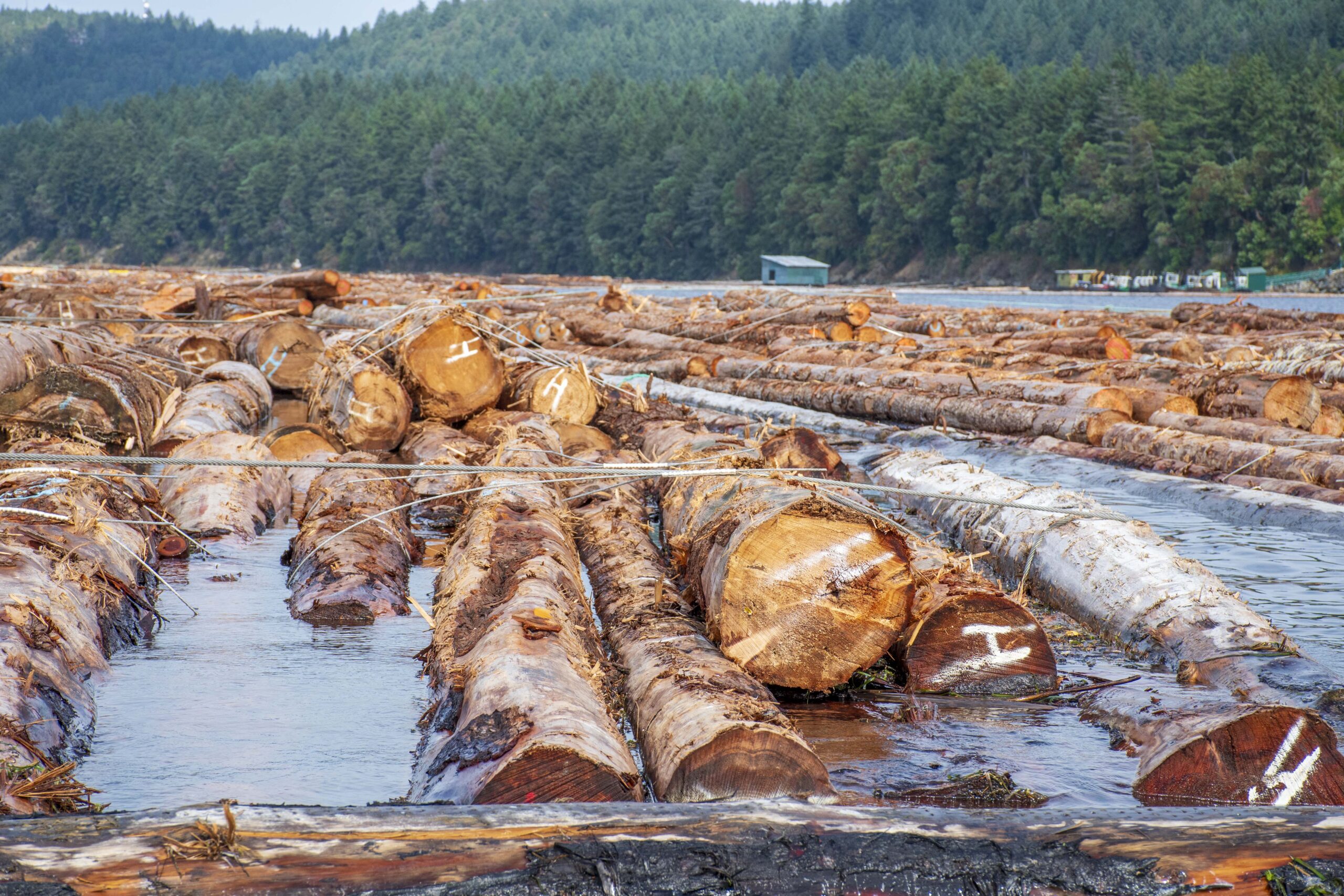 About 100 unionized forestry workers are on the picket line at operations on the mid and north Island, claiming their employer wants to contract out their work. United Steelworkers Local 1-1937 went on strike June 6, citing “significant concessions” demanded by La-kwa sa muqw Forestry Limited Partnership (LKSM Forestry). LKSM Forestry is the former Western Forest Products Mid-Island Forest operation now jointly owned by four First Nations of the Nanwakolas Council — the Tlowitsis, We Wai Kai, Wei Wai Kum and K’ómoks First Nations — as well as Western Forest Products, which still owns the majority of the company. The Steelworkers union said one of the main concessions LKSM is demanding is the use of non-union contractors to do work currently done by union members on sites. That includes jobs performed by union members working for contractors on sites. …The union said it remains open to talks with the company that focus on resolving the outstanding issues.


 VANCOUVER, BC

 Maximising the use of bio-based products is key to meeting current sustainability targets. Yet according to sustainability consultancy Metabolic, using bio-based products for half of new housing in Europe would require production of engineered timber to increase nearly fivefold, and roundwood by four and a half times. Given the improbability of an uplift in production on that scale, as well as the current rapid growth in global demand and the UK’s own limited timber harvest, using the country’s waste timber to make ‘cross-laminated secondary timber’ – CLST – would seem to make a great deal of sense. Rather than its current fates of combustion for energy recovery, chipping for MDF, dumping in landfill, and other low-grade, non-circular activities, incorporating this plentiful material into supply chains would benefit the construction industry, as well as the country’s economy and environment. And it would also seem to be a highly achievable ambition – so why isn’t it happening?
 Mass timber construction is gaining traction for its sustainability and efficiency, yet it brings distinct insurance and risk management challenges that require industry collaboration and proactive strategies. Key Takeaways from this Article:
 OTTAWA, ON – Canadians are coming together to confront a severe wildfire season, driven by rising temperatures and dry conditions. It has already had devastating impacts in British Columbia, Alberta, Saskatchewan, Manitoba, and Ontario. The Minister of Emergency Management and Community Resilience and Minister responsible for Prairies Economic Development Canada and others delivered the latest assessment of the 2025 wildfire season. …Wildfires are causing widespread damage to communities, ecosystems, infrastructure and air quality, posing serious risks to public health and safety. As climate change continues to influence weather patterns, preparation and public awareness have never been so important. Canadians can access information through the Canadian Wildland Fire Information System and learn how to protect themselves by visiting Get Prepared. Looking ahead, forecasts point to above-normal temperatures from June through August this year, with potential drought intensifying across many areas in the coming weeks, especially in the northern Prairies and northwestern Ontario.
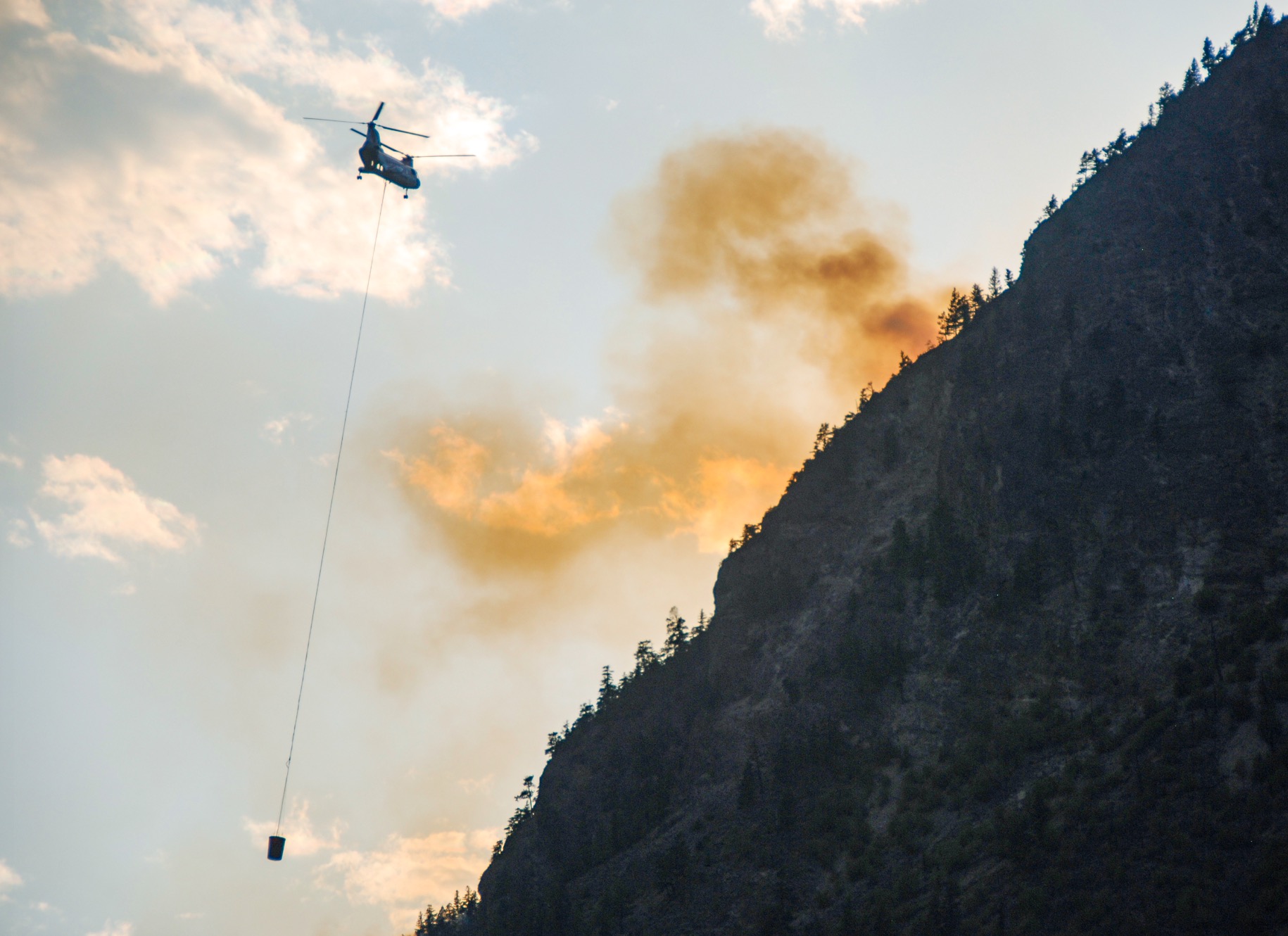 OTTAWA – This year’s wildfire season in Canada is shaping up to be the second-worst on record and federal officials are warning of a dangerous summer in parts of British Columbia. Officials … held a technical briefing Thursday in Ottawa with an update on the state of multiple wildfires and its forecast for the coming months. “We are expecting a hot and dry summer, and definitely leading to a forecast of increased fire danger conditions for much of western and northern Canada,” said Michael Norton, director general of the Northern Forestry Centre with Natural Resources Canada. Wildfires have scorched 3.7 million hectares across the country so far… Modelling by Environment and Climate Change Canada suggests temperatures will be about a degree or two above normal across the country through August, though the risk of wildfires remains highest in central and western provinces and territories.
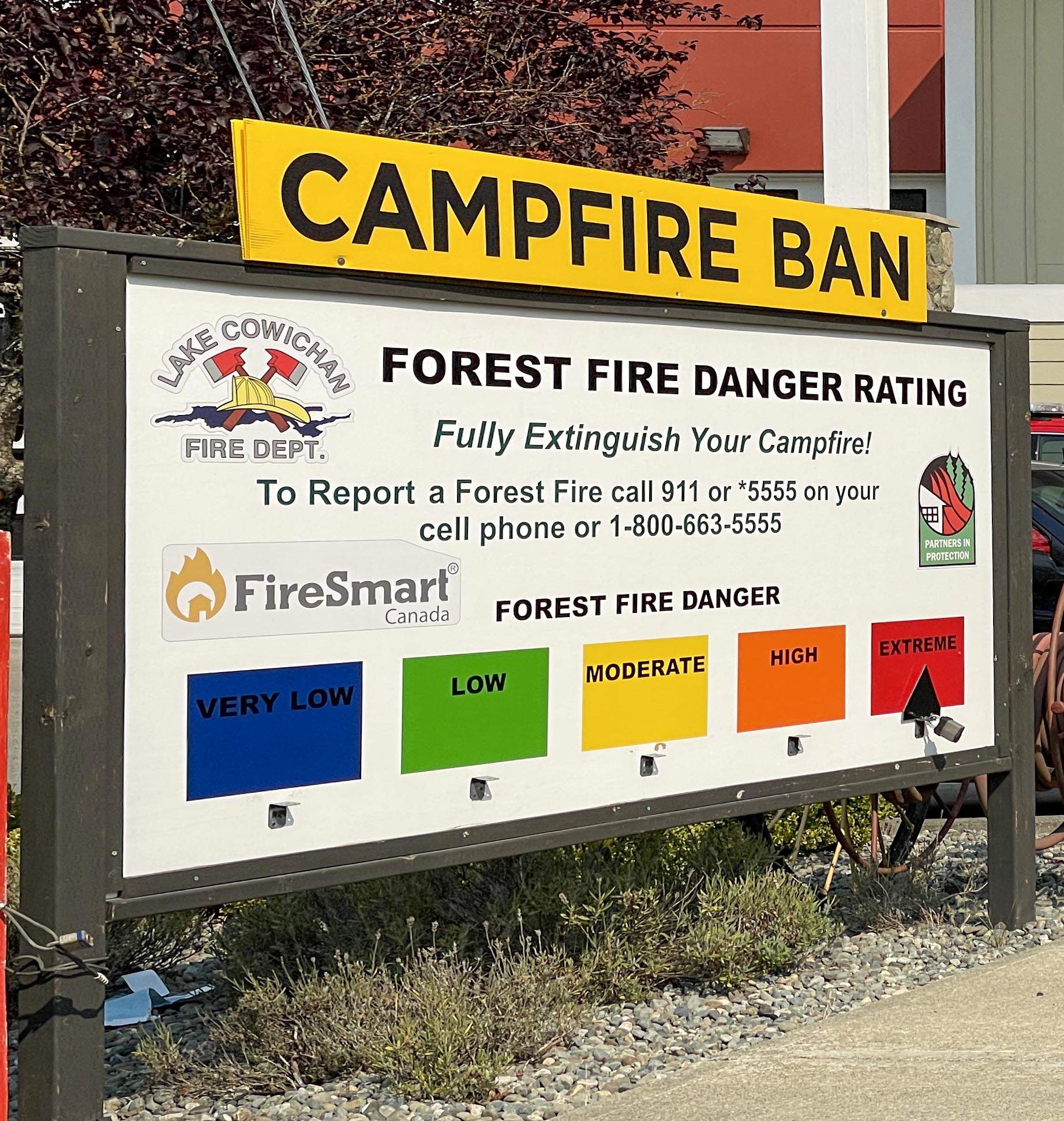 With dry conditions persisting, the Fire Danger Rating in North Saanich remains at ‘high’ since it was first raised on June 10, prompting fire and emergency services to urge residents to prioritize fire safety. “Forest fuels are extremely dry and the fire risk is serious,” the district warns. “Fires can start easily, spread quickly and be difficult to control. Use extreme caution in forested areas and during outdoor activities.” “We’re hoping the rating will encourage residents to take a proactive approach to keep their homes and properties safe in the event of a fire,” Deputy Fire Chief Aaron Kary emphasized. The fire department is offering residents valuable tools to enhance their preparedness. Wildfire automated sprinkler systems protection kits are available for purchase through the department, offering an easy-to-install solution for home protection. …While the forecast offers a glimmer of hope with potential rain … the rating will “remain high until significant precipitation occurs.”
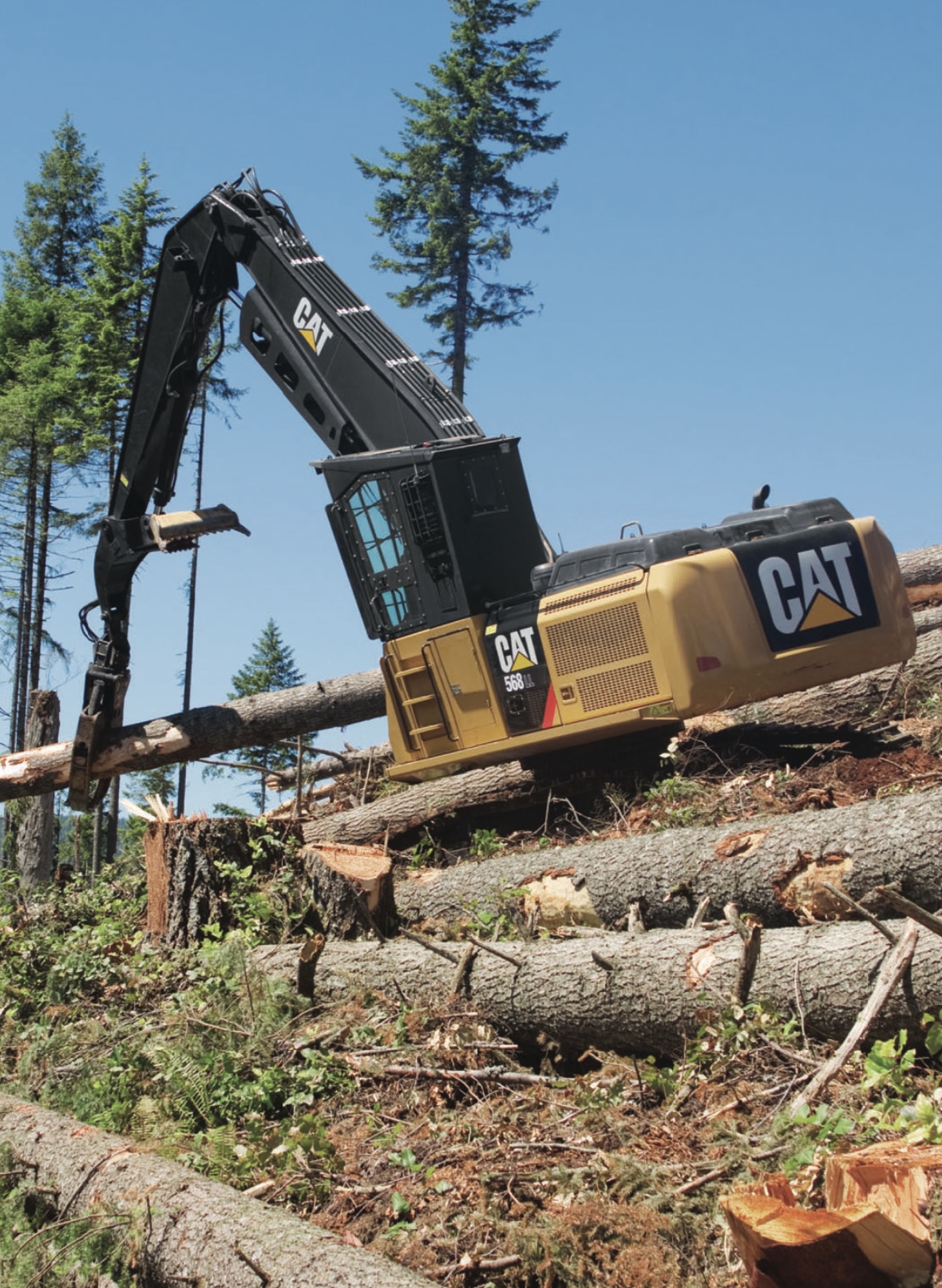 At the 2025 Council of Forest Industries (COFI) Convention in Prince George, the message coming from the stage was clear and consistent: British Columbia’s forestry sector, though challenged, was on the cusp of transformation. Words like resilience, partnership, and innovation echoed across the sessions. COFI’s President and CEO, Kim Haakstad, struck a hopeful tone in her remarks: “The forest sector is facing unprecedented challenges—but with collaboration and innovation, there is a path forward.” …Seven weeks later, I attended the Canada North Resources Expo, in Prince George. The contrast couldn’t have been more striking. This show, which typically draws the biggest names in logging and roadbuilding equipment, felt subdued. Gone were the sprawling displays from Caterpillar, Komatsu, Hitachi, Volvo, John Deere, and XCMG. These are big players – their absence was impossible to miss. …At COFI, we heard big ideas. At the Resource Expo, we saw who’s showing up—and who isn’t.


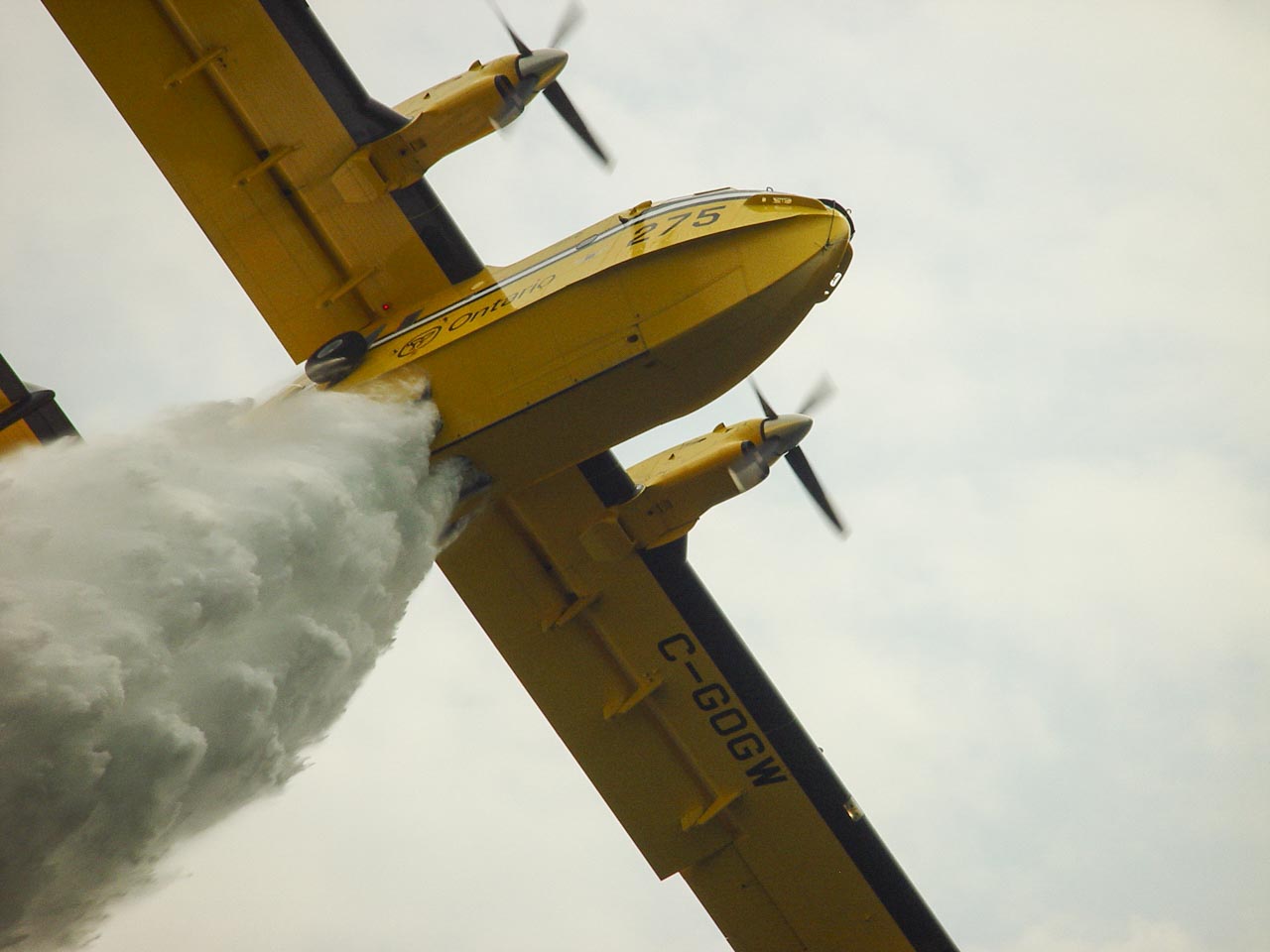 The Ontario Public Service Employees Union (OPSEU) is calling on the province to increase wages for water bomber pilots, as a shortage of pilots has led to the grounding of some aircraft. OPSEU said in a news release that pilots it represents have “resoundingly rejected an offer that would have made Ontario second to last in terms of wages for these dangerous and critical jobs.” OPSEU president JP Hornick told CBC that Ontario water bomber pilots are leaving for other provinces because they can earn better wages. “We have a government that is touting the fact that they’re purchasing six new water bomber planes, but they can’t even actually address the staffing needs that they have on the existing planes,” Hornick said. “This isn’t somebody taking off of a regular tarmac, right? They’re flying planes into the worst possible conditions, active wildfires, dipping down into lakes, filling it with water.”
 Federal agencies are seeking to reinterpret a key word in the Endangered Species Act that could weaken habitat protections for certain at-risk species, according to two wildlife biologists at North Carolina State University. The U.S. Fish and Wildlife Service and the National Marine Fisheries Service have proposed a rule that would exclude habitat modification and degradation from the regulatory definition of “harm” under the Endangered Species Act. “If we lose critical habitat protections for threatened and endangered species … they could face a heightened risk of extinction,” said Chris Moorman, a biology professor. Roland Kays, a research professor of fisheries, wildlife and conservation biology, added: “The Endangered Species Act, as it is written, is crucial to the protection and recovery of at-risk species across the country. And while there have been many attempts to change the law over the years, it’s held up and worked as intended.”


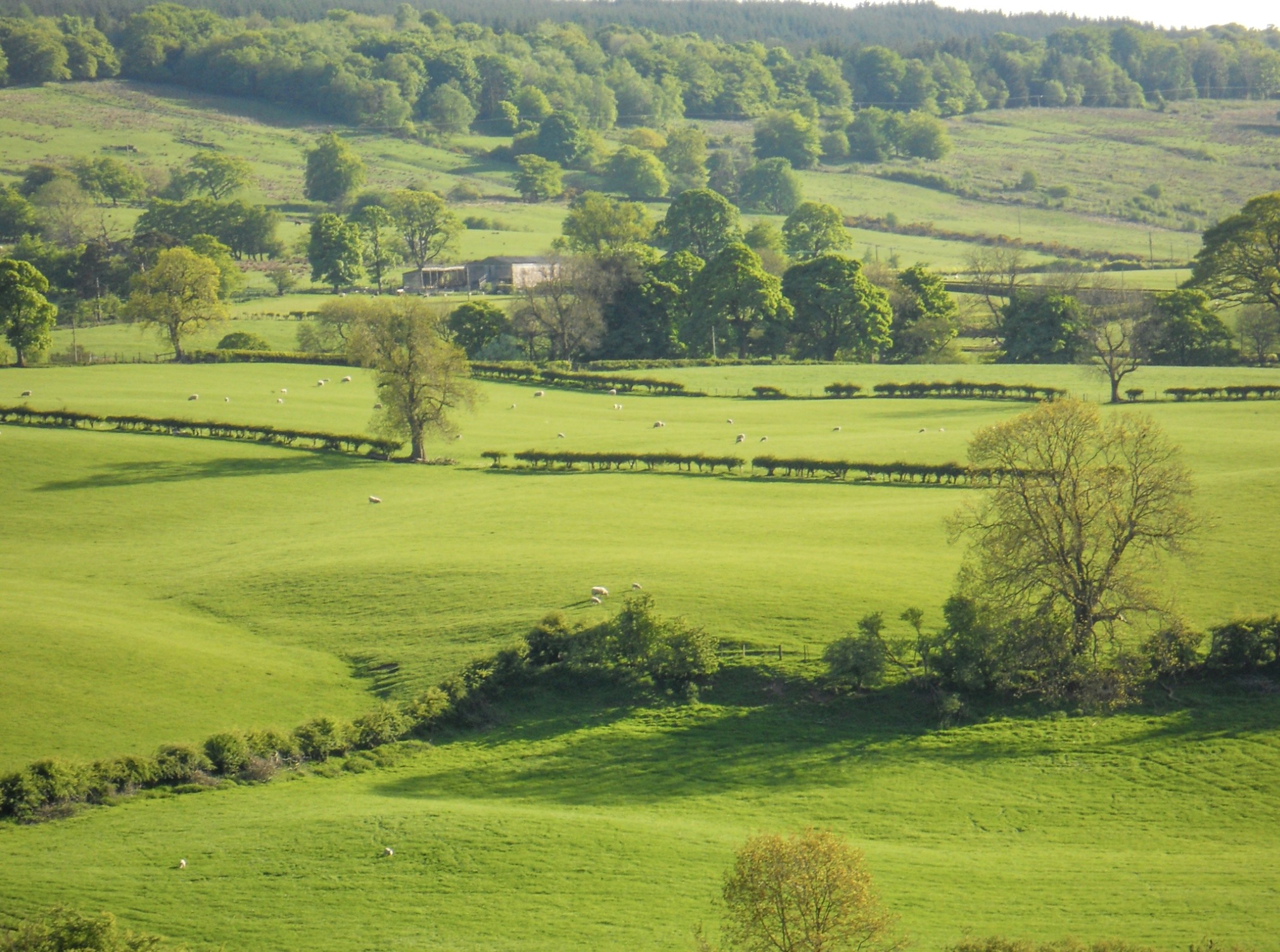 Urgent action must be taken to avoid a loss of wildlife due to the “plummeting” condition of the UK’s woodlands, according to a new report. The report, published by the Woodland Trust on Tuesday, found that the quality of woodland is on the decline, despite a slight increase in tree cover. Woodland covers 24% of Surrey, making it the most wooded county in England. Abigail Bunker, director of conservation and external affairs at the trust, said: “We are calling on the government and others to invest in the management of our woodlands.” She said investing in woodland management would mean wildlife could experience the benefits “of these precious ecosystems”. Woodlands are becoming less effective as habitats for wildlife because they lack complexity, such as having enough trees of differing ages, states and sizes.

 WASHINGTON — On behalf of the American Wood Council (AWC) and the American Forest & Paper Association (AF&PA), AF&PA Vice President of Public Policy Paul Noe gave oral testimony before the House Committee on Energy and Commerce, Subcommittee on Environment in their hearing titled, “Short-Circuiting Progress: How the Clean Air Act Impacts Building Necessary Infrastructure and Onshoring American Innovation.” In his testimony, Noe applauded legislation that would allow the paper and wood products industry to make capital investments to modernize their manufacturing facilities. …discussion was heard by the committee on two bills that would make critical revisions to the National Ambient Air Quality Standard (NAAQS) setting and implementation process that would reduce the type of permit gridlock created when the particulate matter NAAQS was significantly lowered by the previous administration. “We strongly support Congressmen Rick Allen and Buddy Carter in their efforts to address the impacts of air permitting issues on U.S. manufacturing,” said Noe.
 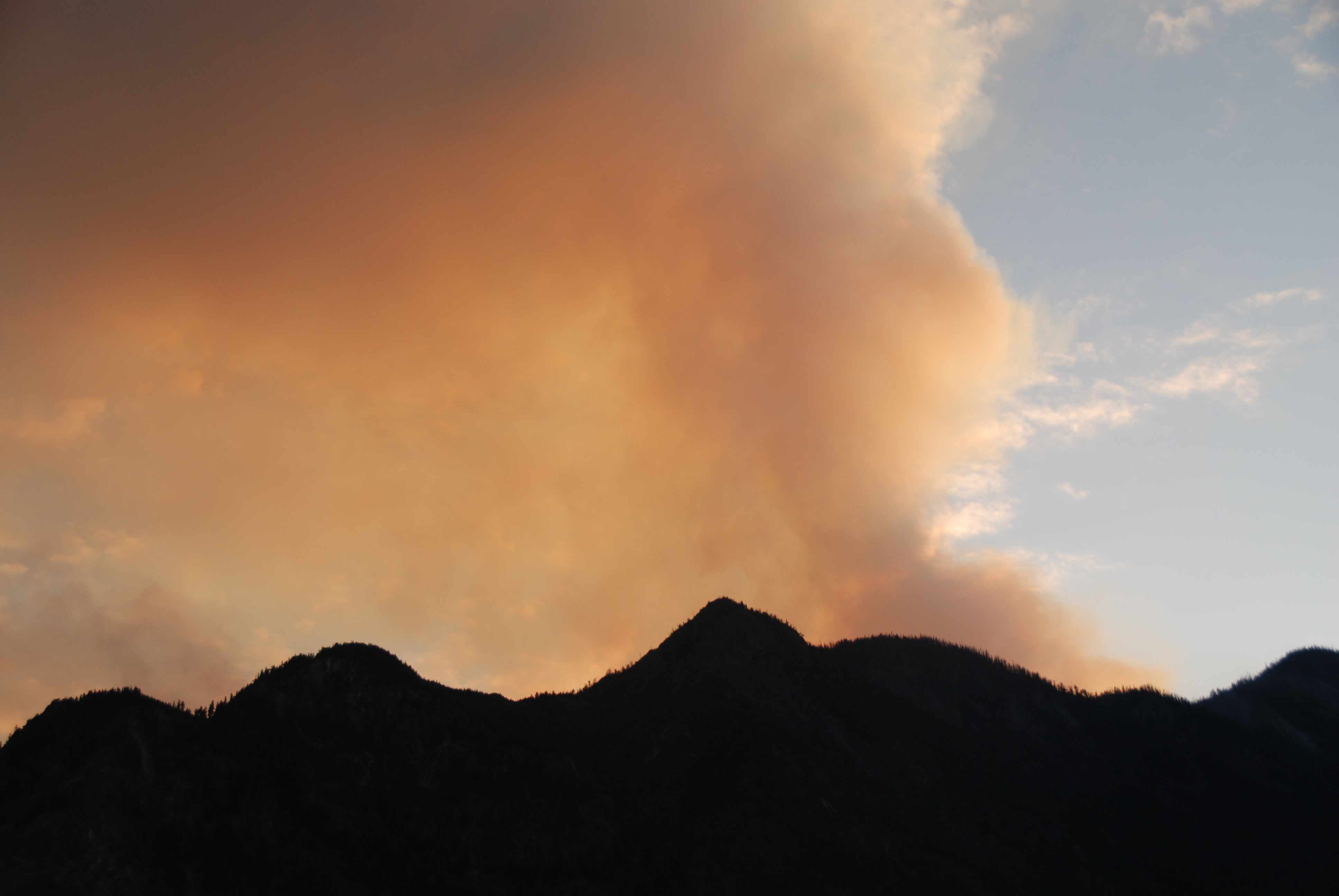 More than 200 wildfires are blazing across central and western Canada, half of which are out of control… “But increasingly we’re also concerned about the smoke,” said Mike Waddington, an environmental scientist at McMaster University in Ontario. That’s because [of] where these blazes are burning in Canada. The country’s forests have long been mined, operations that loaded soils and waterways with toxic metals like lead and mercury, especially before clean-air standards kicked in 50 years ago. Now everyone downwind of these wildfires may have to contend with that legacy and those pollutants, in addition to all the other nasties inherent in wildfire smoke, which are known to exacerbate respiratory and cardiac problems. …But an area of particular concern is around the mining city of Flin Flon, in Manitoba, which is known to have elevated levels of toxic metals in the landscape, said Colin McCarter, an environmental scientist who studies pollutants at Ontario’s Nipissing University.
 The 2023 McDougall Creek wildfire caused serious damage to the Rose Valley reservoir, which provides source water to more than half of West Kelowna residents through the Rose Valley Water Treatment Plant. During a presentation to city council this week, Interior Health medical health officer Dr. Fatameh Sabet said that damage makes it harder to treat water coming from the reservoir. “We know the land surrounding the Rose Valley reservoir has been contaminated because of the wildfire in 2023 and it means the contaminated source of water can be harder to treat because of the sediment, nutrients, metals and organic matter as a result of burned material,” said Dr. Sabet. “Fortunately, the Rose Valley Water Treatment Plant was not damaged from the fire and it has been very helpful to compensate for damage to the watershed.” The plant ensures water is safe by not only controlling levels of manganese and disinfection byproduct, but other perspectives as well.
 New Jersey — A wildfire that began Friday in the Wharton State Forest in Burlington County is now 80% contained, fire officials said Sunday. The New Jersey Forest Fire Service posted on its Facebook page a total of 5,750 acres were scorched since the blaze began Friday morning. It was first spotted near the Carranza Memorial in the state forest. By 11 p.m. Friday, flames had grown to 3,250 acres, state fire officials had said. The blaze, dubbed the Mines Spung Wildfire, is located within Wharton State Forest in Shamong Township. A wildfire is defined by state fire officials as an uncontrolled fire burning different types of vegetation covering the land, with a “major wildfire” being anything that exceeds 100 acres in size. Crews on Sunday were continuing to mop up hot spots and patrol the fire perimeter, state fire officials said.