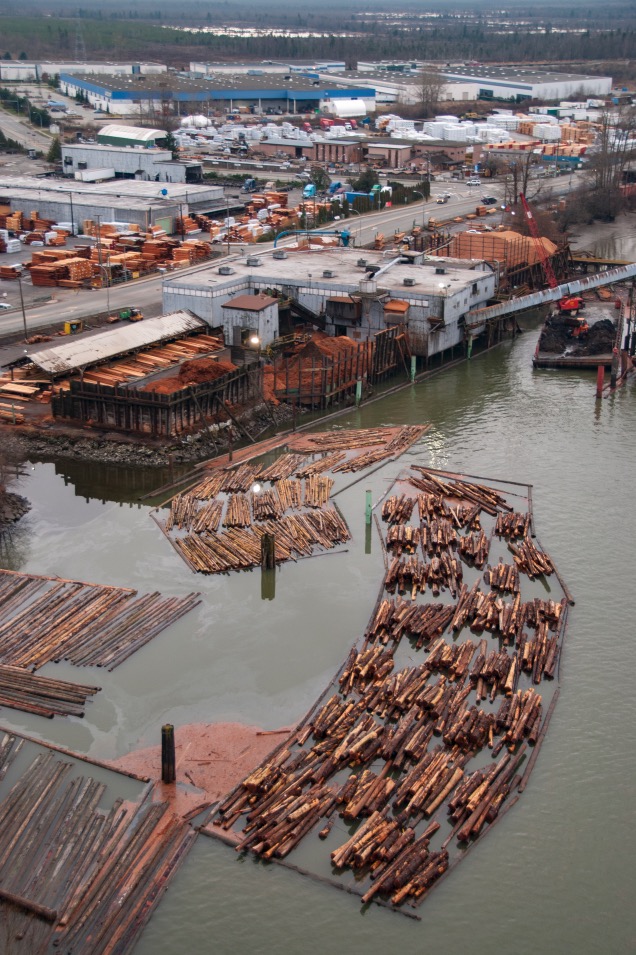
Canfor and Cascades report improved Q1, 2025 results—foresee Q2 market uncertainty. In related news: the US and UK announce a trade deal, China and the US agree to talk; BC says softwood lumber could lead the way on US-Canada trade; and US multifamily developer confidence is down. In Forest Product news: stories on paper recycling in the US; CLT bridges in Illinois, and mass timber passive homes in BC.
In Forestry/Wildfire news: ENGO’s say Canada’s woodlands have a health problem; Quebec First Nations seek more caribou protections; Washington state is encouraged to support forest and community health; and safety lessons from BC’s 2023 fire season. Meanwhile: BC Forest Minister Ravi Parmar’s journey into politics; and the latest on the upcoming Canadian Institute of Forestry AGM and award nominations.
Finally, kudos to firefighters who saved Timber Kings’ Pioneer Log Homes from blaze.
Kelly McCloskey, Tree Frog News Editor
 Domtar’s Jackson Widjaja is planning for more
  Professionals working in the lumber and sawmill sector and looking to advance their careers can gain specialized training through BCIT’s Associate Certificate in Industrial Wood Processing, starting June 2025. The IWP program was developed with industry subject matter experts and informed by industry leaders to support upskilling and professional development within the sector. The program is 1-year, delivered online and part-time to allow students to balance work and studies.
 MONTRÉAL, RICHMOND, BC, and
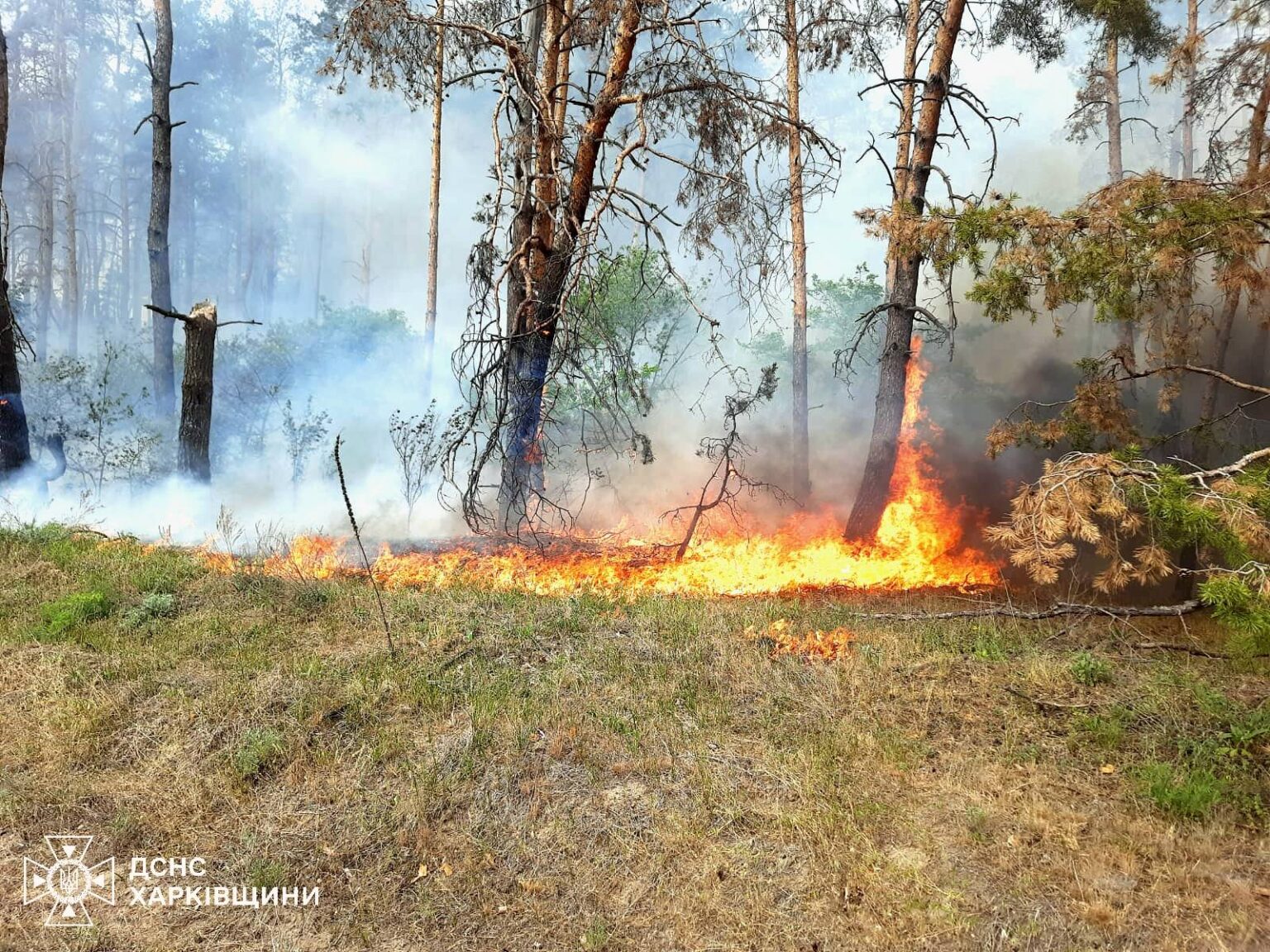
 The rapid response of firefighters and workers at Pioneer Log Homes east of Williams Lake to prevent a log pile fire from spreading to other piles in the yard is being credited for saving the construction site from being destroyed. The fire on the west side of the building site at 1527 Old Cariboo Highway 97 (Mile 153) was reported to the 150 Mile House Volunteer Fire Department just after noon Monday and after a mutual aid request fire crews from City of Williams Lake and volunteer departments in Miocene and Wildwood were also dispatched to the scene. They spent nearly half a day dousing the burning logs until the fire was fully extinguished at about 11:30 p.m. Monday. No estimate has been determined on the cost of the logs lost in the fire, which was confined to one large pile covering an area estimated at one hectare.
 A high-stakes meeting between Prime Minister Mark Carney and United States President Donald Trump on Tuesday is being closely watched by politicians in Victoria. Ravi Kahlon, minister of housing and municipal affairs, said the province is being pragmatic… “We’re not expecting an agreement, and we’re also realistic that any agreement made with President Trump can be changed with a tweet the next day,” Kahlon said Tuesday. …Kahlon says the key for B.C. is to rely on its resources and to increase diversified trade with other countries. …Adding that breaking down interprovincial trade barriers will also help. …Meanwhile, B.C.’s forestry minister, Ravi Parmar, says Carney needs to prioritize B.C’s softwood lumber industry during his talk with Trump. …Western Canadian director for the United Steelworkers, Scott Lunny, tells 1130 NewsRadio that if the goal for the Trump administration is to rewrite the free trade agreement, we should “quit the nonsense and get on with that.”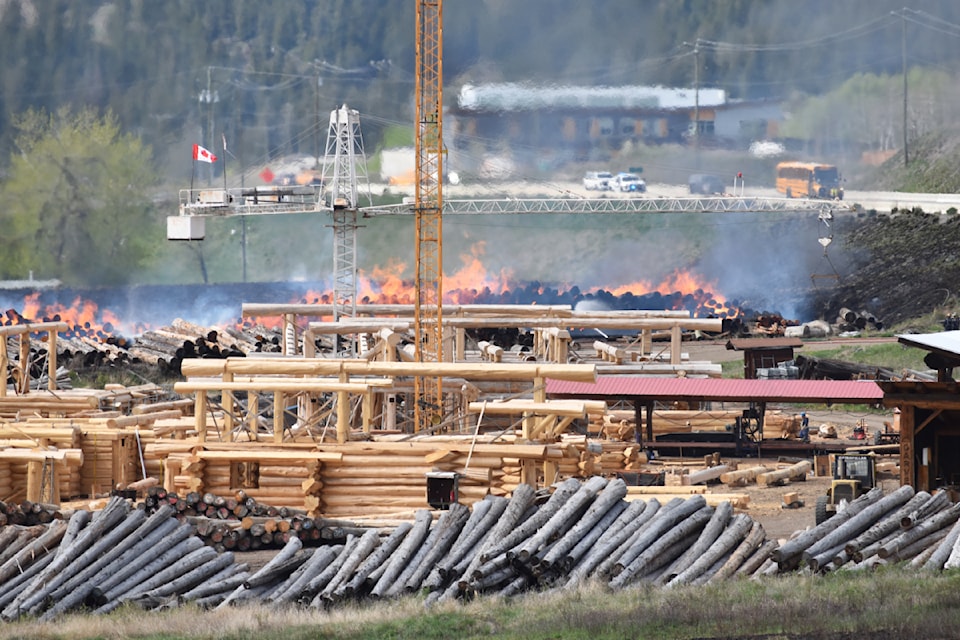


 As the next step in its plan to protect Ontario workers in the face of tariffs and economic uncertainty, the provincial government is expanding its Skills Development Fund (SDF) by nearly $1 billion over the next three years, for a total of $2.5 billion. This funding will help train and reskill Ontario workers, including those directly impacted by layoffs resulting from tariffs and ensure they have the necessary support to find good-paying jobs and help strengthen Ontario’s economy. “We’re already seeing the impact of President Trump’s tariffs and the economic uncertainty he has created on Ontario workers,” said Premier Doug Ford. “Today’s announcement of a further $1 billion in SDF funding is just the latest step in our plan to protect Ontario by investing in workers and making sure they have the support they need to succeed, no matter what comes our way.”
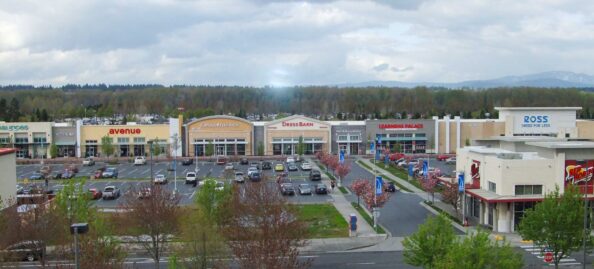 New York — Some of the last cargo ships carrying Chinese goods without crippling tariffs are arriving at US ports. Come next week, that will change. Cargo on ships from China loaded after April 9 will carry with them the 145% tariff President Donald Trump slapped on goods from that nation last month. Next week there will be fewer ships carrying less cargo. For many importers, it is too expensive to do business with China. Yet China is still one of America’s most important trading partners. It’s where we get most of our clothes, footwear, electronics and microchips, which power appliances, thermostats and anything else that beeps. …Forty-five percent of supply chain leaders expect they’ll pass the higher cost from tariffs down to their customers, according to a new survey by Gartner, a corporate research firm. …With fewer cargo ships expected at US ports, local economies will suffer immediately, Gene Seroka, executive director of the Port of Los Angeles said.
 Drax Group plc on May 1
  This newsletter includes:



 The April Monthly Update includes these stories and more:


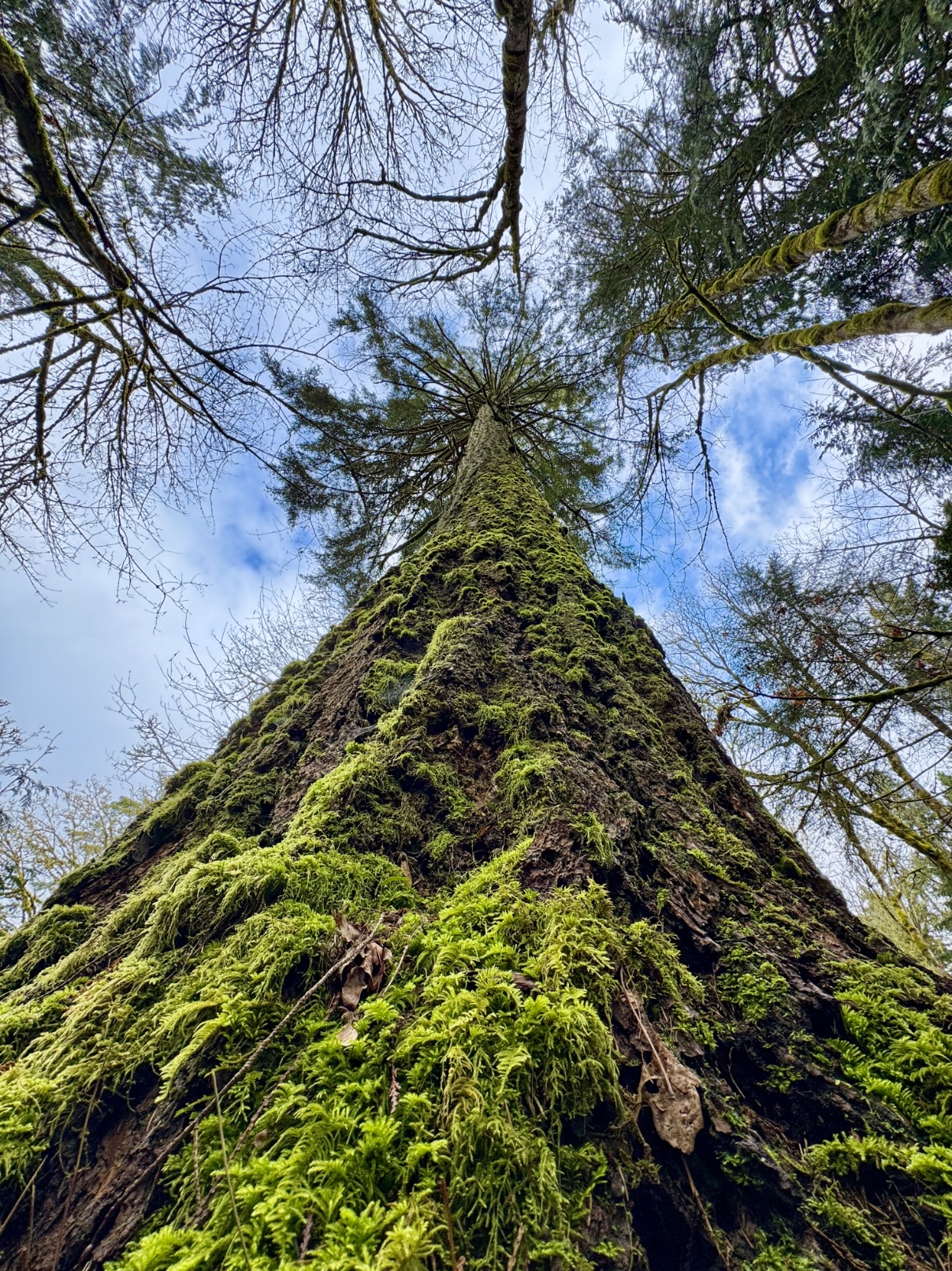 Forests are fundamental to Canadians. As “hewers of wood and drawers of water,” forests are as much a part of Canadian DNA as hockey sticks and maple syrup. …Canada harvests a relatively small portion – less than 0.5% – of its forests annually, adhering to sustainable practices. Every hectare harvested is carefully managed to ensure full regeneration, maintaining ecosystems and biodiversity while continuing to support the communities and livelihoods that depend on them. Harvesting takes years of meticulous planning. In fact, before a single tree is cut, forestry companies study and analyze the forest ecosystems before developing and presenting the government and the public with 100 to 200-year plans, repeating the process every ten years with improved information. [The Hill Times requires a subscription for full access to this story]
 The May News & Views includes the following headlines:



 With the Southern Interior’s hottest months just around the corner, FortisBC is putting important safety measures into place to help protect communities and its electricity system against wildfires, which includes adding extra precautions that could result in power outages. To further enhance its wildfire safety practices, FortisBC has introduced a Public Safety Power Shutoff (PSPS) policy, a new precautionary measure where electricity is proactively shut off in selected areas in advance of extreme weather. FortisBC is advising its customers to be prepared for these potential outages that help reduce potential ignition sources. …According to FortisBC, customers should always be prepared to be without electricity for at least 72 hours, especially during wildfire season.
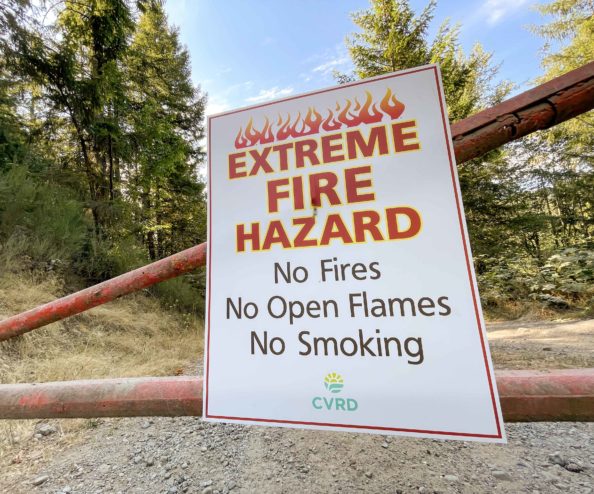 People are asked to use caution over the next several days as a combination of warm, dry conditions and strong winds in much of southern B.C. are adding to elevated wildfire danger. The BC Wildfire Service urges people to postpone any open burning until the windy conditions pass and to use extra caution when camping in the backcountry. “We are expecting active weather in the coming days that could set the stage for dangerous wildfire conditions across the province,” said Ravi Parmar, Minister of Forests. “This is the time of year when we’re at the most risk for human-caused wildfires in B.C., most of which are entirely preventable.” People planning to have campfires should do so safely, following any local prohibitions.
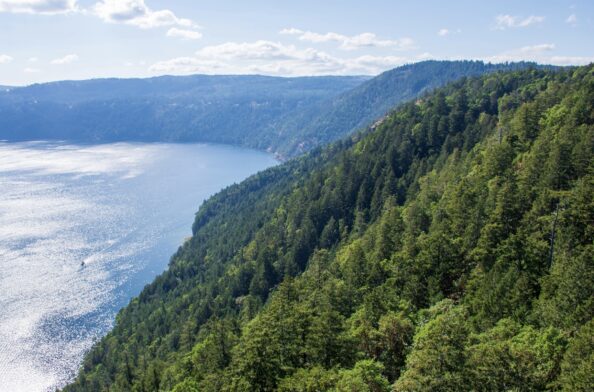 More than 80 per cent of the critical habitat for at-risk species in B.C. fails to meet federal protection standards, according to a government briefing document. The



 The Trump administration’s attempt to weaken the Endangered Species Act is easy to criticize. This month, it proposed a rule that would limit what constitutes “harm” under the law to only direct actions against wildlife, such as hunting, wounding or trapping. Destroying their habitats would no longer count. …As scientists warn that the world is entering a period of mass extinction, lawmakers would be wise to rethink federal conservation strategies. This means reforming the Endangered Species Act to better incentivize citizens to protect the country’s precious biodiversity. …The government could, for instance, turn protected species into assets by giving landowners financial incentives to assist in conservation efforts. …President Donald Trump and his party are unlikely to embrace these reforms. But Congress in recent years has shown that there is strong bipartisan appetite to strengthen protections for endangered species. The best way forward is to embrace market-oriented strategies.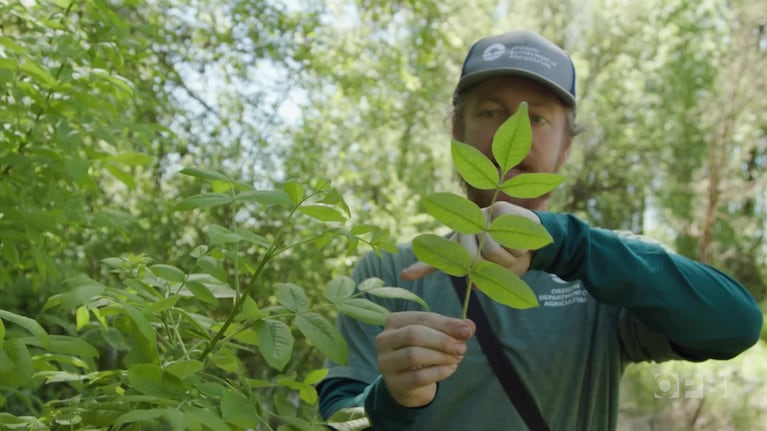


 The Washington State Department of Natural Resources recently began a multi-faceted forest restoration project across approximately 150 acres of the Mount Baker-Snoqualmie National Forest near Verlot. The Pilchuck Restoration Project is led by the Department of Natural Resources (DNR) Federal Lands Program under the agency’s Good Neighbor Authority agreement with the USDA Forest Service. Established in 2014, the GNA allows DNR to leverage its resources with federal and local partners to perform a variety of restoration activities on federal lands. Operators are following a carefully designed prescription focused on thinning out the small-diameter, younger trees that, due to past management practices, are overcrowding tree stands to the detriment of the larger, older trees.
 NEW HAMPSHIRE yield tax on timber, often called the “timber tax,” was established in 1949 and has been locally collected to offset property taxes ever since. …The yield tax on timber has been an essential tool for promoting conservation, helping the timber industry, and stabilizing municipal revenues in heavily timbered towns. …The legislation would, “…encourage conservation of the forest resources of [New Hampshire] by releasing growing wood and timber from the yearly burden of local property taxes and substituting a yield tax….” The timber tax has been very effective achieving these goals… The current policy strikes an excellent balance between industry and conservation. There is a new government-promoted industry threatening New Hampshire’s timber industry, loggers, timber processors, and heavily timbered towns that depend on timber tax revenues. Carbon credits.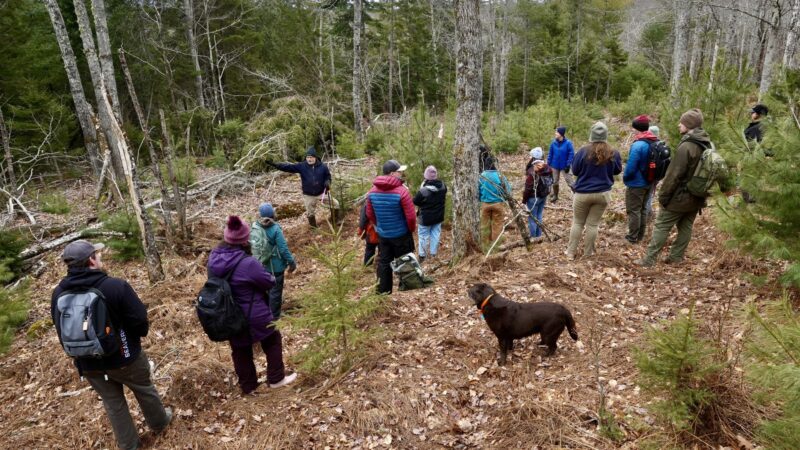

 MONTREAL – Academics at McGill University in Montreal are providing the U.S. scientific community a platform to protect climate research under attack. Six months ago, researchers at McGill University’s Desautels Faculty of Management launched the Sustainability Academic Network — SUSANHub.com — a database that centralizes climate research and data. “We initially created this platform to connect researchers and professionals in sustainable development and climate change,” said Juan Serpa, a professor at the Desautels Faculty of Management, describing the platform as a kind of “LinkedIn” for the field. But at a time when the administration of United States President Donald Trump is firing climate researchers, banning certain words from scientific articles, cutting funding for environmental research, threatening to withdraw financial support from universities, and deleting scientific reports from government websites, the McGill platform has taken on a different significance. “The goal is to protect scientific data against threats from the U.S. government,” Serpa said.
 The
The 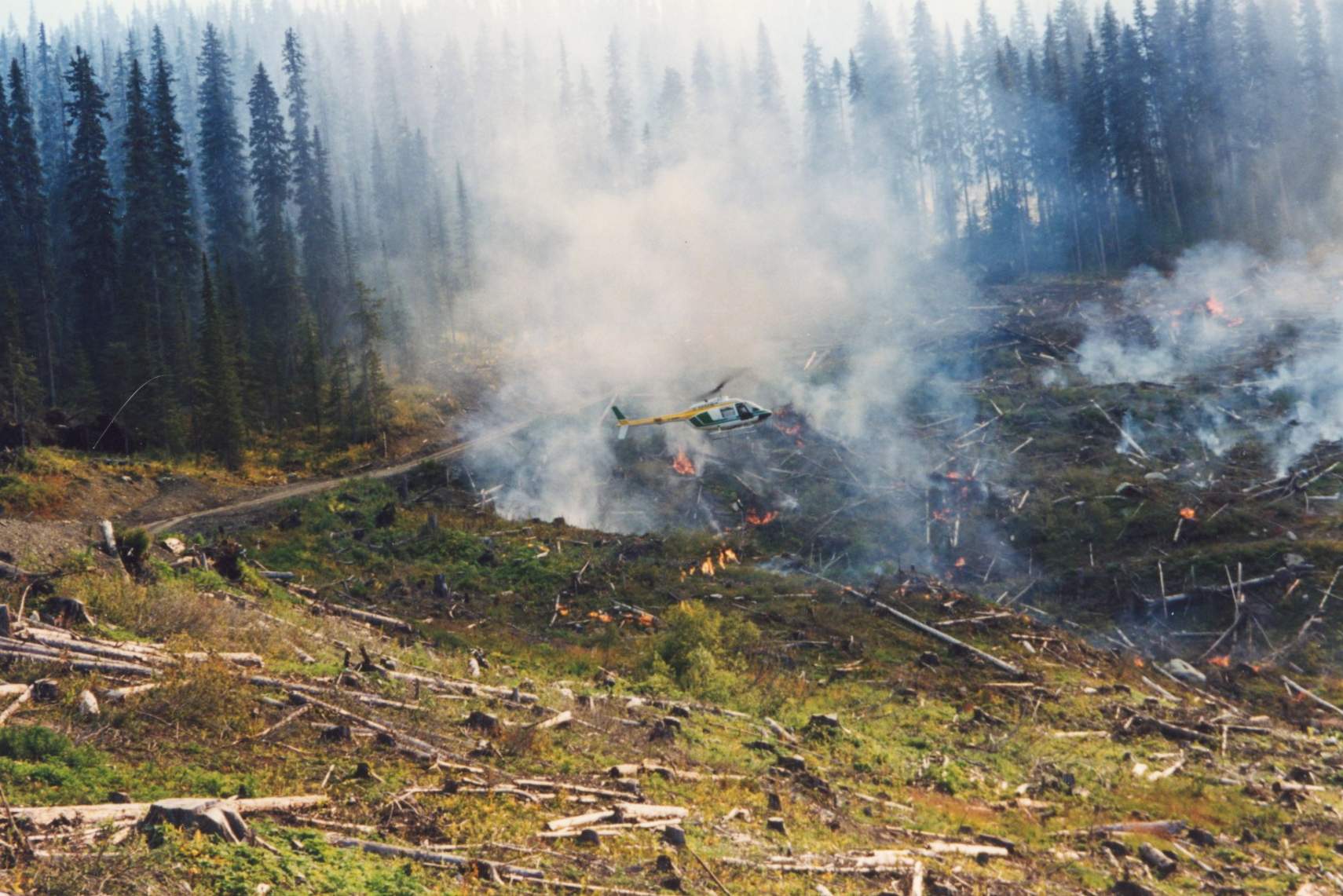 British Columbia’s worker protection agency says a planned burn by the province’s wildfire service during the devastating 2023 fire season could have killed or injured multiple firefighters who became “trapped by extreme fire behaviour” that cut off their escape. Inspection reports by WorkSafeBC say the BC Wildfire Service didn’t adequately ensure safety during the burn in the Shuswap region on Aug. 17 that year, and a group of trapped Brazilian firefighters had to retreat to a “safe zone.” WorkSafeBC says they had to burn off fuel around their truck and spend the night because of low visibility, smoke, fire activity and falling trees. They were picked up the next day by another crew that “cut their way into the site.” …The employer did not provide adequate information, instruction, training or supervision for the crews involved, the report says, and the incident “could have resulted in multiple serious injuries or fatalities of workers.”


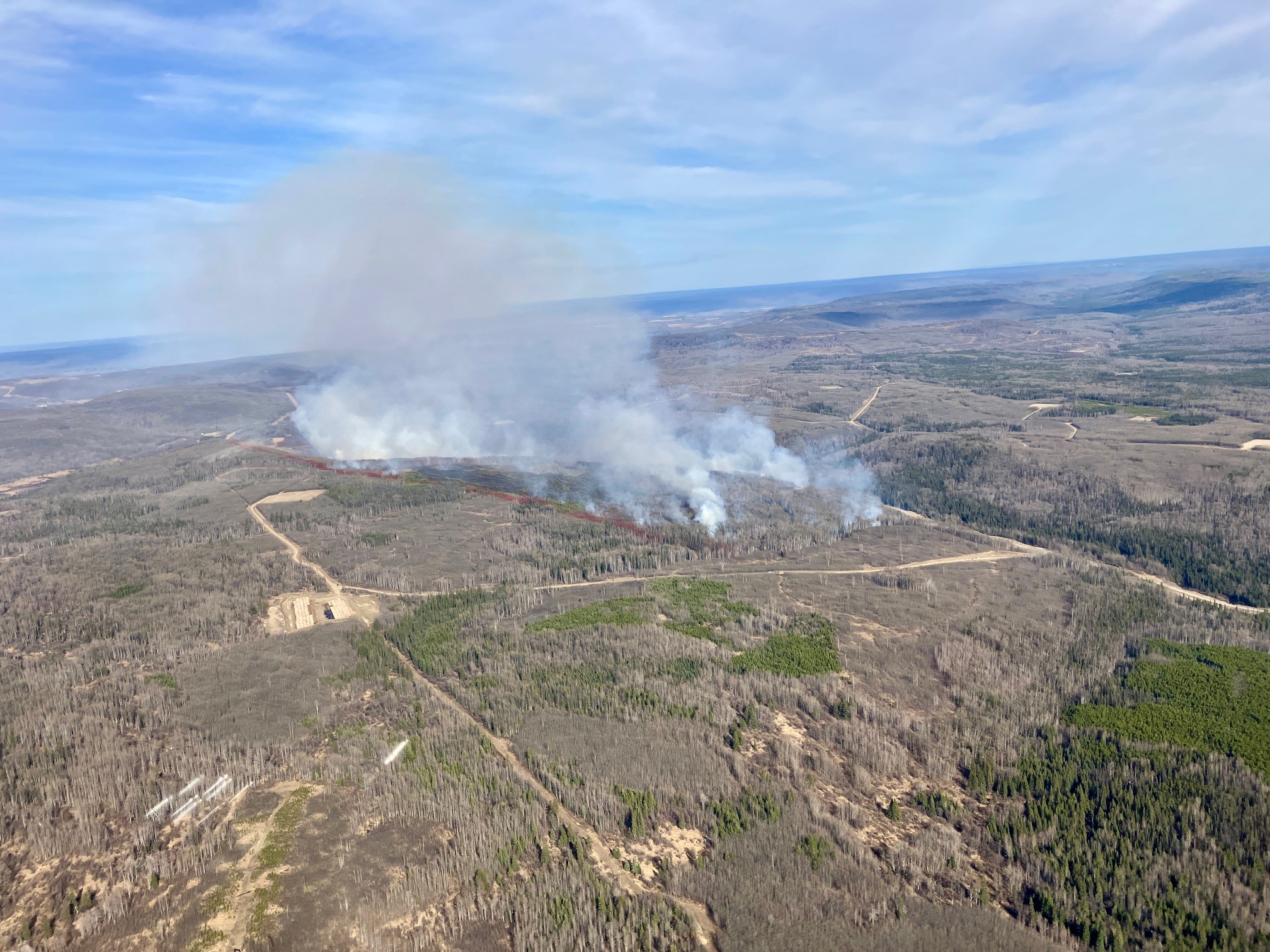
 Israel asked Greece, Bulgaria, Cyprus, Italy and Croatia to help extinguish major wildfires that broke out Wednesday morning in several locations near Jerusalem and along Highway 1 leading to the city as communities along the road were instructed to evacuate. At least one man suspected of involvement in igniting the fires was arrested, according to Israeli broadcaster Kan, which reported that the suspect is now detained at the Oz police station in east Jerusalem. Israel police did not confirm or give any details on what started the fires. …Foreign Minister Gideon Saar asked his counterparts in the four countries to send firefighting airplanes and helicopters to Israel, including supertankers. Ynet reported that Greece and Italy are sending supertankers and that the Palestinian Authority offered to send firefighters, though Israel has not yet responded to the offer. International aid is expected to arrive Thursday morning.