 Wildfires push tropical forest destruction to 20-year high in 2024, just as EU delays anti-deforestation rules. In related news: the long shadow of of last summer’s Jasper wildfire; the downside of merging the US wildland firefighting agencies; and the wildfire evacuation order in Northwest Ontario is lifted. Meanwhile: BC Timber Sales pauses logging in caribou habitat; and Indigenous groups send eviction notice to Quebec forest companies.
In Business news: Domtar nears decision on converting Quebec mill to containerboard; the US budget bill may cut funds for private forest owners; US single-family home size trends higher; the outlook for US housing and duties keep lumber prices volatile; and the Canadian Institute of Forestry’s Executive Director Mark Pearson is retiring.
Finally, both Swinerton and Mercer celebrate mass timber building completion milestones.
Kelly McCloskey, Tree Frog News Editor
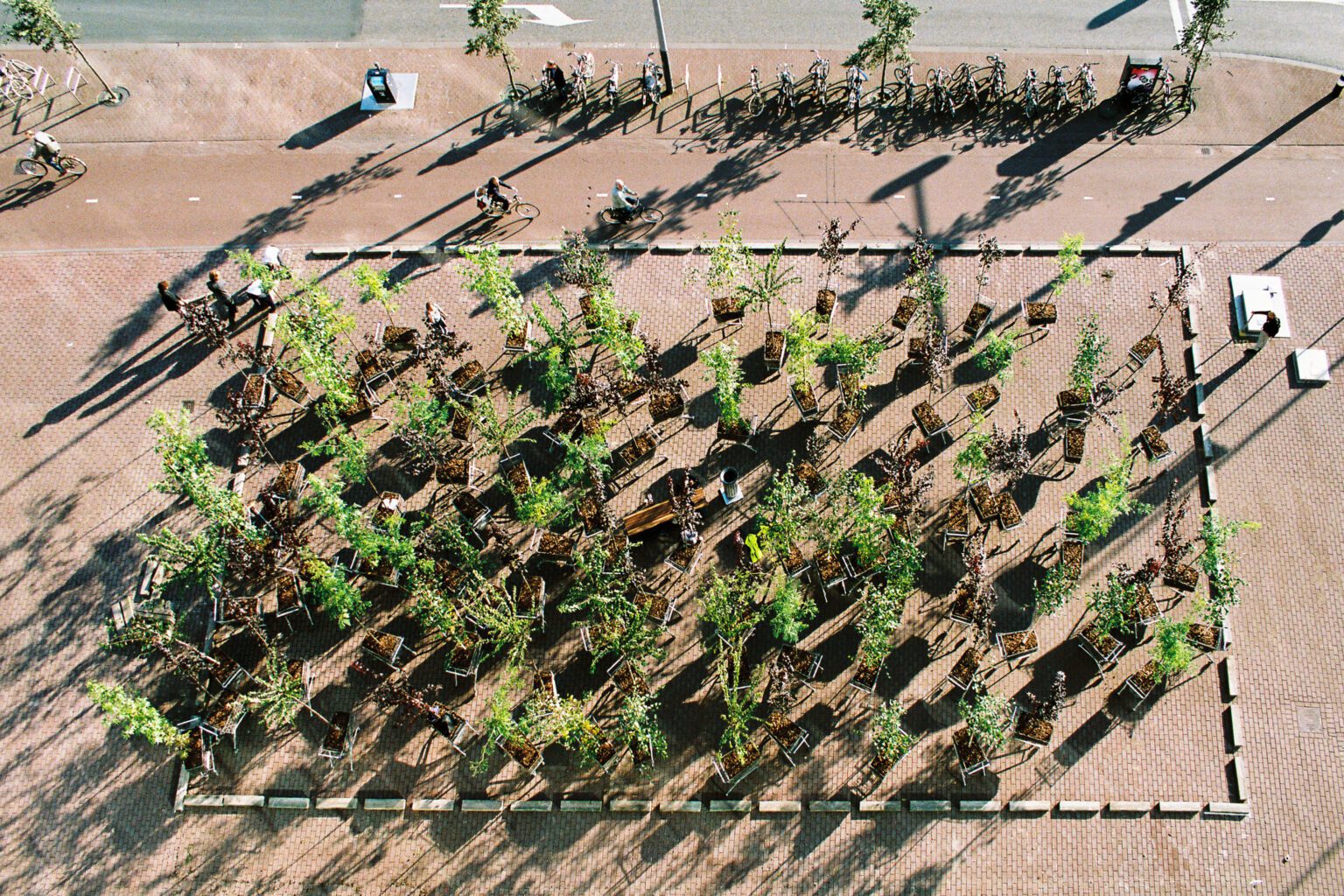

 Local governments, First Nations and not-for-profit organizations throughout British Columbia are receiving funding to promote economic diversification, clean-economy opportunities and infrastructure development. “We’re partnering with rural community leaders to invest in the future of their local economies,” said Diana Gibson, Minister of Jobs, Economic Development and Innovation. “By helping fund impactful projects throughout the province, we’re supporting people and helping their communities to flourish.” The Government of B.C is investing as much as $43 million from the third intake of the Rural Economic Diversification and Infrastructure Program (REDIP) toward more than 130 projects that will strengthen local economies, create an estimated 2,200 jobs and make a positive impact for people and communities across rural areas of the province.

 For 82 years, the TLA’s long history of supporting the forward movement of BC’s forest sector with the core objective of ensuring the ongoing prosperity of the contracting community and the people working in it, has been to the overall benefit of our forests. BC’s forest sector is wrestling with difficult and challenging conditions caused by many factors including changes in government policies, increasing complexity, conflicting mandates, and ever-increasing cost structures. We are overdue for a comprehensive overhaul of the current environment we deal with and the need to return to a dedicated vision towards renewed prosperity. However, today’s announcement of the new Provincial Forest Advisory Council (PFAC), yet another committee to review BC’s forest sector and provide recommendations to the Minister of Forests, is of concern. Notably, the advisory council does not include representation from boots-on-the-ground, independent contractors who can provide a valuable perspective on the impacts of potential changes.

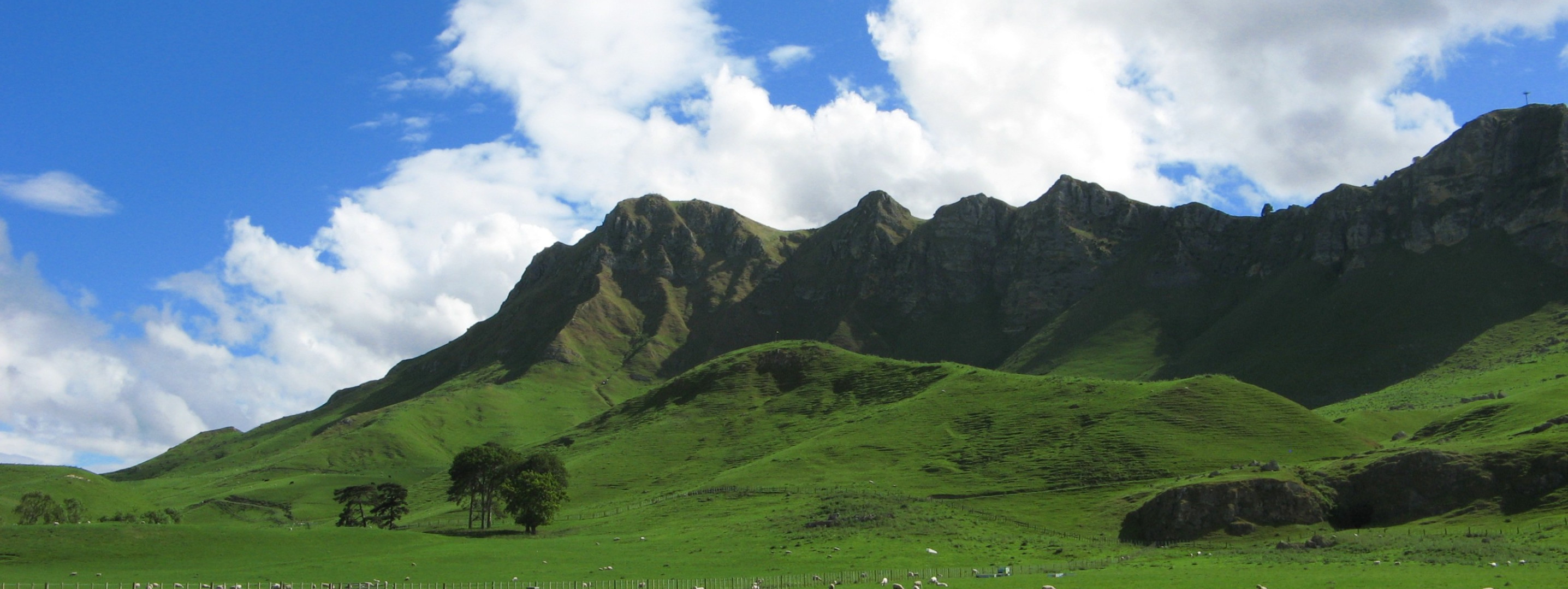






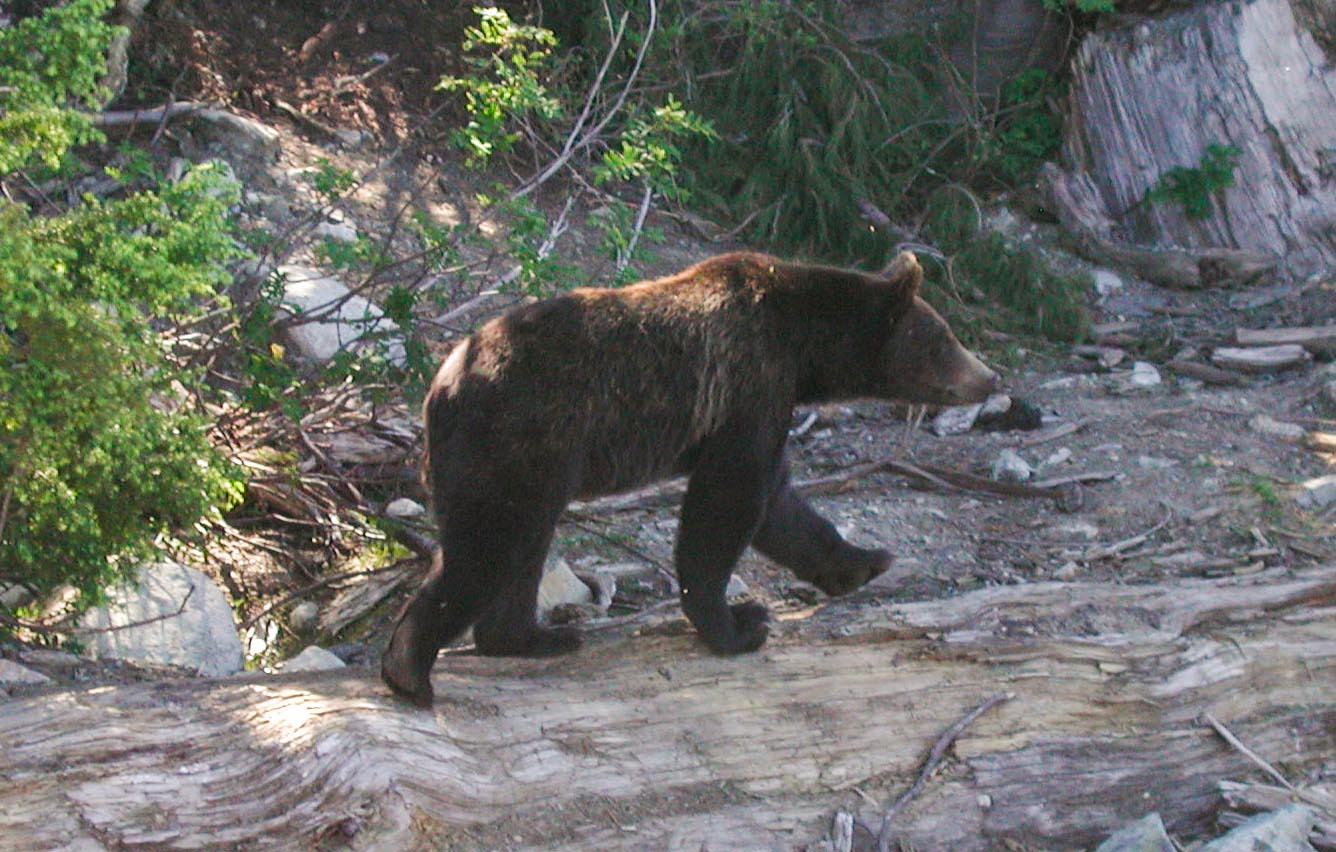 They’re common subjects of news stories and interaction with humans and urban areas. But how common is the black bear in B.C.? Wildlife advocates say the answer is far from clear, and better data is required to help and understand the species, many of whom are destroyed as a result of becoming habituated to human food. “I want some more pressure on the government to address this big knowledge gap that we just don’t know how many we have,” said registered professional biologist Helen Davis with Artemis Wildlife Consultants. “We don’t know if we’re hunting too many, if we’re killing too many through conflict.” …Biologists like Davis, who, along with First Nations, want bear dens in old-growth forests protected with provincewide legislation, say there could be a misconception that a key species with ecological and cultural value is plentiful when the data to support that is outdated or even dubious.

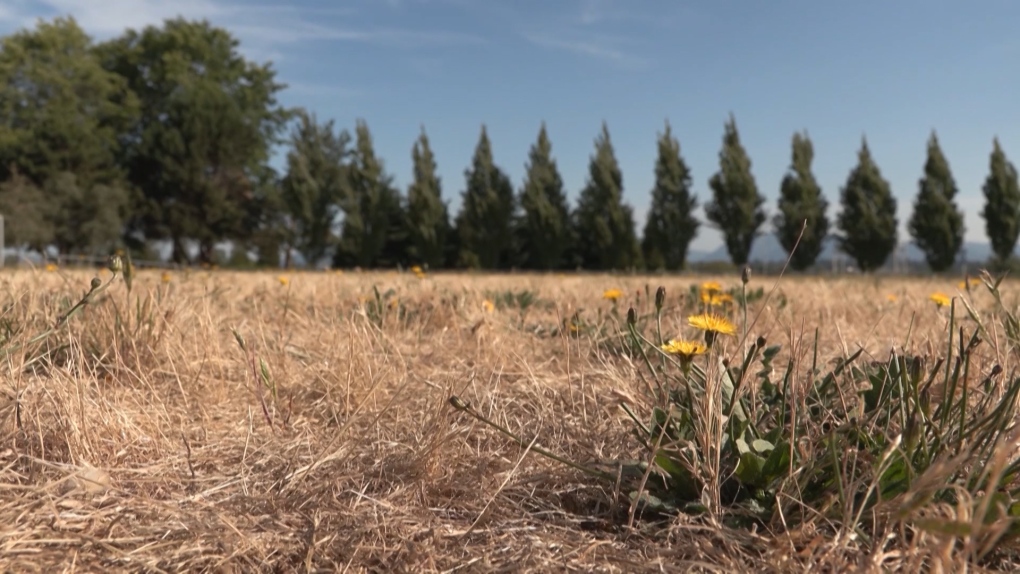

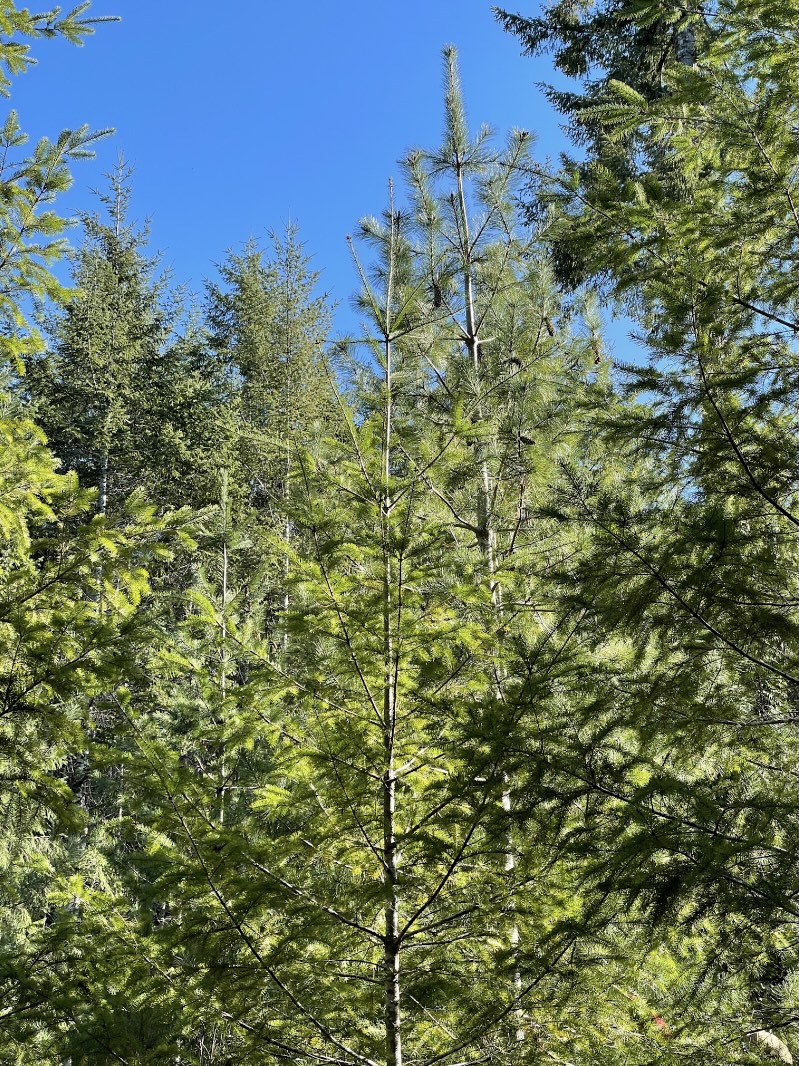 Forests are extremely valuable for watersheds, wildlife, carbon storage, recreation and so much more. The deceptively named Fix Our Forests Act, or FOFA, does nothing to conserve forests to retain these values. Instead, it would emphasize logging and otherwise manipulating forests at a scale we haven’t seen on public lands for many decades, if ever. The misguided bill has already passed the House, and its Senate version was recently introduced by Colorado’s own U.S. Sen. John Hickenlooper and other Western senators. FOFA encourages the Forest Service and Bureau of Land Management…, to avoid a careful examination of impacts from logging and ways to reduce harms under the National Environmental Policy Act. Under FOFA, projects up to 10,000 acres — over 15 square miles — would be excluded from consideration of possible impacts. What’s more, the public would have only one chance to provide input for logging projects and could only object in court.
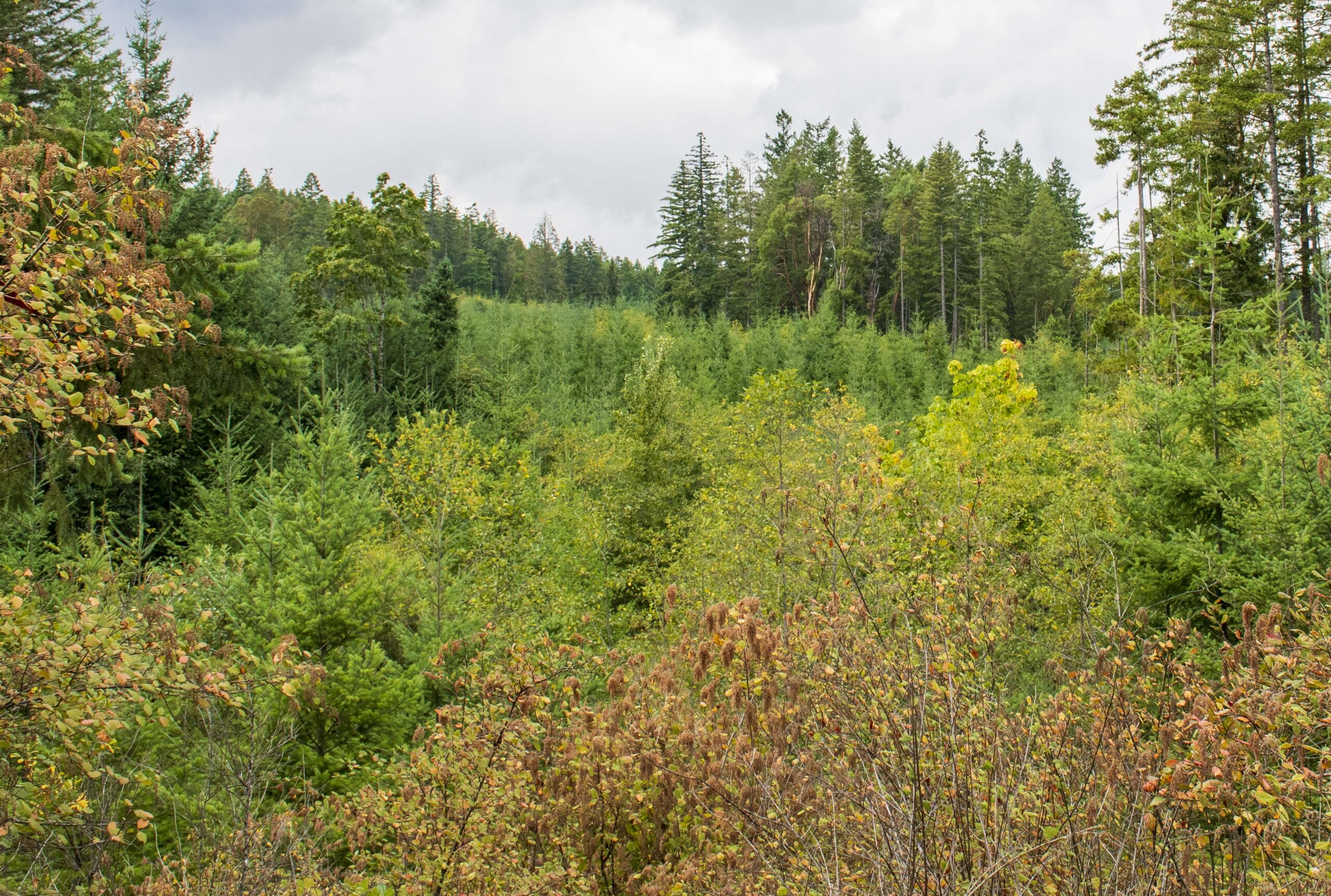 A year-long communication breakdown between concerned residents and state forestry leaders required investigation and halted one state timber sale. Last February, Denise Moore got a letter from the Oregon Department of Forestry that “immediately sent up red flags.” Cullen Bangs, a forest roads manager in the department’s Astoria district office, wrote that surveyors would be around her property in the weeks ahead to review boundaries between the Clatsop State Forest and nearby private property. …But the letter from Bangs became the first of several communications, and miscommunications, between the forestry department and its Astoria office about two planned timber sales to concerned neighbors over the course of a year. The communication breakdown would send those residents, along with community and environmental groups, into a frenzy, eventually leading one timber sale to be paused indefinitely and a Board of Forestry member to resign.
 The first-ever
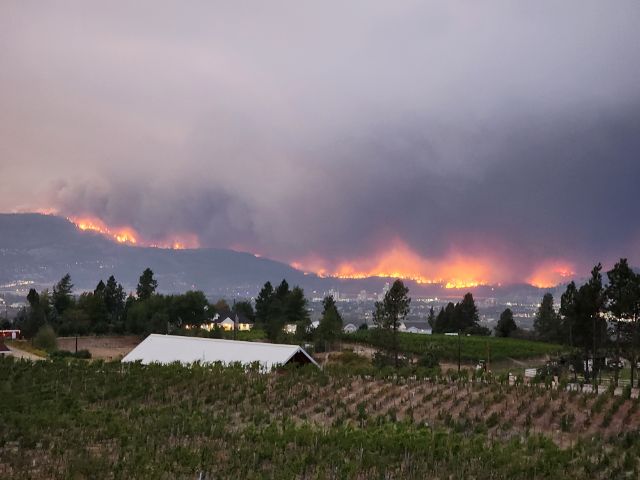 BRUSSELS — Tropical forest loss rocketed to a 20-year high in 2024 as climate change-fueled wildfires tore through some of the planet’s most important natural carbon sinks. Close to 7 million hectares of primary tropical forests were destroyed last year, with nearly half of that due to fire,
  Scientists have discovered the oldest ancestor for all Australian tree frogs, with distant links to the tree frogs of South America.
  [Airplanes produce] a lot of emissions. In fact, the airline industry produces more greenhouse gases than many major countries. Most airlines … are pushing for cleaner fuels—and offering passengers the chance to help them offset a flight’s carbon emissions. Book a trip with a big carrier and you might be asked if you want to invest in forest preservation, saving enough trees to soak up your jet-setting’s environmental emissions. But is that really helping the planet or is it just a way for corporations to look better? A new study co-led by researchers at Boston University and the nonprofit Clean Air Task Force has found some of these efforts, known as forest carbon credit schemes, might not be doing much good. After examining the standards-governing programs … researchers recommend a series of new guidelines and improvements to “the carbon market system that would promote reliably high-quality forest carbon credits.”
 In this edition of the WorkSafeBC Health and Safety News you’ll find:
 Flags have been lowered to half-mast at the Manitoba Legislative Building to honour two people who died after being trapped by an out-of-control wildfire in the rural municipality of Lac du Bonnet. Premier Wab Kinew, who offered condolences to the family, friends and community members of the victims, called the move “a small gesture towards the sympathies that we feel and how this latest turn in this year’s wildfire situation hits on a different emotional level.” “The news of this loss of life changes what was an emergency into a tragedy,” he said at a Thursday morning news conference. …Kinew urged people heading into the May long weekend — traditionally the unofficial start to summer and camping season — to listen to evacuation orders and stay out of areas where emergency crews are working. As of Thursday, there are 21 fires burning in the province, with a total of 80 recorded so far this season…
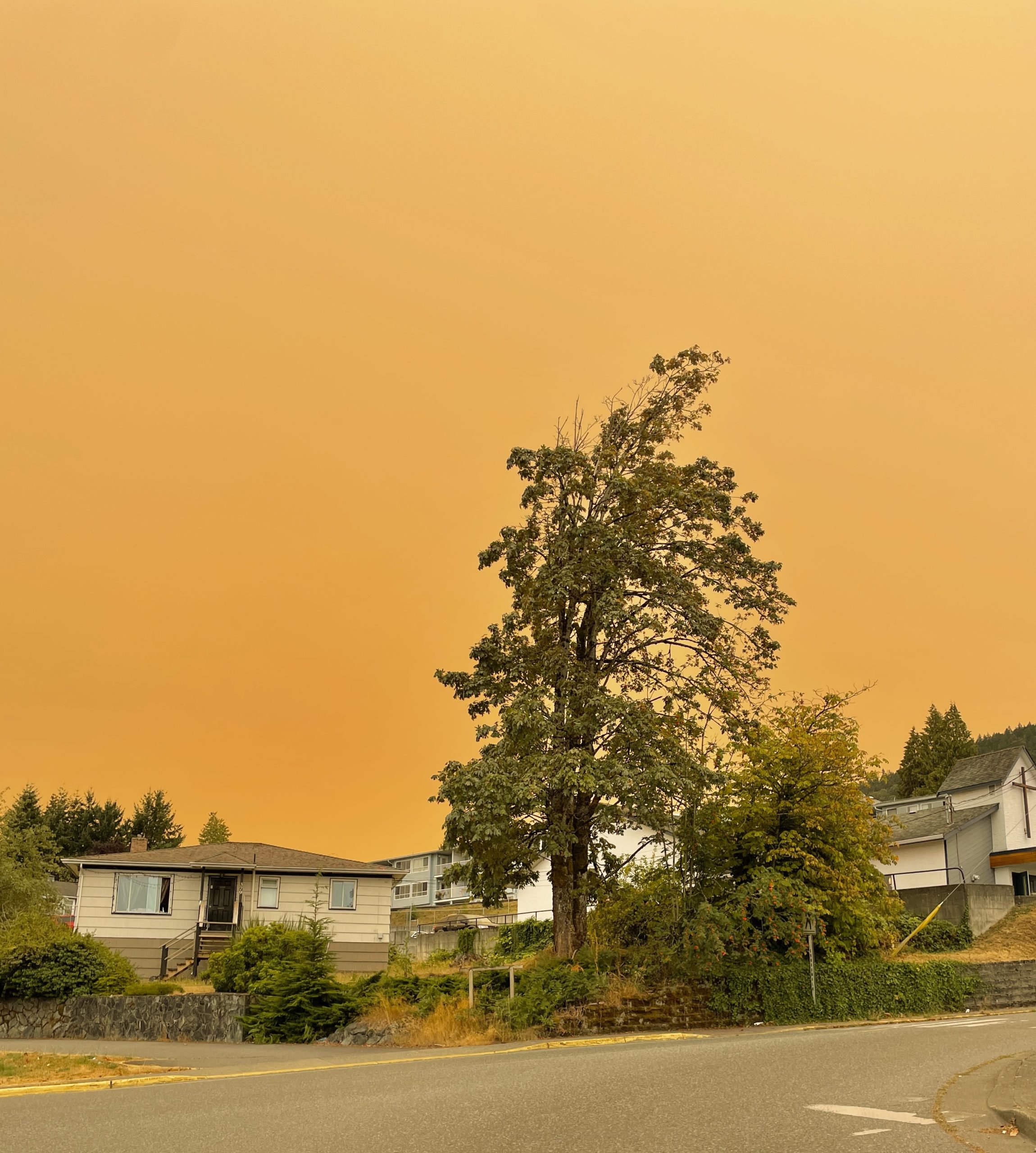 A drop in temperatures and some precipitation has reduced the fire hazard in the region, prompting an evacuation alert in the Northwest to be lifted. On Sunday, the Ministry of Natural Resources and Forestry (MNRF) lifted an evacuation alert issued last week for the Fort Frances District. The alert was implemented due to a 3,500-hectare fire burning south of Atikokan. There has been no growth observed in that fire for several days and precipitation and cooler weather has reduced fire behaviour. An evacuation order remains in effect for an area northwest of Kenora near the Ontario and Manitoba border due to the wildfire designated Kenora 20. It is a 400-square-kilometre fire burning south of Wabaseemoong First Nation that is not considered under control. The community of Wabaseemoong First Nation was evacuated late last week and structural protection efforts remain ongoing.