 FPAC’s Derek Nighbor says tariffs are a wake-up call—and Canada needs a new forest strategy. In related news: Kap Paper’s CEO says Canada should develop its resources; US Building Material Dealers oppose tariffs; the Toronto Star is hearing whispers on Canada’s fate; and the Conversation gets philosophical about trade friendships. In Market news: US consumer confidence falls to new lows; bio-based materials are making progress; and UK pellet imports are on the rise.
In Forestry/Wildfire news: Verra completes review of Mosaic’s BigCoast carbon initiative; the Associated Press says climate change is all about the water cycle; firing of US climate scientists has international implications; Canada’s zombie fires may be less destructive than predicted; California plans protect communities from wildfire; and South Korea’s deadly wildfire forces 27,000 to evacuate.
Finally, try living without Australian timber and paper – a new (candid) video.
Kelly McCloskey, Tree Frog News Editor
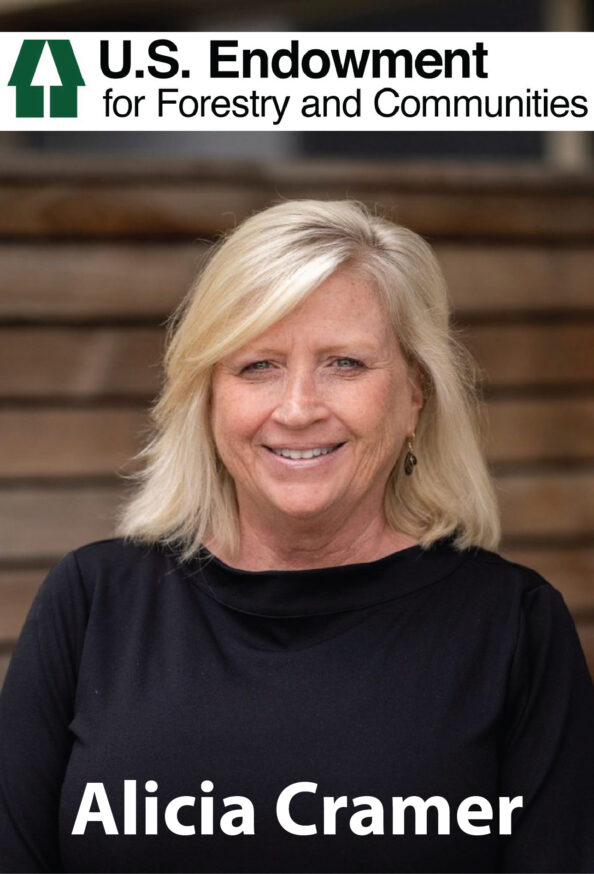 Planting a tree can seem like an easy win for the planet. It’s a popular pledge for corporations and organizations eager to participate in sustainability programs and promote environmental responsibility. But here’s the catch: not all trees have the same impact, and not all tree-planting efforts contribute to forest sustainability. As we approach International Day of Forests, it’s worth asking: Are we missing the forests for the trees? Many sustainability programs focus on planting but often overlook the critical role of future forest management — particularly the need for processes like forest thinning. Thinning removes competitive trees which allows the healthiest trees to grow larger and more valuable, and be better equipped to withstand droughts, wildfires, diseases and insect infestations.
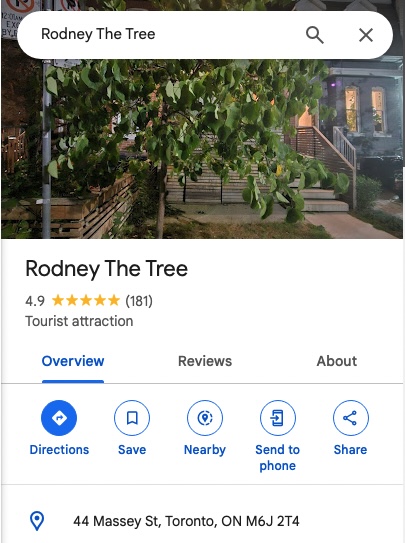 It just might be Toronto’s most unlikely tourist attraction. It is pipsqueak-ish in size, not much taller than a single storey of a house. Its branches are scrawny and, at this time of year, empty of leaves, buds or nesting birds. It even has steep competition from its own neighbours just south of Trinity Bellwoods, such as the towering maple across the road and the elegant evergreen up the street. But this young Eastern Redbud is the little tree that could. The tree — its name is Rodney, the owners will tell you — has become an oddball local celebrity. Since being planted less than five years ago, Rodney has already gotten
 COFI 2025 Convention: April 2-4, Prince George, BC — The global trade landscape is evolving rapidly. Economic uncertainty, shifting regulations, and geopolitical challenges are reshaping market access for Canadian forest products. Staying competitive requires a clear understanding of emerging risks and strategic opportunities. At the COFI 2025 Convention, a panel of industry experts will examine the forces shaping international trade and explore actionable strategies to enhance industry resilience. Presenter and Moderator Russ Taylor, President, Russ Taylor Global will lead the discussion with panelists: Kate Lindsay, Senior VP & Chief Sustainability Officer, Forest Products
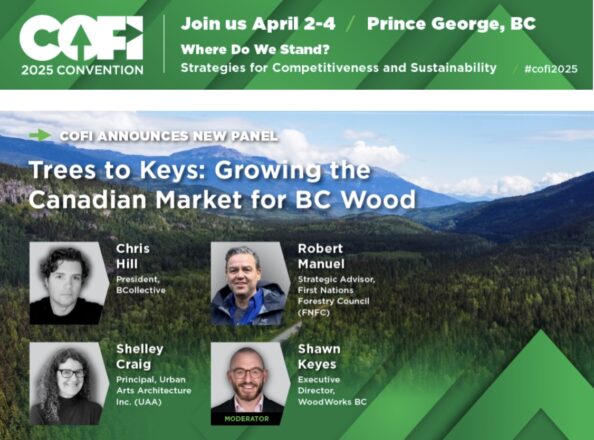 As Canada faces an urgent need for housing, BC’s forest sector has a critical role in meeting this demand with sustainable, high-quality wood products. Developing new strategies for how we generate and move wood fibre across the supply chain in partnership with First Nations, utilize the right wood in the right buildings, and deploy innovative pre-fab and off-site construction methods will be essential to increasing the domestic use of wood. Don’t miss this conversation on how we can help address Canada’s housing needs while driving economic growth and supporting sustainable forestry. Panelists:
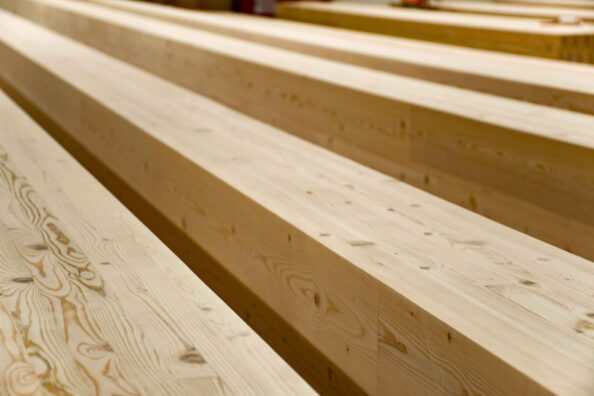 Several Cariboo businesses are receiving money from the BC Government to aid in some of their major projects. …$422,000 will be given to Tsi Del Del Development Corporation, 94 Mile House, to purchase equipment for the creation of a sort yard for biomass that aims to centralize the processing of waste wood … in order to manufacture higher value products. This project will create up to 16 jobs. …OT Timber Frames in 150 Mile House $235,000 to expand their production facility and two CNC machines to scale-up the production of prefabricated homes, including a new product offering, and year-round employment for staff, creating 5 jobs and protecting 20. …And $10,000 to Massive Canada Building Systems in Williams Lake to establish a new 91,000 square foot mass timber modular home manufacturing facility that will prefabricate laneway homes, apartment units, townhouses and commercial projects using mass-timber building products. This project will create 71 jobs. Funds provided through the Manufacturing Jobs Funds.
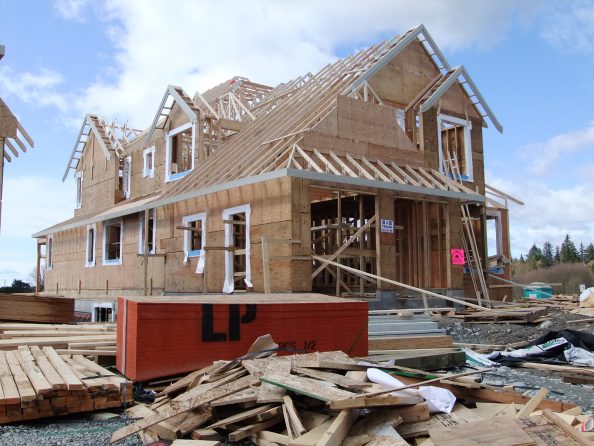 Lumber and other costs could soar … but that’s not even the biggest problem. First, Canada was hit with tariffs. Then it wasn’t. Then came March 4, a.k.a. Tariff Tuesday. Then the U.S. stock markets tanked and big American industries — including the auto sector — ramped up their tariff objections. Then we had Oops Never Mind About Those Tariffs For Now Thursday. …As it stands, Canada has a second tariff reprieve on goods covered under the Canada-U.S.-Mexico Free Trade Agreement. Until April 2. So this trade war is far from over. Whether directly or due to instability, it affects every aspect of our economy — and that includes housing. …While builders can use Canadian lumber, of course, other materials and products are traditionally imported largely from the U.S. These include appliances, glass windows and doors, ceramic tiles, hardware components such as fasteners, and machinery and tools.
 …Donald Trump is plunging North America into a trade war and clogging the flow of goods between Canada and the U.S. …Canada’s forestry industry is in the crosshairs, with a 25 per cent tariff on lumber and pulp and paper products. The likely result is higher prices on everything from the materials used to build homes to basic necessities like toilet paper. Quebec’s economy is deeply rooted in its forests… Toilet paper is a big part of that flow. Two years ago, Canada exported over $1.6 billion worth of TP, with the U.S. receiving almost all of it. …Even if American mills had the capacity to process more lumber, they’d still face a workforce problem. It’s ironic that the U.S. is penalizing Canada — a responsible steward of the trees — right after we delivered firefighters, equipment and water bombers to protect California’s trees. Canada offered its support to the U.S., but now we’re getting burned.
 The American Wood Council (AWC) continues to do critical work on behalf of its members, and it is our pleasure to share notable examples from this past year… AWC continued to position U.S. wood products as a sustainable solution to address the environmental impact of the built environment. …Our codes and standards teams worked together to secure some important wins in the initial Group A ICC code cycle, including references to the ANSI Fire Design Specification. …As we look to this year, the new Administration means many changes in policy and regulations. We at AWC are prepared to continue to work hard to advance public policies that support market growth and protect the industry from adverse federal legislation and regulation. Our sector tells a truly bipartisan story, and we look forward to a fresh start with new opportunities to promote our industry and all of the good it does for the country.

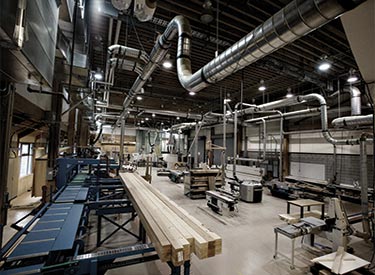

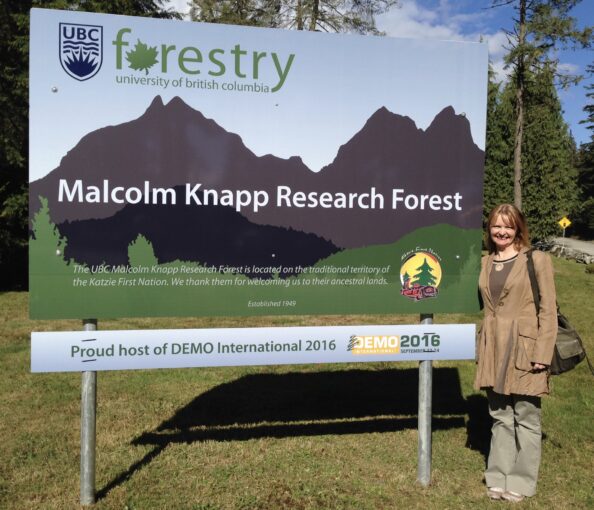 At UBC’s Faculty of Forestry, we are shaping a sustainable, biodiverse, and inclusive future by advancing the stewardship of forests and the environment. The Faculty is Canada’s largest forestry school, welcoming over 1,600 students annually. Our innovative research, hands-on education, and community engagement are addressing some of the most pressing global challenges. This Giving Day, we’re proud to feature the
  More than $2.3 million in funding is coming to Vancouver Island to help First Nations and forestry businesses. Federal natural resources Minister Jonathan Wilkinson announced the funding this week, saying it shows a commitment to defending and strengthening BC’s forestry sector. In total the federal government is funding 67 projects with $20 million across BC.


 Earlier this month, President Donald Trump signed
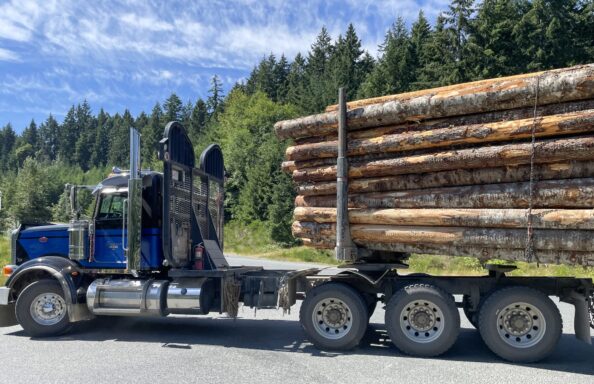 As a log truck driver, I want to share my perspective on the proposed increase in truck weight limits in Alabama. This issue is critical to the livelihoods of many hardworking people and to the… state’s forestry sector. The challenges of operating a log truck have grown significantly in recent years. Insurance premiums keep rising, fuel prices fluctuate unpredictably, and truck maintenance costs have soared due to the increasing price of parts and repairs. Despite these mounting expenses, the rates paid to haul raw wood remain relatively stagnant because of supply and demand constraints. Timber is so plentiful that mills often hit capacity before the end of the workweek, forcing them to impose quotas and stop purchases early. These restrictions directly impact our ability to make a living and keep our businesses afloat. …If weight limits are not raised, the future of Alabama’s log trucking industry — and by extension, the forestry sector — remains uncertain.



 BENGALURU/JAKARTA
 The European Union is on track to miss its 2030 carbon sequestration targets for forests. A new report says forest-based carbon removal needs clearer policies and more funding. Ongoing deforestation, land degradation, and unsustainable land-use practices highlight the need for a policy shift. Data from the latest European Environment Agency (EEA) monitoring report, details 28 key indicators assessing targets across sectors, including climate change, biodiversity, pollution reduction, and sustainable resource use. Biodiversity and ecosystem conservation goals are closely tied to forest health. The EU is not on track to meet its targets for increasing forest connectivity or reversing the decline in common bird populations, which reflects broader ecosystem degradation. Despite existing legislation, pressures from agriculture, urban expansion, and resource extraction continue to impact forest ecosystems.
 Headlines in this month’s news include: