 BC’s Auditor General says the province’s forest carbon accounting isn’t consistent or transparent enough. In related news: a Montana study on the driving influences of forest carbon storage; Canada supports tree planting in Quebec; BC’s Forest Practices Board calls for protection of cultural sites; and the Canadian Parks and Wilderness Society releases its report card on provincial conservation efforts.
In Business news: the United Steelworkers ratify a 4-year collective agreement with Canadian Pacific Kansas City; BC seeks to strengthen its forestry sector; Montana sees pros and cons with Trump’s orders; Canadian housing isn’t immune to trade war; US consumers fear tariff impacts; North Cowichan braces for forest sector fallout; and the European Commission reviews its retaliatory options.
Finally, US uncertainty positions Canada for more mass timber construction.
Kelly McCloskey, Tree Frog News Editor
 US homebuilder confidence
 In the face of the unjustified economic attack by the leader of our U.S. neighbours, Canadian Forest Owners (CFO) stand fast as your good neighbours, who are committed to sustainable forest management for resilient, thriving communities coast to coast. Last week’s announced tariffs on Canada’s wood products by U.S. President Trump will harm not just forest landowners but local mills, workers and their families, communities, especially rural ones, and customers on both sides of the border. Together we stand firm with our colleagues in industry and the federal and provincial governments to strengthen the Canadian forest sector and work to bolster family woodlots and the economies of rural communities.
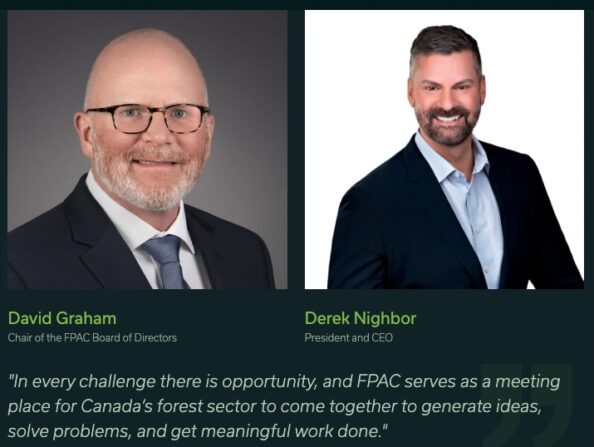 This year, Canadian forest companies and their employees continued to navigate a rapidly changing political, economic, and trade environment. Customers, investors, and local communities have a shared interest in good environmental outcomes and sustaining and growing family-supporting jobs. As a global leader in sustainable forest management and responsible sourcing, Canada’s forest sector and its people have met these challenges head-on. In 2024, FPAC and its members continued to make meaningful strides on climate action, biodiversity conservation, and expanded partnerships with Indigenous Peoples and inclusion of Indigenous knowledge into Sustainable Forest Management. Buyers of Canadian forest products can be confident that measures to improve environmental performance, strengthen relationships with Indigenous Peoples, and provide the highest quality of products are being implemented across our operations and throughout the country – ensuring that forestry practices in Canada contribute to maintaining and supporting the ecosystems, wildlife, and people that rely on them now and for generations to come.
 A Vernon internet personality known for her funny online responses has shifted to creating political content with an upcoming federal election and ongoing trade war with the United States. Vernonite Elle James, known online as Shameless Elle, has been creating content for years, primarily making humorous reaction videos. Things started to shift for James during the most recent U.S presidential election.





 VANCOUVER, BC — T
 LOS ANGELES —


 Two-thirds of Canadians agree the next federal government should prioritize action on climate change and protecting nature, a new poll has found. The national poll was carried out by Leger on commission from the B.C.-based environmental group David Suzuki Foundation. A similar share of respondents supported Ottawa investing in renewable energy over fossil fuels. …The poll questioned a panel of 1,548 Canadian adults in an online survey. In a letter sent Tuesday to the leaders of all major federal political parties, the David Suzuki Foundation joined 13 environmental groups calling on the next government to provide tariff relief measures that don’t lead to the over-harvesting of Canadian forests. The letter also lobbies the next federal government to craft tariff relief measures that prioritize funding Canadian workers — not foreign-owned forestry corporations. …“Unsustainable logging practices in Canada put this key export market at risk,” the letter notes. “Canada must acknowledge and reform current industrial logging practices that degrade forest ecosystems.”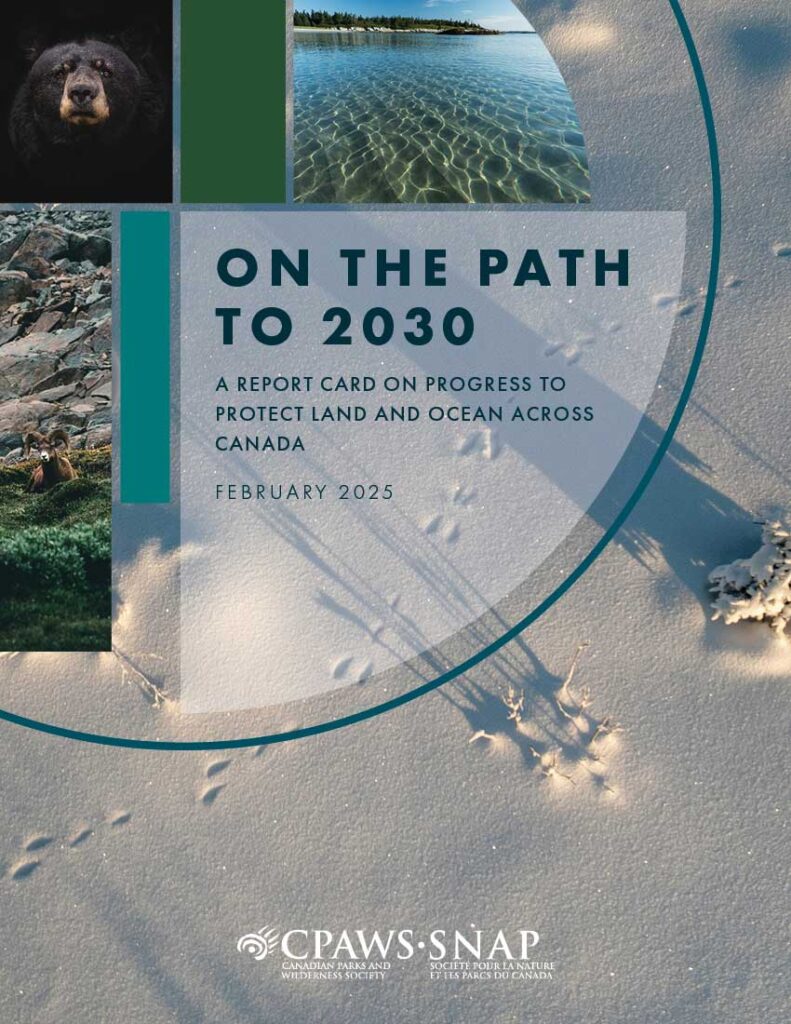
 The Chisholm Awards for Innovation in Forestry program is a national competition for young researchers who are passionate about a range of activities relevant to forest-based science, products using forest-based raw materials, process improvements, or other innovations throughout the forest sector value chain. The Chisholm Awards for Innovation in Forestry are not just about rewarding research and development – they are also about showcasing the work of students and young researchers who are passionate about climate positive forestry and forest products, clean manufacturing, and the forest bioeconomy. Winners will be celebrated to coincide with The Twentieth Session of the United Nations’ Forum on Forests on May 5-9, 2025. Winners will receive a cash prize of CAD$2,500.00 along with local, regional, national, and social media promotion. Eligible applicants must be students or researchers who are 30 years old or younger as of March 1, 2025. Deadline to apply is April 4 by 11:59pm EDT.
 West Kelowna, B.C. – …Ntityix Resources LP (Ntityix), owned by Westbank First Nation (WFN) has undertaken extensive wildfire risk reduction work . They have achieved significant milestones in their ongoing efforts with support from the Ministry of Forests and the Forest Enhancement Society of BC (FESBC). …“Our government has all hands on deck to protect people, communities and forests, but we cannot do it alone. That’s why the work done by organizations like Ntityix is critical, especially in the Thompson Okanagan region where the wildfire risk is high. I thank them for doing their part in the fight against climate change and wildfires,” said Ravi Parmar, Minister of Forests. …Ntityix has been at the forefront of wildfire risk reduction initiatives in the Thompson Okanagan region, leveraging cultural practices and traditional knowledge to enhance fuel modification zones and significantly contribute to long-term wildfire mitigation strategies.



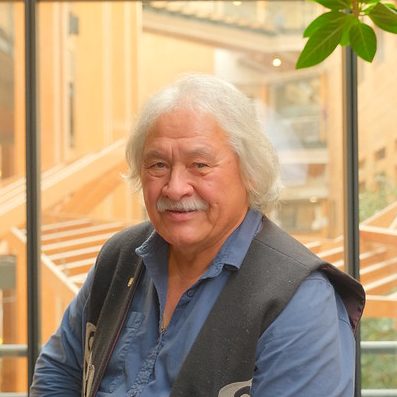
 As forestry practices evolve, the intersection of conservation, Indigenous consultation, third-party certification, and workforce development is central to the future of the industry. The “Breaking New Ground” panel at the 2025 COFI Convention will explore how innovative partnerships and collaborative approaches can balance ecological stewardship with economic opportunity. Panelists will share insights on advancing reconciliation through meaningful consultation, supporting the next generation of forestry professionals, and ensuring sustainable practices through conservation financing and certification. Panelists: Lennard Joe, CEO, BC First Nations Forestry Council; Michael Reid, BC Program Director, Nature United; Kathy Abusow, President & CEO, Sustainable Forestry Initiative; and Aspen Dudzic, Director of Communications, Alberta Forest Products Association & “Forestry Together” Initiative. Moderator: Jason Fisher, Executive Director, Forest Enhancement Society of BC (FESBC). Join us for a forward-looking discussion that brings together diverse perspectives on how BC’s working forests can thrive while meeting environmental and social responsibilities.
 Gatineau, Quebec — Natural Resources Canada announced more than $16 million in funding for four tree-planting projects that will bring environmental, health and social benefits to both urban and rural communities across the province of Quebec. The City of Gatineau and the City of Saint-Jean-sur-Richelieu are receiving funding for urban tree-planting projects that will plant new trees on public lands, helping to capture carbon, increase biodiversity and cool areas vulnerable to extreme heat. …These projects are being supported in part by Canada’s 2 Billion Trees (2BT) program. This program is dedicated to working with governments and organizations across the country to support the expansion of Canada’s forests while creating sustainable jobs in communities.
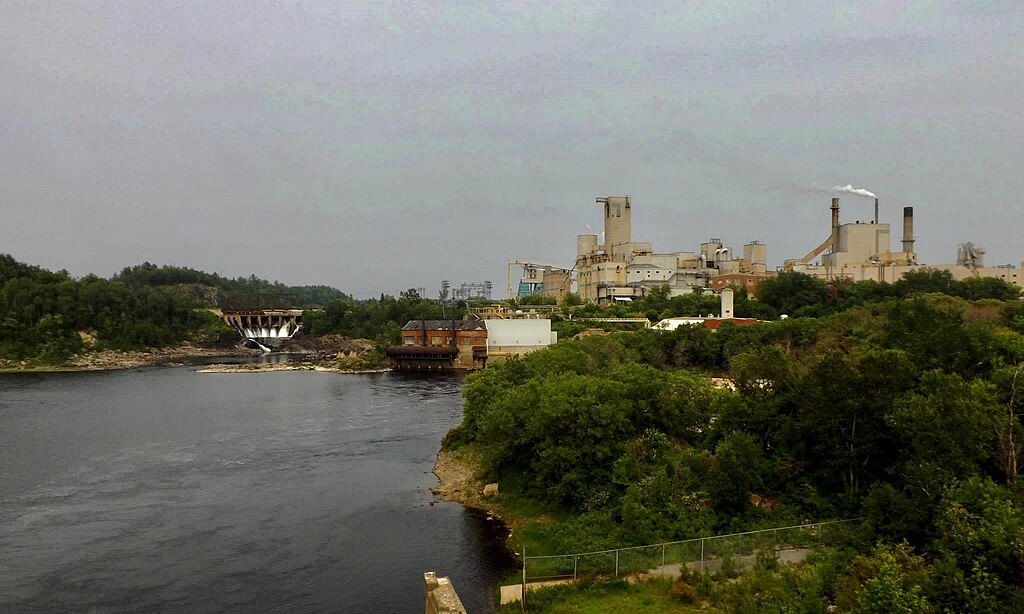
 …When the Terrace Bay pulp mill opened, an effluent canal was built to connect with Blackbird Creek — a convenient way to send its liquid waste into Lake Superior. It wasn’t until the Great Lakes Water Quality Agreement was signed in 1972 that researchers started to focus on the impact industry was having on the Great Lakes. Following that agreement, in 1987 Jackfish Bay and 42 other sites across the Great Lakes in Canada and the U.S. were officially listed as areas of concern. New guidelines were created for discharging effluent into the Great Lakes and their tributaries, and remedial action plans were proposed. But the use of Blackbird Creek as an effluent canal was grandfathered into the Terrace Bay mill’s operations. When it first opened, the mill owner was entitled to choose where to monitor the receiving environment for its effluent. They chose Moberly Bay, the smaller bay at the mouth of Blackbird Creek, on Jackfish Bay.
 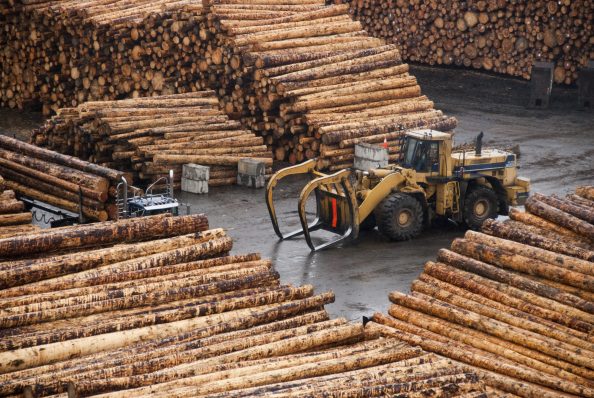 President Donald Trump’s March 1 Executive Order calling for “
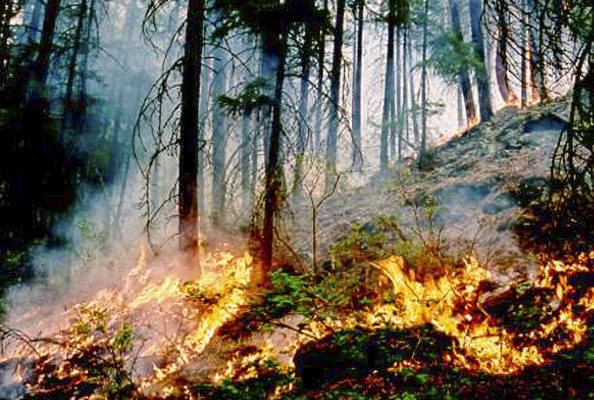 Washington’s Department of Natural Resources says it’s coming up with backup plans to address the growing threat of serious wildfires in the state. The typically close working relationship with federal forest managers has frayed under the Trump Administration. It started in mid-February, when the U.S. Department of Agriculture cut thousands of probationary employees at the U.S. Forest Service. The USDA is in charge of stewarding places like the Mount Baker-Snoqualmie National Forest and the Gifford-Pinchot National Forest. Altogether, about 2,000 employees across the country were fired. The USDA emphasized that no “operational firefighters” had been let go, and argued the critical work of responding to wildfires would not be interrupted. …Grassroots Wildland Firefighters estimated that three-quarters of the employees laid off had secondary wildland firefighting duties, meaning firefighting wasn’t their primary job, but they were pulled in to fight fires as needed.
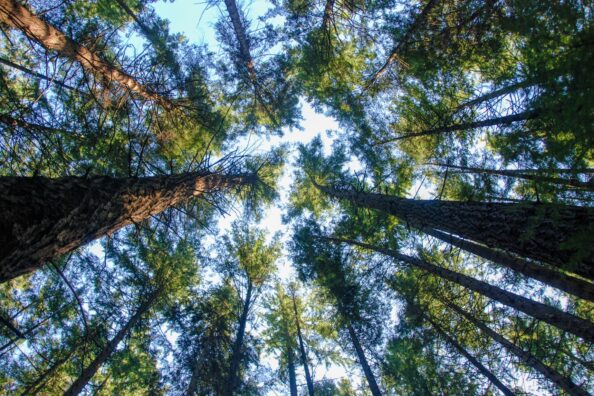 The Alaska Forest Association and two of its members have taken legal action against the US Forest Service. The lawsuit … seeks to compel the federal agency to comply with the Tongass Timber Reform Act’s mandate for timber sales, a move that could help revive the struggling timber industry in southeast Alaska. “Federal law requires the Forest Service to sell enough timber every year to meet market demand,” said Frank Garrison, attorney with the Pacific Legal Foundation, which represents the plaintiffs that include Viking Lumber and Alcan Timber. “…the agency has violated federal law three times over.” The dispute stems from the US Forest Service’s 2016 Management Plan, which outlined a gradual transition from selling old-growth timber to younger trees over a ten-year period. … However, the plaintiffs argue that the agency abandoned the plan, ceasing old-growth timber sales immediately and failing to provide sufficient young-growth timber as promised.
 It’s now clear that some moves President Trump has authorized his pal Elon Musk and the so-called Department of Government Efficiency to make will thwart at least a few of Trump’s own often-repeated priorities. …Then there are two moves that figure to make the next fire season, coming up in late spring or early summer, as bad as or worse than recent ones. Trump legitimately repeats the conviction that cleaning forest floors can reduce the intensity and frequency of wildfires. He consistently and falsely blames California’s government for not doing this. …With Musk’s aid, though, he fired 3,400 Forest Service workers in mid-February who were still on probation in their first year of employment, many of whom had been hired to do the job Trump calls critical to stopping fires. …If he knew these firings completely contradict priorities he has trumpeted, why would he have approved them?
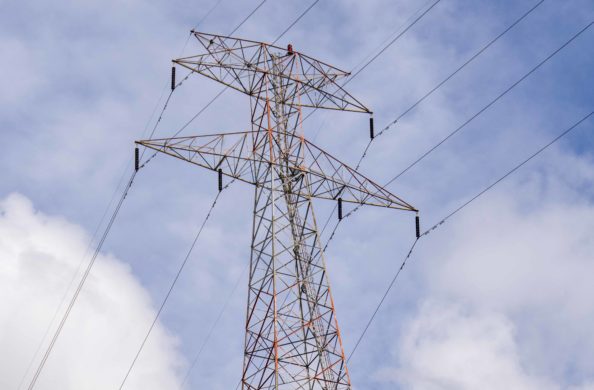 Oregon lawmakers are considering a legislative package that would provide some protection to utility companies whose equipment sparks wildfires. House Bill 3917, introduced Tuesday by Rep. Pam Marsh, D-Ashland, would create a fund to help people who lose homes or businesses to utility-caused wildfires — as long as they agree not to sue utility companies for that damage. Marsh is also sponsoring a complementary bill, House Bill 3666, which would allow the Oregon Public Utility Commission to grant a safety certificate to utilities it deems are “acting reasonably with regard to wildfire safety practices.” The wildfire assistance fund created by HB 3917 would be seeded by utility companies that are regulated by the state’s Public Utility Commission, including Pacific Power and Portland General Electric. Half of their their seed contribution could come from ratepayer dollars, and the other half would come from the share of rates designated for profits.
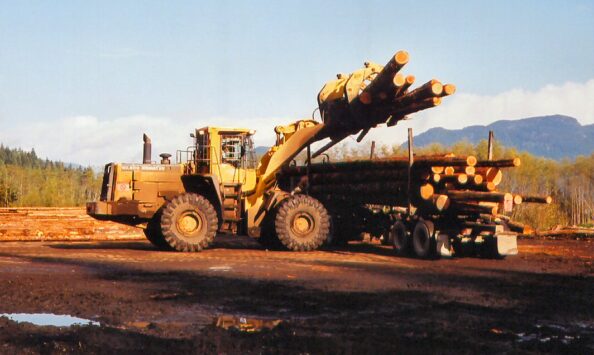 Northeastern Minnesota loggers and the nation’s forest products industry could get a lift under an executive order issued by President Donald Trump. New guidance or updates to facilitate increased timber production, sound forest management, reduced timber delivery time, and decreased timber supply uncertainty, are by the end of March to be issued by the U.S. Secretary of the Interior, Secretary of Agriculture, and U.S. Forest Service chief, under Trump’s “Immediate Expansion of American Timber Production,” order. National and Minnesota timber products officials say Trump’s order is a positive step toward boosting American timber production. “We’ve had nearly 150 mills close across the U.S. in the past 24 months,” Scott Dane, American Loggers Council (ALC) executive director said. “We need to turn the dismantling of the American timber industry around before it is too late. President Trump’s “immediate” increase in lumber production is the beginning of that turnaround.”
 WASHINGTON — Three former Environmental Protection Agency leaders sounded an alarm Friday, saying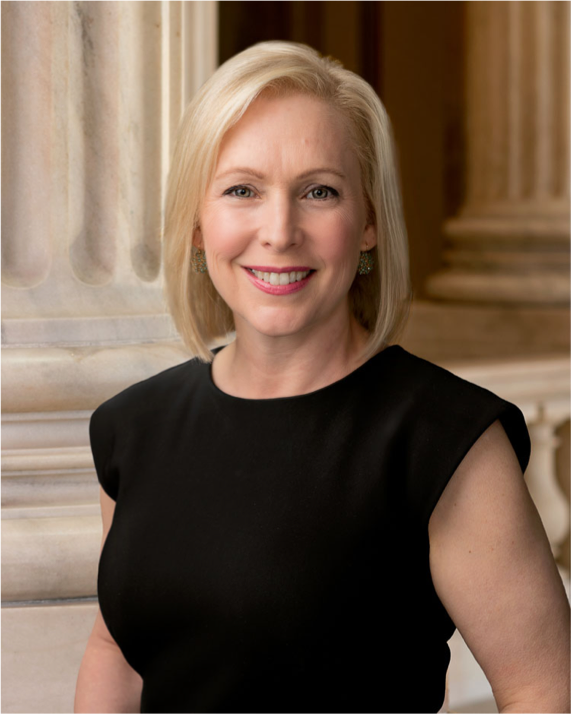

 HORRY COUNTY, S.C. — As the Covington Drive fire in Carolina Forest reaches Day 11, the South Carolina Forestry Commission told News13 the agency will cover all its costs associated with fighting the blaze but that it’s “too early to know” what the actual price will be. “We will cover all our costs associated with the fire — personnel, food, lodging, equipment, etc,” the agency said. “Since the Southeast Compact was activated, we will reimburse the Florida IMT for their costs — personnel, food, lodging, equipment. As with all large incidents of this type, there will be expenses we don’t even know about yet that we will have to pay for.” The forestry commission said since the fire management assistance grant was approved, FEMA will reimburse agencies and fire departments for 75% of approved costs.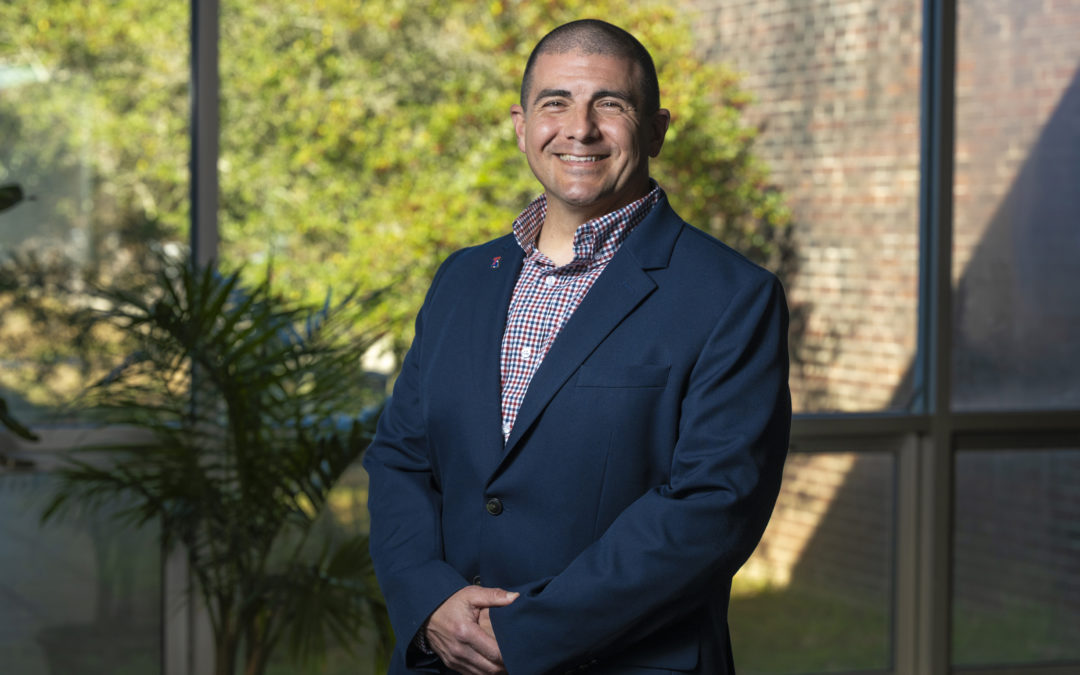

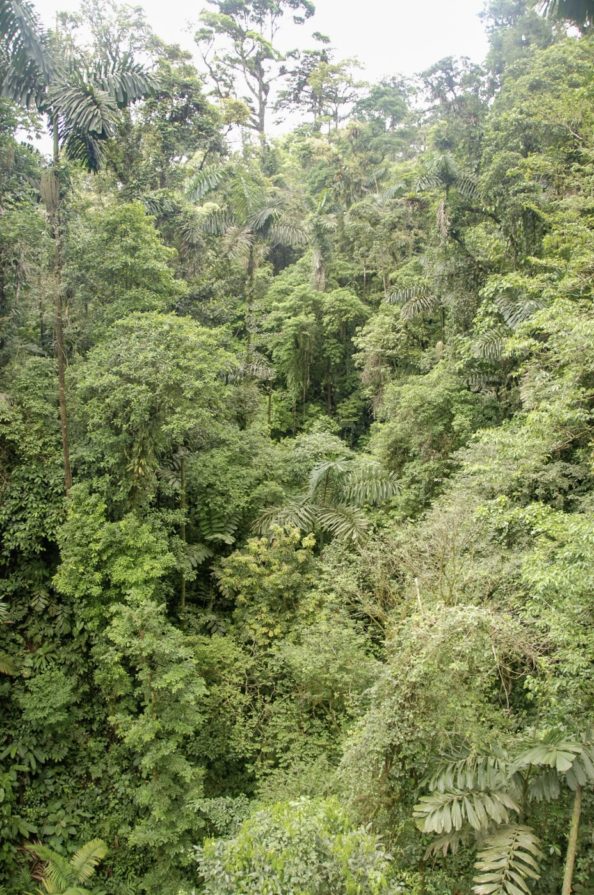 In 2006, Brazilian President Lula da Silva’s government passed the Public Forest Management Law, implementing a forest concession scheme designed to regulate and legalize logging activities in Brazil’s forest — in particular, the Amazon. Forest management consists of removing a small number of trees whose species are valued in the market. After that, the area can only be explored again in 30 to 40 years, following its regeneration cycle. Behind on its concessions targets, the current government wants to almost quadruple the current area of federal concessions by 2026. Even though it is different from deforestation, timber management has never been seen as a way to conserve the forest by traditional peoples.
 WASHINGTON — The Supreme Court on Monday rejected a lawsuit from Republican attorneys general in 19 states aimed at blocking climate change suits against the oil and gas industry from Democratic-led states. The justices acted on an unusual Republican effort to file suit in the Supreme Court over the Democratic states’ use of their own state courts to sue fossil fuel companies for deceiving the public about the risks of their products contributing to climate change. The Supreme Court typically hears only appeals, but the Constitution gives the court authority to hear original lawsuits states file against each other. Justices Clarence Thomas and Samuel Alito said they would have allowed the lawsuit to proceed for now. The justices don’t have the discretion to reject the complaint at this stage, Thomas wrote in a dissent that did not deal with the merits of the claim.
 Denmark has long been praised for its transition to renewable energy, with renewable energy use rising from 6% in 1990 to 42.8% in 2022. However, behind this achievement lies an overdependence on woody biomass, which now accounts for up to 68% of its total renewable energy use. This growth has been sustained through direct and indirect subsidies, often exceeding those allocated to wind and solar energy. Denmark’s dependence on woody biomass is largely fuelled by imports from Estonia and Latvia. The country ranks among the largest, if not the largest, importer of woody biomass from the Baltic region, with 52% of its wood chips and pellets coming from these two nations. …Intensive logging is also devastating Estonian and Latvian bird populations.
  Sweden might fail to meet its and the EU’s carbon neutrality targets after recent environmental policy shifts, the Organisation for Economic Cooperation and Development (OECD) warned in a report published Wednesday. Long considered a champion in environmental protection and the fight against climate change, the Scandinavian country has set a goal of net zero emissions by 2045, five years ahead of the European Union’s target. But Sweden might not be able meet either of those goals, according to a review conducted by the OECD, a 38-member group of mostly developed nations. “Over the last decade, the country has cut its greenhouse gas emissions faster than the EU average,” the report said. “However, recent policy shifts, particularly in the transport sector, have put into question Sweden’s ability to meet EU and domestic climate targets.” …In January, the World Wildlife Fund (WWF) criticised Sweden for not adequately protecting primary and old-growth forests from logging.
 LONDON, March 12 – British energy regulator Ofgem said on Wednesday that it had not found evidence of a breach of sustainability obligations by power company Drax, in the watchdog’s review of reports prepared by auditor KPMG. Renewable power generators in Britain can receive renewable obligation (RO) certificates which can then be sold to energy suppliers who use them to sell renewable electricity products to customers. For biomass power plants to qualify for the certificates they must show at least 70% of their biomass fuel comes from sustainable sources. Green groups have long criticised the sustainability credentials of biomass power plants, which burn wood pellets to generate electricity. In 2023, regulator Ofgem opened an investigation into whether Drax was in breach of annual reporting requirements under the RO scheme. Ofgem said it reviewed over 3,000 documents and did not find evidence to support claims that sustainability obligations had been breached.