 Canada’s new Prime Minister is expected to call an election, as a trade war looms with the United States. In related tariff news: the US Hardwood Association opines on unfair trade practices; a study on BC communities most at risk; and fallout related to Canada’s lumber supply, basic necessities like toilet paper; home DIY projects, and small-town US newspapers. Meanwhile: existing US home sales rose; while The Conference Board economic index fell.
In Forestry/Wildfire news: BC Wildfire Service has record application numbers; York University will study wildfire mitigation planning needs; a Texas wildfire prompts evacuations; foresters see pros and con in Trump’s logging order; Montana and Virginia gear up to expand timber production; and a new report says EU’s biomass policy may accelerate deforestation.
Finally, International Day of Forests highlights link between forests and food security.
Kelly McCloskey, Tree Frog News Editor
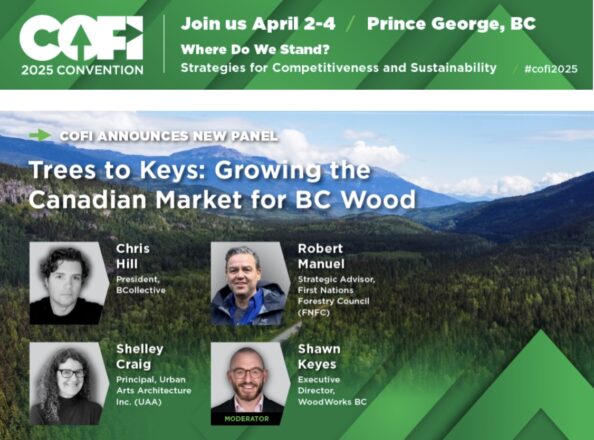 As Canada faces an urgent need for housing, BC’s forest sector has a critical role in meeting this demand with sustainable, high-quality wood products. Developing new strategies for how we generate and move wood fibre across the supply chain in partnership with First Nations, utilize the right wood in the right buildings, and deploy innovative pre-fab and off-site construction methods will be essential to increasing the domestic use of wood. Don’t miss this conversation on how we can help address Canada’s housing needs while driving economic growth and supporting sustainable forestry. Panelists:
 …Donald Trump is plunging North America into a trade war and clogging the flow of goods between Canada and the U.S. …Canada’s forestry industry is in the crosshairs, with a 25 per cent tariff on lumber and pulp and paper products. The likely result is higher prices on everything from the materials used to build homes to basic necessities like toilet paper. Quebec’s economy is deeply rooted in its forests… Toilet paper is a big part of that flow. Two years ago, Canada exported over $1.6 billion worth of TP, with the U.S. receiving almost all of it. …Even if American mills had the capacity to process more lumber, they’d still face a workforce problem. It’s ironic that the U.S. is penalizing Canada — a responsible steward of the trees — right after we delivered firefighters, equipment and water bombers to protect California’s trees. Canada offered its support to the U.S., but now we’re getting burned.
 The American Wood Council (AWC) continues to do critical work on behalf of its members, and it is our pleasure to share notable examples from this past year… AWC continued to position U.S. wood products as a sustainable solution to address the environmental impact of the built environment. …Our codes and standards teams worked together to secure some important wins in the initial Group A ICC code cycle, including references to the ANSI Fire Design Specification. …As we look to this year, the new Administration means many changes in policy and regulations. We at AWC are prepared to continue to work hard to advance public policies that support market growth and protect the industry from adverse federal legislation and regulation. Our sector tells a truly bipartisan story, and we look forward to a fresh start with new opportunities to promote our industry and all of the good it does for the country.
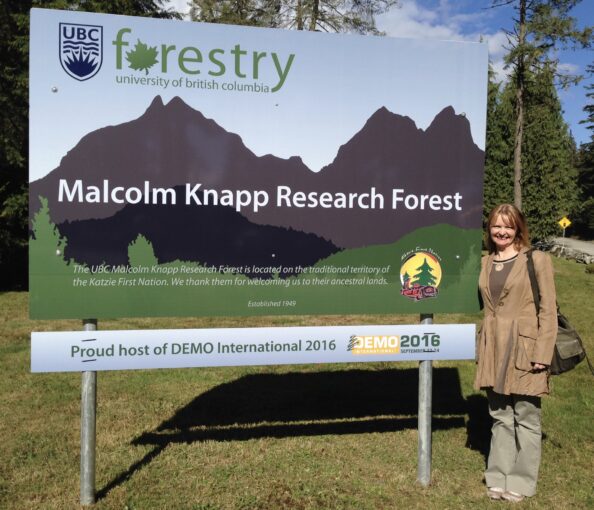 At UBC’s Faculty of Forestry, we are shaping a sustainable, biodiverse, and inclusive future by advancing the stewardship of forests and the environment. The Faculty is Canada’s largest forestry school, welcoming over 1,600 students annually. Our innovative research, hands-on education, and community engagement are addressing some of the most pressing global challenges. This Giving Day, we’re proud to feature the
  More than $2.3 million in funding is coming to Vancouver Island to help First Nations and forestry businesses. Federal natural resources Minister Jonathan Wilkinson announced the funding this week, saying it shows a commitment to defending and strengthening BC’s forestry sector. In total the federal government is funding 67 projects with $20 million across BC.

 Earlier this month, President Donald Trump signed
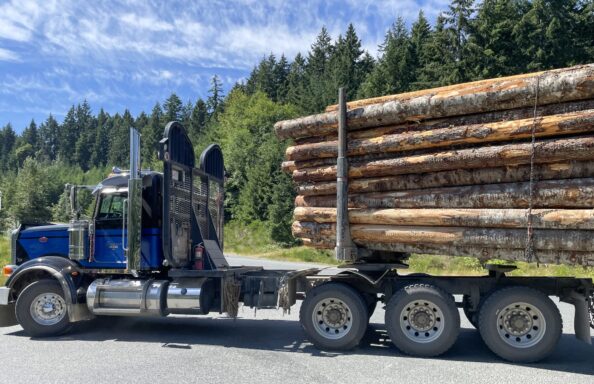 As a log truck driver, I want to share my perspective on the proposed increase in truck weight limits in Alabama. This issue is critical to the livelihoods of many hardworking people and to the… state’s forestry sector. The challenges of operating a log truck have grown significantly in recent years. Insurance premiums keep rising, fuel prices fluctuate unpredictably, and truck maintenance costs have soared due to the increasing price of parts and repairs. Despite these mounting expenses, the rates paid to haul raw wood remain relatively stagnant because of supply and demand constraints. Timber is so plentiful that mills often hit capacity before the end of the workweek, forcing them to impose quotas and stop purchases early. These restrictions directly impact our ability to make a living and keep our businesses afloat. …If weight limits are not raised, the future of Alabama’s log trucking industry — and by extension, the forestry sector — remains uncertain.

 The European Union is on track to miss its 2030 carbon sequestration targets for forests. A new report says forest-based carbon removal needs clearer policies and more funding. Ongoing deforestation, land degradation, and unsustainable land-use practices highlight the need for a policy shift. Data from the latest European Environment Agency (EEA) monitoring report, details 28 key indicators assessing targets across sectors, including climate change, biodiversity, pollution reduction, and sustainable resource use. Biodiversity and ecosystem conservation goals are closely tied to forest health. The EU is not on track to meet its targets for increasing forest connectivity or reversing the decline in common bird populations, which reflects broader ecosystem degradation. Despite existing legislation, pressures from agriculture, urban expansion, and resource extraction continue to impact forest ecosystems.