 A New Brunswick judge signaled that private forest land is off the table in Wolastoqey Nation title claim. In related news: Premier Eby says BC’s economic fast-track plan won’t trample indigenous interests; and Idaho Senators came out against US public land-sale provision. Meanwhile: a new study says private reforestation in the US South is profitable; Weyerhaeuser invests in Arkansas’ small-tree forests; how robots are talking Canada’s prefab-housing to the next level; and Phoenix authorizes 18-storey mass timber buildings.
In Forestry/Wildfire news: why Canada’s wildfire smoke is tormenting Minnesotans; Ontario has a water bomber pilot shortage; Coulson Aviation brings night-vision technology to firefighting; the hidden impact of clear-cut logging in BC; gutting the US Forest Service will cause irreparable damage; and the EU biomass satellite reveals its striking first images of forests and more.
Finally, the dangerous bully doing the most harm to our ecosystem and wildlife.
Kelly McCloskey, Tree Frog News Editor
 With roughly 2,000 wildfires in B.C. each year, forestry workers are often operating in or near fire-affected areas. It’s up to employers to ensure their crews are properly trained and prepared to recognize the risks and respond safely. …Employers are responsible for identifying hazards, assessing risks, and ensuring effective controls are in place — along with providing training, supervision, and fit-for-use equipment.
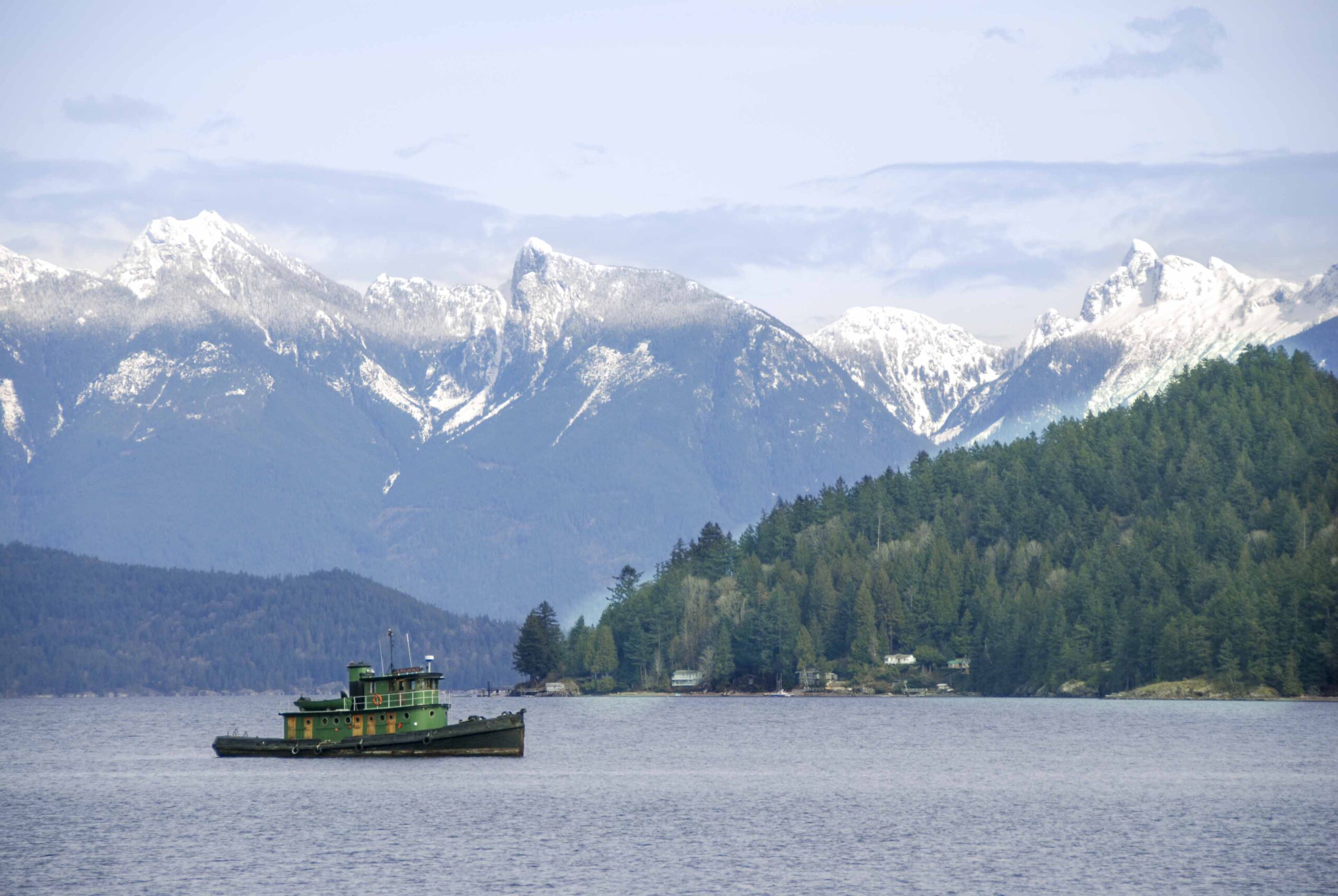 A contractor hired to oversee logging on a Sechelt property and that site’s numbered company owner were sentenced for violations of the Heritage Conservation Act June 16, in the first ever B.C. Provincial Court sitting held at the shíshálh Nation longhouse. Grant Starrs, 55, of Sechelt and 0990199 B.C. Ltd. both pleaded guilty to the 2020 disruption of an identified heritage site. That area was occupied by the graves of 49 shíshálh people, according to federal Crown counsel Molly Greene. Provincial Court Judge Robert Hamilton accepted the joint submission of the Crown and defence attorneys, and fined the company $200,000, payable within five business days. Starrs was fined $30,000 and given 90 days to pay. Each is also to pay a victim surcharge of 15 per cent of their fine amounts. …In issuing his decision, Hamilton stated the fine to the company was four times higher than previous ones issued for such violations of the Heritage Conservation Act.
 EUGENE, Oregon — Sierra Pacific Industries plans to spend $253 million on upgrades to its Eugene, Oregon, sawmill site, according to published reports. The
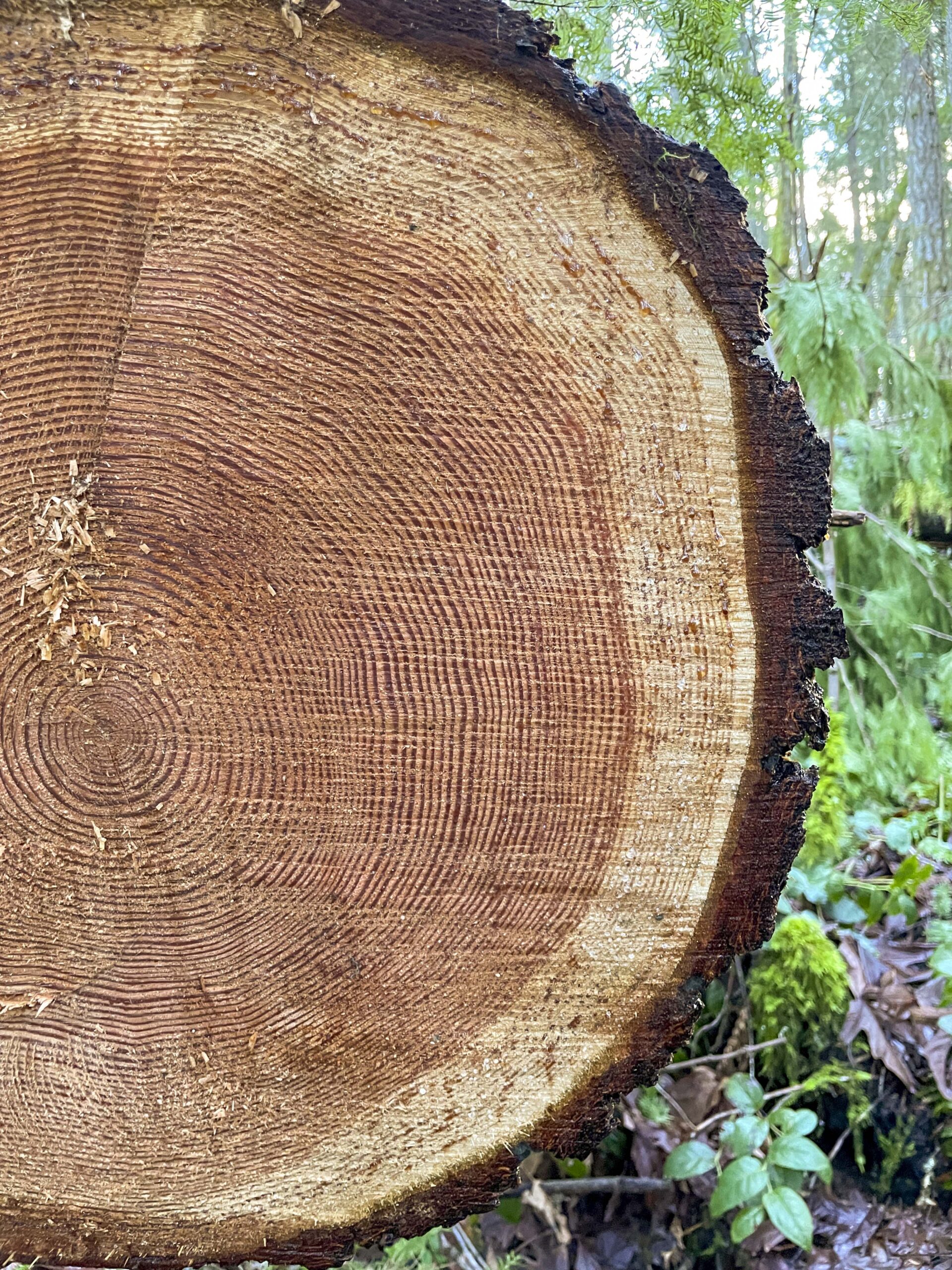 Although a casual observer just sees the bark on a tree, a lumber expert might envision the potential for boards inside, thinking of the bark largely as waste. In many cases, bark does turn into waste in the logging industry. That’s lots of waste, because bark can account for up to 15% of a tree’s weight, and “only a fraction of this is currently being utilized, primarily for landscaping or for energy; the rest is left at the harvest or handling site to naturally decompose,” according to Sumanth Ranganathan, Dr.-Ing, a biochemical engineer at Scion, a research institute in Rotorua, New Zealand, and his colleagues. For some trees, though, that wasted bark is a potential treasure-trove of biopharmaceuticals, from anti-inflammatories to cancer-fighting drugs. …Each year, the country’s logging industry produces about 2.5 million metric tons of bark. Ranganathan’s team envisions feeding that into a bark-based biorefinery.
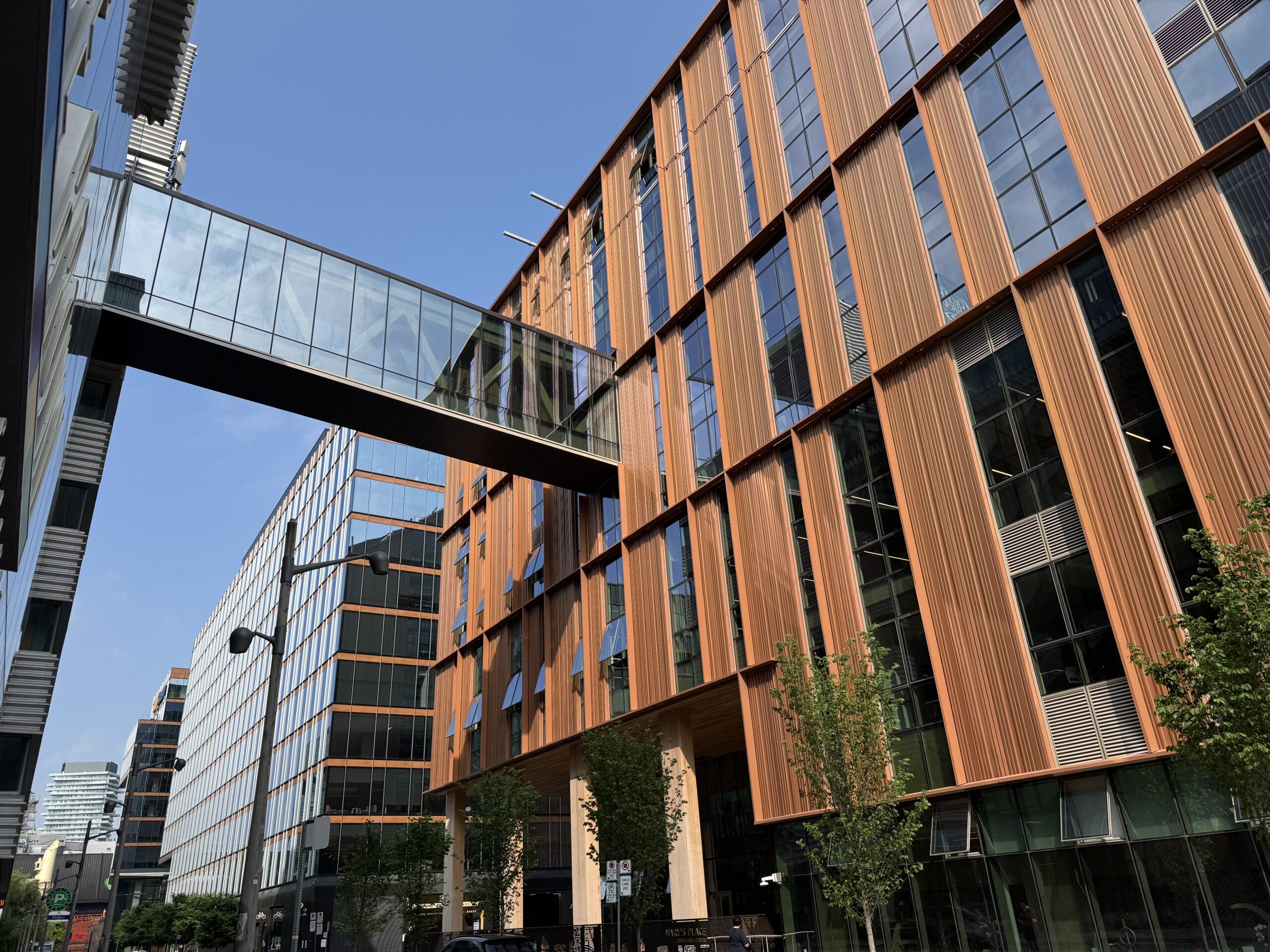 The ultimate problem for architects is that the most sustainable building is always the one that is already there. There is a huge amount written about green buildings, much of it nonsense. There is some confusion about buildings layered in vines and living walls, and buildings that actually are green. Contemporary architecture’s issue is mostly embodied in one material: concrete. …The rate at which we are still using it is astonishing: half of all the stuff manufactured by weight is concrete. From 2011 to 2013, China used more concrete than the US had in the whole of the 20th century. …There are signs, however, that architects are beginning to shake things up. The first credible alternative is, perhaps a little ironically, that oldest of building materials, timber. [A Financial Times subscription may be required to read the full story]
 Forest Products Association of Canada issued this statement to recognize the release of the Kananaskis Wildfire Charter at the G7 meetings: Canada’s forest sector welcomes the G7’s commitment to address the environmental, economic, health, and social challenges that come with the increase in catastrophic wildfires globally. Over 3.7 million hectares have already burned in Canada this year, putting us on pace for our second worst fire season on record. To put that in some context, more than five times the land base that Canada’s foresters would harvest in an entire year has already burned in 2025. And when Canada’s foresters do their work, they ensure the forest is regrown. Fires in some parts of Canada are now burning so hot that regeneration of these forests are challenged due to scorched soils. The time for action is now. Quite simply, fires will get worse if we are not more proactive in managing fuel loads and our aging forests.
  Since mid-May, wildfires across Canada have burned 9.6 million acres, prompting the evacuation of approximately 40,000 people. According to Indigenous Services Canada, a government ministry, more than half of those evacuees are from First Nations communities, and nearly 34 tribes in almost every province are affected. The sudden rush of refugees has challenged the country’s crisis response infrastructure as people seek shelter and services in cities far from their homes, with little information of when they may return to their communities. …Indigenous Services Canada has been authorized to release $20.9 million to disburse to First Nations. …According to an Intact Centre report in 2023, 60 percent of Canadian communities are now vulnerable to wildfires, a third of which are Indigenous living on reserves.

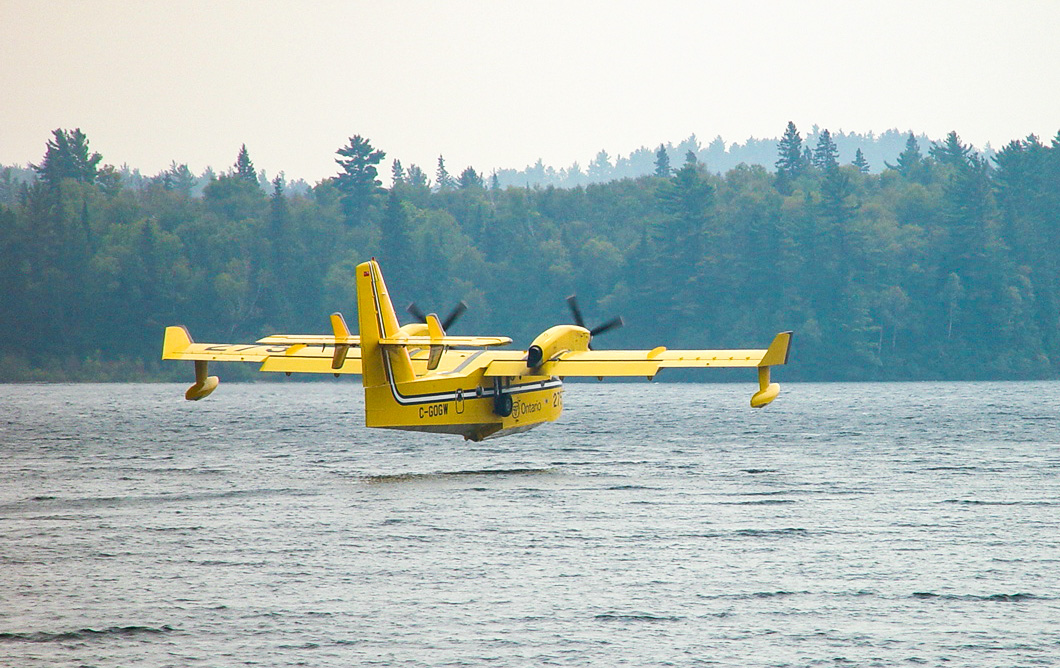 Several aircraft used to fight forest fires in Ontario are sitting in airport hangars and on tarmacs due to a pilot shortage. JP Hornick, president of the Ontario Public Service Employees Union (OPSEU), said the province is now short three water bomber pilots and six helicopter pilots due to low pay and poor working conditions. “The Ontario pilots are the lowest paid in the country, and what the government has put on the table would bring them up to a whopping second lowest paid position across the country,” Hornick said. That pilot shortage has meant one of Ontario’s nine Canadair CL-415 water bombers has been grounded. Three of the province’s eight helicopters used for firefighting have also been grounded. Hornick said two of the five bush planes used by the Ministry of Natural Resources (MNR) have also been grounded because only three pilots are available to fly them.
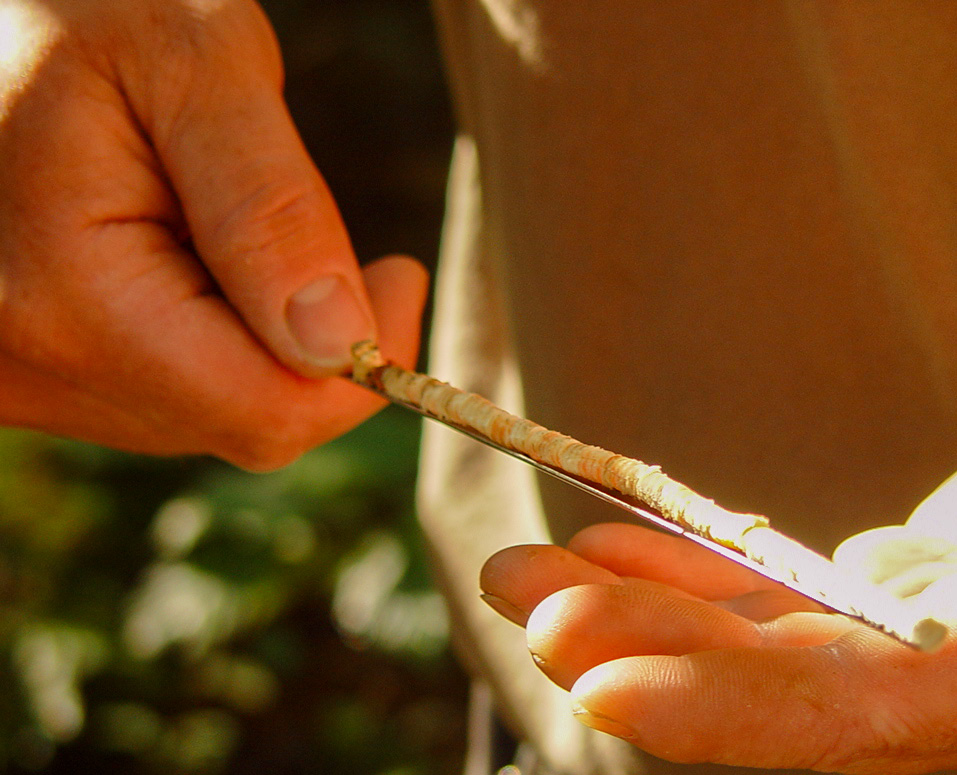 Chris Watson of Lorneville, a rural community in southwest Saint John, recently saw what he believed to be a centuries-old red spruce near Spruce Lake. He drilled a small hole into the trunk by hand and took a pencil-sized sample to have it tested. Ben Phillips, environmental lecturer at Mount Allison University, began a process known as dendochronology on the sample — a study that measures the age of trees by counting small lines otherwise known as tree rings. “This tree, I can confidently say, is over 400 years old,” Phillips, who runs the Acadian Forest Dendochronology Lab on campus, said about the sample he got from Watson. “It is probably in the top 10 oldest trees in the province that I know of.” …Both Phillips and Ilana Urquhart, Nature Trust of New Brunswick conservation co-ordinator, want to see legislation put in place in New Brunswick that would protect areas with old growth, specifically.

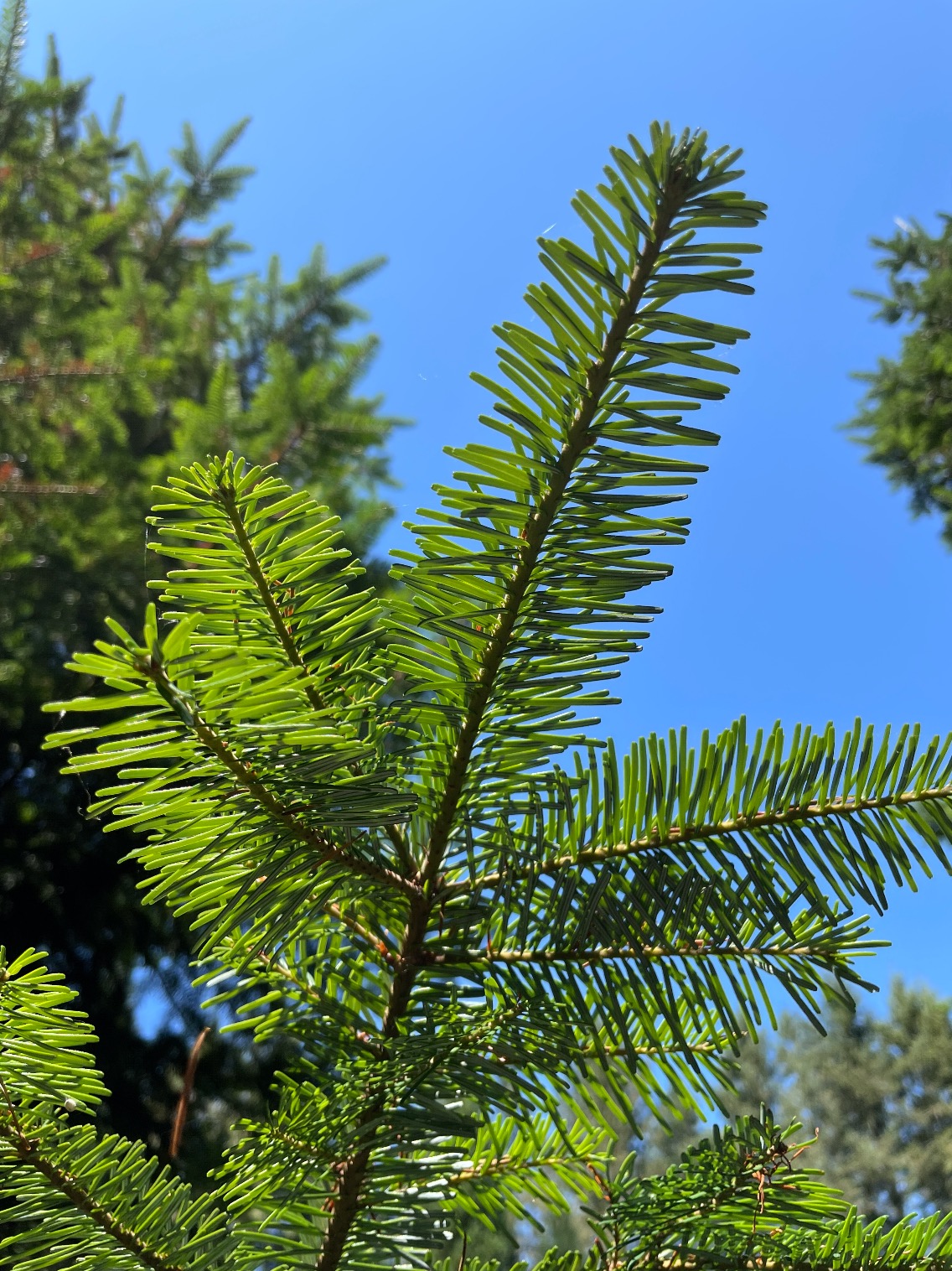 The U.S. Forest Service is headed for obsolescence due to recent personnel reductions, proposed budget cuts and re-organization plans. The ability of the Forest Service to meet its legislatively mandated multiple-use mission to the American public is being systematically dismantled. …over the last several months we’ve seen an agency deliberately dismantled by indiscriminate firings, forced retirements and coerced resignations. …The gutting of the Forest Service is a national crisis that will take years or decades to recover from once we, as a society, choose to stop the damage to our federal system of governance. We must individually and collectively speak out to all our elected officials and demand a stop to the out-of-control damage being done. We need to begin to rebuild a federal government that we can rely on to deliver critical services to the American public, including the Forest Service, and protect our wild landscapes from destruction.
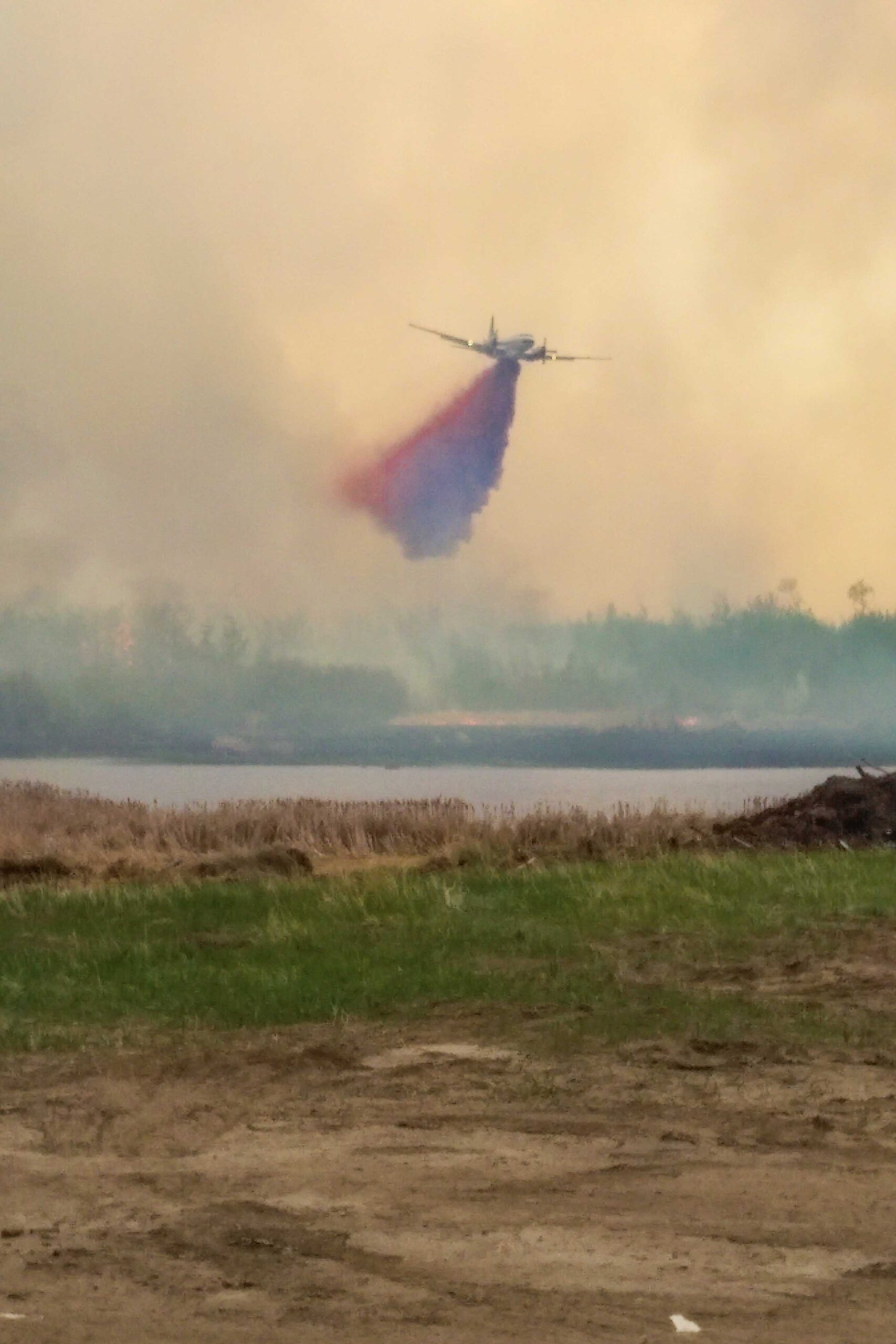 HELENA — Aerial resources have been critical in reaching the Jericho Mountain Fire, and Helena has … a tanker base that can support the largest firefighting planes. …The around three thousand gallons of retardant the average plane holds is just one of the reasons it is so effective. Another factor is the team on the ground who get it refueled and refilled and back in the air in just minutes. …The tanker base typically opens for operations on July 7th but kicked off their wildfire season on June 15th nearly a month early this year due to the Jericho Mountain Fire. Once they got the call, the team had the base operational in two hours. So far the tanker base has already helped planes drop more than 32-thousand gallons of retardant this year compared to zero at this time last year.
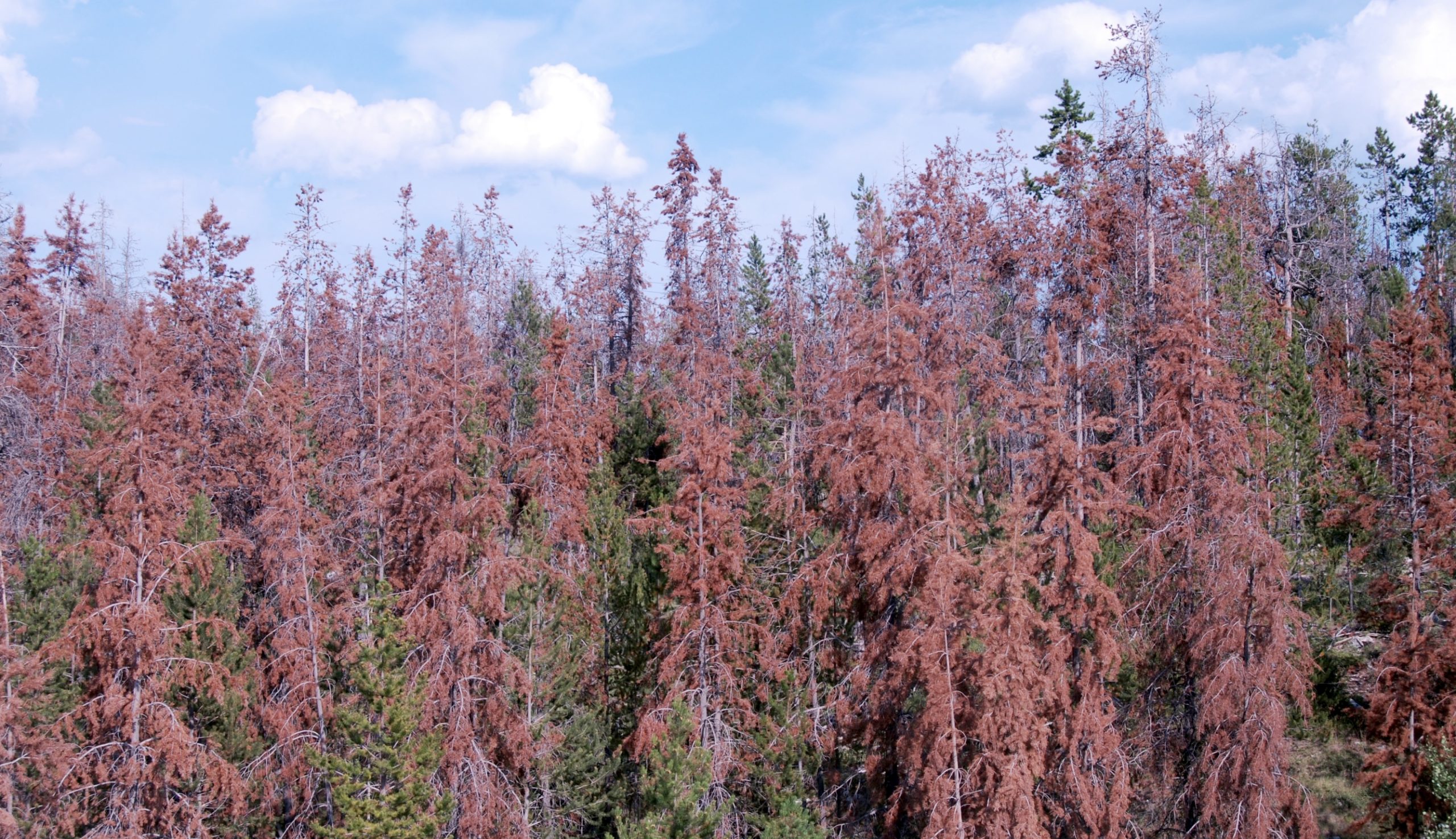 SALEM, Ore. – Researchers are taking to the skies this month to survey Oregon’s forests for damage from pests and other threats, according to the Oregon Department of Forestry and USDA Forest Service. Forest officials said that the Pacific Northwest Aerial Detection Survey is the longest continuous annual survey of its kind in the U.S. Airborne researchers use fixed-wing aircraft to identify trees in distress, flying between 1,500 to 2,500 feet above ground. “Oregon has about 30 million acres of forest so flying in a grid pattern over it allows us to find problems even in remote areas hard to reach by vehicle or on foot,” said Christine Buhl, ODF Forest Entomologist. The survey has highlighted a concerning trend of increasing tree deaths due to drought stress and beetle attacks.
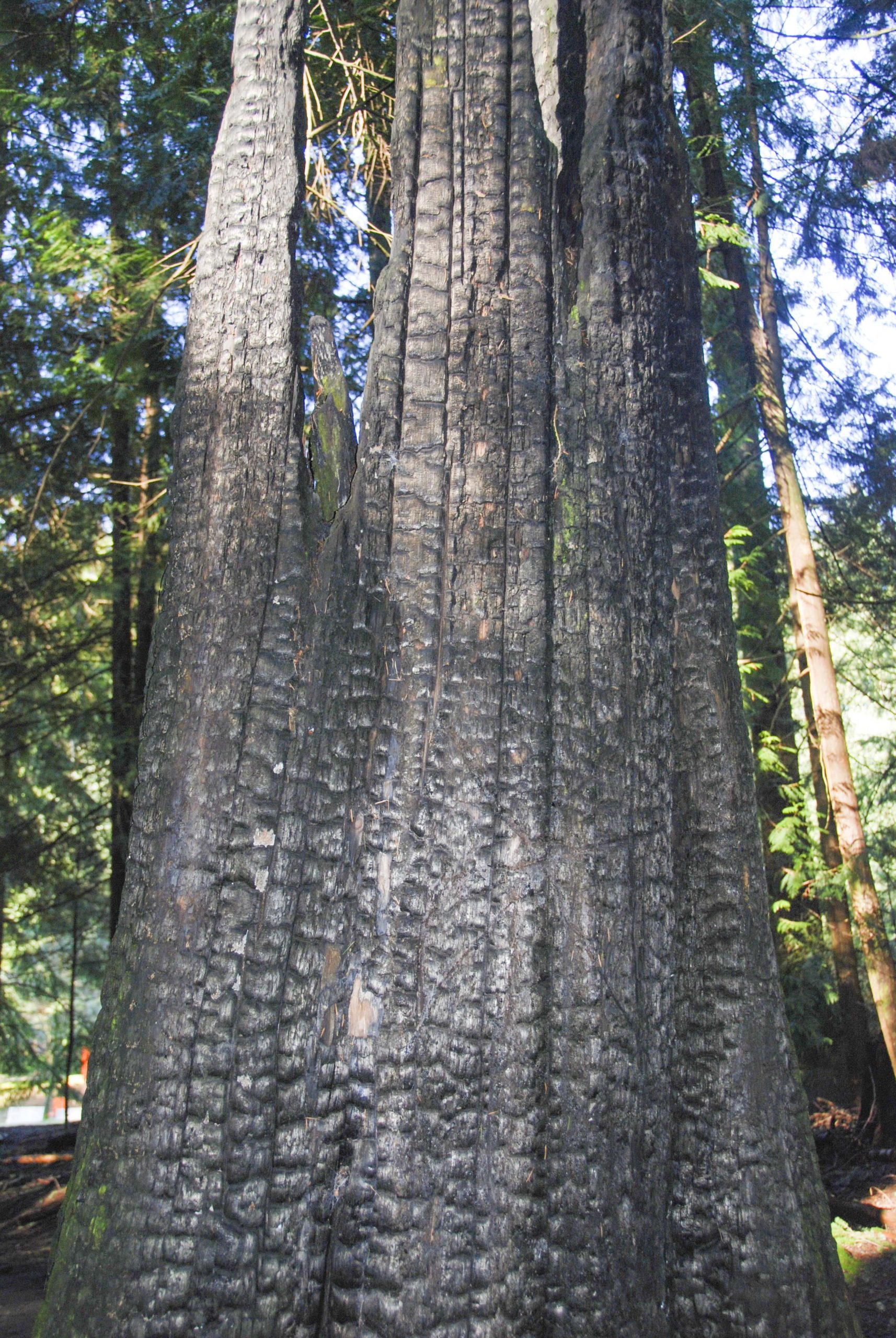 Each year, Oregon braces for wildfire season. And each year, we spend tens of millions (sometimes hundreds of millions) trying to put those fires out. But despite our best efforts, the fires keep getting worse — more dangerous and more destructive. Science tells us that suppression alone isn’t enough. To meaningfully reduce risk, we must invest in proactive mitigation, restoring the health and resilience of fire-prone landscapes, and helping communities prepare for wildfire and smoke. This legislative session, Oregon lawmakers have a chance to make an important initial investment to protect our forests, our homes, and our public health in the long run. A package of bills now under consideration would provide $280 million per biennium for a comprehensive wildfire response. These bills reflect recommendations from the Wildfire Funding Work Group, convened by the State Fire Marshal, Oregon Department of Forestry, Governor Tina Kotek, Tribal Nations, and shaped by a wide array of stakeholders.
  As California continues to reel from the historic firestorm that decimated portions of Los Angeles, the state is now facing the prospect of an exceptionally active wildfire season fueled by hot, dry conditions. It may not be ready: Experts say sweeping changes at federal agencies that play key roles in California’s wildfire preparation and response could make a challenging season even worse. …The forecast arrives as the Trump administration is enacting budget cuts, layoffs, office closures and restructuring at the U.S. Forest Service, the National Oceanic and Atmospheric Administration and the Federal Emergency Management Agency. Trump says changes will help eliminate federal waste and save tax dollars. However, these three agencies are critical components of California’s wildfire response capabilities… Weakening them at the start of fire season — and at a moment when human-caused climate change is driving larger and more destructive blazes — puts California at a dangerous disadvantage, multiple experts said.


 A
A 

 DS Smith has brought online a €90 million biomass boiler at its Rouen paper mill in Normandy, France – one of Europe’s largest mill energy transitions to date. The new system replaces the site’s coal-fired boiler with a low-carbon, circular solution powered by locally sourced biomass waste. The project is expected to cut CO₂ emissions by 99,000 tonnes annually – equivalent to removing 40,000 cars from the road or powering 13,000 French homes each year. The boiler will process around 94,000 tonnes of biomass fuel each year, including industrial and municipal waste wood – mainly from the Paris and Normandy regions – as well as paper production by-products. Up to 70,000 tonnes of wood waste will be diverted from landfill annually, supporting DS Smith’s 2030 zero-landfill target.
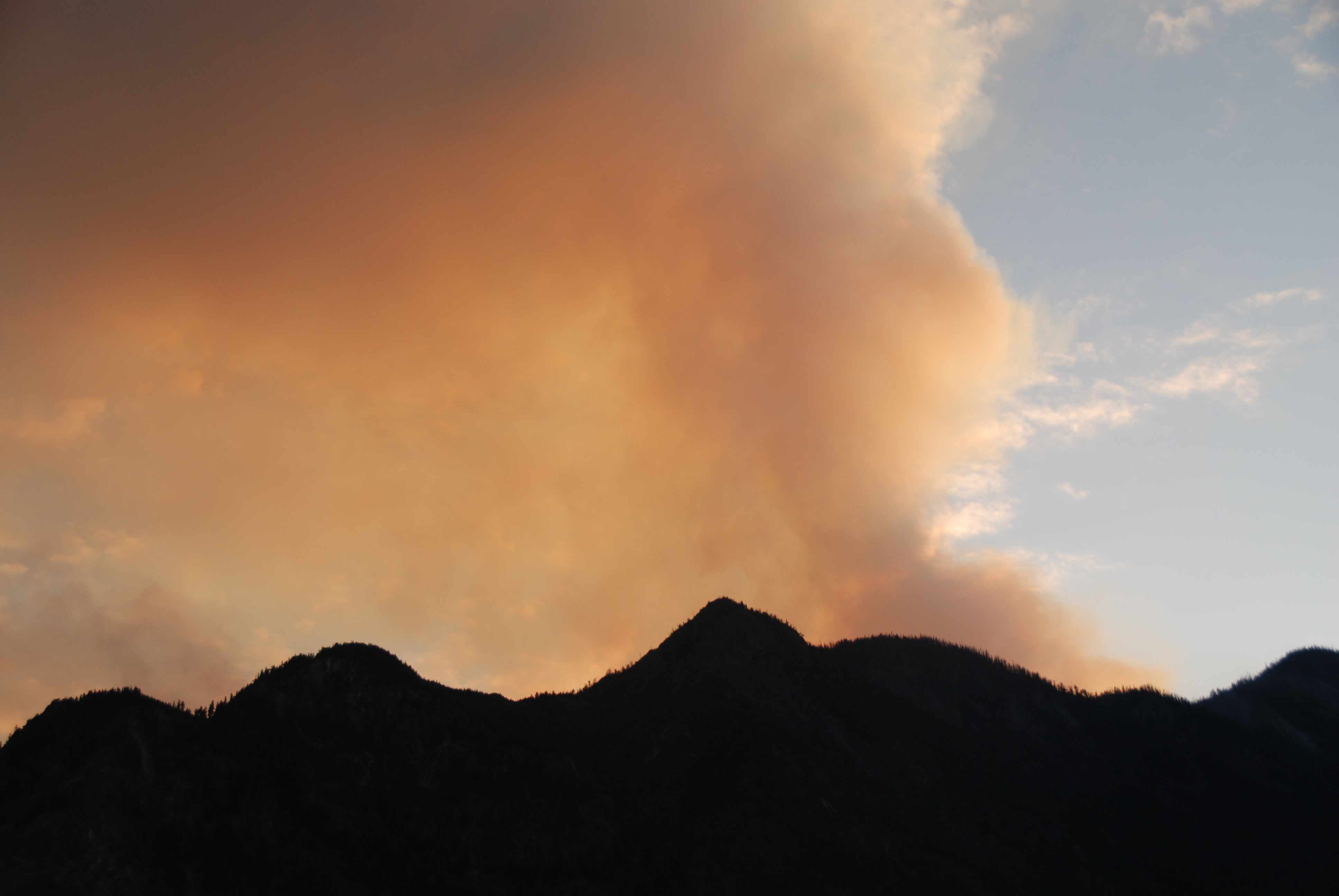 Wildfires are already burning in parts of Canada, and as they do, many communities are already facing the familiar thick haze as smoke drifts in. Smoke from wildfires has already led Environment Canada to issue air quality warnings for much of Ontario. In Toronto, smoke led to the city briefly having the worst air quality in the world. Anyone who has experienced wildfire smoke knows how it can leave you with a scratchy throat, stinging eyes and impact your lungs. However, smoke can also affect your brain. Tiny airborne pollutants found in smoke have been linked to increased risk of stroke, dementia and flare-ups in neurological diseases like multiple sclerosis, or MS. These effects can disproportionately impact older adults, people with disabilities, Indigenous Peoples and those living in low-income communities. This isn’t just about climate. It’s about equity, and health systems need to catch up.
 In the recent WorkSafeBC Health and Safety News, you’ll find these stories and more:
 NAHB is joining with official safety sponsor Builders Mutual to highlight jobsite safety resources during


 Forest fires have broken out in parts of New Mexico that state forecasters had already warned would see an elevated wildfire risk this summer due to high temperatures, low snowpack and ongoing drought. At least 25 New Mexico jurisdictions imposed some level of fire restriction this spring. State Forester Laura McCarthy said the peak of fire season is still a week away, beginning June 26. …On Tuesday, New Mexico Governor Michelle Lujan Grisham declared a state of emergency in response to the Trout Fire, which is burning in the Gila National Forest, forcing residents to evacuate. The Buck Fire also has burned more than 57,000 acres in the same area of Southwest New Mexico. The governor has urged localities to ban fireworks and restrict water usage. …”If you look at every single big fire we’ve had, there was either a lightning strike or a person behind it,” she added.