 Fraserview Cedar is set to acquire one of San Group’s Port Alberni mills—pending court approval. In other news: West Fraser declared a dividend; Timberlab sees opportunity amid chaos; BC Premier Eby touts Asia trade mission agreements; Trump threatened unilateral tariffs (again); US Homebuilders want action on affordability; and Japan sees economic recovery. Meanwhile, FPAC’s Derek Nighbor speaks to forestry benefits; WPAC to host a safe pellet storage workshop; and the Ontario Woodlot Association has a new president.
In Forestry/Wildfire news: US Senator Murray presses the US Forest Chief on wildfire preparedness; Robert Chaney on the US plan to centralize the fire service; Squamish, BC declares a state of emergency; Saskatchewan burns through 40 years of timber; Idaho sends firefighter crews to BC; the EU forest fire funds are poorly targeted; and new maps reveal opportunities for global reforestation.
Finally, applications are open for SFI/Project Learning Tree Canada’s Green Mentor Program.
Kelly McCloskey, Tree Frog News Editor







 EDINBURGH, SCOTLAND — The International Sustainable Forestry Coalition (ISFC) welcomes the release by the International Organization for Standardization (ISO) of its new Standard covering the way greenhouse gas accounting should be applied to wood and wood-based products. Until the publication of this Standard, there had not been an internationally agreed upon accounting approach for biogenic carbon emissions and removals – an important piece of the puzzle to support corporate climate action and reach global net zero targets. The new series is ISO 13391 Wood and wood-based products — Greenhouse gas dynamics, and covers all essential components of carbon accounting for the sector: carbon in forests, carbon in harvested wood products and potential greenhouse gas emissions avoided through the use of wood-based products instead of fossil-based products.
 The legacy sewing pattern brands Simplicity, Butterick, McCalls, and Vogue, commonly referred to as the Big 4, have been sold to a liquidator.

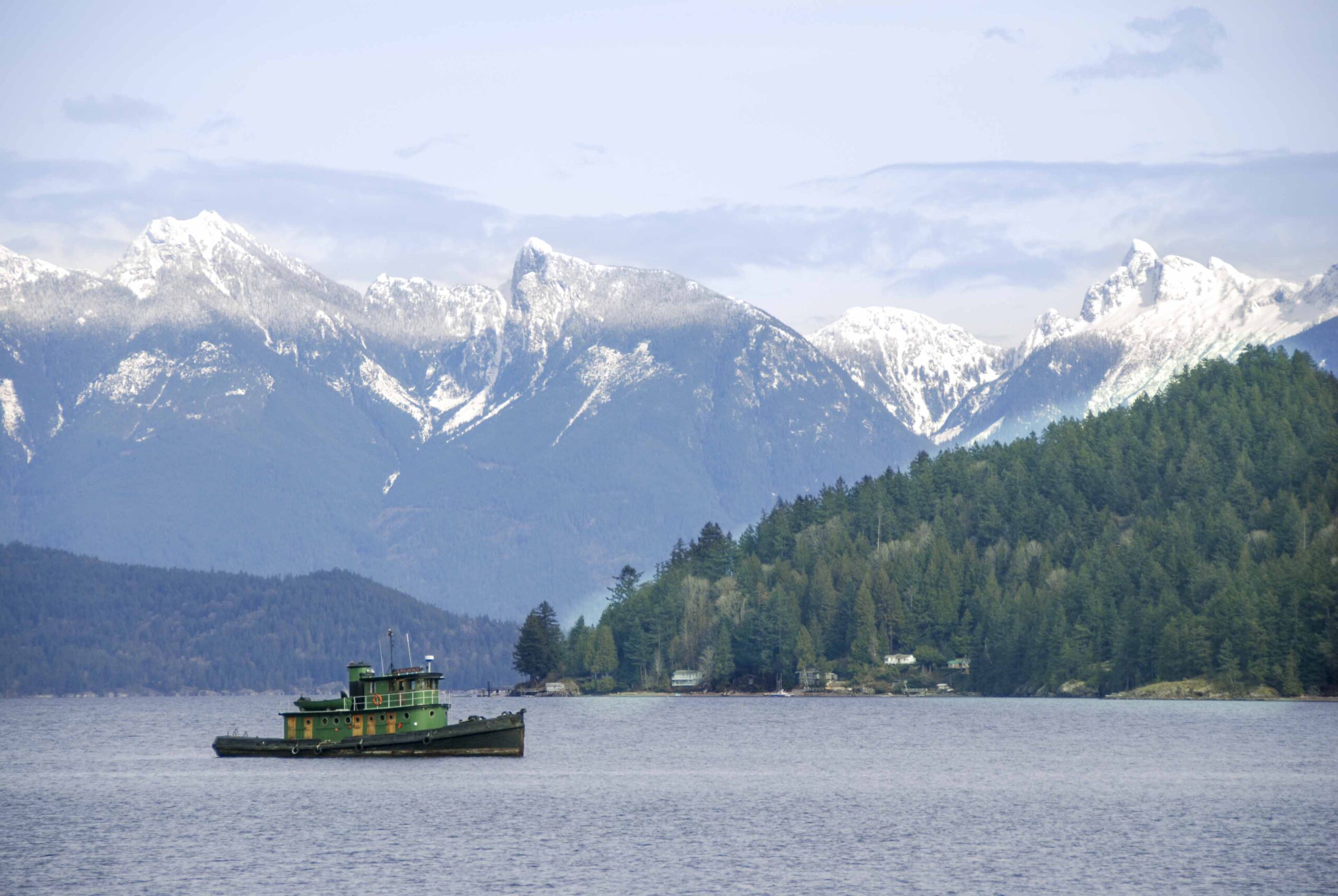 The Town of Gibsons has endorsed an ambitious urban forest plan to protect and expand tree canopy coverage across the municipality by 2045. The plan, developed by Diamond Head Consulting, was presented to council during the June 3 regular meeting, following community engagement and technical analysis. The urban forest plan establishes canopy cover targets of 31 per cent for urban areas and 39 per cent for greenfield development sites by 2045. Currently, Gibsons maintains 38 per cent overall canopy coverage, representing 160 hectares of tree canopy within the town’s 430-hectare(4.3km²) boundary. The plan notes that while greenfield areas will see reduced canopy due to expected development, strategic planting and protection measures can still achieve meaningful coverage.
 Canada’s wildfire season has had an early and intense start, with states of emergency declared in Saskatchewan and Manitoba and forecasts warning of severe conditions across central and eastern Canada. Wildfire smoke is already crossing borders, affecting millions. In this Q&A, wildfire experts Dr. Lori Daniels and Dr. Mathieu Bourbonnais, co-directors of the


 Quebec’s sweeping reform of how forests are managed is causing concerns among Indigenous leaders, conservation groups and unions, who warn the changes prioritize logging over long-term health of the ecosystem. Bill 97, tabled this spring by Minister of Natural Resources and Forests Maïté Blanchette Vézina, proposes to divide the forest into three zones: one that prioritizes conservation, one focused on timber production and a third zone for multiple uses. At least 30 per cent of Quebec’s forests will fall into that second category, Blanchette Vézina said. Speaking at the legislative hearing on Bill 97, Lac-Simon Anishnabe Nation Chief Lucien Wabanonik says he wants to see it scrapped and rewritten from scratch in collaboration with First Nations people. “They call it triade in French, meaning 30 per cent of the territory will be specifically used by the industry in exclusion of other users,” he said. “It’s very negative on our rights as First Nations.”
 SEATTLE — The US Forest Service has been tasked by President Trump to create a plan that will increase timber production in federal forests, and Pacific Northwest industry leaders are waiting to see how that plan will be implemented in a region rich in logging history. Many leaders are worried that this new order will disrupt the decades of work put into policies locally. …Logging has historically been a staple industry in the northwest that has simultaneously been an ongoing conversation between the need to harvest for building and economy, and also protecting the environment within these forests. …Lands Commissioner Dave Upthegrove said the constant balancing act between the economy and the environment continues. “As our state has grown, as many of our forest lands have been developed, it’s more important that we manage these forests now, not just as economic resources, but as valuable assets that contribute to our quality of life,” said Upthegrove.
 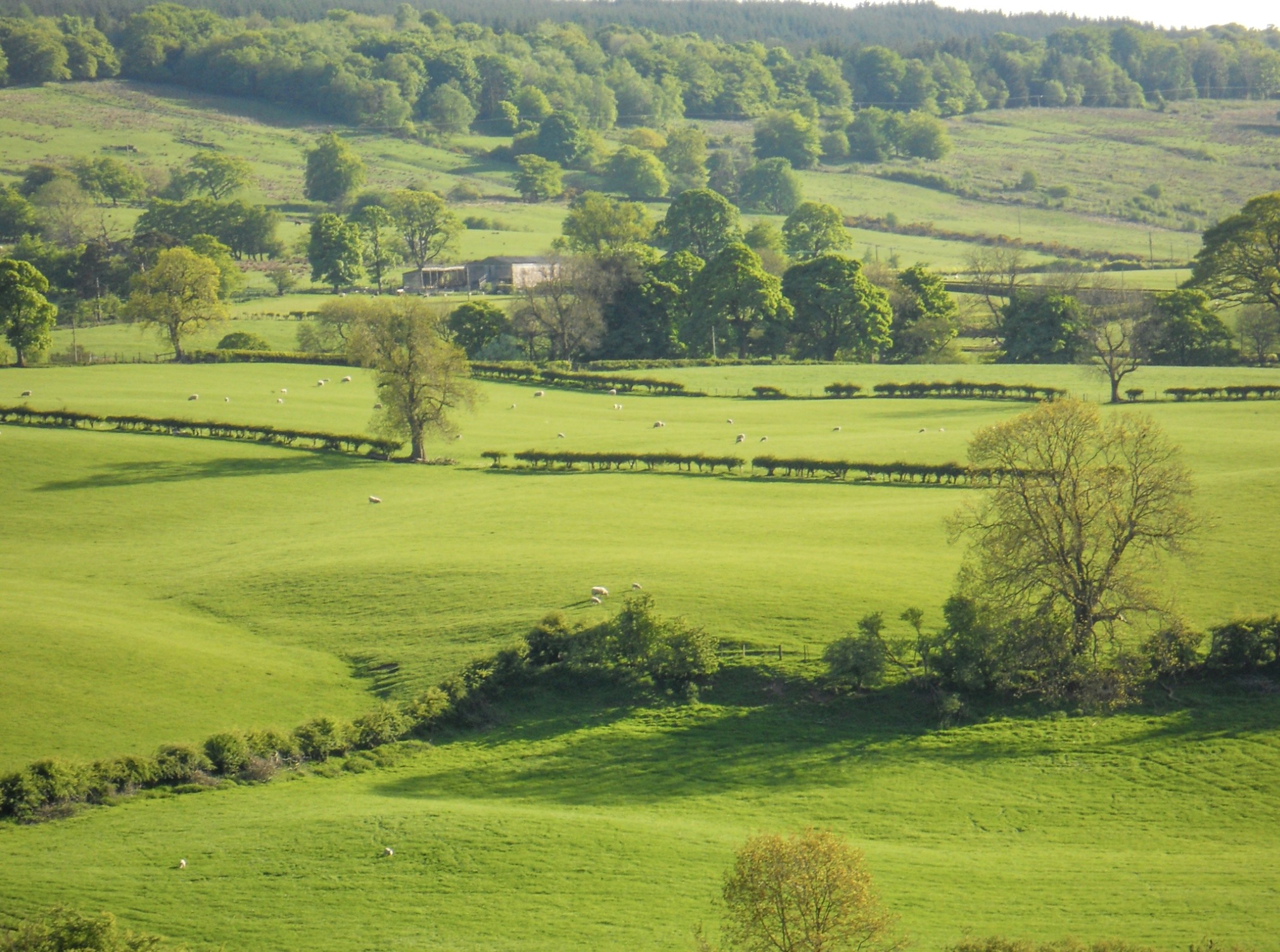 Urgent action must be taken to avoid a loss of wildlife due to the “plummeting” condition of the UK’s woodlands, according to a new report. The report, published by the Woodland Trust on Tuesday, found that the quality of woodland is on the decline, despite a slight increase in tree cover. Woodland covers 24% of Surrey, making it the most wooded county in England. Abigail Bunker, director of conservation and external affairs at the trust, said: “We are calling on the government and others to invest in the management of our woodlands.” She said investing in woodland management would mean wildlife could experience the benefits “of these precious ecosystems”. Woodlands are becoming less effective as habitats for wildlife because they lack complexity, such as having enough trees of differing ages, states and sizes.
 Hundreds of top environment lawyers are suing the New Zealand government over what they say is its “dangerously inadequate” plan to reduce emissions to net zero by 2050. It is the first time the country’s emissions reduction plan has faced litigation, and the lawyers believe it is the first case globally that challenges the use of forestry to offset emissions. …two groups representing more than 300 lawyers filed judicial review proceedings against the government in Wellington’s high court on Tuesday. The groups … claim … the government has abandoned dozens of tools to tackle emissions, failed to adequately consult the public, and too heavily relies on high-risk carbon capture strategies such as forestry. …They claim that the government is relying on “high risk” methods such as planting hundreds of thousands of hectares of introduced pine trees to offset emissions, and capturing carbon underground, with few alternatives to fall back on if something goes wrong.
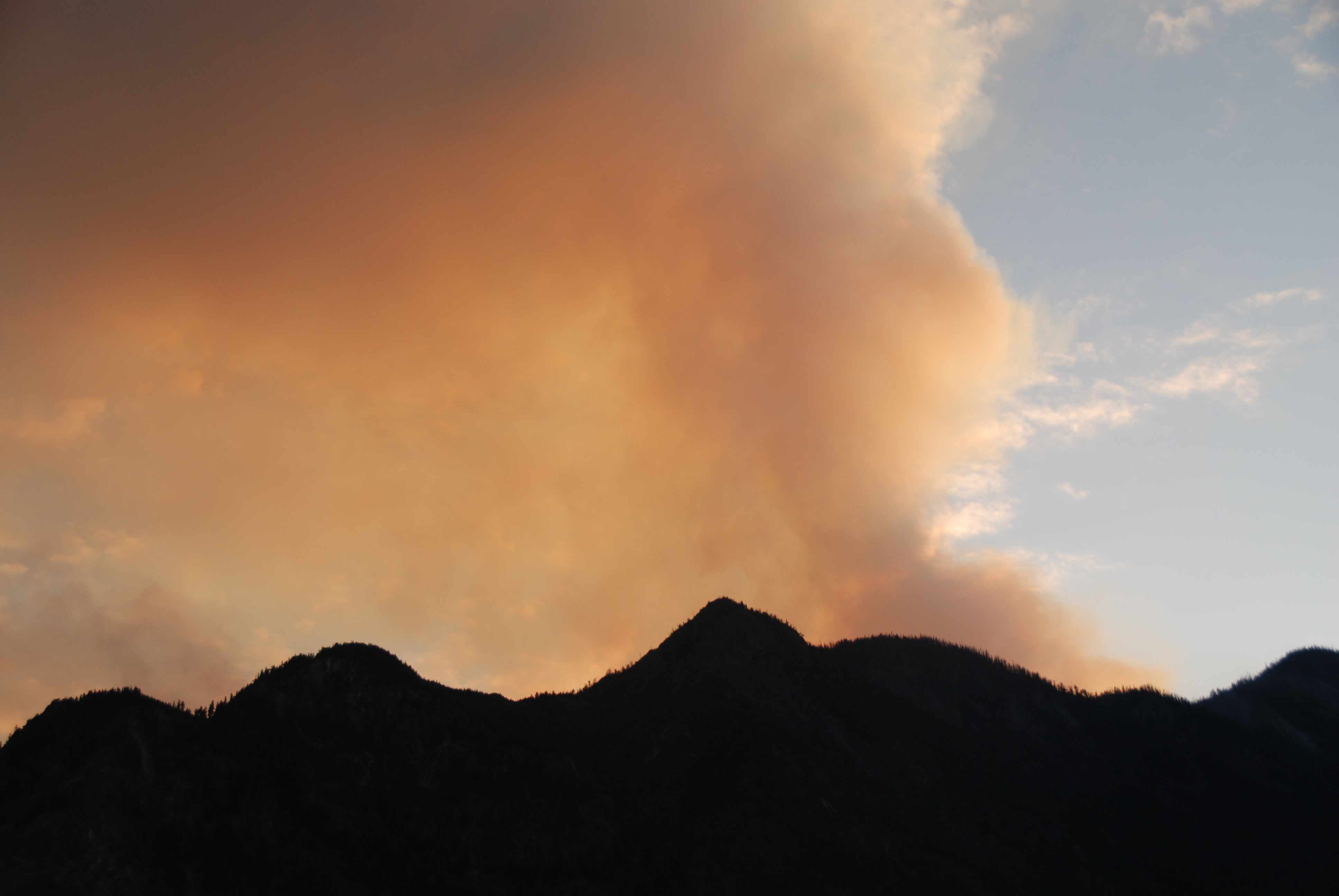 More than 200 wildfires are blazing across central and western Canada, half of which are out of control… “But increasingly we’re also concerned about the smoke,” said Mike Waddington, an environmental scientist at McMaster University in Ontario. That’s because [of] where these blazes are burning in Canada. The country’s forests have long been mined, operations that loaded soils and waterways with toxic metals like lead and mercury, especially before clean-air standards kicked in 50 years ago. Now everyone downwind of these wildfires may have to contend with that legacy and those pollutants, in addition to all the other nasties inherent in wildfire smoke, which are known to exacerbate respiratory and cardiac problems. …But an area of particular concern is around the mining city of Flin Flon, in Manitoba, which is known to have elevated levels of toxic metals in the landscape, said Colin McCarter, an environmental scientist who studies pollutants at Ontario’s Nipissing University.
 With warmer, drier conditions expected to increase across B.C., people are advised to stay prepared for climate-related emergencies. …People are encouraged to prepare grab-and-go bags, create an emergency and evacuation plan, create an Emergency Support Services profile through their B.C. Services Card app and ensure they have renter’s or homeowner’s insurance for their property. …Warm and dry conditions are expected throughout the province this month, and with that comes an elevated risk of wildfire. Northeastern B.C. is continuing to experience prolonged drought and is expected to remain at high risk for wildfire this summer. …In addition to wildfire risk, the Province is also closely monitoring key indicators of drought risk, including snowpack.
  Smoke from wildfires in northern Alberta and northeastern B.C. reached Calgary this weekend, resulting in poor air quality in the city through the weekend and into Monday morning. Fire bans remain in effect for a large part of Alberta, including in all of Rocky View County, as six of the province’s forest areas are considered to be at extreme wildfire risk. An evacuation order for parts of the County of Grande Prairie was expanded again late Saturday after the Kiskatinaw River wildfire in B.C. crossed into Alberta Friday afternoon. …As of Monday night, there were 60 fires burning in the province, with 23 of them classified as out of control. More than 615,000 hectares have burned in Alberta so far in 2025. Fire personnel and aircraft from British Columbia, Yukon, Quebec, Nova Scotia, New Brunswick, Washington State, Oregon and Idaho have arrived in Alberta to assist with battling out-of-control blazes.
 In response to the Dryden Creek fire, as this wildfire is called, Squamish Fire Rescue said in a post late Monday night that the District’s emergency response team is working out of the Emergency Operations Centre, located at Fire Hall 1 in Valleycliffe. The out of control fire is located above the eastern end of Depot Road, in the north end of Squamish. It said the BC Wildfire Service has “actively and aggressively” attacked the wildfire thus far by air and with ground crews and would continue to late into the night, and will begin again early this morning. Aerial attack will also resume early Tuesday morning, the post said. Late last night the District of Squamish issued evacuation alerts to those living in properties at the east end of Depot Road, east of Highway 99 including the campground Mountain Fun Basecamp and at the end of Tantalus Road.



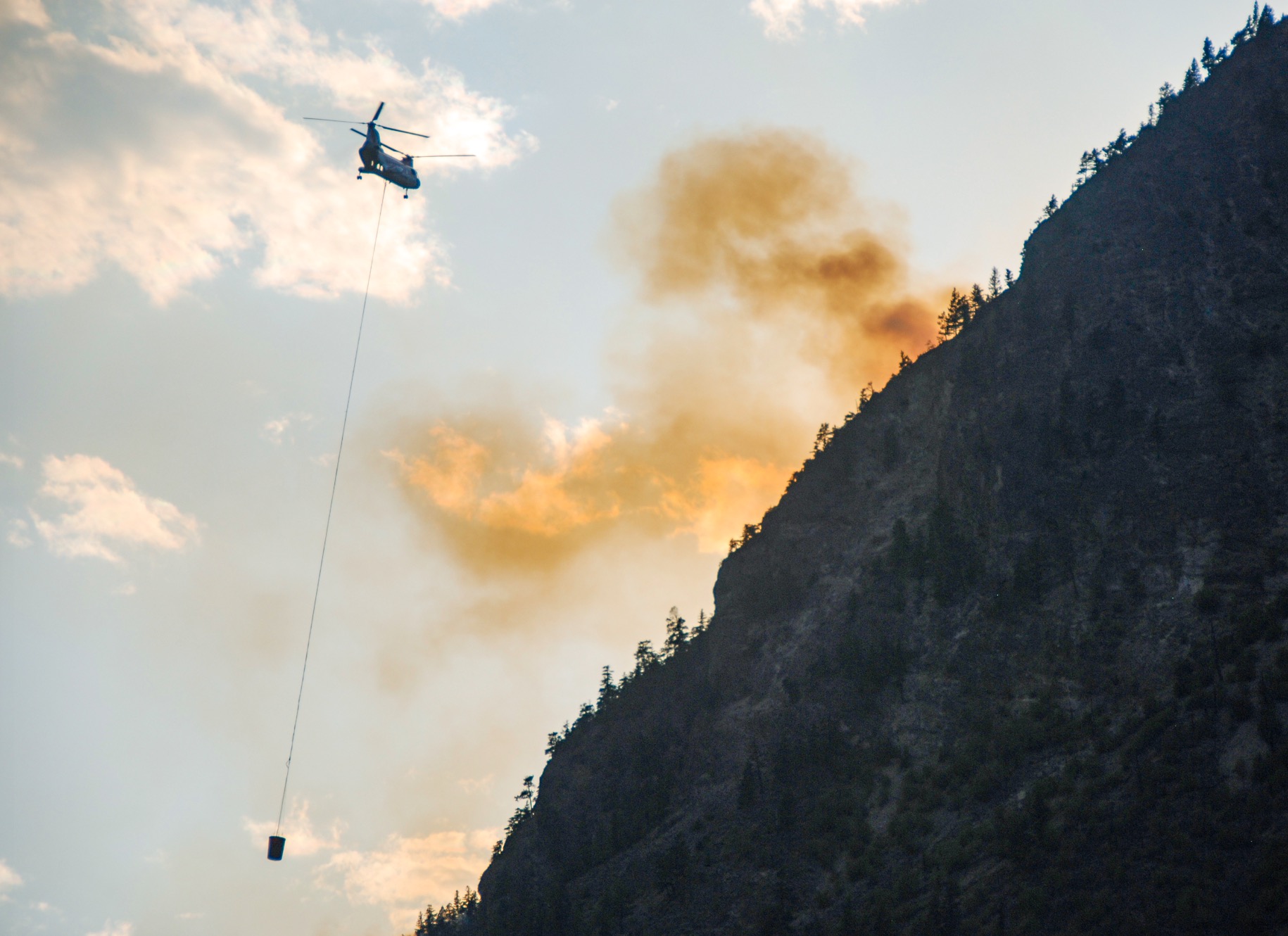 KITTITAS COUNTY, Wash. — The US Forest Service has taken command of the 60-acre Red Bridge Fire burning about 7 miles east of Cle Elum. Level 3 evacuations were issued for those nearby. A Level 3 evacuation means residents should “go now” or leave immediately. A Level 2 evacuation means there is significant danger in the area; be ready to go or voluntarily evacuate. Level 1 means there is danger in the area. Residents should plan escape routes, but evacuations are voluntary, according to the Washington Smoke Blog. The Red Bridge Fire started on June 9, 2025, at approximately 3:57 p.m. As of 8 p.m., the fire is estimated at 60 acres and growing, according to the Washington State Department of Natural Resources (DNR).