
Suzano and Kimberly-Clark announced the creation of a global tissue company operating in 70 countries. In other Business news: ERA’s Kevin Mason opines on forest commodity prices and related US tariff exposure; Quebec’s Arbec Forest Products is shutting down indefinitely; and Domtar’s Kingsport mill awaits anaerobic digester permit. Meanwhile, Prince George Mayor Yu comments on Eby’s trade mission; and how wood pellets fare as a heat generator in Canada and the US.
In Forestry/Wildfire news: what Canadian fires mean for air quality in the United States and Europe; the demand for Canadian water bombers skyrockets; Quebec’s forestry reform faces a backlash; BC focuses on firefighter mental health; and wildfire updates from Saskatchewan and Alberta. Meanwhile, New Zealand gears up for the EU Deforestation Regulation.
Finally, US WoodWorks announced its 2025 Wood in Architecture award winners.
Kelly McCloskey, Tree Frog News Editor
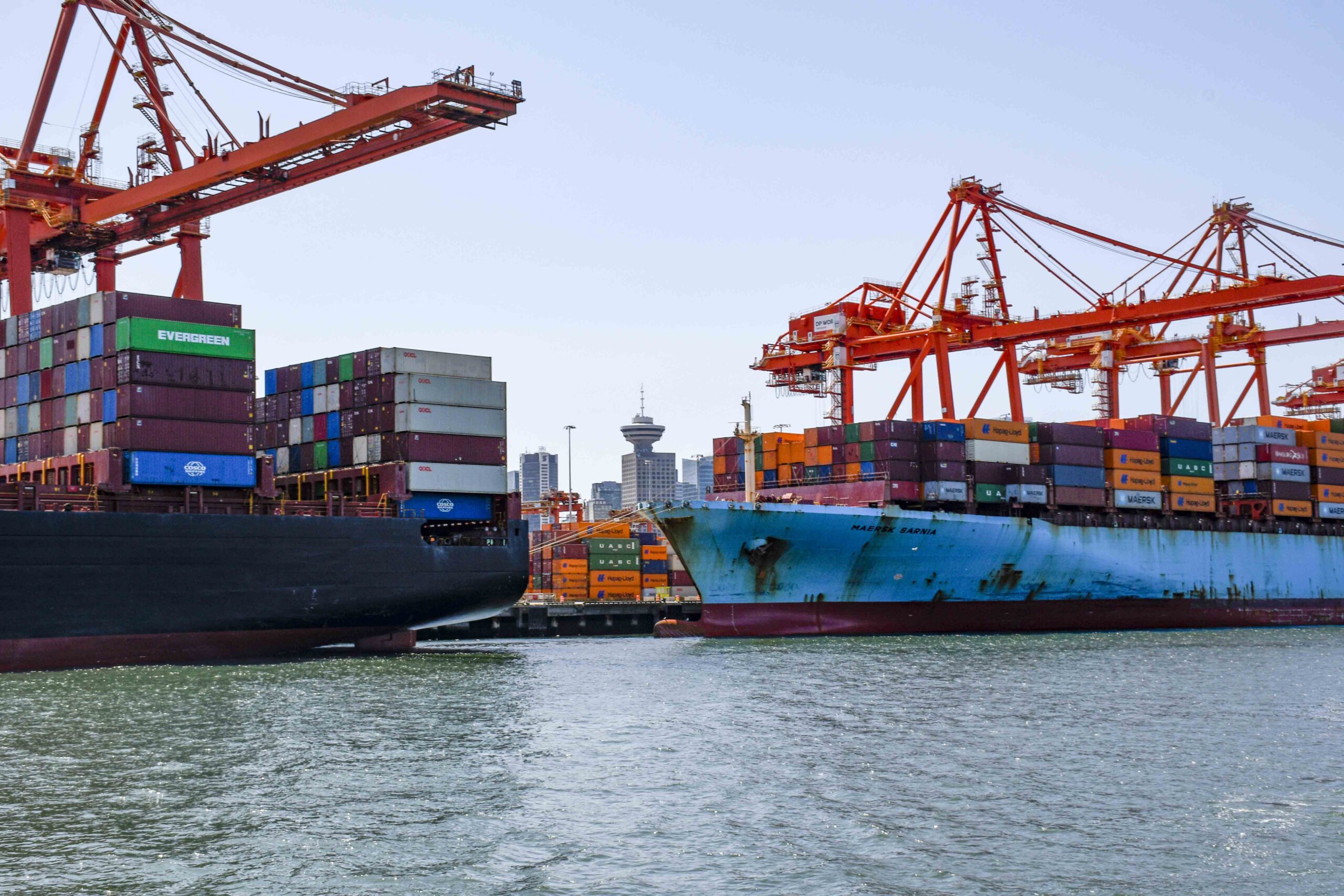 Maritime employers in British Columbia and the union representing port foremen say they have ratified a new four-year collective agreement, after a dispute that saw workers locked out of container terminals last year. The British Columbia Maritime Employers Association and the International Longshore and Warehouse Union Ship and Dock Foremen Local 514 said in a joint statement that the new collective agreement extends from April 1, 2023, to March 31, 2027. …It is the second major labour deal for Canada’s West Coast ports that will be in place until March 2027, after an earlier agreement with thousands of port workers that was signed in August 2023 following a strike. The details of the new deal with supervisors have not been released, and neither the employers association nor the union representing roughly 700 supervisors immediately responded to requests for comment. They had been without a deal since the last accord expired in March 2023.
 In partnership with the Province, the Tahltan, Taku River Tlingit, Kaska Dena, Gitanyow and Nisga’a Nations are kicking off land-use planning in the northwestern corner of B.C., engaging with industry, community and other partners to implement world-leading land-use plans that will provide greater certainty for investors, First Nations and communities alike. Last week, Premier David Eby outlined government’s vision for building prosperity centred on the pillars of economic growth, reconciliation and conservation in northwestern B.C. The vision includes partnering with First Nations to achieve large-scale conservation and strengthen reconciliation envisioned by the Declaration on the Rights of Indigenous Peoples Act (DRIPA). …To that end, over the next year, the Province, Tahltan, Taku River Tlingit, Kaska Dena, Gitanyow and Nisga’a Nations will undertake expedited, inclusive land-use planning and essential stakeholder and public engagement.
  As Premier David Eby and a British Columbia delegation tours Japan, South Korea and Malaysia, Prince George’s opposition MLAs say the trip is “damage control” for his government’s previous policies as well as the reception to the recently passed bills 14 and 15. Eby and a delegation left for a 10-day trip to Japan, South Korea and Malaysia on Saturday, May 31. One notable absence from the trip is British Columbia Assembly of First Nations Regional Chief Terry Teegee, who said in a Friday, May 30 media release that he could not participate in a mission launched by a government that passed legislation trampling First Nations’ rights. Reached by phone on Monday, June 2, Prince George-North Cariboo, Prince George-Valemount and Prince George-Mackenzie Conservative MLAs Sheldon Clare, Rosalyn Bird and Kiel Giddens said the NDP are trying to make up for having closed British Columbia’s independent trade offices in Asia over the last eight years.
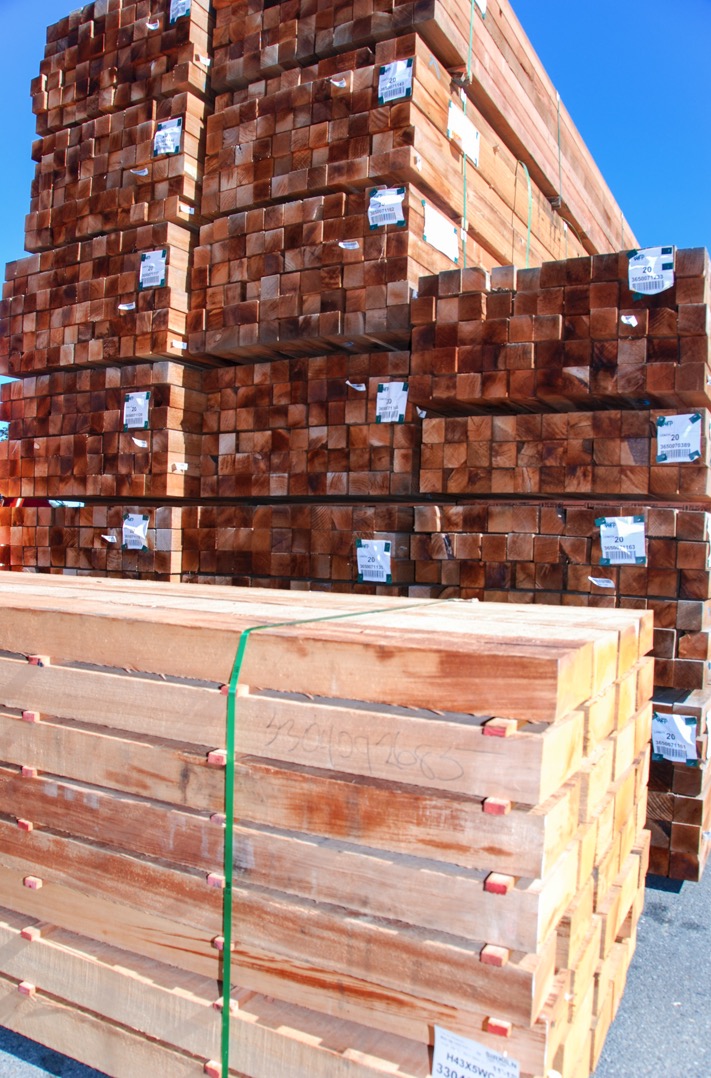
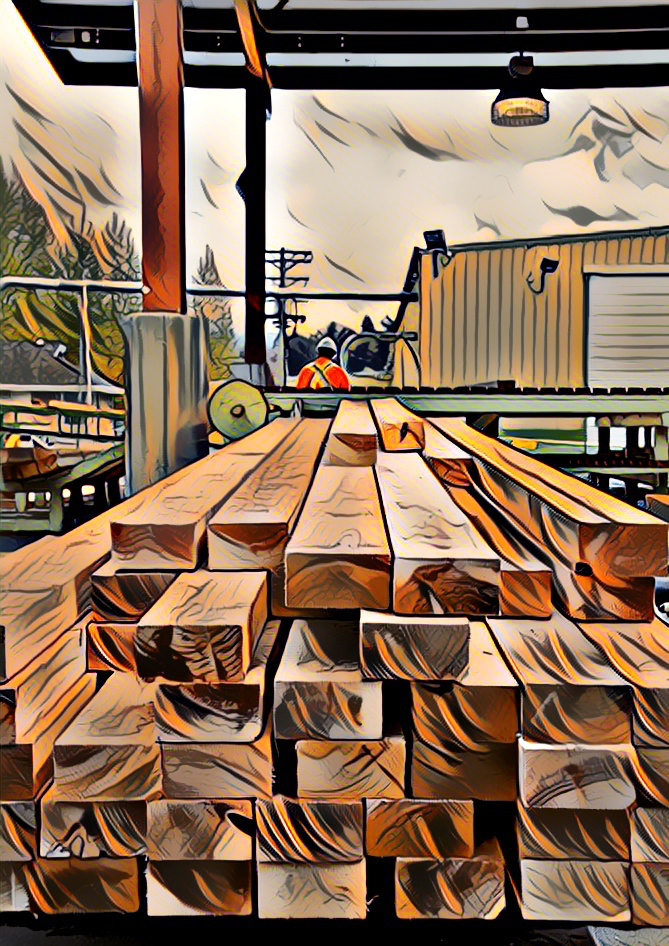 Duties placed on Canadian lumber entering the U.S. could eventually help markets here, a local mill manager is saying, but they are still a few months out. There’s a misconception that recent tariffs announced against Canadian goods extended to lumber products, F.H. Stoltze Land and Lumber vice president and general manager Paul McKenzie said Monday. The U.S.-Canada lumber market is governed under a separate and oft disputed softwood agreement that places duties on Canadian lumber. The duties are supposed to keep Canadians from dumping government subsidized lumbers onto U.S. markets. They currently amount to about 14% combined. By August or September, they’re expected to climb to 34%, McKenzie noted. That will be helpful to us,” McKenzie said. Stoltze has operated its independent mill in Columbia Falls, Montana over 100 years. McKenzie said Canadians are currently dumping their products into the U.S. ahead of the hike in duties.
  U.S. home prices will rise steadily over coming years on an expected further decline in mortgage rates, according to property experts in a Reuters survey who expressed a near-unanimous view President Donald Trump’s tariffs would hinder affordable home construction. The same analysts had said three months ago that affordability and turnover in the market would improve, an upbeat outlook hinging on expectations the Federal Reserve will resume cutting interest rates after staying on the sidelines all year. That optimism has since been tempered with Congress passing a sweeping tax-cut and spending bill estimated to add roughly $3.3 trillion by 2034 to an already-enormous $36.2 trillion debt pile, according to nonpartisan think tank the Committee for a Responsible Federal Budget. Long-term bond yields have spiked higher, limiting scope for a decline in mortgage rates.
 Read these stories and more in the June newsletter:


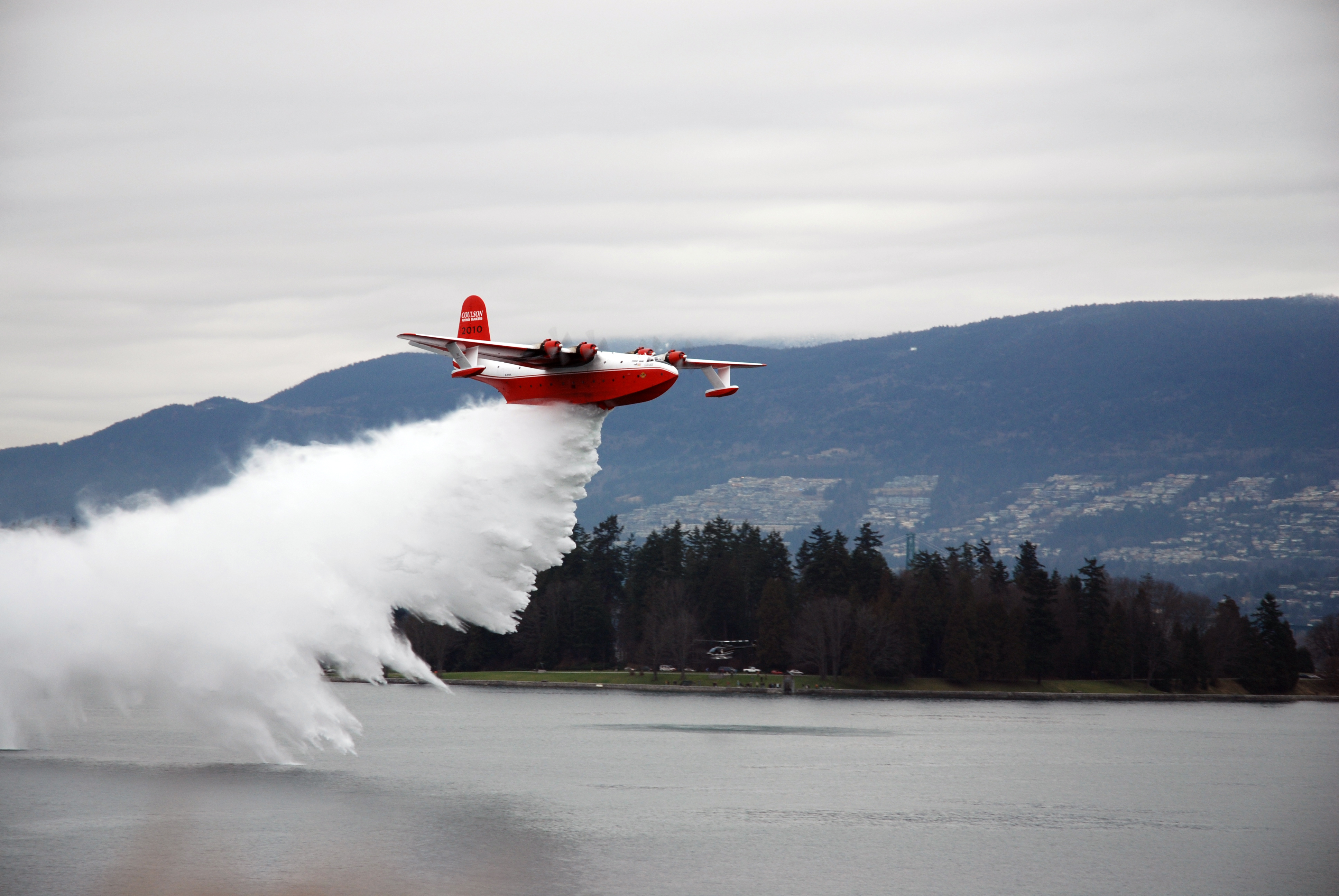 As Canada is again dealing with massive wildfires, the increasing severity of the natural disasters is having the knock-on effect of spiking the demand for water bomber planes — and it will be years before Canada gets its hands on a new one. Premiers gathered in Saskatchewan this week, one of the provinces currently gripped by wildfires. They were primarily meeting to discuss major infrastructure projects, but a number of premiers talked to reporters about dealing with the wildfire situation. Manitoba Premier Wab Kinew, whose province has also seen thousands flee wildfires in recent weeks, mentioned that his government is waiting for an order of water bombers — but he doesn’t expect them to be delivered any time soon. …John Gradek, an aviation management lecturer at McGill University, agreed [with Premier Ford] that it’s well past time for Canada to have a nationalized water bomber fleet.
 This month’s news includes:
 Ten forest firefighters from the Island are in Saskatchewan to help with the wildfire situation in that province. There are also two Island forestry staff in Manitoba assisting with fires there in safety roles. The province continues to be in a good position to respond to forest fire inside or outside of provincial borders. The Government of Prince Edward Island has more than 55 staff trained in wildland firefighting, including foresters, forest technicians, wildlife technicians, and others who have fire response as part of their duties. The team heading to Saskatchewan includes wildfire students who will be embedded with more experienced firefighters to hone their skills.
 Is your community prepared for the rising risk of wildfires? Join wildfire mitigation experts from Silvacom for an insightful webinar on launching effective Community Fireguard projects. This session is designed to equip you with the knowledge to protect people, infrastructure, and vital ecosystems. Learn how Fireguards serve as a critical front-line defense and understand the comprehensive process from initial concept to successful construction. Municipal Leaders, First Nations Representatives, Planners and Land Managers, and people involved in community wildfire preparedness and mitigation in Alberta are encouraged to attend. Highlights:


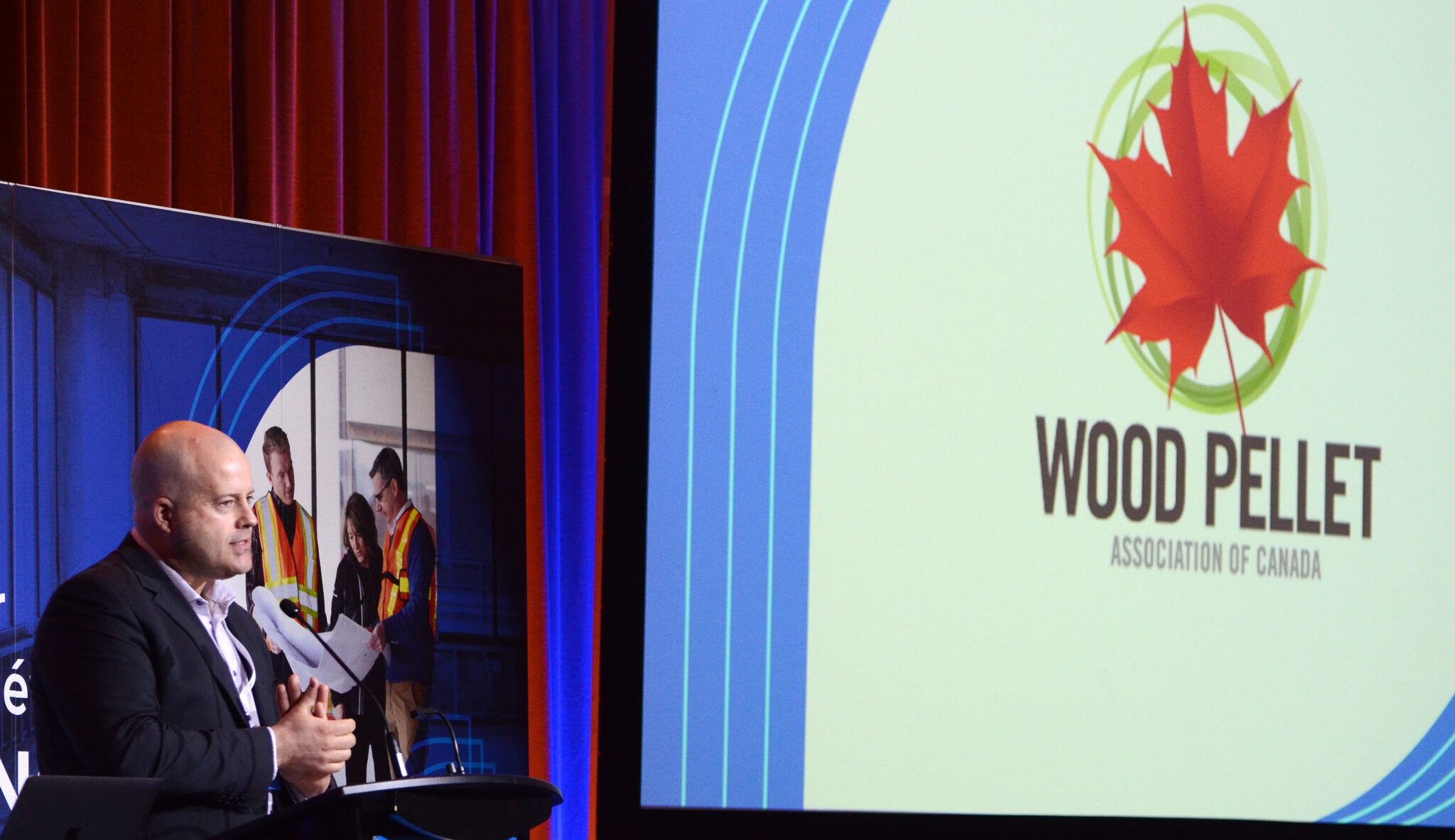
 Join us in Halifax, Nova Scotia, September 23-24, 2025 for Biomass for a Low-Carbon Future. As the world moves toward a low-carbon future, biomass and wood pellets play a key role in ensuring Canada has renewable and responsible energy. Join us to explore the numerous opportunities biomass presents, from reducing greenhouse gas emissions to supporting economic growth in the transition to a net-zero economy. Who Should Attend? Anyone interested in advancing electrification, including pellet producers, customers, First Nations and government officials, policymakers, regulators at every level, researchers, safety specialists, logistics personnel and equipment manufacturers.
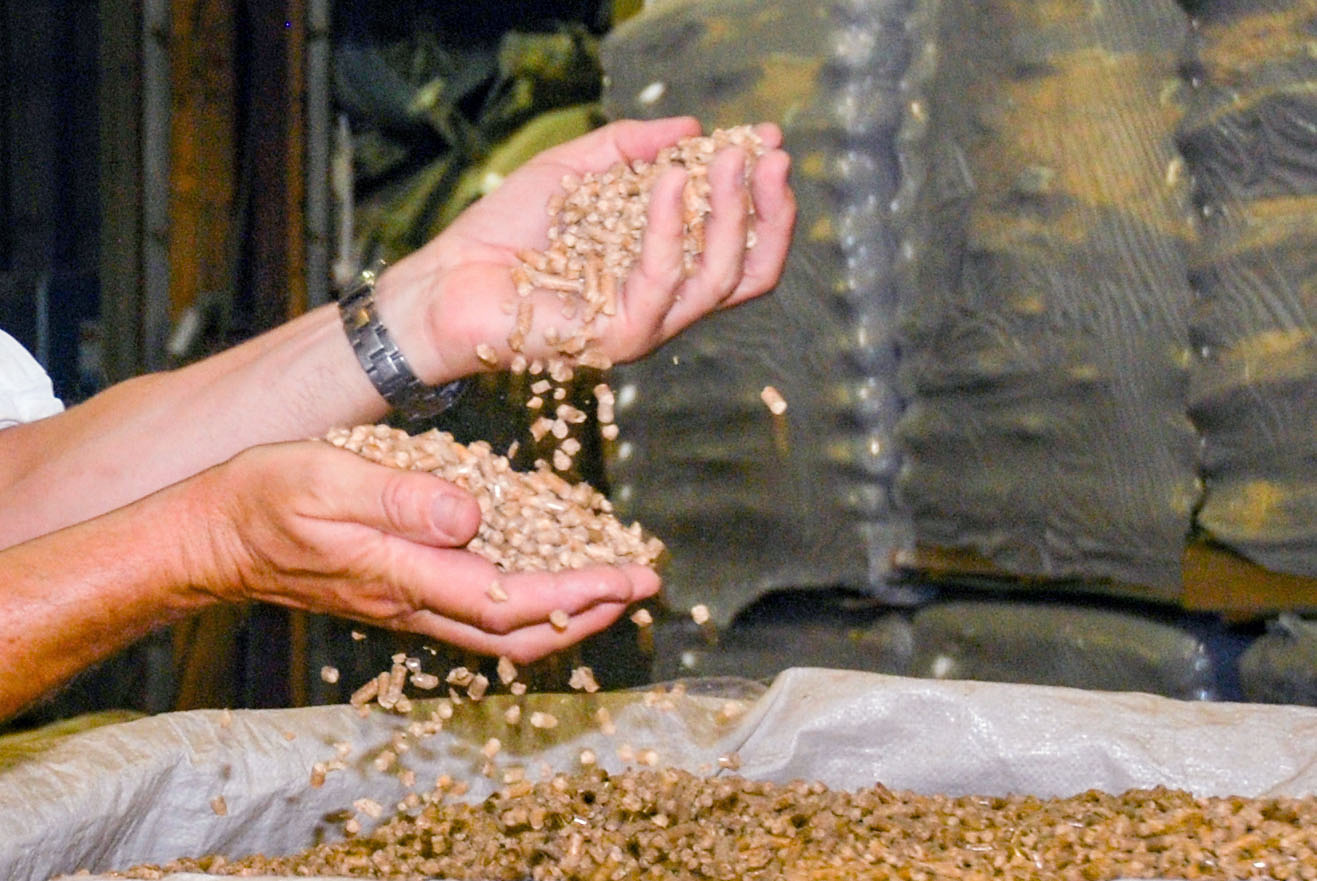 In an energy conversation dominated by buzzwords and breakthroughs, it’s easy to overlook the quiet, proven solutions that are already delivering results. Exhibit A: wood pellets. These compact cylinders aren’t flashy or trend on social media. For the uninitiated, they are carriers of renewable carbon and energy, sourced from responsibly managed forests; a real, scalable, domestic resource that delivers energy security, climate value, and rural jobs while sustaining and growing forests. Wood pellets are emerging as one of the smartest plays in America’s energy and climate portfolio. …Every year, America’s 360 million acres of privately-owned forests grow more wood than we harvest. …Responsible forest management, the kind that thins out fuel for wildfires, not only keeps forests healthy but also supplies feedstock for wood pellets. …This is climate action with a hard hat, not a hashtag. …Wood pellets are real, scalable, renewable and a true American resource.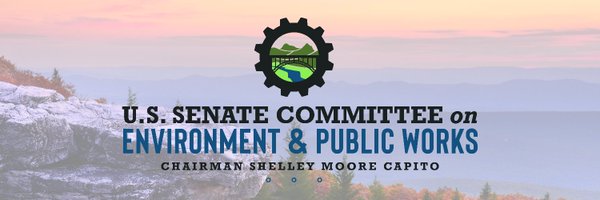
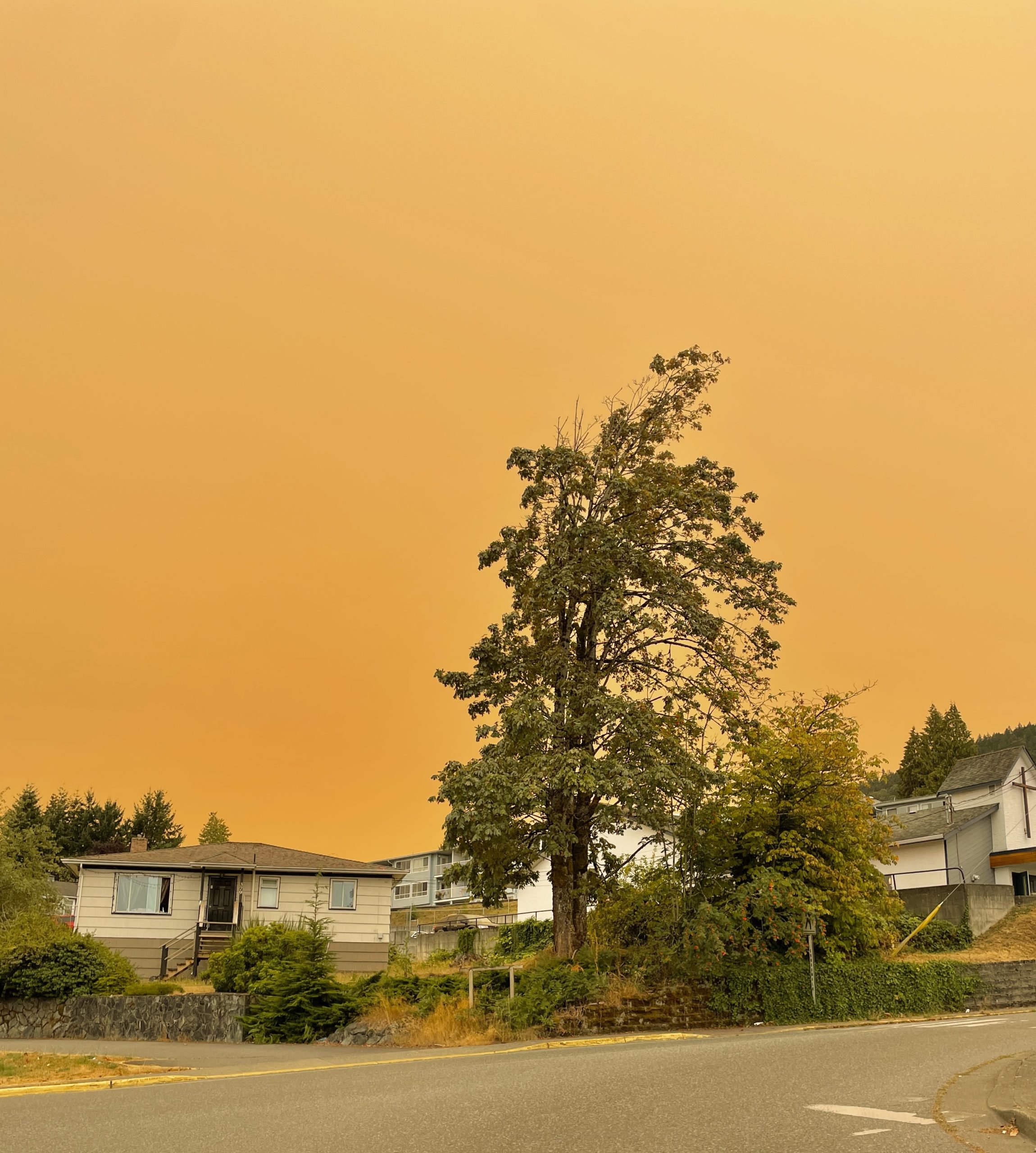 Even if you live far from the boreal forests in Canada and Siberia, you’ve likely noticed an increase in smoke from their forest fires. During major blazes in 2023, the smoke oranged the New York sky and drifted as far south as New Orleans. These blazes have surged in the last decade due to the effects of climate change — warmer summers, less snow cover in the spring, and the loss of sea ice. Experts expect that trend to continue. Yet recent climate change projection models have not accounted for the increase. For instance, the widely used sixth Coupled Model Intercomparison Project, or CMIP6, released in the late 2010s, kept these fires constant at a relatively low severity. A new University of Washington-led study projects that in the next 35 years these increasing boreal fires will actually slow warming by 12% globally and 38% in the Arctic.
 CHICAGO and OTTAWA, ON – As devastating wildfires continue to increase throughout North America, the American and Canadian Lung Associations are collaborating for a second year to raise awareness about the health risks associated with wildfire smoke, educate people on how to protect themselves, and promote strategies to mitigate the occurrence of catastrophic wildfires. …To protect residents in both countries from the harmful health impacts of wildfires, the American Lung Association and the Canadian Lung Association are once again working together, concentrating their efforts on three key areas: awareness, education and advocacy.
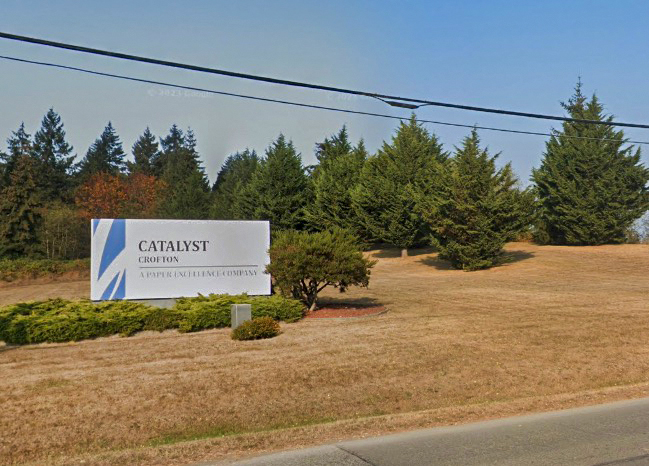 North Cowichan/Duncan RCMP are investigating the drowning of a machinery operator in an industrial incident at the Crofton pulp mill on Wednesday. Police responded about noon to the Catalyst Pulp and Paper Mill after receiving a report that a piece of heavy equipment had fallen into the ocean with its operator trapped inside. Canadian Coast Guard divers attempted a rescue, but the 30-year-old man could not be revived. RCMP spokesperson Alex Bérubé said the B.C. Coroners Service and WorkSafeBC are both investigating what led to “this tragic outcome.”
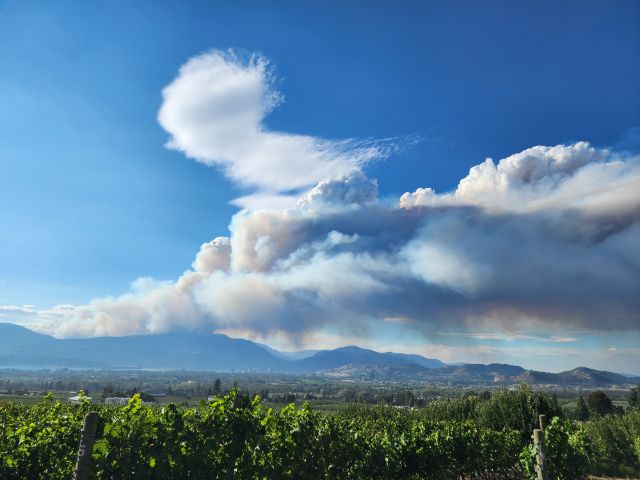 “Wildfires are happening more frequently. They’re getting bigger. They’re emitting more smoke,” Paige Fischer, a professor of environmental sustainability at the University of Michigan says. “The climate models are projecting that we’re going to have more frequent, more severe wildfires.” As of Thursday, the
  Canada’s wildfires have forced evacuations of more than 26,000 people and continue to spread with heavy smoke choking millions of Canadians and Americans and reaching as far away as Europe. Hazardous air quality alerts were issued for parts of Canada and the neighbouring United States. A water tanker air base was consumed by flames in Saskatchewan province, oil production has been disrupted in Alberta, and more communities are threatened each day. “We have some challenging days ahead of us,” said Saskatchewan Premier Scott Moe, adding that the number of evacuees could rise quickly. …Heavy smoke has engulfed part of the continent, forcing residents of four Canadian provinces and the US states of Michigan, Minnesota, Nebraska and Wisconsin to limit outdoor activities. …Elsewhere, extensive forest fires have been raging in Russia’s Far Eastern Federal District since early April, generating carbon emissions of around 35 million tons, Copernicus reported.
 Wildfires in Saskatchewan are expected to continue to grow aggressively during the next few days, fuelled by high temperatures, winds and dry conditions. And there’s no sign of relief in sight, according to the Saskatchewan Public Safety Agency. “This will drastically impact our ability to contain some of these fires and will actually cause some of these fires to grow in size over the next period of time,” Steve Roberts, SPSA vice-president of operations, said Sunday. As of Sunday afternoon, 15 fires were burning in the province, down from 17 because two fires have merged and some small fires have been contained, the SPSA said. Roberts said 20 communities are under an evacuation order as of Sunday. The latest evacuation orders have been in Sturgeon Landing and Timber Bay. Thousands of people have already been displaced from their homes in communities including Hall Lake, Pelican Narrows, Creighton, Denare Beach and Weyakwin.
 A number of special air quality statements are in effect across northwestern Ontario, as wildfire activity remains rampant throughout the region. Statements were issued early Monday morning for well over a dozen communities, including several First Nations… “Wildfire smoke is expected to move into the area early this morning and may remain in place for the next several days for some areas,” the statements say. “As smoke levels increase, health risks increase. Limit time outdoors.” Evacuations are continuing in Deer Lake First Nation and Webequie First Nation. Meanwhile, members of Wabaseemoong Independent Nations have been under an evacuation order since mid-May. Webequie First Nation first declared a state of emergency on Thursday. Chief Cornelius Wabasse said high demands for aircraft in other communities affected by wildfires delayed his community’s evacuation. “There is a shortage of planes and also other resources,” Wabasse said on Monday morning.