 Thousands are evacuated in three provinces as Canadian wildfires threaten air quality in some US states. In related news: Saskatchewan and Manitoba face their worst wildfire seasons in decades; PEI, Quebec and the USDA send resources to help; and why Canada’s wildfire crisis is happening so early this season. Meanwhile: California invests to reduce its wildfire risk; and wildfires persist in Ontario; but Nova Scotia is off to a slow start.
In Business news: Toyota secures a biofuel breakthrough; International Paper and Drax face biomass-energy opposition; Swiss Krono acquires Collins Pine in Oregon; UPM invests to upgrade its Tervasaari mill in Finland; and Russ Taylor opines on the coming increase in lumber prices. In Forestry news: a study on the role of FSC across 70 countries; brickbats for BC’s wolf kill program; Maine seeks info on its forest carbon participants; and the EU eyes non-wood forest products.
Finally, International Pulp Week kicks off in Vancouver—stay tuned for full coverage of the event.
Kelly McCloskey, Tree Frog News Editor
 International Pulp Week kicked off today at the Pan Pacific Hotel in Vancouver, BC. This annual three-day conference organized by the
  In recent years we have seen an increase in the unpredictable nature of summer weather conditions. Recently BC broke numerous heat records due to a heat dome which led to an unprecedented number of heat related illnesses and fatalities.
  People who work outdoors can often be at the highest risk for heat-related illnesses and injuries during hot summer conditions. High temperatures and sunshine can be a wonderful thing when enjoying time at the lake or on the beach but can cause serious health issues. The wide variety of job roles and often rigorous physical activity in forestry can put workers at risk for heat-related illness if not managed properly.
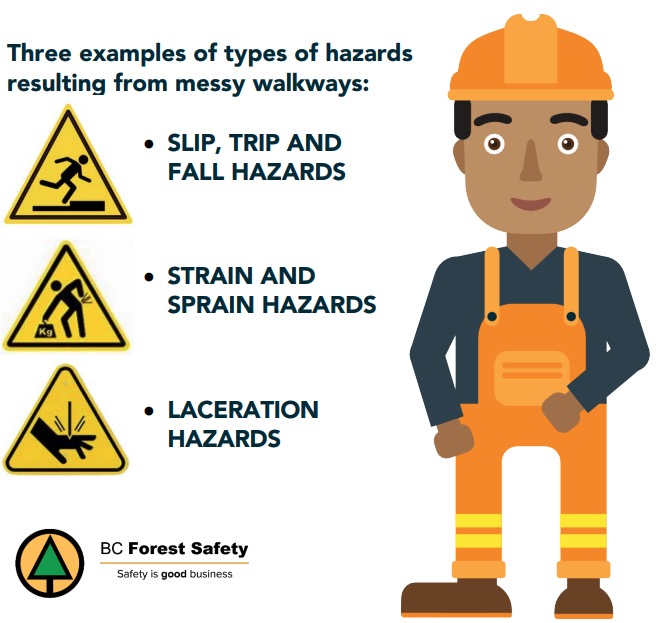 These weekly resources are simple yet powerful tools to help keep safety conversations alive and evolving in your workplace. BCFSC offers a library of hundreds of Crew Talks each designed to support short, focused safety discussions in five minutes or less. They support effective supervisor-worker engagement, helping spark meaningful conversations about current safety procedures and concerns.
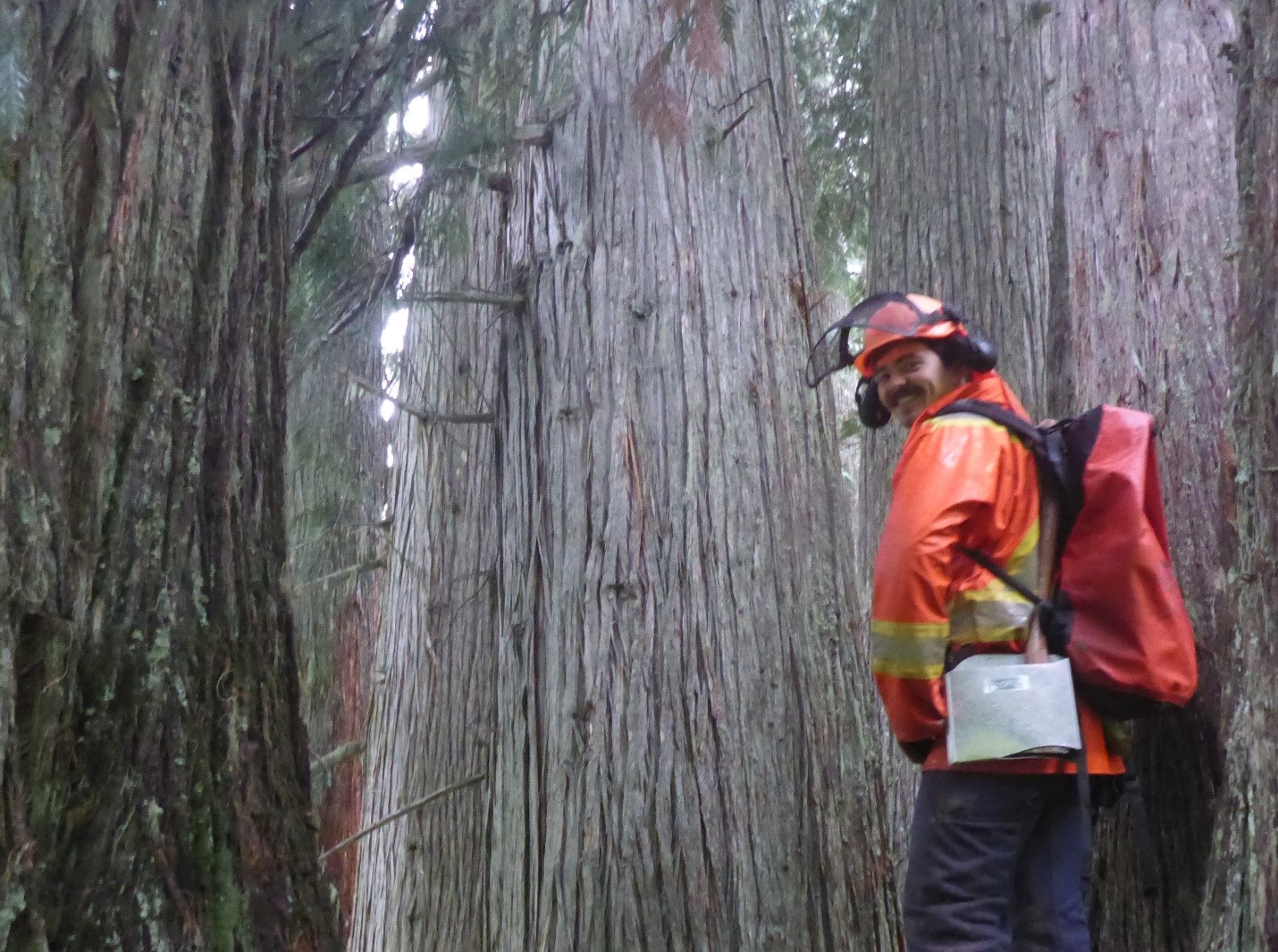 Whether working or playing, it is essential to be aware of a forest’s potential hazards and what can put you at risk, specifically as it relates to the trees. …“If a tree falls in the forest, does anyone hear?” … only if someone is near enough to hear. The same applies to the danger it may pose. If no one is near it, then even if it falls, it isn’t a danger to anyone. Spend enough time in a forest and you will witness a tree fall over on its own.





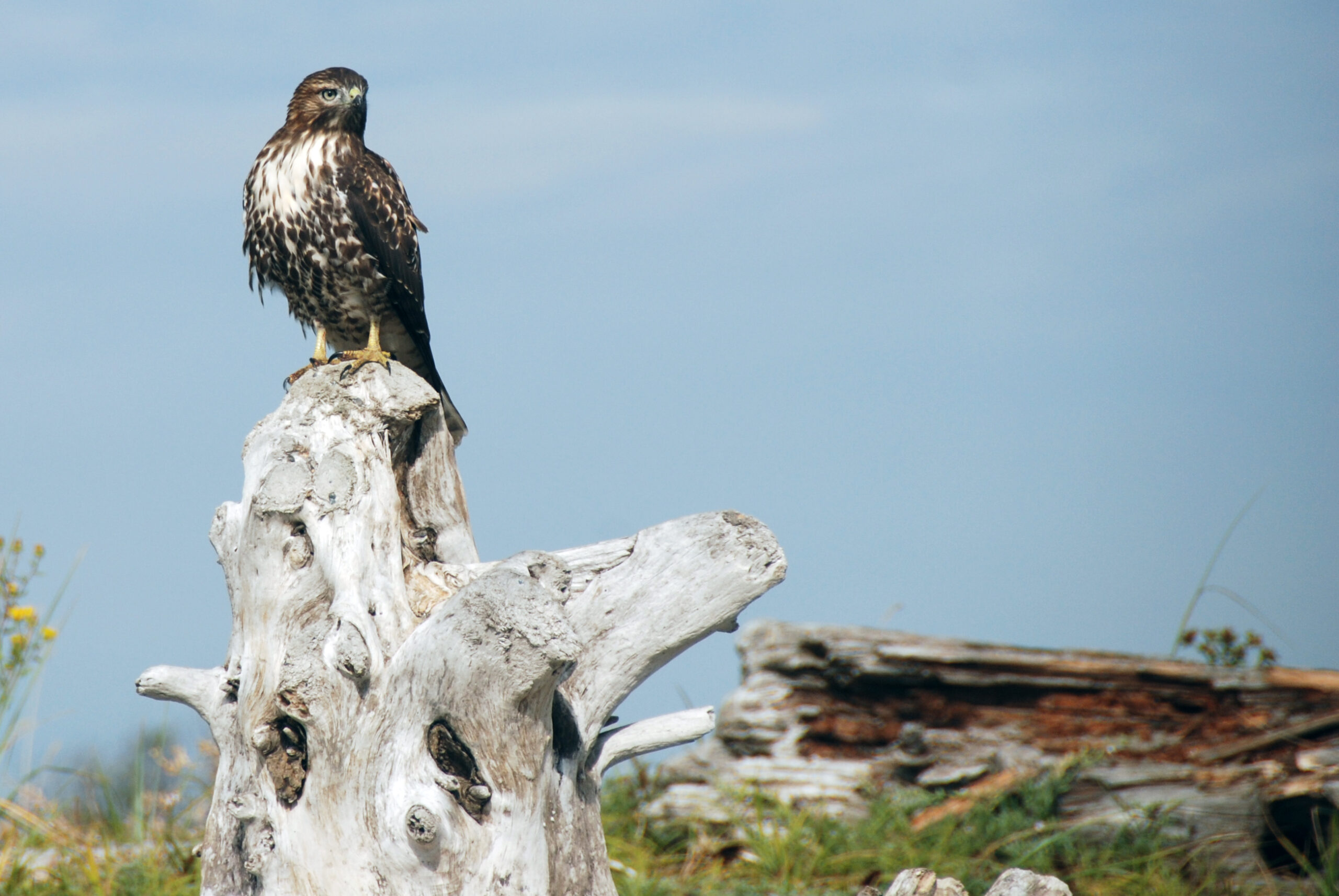
 British Columbia’s forests are home to a diverse range of wildlife species, which play a significant role in the ecology of a living forest. At the Forest Enhancement Society of BC, we recognize that responsible forest management plays a crucial role in enhancing wildlife habitat and supporting biodiversity. Because of this, one of our key purposes as an organization is to help improve wildlife habitat within B.C.’s forests. Collaborating with the Habitat Conservation Trust Foundation we have supported over 100 wildlife habitat enhancement projects restoring forest health and evaluating the habitat and wildlife response to fire… In this newsletter: Tick Safety from the BC Forest Safety Council; An interview with Thomas Sullivan, Applied Mammal Research Institute; 64 newly funded forest enhancement projects; Lower Nicola Indian Band wildfire risk reduction; and a UBC Faculty of Forestry survey explores interest in international tours.
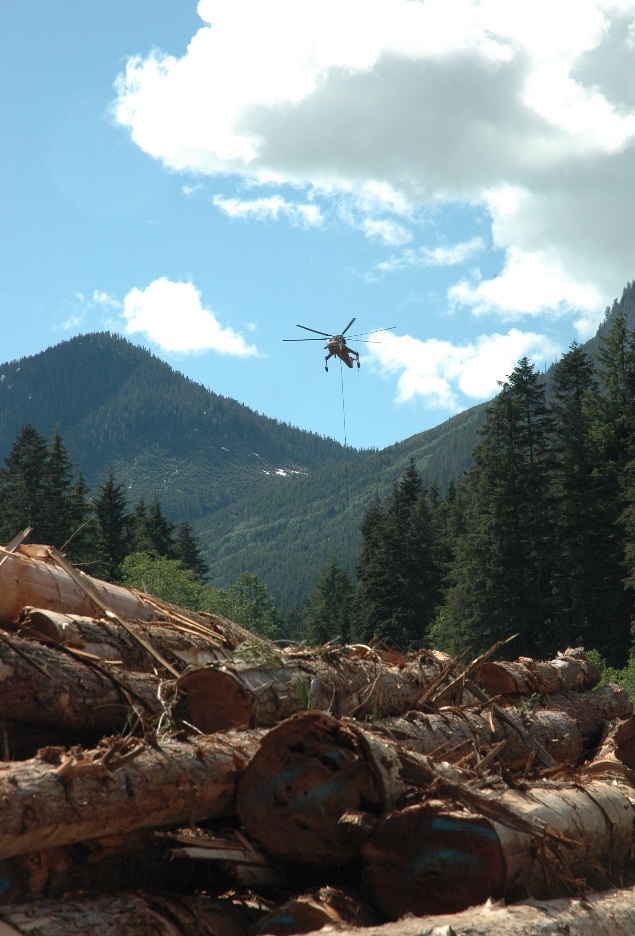 qathet Regional District’s planning committee is recommending the regional board express no objection to a Western Forest Products helicopter logging operation on Powell Lake. At the May 27 planning committee meeting, directors considered a recommendation to advise the provincial ministry of water, land and resource stewardship that the regional district has no objection to the crown land application for a licence of occupation for the purpose of industrial log handling and storage on the northern arm of the lake. Electoral Area A director and committee chair Jason Lennox said there was a detailed staff report on the application. “I’m in support of the recommendation,” said Lennox. “If you read the report, it’s a three-year activity for harvesting into the lake. You will see the different due diligence pieces in there around mitigation measures to the environment; the Powell Region Cabin Owners Association was consulted as well.


 A new
A new  Washington, D.C. – U.S. Secretary of Agriculture Brooke Rollins announced a bold $200 million investment to implement the U. S. Department of Agriculture (USDA) Forest Service’s National Active Forest Management Strategy, a key initiative to increase timber harvest, improve forest health and productivity, reduce wildfire risk, and support rural prosperity in forest communities. The strategy supports President Trump’s Executive Order: Immediate Expansion of Timber Production by streamlining burdensome regulations, leveraging emergency authorities, and expediting project approvals—ensuring faster access to critical timber resources. Increasing the use of long-term contracts to carry out these projects, the strategy envisions a more stable supply of wood products, healthier forests, and stronger rural economies. “Trump is committed to cutting red tape, rolling back burdensome regulations and unleashing the potential of America’s abundant natural resources. This is a win for … forest management which will help keep our forests safer and reduce wildfire risk,” said Secretary Rollins.
 The Clallam County Superior Court denied environmentalists’ request for an administrative stay on two local Department of Natural Resources parcels, although it granted a motion to compel information from the state agency. If the stay had been granted, it would have barred logging-related activities for 90 days on the parcels named Parched and Tree Well. The motion to compel will require the Department of Natural Resources (DNR) to file administrative records relevant to the case by June 18 — a five-month delay from the original required date of Jan. 2. The logging rights for these two forests were bought by Oregon-based Murphy Company in December. The sale to the Eugene, Ore.-based Murphy Company was approved by the Washington State Board of Natural Resources in December. The Murphy Company is a more-than-a-century-old, family-owned wood products company based in Oregon, with a veneer mill in Elma.

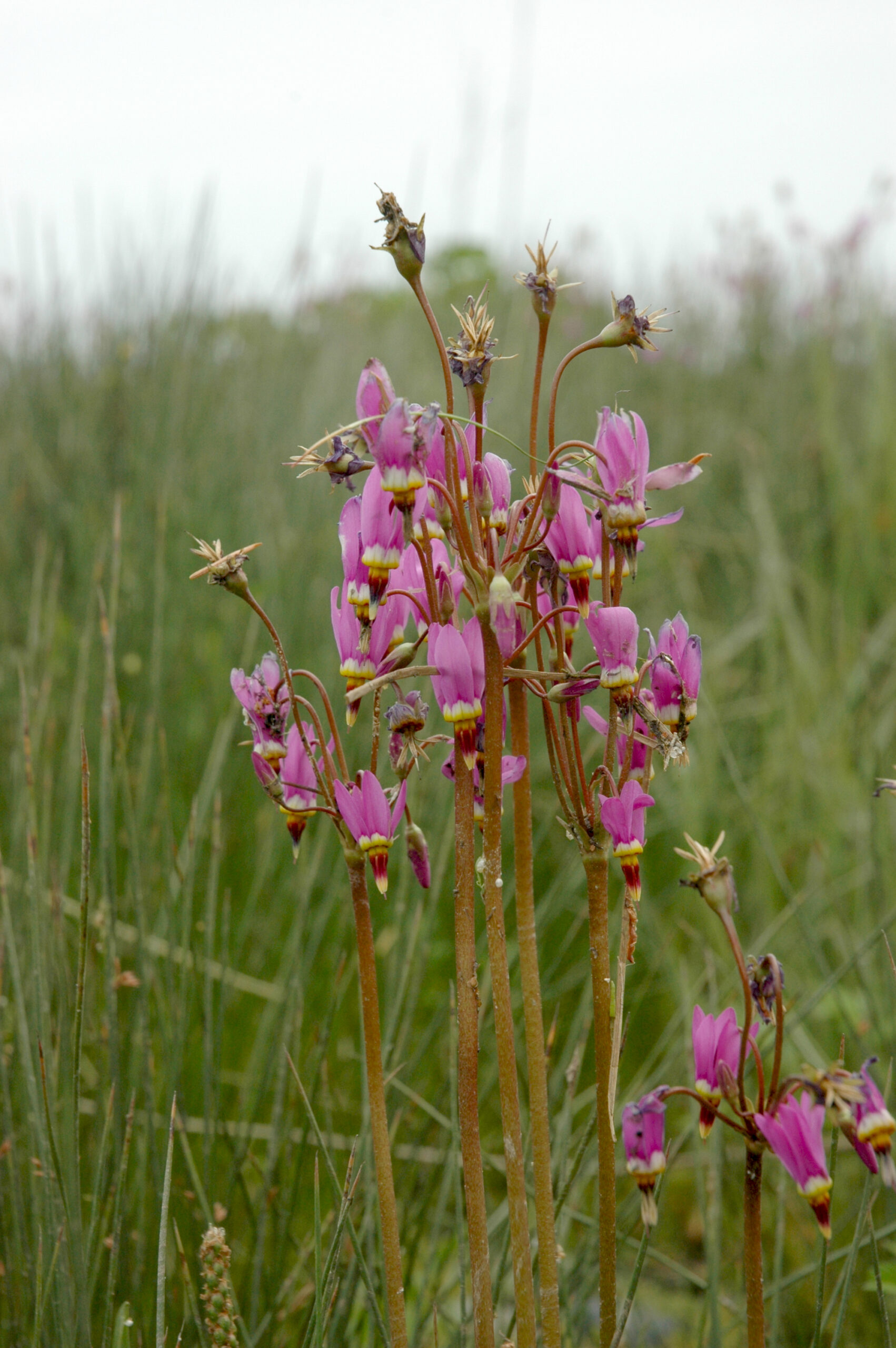 As efforts to combat deforestation intensify, attention is shifting to the sustainable use of forests. In Europe, non-wood forest products (NWFPs) are emerging as valuable, biodiversity-friendly alternatives. …In response, the EU has adopted a deforestation-free regulation, requiring companies to ensure products entering the European market are not linked to deforestation or forest degradation, while also respecting human rights and indigenous land. In FAO’s assessment of the state of the world’s forests in 2024, wood-based goods have historically dominated forest product production and trade, serving as the primary source of income and employment in forestry. …Amid growing awareness of forests’ broader ecological and economic roles, attention is shifting towards NWFPs, which are increasingly seen as sustainable and profitable alternatives. Although still secondary in trade value, NWFPS (medicinal plants, fruits, and resins) are gaining relevance as societies seek more diverse and ecologically responsible uses of forest resources.

 Of the two dozen people who showed up for a meeting to talk about a proposed biomass energy plant in Georgetown, five were from conservation groups. Another five were reporters.
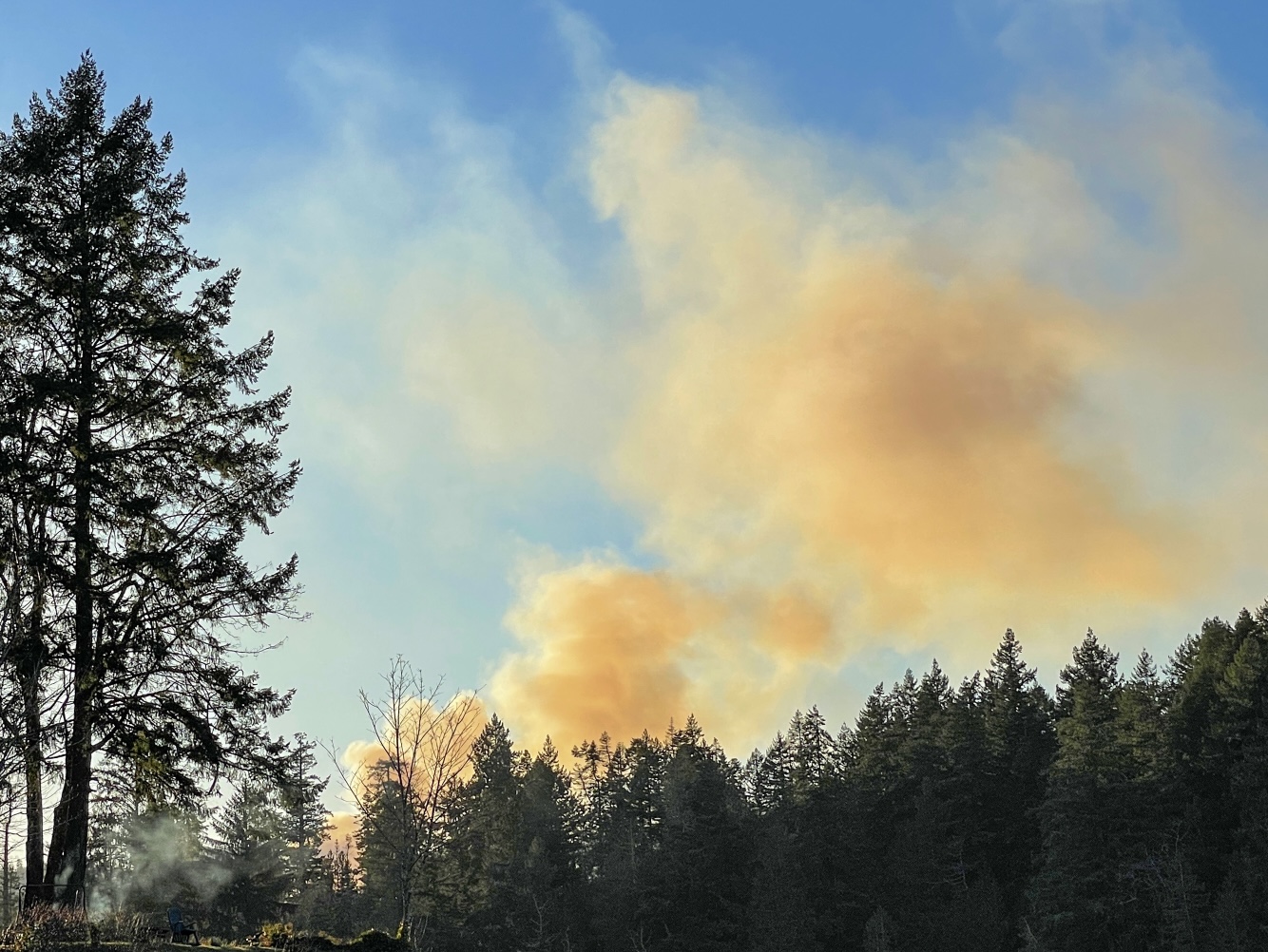
 Smoke from Canadian wildfires continues to blanket parts of the Midwest and Great Plains, leading to air quality alerts across several states. More than 90 fires scattered across Canada are burning out of control, according to the Canadian Interagency Forest Fire Centre, a nonprofit that supports the government’s wildfire response. Active fires in the central Canadian province of Manitoba have forced roughly 17,000 people to evacuate. Winds high in the atmosphere pushed that smoke into the Upper Midwest on Friday, and the plumes continued to travel southeast over the weekend, reaching as far as the Georgia-Florida border. Some U.S. states may experience poor air quality through Monday, meaning sensitive groups such as pregnant people, newborns, older adults or those with respiratory or heart problems should limit their time outdoors. People in the affected areas may notice a campfire smell and hazy skies, as well as colorful sunrises and sunsets.
 Saskatoon & Winnipeg — In response to the devastating wildfires threatening communities in central Canada. Dr. Murray Opdahl, a family physician and co-chair of CAPE Saskatchewan said, “It’s a dark day in … with so many of our communities at risk from these devastating wildfires. Wildfires and wildfire smoke pose immediate safety risks, and can have long-lasting impacts on people’s health and mental health. Our communities need immediate support during this crisis. We also need bold action to stop these wildfires from continuing to get worse each year. The science is clear: these increasingly severe wildfires are directly linked to climate change driven by fossil fuel emissions. What we’re witnessing isn’t natural; it’s the result of human activity warming our planet. I’m calling on all governments to take immediate action to protect people on the frontlines of this crisis—and to declare their commitment to accelerate the transition from fossil fuels to safer alternatives.”
 WASHINGTON D.C. — The U.S. Department of Agriculture (USDA) Forest Service has sent resources to Canada as wildfires spread across multiple parts of the country. On May 29, the Canadian Interagency Forest Fire Center raised its wildfire preparedness level as Saskatchewan, Manitoba, Ontario, and Alberta, Canada, have seen very high wildfire activity. “We are here to help our neighbors during their time of need, and our Forest Service Wildland Firefighters are the best in the business,” said Brooke L. Rollins, the U.S. Secretary of Agriculture.
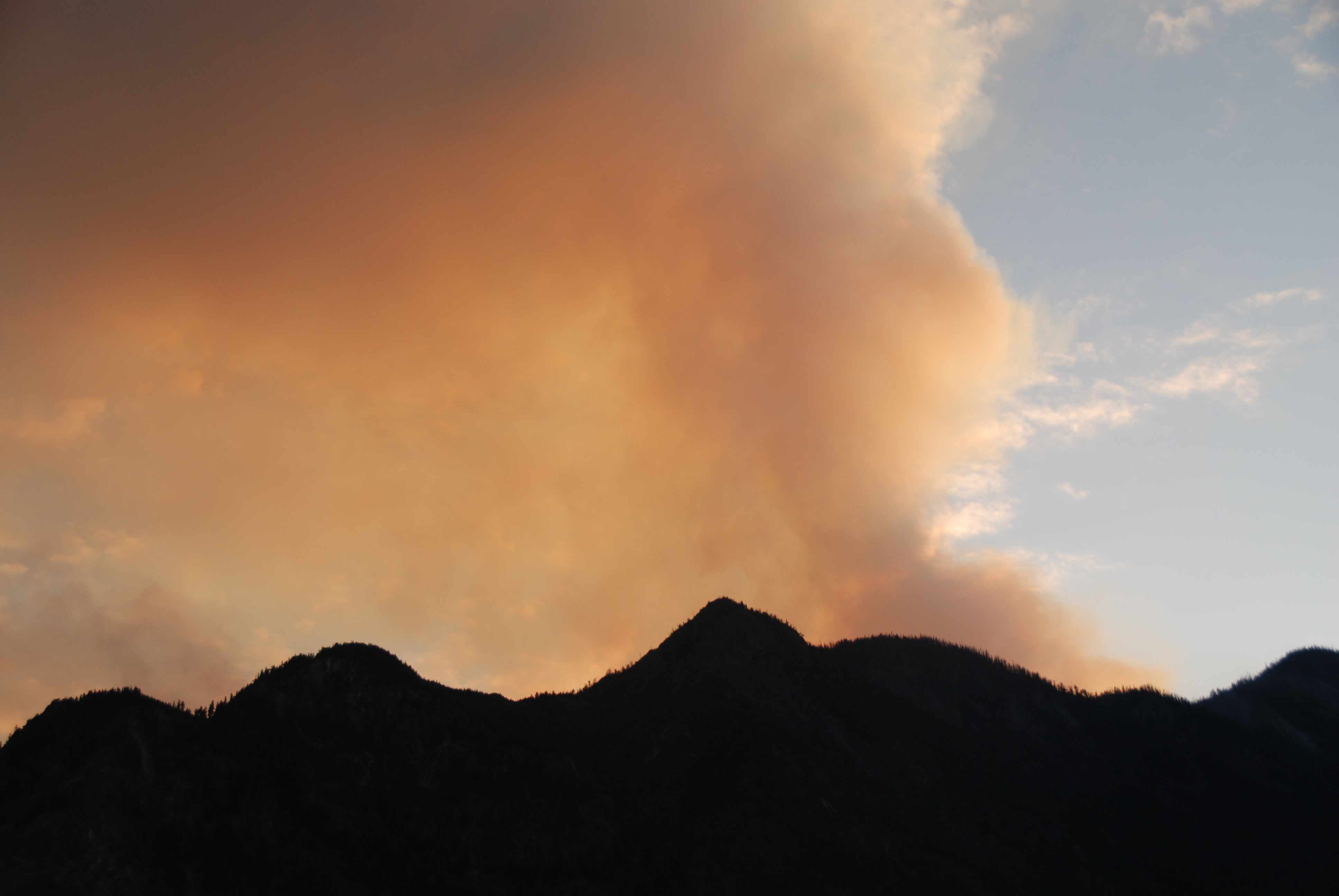 Fire crews in northern Manitoba have so far been able to contain an encroaching wildfire that forced thousands from their homes, while more residents in Saskatchewan have been told to leave due to a fast-moving blaze. The Saskatchewan government issued an evacuation alert Sunday morning for the dozens of residents that live in the hamlet of Timber Bay. Residents were told to leave the community on their own and head south to a hotel in Regina, about 484 kilometres away, to receive further support. …Approximately 80 people from Timber Bay are the latest to be forced from their homes. In Manitoba, some 17,000 Manitobans have had to leave their homes due to fires. Officials in Flin Flon, Man., where a nearby out-of-control wildfire crews have been trying to keep a nearby blaze at bay, said the fire burning near the mining city has been contained to outside its perimeter highway…


 Emergency crews are dealing with a fire in the woods east of Churchill Falls — an area of central Labrador currently under an extreme fire risk warning. The provincial government confirmed the fire is moving east, away from the town. It said crews and two water bombers were deployed. The Royal Newfoundland Constabulary closed part of the Trans-Labrador Highway between the company town and Happy Valley-Goose Bay, 300 kilometres east along the isolated road, for a stint Wednesday night. It has since reopened. N.L. Hydro said helicopters fought the fire from the air. The fire knocked out the power in Labrador City and Wabush for nearly three hours. N.L. Hydro restored electricity to all customers shortly after 9 p.m.