 Wildfires push tropical forest destruction to 20-year high in 2024, just as EU delays anti-deforestation rules. In related news: the long shadow of of last summer’s Jasper wildfire; the downside of merging the US wildland firefighting agencies; and the wildfire evacuation order in Northwest Ontario is lifted. Meanwhile: BC Timber Sales pauses logging in caribou habitat; and Indigenous groups send eviction notice to Quebec forest companies.
In Business news: Domtar nears decision on converting Quebec mill to containerboard; the US budget bill may cut funds for private forest owners; US single-family home size trends higher; the outlook for US housing and duties keep lumber prices volatile; and the Canadian Institute of Forestry’s Executive Director Mark Pearson is retiring.
Finally, both Swinerton and Mercer celebrate mass timber building completion milestones.
Kelly McCloskey, Tree Frog News Editor
 Based on last year’s success, the BC Forest Safety Council (BCFSC) is once again partnering with Tree Frog Forestry News to host Forest Safety Awareness Week, May 26 – 30. Each day will feature a series of articles highlighting safety in forestry with a focus on the importance of forest safety practices across the province and across Canada brought to you by Tree Frog News, BCFSC, and Tree Frog News sponsors.
 Culturally significant land in the Cowichan Valley has been returned to Lyackson First Nation and Cowichan Tribes communities, a reconciliation landmark between the Nations and B.C. The lands that are now in possession of the Nations are near an existing Cowichan Tribes Indian Reserve known as Skutz Falls IR8 and adds to an area that has historically been used by the Nations for gathering, harvesting and other activities of cultural importance for their communities. “The acquisition of this parcel of land could not have been made possible without the commitment of British Columbia, our kinship ties with Cowichan Tribes and willing seller Mosaic,” said Hereditary Chief Laxele’wuts’aat Chief Shana Thomas of Lyackson First Nation.
  VANCOUVER, BC – West Fraser Timber Co. Ltd. released its 2024 Sustainability Report, Building Together: People and Partnerships. The report highlights the Company’s sustainability performance across a variety of environmental, social, and governance goals and disclosed targets. “Since our founding 70 years ago, West Fraser has recognized our responsibility to the environment and society while delivering solid financial performance,” said
 As Oregon lawmakers frantically search for money to fund roads and wildfire prevention, they have landed on a surprising idea: Dredging up a fight over cap-and-trade that once dominated legislative attention. Recently, there’s been increasing momentum to adopt a cap-and-trade system, where polluters purchase credits for their greenhouse gas emissions, and trade them with other emitters to ensure they are meeting a declining state emissions cap. That push has been led, according sources, by Sen. Bruce Starr, R-Dundee. But it appears to have gained traction as other proposals to raise money for road and bridge maintenance and firefighting face an uncertain fate. Washington and California have cap-and-trade programs, and early talks in Oregon have involved adopting a law similar to Washington’s… Funds generated from gas and diesel suppliers could pay for road projects … wildfires, climate nonprofits, and transit or pedestrian uses.
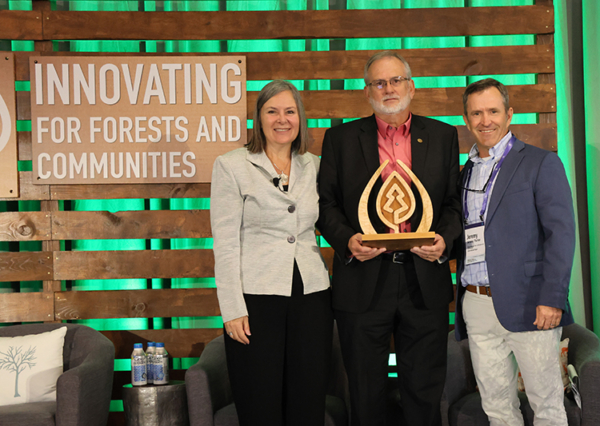
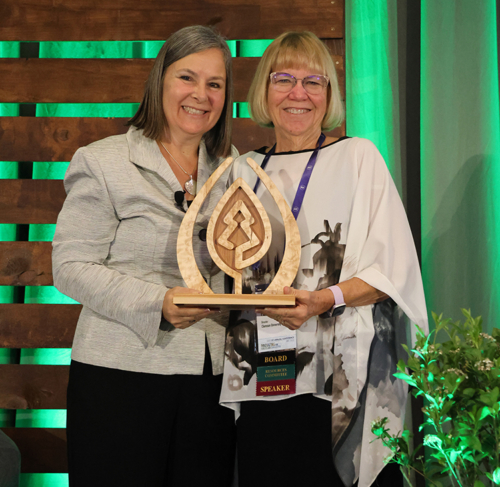
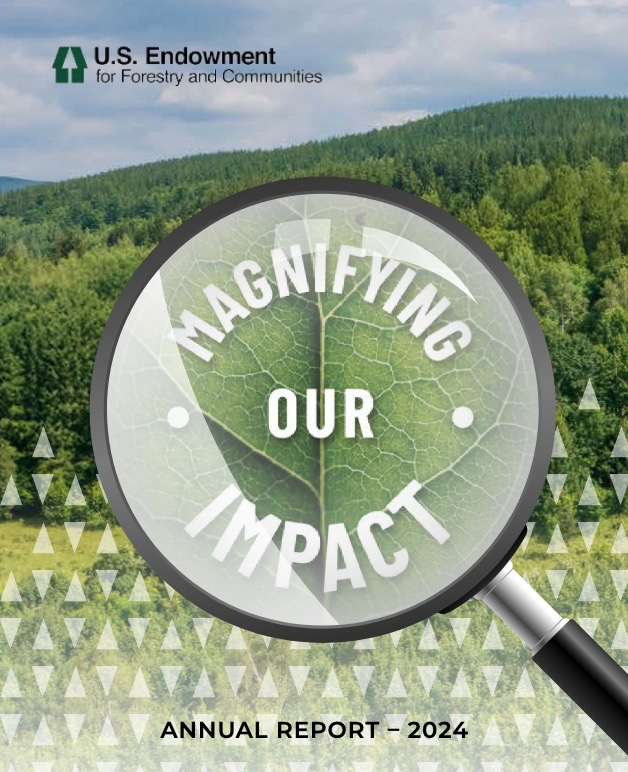 GREENVILLE , SC — The U.S. Endowment for Forestry and Communities released its 2024 Annual Report. The report highlights a year of expanded reach with $29.1 million awarded across 109 projects in 30 states and Washington, D.C., through innovative programs that strengthen the links between healthy forests, resilient communities and sustainable markets. The report details the Endowment’s sharpened focus on transformative initiatives, including the launch of an impact investing program, advancements in forest carbon transparency and streamlined market access for domestic wood fibers. “2024 was a pivotal year where we not only supported critical projects but also invested in scalable, sustainable solutions,” said Pete Madden, president and CEO of the Endowment. “By magnifying the connections between working forests, strong markets and vibrant communities, we are helping to drive systemic change across the forestry sector.”







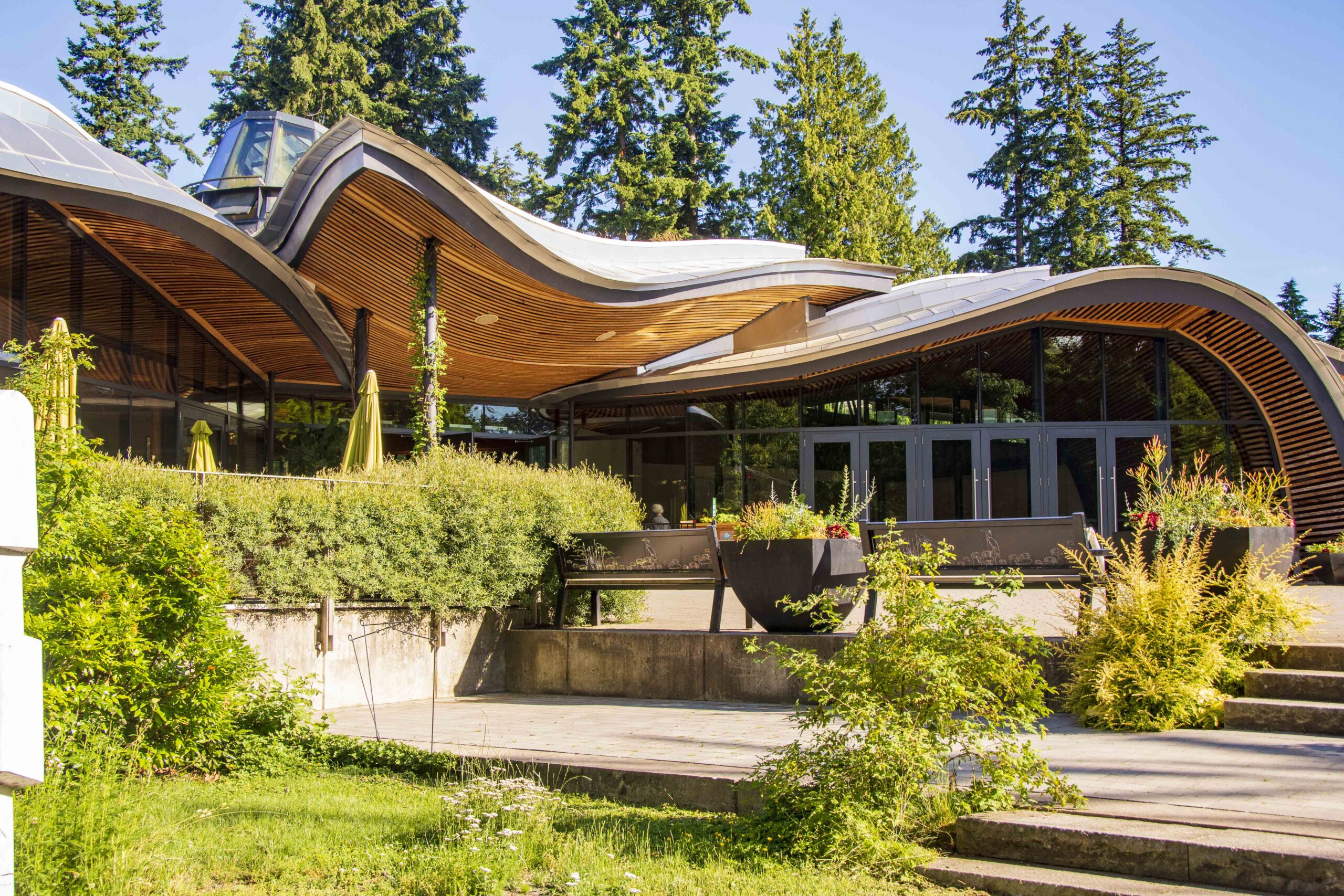 As the popularity of wood-based materials in building construction increases, facade-based applications are becoming more desirable and prevalent. Wood’s susceptibility to decay is a familiar phenomenon, and many established preservation methods exist. However, most wood treatments for external use are problematic from human health and environmental perspectives. Conventional preservation chemicals …contain known hazards. …For these reasons, scientists and manufacturers have been developing alternative techniques that are biocompatible and ecologically friendly, aiming to preserve wood effectively without the drawbacks of harmful chemicals. An established example is acetylation, a process that chemically alters wood to make it water resistant without toxic substances. …A Florida Atlantic University research team has developed a method to elevate the mechanical performance of hardwood as well. The technique strengthens the cell walls of trees by introducing an iron compound into their vascular systems. …Other investigations seek to prevent decay before it begins.
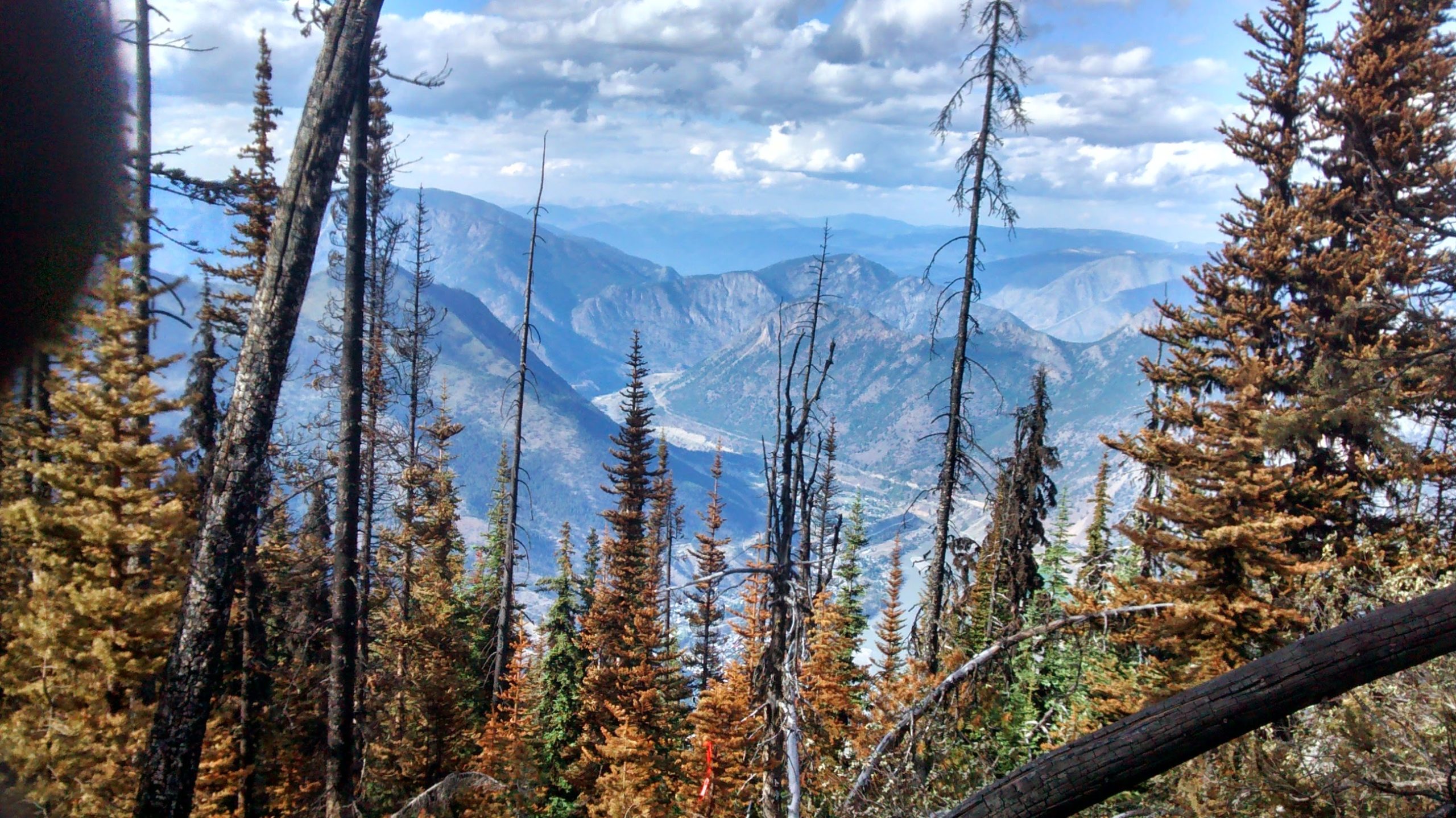 The southernmost herd of endangered woodland caribou in Manitoba might not be able to recover from wildfire-caused habitat and population losses, experts say. Fire burn patterns and maps suggest a fire that has ravaged more than 100,000 hectares in and west of Nopiming Provincial Park in eastern Manitoba has destroyed a substantial part of the habitat of the Owl-Flintstone caribou herd. Boreal woodland caribou are classified as threatened under the Manitoba Endangered Species Act. There are an estimated 1,500 to 3,000 in the province. Daniel Dupont, a professor at St. Boniface University, is worried that last week’s inferno will weaken the woodland caribou population in several ways. “The caribou have just lost the habitat where their females give birth from mid-May to June,” Dupont said. …The Nopiming area is home to between 40 and 60 woodland caribou, he said.
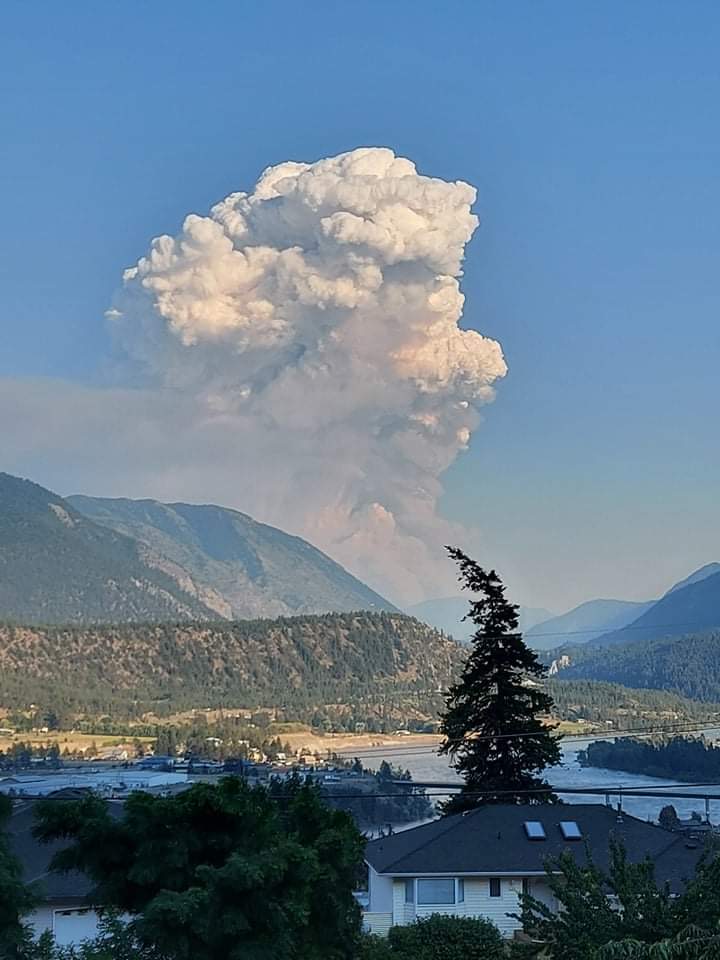 With drought and tinder dry conditions hitting many parts of the province, a number of municipal mayors are raising concerns about yet another potentially record-breaking wildfire season in B.C. Clearwater Mayor Merlin Blackwell, who has seen flames dance around his community for years, says current temperatures are well above normal. “We are in drought conditions up here. We are expecting an above normal, higher risk wildfire season for sure,” he said. …Mayor Barbara Roden has lived in Ashcroft for 28 years. She says, given the fire seasons in the last several years, fear now hangs over residents. …she says the increasingly extreme heat facing this province year after year is also becoming an equally serious concern. A sentiment understood and echoed by Lytton Mayor Denise O’Connor. She moved back to her family home not that long ago after the village was leveled by a massive wildfire during the 2021 heat dome.

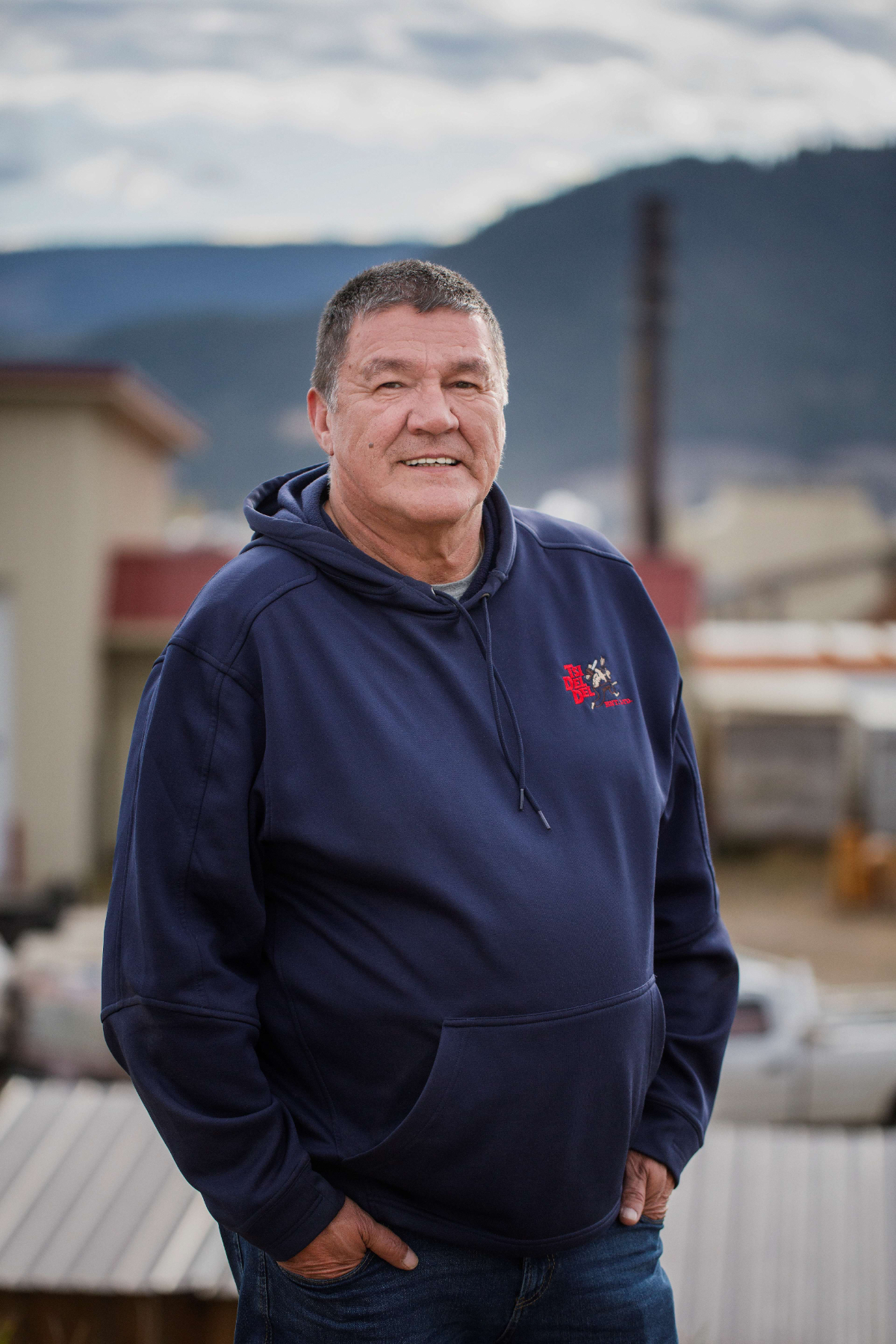

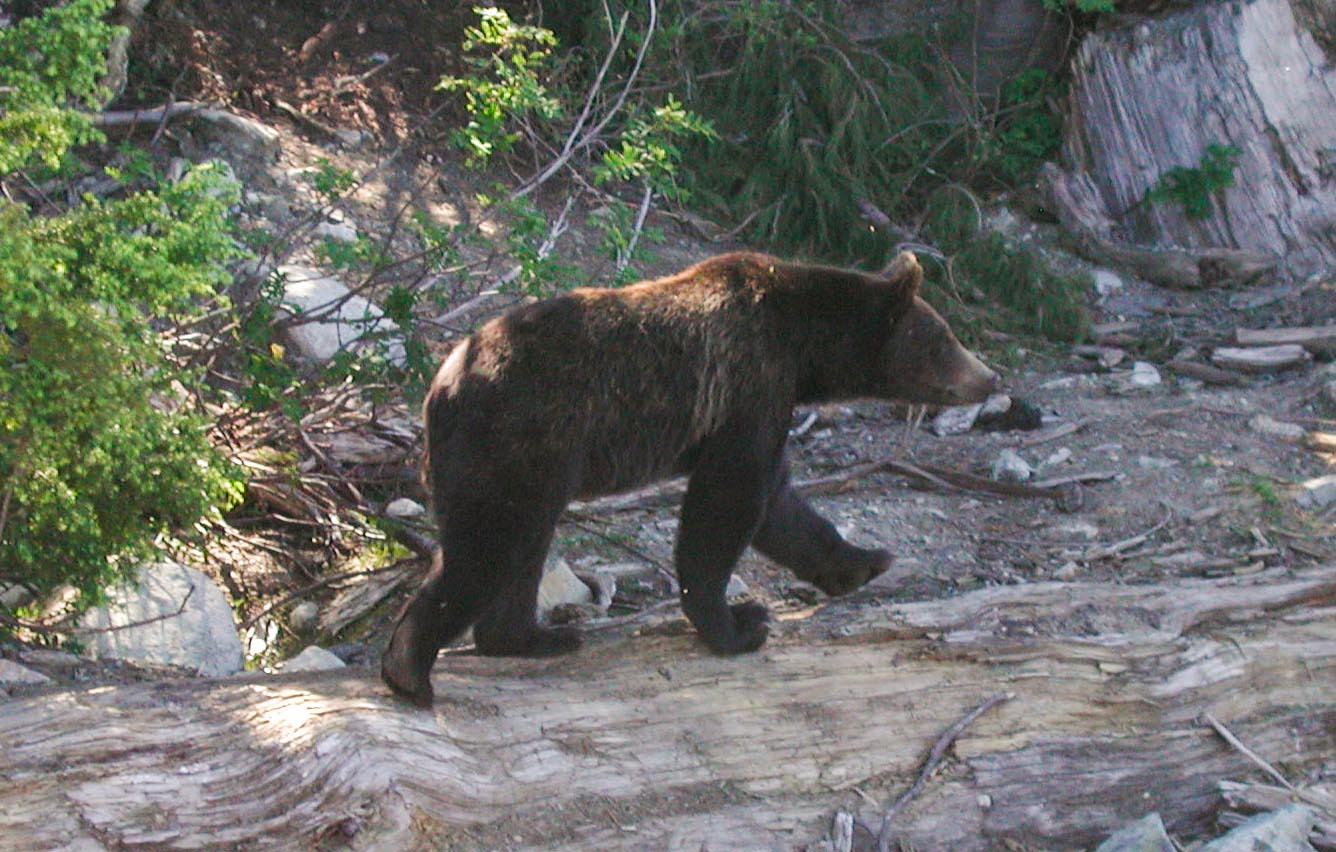 They’re common subjects of news stories and interaction with humans and urban areas. But how common is the black bear in B.C.? Wildlife advocates say the answer is far from clear, and better data is required to help and understand the species, many of whom are destroyed as a result of becoming habituated to human food. “I want some more pressure on the government to address this big knowledge gap that we just don’t know how many we have,” said registered professional biologist Helen Davis with Artemis Wildlife Consultants. “We don’t know if we’re hunting too many, if we’re killing too many through conflict.” …Biologists like Davis, who, along with First Nations, want bear dens in old-growth forests protected with provincewide legislation, say there could be a misconception that a key species with ecological and cultural value is plentiful when the data to support that is outdated or even dubious.
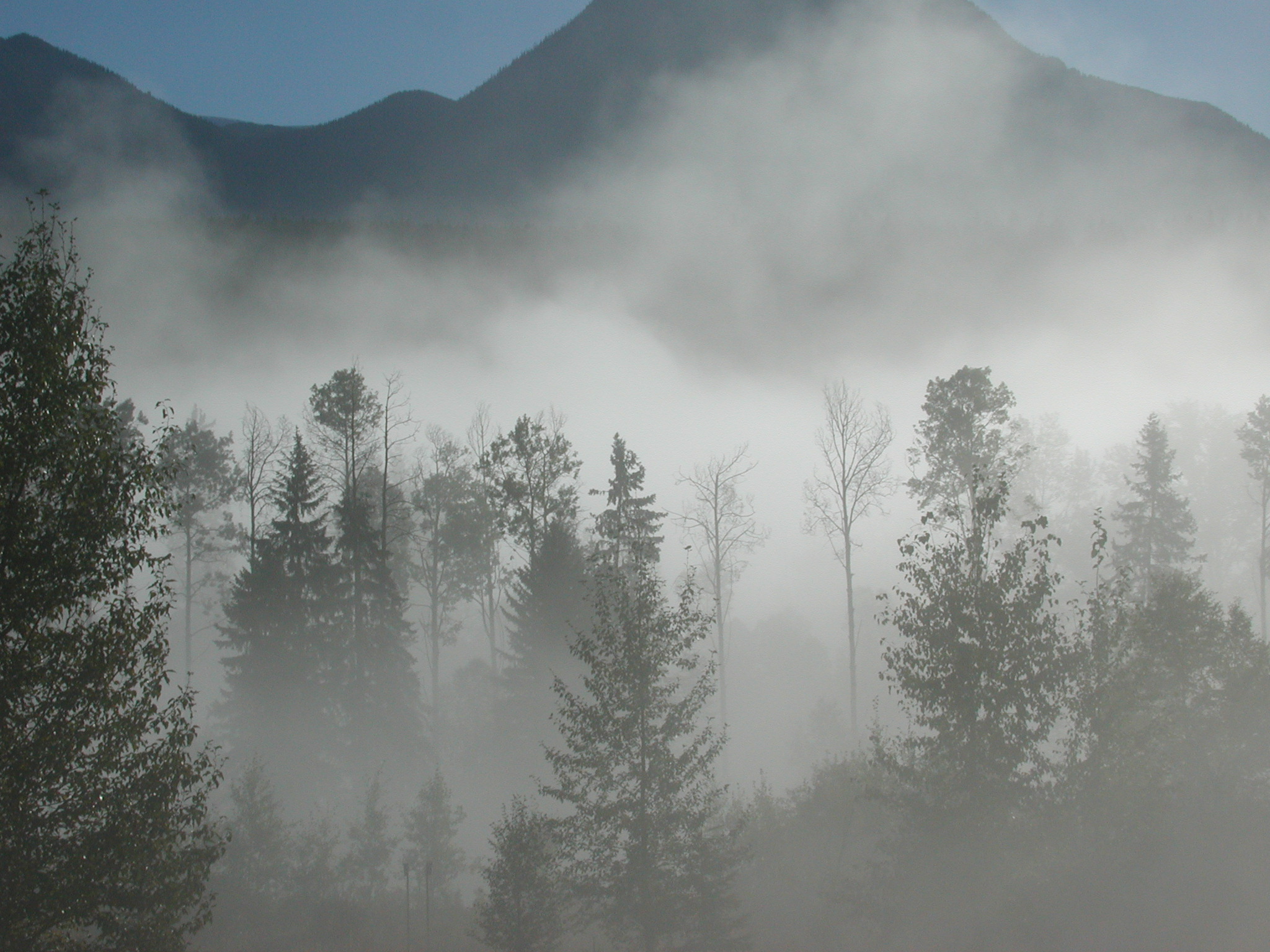 By executive order, President Donald Trump reinstated the Tongass National Forest Roadless Rule exemption, reversing action taken by President Joe Biden in January 2023. For Alaska-based environmental organizations, that means redeploying propaganda about how much of the old-growth forest in the Tongass could be subjected to large-scale logging. And they often get help from journalists and opinion writers who don’t do their homework. …In a joint press release responding to the Biden administration’s plan to consider restoring the Roadless Rule …Rep. Don Young accurately described that “only 9 percent of the Tongass is available for any kind of development.” …Environmentalists have a choice. They acknowledge these facts and stop challenging the Roadless Rule exemption for the Tongass. Or they can continue undermining their credibility by peddling the kind of disinformation that’s making our political discourse so toxic.
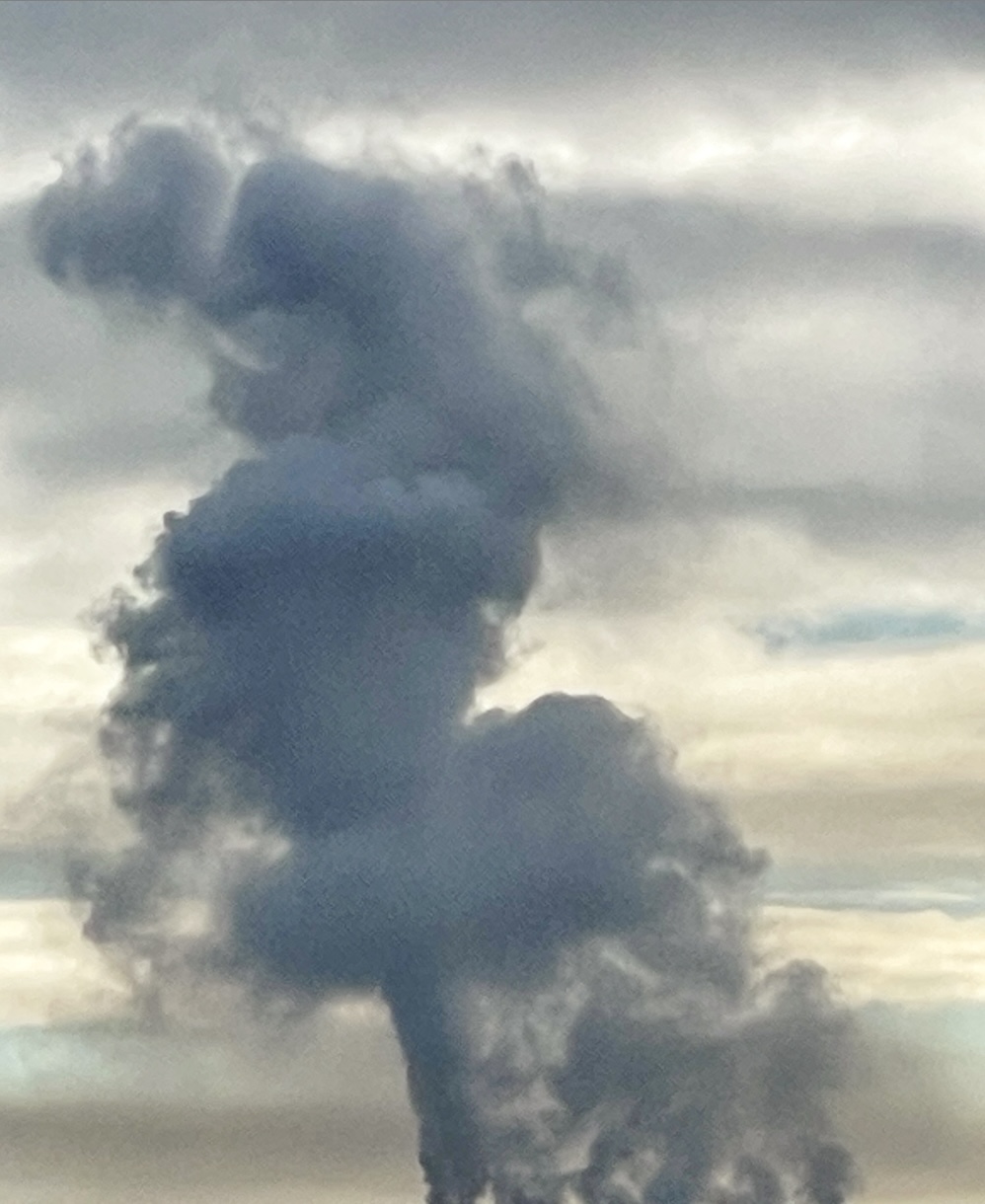
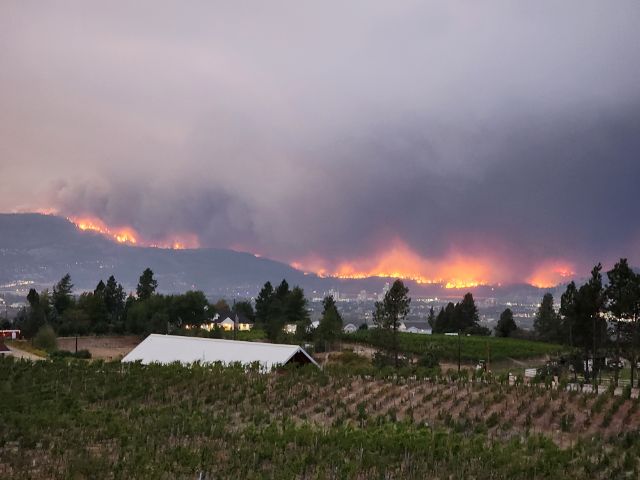 BRUSSELS — Tropical forest loss rocketed to a 20-year high in 2024 as climate change-fueled wildfires tore through some of the planet’s most important natural carbon sinks. Close to 7 million hectares of primary tropical forests were destroyed last year, with nearly half of that due to fire,
 In this edition of the WorkSafeBC Health and Safety News you’ll find:
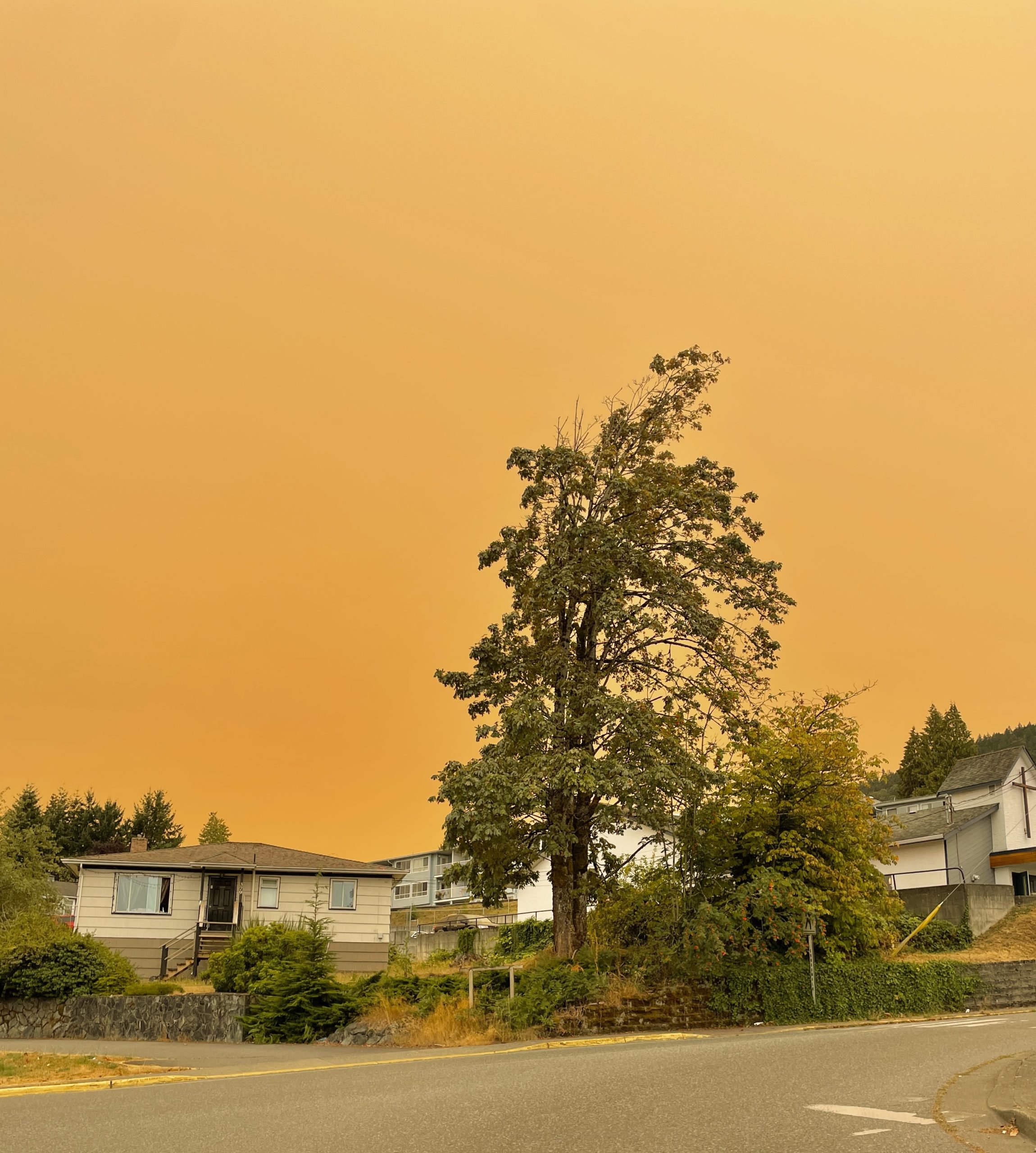 A drop in temperatures and some precipitation has reduced the fire hazard in the region, prompting an evacuation alert in the Northwest to be lifted. On Sunday, the Ministry of Natural Resources and Forestry (MNRF) lifted an evacuation alert issued last week for the Fort Frances District. The alert was implemented due to a 3,500-hectare fire burning south of Atikokan. There has been no growth observed in that fire for several days and precipitation and cooler weather has reduced fire behaviour. An evacuation order remains in effect for an area northwest of Kenora near the Ontario and Manitoba border due to the wildfire designated Kenora 20. It is a 400-square-kilometre fire burning south of Wabaseemoong First Nation that is not considered under control. The community of Wabaseemoong First Nation was evacuated late last week and structural protection efforts remain ongoing.