 California plans to extend its cap-and-trade program despite Trump’s order opposing climate initiatives. In related news: ground proofing forest carbon protocol assessments; Georgia launches carbon registry for mass timber projects; and Toronto’s prefab timber buildings could save carbon emissions. In Forestry news: weather conditions are expected to fuel Alberta’s wildfires; anxiety in Banff ahead of wildfire season; and Whistler, BC confronts wildfire with bold new plans.
In Business news: International Paper closes two paper plants in Texas; Richelieu Hardware consolidates its Canadian operations; industry groups question BC’s new forestry council; a UBC professor says Trump risks another great depression; Canada’s inflation rate drops to 1.7%; US consumer sentiment inches down; and Moody’s downgrades US credit rating for the first time ever.
Finally, the National Fire Protection Association releases new standard for combustible dust.
Kelly McCloskey, Tree Frog News Editor
 BC launched a

 For 82 years, the TLA’s long history of supporting the forward movement of BC’s forest sector with the core objective of ensuring the ongoing prosperity of the contracting community and the people working in it, has been to the overall benefit of our forests. BC’s forest sector is wrestling with difficult and challenging conditions caused by many factors including changes in government policies, increasing complexity, conflicting mandates, and ever-increasing cost structures. We are overdue for a comprehensive overhaul of the current environment we deal with and the need to return to a dedicated vision towards renewed prosperity. However, today’s announcement of the new Provincial Forest Advisory Council (PFAC), yet another committee to review BC’s forest sector and provide recommendations to the Minister of Forests, is of concern. Notably, the advisory council does not include representation from boots-on-the-ground, independent contractors who can provide a valuable perspective on the impacts of potential changes.


 ROSEBURG, Ore. —
  Georgia-Pacific has announced it will permanently close its Cedar Springs containerboard mill in Georgia later this year, impacting approximately 535 employees. The company informed workers on May 14 that most positions at the site will be eliminated by August 1, 2025, with all roles eventually affected. While production will continue temporarily to meet existing customer commitments, the mill’s operations are set to wind down in the coming months. Georgia-Pacific cited multiple factors behind the decision, emphasizing that the mill could no longer competitively serve its customers in the long term. The company stressed that the closure is not a reflection of the employees’ performance. “Our focus now is to operate safely and support our employees through this transition,” the company stated, pledging to treat all affected workers with “dignity and respect.”


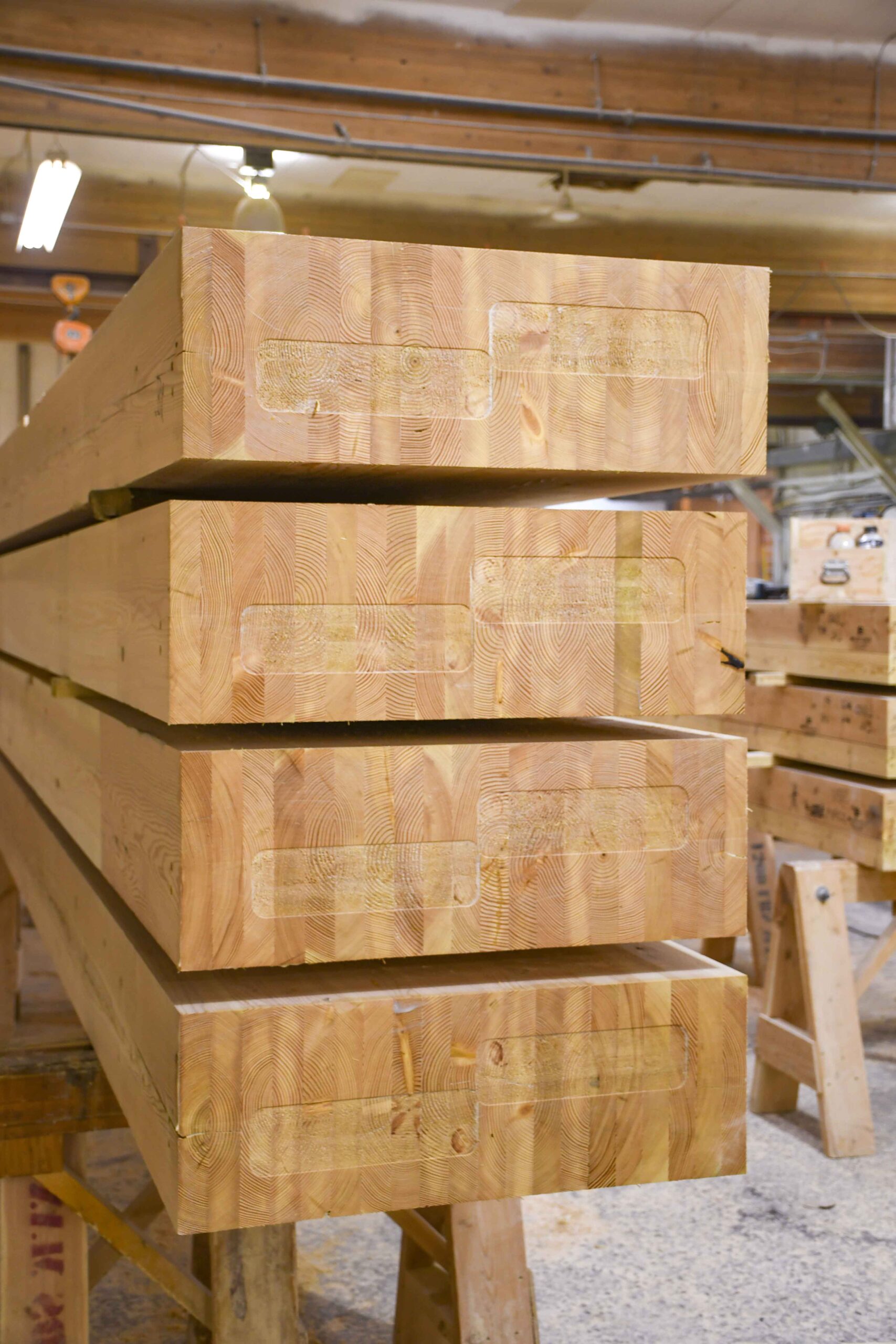 We are taking a look at developments throughout the Kootenay region. All of these developments are in the planning, permitting stage or development is underway. …Castlegar: Kalesnikoff Mass Timber Project Completion In Sight — Completion is in sight for one of West Kootenay’s biggest projects. Last year the BC government’s Manufacturing Jobs Fund (BCMJF) contributed some $6.7 million to assist Kalesnikoff Mass Timber Inc. to expand by establishing a new prefabricated mass-timber and cross-laminated timber modularized building facility, and purchasing new machinery to drive production of building components that will be used for rapid housing construction. The $34 million Mass Timber facility will create 90 jobs… This is the third Kalesnikoff operation in the region. Nelson: Spearhead Timberworks Set to Expand – Spearhead Timberworks, recently received a $7.5-million grant from the B.C government to expand its North Shore facility. The new facility will allow it to upgrade and increase production of its own custom glue-laminated timber.

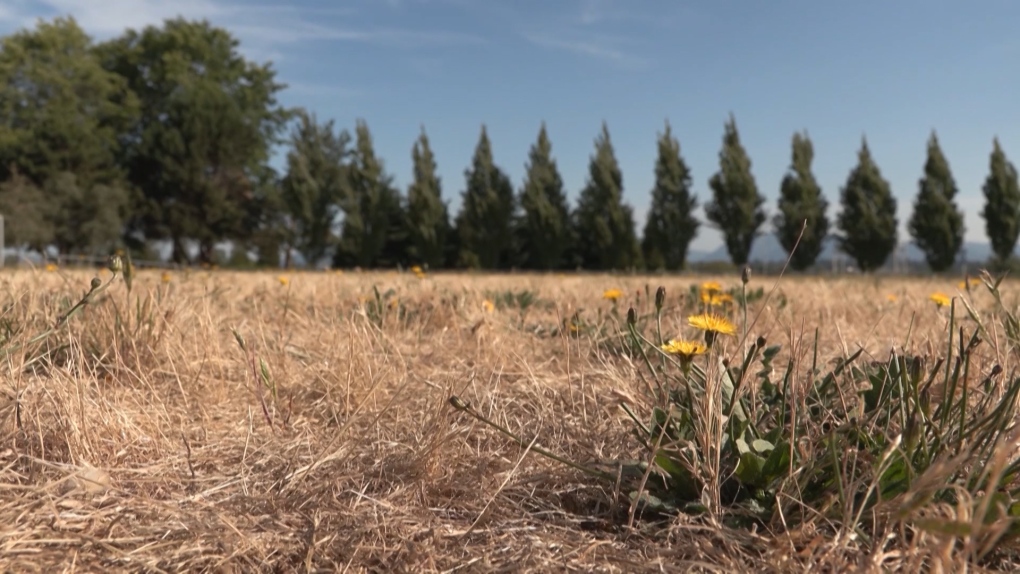



 The Trump Administration aims to increase lumber production in the U.S. while simultaneously reducing wildfire risk on federal lands across the country, including Dixie National Forest. However, some are concerned the president’s decision could make matters worse. On March 1, President Donald Trump signed an executive order, the Immediate Expansion of American Timber Production, to streamline permitting processes. It directs the U.S. Forest Service and the Bureau of Land Management to use the Endangered Species Act’s emergency regulations to the maximum extent possible to “facilitate the Nation’s timber production.” Additionally, the order directs federal members of the Endangered Species Committee to develop and submit a report to the president identifying “obstacles to domestic timber production infrastructures specifically deriving from implementation of the ESA and recommends procedural, regulatory, and interagency improvements.” …According to the Center for Biological Diversity, there are over 400 federally listed species that depend on national forest lands, such as grizzly bears, spotted owls and wild salmon.
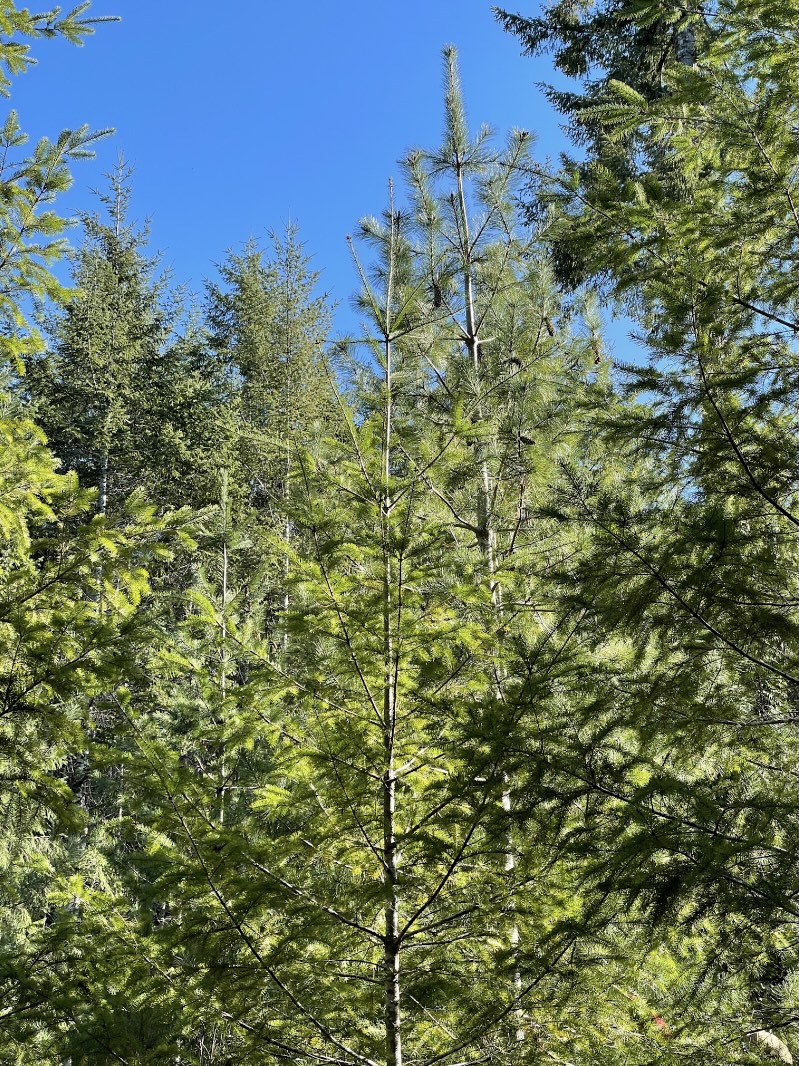 Forests are extremely valuable for watersheds, wildlife, carbon storage, recreation and so much more. The deceptively named Fix Our Forests Act, or FOFA, does nothing to conserve forests to retain these values. Instead, it would emphasize logging and otherwise manipulating forests at a scale we haven’t seen on public lands for many decades, if ever. The misguided bill has already passed the House, and its Senate version was recently introduced by Colorado’s own U.S. Sen. John Hickenlooper and other Western senators. FOFA encourages the Forest Service and Bureau of Land Management…, to avoid a careful examination of impacts from logging and ways to reduce harms under the National Environmental Policy Act. Under FOFA, projects up to 10,000 acres — over 15 square miles — would be excluded from consideration of possible impacts. What’s more, the public would have only one chance to provide input for logging projects and could only object in court.
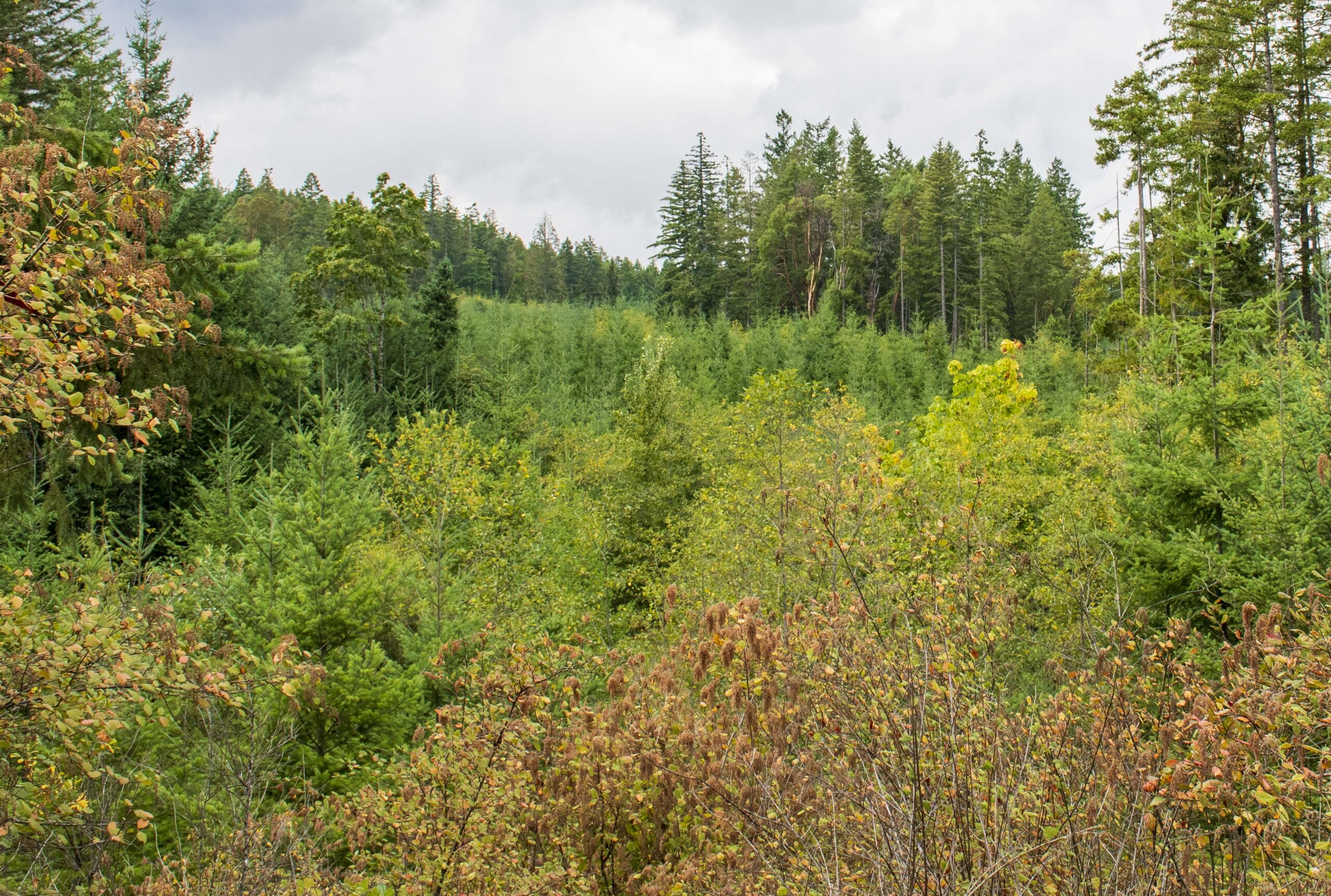 A year-long communication breakdown between concerned residents and state forestry leaders required investigation and halted one state timber sale. Last February, Denise Moore got a letter from the Oregon Department of Forestry that “immediately sent up red flags.” Cullen Bangs, a forest roads manager in the department’s Astoria district office, wrote that surveyors would be around her property in the weeks ahead to review boundaries between the Clatsop State Forest and nearby private property. …But the letter from Bangs became the first of several communications, and miscommunications, between the forestry department and its Astoria office about two planned timber sales to concerned neighbors over the course of a year. The communication breakdown would send those residents, along with community and environmental groups, into a frenzy, eventually leading one timber sale to be paused indefinitely and a Board of Forestry member to resign.
 With the passing of the 25th anniversary of the 2000 Cerro Grande Fire on May 10—during yet another bone-dry spring of the Modern Megadrought—we should consider a wildfire variation of the adage, “Those who don’t learn from (fire and forestry) history are doomed to relive it.” In the 1990s, Los Alamos and Los Alamos National Laboratory (LANL) were warned, repeatedly, that they were vulnerable to wildfire. Today, Los Alamos and New Mexico in general, despite Cerro Grande and other fires, have not acknowledged or addressed the dangerous reality of today’s forests. As a correspondent for the Santa Fe New Mexican in the 1990s, I authored multiple stories featuring foresters and wildland firefighters who saw Los Alamos’ peril. I also witnessed, firsthand, the power and destruction of wildfires—Cerro Grande, Dome, Missionary Ridge, Los Conchas—in places I love. …Instead, it’s time to demand municipal, county, state, and federal leaders who acknowledge and aggressively address the wildfire threat.
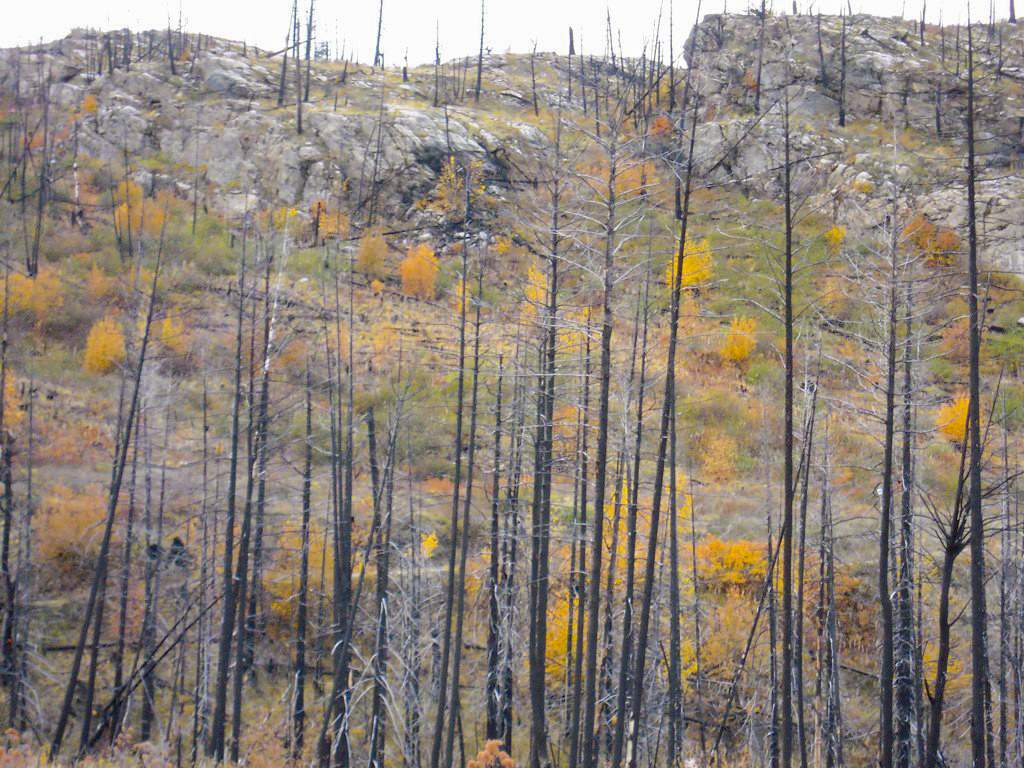 After Oregon’s devastating 2020 Labor Day fires, the Legislature passed a bill that was supposed to lead to more wildfire awareness and resilience. Among other things, Senate Bill 762 created a map of areas at high risk of fire. But that map led to a huge backlash from property owners — a backlash so strong that a few weeks ago, the state Senate voted unanimously to eliminate it. Jeff Golden is a Democratic state senator from the Rogue Valley. He voted to create the map in 2021, now he’s voted to get rid of it. …“We delegated to Oregon State University, which has credentials — among the best in the world in terms of maps like this — and gave them almost no direction, just said, ‘We need a map to fulfill this purpose. Let us have it within the next 18 months.’” At the time, very few lawmakers were worried about what would come next.
 The first-ever
 Washington, D.C. – Today, Representatives Ryan Zinke (R-MT-01) and Joe Neguse (D-CO-02) introduced the Collaborative Forest Landscape Restoration (CFLR) Program Reauthorization Act of 2025, which would extend and expand a successful program focused on reducing wildfire risk, restoring forest health, and supporting rural economies through proven, locally driven strategies. Senators Mike Crapo (R-ID) and Jeff Merkley (D-OR) introduced companion legislation in the Senate. Originally authorized in 2009, the CFLR program is a model of how communities, industry partners, landowners, and local governments can work together to improve forest conditions and prevent catastrophic wildfires. In its first decade, CFLR projects treated and restored 5.7 million acres of forest, improved 1,000 miles of trails, and maintained over 25,000 miles of forest roads helping keep public lands open and safe.
 Scientists have discovered the oldest ancestor for all Australian tree frogs, with distant links to the tree frogs of South America.
  [Airplanes produce] a lot of emissions. In fact, the airline industry produces more greenhouse gases than many major countries. Most airlines … are pushing for cleaner fuels—and offering passengers the chance to help them offset a flight’s carbon emissions. Book a trip with a big carrier and you might be asked if you want to invest in forest preservation, saving enough trees to soak up your jet-setting’s environmental emissions. But is that really helping the planet or is it just a way for corporations to look better? A new study co-led by researchers at Boston University and the nonprofit Clean Air Task Force has found some of these efforts, known as forest carbon credit schemes, might not be doing much good. After examining the standards-governing programs … researchers recommend a series of new guidelines and improvements to “the carbon market system that would promote reliably high-quality forest carbon credits.”
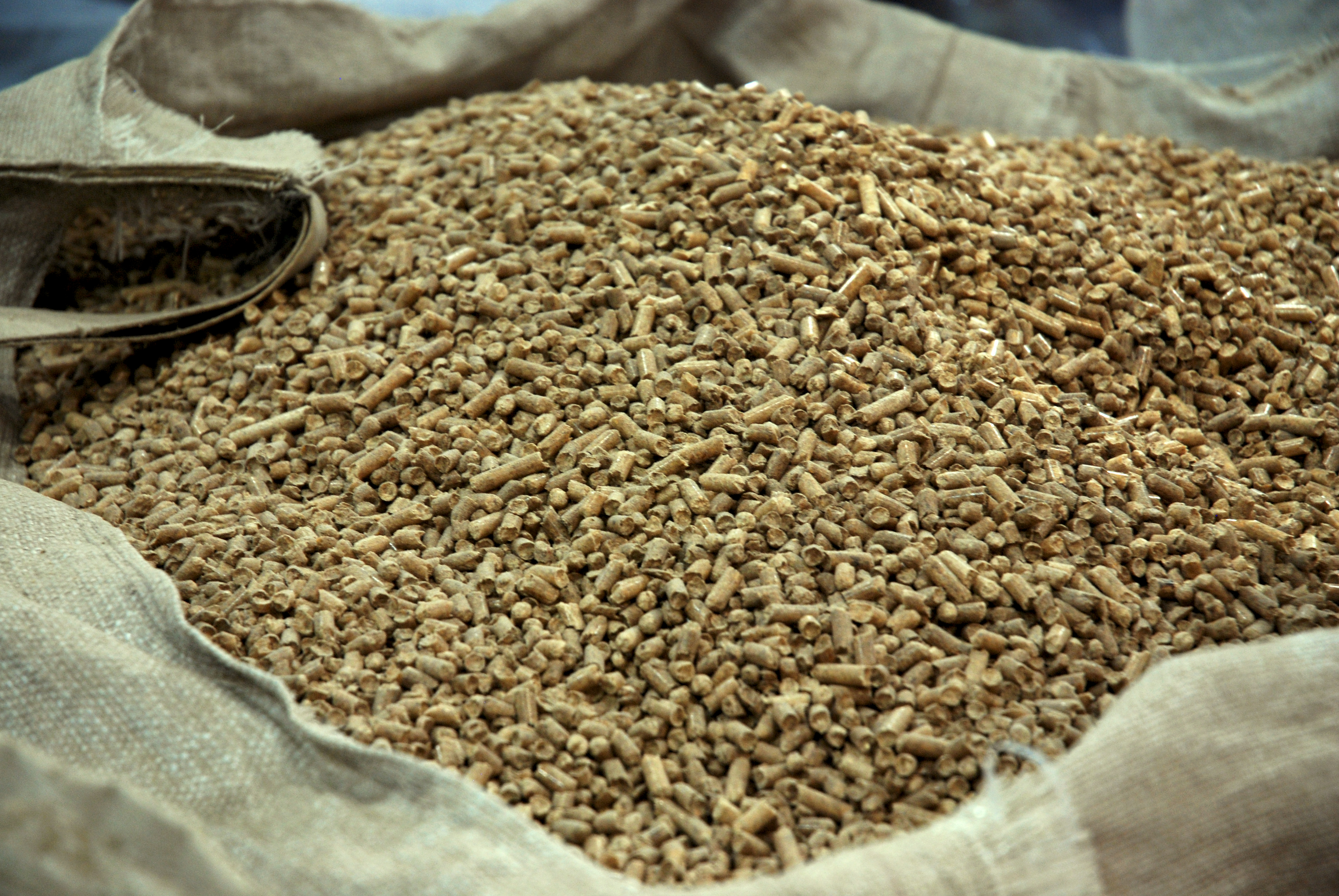 The US agriculture secretary has said the UK could take more US wood pellets as biomass amid ongoing trade talks. Brooke Rollins told reporters the US is ‘100% confident’ that the country’s wood chips adhere to UK sustainability requirements. Rollins met with UK energy secretary Ed Miliband and energy minister Michael Shanks on 13 May. Her visit to London saw her promoting agricultural produce – including US wood pellets. This is despite ongoing questions surrounding the actual sustainability of the biomass sector. In particular, Drax, which is subsidised by the UK taxpayer, has come under scrutiny on several occasions.
 FALLON, Nev. – A proposed wood pellet processing plant in Churchill County is facing significant opposition from nearby residents who say it’s a great project in the wrong place. The facility, which would operate 24/7, is being proposed on McLean Road in Fallon. The man behind the proposal, Alex Pedan, is seeking a special use permit to open the plant, but neighbors are raising red flags over concerns about noise, dust, and declining property values. Amber Sanchez lives near the site and says she was notified about the proposal on April 29. She’s concerned that not everyone in her neighborhood received the same letter. …During Wednesday night’s Churchill County Planning Commission meeting, residents filled the room to speak out against the plan. Some said they supported the idea of a wood pellet business — just not in a residential or agricultural area. …In response to community concerns, Pedan claimed the plant’s equipment would be housed indoors, within a sound-insulated structure.

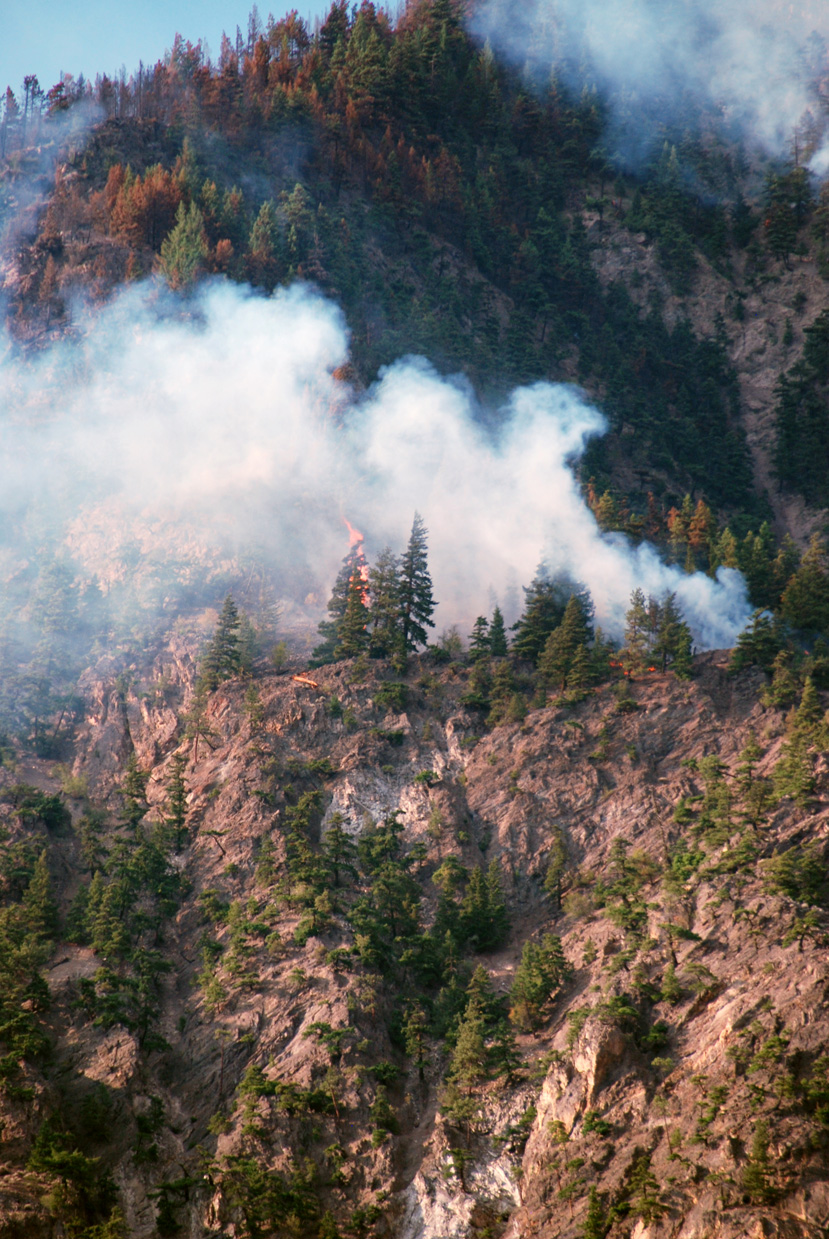
 Flags have been lowered to half-mast at the Manitoba Legislative Building to honour two people who died after being trapped by an out-of-control wildfire in the rural municipality of Lac du Bonnet. Premier Wab Kinew, who offered condolences to the family, friends and community members of the victims, called the move “a small gesture towards the sympathies that we feel and how this latest turn in this year’s wildfire situation hits on a different emotional level.” “The news of this loss of life changes what was an emergency into a tragedy,” he said at a Thursday morning news conference. …Kinew urged people heading into the May long weekend — traditionally the unofficial start to summer and camping season — to listen to evacuation orders and stay out of areas where emergency crews are working. As of Thursday, there are 21 fires burning in the province, with a total of 80 recorded so far this season…
 A major wildfire burning in central Canada has killed two people and forced 1,000 more to evacuate their homes, kicking off a fire season authorities warn could prove devastating. Canadian federal police confirmed on Wednesday that two people died in the small community of Lac du Bonnet, in the central province of Manitoba, which is experiencing unusually hot, dry and windy conditions. Manitoba’s premier, Wab Kinew, said he was “deeply saddened to learn of the tragic loss of two Manitobans due to the wildfires”. “My heart goes out to their loved ones,” he added in a post on Twitter/X. In 2023, during Canada’s worst wildfire season, there were no recorded civilian deaths. Chris Hastie of the Royal Canadian mounted police told reporters that authorities “were aware that these individuals had been trapped in the fire”.
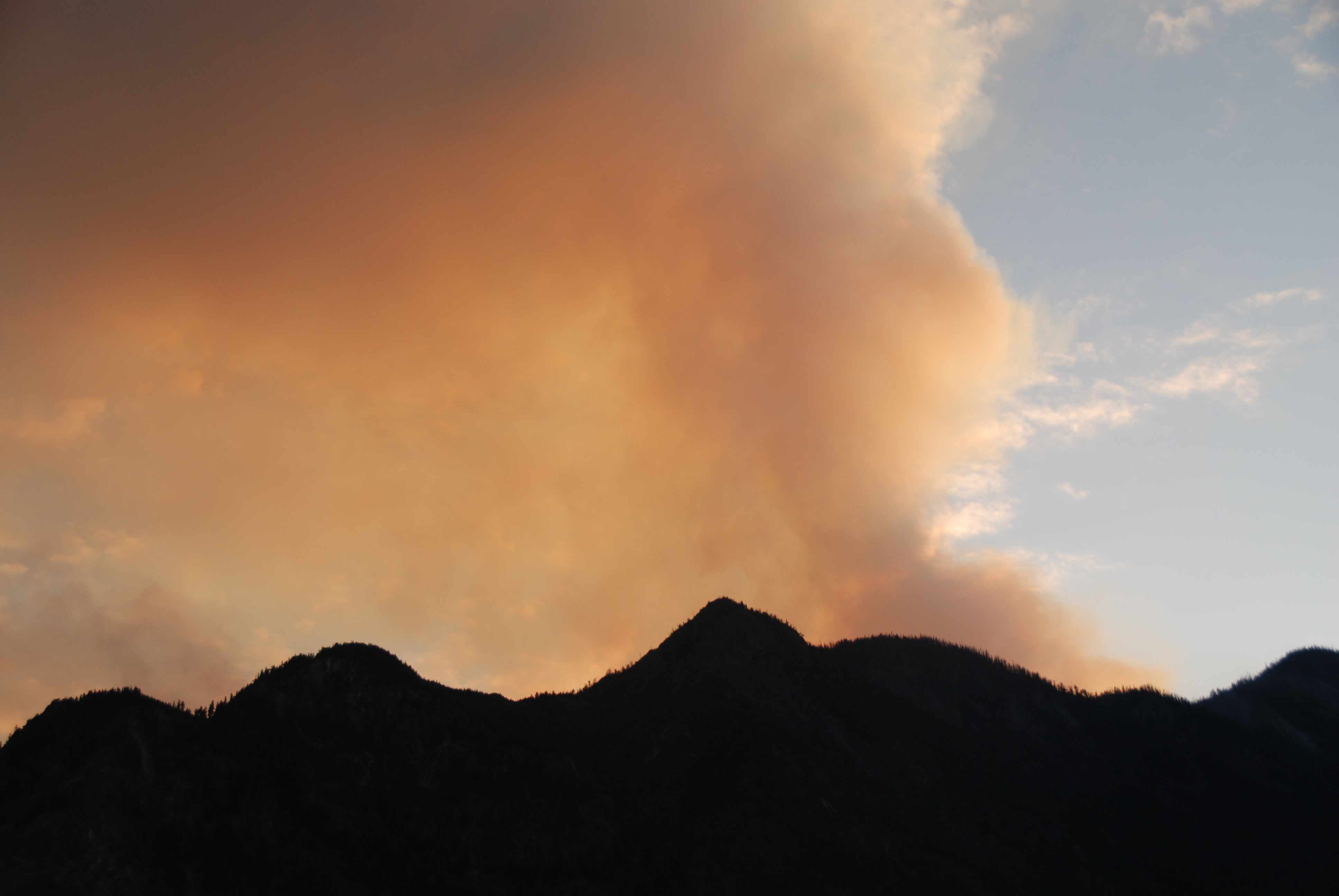 Severe wildfires raging in a Siberian region of Russia have engulfed more than 600,000 hectares of forest, local authorities have warned. In the Eastern Siberian territory of Zabaykalsky Krai, a federal-level state of emergencies has been in place since late April, Russian state news agency TASS reported. Despite huge efforts to tackle wildfire outbreaks in the region, which borders Mongolia, 49 forest fires continue to burn, with a total area exceeding 629,000 hectares, the Russian Ministry of Emergency Situations said Wednesday. Since the beginning of this year, more than 1.4 million hectares of land have been affected by wildfires, according to figures from Russia’s Federal Agency for Forestry published on Tuesday, about three times the total area affected by fires in the United States and Canada so far this year combined.