
Prime Minister Mark Carney unveiled a crisis-era Cabinet to confront Trump’s trade war. In related news: Carney’s cabinet signals softening on climate; experts opine on the US need for Canada’s exports; and US housing inflation remains elevated. Meanwhile: US lawmakers introduce tax credit to support hardwood manufacturers; a breakthrough for wood in New York; a mass timber shaft wall system; and tree rings age Atlanta’s historic buildings.
In Forestry/Wildfire news: Unifor pans Quebec’s forestry regime; BC’s Forest Practices Board says 2023 burns were sound forestry; and wildfire alerts in eastern Manitoba; western Ontario and northeastern Minnesota. Meanwhile: a US group supports forest land transfers to private ownership; and New Zealand’s timber industry braces for tougher times.
Finally, Canada’s fire forecast looks bad. The impacts could spill into the US.
Kelly McCloskey, Tree Frog News Editor

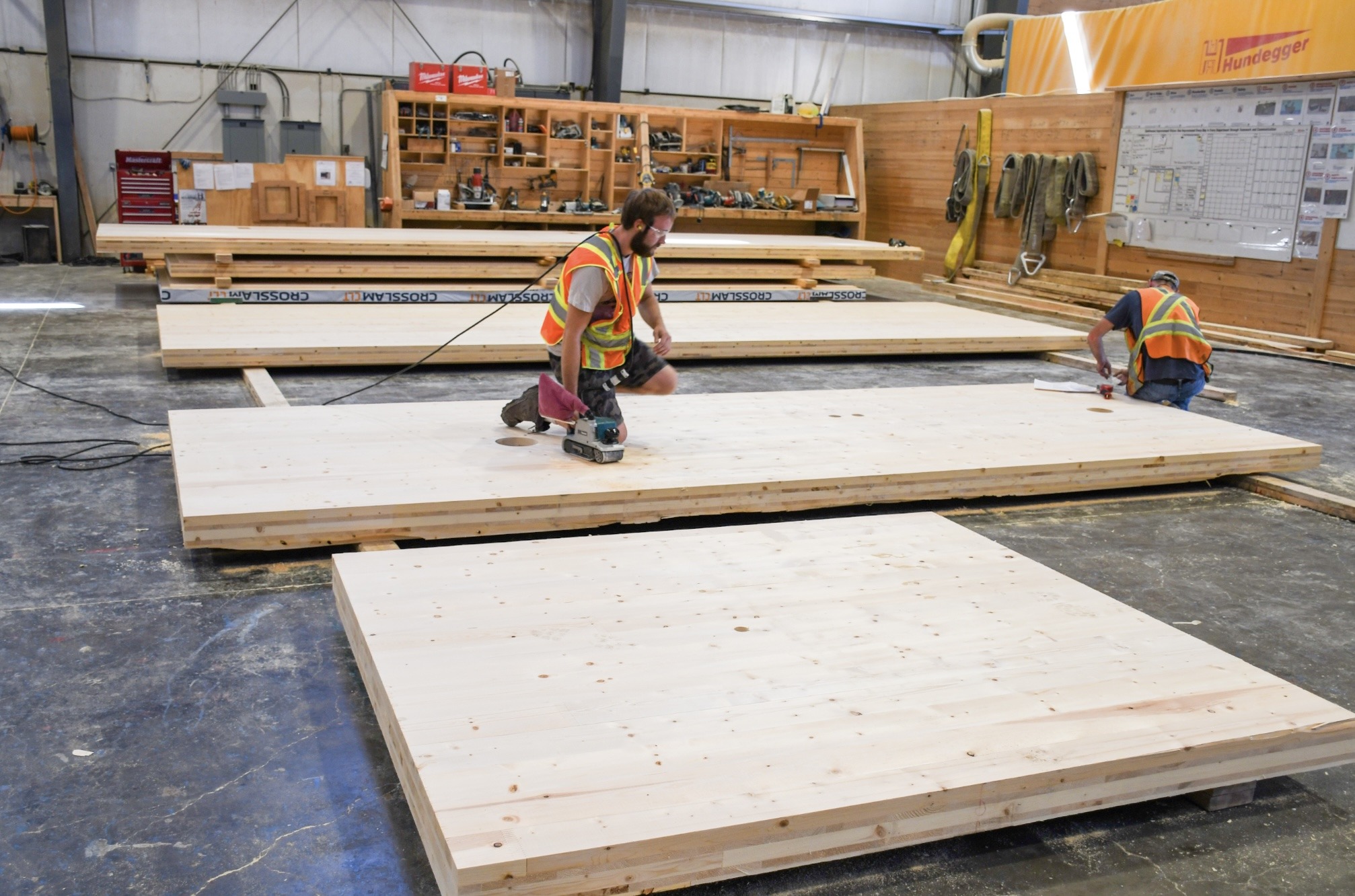 Now that the Liberals have secured another term in office, the big question is whether they can deliver on their ambitious promises, particularly a $26 billion push into prefabricated homes through a new agency called Build Canada Homes (BCH). The plan includes $25 billion in debt financing and $1 billion in equity for Canada’s prefab and modular homebuilders. The goal is to cut construction times by as much as 50%, reduce costs by 20%, and lower emissions by 22% compared to traditional building, while using Canadian technologies like mass timber and softwood lumber. BCH also plans to issue bulk orders to manufacturers, aiming to create steady demand and boost apprenticeships to strengthen the skilled trades workforce. …A problem, Kevin Lee, CEO of the
  Kitselas First Nation is expanding its role in the forestry sector with the purchase of a new forest tenure from A&A Trading Ltd. The deal includes Forest License A16836 and Road Permit RP16688, giving Kitselas an annual allowable cut of just over 10,000 cubic metres. The total purchase price was just under $1.58 million and was approved by Chief and Council in July 2024. The acquisition is supported by Kitselas Development Corporation and Kitselas Forestry LP. An initial $800,000 was transferred to Kitselas in 2024, with the potential for a second distribution to fully cover the purchase. This move strengthens Kitselas’ economic position and gives the Nation more control over its lands and resources. Kitselas Forestry LP will manage the new tenure alongside existing operations, maintaining partnerships with trusted industry players.
 Are you passionate about technology and forestry? Join our team at Phoenix Connect (a division of DR Systems) and help shape the future of forest operations. We’re looking for a Client Experience Lead to support the growth of our SaaS platform and work closely with clients to optimize their forest management practices. This dynamic role blends innovation, client service, and environmental stewardship—working alongside a collaborative and motivated team. As the Client Experience Lead, you’ll contribute directly to the evolution of Phoenix Connect—bringing fresh ideas, solving real-world challenges, and making a tangible impact. This position can be based remotely, though our head office is located in Nanaimo, BC. Phoenix Connect is a cloud-based platform designed specifically for the forestry sector. It brings together all aspects of forest management—planning, operations, reporting, and compliance—into one seamless system. Phoenix helps forestry professionals make informed decisions, stay compliant with regulations, and manage their operations more efficiently. Phoenix Connect is shaping the future of sustainable forest management.
 The Ford government is planning to impose new rules on how local governments greenlight development projects, pushing the changes on municipalities as the province struggles to meet its self-imposed goal of building 1.5 million homes by 2031. The government is relying on a series of changes to Ontario’s planning rules, like reducing studies developers have to undertake and standardizing development charges, in a bid to speed up homebuilding. Minister of Municipal Affairs and Housing Rob Flack is set to table the legislation next week, with changes including reducing requirements for builders to conduct some municipally-focused studies, allowing builders to bypass some city committees and a raft of changes to the fees developers pay to local governments. …The legislation would give the Ford government the ability to pare down the list of requirements for a development application, establish which studies would be required and force municipalities to accept certified studies presented by the developer.
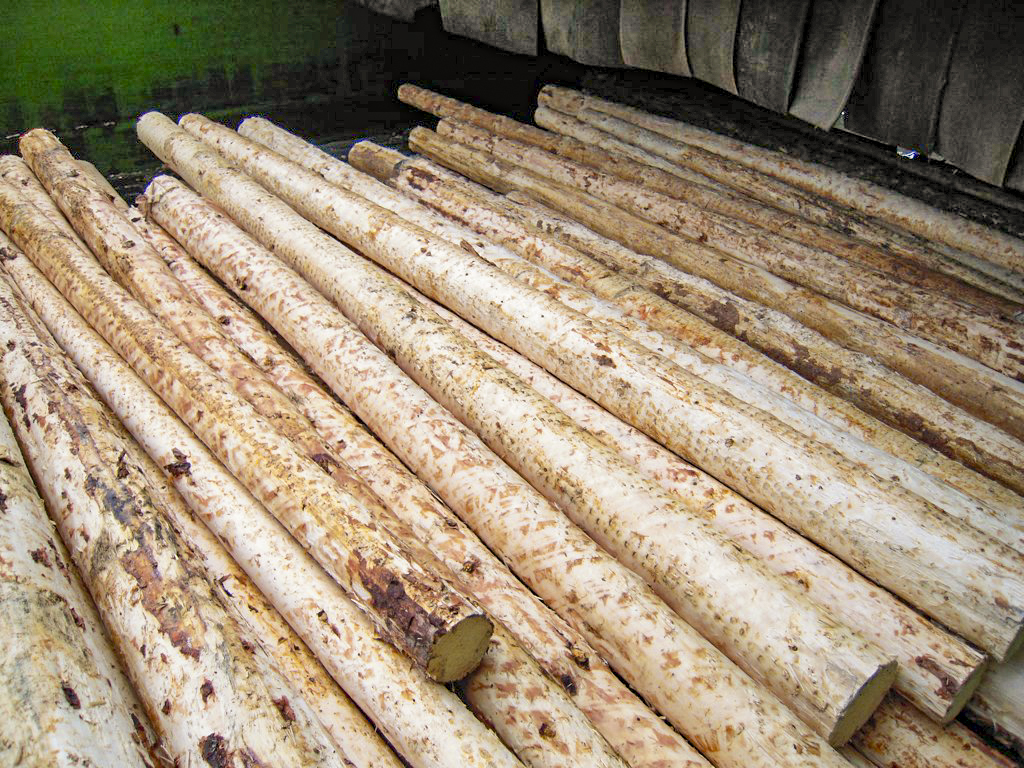 A construction industry crash in China is sending shockwaves through the timber trade here. “There’s elephants in the forest,” said Rotorua-based forestry consultant Jeff Tombleson. China was by far the largest importer of New Zealand logs – 92% in the year to June last year. But Tombleson said it had been “throttling back” on the quantity taken since China’s property market started contracting in 2021. Mega-infrastructure projects there such as new cities, ports and railways were nearing completion, he said. He said most of the New Zealand timber exported to China was used on construction sites for concrete-casting (boxing), a technique used in 60% of the country’s multi-storey builds. Since 2019, New Zealand’s isolating export log prices have occasionally “come back” to sub-$100 per cubic metre from an average of $132. At the lower level, he said harvesting for most of the small forests’ estate was not viable and because there was little or no domestic demand, they shut their gates.

 It could be another dangerously smoky summer for some in the United States as Canada prepares for a busy wildfire season with forecasts also signaling extreme heat is in store for both countries in the coming months. But when it comes to wildfire threats this season, the call is also coming from inside the house for the US: Violent wildfires have already raged in multiple states this year, millions were under red flag warnings this week and an active summer is on the horizon. In Canada, wildfires have scorched tens of millions of acres, displaced hundreds of thousands of people and killed multiple firefighters since the country’s record-breaking 2023 fire season. Some fires from the past two years also poured smoke into large population centers in Canada and the US, cratering air quality and ushering in orange-tinted, apocalyptic-looking skies. …Large wildfires produce dangerous smoke that can reach communities hundreds of miles away.
 A new University of Alberta study calculates that there are 277 billion trees in the North American boreal forest, including 30 billion in Alberta, and it could benefit climate mitigation. Estimated using a sophisticated machine learning algorithm, the numbers are 31 per cent higher than a count made through an earlier attempt in a major 2015 global study. “Our research provides by far the most accurate and credible answer to the question of how many trees are in our boreal forests,” says study lead Fangliang He, a forest ecologist and Canada Research Chair in Biodiversity and Landscape Modelling in the Faculty of Agricultural, Life & Environmental Sciences. The work fills a crucial knowledge gap that “reduces the uncertainty in estimating and managing tree density to promote forest productivity that enhances forest carbon sink potential,” he adds. “Knowing that there are 31 per cent more trees than previously estimated suggests our boreal forests have greater capacity to mitigate climate change.”



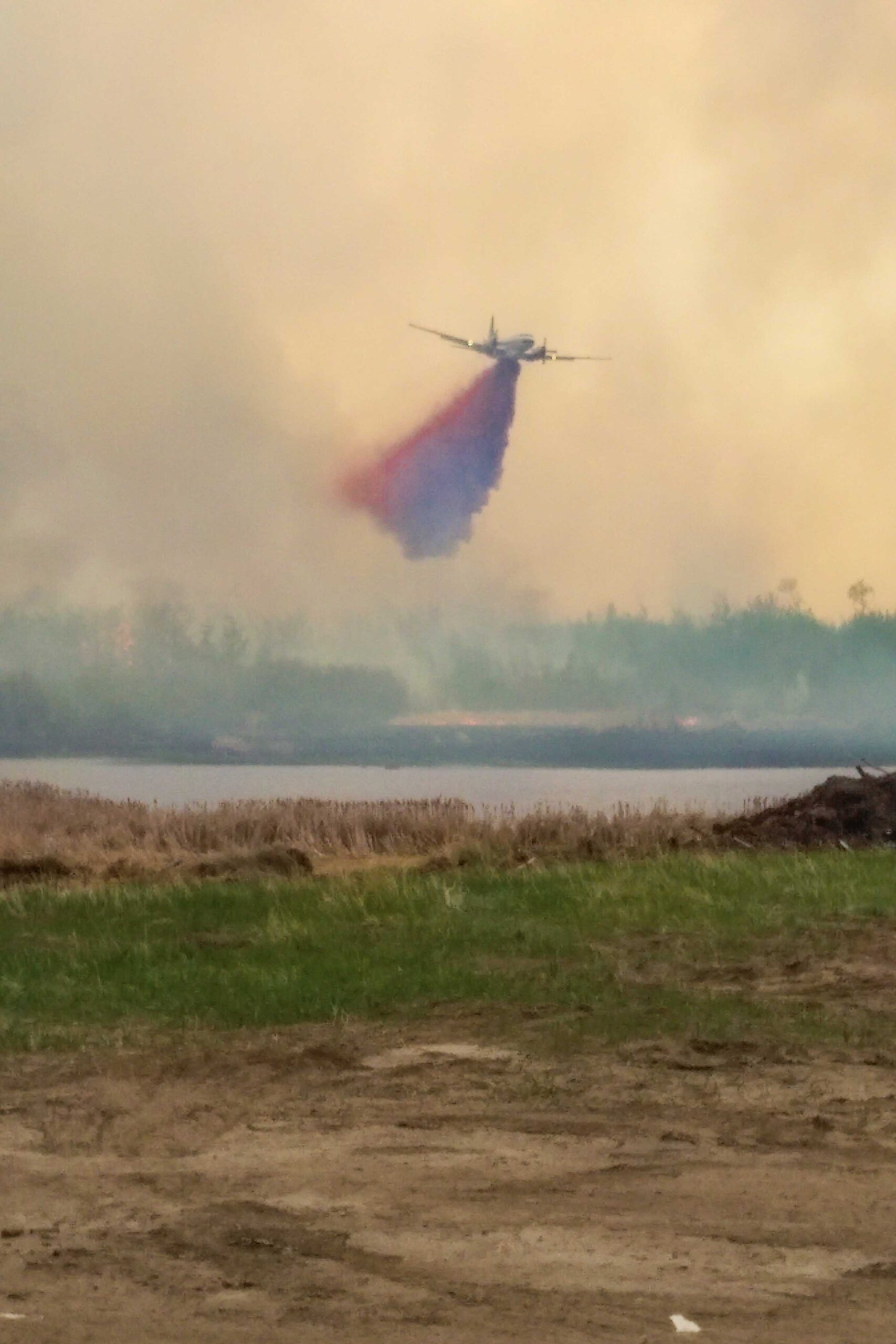 Washington, D.C.—Congressman Doug LaMalfa (R-Richvale), along with Reps. Jimmy Panetta (D-CA) and Jeff Hurd (R-CO), introduced H.R. 3300, the Forest Protection and Wildland Firefighter Safety Act of 2025, to ensure aerial fire retardant remains available for wildfire suppression efforts without being tied up in Clean Water Act permitting delays. The bill clarifies that federal, state, local, and tribal firefighting agencies do not need a National Pollutant Discharge Elimination System (NPDES) permit to use fire retardant from aircraft when responding to wildfires. … In 2022, an environmental group sued the Forest Service over its use of aerial fire retardant, arguing regulation under the Clean Water Act. A federal court ruled in 2023 that the Forest Service must obtain a NPDES permit from the EPA… …if future litigation results in a successful injunction, firefighters could be forced to ground aircraft or fly them with only water…
 EVERGREEN, Colo. — Crews with Jefferson County Open Space (JCOS) are working to reduce a spike in pine beetles in ponderosa pine trees at an Evergreen park. When the bark of infected trees is pulled back at Elk Meadow Park, the problem is clear. Pine beetles burrow into the trees and lay their larva under the bark. The larva live right on top of the living tissue of the tree, suck up the nutrients and end up killing the tree. They then pupate, turn into adults and fly off to the next tree. …”We are totally OK with a few trees being killed from the pine beetle that creates variable habitat for our wildlife species, and so at a small scale, mountain pine beetle is a good thing,” Steve Murdock, the interim manager of JCOS’ Natural Resource Stewardship. said. However, the numbers that Colorado communities, including Jefferson County, are seeing are well above what would be beneficial for a forest.
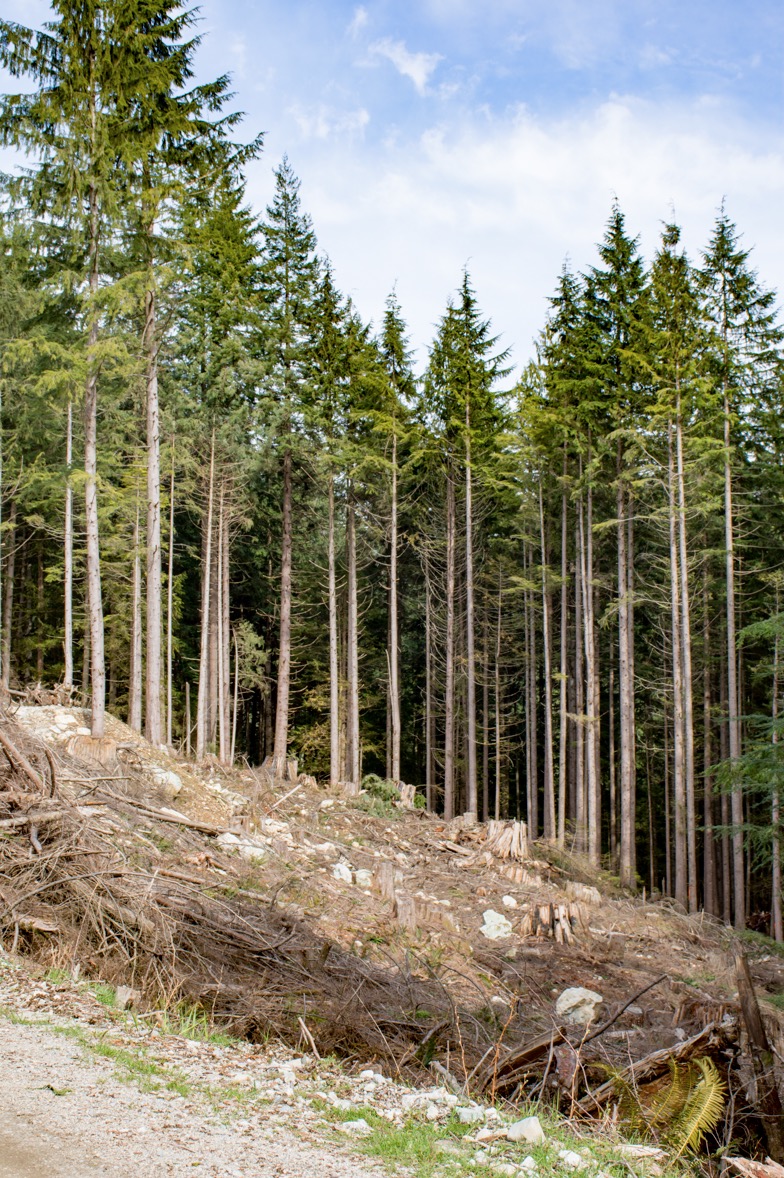 NASELLE, Wash. — One self-service library, high school, and grocery store serve the 519 people of Naselle, Washington. The piles of felled logs along the roadsides dwarf the passing cars, signaling to drivers that this town was built on logging. Many Naselle residents have family roots in the forestry sector, allowing them to be intimately familiar with its demands. They also do not often push back on timber harvests that pose no threat to endangered species or their habitats. But an upcoming harvest will fell trees surrounding one of two creeks that supply the town’s water: this is where most residents draw the line. …The Washington State Department of Natural Resources (DNR) will auction off 105 acres of state-owned forest in Naselle on May 29 after they determined the area was suitable for harvest. The revenue from the highest bid will go to UW. …UW received approximately $20 million from the DNR from 2020 to 2024, $8.6 million of which was from timber sales.

 Prime Minister Mark Carney announced his new cabinet on Tuesday with a speech at Rideau Hall outlining his priorities — and like the speech, which did not mention climate change, the cabinet itself signals a potential shift in a new direction. Carney’s cabinet signals a “potential downgrading” of climate change and environment, says Mark Winfield, a professor of environmental governance at York University. …Carney appointed longtime business executive Tim Hodgson to serve as energy and natural resources minister and Toronto—Danforth MP Julie Dabrusin to serve as minister of environment and climate change. Dabrusin steps into the post held under Trudeau by Steven Guilbeault, who drew the ire of the energy industry and its political allies. Immediately following Dabrusin’s appointment, Alberta Premier Danielle Smith attacked her, too. Smith promptly took to social media after the swearing-in ceremony on May 13 to call Dabrusin “another anti-oil and gas Environment Minister.” [A subscription is required to access this full story]
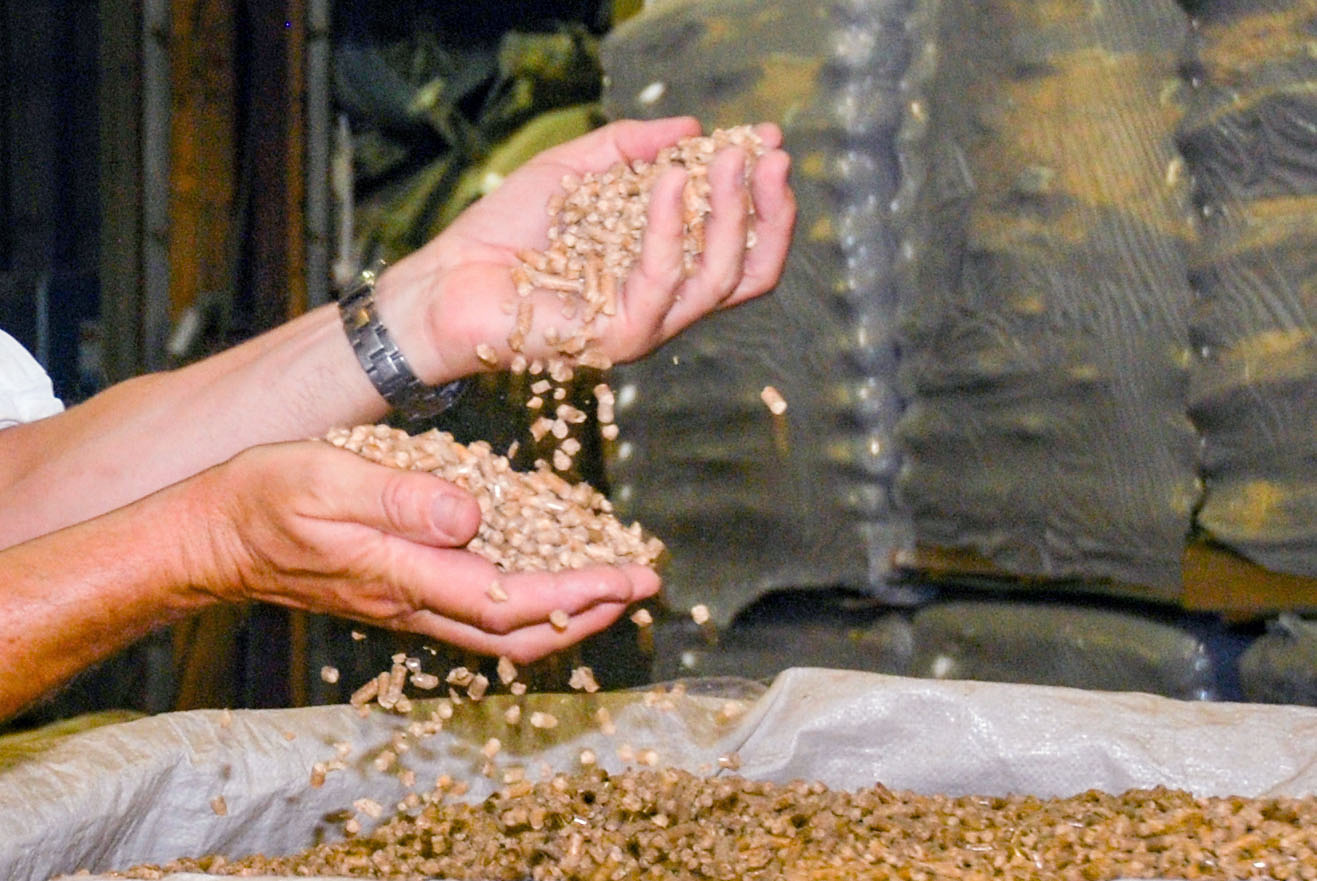 The UK could potentially take more US wood pellets to burn for electricity amid ongoing trade talks, Donald Trump’s agriculture secretary has said. Brooke Rollins, who met with Energy Secretary Ed Miliband and Energy Minister Michael Shanks on Tuesday, said America is “100% confident” that its wood chips meet the UK’s sustainability requirements. Ms Rollins has been promoting US agricultural produce, including American wood pellets, on a visit to London this week as trade talks between the two countries continue following the preliminary deal struck on Thursday. But the biomass sector has long faced accusations of sourcing and burning wood from environmentally important or rare forests. Campaign and media investigations have alleged that Drax, which runs the UK’s biggest power station in Yorkshire, has used wood from environmentally important forests in North America.

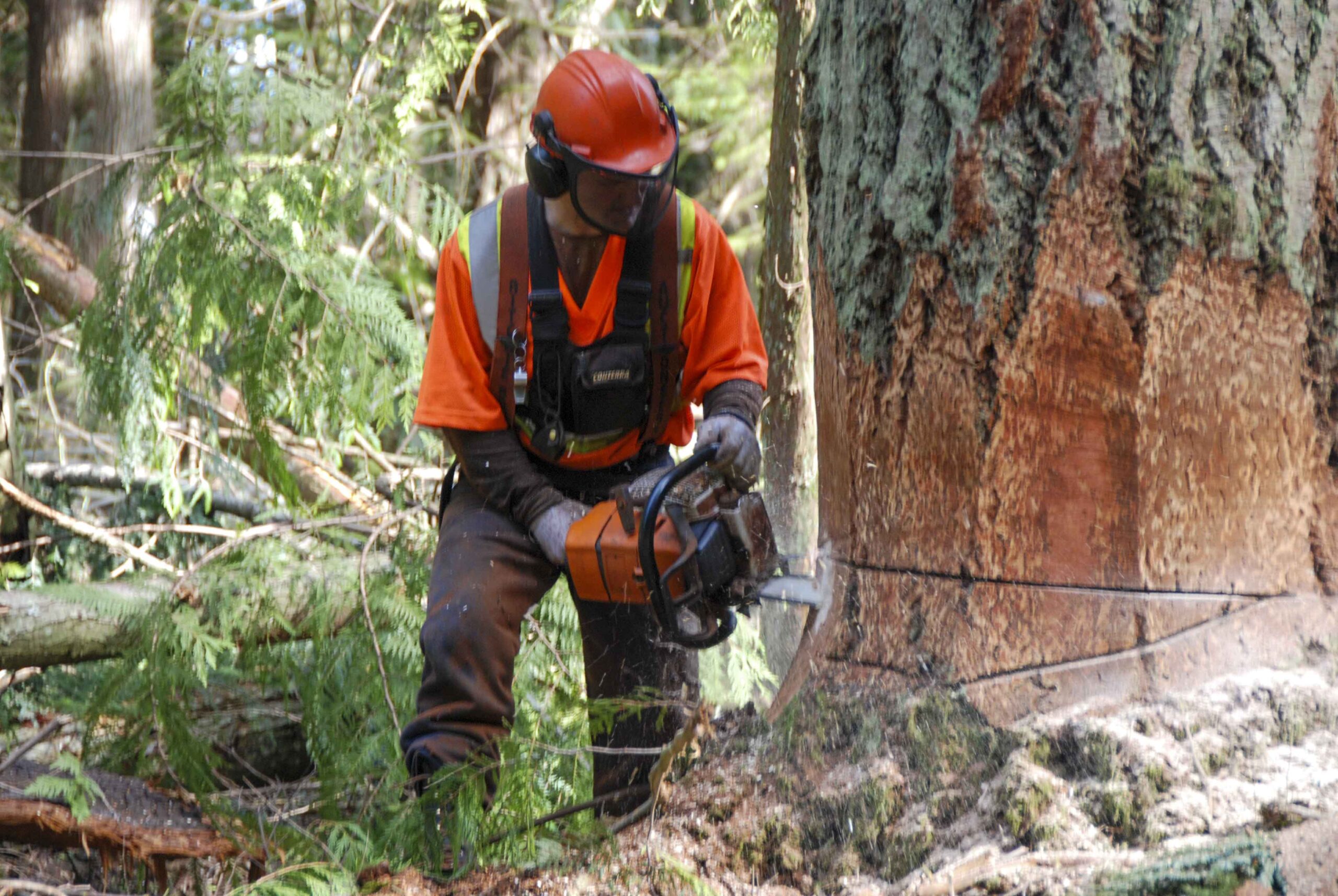 The same exoskeleton principles that protect grasshoppers, crabs and similar creatures could also help protect the 25,000 or so workers in the job with the highest injury and fatality rates in America: forestry. “Forestry is vitally important to our economy and our standard of living, but its workers pay a high price, with an injury rate that is 40 percent higher than the average of all other industries and fatality rates that are 20 to 30 times higher,” said Jeong Ho “Jay” Kim, PhD, a systems engineering expert with the Texas A&M University School of Public Health. In a recent
  Dozens of firefighters from British Columbia arrived in Manitoba over the weekend to help local first responders battle an out-of-control wildfire in northern Manitoba. Manitoba Premier Wab Kinew said Friday he put out a call to the Canadian Interagency Forest Fire Centre (CIFFC) for help from other jurisdictions to fight the flames. British Columbia responded, sending 42 firefighters. “I’m just happy to say that B.C. has answered the call. We’re there for other provinces. I know they’ll be there for us,” Kinew said at a news conference Friday. According to Manitoba’s fire map, a 20,000-hectare fire west of The Pas was still burning out of control as of Monday morning. It broke out over a week ago, engulfing 100 hectares, with heavy winds and little moisture causing it to more than quadruple in size in 24 hours.
 Wildfire crews from British Columbia are expected to join first responders in Manitoba on Monday to help them battle the largest out-of-control blaze in the province at the moment. “We are at the place right now and, and in this season with current conditions and activity on the landscape that we can provide these couple of unit crews,” B.C. Wildfire Service spokesperson Erika Berg told CBC News on Sunday. The fire — one of two blazes north of The Pas, a town more than 500 kilometres northwest of Winnipeg … grew from 100 hectares to 6,600 within four days. Premier Wab Kinew first announced the deployment of B.C. crews in Manitoba on Friday at an unrelated news conference where he thanked the province for its support.
 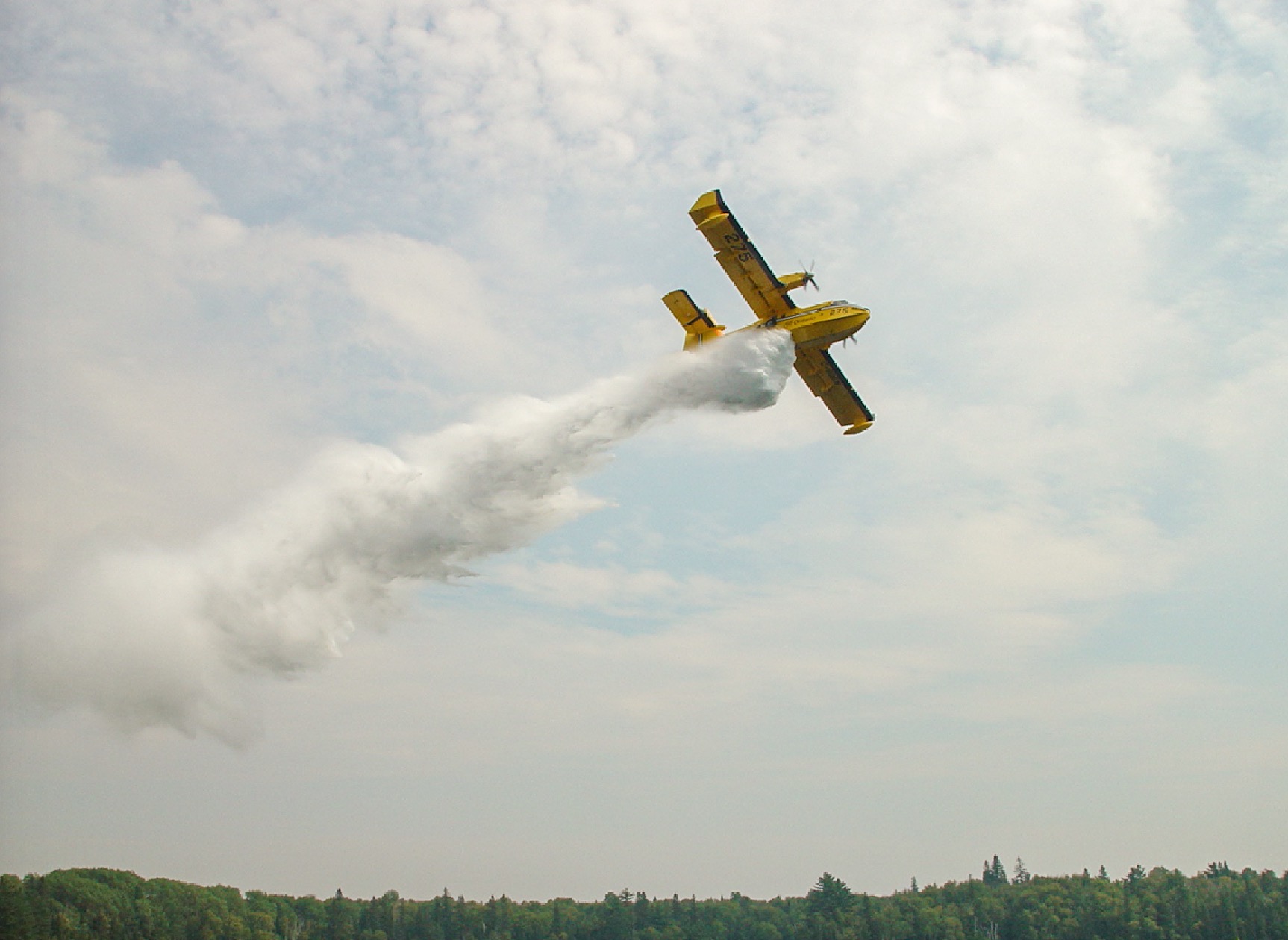 ATIKOKAN — A forest fire forced the closure of a section of Highway 11 in Northwestern Ontario. Ontario 511 reported the closure of both lanes of the highway at 5:27 pm EDT Monday. The road was blocked between Highway 623 at Sapawe and Highway 633 near Kawene. According to witnesses at the scene, Ministry of Natural Resources waterbombers were working steadily on the fire. The MNR estimated the fire had burned 180 hectares by 8:30 pm, and listed the outbreak as “not under control.”
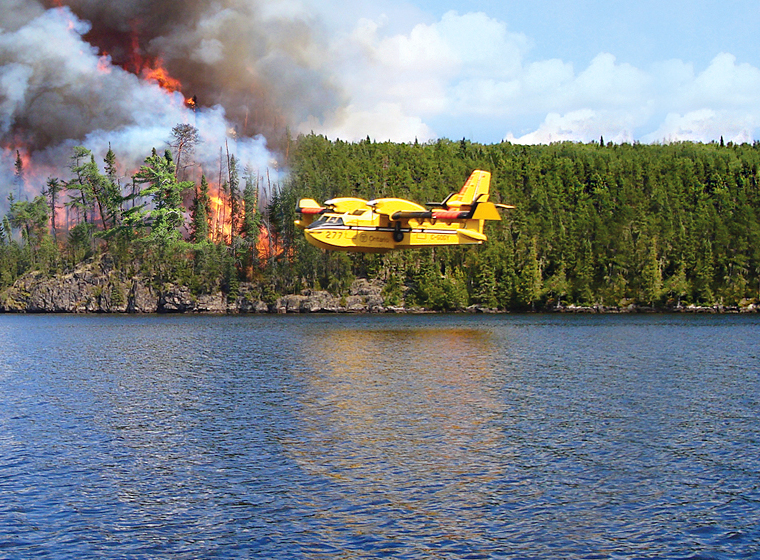 KENORA — The largest wildfire of the season in Northwestern Ontario has consumed 1,300 hectares of forest, but Ministry of Natural Resources crews have been aided by more favourable weather conditions. Heading into the weekend, there were concerns about the fire’s proximity to Wabaseemoong Independent Nations, as it was only 12 kilometres to the south and the fire was exhibiting some extreme behaviour. However, there was minimal growth on the fire’s perimeter on Saturday, and the wind changed direction, blowing from the south to direct fire activity and smoke away from the community. The MNR expects southerly winds will persist for a few days.
 Favourable winds and provincial firefighting efforts have led to the cancellation of a stage one evacuation for Wabaseemoong Independent Nations as a large forest fire burns nearby. The fire, known as Kenora 14, was discovered on Thursday 12 kilometres from Wabaseemoong. It has since grown to more than 1,000 hectares in size, and is not under control. “We had another update meeting (Sunday) morning, and it looked promising that we won’t have to do any evacuation,” said Waylon Scott, chief of Wabaseemoong. “We were at the midst of doing a stage one evacuation, which is basically the vulnerable population.” Scott said the evacuation has now been put on hold. Chris Marchand, fire information officer with Ontario’s Aviation, Forest Fire and Emergency Services (AFFES), said southerly winds have kept the fire from advancing any closer to Wabaseemoong, and helped keep smoke out of the community.