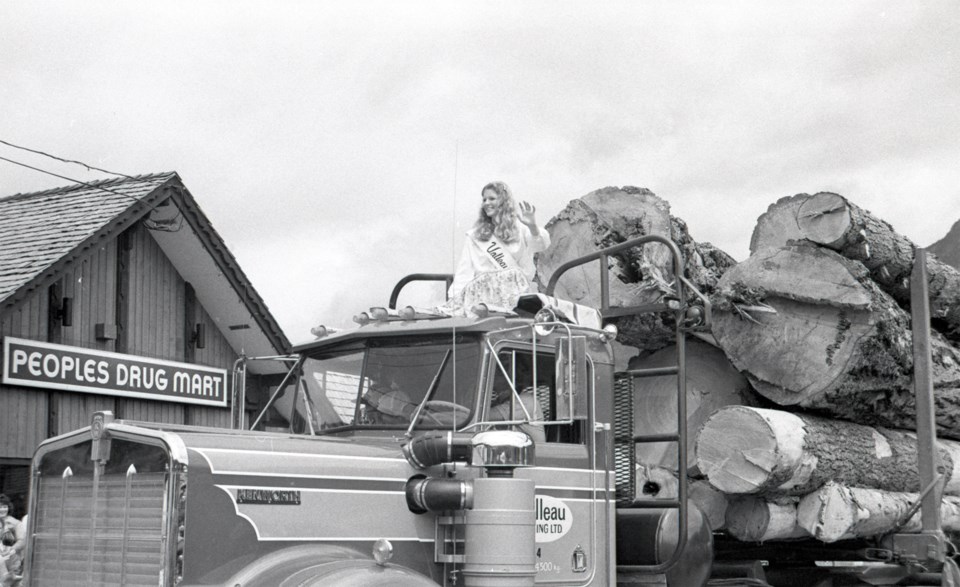
 The US Lumber Coalition says lumber duties have a near-zero impact on home prices, while the NAHB says tariffs could nearly triple lumber costs. In related news: Northern Ontario braces for a period of pain; Canada is advised to strengthen its supply chain; the Decorative Hardwood Association says Canada should be exempted; and more on BC’s creation of a Softwood Lumber Advisory Council.
In other Business news: ENGOs fear the UK will renew Drax’s power subsidies; EU climate goals are seen as a threat to Nordic forestry; and regulatory uncertainty is a barrier to forest carbon investments. In Forestry/Wildfire news: US senators propose a new wildfire agency; Canada invests $72M for wildfire monitoring satellites; Governor Newsom wants more fire resistant homes; and the University of Alberta’s latest caribou habitat research.
Finally, Brisbane’s 2032 olympic venue could be the world’s largest timber stadium.
Kelly McCloskey, Tree Frog Editor
 Another questionably secured load in the bed of a truck along a San Antonio highway is stirring up conversation online. A truck was spotted carrying lumber upright with the pieces of wood skyrocketing, clearly taller than the truck itself. …A truck, avoiding state law which prohibits overhang of more than 3 feet either in front or back of a vehicle, opted to put their lumber load upright. Narrowly missing highway overhangs, the lumber appears to violate state law which says the overall height of a load hauled in Texas can’t exceed 14 feet …The beams, which protruded several feet above the back of the truck, were swaying in the wind, tied down only at a couple places at their base by a questionable and slacked set of ropes.
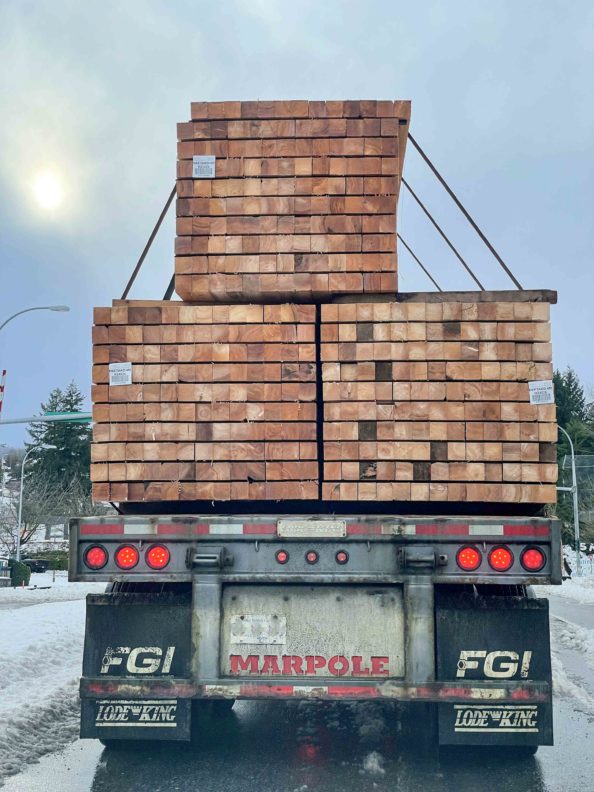 Data provided by the National Association of Home Builders (NAHB) and Fastmarkets Random Lengths confirm that cost of lumber is a very small component of the price of a new home. Consequently, duties on a share of that lumber imported from
 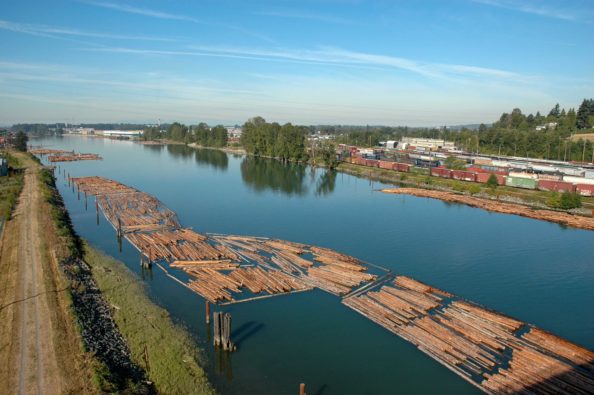 The minister responsible for forestry and local MLA Ravi Parmar said a new council on softwood lumber will bring industry expertise together to help navigate the economic concerns with U.S. duties, and any potential tariffs that could be coming Canada’s way. While many people across the country have let out a sigh of relief about the pause on U.S. tariffs, Parmar said those in the forestry industry are still feeling the economic threat loom. “We’re already dealing with duties to the tune of 14.4 per cent. With tariffs on top of that—we could be dealing with 50 to 55 per cent duties and tariffs on our softwood lumber going into the United States,” he said, adding how that scenario would be devastating. …However, Parmar acknowledged the softwood lumber dispute with the U.S. has been a long-time problem, adding that his task of getting the industry back on its feet is made difficult by the duties.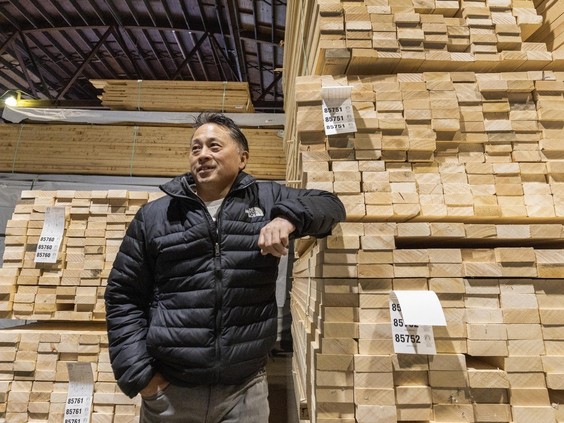



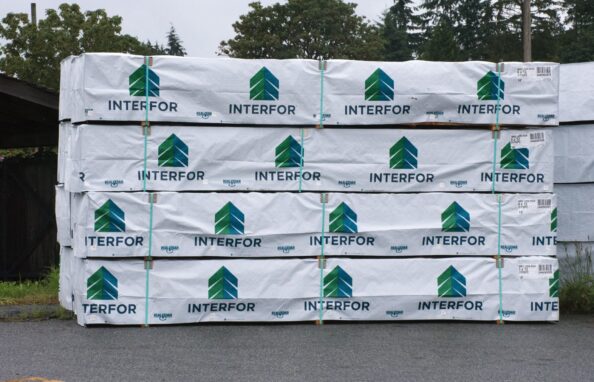 [Companies] in B.C. and across Canada, were given a last-minute, one-month reprieve Monday afternoon after Prime Minister Justin Trudeau spoke with U.S. President Donald Trump… The wood products sector sends $5.7 billion of products to the U.S., and another $962 million in pulp-and-paper products. On Monday, Interfor said it has been closely monitoring the U.S. tariff issue for some time, and as a diversified North American producer, comes into this new environment in as good a position as anyone in the industry. “Our leadership team has been hard at work identifying ways to insulate our company from tariff exposure where possible and put us in the best position to continue to thrive,” said Svetlana Kayumova, Interfor’s vice-president of corporate communications and government relations. “We know there is a housing shortage across North America, and the lumber products we produce are a vital part of the solution.” Interfor has mills on both sides of the border.




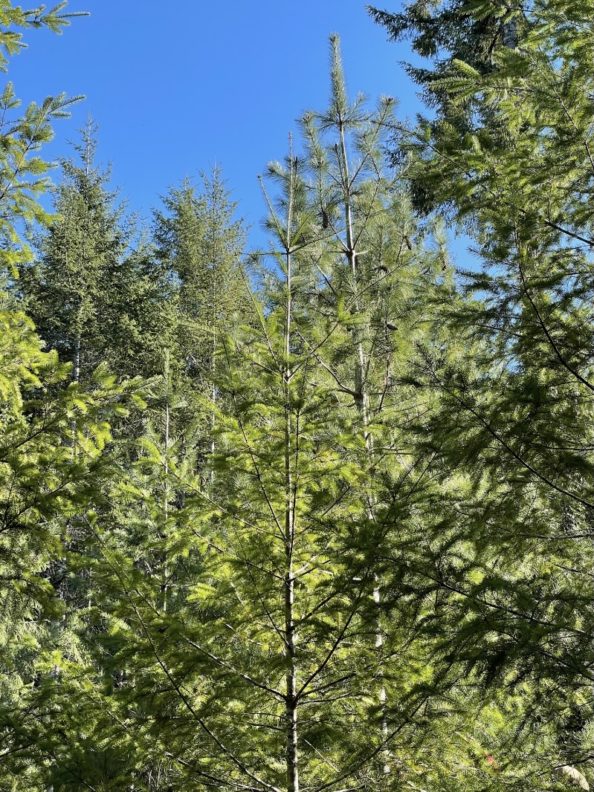
 The overall goal is to have a working forest while sustaining ecological and cultural values so that future generations have access to forest areas just as diverse and healthy as those currently enjoyed. For Sunshine Coast Community Forest (SCCF) operations manager, Warren Hansen, ecosystem-based management (EBM), a tool introduced in its operations in 2021, “came from the heart” of what the community wants from SCCF. In his opening remarks at a Jan. 30 Community Advisory Panel and public information webinar, he noted that SCCF’s board and community advisory panel are committed to using EBM in stewarding its tenure by harvesting timber in a way that curbs losses of biodiversity. The overall goal is to have a working forest while sustaining ecological and cultural values so that future generations have access to forest areas just as diverse and healthy as those currently enjoyed. To do that, SCCF relies on advice from contractors including Laurie Kremsater and Anna Yuill, who presented an overview of EBM to about 35 people tuned into the webinar.
 Dear Minister Ravi Parmar: I am writing to you in reference to your recent Minister’s Statement regarding photos of tree spiking claimed to be of Fairy Creek, submitted to you anonymously and without verification. I understand from the reporter who subsequently interviewed me that the purported sender was “Friends of Fairy Creek.” My name is Kathy Code and I am a Fairy Creek Forest Defender. …Thus, I was dismayed to read your statement. Not only are you giving public voice to unsubstantiated claims from an unknown sender, but the weight of your office gives some credence to the underlying accusations. …I ask on behalf of the citizens of BC that you withdraw your statement as a means of maintaining the dignity of your office.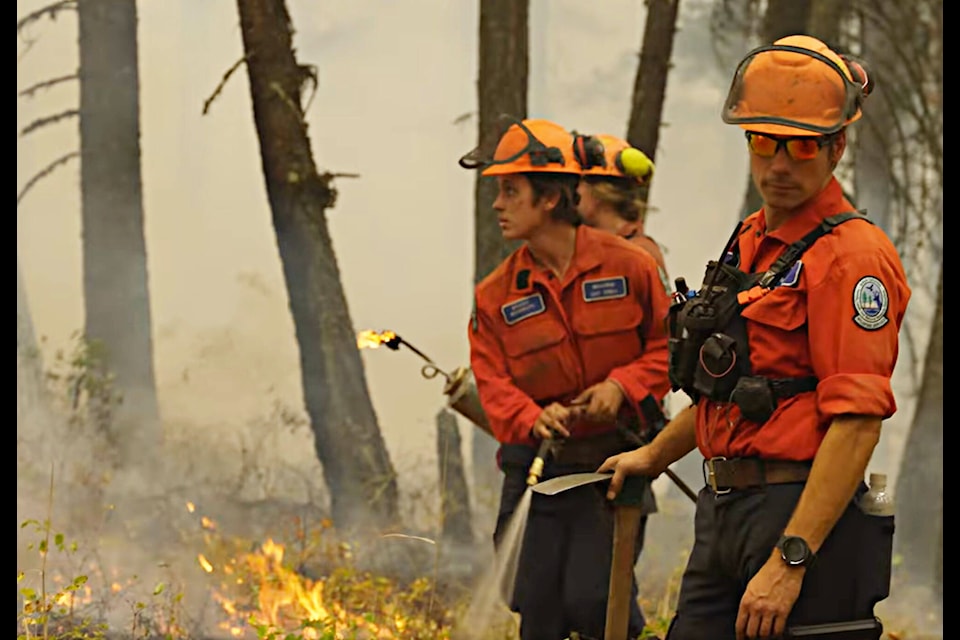



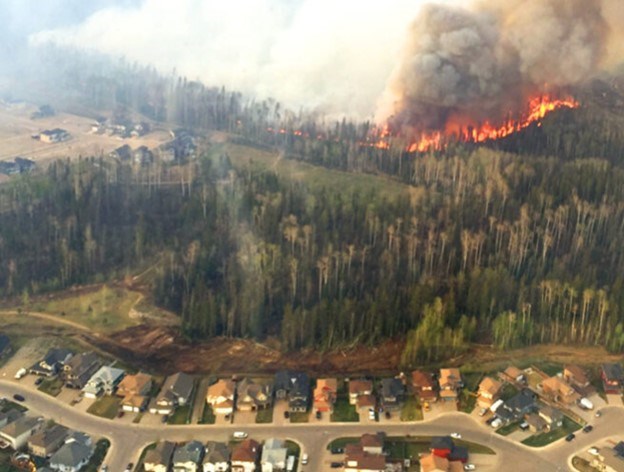
 A bipartisan group of senators introduced legislation Thursday that would create a new Wildfire Intelligence Agency, seeking to streamline the federal response to fires. The bill, led by Sens. Alex Padilla (D-Calif.), Tim Sheehy (R-Mont.), John Hickenlooper (D-Colo.) and Steve Daines (R-Mont.), came in the wake of recent blazes that decimated parts of Southern California, primarily in the Los Angeles region. “The scale of the wildfire crisis demands a singular, whole-of-government wildfire intelligence center to foster cross-agency collaboration and save lives,” Padilla wrote in a statement. The joint office would share information with the Department of Agriculture, the Department of Commerce and the Department of the Interior, according to the legislation. “Wildfires don’t care about state lines or forest service boundaries,” Hickenlooper said. “A centralized wildfire intelligence center will speed our response to fires and promote cross-agency collaboration to tackle them.”
 SACRAMENTO, Calif. — As Los Angeles reels from deadly January wildfires that destroyed thousands of homes, California Gov. Gavin Newsom signed an order Thursday directing the state to advance long-delayed regulations requiring homeowners in high-risk areas to clear combustible materials around their homes. Newsom ordered the state to publish draft regulation next month, with a deadline to adopt those rules by the end of the year. The requirements were passed by lawmakers in 2020 and originally set to take effect by Jan. 1, 2023. Newsom signed the order after he returned from Washington to advocate for disaster aid. The rule requires homeowners to clear materials like dead plants and wooden furniture within 5 feet of their homes in fire-prone areas. As multiple fires roared through LA neighborhoods in January, the regulations still weren’t written, and the state Board of Forestry and Fire Protection told The Associated Press last month it had no firm timeline for completing them.
 This opinion piece is by the following groups: Central Utah Water Conservancy District, Salt Lake City Department of Public Utilities, Weber Basin Water Conservancy District, Mountain Regional Water Special Service District, Metropolitan Water District of Salt Lake & Sandy, Jordan Valley Water Conservancy District, Summit County, and World Resources Institute. After another catastrophic wildfire season in the West, it is clear that Utah can no longer put off needed investments to protect our forests and critical sources of drinking water. The consequences of delaying these essential investments grow yearly and the stakes have never been higher. …These fires are a wake-up call. Infrastructure costs should not fall on water ratepayers alone. While Utah water utilities and our partners have made progress in reducing wildfire risks in key watersheds, the wildfire crisis demands even greater levels of collaboration and funding — and both are needed now from Utah’s state Legislature.

 PIEDMONT TRIAD, N.C. — North Carolina has seen a rising number of wildfires recently, including two here in the Triad just last week. The North Carolina Forest Service is the agency responsible for getting those fires out, but lately it’s been difficult to do so. That’s due to the large number of vacancies across the department. “When we’re the lead agency for wildfire response, this isn’t a forest you want 100 positions consistently unfilled,” Philip Jackson, Public Information Officer for the N.C. Forest Service, said. It’s an issue the agency has been having for some time. “It’s [vacancies] pretty evenly distributed throughout all three regions across the state,” Jackson said. “You’re looking at about 30-35 unfilled positions in all three regions.”


 Biochar, a charcoal-like material derived from plant biomass, has long been hailed as a promising tool for carbon dioxide removal. However, a new study by Stanford researchers highlights a critical issue: current methods for assessing biochar’s carbon storage potential may significantly undervalue its true environmental benefits. The paper points the way to more accurately evaluating biochar, and boosting its credibility as a climate change solution. The research challenges conventional durability metrics and proposes a more nuanced framework for evaluating biochar projects. It grew out of an early project looking at soil’s ability to capture carbon dioxide. …By reanalyzing the largest existing biochar durability dataset, the researchers uncovered that relying solely on hydrogen-to-carbon ratios ignores critical factors such as soil type, environmental conditions, and biochar feedstock variability. Without these factors, models often fail to predict real-world outcomes for carbon storage and benefits to soil health and crops.
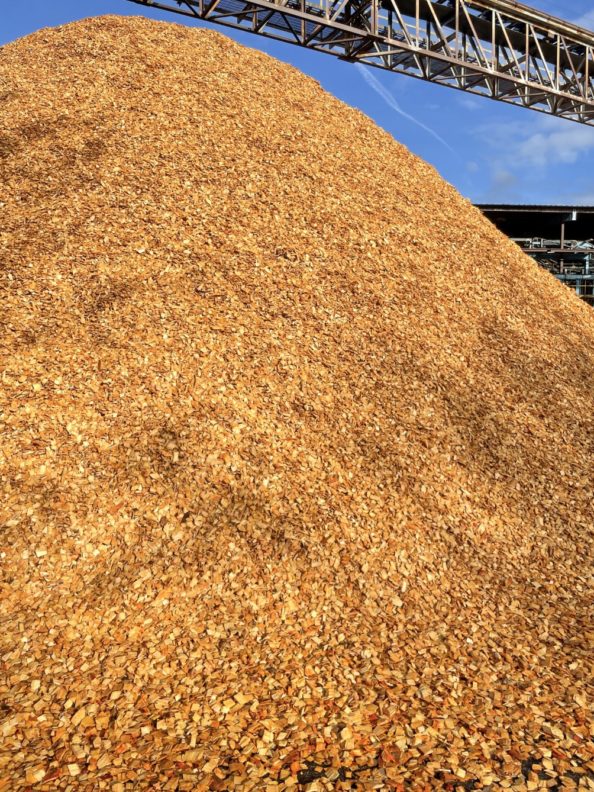 Green campaigners fear ministers are poised to award billions of pounds in fresh subsidies to Drax power station, despite strong concerns that burning trees to produce electricity is bad for the environment. Drax burns wood to generate about 8% of the UK’s “green” power, and 4% of overall electricity. This is classed as “low-carbon” because the harvested trees are replaced by others that take up carbon from the atmosphere as they grow. But many studies have shown that wood burning harms the environment, by destroying forests, and because of the decades-long time lag between the immediate release of carbon dioxide CO2 from burning and the growth to maturity of replacement trees. Drax currently receives billions of pounds in subsidies from energy bill payers, at the rate of about £2m a day according to Greenpeace, but these are scheduled to run out in 2027. A government decision to continue the support payments beyond the cut-off could come on Monday.