 The Canadian American Business Council says the Oval Office meeting was exactly what we hoped for. In related news: Carney gets the Trump treatment; BC keeps its expectations in check; and the US imports more cars, lumber and oil. In other Business news: ERA’s Kevin Mason says Q1, 2025 could be lumber’s high-water mark; and FEA’s Paul Jannke clarifies timing of new US softwood duties. Meanwhile: Western Forest Products; Stella-Jones; and Louisiana Pacific all report positive Q1, 2025 earnings.
In Forestry news: Canadian forest leaders commit to sustaining Canada’s forests; Garry Merkel touts UBC’s indigenous land stewardship degree; the USDA announced $23 million to reduce wildfire risk and boost timber production; and Trump’s timber order spurs debate in Vermont’s woods.
Finally, Mosaic wants you to share your take on responsible recreation – take the survey!
Kelly McCloskey, Tree Frog News Editor
 Domtar’s Jackson Widjaja is planning for more
  Professionals working in the lumber and sawmill sector and looking to advance their careers can gain specialized training through BCIT’s Associate Certificate in Industrial Wood Processing, starting June 2025. The IWP program was developed with industry subject matter experts and informed by industry leaders to support upskilling and professional development within the sector. The program is 1-year, delivered online and part-time to allow students to balance work and studies.
 MONTRÉAL, RICHMOND, BC, and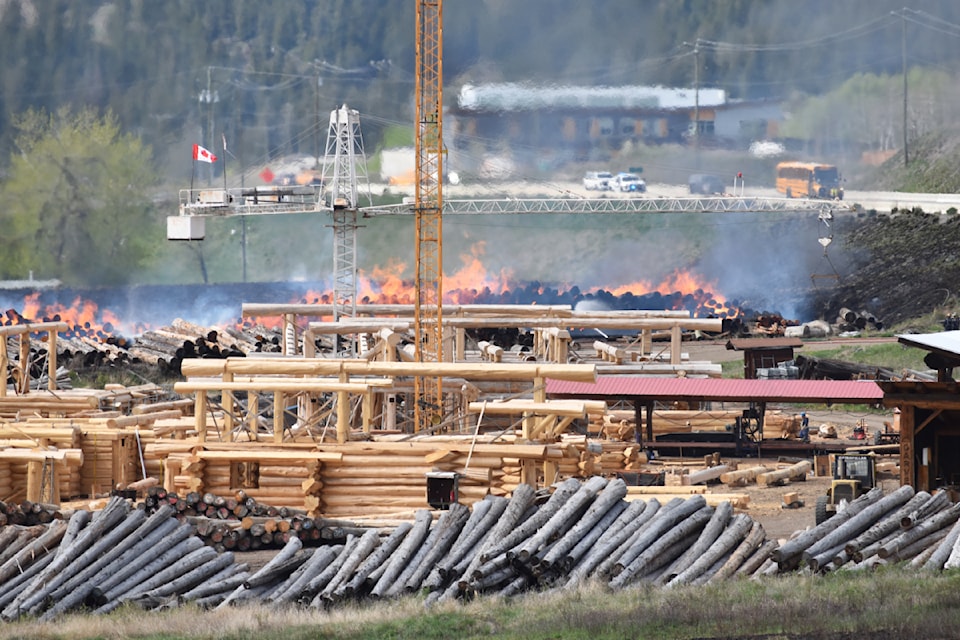

 This newsletter includes:


 The May News & Views includes the following headlines: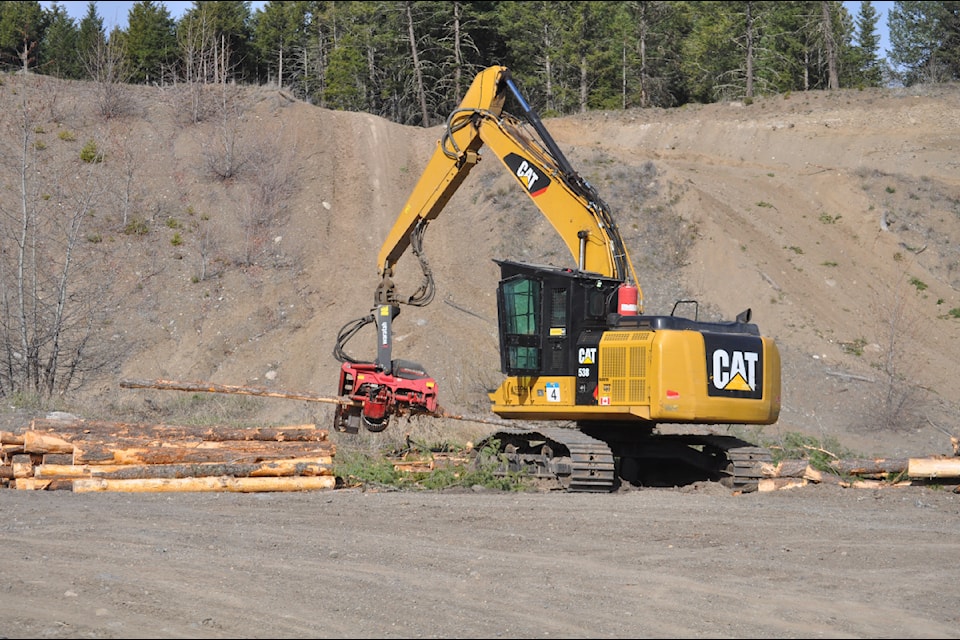


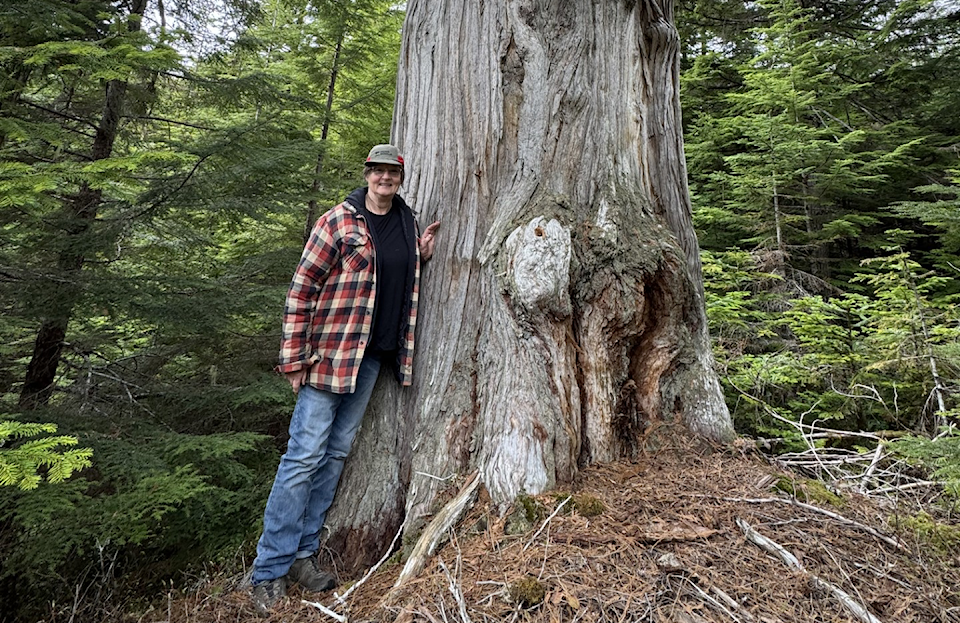

 With the Southern Interior’s hottest months just around the corner, FortisBC is putting important safety measures into place to help protect communities and its electricity system against wildfires, which includes adding extra precautions that could result in power outages. To further enhance its wildfire safety practices, FortisBC has introduced a Public Safety Power Shutoff (PSPS) policy, a new precautionary measure where electricity is proactively shut off in selected areas in advance of extreme weather. FortisBC is advising its customers to be prepared for these potential outages that help reduce potential ignition sources. …According to FortisBC, customers should always be prepared to be without electricity for at least 72 hours, especially during wildfire season.
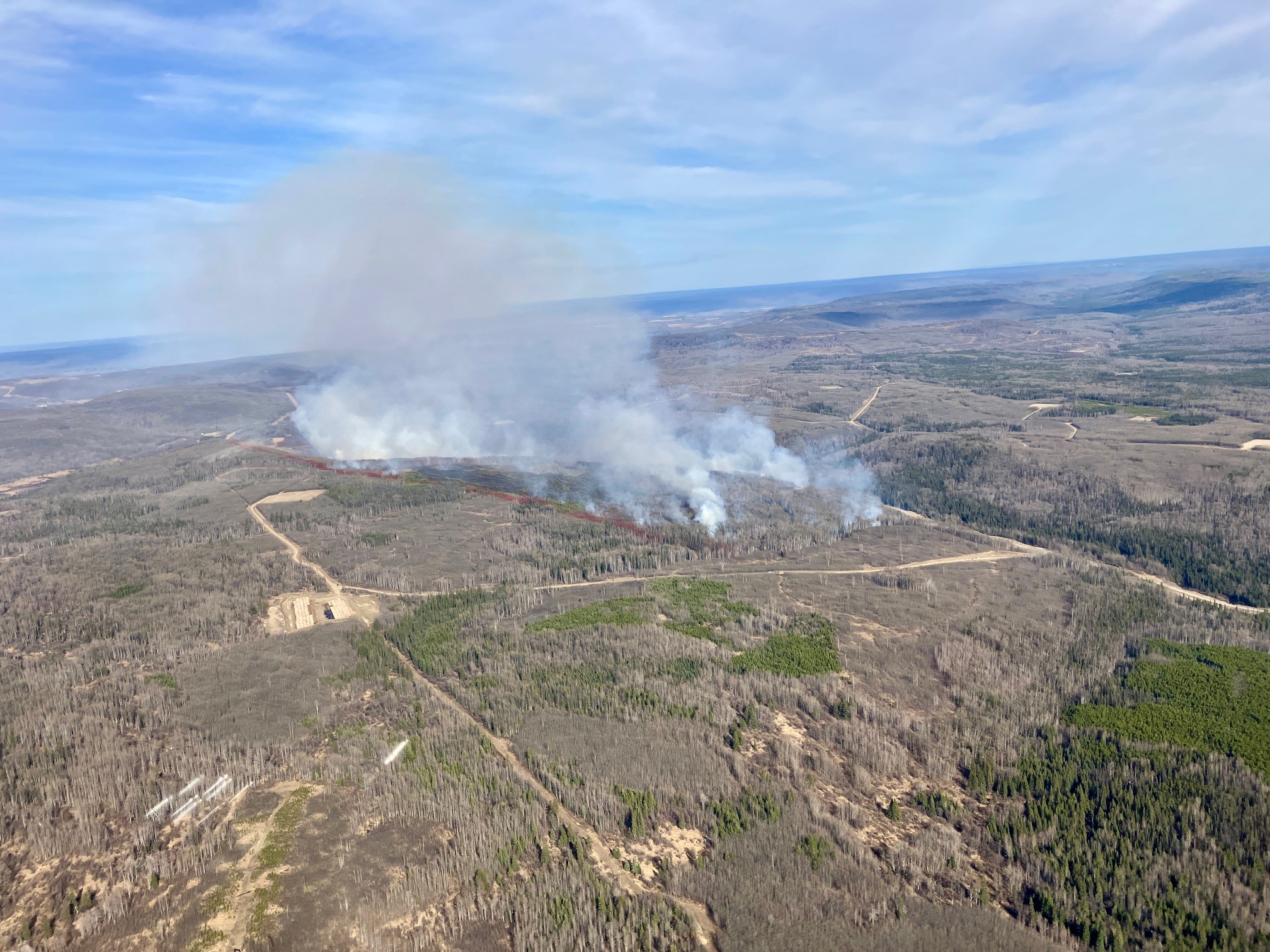
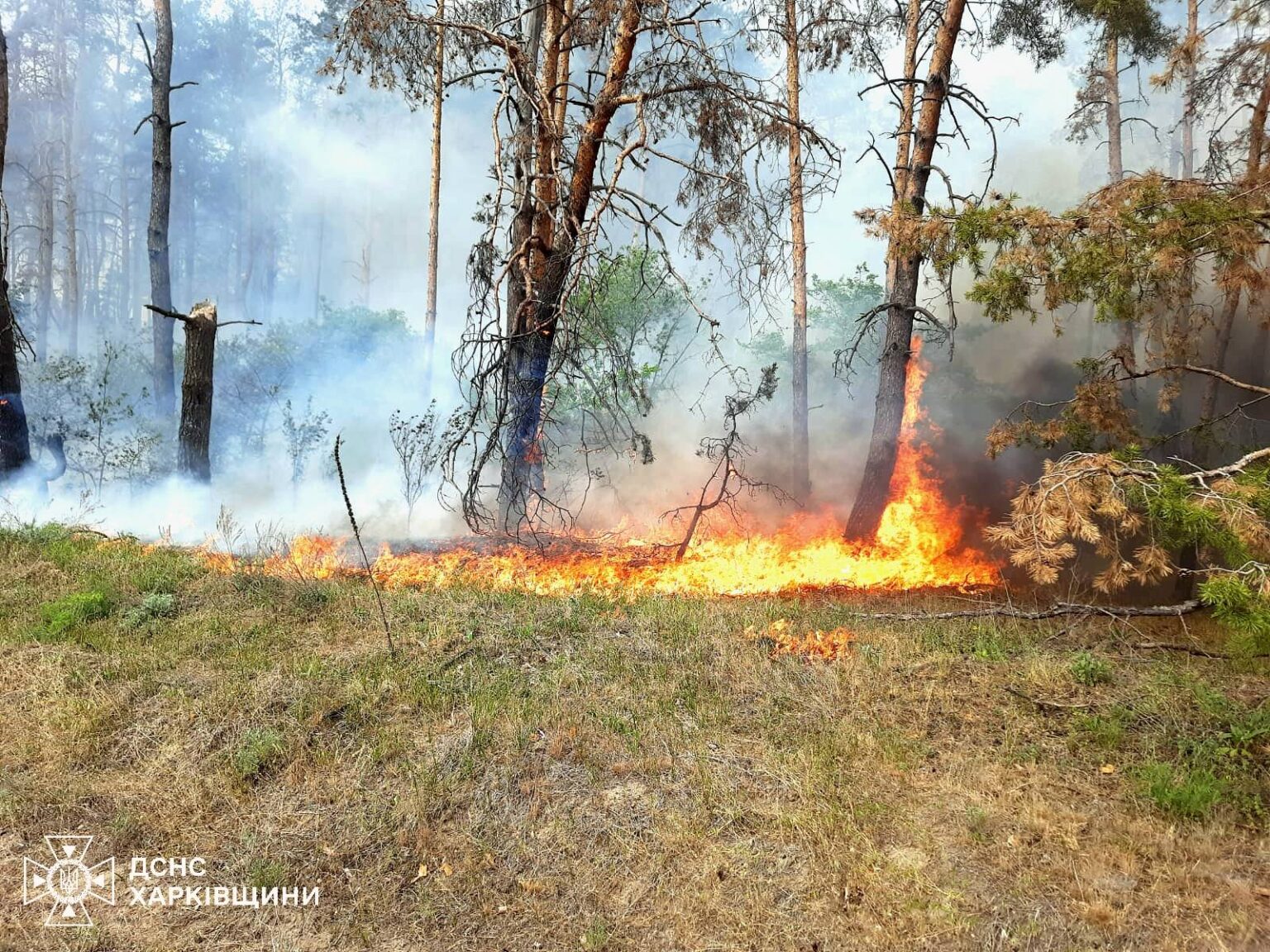
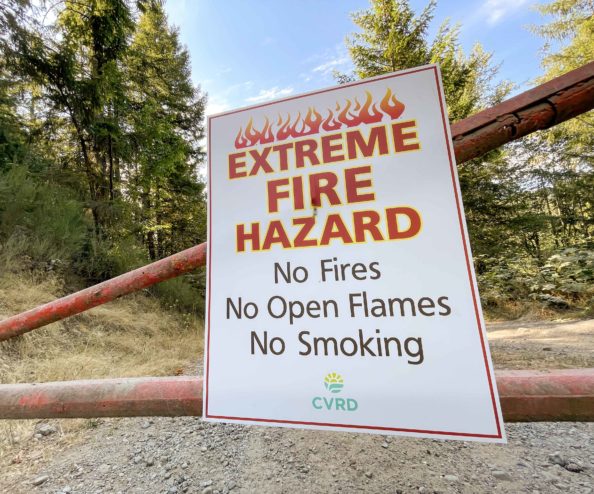 People are asked to use caution over the next several days as a combination of warm, dry conditions and strong winds in much of southern B.C. are adding to elevated wildfire danger. The BC Wildfire Service urges people to postpone any open burning until the windy conditions pass and to use extra caution when camping in the backcountry. “We are expecting active weather in the coming days that could set the stage for dangerous wildfire conditions across the province,” said Ravi Parmar, Minister of Forests. “This is the time of year when we’re at the most risk for human-caused wildfires in B.C., most of which are entirely preventable.” People planning to have campfires should do so safely, following any local prohibitions.

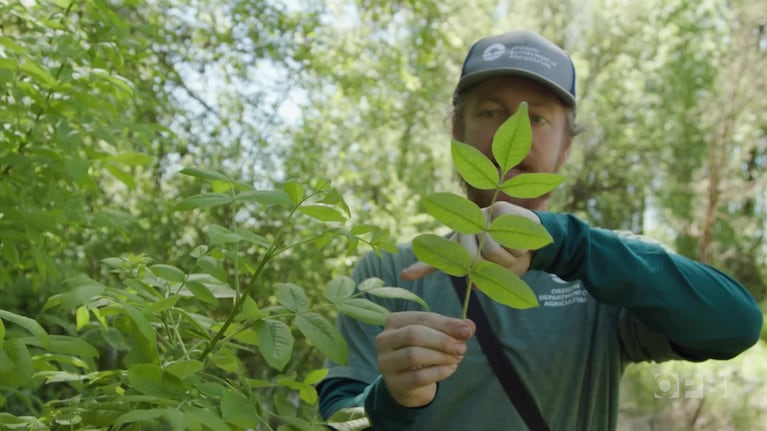

 NEW HAMPSHIRE yield tax on timber, often called the “timber tax,” was established in 1949 and has been locally collected to offset property taxes ever since. …The yield tax on timber has been an essential tool for promoting conservation, helping the timber industry, and stabilizing municipal revenues in heavily timbered towns. …The legislation would, “…encourage conservation of the forest resources of [New Hampshire] by releasing growing wood and timber from the yearly burden of local property taxes and substituting a yield tax….” The timber tax has been very effective achieving these goals… The current policy strikes an excellent balance between industry and conservation. There is a new government-promoted industry threatening New Hampshire’s timber industry, loggers, timber processors, and heavily timbered towns that depend on timber tax revenues. Carbon credits.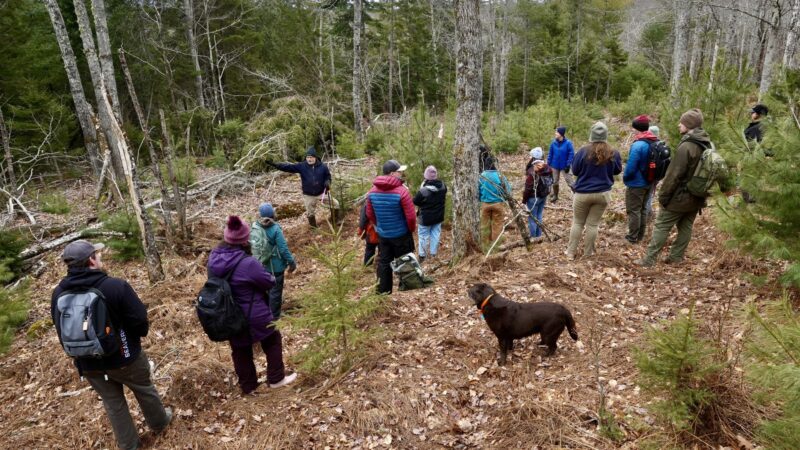
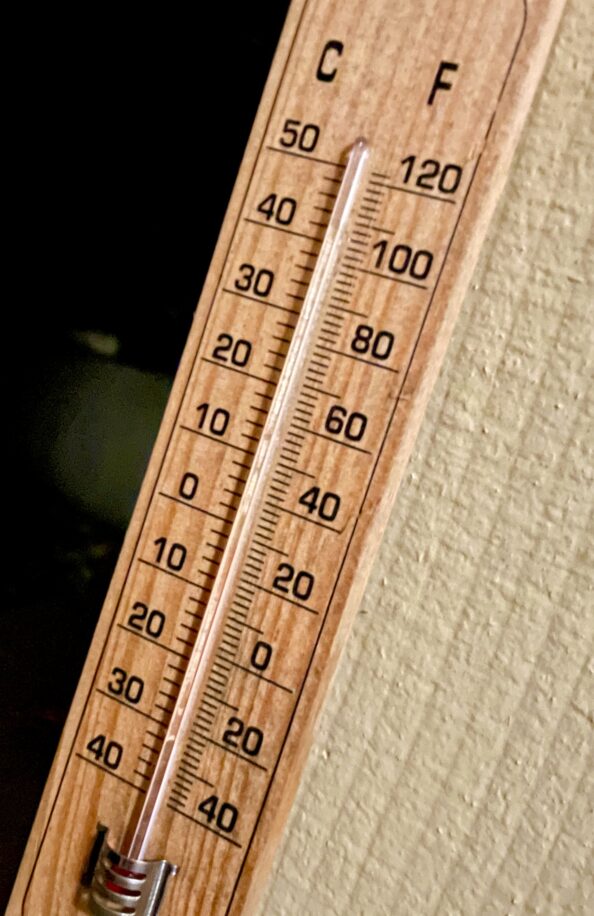 MONTREAL – Academics at McGill University in Montreal are providing the U.S. scientific community a platform to protect climate research under attack. Six months ago, researchers at McGill University’s Desautels Faculty of Management launched the Sustainability Academic Network — SUSANHub.com — a database that centralizes climate research and data. “We initially created this platform to connect researchers and professionals in sustainable development and climate change,” said Juan Serpa, a professor at the Desautels Faculty of Management, describing the platform as a kind of “LinkedIn” for the field. But at a time when the administration of United States President Donald Trump is firing climate researchers, banning certain words from scientific articles, cutting funding for environmental research, threatening to withdraw financial support from universities, and deleting scientific reports from government websites, the McGill platform has taken on a different significance. “The goal is to protect scientific data against threats from the U.S. government,” Serpa said.