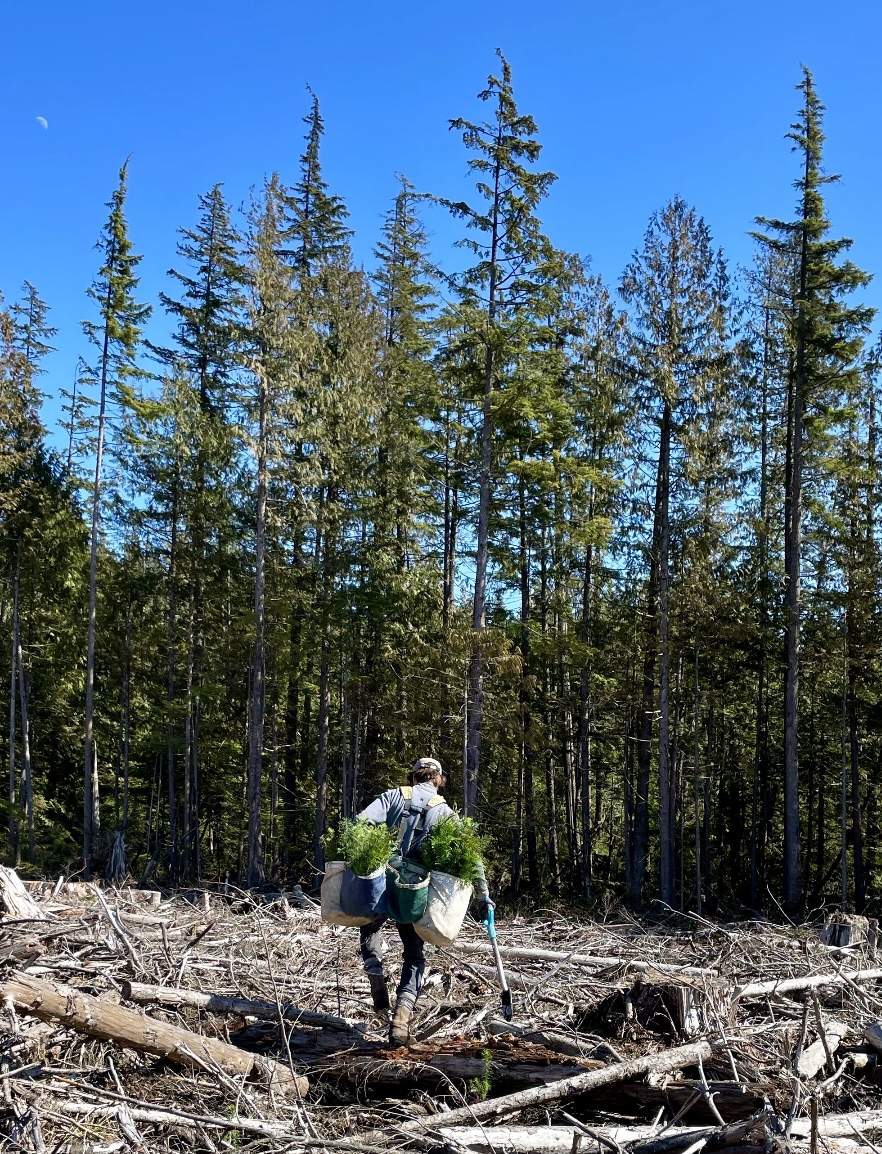
 In the face of Donald Trump’s attacks on Canada, Jagmeet Singh and the NDP have a plan to protect workers, fight for Canada and its economy, and build, build, build using British Columbia forestry products and other resources and skills. “Let’s build, build, build—from hospitals to bridges to the affordable homes we need, and let’s do it using 100 per cent Canadian lumber and other B.C. grown and B.C. built products as much as possible,” said Singh. “We can make sure B.C. workers keep working, keep putting food on the table and keep building this great country.” B.C. businesses say Trump’s tariff fight is already causing layoffs and chaos. Forestry supports over 100,000 direct and indirect jobs in B.C., paying $9.1 billion in wages, salaries and benefits annually. More than 4,800 Indigenous people are directly employed in the forestry industry in the province.






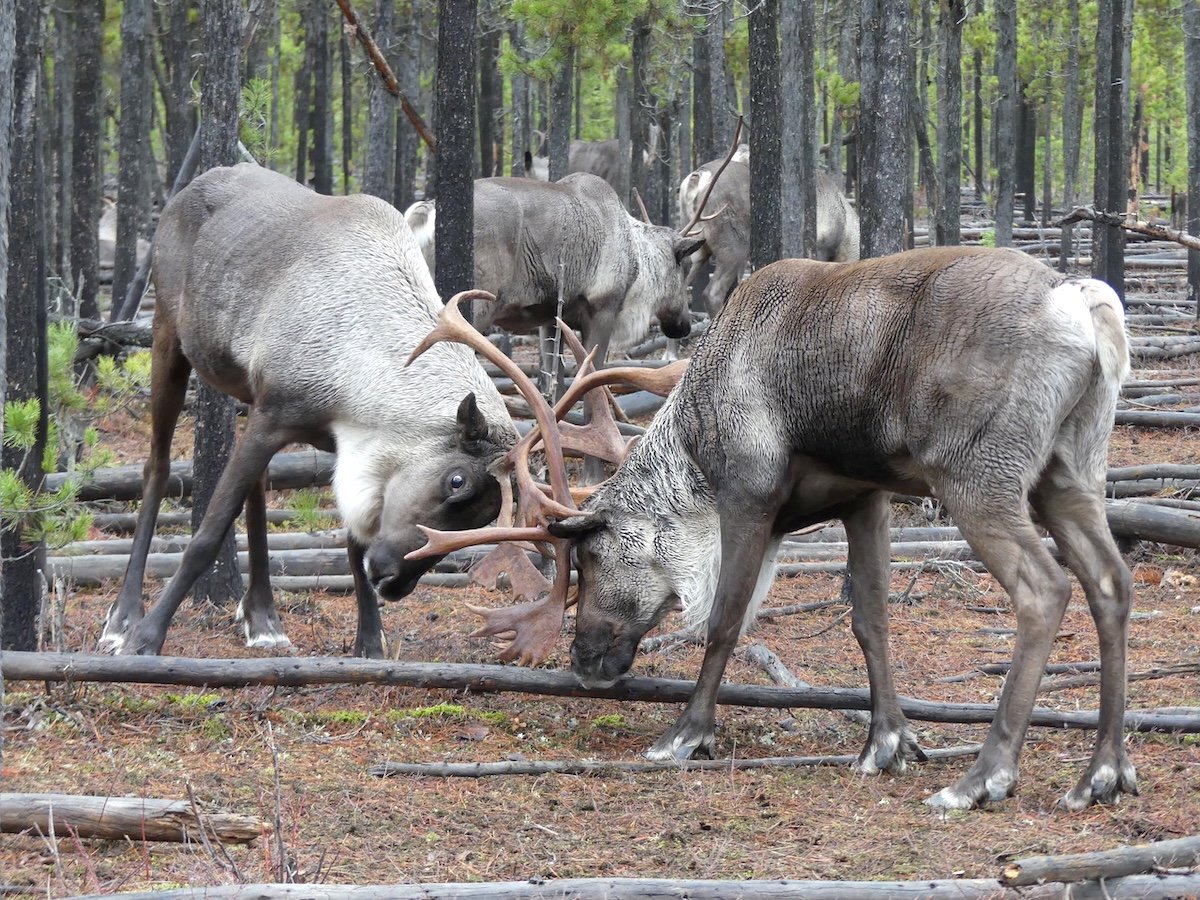
 The Tłı̨chǫ Government in the Northwest Territories signed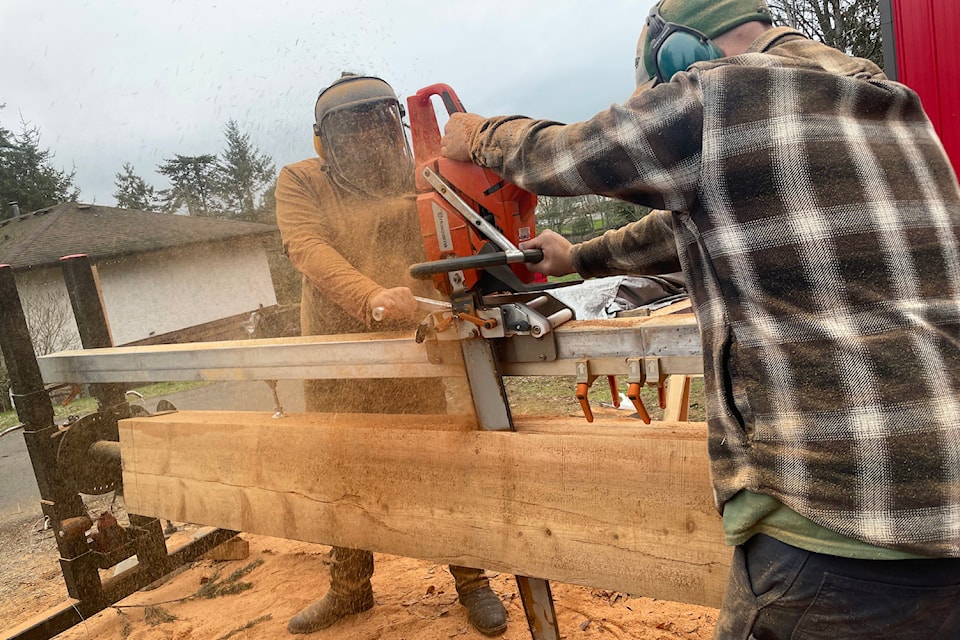
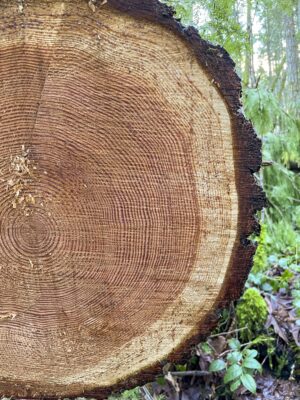 Simcoe County forests are growing — and not just up. Councillors got a brief update Tuesday on the county’s forest management activities last year, as well as finding out what the future holds as the county moves into its 103rd year operating the local forest system… The fact the county has been managing these forests for more than a century is “quite exceptional,” Graeme Davis, who works as a forester for the county, said during Tuesday’s committee of the whole meeting… Of particular note is that the county forests are very active and working forests, Davis added. While harvesting does play an important role, Davis said it’s also important to note that they are about much more than forest harvesting — they also provide “incredible” recreational uses.
.JPG;w=960)
 What are Musk, Trump and the congressional right really after? Anyone who works in land management knows these agencies have long gone underfunded and unsupported by Republicans, rendering them less and less effective as the demands on them grow ever more pressing. Now this bloodletting is accelerating, and soon it will be time to go for the throat. As these agencies flounder, turning their lands over to private administration — to timber, mineral and oil extraction or to private ownership and development — will begin to seem logical and even appealing. While sustainable logging can be a valuable forest management tool, research shows that when lands are managed primarily for resource extraction, they become less resilient to wildfire. This is a shortsighted, profit-driven turn toward a land-use model that is ultimately unsustainable. What will the public be left with? Will we still have places to hike, fish, hunt, dirt-bike and ski? Or will a new landlord be setting new rates?
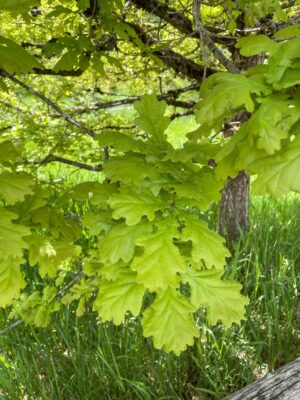 After a century of wildfire suppression across the West, it’s no secret that the approach to forest management has needed to change. And change is, and has been, underway. But newly proposed changes, now in the form of legislation that would let fuel mitigation projects, including logging, in high-risk zones like the forest surrounding Durango skirt the public input process have some environmental groups up in arms. The
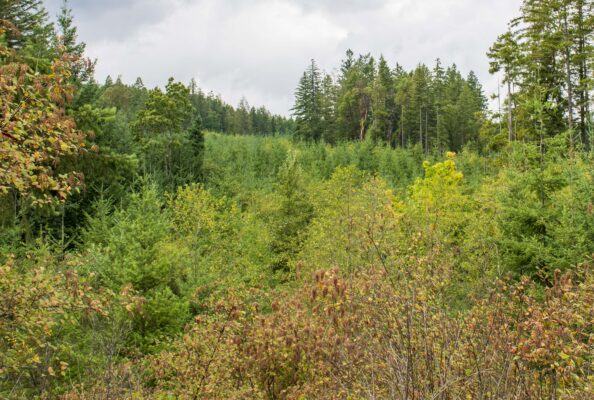 Businesses, communities, and wildlife across a vast portion of western Washington, western Oregon, and northwestern California rely on healthy national forests. Since 1994, the Northwest Forest Plan (NWFP) has guided conservation, recreation, timber production, and other uses of these 19.2 million acres of species-rich and economically important lands and rivers, and now, as it does periodically, the U.S. Forest Service is updating the NWFP… The scientists and land managers who authored the original NWFP recognized the importance of drawing on the best available science. They also had the foresight to incorporate ways to monitor the forests and adjust management if their assumptions—for example, about the plan’s impact on nature and communities—proved wrong… The Forest Service is
 A bipartisan group of lawmakers on Monday urged the Trump administration to scrap plans to kill more than 450,000 invasive barred owls in West Coast forests as part of efforts to stop the birds from crowding out a smaller type of owl that’s facing potential extinction. The 19 lawmakers claimed the killings would be “grossly expensive” and cost $3,000 per bird. They questioned if the shootings would help native populations of northern spotted owls, which have long been controversial because of logging restrictions in the birds’ forest habitat beginning in the 1990s, and the closely related California spotted owl. Barred owls are native to eastern North America and started appearing in the Pacific Northwest in the 1970s. They’ve quickly displaced many spotted owls, which are smaller birds that need larger territories to breed.
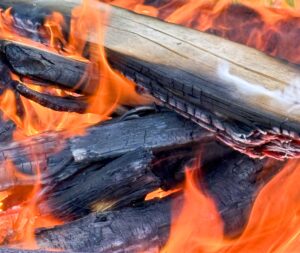 For over a century, the American environmental movement has been animated by an intuitive and simple idea: Protecting trees means leaving forests alone. This stance—championed by figures like John Muir—was based on the belief that any alteration, including thinning or intentional burning, of wilderness harms it. While this ideology helped prevent widespread destruction by timber companies, it also created unintended consequences. Research now shows that overgrown forests are fueling unnaturally severe wildfires, causing irreparable ecological damage and massive economic loss… A key issue remains limited funding. Budget cuts to state and federal land management agencies have reduced the resources available for proactive fire prevention… Insurance and legal concerns further complicate matters. While the need for improved wildfire mitigation is widely recognized, legislative gridlock, environmental regulations, and partisan divisions have slowed progress.
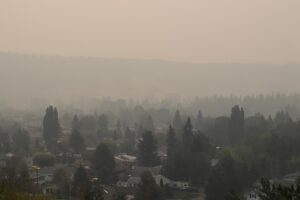 HORRY COUNTY, S.C. — The
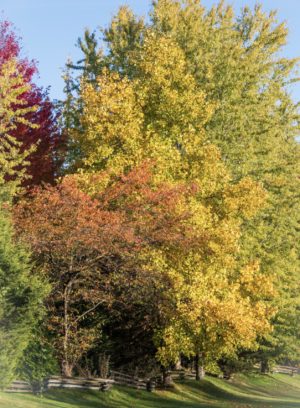 The US Department of Agriculture revoked a federal tree-planting grant to Keep Indianapolis Beautiful in a move the nonprofit’s CEO Kranowitz said may be the result of anti-DEI initiatives coming from the Trump Administration. The money would have helped KIB plant more trees throughout the city, and those plantings should not be all the same kind of tree, Kranowitz explained. The $400,000 grant for urban forestry projects was awarded to the organization in January through the Arbor Day Foundation, but was then clawed back on Tuesday. There’s growing evidence that words like “biodiversity” are being targeted by federal agencies bent on terminating Diversity, Equity and Inclusion initiatives across the country. U.S. Secretary of Agriculture Brooke Rollins recently cancelled a federal contract in Hawaii for an agency meeting on biodiversity and has identified and canceled other training programs on environmental justice claiming they run “contrary to the values of millions of American taxpayers.”
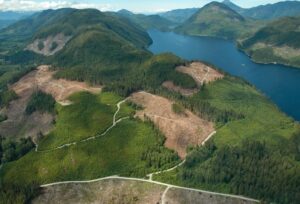 Large, undisturbed forests are better for harboring biodiversity than fragmented landscapes, according to University of Michigan research. Ecologists agree that habitat loss and the fragmentation of forests reduces biodiversity in the remaining fragments. But ecologists don’t agree whether it’s better to focus on preserving many smaller, fragmented tracts of land or larger, continuous landscapes. The
 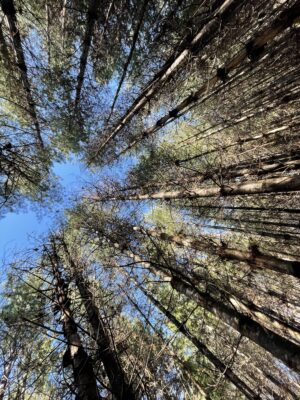 In wild Tasmania there are trees whose direct ancestors lived with dinosaurs. Many of those alive today are thousands of years old, and some have been growing for ten millennia or more. They are mostly hard to reach, hidden in forest valleys or on remote mountains, survivors of human greed and fire.
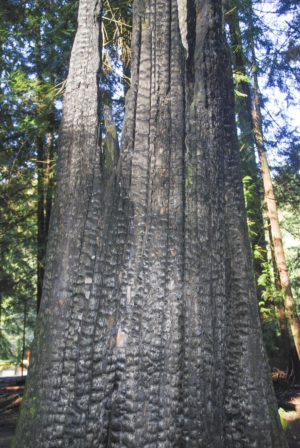 If forest fires burn organic matter, and biochar is created by burning of organic matter shouldn’t forest soils be full of biochar? Not exactly. There is a difference between the burnt product of wildfire and biochar. Forest fires do produce charcoal, but while both charcoal and biochar are types of pyrogenic carbon, they’re not quite the same thing… Forests in Alberta have been affected by the mountain pine beetle, leaving behind dead trees that act as easy fuel for fires. These dead, dry trees are extremely flammable. The Canadian government has looked into using these dead trees as biofuels and some companies do use them to create biochar. Another source of organic matter for biochar is the material removed from forests as part of fuel management… Both of these methods help manage wildfire and could potentially increase the carbon sequestration of forests if the resulting biochar was added back into the forest’s soil.
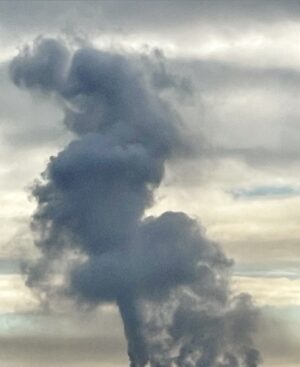 Donald Trump’s administration is to reconsider the official finding that greenhouse gases are harmful to public health, a move that threatens to rip apart the foundation of the US’s climate laws, amid a stunning barrage of actions to weaken or repeal a host of pollution limits upon power plants, cars and waterways. Trump’s Environmental Protection Agency (EPA) issued an extraordinary cavalcade of pollution rule rollbacks on Wednesday, led by the announcement it would potentially scrap a landmark 2009 finding by the US government that planet-heating gases, such carbon dioxide, pose a threat to human health. The so-called endangerment finding, which followed a supreme court ruling that the EPA could regulate greenhouse gases, provides the underpinning for all rules aimed at cutting the pollution that scientists have unequivocally found is worsening the climate crisis.
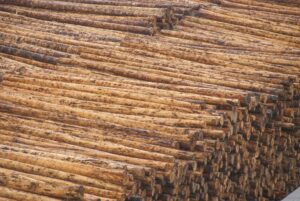 President Trump is pushing federal agencies to expand timber harvests… The U.S. Forest Service is already set to increase the number of trees it harvests to one of the highest levels since 2019, a result of Biden-era policies. But advocates argue that we need trees now more than ever and that this increase in timber harvest doesn’t make sense. The Forest Service is facing a lawsuit