Good morning, members of the Standing Committee on International Trade, members of Parliament, and guests. My name is Lana Payne and I am President of Unifor, Canada’s largest private sector union, with more than 320,000 members across the country, working in every major sector of the Canadian economy… I’d like to remind the Committee that, while the softwood lumber dispute poses a clear and present danger, Canada’s forestry sector continues to experience a perfect storm of repeated and intersecting crises, and a combination of economic, environmental, and global challenges continues to destabilize the broader forestry sector… What we need is a coordinated, comprehensive and inclusive industrial strategy to help transform our forestry sector. The most ambitious and bold redevelopment strategy in modern times.
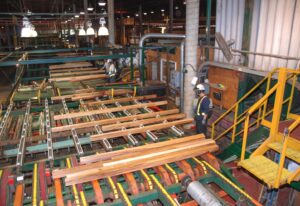 The Lane County Board of Commissioners voted Tuesday to approve a property tax exemption for Weyerhaeuser’s planned improvements to its Cottage Grove sawmill, a move officials say will help secure high-paying jobs in the region while ensuring the timber company remains competitive. Weyerhauser, a Seattle-based timber company, applied for the exemption to delay paying taxes on a planned $120 million upgrade to the sawmill, which it says currently employs 225 people. Under the agreement, Weyerhaeuser will save $7.2 million in property taxes over five years, but the company must make a 10% “community benefit payment,” which will be shared by the South Lane School District and the Cottage Grove Community Medical Center Foundation. Additionally, state law mandates Weyerhaeuser pay supplemental fees to the school district in the fourth and fifth years of the exemption.
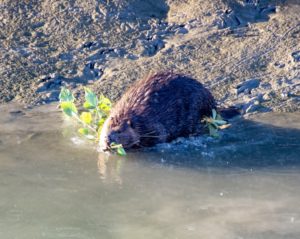 The beaver is a well-known symbol associated with Canada. But in Alberta, beavers are not always looked upon favourably. Historically, tensions between beavers, farmers and ranchers have been high, as beavers can fell many trees and their dam-building can cause fields to flood, damaging crops and grazing areas… The researchers are exploring the impacts of beavers and their structures on hydrology and ecosystem health within the Sibbald Valley in Kananaskis Country… The researcher is also interested in how clear-cut logging on the slopes above the pond complex might alter the volume and speed of water entering the ponds. This work includes monitoring soil moisture levels on nearby slopes that remain treed and those that have been clear-cut.
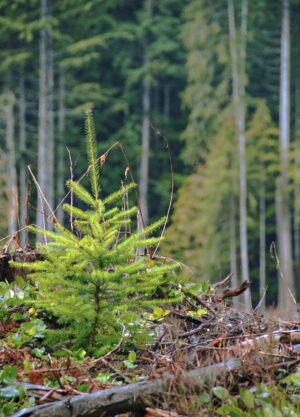 The scientific evidence behind glyphosate’s dangers is overwhelming—and infuriating. Glyphosate doesn’t stop at the plants it’s meant to kill. It contaminates everything in its path, infiltrating the food chain and leaving behind a legacy of harm… Even if Ontario banned glyphosate tomorrow, the chemical’s impact would linger for years. It persists in the soil, where it continues to harm microorganisms and plants. The forests we love may take decades to recover, and some ecosystems may never fully return to their original state. This isn’t just a fight for today; it’s a fight for the future. Quebec has already banned glyphosate in forestry. European countries like Austria and Germany are phasing it out. These regions recognize that short-term convenience isn’t worth long-term destruction. So why is Ontario still clinging to outdated, harmful practices?
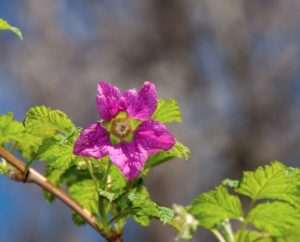 The U.S. Department of Agriculture’s Forest Service announced a new policy for monitoring national forests and grasslands. The policy aligns monitoring, partnerships, and information-sharing efforts to help land managers monitor changes related to climate change and other stressors affecting National Forest System lands and make timely, informed, science-based decisions within staffing and budget constraints. This policy is an important step in implementing the agency’s 2012 planning rule, which requires the agency use monitoring to inform adaptive management. The Forest Service monitors national forests and grasslands to gauge progress toward forest restoration, the effects of disturbance and climate on forests — such as the increasing frequency and intensity of wildfires, drought and floods — and to help people understand how forests are changing through time.
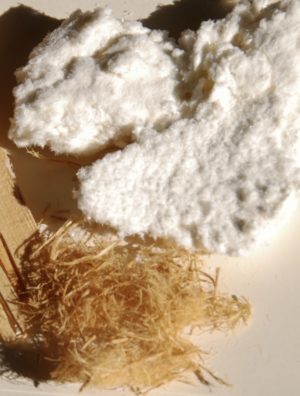 The value of U.S. tall oil exports to Finland and Sweden increased significantly last year, according to a report filed with the USDA Foreign Agricultural Service’s Global Agricultural Information Network. The increase is primarily attributed to increased demand for tall oil as an advanced biofuel feedstock. Both countries are expected to further expand their advanced biofuel production capacity over the next five years, and import demand for tall oil is forecast to grow accordingly. Tall oil is produced from back liquor generated by the pulping of wood.
 Most of the world’s airlines are not doing enough to switch to sustainable jet fuel, according to a study, by Brussels-based advocacy group Transport and Environment, which also found too little investment by oil producers in the transition. The airline sector is calling for more production of the fuel, which can be made from materials such as wood chips and used cooking oil… As it stands, SAF makes up about 1% of aviation fuel use on the global market, which needs to increase for airlines to meet carbon emission reduction targets. The fuel can cost between two to five times more than regular jet fuel. A lack of investment by major oil players, who have the capital to build SAF processing facilities, is hampering the market’s growth, the study says.