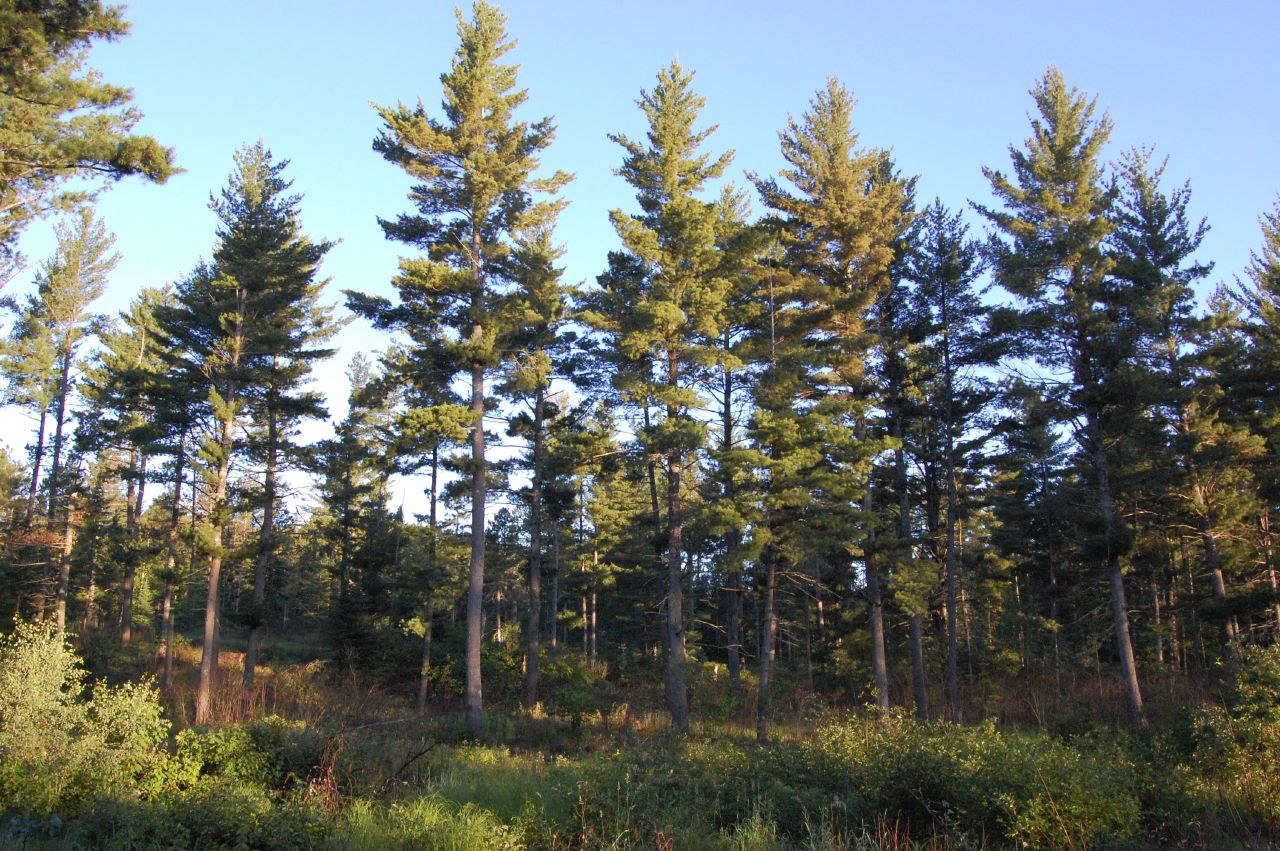
 Every American schoolchild learns about the Boston Tea Party. Almost none of them learn about the Pine Tree Riot — and historians argue it mattered just as much. Two and a half centuries after independence, as America marks its 250th anniversary, one of the revolution’s most consequential grievances remains stubbornly overlooked: the British Crown’s seizure of New England’s forests, and the fury that seizure provoked. The story begins with a tree. Specifically, the Eastern White Pine — the tallest native pine in North America, the backbone of colonial life, and the object of a royal possession so arrogant and so economically devastating that it turned ordinary New England farmers and sawmill operators into revolutionaries. Before there was “no taxation without representation,” there was something simpler and more visceral: a king’s mark cut into wood that a man had watched grow on his own land — wood he was forbidden, by law, to touch.