Daryl Swetlishoff, senior managing director and head of equity research at Raymond James, joins BNN Bloomberg to discuss the lumber sector and what’s in store for it on 2026. [video length 5:44]


 MONTREAL, Quebec – Domtar announced a curtailment in its lumber production. Due to challenging market conditions, US tariffs, and ongoing economic uncertainty, the company will temporarily reduce its lumber production by 150 million board feet for the first quarter of 2026 across its facilities in Quebec, Ontario and the United States. “The demand for lumber in North America remains weak, requiring us to adjust our production levels in line with market conditions,” said Luc Thériault, CEO, Wood Products, and President – Canada, for Domtar. “While this decision is necessary, we are fully aware of the impact it will have on our employees, contractors, suppliers and the communities in which we operate.” Domtar will continue to monitor market conditions and adjust its production plans accordingly. Domtar has a workforce of nearly 14,000 employees in more than 60 locations across North America.
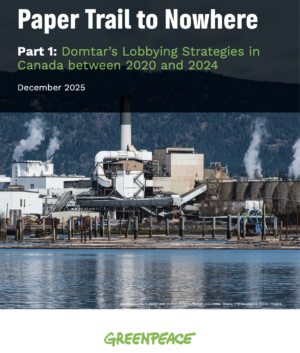 Environmental group Greenpeace is calling for more transparency on the part of Canada’s largest pulp and paper company, saying it has received millions of dollars in government funding without providing the public with details of how that money is being used or sharing its plans for the future of Canada’s forests. In a report entitled
 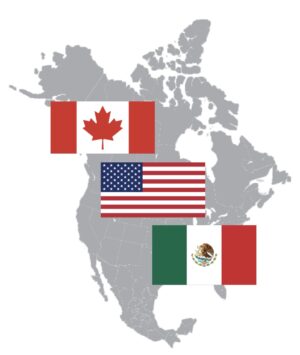 With the fate of North America’s free trade pact on the line, 2026 will be a significant year for some of Canada’s hardest-hit sectors in the trade war with the United States—including auto, steel, forestry and aluminum—as they advocate for Ottawa to do what’s necessary to preserve the deal, and to also help these sectors in the meantime by following through on domestic support measures. …Derek Nighbor, CEO of the Forest Products Association of Canada, said that Canada’s auto and forestry sectors are among the most highly-integrated with the US. While both sectors share this deep integration, Nighbor highlighted a critical distinction for forestry: unlike other industries, forestry facilities cannot be relocated to another country because the natural resource—the trees—remain in Canada. This comment comes amid heightened concerns regarding the 2026 CUSMA review and ongoing trade disputes, such as US softwood lumber tariffs. [to access the full story a Hill Times subscription is required]
 Two recent decisions from the courts of British Columbia and New Brunswick have addressed the relationship between Aboriginal title and private property rights. In Cowichan Tribes v. Canada, the Supreme Court of BC granted a declaration of Aboriginal title, which included lands held in fee simple by third parties. In contrast, in JD Irving Limited et al. v. Wolastoqey Nation, the New Brunswick Court of Appeal held that such a declaration could not extend to privately-owned lands. While these remedial declarations are discretionary, the apparent conflict in judicial approaches raises questions about the future approach to Aboriginal title claims in respect of private property. What you need to know:
 VANCOUVER, BC — West Fraser Timber announced that it will record an impairment of its Lumber segment goodwill in the fourth quarter of 2025 due to persistently challenging economic conditions. The Company is also providing initial 2026 guidance for key product shipments, operational costs and capital expenditures. In Q4-2025, West Fraser expects to record an approximately $409 million non-cash impairment of goodwill as a result of the protracted downcycle that has caused management to recalibrate certain assumptions used in its annual goodwill impairment test. Adjustments to these assumptions include, but are not limited to, species-specific product pricing trends, lower demand and pricing for wood chip residuals, and the depth and duration of the current downcycle and its expected recovery. The impairment represents the entire amount of goodwill associated with the Company’s US lumber operations.
 A new global risk assessment is warning that no country would be more “profoundly affected” by a political upheaval in the US than Canada. Published Monday, the Eurasia Group’s “
 President Trump has delayed new tariff increases on upholstered furniture, kitchen cabinets, and vanities for a year, pushing their implementation to 2027, according to a
 The
The 
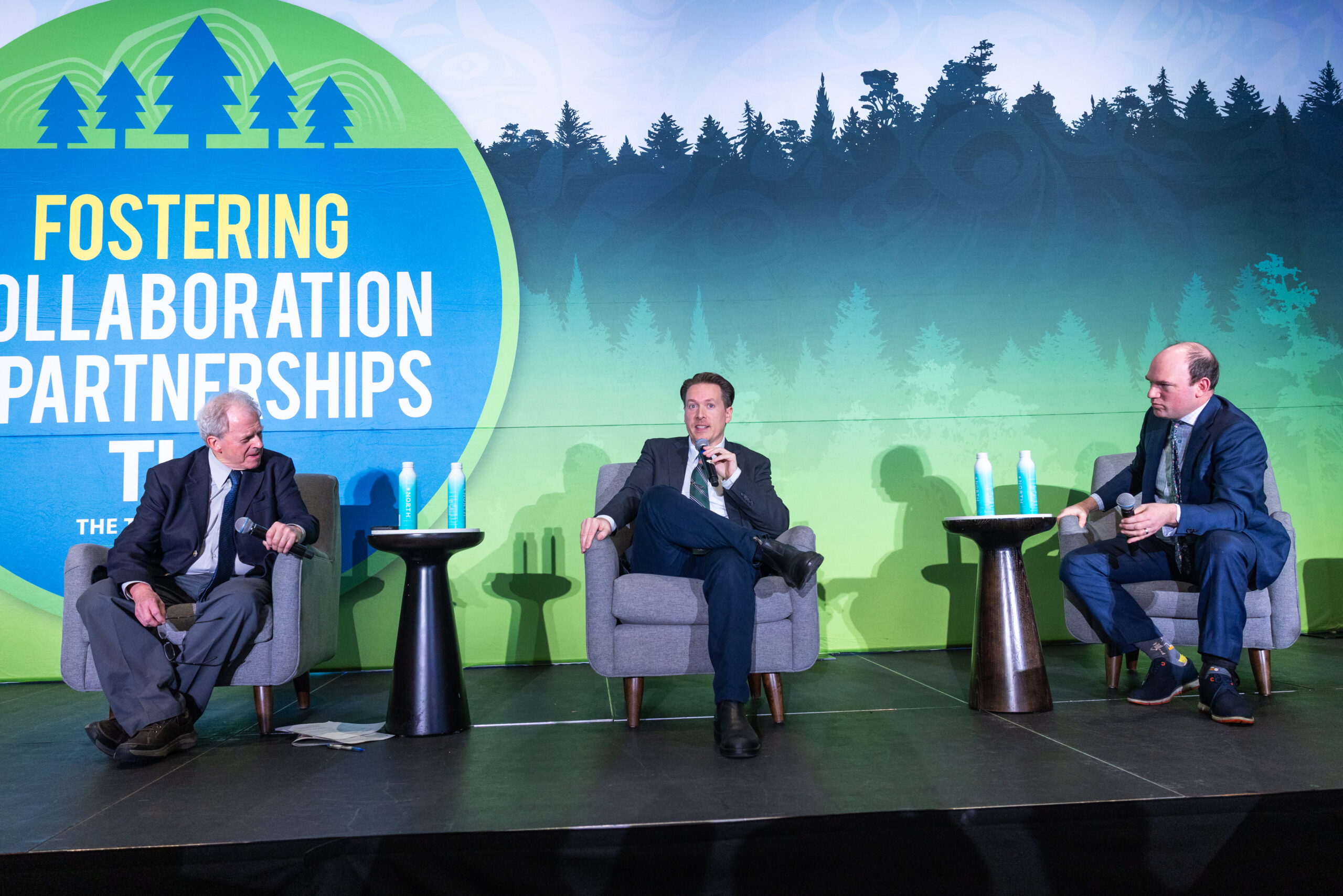 Day 1 of the TLA Conference featured the Politics over Lunch session, a wide-ranging and candid discussion of BC’s political landscape and its implications for the forest sector. Moderated by Vaughn Palmer, the luncheon brought together Rob Shaw, Political Correspondent with CHEK News, and Richard Zussman, Vice President of Public Affairs at Burson. The pair examined shifting government priorities, with Zussman arguing that economic growth and jobs are increasingly shaping policy decisions amid trade uncertainty and fiscal pressures, while Shaw highlighted inconsistent communication around those priorities. They explored the BC Conservative leadership race, the challenges of translating regional resource issues into urban political discourse, and ongoing uncertainty surrounding land use and DRIPA. Discussion also touched on the province’s projected $11-billion deficit, and the gap between government rhetoric and forestry realities. Delivered with humour and frankness, the session offered delegates a clear-eyed view of how politics, policy, and economic pressures are colliding in BC’s forest sector.
 With Canadian lumber producers facing crippling American duties and tariffs, Canadian sawmills that want to stay in business may have to develop markets outside the U.S. Since North America is the only major lumber market that still uses imperial measurements for lumber, this would require retooling logging and sawmill operations to metric. Some B.C. mills are already partway there. With Japan and China becoming saturated, Canadian lumber exporters will need to develop–or redevelop–markets beyond the Indo-Pacific. “We did this before,” said Rick Doman, chairman of Forest Innovation Investment (FII). In the 1990s and early 2000s, Canadian sawmills produced lumber for those markets, he said, but eventually lost them. “The North American market got so strong that we left those markets, and really the Nordic countries took over those markets,” Doman said. But the U.S. has since erected trade barriers in the form of duties and tariffs.

 Nathanson, Schachter & Thompson LLP is again ranked as a Tier 1 firm in Dispute Resolution in British Columbia by The Legal 500. We are included as one of four firms in British Columbia ranked as Tier 1. We are also the only firm in Tier 1 that received a Client Satisfaction accolade. Partners Irwin Nathanson, K.C. and Stephen Schachter, K.C. are included in the Hall of Fame category once again. They are the only two partners from the same firm included in this category. Partner Karen Carteri continues to be recognized as a Leading Partner, particularly for her work in complex shareholder and partnership disputes. Clients describe NST as a firm that “whole-heartedly embraces and delivers a hands-on and effective approach” while offering particular praise for partners Karen Carteri, Emily Hansen, Julia Lockhart and Kayla Strong.



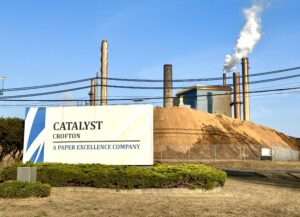 The union representing 350 Crofton mill workers facing layoffs next month wants federal money earmarked for softwood lumber workers to pay for early retirement for some of its members. Geoff Dawe, president of the Public and Private Workers of Canada, said he’s not sure why it’s taken so long for the provincial government to negotiate its share of a $50-million federal fund aimed at supporting softwood lumber workers. The fund is for income support and costs of re-training an estimated 6,000 forestry workers across the country. …Dawe wants some of that $50 million to go toward an early-retirement fund for members who will be out of work when forestry company Domtar starts laying off its Crofton workers on Feb. 3. …Dawe said the provincial and federal governments should bring back a lump-sum payment program for older mill workers that will “leave them some dignity.”

 Premier David Eby will lead a trade mission to India promoting British Columbia’s businesses, critical minerals and sustainable wood products, supporting work to build a more independent economy and creating more good jobs for people in British Columbia. … “India is a key market for B.C. with enormous opportunities for trade. This trade mission is about deepening our relationships, supporting good jobs in B.C. and strengthening our position as the economic engine of the new Canadian economy,” Premier Eby said. As India moves toward becoming the world’s third-largest economy, the Premier will highlight opportunities for sustainable forestry, clean energy and responsible mining through new partnerships that are available only in B.C. …During the mission, from Jan. 12-17, 2026, Premier Eby, along with Ravi Kahlon, Minister of Jobs and Economic Growth, will meet with government and business leaders in major centres of commerce and technology, such as New Delhi, Mumbai, Chandigarh and Bangalore.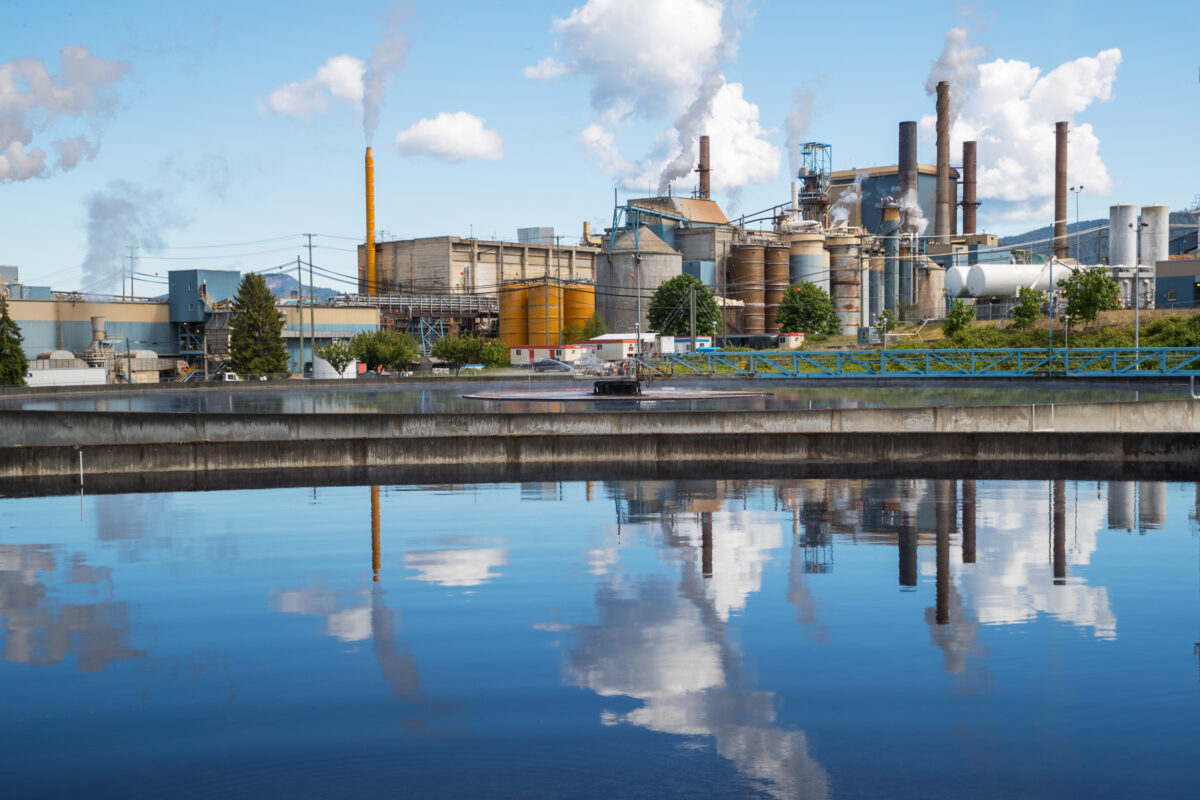
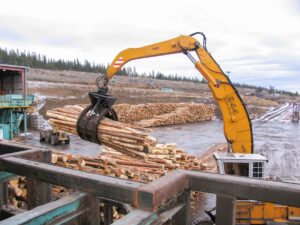 Since 2018, notes forestry watcher David Elstone, the British Columbia government has introduced more than 43 measures, policies, plans, systems, laws, reviews and reports about and affecting the BC forest sector. Meanwhile, there have been a series of closures and curtailments (permanent, temporary or indefinite) of sawmills and pulp mills, and thus workforce reductions. “And the fibre-supply crisis has continued to worsen, and . . . the industry is in far worse condition than ever before.” Elstone’s basic message: “Government has been busy designing change rather than figuring out solutions and moving forward. …Kim Haakstad, CEO of the BC Council of Forest Industries (COFI) echoes the analysis “There’s been a significant amount of change that hasn’t settled itself into the system, and there’s been no look at what regulatory efficiency can be achieved to make processes clearer, more transparent, and more accountable.”
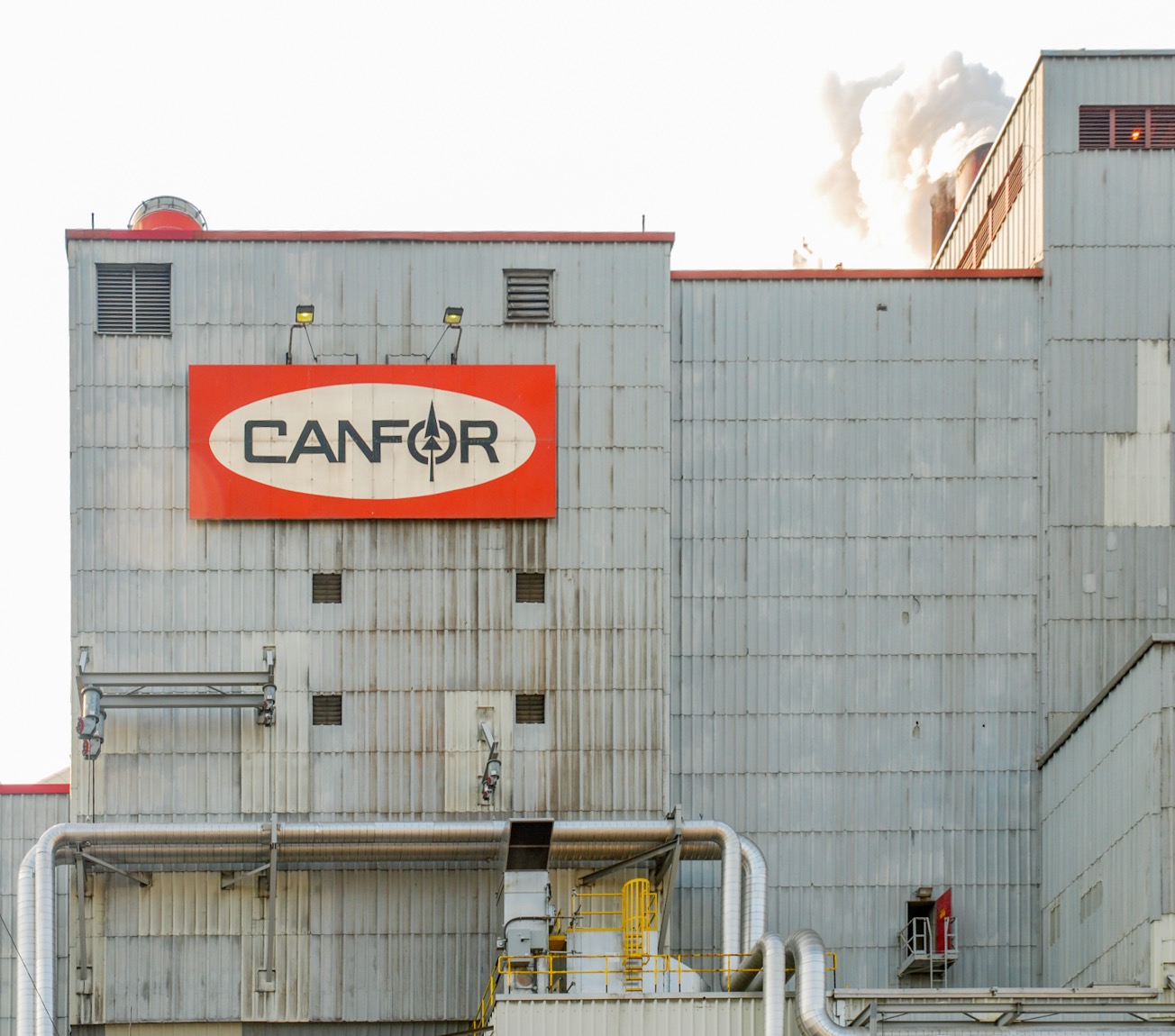 The District of Vanderhoof, says it is now feeling the full financial impacts of Canfor’s 2024 Plateau sawmill closure and is facing a substantial loss of tax revenue for 2026. Canfor closed its sawmills in both Vanderhoof and Fort St. John, B.C., in December of 2024 citing “increasing regulatory complexity, high operating costs and the inability to reliably access economically viable timber.” Kevin Moutray is the mayor of The District of Vanderhoof, says the closure will create a loss of $580,000 in tax revenue equivalent to 11 per cent of its tax base. …Recent closures include the West Fraser’s sawmill in 100 Mile House and Domtar’s permanent closing of its plump mill in Crofton on Vancouver Island. “It’s difficult and sometimes action only happens in a crisis even though you sort of, can see some of it coming,” said Kurt Niquidet, B.C. Lumber Trade Council president and B.C. Council of Forest Industries chief economist.
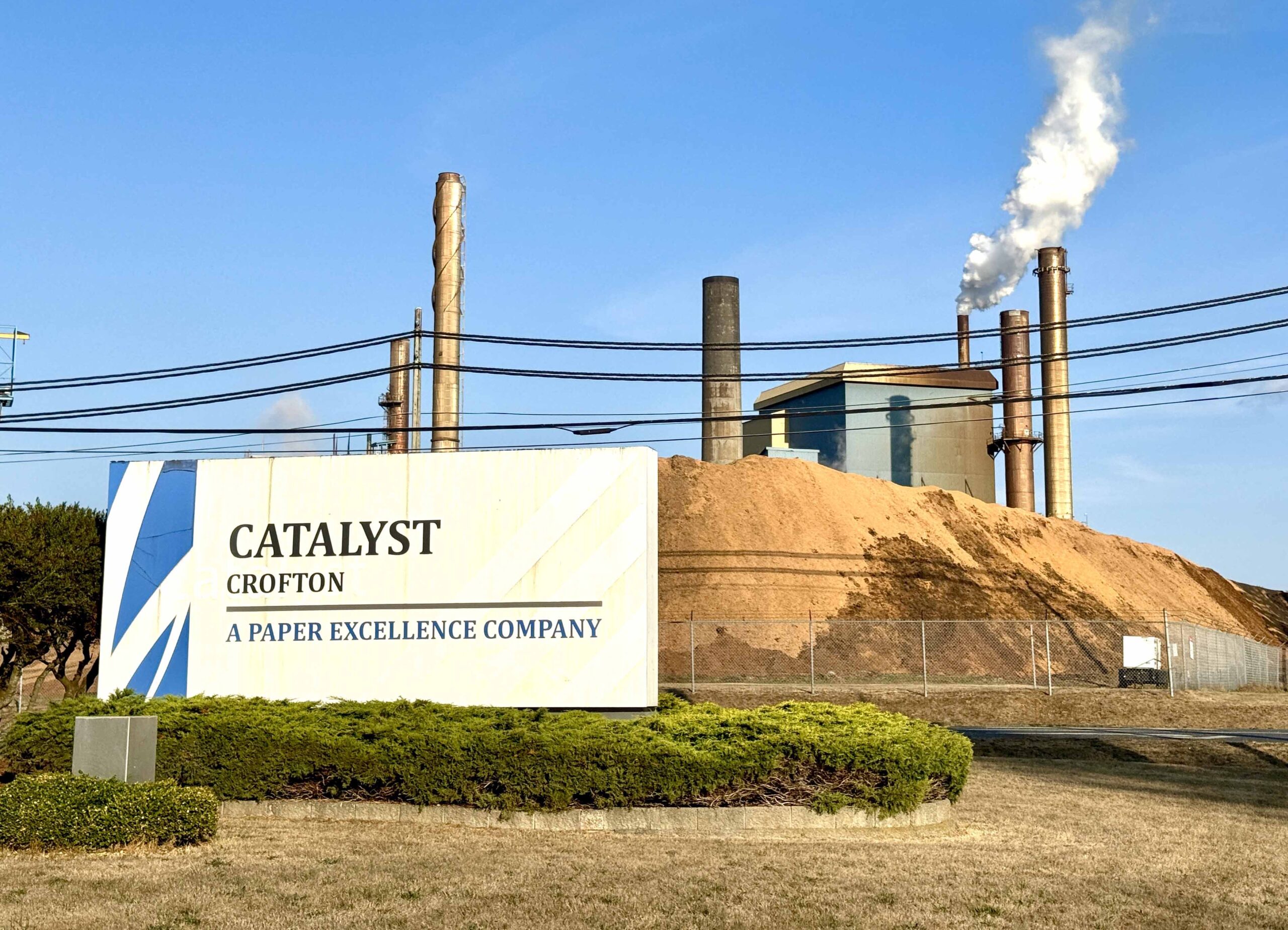 The Municipality of North Cowichan said it is hoping to reopen the Bridging to Retirement Program and lower the eligible age to increase support for workers affected by the Crofton mill closure. Mayor Rob Douglas said he has asked the premier and the minister of forests to work with the federal government to reinstate the program, which was launched in 2021. He said the program is aimed at workers over 55 who do not “relish the idea” of retraining for new careers. “We recognize workers who are in their 50s and 60s are in a tough spot and are able to access pensions,” Douglas said. “For obvious reasons some aren’t too excited about going back and getting retrained to work in a whole different field.” …Douglas said the decision rests with the province and there is no definitive timeline for when workers or the municipality could see results.

 MACKENZIE COUNTY, Alberta — An agreement with Calgary-based PowerWood Canada Corp. will bring two new wood pellet manufacturing facilities to the Mackenzie County region in Northern Alberta, Canada. Josh Knelsen, Mackenzie County Reeve, announced Dec. 23 the agreement. “This is a leading-edge, first-of-its-kind project in Canada that turns wildfire-damaged wood into clean energy and helps reduce reliance on coal,” said Knelsen. The two facilities represent the potential for up to 300 direct jobs,” with many more across forestry, construction, transportation, and local businesses. …Construction on two sites is expected to begin by mid-2026. …The facilities will also see the introduction of Canada’s first steam explosion pellet production process – developed by leading industrial systems engineers Valmet and capable of producing black wood biofuel pellets with 94% less carbon release than coal. …PowerWood Canada plans to open a second Alberta plant and has developed expansion plans for further plants in New Brunswick and Nova Scotia.
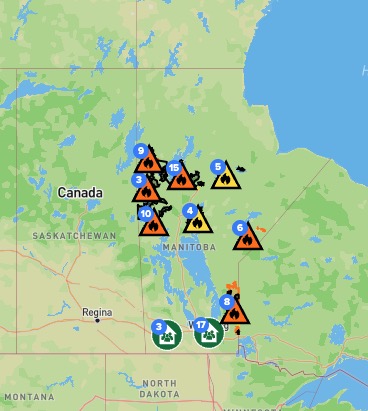 Manitobans should expect higher cabin and home insurance premiums in 2026, one expert says, after a 2025 fire season that destroyed at least 130 properties in the province and forced more than 32,000 people to leave their communities. Owners may also encounter new caps on payouts or exclusions in their policies that won’t cover certain hazards or parts of a property, or may find insurers will not provide coverage at all, said Jason Thistlethwaite, an assistant professor at the University of Waterloo’s school of environment, enterprise and development. “Insurance is a business, and they’re going to be looking to recoup those losses,” said Thistlethwaite, who studies the economic impacts of climate risk and natural disasters.

 Nine more forestry companies are being supported to modernize, innovate and diversify their product lines and fibre sources to make more high-value, made-in-BC products, and help protect and create jobs. “It’s no secret our forestry sector is facing many challenges, making these investments timely,” said Minister of Forests, Ravi Parmar. …Through the BC Manufacturing Jobs Fund, the Province is contributing $2.5 million to plan or complete capital projects. For example, Canadian Bavarian Millwork and Lumber in Chemainus will receive as much as $1.4 million to help build its new facility. …Additional investments include:
 CHEMAINUS, BC — Western Forest Products’ value-added division in Chemainus is receiving up to $7.5 million from the province to add two new continuous dry kilns to its manufacturing operations. The investment, from the province’s BC Manufacturing Jobs Fund, will allow WFP’s facility on River Road to expand the production of high-value products and create new opportunities for second-growth hemlock to produce higher-value products, as well as increasing the stability of the forest company’s operations on Vancouver Island. Minister of Jobs and Economic Growth Ravi Kahlon and Forest Minister Ravi Parmar joined Steven Hofer, CEO of WFP, to make the funding announcement, which is expected to strengthen Vancouver Island’s manufacturing sector. In addition, the ministers announced that
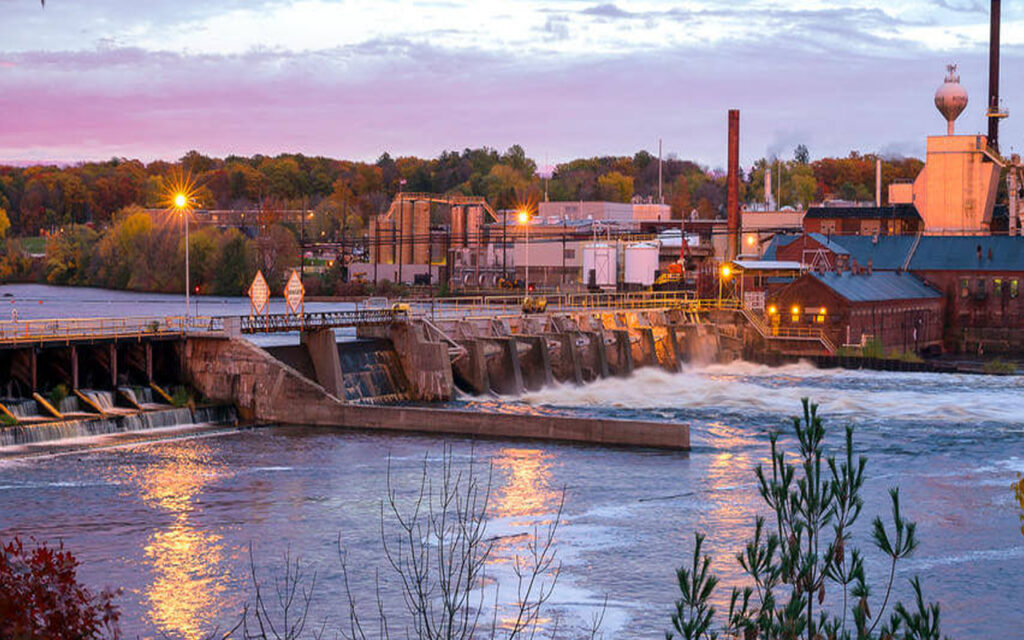
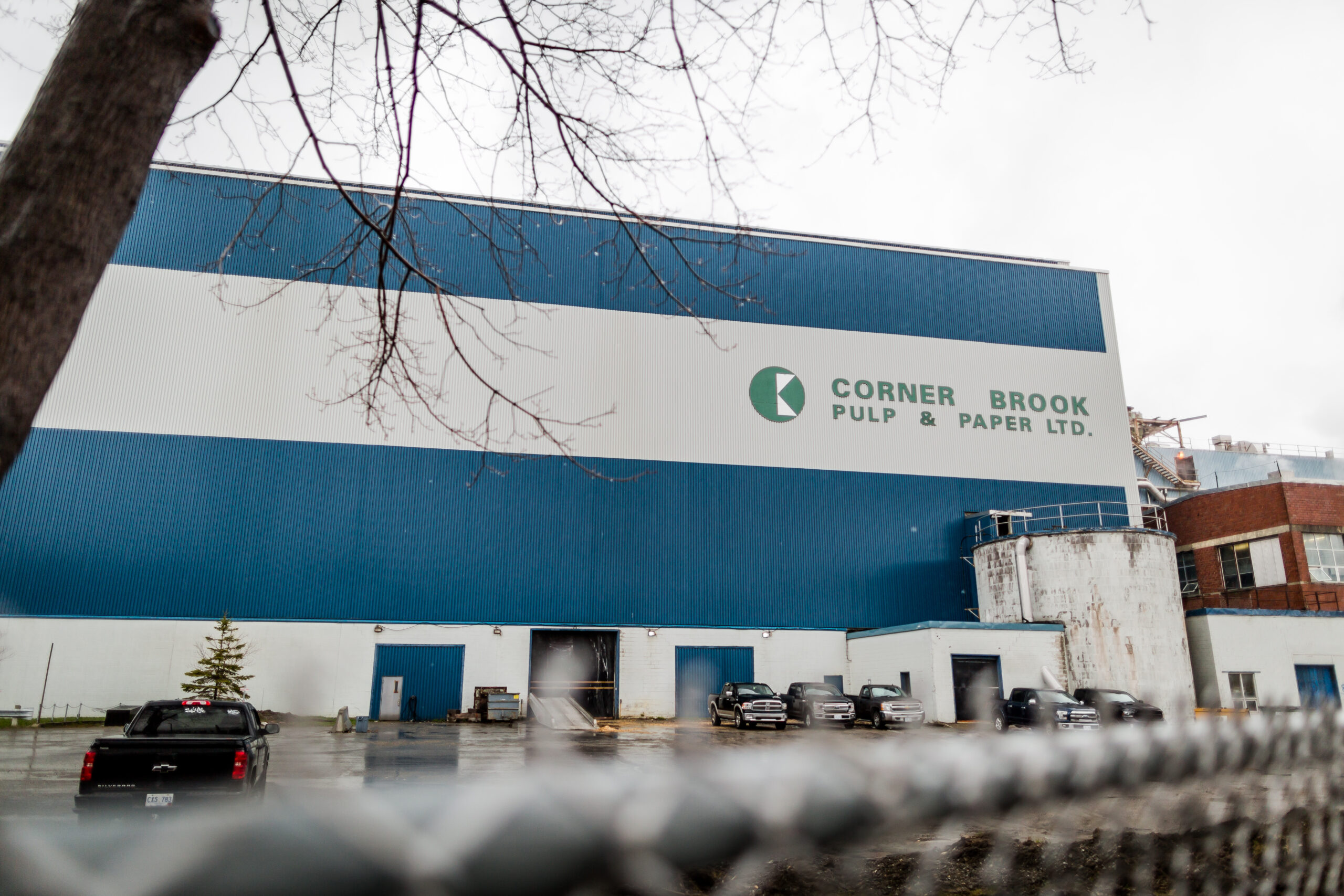
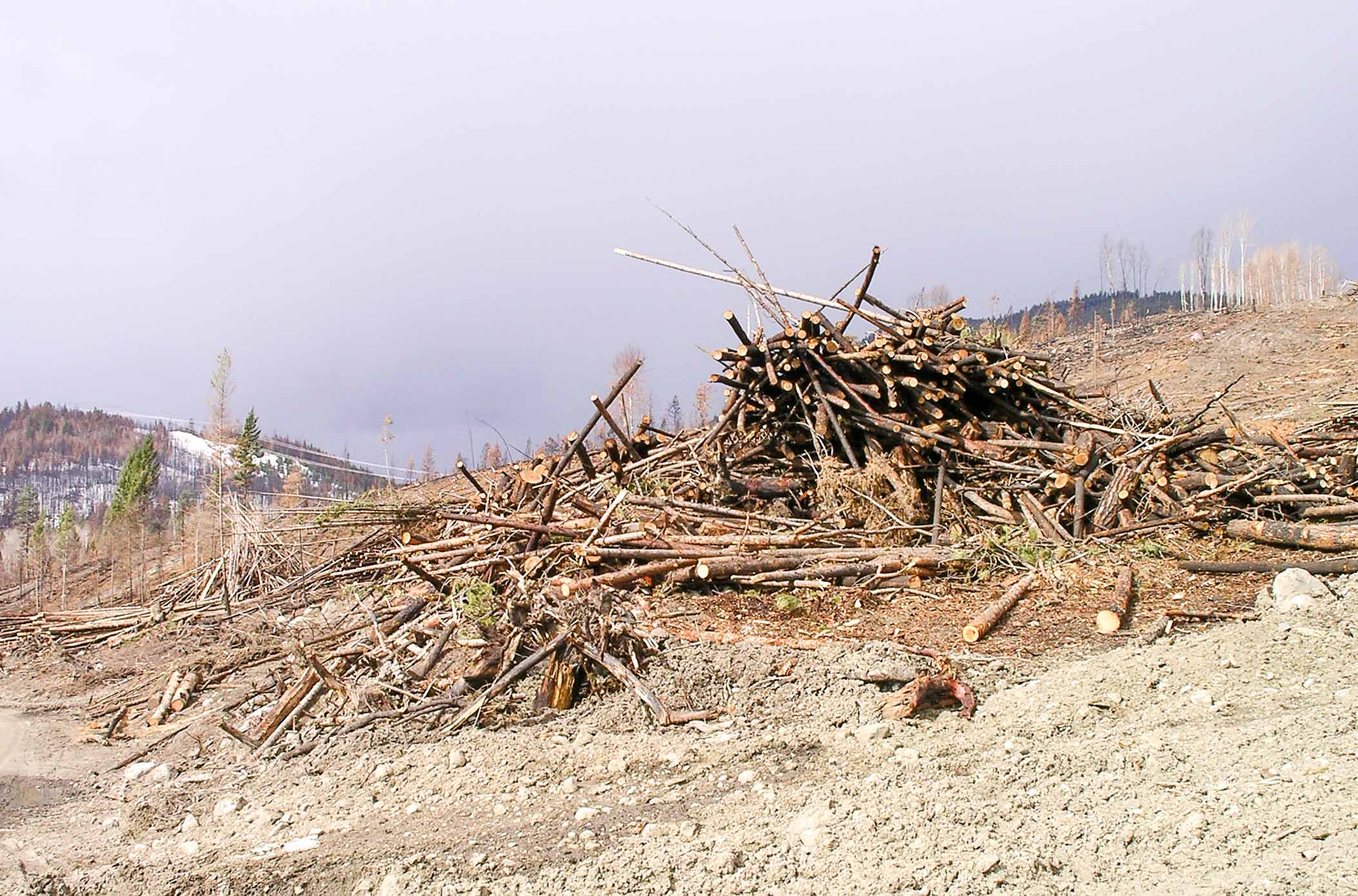 For a town still feeling the loss of its paper mill more than a decade ago, the promise of new industry is tantalizing; 50 or more new jobs, a much-needed boost to the local economy, perhaps a stepping stone to attract new business or help those already here expand. …the plan to build a new $210-million biofuel plant in Fort Frances is coming close to fruition and it could be a game-changer for the region – if it breaks ground this fall as anticipated. After an exhaustive search, the team has settled on the former Resolute mill site for its pilot project, a refinery that can turn the byproducts of logging … into synthetic gas, diesel and aviation fuel. The town is close to an abundant feedstock source, in the heart of a small labour market, owns its own affordable power production and is not far from colleges primed to provide essential training.
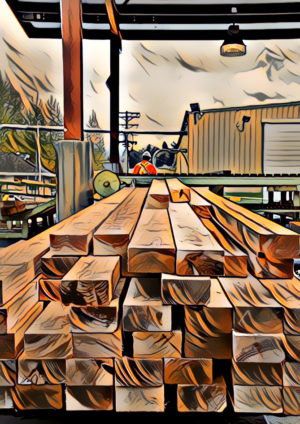 The Scierie St-Elzéar in Quebec, Canada, isn’t just a lumber mill; it’s a glimpse into the future of forestry. A $32.7 million investment in modernization, particularly in artificial intelligence (AI) and automation, is transforming the 80-year-old cooperative into a highly efficient, technologically advanced operation. …The core driver behind this shift is a growing labor shortage. …The St-Elzéar mill has reduced the number of personnel needed for planing operations from 16 to 8, while tripling productivity and boosting product quality by nearly 50%. This isn’t about replacing workers; it’s about shifting their roles. …The integration of AI isn’t limited to a single process. At Scierie St-Elzéar, AI-powered systems now identify wood species, allowing for the creation of more homogenous lumber batches for drying – a critical step in quality control.

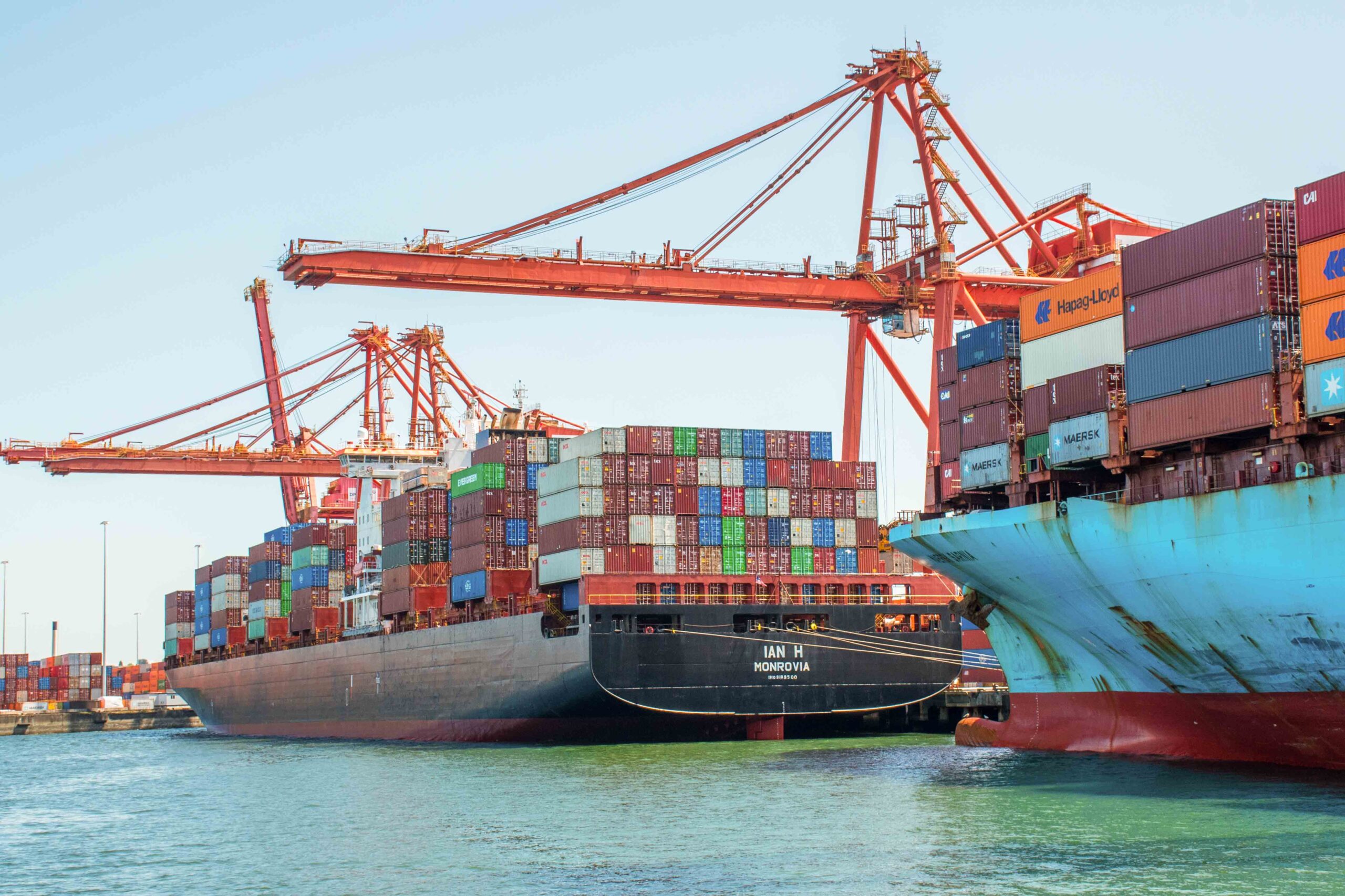 WASHINGTON — U.S. President Donald Trump said Tuesday the Canada-United States-Mexico Agreement on trade is “irrelevant” to him and Americans don’t need Canadian products. “It expires very shortly and we could have it or not,” Trump said while touring a Ford plant in Michigan. “It wouldn’t matter to me. I think they want it. I don’t really care about it.” Trump statements have rattled Canada and Mexico ahead of a mandatory review this year of the future of the continental trade pact, known as CUSMA. The president told reporters that “Canada wants it” but the United States doesn’t need anything from its northern neighbour. The three countries have started domestic consultations on the review and Dominic LeBlanc, the minister in charge of Canada-U.S. relations, is set to meet with U.S. counterparts in mid-January to launch formal CUSMA talks. The trade pact has shielded Canada and Mexico from the worst impacts of Trump’s tariffs.
 The U.S. Endowment for Forestry and Communities has announced a new collaboration with the Georgia Institute of Technology to address the far-reaching social, economic and environmental impacts of pulp and paper mill closures across the United States, particularly in the rural South, where these mills have long served as economic anchors. The Endowment and Georgia Tech are developing an integrated decision-making dashboard to help policymakers, community leaders and industry stakeholders quantify the effects of mill closures and identify data-driven pathways to offset them through the sustainable use of forestry residues… Over the past decade, nearly 50 paper mills have shut down nationwide … resulting in the loss of thousands of jobs and disrupted local supply chains that once connected family forest owners, loggers, sawmills and manufacturers… As markets for timber and forestry byproducts contract, landowners face reduced incentives for active management – conditions that can increase the risk of wildfire, invasive species and forest conversion to other uses.
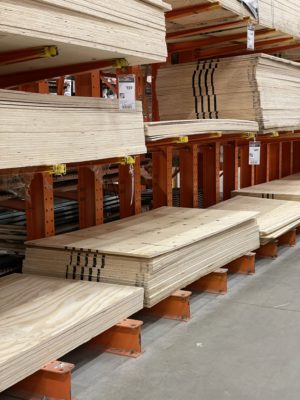 Plywood importer InterGlobal Forest, which is seeking a rehearing of its case challenging CBP’s finding that it evaded antidumping and countervailing duties on plywood from China,
 The Court of International Trade on Dec. 18 again

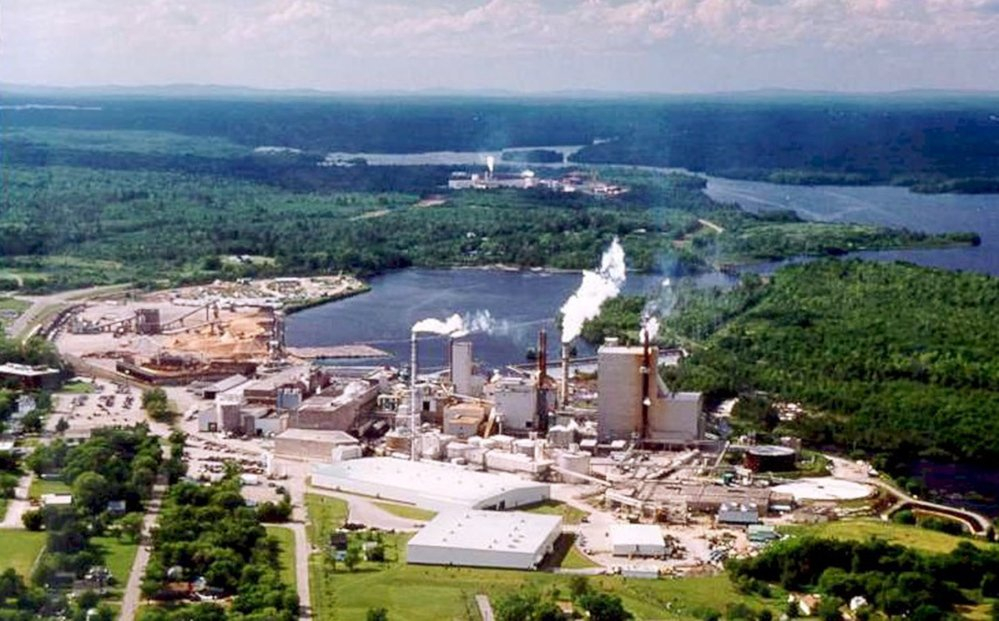 One of Maine’s largest mills is again accepting Canadian wood from New Brunswick, after briefly halting shipments citing the cost of American tariffs. Woodland Pulp in Baileyville, Maine – situated on the banks of the St. Croix River a short drive across the border from St. Stephen – stopped purchases of New Brunswick timber in mid-October in the aftermath of higher US tariffs. Shortly after, it shut down completely for 26 days, citing a challenging global pulp market. That led to the temporary lay off of 144 employees. But now back in operation, Woodland Pulp says its full complement of staff is returning and that the decision was made to restart accepting Canadian fibre, including wood chips. …Spokesperson Scott Beal said it remains unclear how much the mill will purchase from New Brunswick sources going forward.. …Tariffs are paid by the importer. [to access the full story a Telegraph-Journal subscription is required]

 Maine timber companies are in line to receive substantial incentives to manage forests and grow healthier, more valuable trees. A $32 million award to the New England Forestry Foundation was recently finalized by the US Department of Agriculture. The funding package, through the Advancing Markets for Producers initiative, replaces similar funding provided under the “climate smart commodities” program. While there are some adjustments to the program, it achieves the same purpose, according to the foundation Deputy Director Andi Colnes. The grant will largely subsidize commercial and pre-commercial thinning, Colnes said. It will also provide funding to expand market opportunities, particularly for mass timber construction, she added. …According to Colnes, the program is able to cover about 50,000 acres of New England forests, mostly commercial timberland in Maine. The foundation said 23 commercial, conservation and public forest owners are already enrolled in the project.
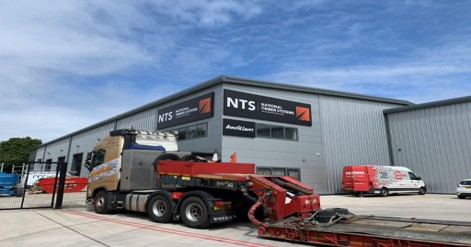
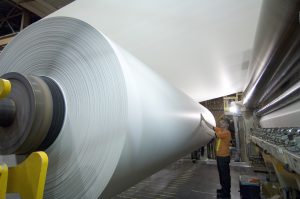 China’s pulp and paper sector is witnessing transformative growth with Huatai Group’s announcement of its monumental 16-billion-yuan investment in a fully integrated forest-pulp-paper project located in Yulin, Guangxi.