OTTAWA – Prime Minister Mark Carney and the premiers said Thursday they’re maintaining a united front under the long shadow of the upcoming negotiations for the review of North America’s key free trade agreement. …Carney updated the premiers on Ottawa’s plans for the coming review and committed to monthly meetings to update the premiers once CUSMA review talks officially begin. But Carney was tight-lipped on trade strategy. …In the meantime, Trump’s sector-specific tariffs continue to damage key Canadian industries such as steel, aluminum and softwood lumber. New Brunswick Premier Susan Holt said she wasn’t seeing a lot of US “movement or interest” in resolving the softwood lumber dispute, meaning a deal on duties outside of the CUSMA review process is unlikely. “We are constantly looking at ways to make it clear to the U.S. administration how the U.S. lumber producers are suffering under a low price,” Holt said.

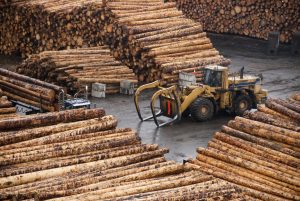 Canada’s forest industry is being dismantled in plain sight. …For decades, Canada built its forest economy around a single export market and a narrow set of commodity products. That strategy has now been exposed as dangerously fragile. Our closest trading partner has proven unreliable, and the cost of over-dependence is being paid by rural workers and regions across the country. Canada does not have a forestry problem. We have a market diversification problem. Ironically, today’s global uncertainty has created a once-in-a-generation opportunity. …Capital is mobile, and companies are actively looking for stable jurisdictions in which to build new production facilities. Canada can and should be at the top of that list—but we need to build the foundational infrastructure to make this happen. …The federal government’s new Canadian Forest Sector Transformation Task Force opens a critical window to address structural weaknesses in Canada’s forest economy.
 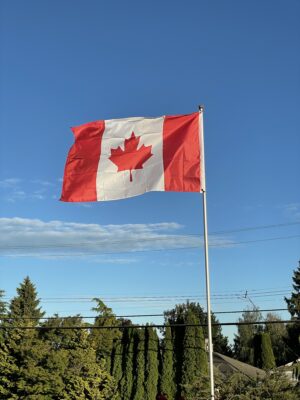 OTTAWA — Canada’s premiers are set for two days of huddling in the nation’s capital with the economy, affordability and trade expected to be high on the agenda. The premiers meet with Prime Minister Mark Carney on Thursday, and will want to show a united “Team Canada” front as trade tensions rise again with Canada’s largest trading partner. The meetings come a year after U.S. President Donald Trump assumed office and hit Canada with blistering tariffs, and just ahead of negotiations to renew the Canada-United States-Mexico agreement, due for its first formal review this summer. Trump threatened Canada in recent days with 100% across-the-board tariffs on exports, which would land on top of the sectors already hit by steep U.S. tariffs, such as steel, softwood lumber and vehicles. Ontario Premier Doug Ford said the premiers will show they stand united as the whole Canadian economy remains under attack.


)

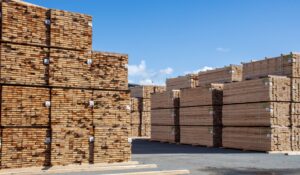 The Nova Scotia government is defending itself after three other provinces levelled accusations that it is being secretive and undermining Canada’s fight against the United States over softwood lumber. Nova Scotia is urging the US Department of Commerce to reject requests from Quebec, Alberta and Ontario for the Atlantic province to provide much greater detail on how it calculates fees charged for harvesting timber. …Nova Scotia asserts that it should not be blamed for its surveys of private timberland owners that could result in higher fees for cutting down trees when compared with other provinces. The US has levied countervailing duties, arguing that other provinces have tree-harvesting fees that are too low when compared with Nova Scotia, which is exempt from US lumber duties. …Lawyers for Quebec, Alberta and Ontario urged the Commerce Department to make inquiries, saying the US should even consider abandoning the private surveys as a benchmark. [to access the full story a Globe & Mail subscription is required]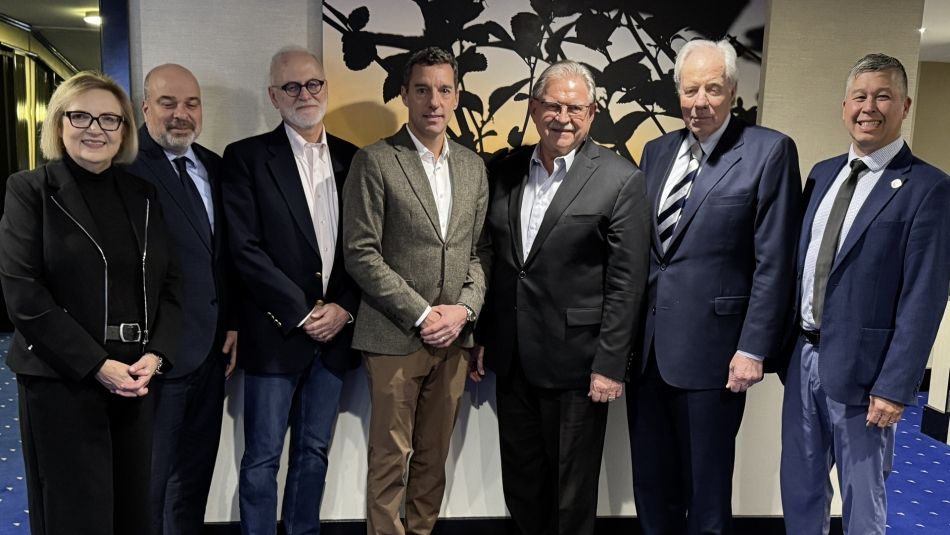

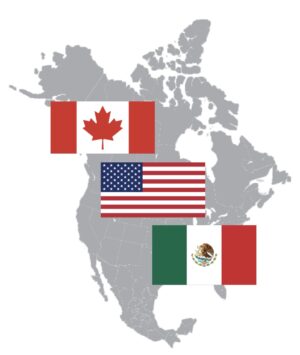 The Canadian and American economies are woven together tightly. So when Donald Trump slapped 25% tariffs on Canadian imports last year, many economists—myself included saw a disaster looming. …The most exposed sectors were those most dependent on US demand: steel, aluminum, autos, energy and lumber. …In our worst-case scenario, we expected it would shrink Canada’s GDP by 2.6 per cent, leading to a moderate recession and shaving nearly $2,000 a year off income for every Canadian. So far, however, that doomsday scenario hasn’t materialized. This was possible because of the Canada-US-Mexico trade agreement. …Avoiding the worst of the tariffs doesn’t mean we’ve won or even survived the trade war. Communities across the country are still hurting. …Regions in Quebec and British Columbia are under strain, with key industrial sectors—steel, aluminum, copper, lumber—are facing additional tariffs under Section 232 authority.

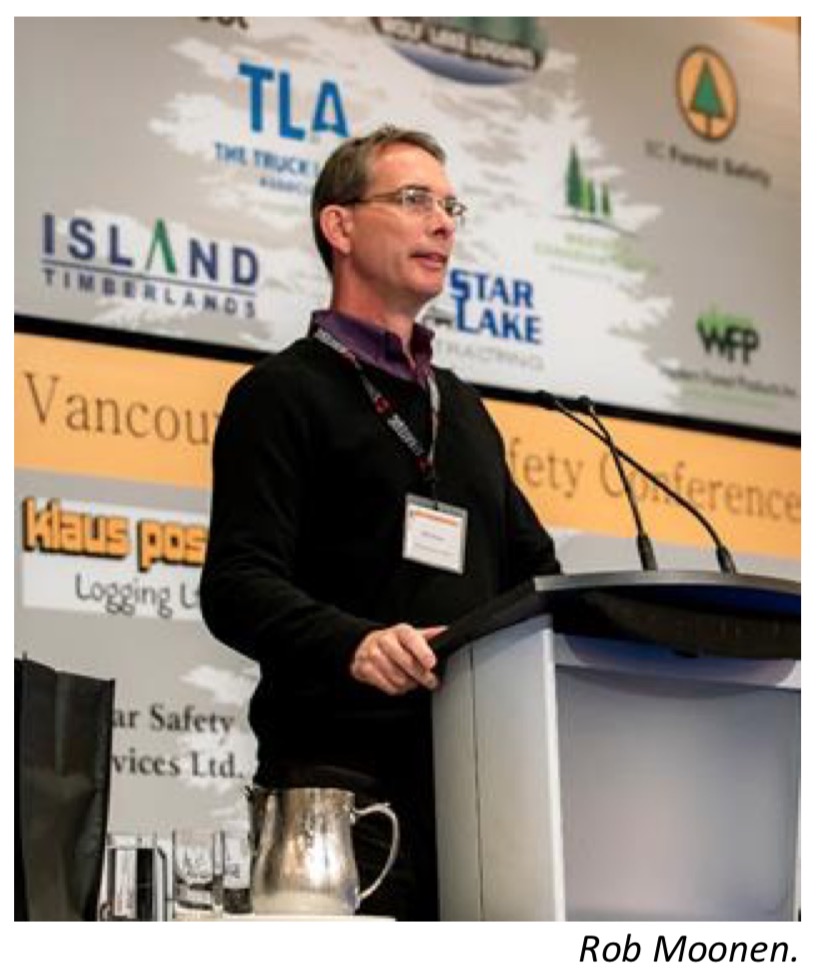 Cherie Whelan has been named the new chief executive officer of the B.C. Forest Safety Council. She takes over on April 1 from Rob Moonen, who announced his retirement in October. Whelan served as CEO of the Newfoundland & Labrador Construction Safety Association for two years and previously held the position of director of SAFE Companies at B.C. Forest Safety Council. The Nanaimo-based council delivers safety training and advisory services to British Columbia’s forest industry.
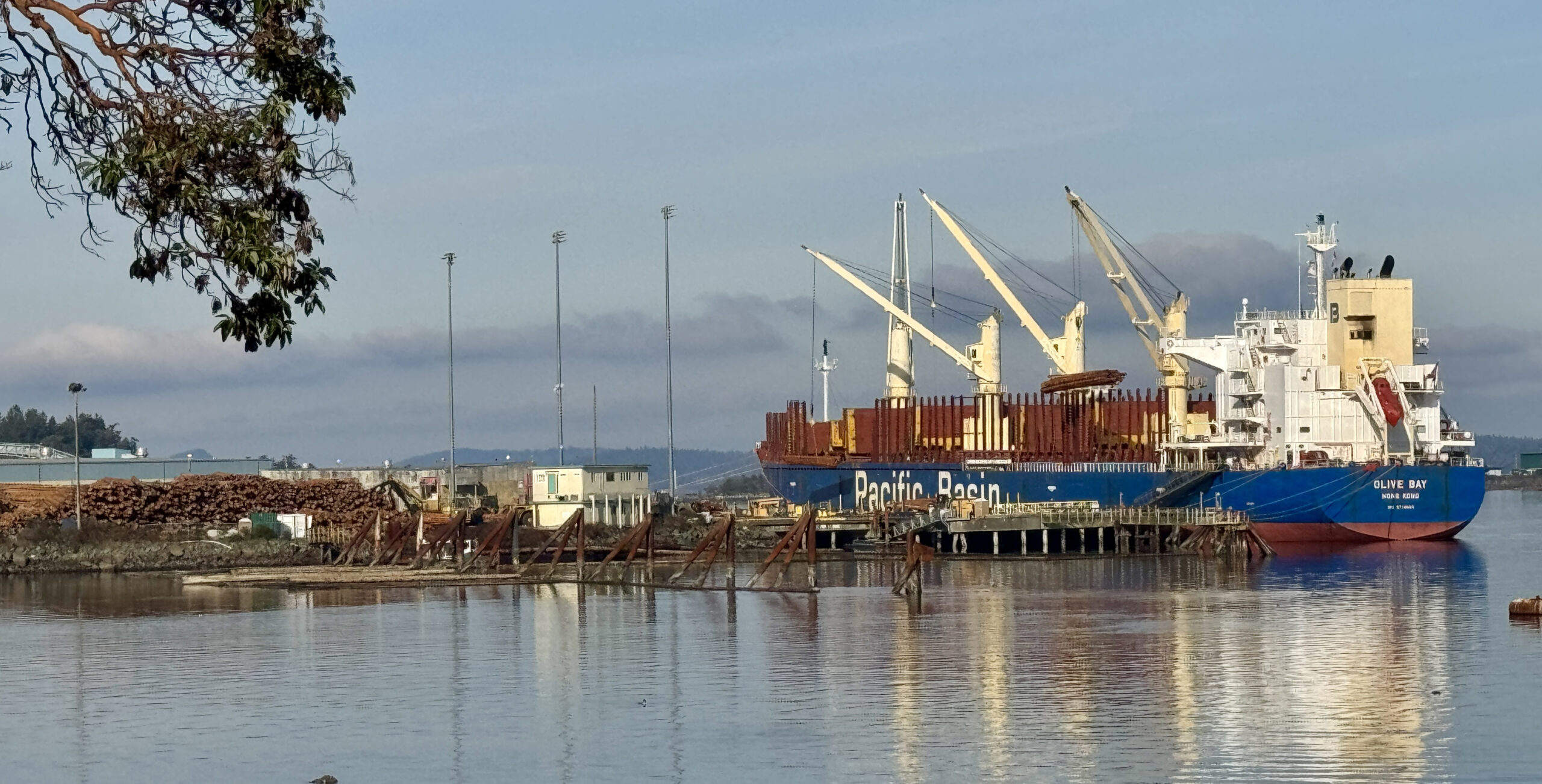 The Regional District of Nanaimo board will plead with fellow municipalities to pressure the B.C. and Canadian governments to prohibit raw log exports. At the Jan. 27 RDN board meeting, Paul Manly, City of Nanaimo director, proposed a resolution for the upcoming Association of Vancouver Island and Coastal Communities conference, asking B.C. local governments to call on senior government to “ban the export of raw logs and lumber cants from B.C. to ensure that forests harvested [on] Crown land and private-managed forest lands are processed in B.C.…” The resolution passed and will be brought before AVICC. Should it pass there, it would be forwarded to the Union of B.C. Municipalities. Manly …pointed to recent mill closures on the Island, with a key factor being “lack of accessible and affordable fibre”. …Leanne Salter, Coombs area director, said she thought the resolution needed to be tweaked.
 A federal task force announced earlier this month will attempt to save Canada’s stricken forest industry from further decline through product and market diversification. While the support will no doubt be welcomed by the industry, in BC the more immediate need is access to timber. Canada’s forestry sector has been pummeled by a one-two punch of low lumber prices, and US duties on softwood lumber. The situation is particularly dire in BC where an integrated industry of lumber, remanufacturing, pulp and pellet mills has been collapsing like a row of dominos. …The industry is in crisis, a number of speakers said at the
  VICTORIA — The president of the Tahltan Central Government, Kerry Carlick, said British Columbia shouldn’t change its Declaration on the Rights of Indigenous Peoples Act, just as the First Nation and the provincial government celebrate a landmark agreement based on the legislation. Carlick said it is not a “good idea to take anything away from DRIPA,” adding that “if anything, it should be strengthened.” Carlick was speaking at an event with deputy premier Niki Sharma where they co-signed an agreement to share mineral tax revenue from the Eskay Creek mine. The ceremony came after the provincial government issued an environmental assessment certificate to Eskay Creek Mining Ltd. to restart gold and silver mining after a first-of-its kind collaborative assessment process with the First Nation under DRIPA. The provincial government has said it plans to revise the act after a series of court rulings around Aboriginal title, responding specifically to those decisions.
 Make an impact with our Forestry Program Management Consulting Team as a Consultant and program lead. Our diverse team of professionals deliver program administration for a large forestry grant funding organization. As a trusted advisor, you’ll collaborate with the team in the delivery of forestry-related projects within the funding programs. Our team is based in Edmonton and works in our downtown office, this is an in-person, on-site position. The forestry Consultant supports the delivery and administration of forestry funding programs, working with government, industry, Indigenous groups, academics, and other stakeholders. The role involves managing and assessing projects such as silviculture, habitat restoration, wildfire mitigation, and forest health, including tracking activities, reviewing deliverables and expenses, and preparing reports. Responsibilities also include proposal review support, developing Requests for Proposals, limited GIS use, occasional field assessments, and providing advice to senior management and boards, while contributing to the growth of MNP’s forestry consulting practice.
 The Municipality of North Cowichan says it is preparing for the possibility of another mill closure in Chemainus, while hoping it can be avoided. Western Forest Products announced Friday it is extending curtailment at the Chemainus sawmill, affecting about 150 workers. Mayor Rob Douglas said the priority is protecting jobs and preparing for potential financial impacts. “We’re going to be looking at impacts on our tax base, especially with the municipality already seeing the effects of the Crofton mill closure this year,” Douglas said. “We’ll prepare for the potential closure of the Chemainus mill in 2027.” Douglas said a permanent closure in Chemainus would affect future finances, but not to the same extent as the Crofton mill shutdown. “Western Forest Products has three sites, and with two of them operating that will continue to provide a significant portion of our industrial tax revenue,” he said.
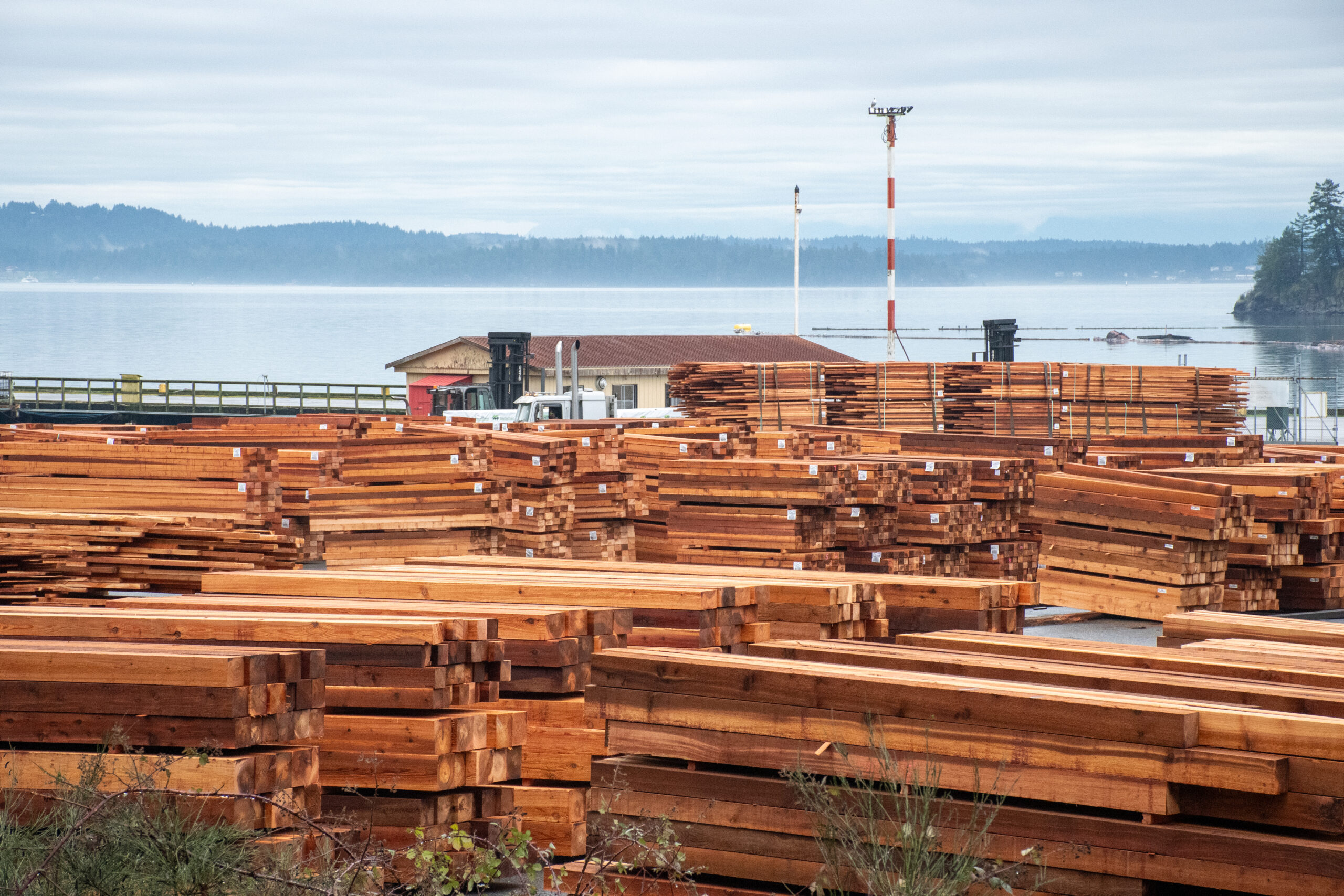 The curtailment of the Chemainus sawmill will continue through to at least the end of 2026, Western Forest Products announced on Jan. 23. WFP spokesperson Babita Khunkhun said the Chemainus mill, which has been curtailed since June, continues to face persistently weak market demand and ongoing log supply challenges that do not support the economic operation of the mill. She said these conditions are not expected to change in the near term at the mill, which employs approximately 150 workers when in operation. “We are also implementing short-term curtailments at our Saltair and Ladysmith sawmills,” Khunkhun said. …“Where possible, we will work with employees to facilitate employment opportunities at other locations,” she said. …“Beginning in February, the Ladysmith sawmill plans to take a minimum two-week operating curtailment and the Saltair sawmill plans to take a two-week operating curtailment. The curtailments are in response to persistently weak market conditions.
 A wood chip facility primarily owned by the ʼNa̱mǥis Nation on north Vancouver Island says it is permanently shutting down as a result of the recent mill closure in Crofton, BC. Atli Resources CEO Jonathan Lok says the Atli Chip LP directly employed nine people, but the closure will affect many more in the small community of Beaver Cove, near Port McNeill. …Lok says a contractor the company hired to bring wood fiber into the facility would be affected as well, along with the 10 to 15 positions it hires. …Lok says the company announced the closure on Jan. 20. He expects the facility to operate until the end of February. Atli Resources is majority owned by the ʼNa̱mǥis Business Development Corporation. Its other two partners include Domtar. Lok says all of the materials from the facility were shipped to the Crofton pulp mill, which Domtar announced in December would permanently close by April.

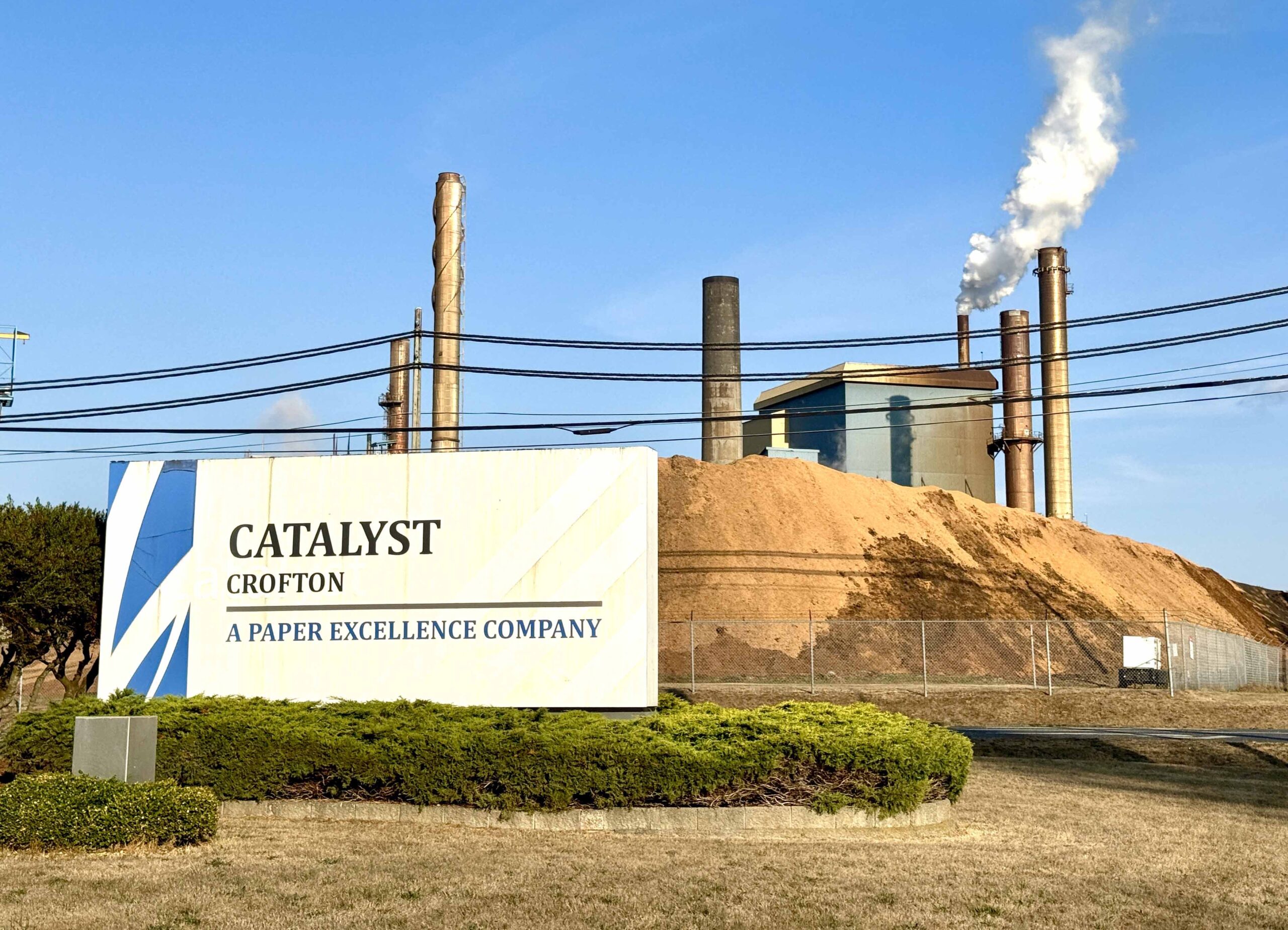 It appears that some investors have been kicking the tires at the soon to be closed Crofton pulp mill. A statement from the Municipality of North Cowichan said Mayor Rob Douglas and senior staff have recently met with several investors interested in potentially acquiring the Crofton mill site for continued forestry-related operations, or alternative industrial uses. “The municipality is facilitating connections between interested parties, Domtar (the mill’s owner), and the provincial government where appropriate, and remains hopeful that any future use of the site will generate employment opportunities and a stable tax base for the community,” the statement said. …North Cowichan provided no further information on who is interested in taking over the mill site.
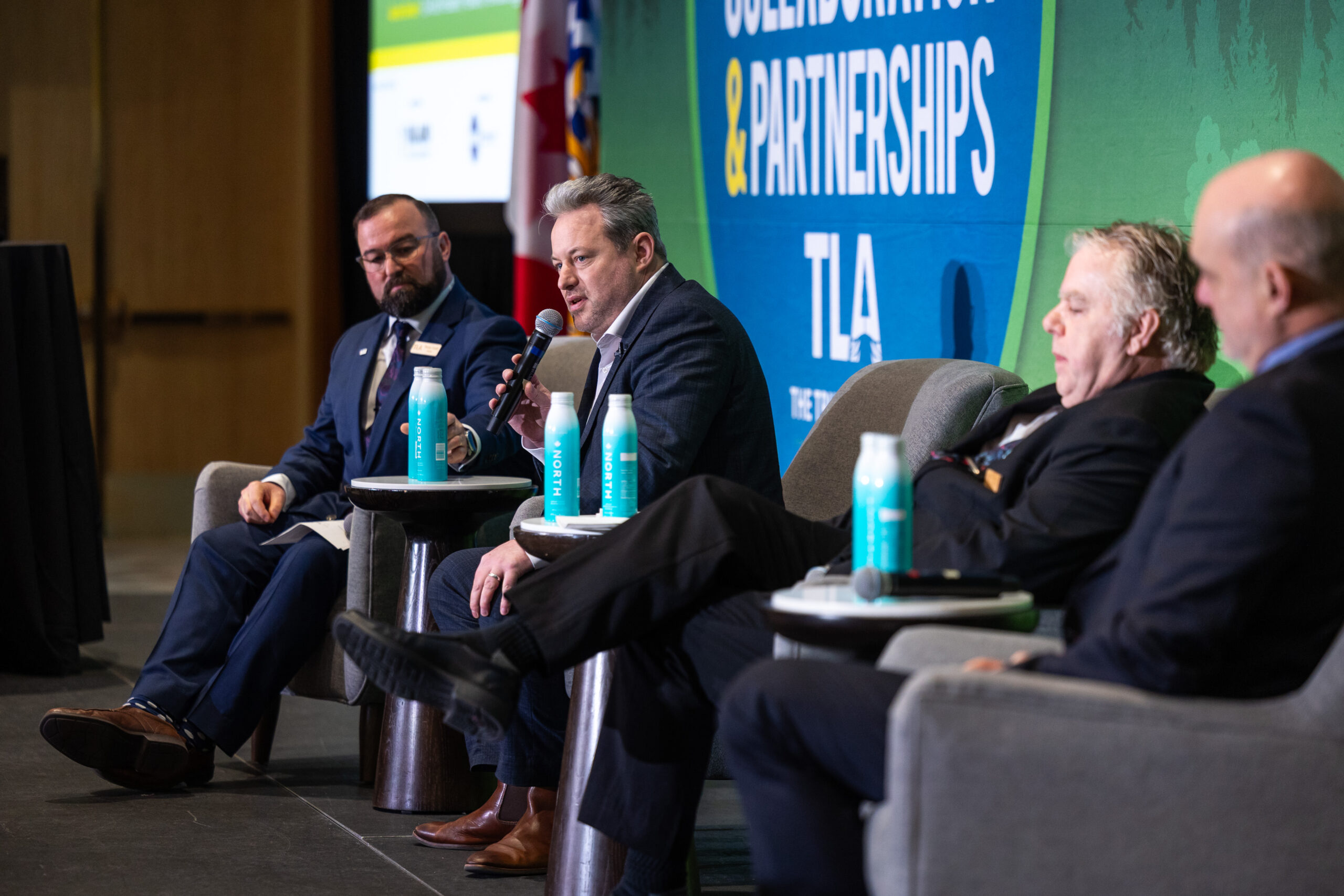 Interim opposition leader Trevor Halford told logging contractors Friday that the province’s forestry downturn is being driven by a system that is “not functioning at the pace this sector requires.” Halford, the interim leader of the B.C. Conservatives spoke at the Truck Loggers Association’s convention in Vancouver. “This crisis is not about forests disappearing. It is not about fibre not existing. It is about permits not moving, decisions not being made, and systems that do not function at the pace this sector requires,” Halford said. Halford opened by citing a Vancouver Sun story that described the B.C. forest industry as “on the edge of collapse,” and quoting TLA executive director Peter Lister, who told the convention he had “never seen it as bad” in more than 35 years in the sector. …Halford said the industry has heard “explanations” from the government, but needs measurable results. “Accountability matters. Transparency matters. Results matter,” he said.
 Facing growing backlash over the unintended consequences of its reconciliation policies, the B.C. NDP government has hit pause on controversial changes to the Heritage Conservation Act…Forests Minister Ravi Parmar announced the move Monday, saying he’d “heard loud and clear” that municipalities, business groups, the real estate sector and …the public needed more time to understand the changes. “It was very clear to me that I was not in a position to bring forward amendments this spring,” he said. …It’s the opposite approach to where the NDP started on the file just four months ago, charging forward with the changes so aggressively that their passage—following secret negotiations with First Nations and non-disclosure agreements slapped on everyone else—seemed like a fait accompli. …The NDP say they are in listening mode now, on the Heritage Conservation Act. The question is whether the government truly understands that changes built without public trust are simply no longer viable.


 VANCOUVER ISLAND — About 100 unionized forestry workers on the north Island who’ve been on strike since June have reached a tentative agreement with La-kwa sa muqw Forestry Limited Partnership. The United Steelworkers Local 1-1937 and the LKSM Partnership announced in a joint statement that the agreement is subject to a ratification vote by the union, and no details are being released. “The USW bargaining committee has advised that they will be recommending that its members accept this agreement,” said the joint statement. The deal was reached with the assistance of the BC Labour Relations Board. …LKSM LP is the former Western Forest Products mid-Island forest operation, which remains majority-owned by Western Forest Products. The LKSM partnership is made up of the Tlowitsis, We Wai Kai, Wei Wai Kum and K’ómoks First Nations, all members of the Nanwakolas Council. …The operations cover about 157,000 hectares near Campbell River and Sayward.
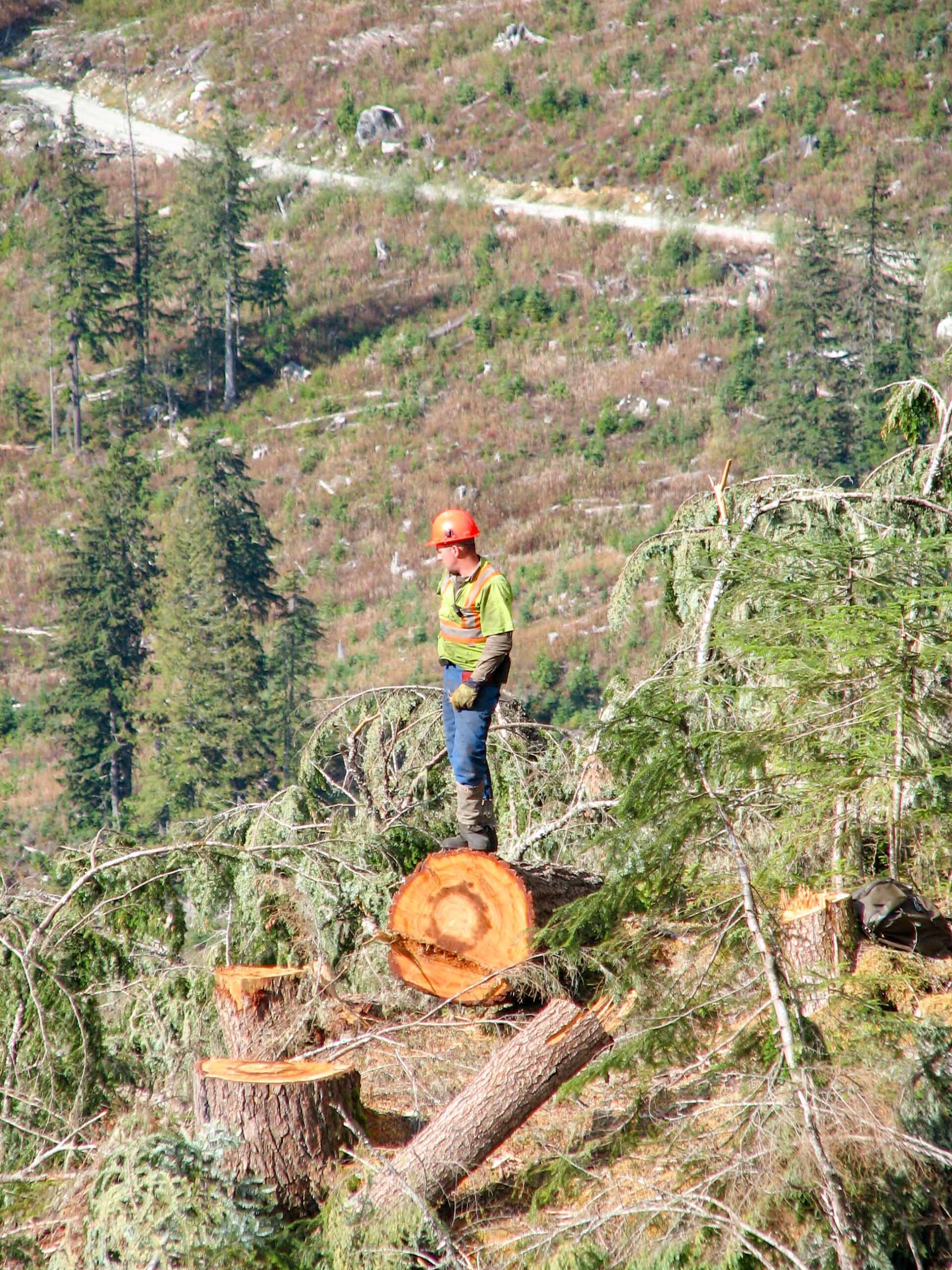 Logging contractor Ron MacFarlane feels fortunate to have work for his eight-person crew, cutting mostly second-growth Douglas fir on a cut block …on B.C.’s Sunshine Coast, while business in his industry is otherwise “flatlined.” “We’re busy until March, and then we’ll see from there,” MacFarlane said at the Truck Loggers Association annual convention. …Difficulties in getting the province to speed up permits to cut more of that timber has put the industry “in a state of crisis,” said Peter Lister, executive director of the Truck Loggers Association. “I’ve never seen it as bad. …it is really on the edge of collapse.” …For forest-management executive John Mohammed, however, Parmar is still missing a connection to short-term actions the industry desperately needs to free up some of the cutting permits companies have sitting on the shelf because they are uneconomic. …Mohammed said Parmar could take the risk of lowering [coastal] stumpage rates … to help economics.
 British Columbia’s Forests Ministry has entered into a memorandum of understanding with China on modern wood construction, a development that the province hopes will bolster the provincial lumber sector as it seeks alternatives to the U.S. market. The five-year, non-binding agreement with the Chinese government also involves the Canadian federal Department of Natural Resources and is among the first reached with Beijing after the arrival of Prime Minister Mark Carney in China this week. On the other side is China’s housing and development ministry, with the memo agreeing on co-operation on the integration of modern wood construction into China’s urban renewal and rural revitalization strategies and exploring “practical approaches” for green developments. University of British Columbia political ecologist and China scholar Juliet Lu said the MOU is “relatively low-hanging fruit” in Carney’s attempt to rebuild trade momentum with Beijing…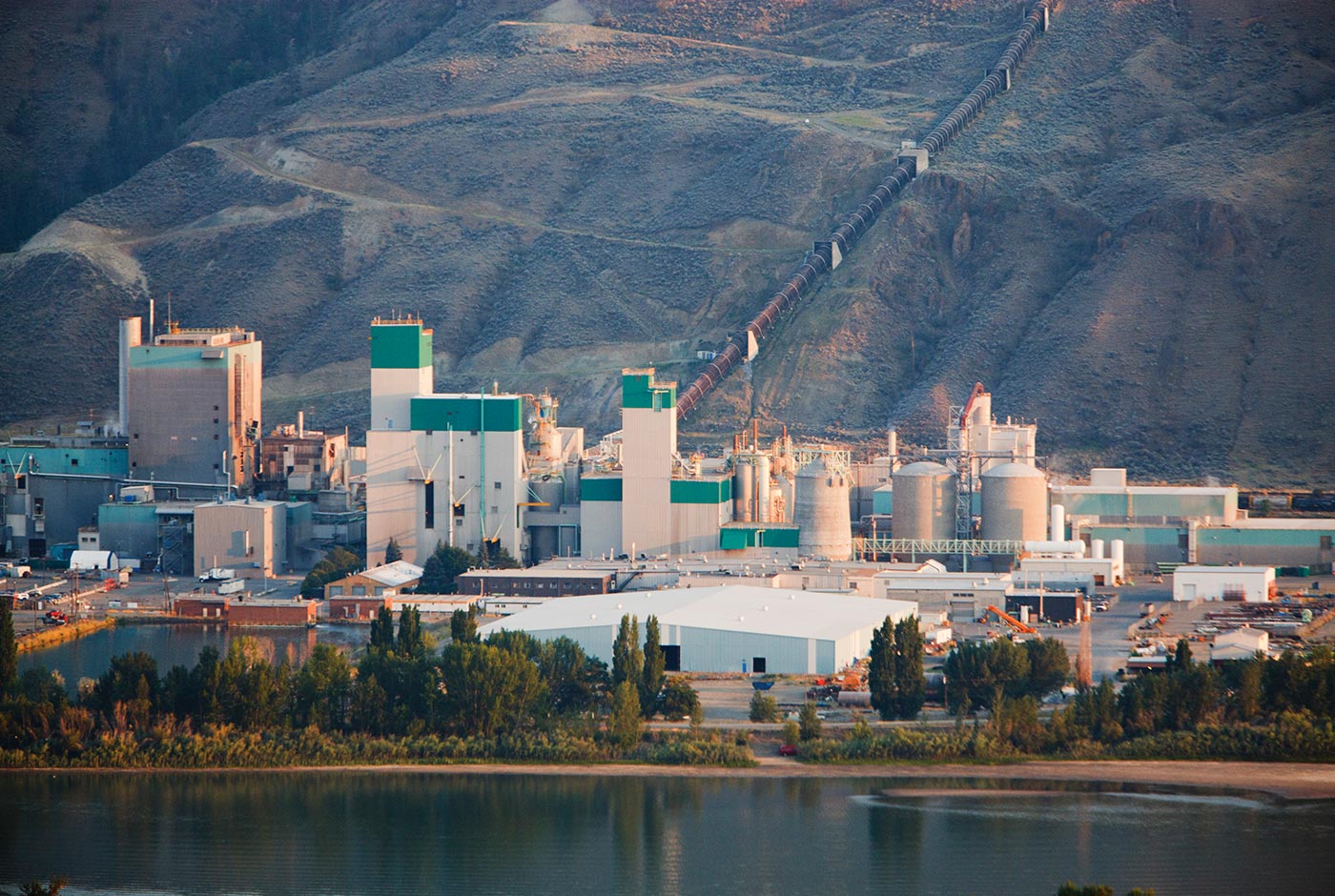
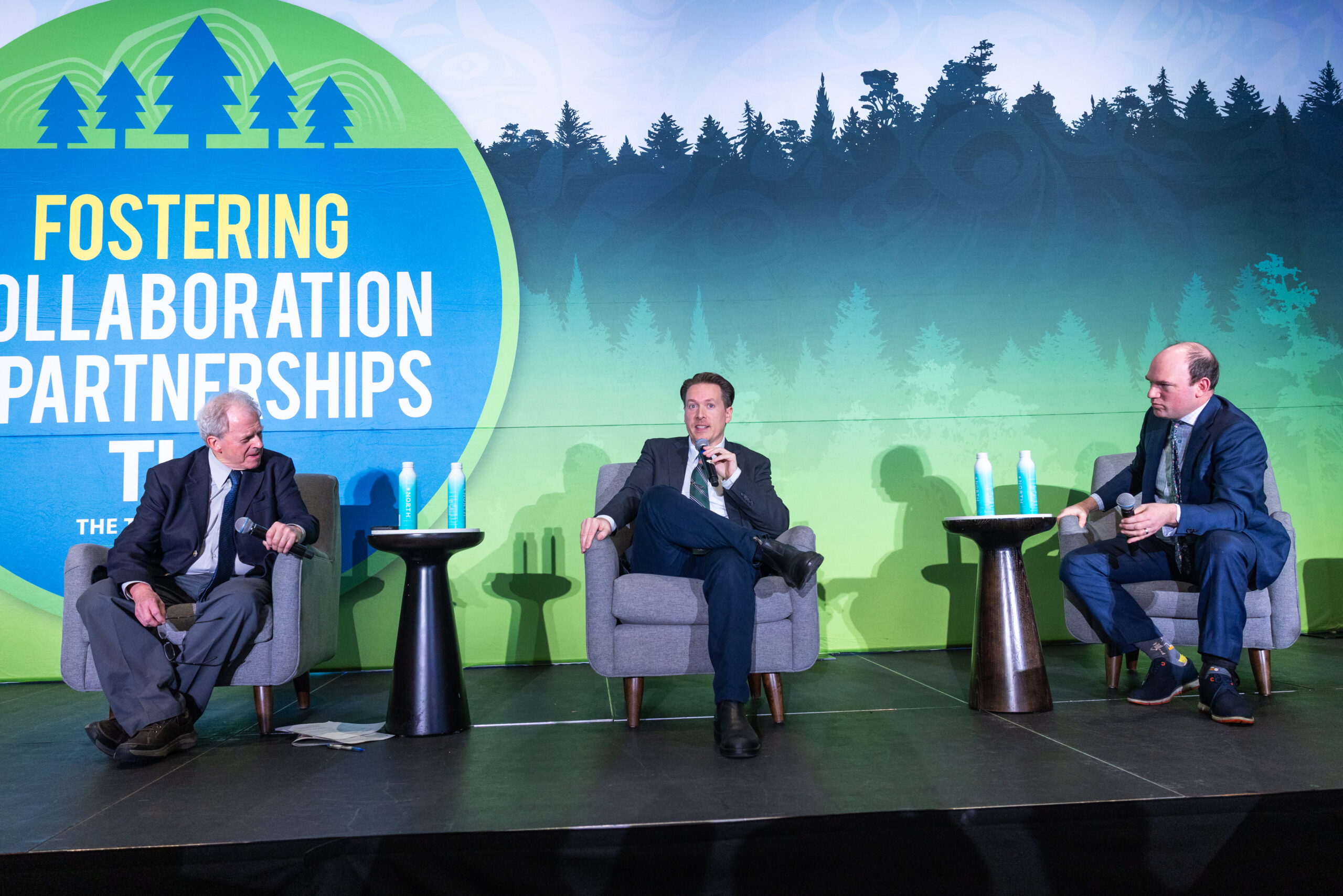 Day 1 of the TLA Conference featured the Politics over Lunch session, a wide-ranging and candid discussion of BC’s political landscape and its implications for the forest sector. Moderated by Vaughn Palmer, the luncheon brought together Rob Shaw, Political Correspondent with CHEK News, and Richard Zussman, Vice President of Public Affairs at Burson. The pair examined shifting government priorities, with Zussman arguing that economic growth and jobs are increasingly shaping policy decisions amid trade uncertainty and fiscal pressures, while Shaw highlighted inconsistent communication around those priorities. They explored the BC Conservative leadership race, the challenges of translating regional resource issues into urban political discourse, and ongoing uncertainty surrounding land use and DRIPA. Discussion also touched on the province’s projected $11-billion deficit, and the gap between government rhetoric and forestry realities. Delivered with humour and frankness, the session offered delegates a clear-eyed view of how politics, policy, and economic pressures are colliding in BC’s forest sector.
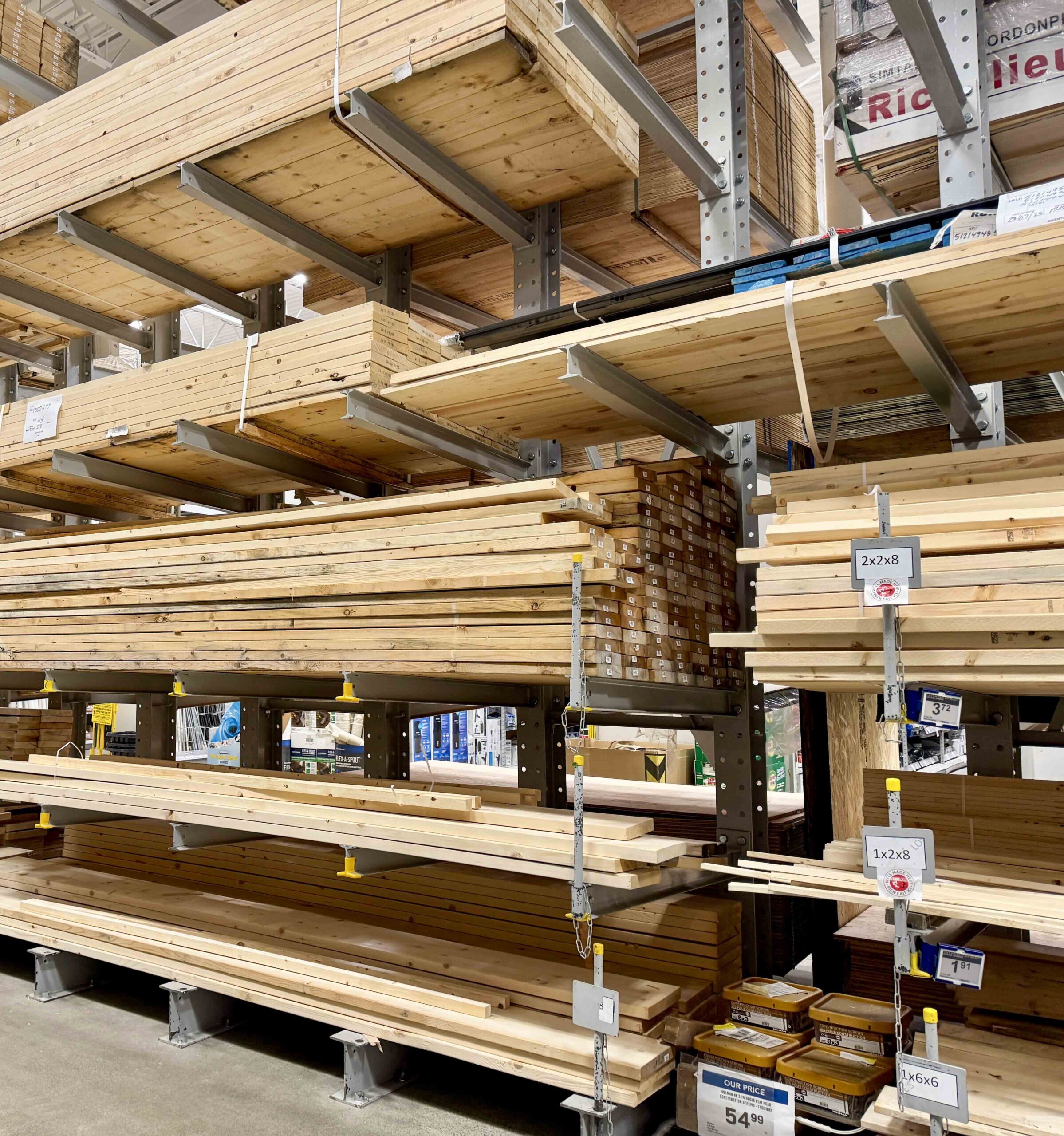 KENORA — Ontario New Democrats and union leaders say government should find ways to keep mills in Ear Falls, Ignace and elsewhere open, but with more worker involvement. “The bottom line is that when things are run on the corporate bottom lines only, communities get left behind, workers lose jobs, profits go out and the problems stay in the community,” said Luke Hildebrand, president of the NDP’s Kenora–Rainy River constituency association. “So the only long-term solution is workers having a stake in the future and not just a paycheque.” Hildebrand noted a petition calling on governments to “take immediate action to reopen the Ear Falls sawmill and stop the shutdown of Ignace sawmill” has gathered about 300 signatures. It also calls for establishment of a “forestry job protection task force,” development of “a unified provincial–federal strategy to ensure that Canadian lumber is used in Canadian homes” and support for worker equity in mills.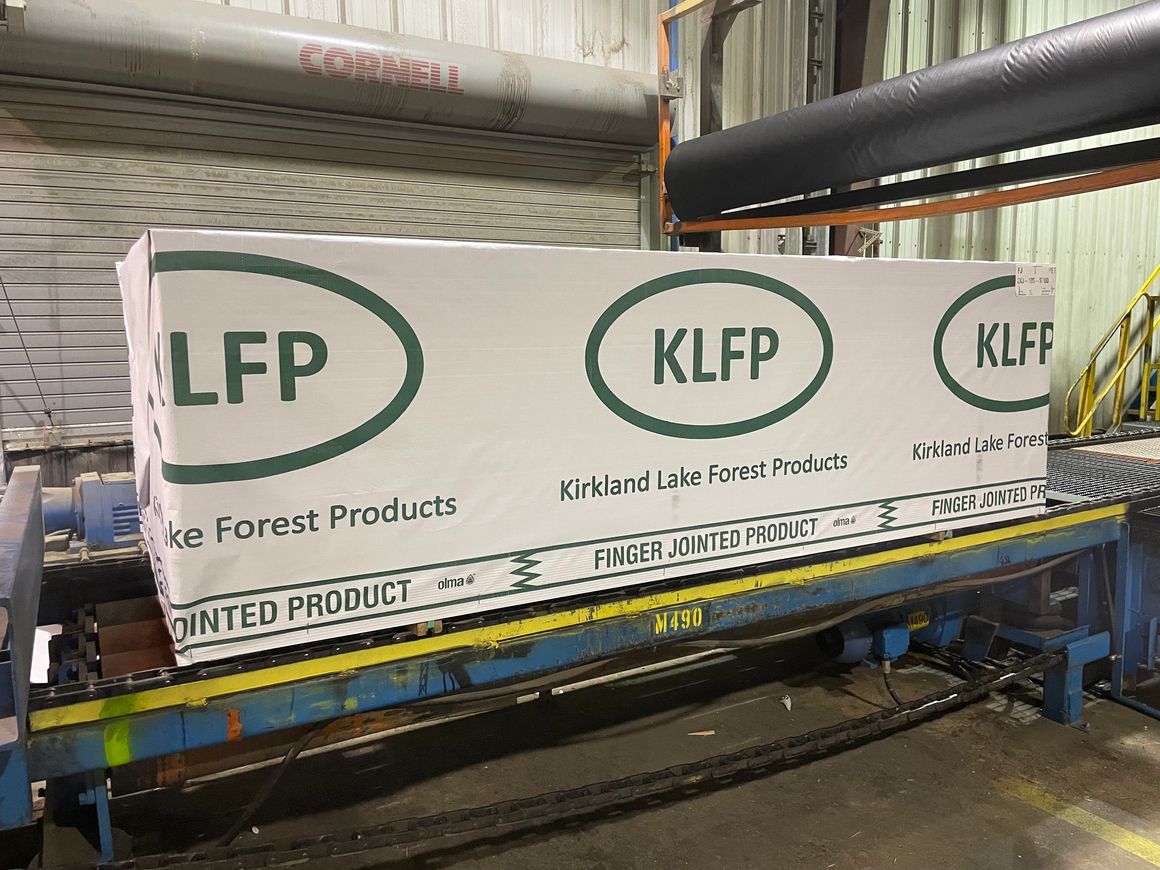




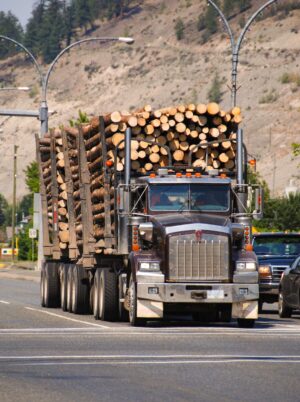 A letter from the Carleton-Victoria Forest Products Marketing Board to New Brunswick’s natural resources minister points to frustration building within the province’s forestry industry. The board’s general manager Kim Jensen, says some prices are the lowest they’ve seen in a decade. Jensen writes that US tariffs have been hard on the entire sector, including mills, but there’s been little support for private producers. “I have already heard from landowners who have changed their mind about having their woodlots cut,” she states. “Is the government’s long-term plan for the private forestry sector to just disappear? Because that is what is happening. Under your watch.” …Natural Resources Minister John Herron acknowledged that prices have declined since October. …But Herron didn’t mention any possible provincial support.” …J.D. Irving said 97% of the company’s lumber is under contract and not impacted by the price changes cited in the letter.


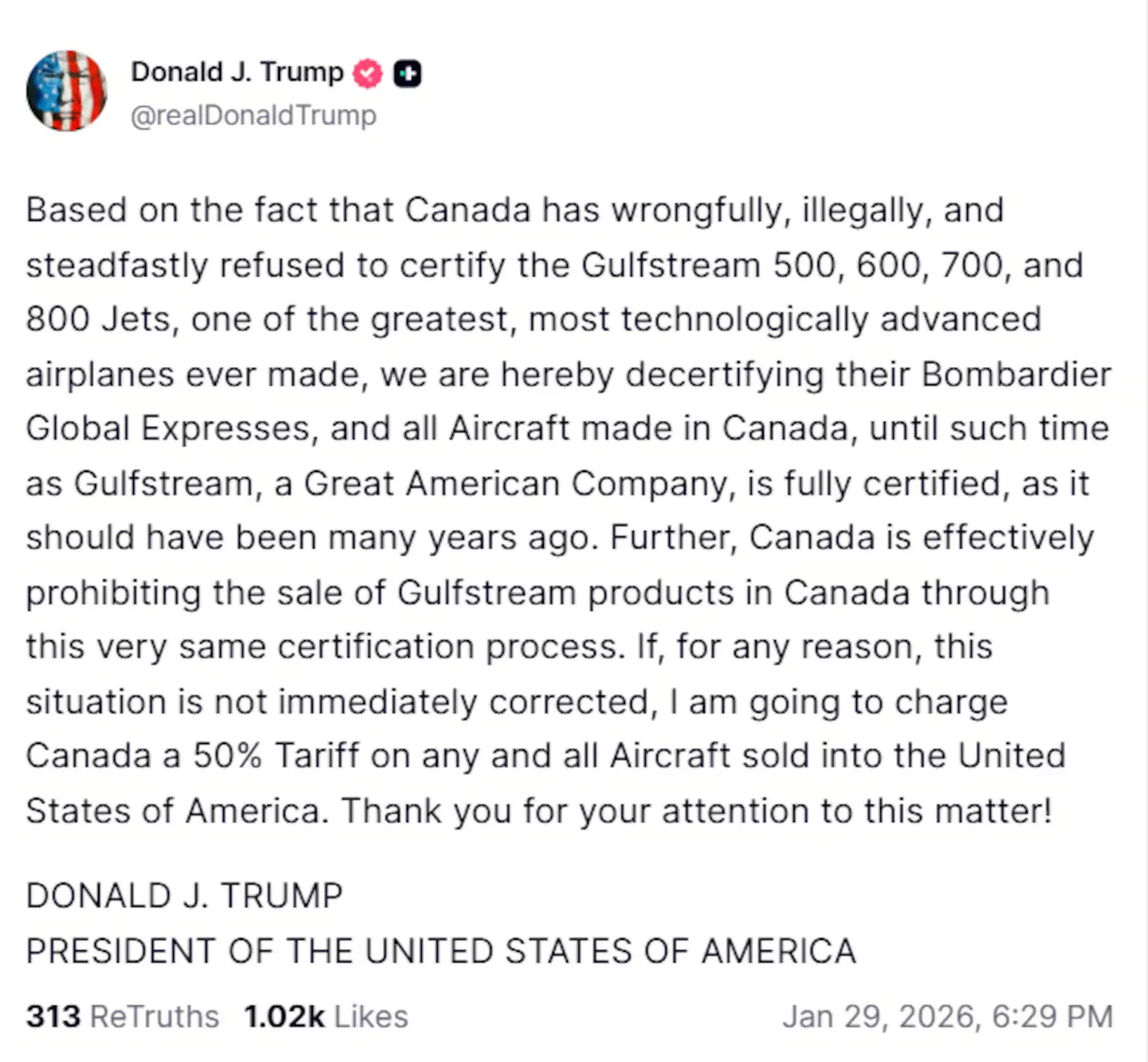

 VIETNAM — The United States has decided to postpone the tariff increase on certain finished wood products, including upholstered chairs, kitchen cabinets, and bathroom cabinets, from January 1, 2026, to January 1, 2027. The postponement of the tax increase on some finished wood products helps Vietnamese businesses temporarily avoid the policy shock at the beginning of 2026. However, this is not a sign of loosening, but rather a tactical retreat, requiring the wood industry to be more proactive and cautious in policy planning and restructuring the overall development strategy of the entire industry. …Mr. Ngo Sy Hoai, Vice President of the Vietnam Wood and Forest Products Association (VIFOREST), commented that if postponing the tariff increase is considered an “opportunity,” then extreme caution is needed. In reality, tariff pressure has spread throughout the entire supply chain, from domestic manufacturers to importers and retail systems in the US.


 The National Lumber & Building Material Dealers Association (NLBMDA) released its




 ALEXANDRIA, Va.


 ATLANTA — A proposed amendment to the Georgia Constitution would end sales taxes on timber, a major industry battered by mill closings and storms. House Majority Leader Chuck Efstration said a bipartisan group of legislators want to help protect “a cornerstone of the state’s rural economy.” “The timber tax cut is necessary because Georgia timber farmers are facing severe economic hardship following the closure of multiple sawmills in Georgia and significant losses in the aftermath of Hurricane Helene,” said Efstration, R-Mulberry, the sponsor of House Resolution 1000. “Georgia is a national leader in forestry, and I want to help this state’s rural economy and the livelihood of many Georgians.” Georgia’s forestry industry was the largest in the nation in 2021 based on harvest volume and product export values of nearly $4 billion, according to a report by the Georgia Forestry Association. But timber producers have suffered in recent years.