Mark Carney
As trade negotiations with the United States sputtered over the summer, Prime Minister Mark Carney started talking about a new, domestically oriented solution for Canada’s tariff-battered industries. …On the surface, this looks like a suite of emergency measures to help companies bridge a temporary loss of demand similar to those announced as the COVID-19 pandemic spread. Taken together, however, it represents a more fundamental shift in Canada’s political economy. If key Canadian industries can’t sell into the US market, the argument goes, perhaps the government can cultivate domestic markets to pick up the slack. …In effect, US President Trump’s America First economic vision is pushing Canada to follow suit. …And it unveiled a new “Buy Canadian” procurement policy for steel and lumber. …Derek Nighbor, of the Forest Products Association of Canada, said there’s an incremental opportunity to sell more lumber in Canada. [to access the full story a Globe & Mail subscription is required]
 The Canadian Lumber Trade Alliance (CLTA) issued the following statement. …Luc Theriault, President, Wood Products at Domtar and Co-Chair of the Canadian Lumber Trade Alliance, said “The U.S. government’s decision to impose a further 10% tariff – on top of existing duties of 35% – is disappointing. These measures unjustly punish Canadian producers, while also driving up costs for our neighbors in the US.” …“Canadian lumber does not pose a national security risk to the United States. Our industry directly supports 200,000 jobs and sustains over 300 forest-dependent communities across Canada. We will continue to work closely with the Government of Canada to defend against these unfortunate trade actions and to safeguard Canadian forestry jobs.” …In its recent Section 232 proclamation, the US signaled a willingness to pursue negotiations. The Canadian industry is ready to engage. It is essential that the Government of Canada match this commitment and play an active role in defending our industry.
 Prime Minister Mark Carney is set to head to Washington early next week to meet with US. President Trump. …Foreign Affairs Minister Anita Anand, Industry Minister Melanie Joly and Canada-U.S. Trade Minister Dominic LeBlanc will accompany Carney. This latest visit comes as Canadian and U.S. officials try to reach a deal on punishing American tariffs, and as a review of the Canada-U.S.-Mexico Agreement gets underway. …Over the summer, the U.S. hiked its tariffs on steel and aluminum imports to 50%, with Canada imposing a 25% counter-tariff on U.S. steel and aluminum. …The source says next week’s meeting follows weeks of groundwork by LeBlanc, Canadian Ambassador to the US Kirsten Hillman and Clerk of the Privy Council Michael Sabia, with the team being aware the discussions could go sideways.

 The United Steelworkers union (USW) is denouncing the latest escalation in Trump’s trade war, following his September 29 proclamation imposing a 10% tariff on Canadian softwood lumber exports to the US. …“For decades, Canadian lumber has supported the US housing market, keeping construction costs down for American families while sustaining good jobs here at home,” said Marty Warren, USW National Director. “Instead of recognizing that reality, Trump has chosen to pursue reckless trade policies that will drive up housing prices in the US and put tens of thousands of Canadian jobs at risk.” …Jeff Bromley, Chair of the USW Wood Council, underscored the toll on workers and communities across the country. “With nearly half the value of every Canadian lumber shipment being siphoned off at the border, sawmills, logging operations and whole towns in Canada are facing devastating consequences.” …The Steelworkers are urging the federal government to respond with urgency and resolve.
 Canada’s forest products sector strongly opposes the US administration’s decision to impose additional punitive tariffs not only on softwood lumber but also on derivative products, including furniture and kitchen cabinets. The targeting of Canada’s forestry products under Section 232 of the Trade Expansion Act is unjustified and disregards decades of evidence and cooperation that confirm Canadian forest products strengthen, rather than threaten, US national security. This broad action further undermines a deeply integrated North American supply chain that supports housing affordability, infrastructure, manufacturing, and shared prosperity and security on both sides of the border. …The new Section 232 tariffs pushes the total duty burden to over 45%. This compounds pressure, distorts markets, threatens jobs on both sides of the border, and escalates trade tensions. …This misguided move risks raising housing costs in the United States and undermines the integrated trade relationship that has provided jobs, investment, and prosperity in both countries,” said Nighbor.
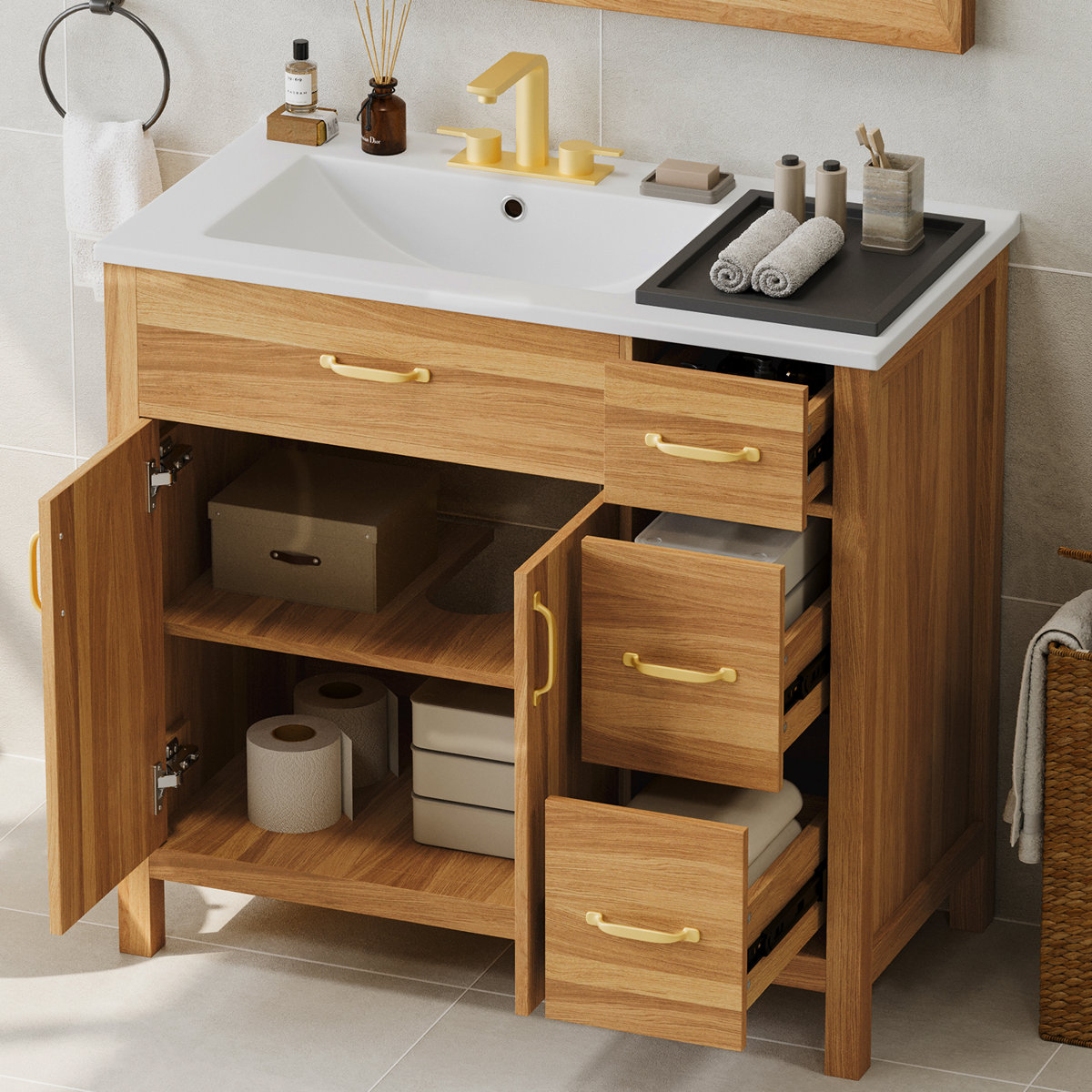
 President Trump on Monday ordered significant new tariffs on wood and various wooden products, including imported lumber, timber, kitchen cabinets and upholstered furniture – potentially adding costs to homebuilding and furnishing, which have surged in price in recent months. In a proclamation, Trump said the United States would begin charging a 10% tariff on foreign softwood lumber and timber, used in a wide variety of building materials. He also announced a 25% tariff on kitchen cabinets, vanities and upholstered wooden furniture. Those rates are set to go into effect October 14. On January 1, Trump will boost the tariff on cabinets to 50% and upholstered furniture to 30%. He first announced those new tariffs on Thursday. …“In my judgment, the actions in this proclamation will strengthen supply chains, bolster industrial resilience, create high-quality jobs, and increase domestic capacity utilization for wood products such that the US can fully satisfy domestic consumption while also creating economic benefits through increased exports,” Trump wrote.




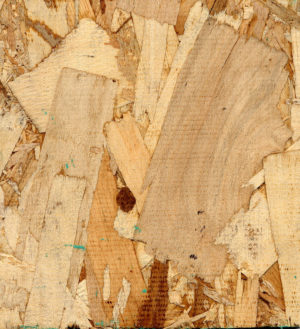 PRINCE ALBERT, Saskatchewan — “It’s taking way too long, and harder than we were hoping, but we have not given up.” That’s the message being delivered by those involved with One Sky Forestry Products‘ OSB mill project planned for Prince Albert. Last week, the Saskatchewan NDP said the mill was the latest in a string of major economic projects delayed or cancelled under a Sask. Party government. …However, a source at the OSB mill project said while they were in somewhat of a holding pattern because of the trade uncertainty with the US, the board of directors had a meeting last week and made the unanimous decision not to cancel or shelve the project, but instead look at ways to move it along. …They added the timing of the project that was supposed to be completed in 2027 and provide 700 jobs, will depend on whether they can tap into financing support sooner rather than later.
 Vancouver, B.C. – The British Columbia Lumber Trade Council (BCLTC) expressed deep disappointment today following the United States government’s decision to impose additional tariffs of 10 percent on Canadian softwood lumber under Section 232 of the Trade Expansion Act. This action comes despite the fact that Canadian lumber has never posed a national security risk to the United States. Canada is a trusted ally and a secure supplier, and U.S. producers already meet most of the domestic demand. Canadian exports simply fill the gap that U.S. production cannot cover, preventing supply shortages that would harm American consumers. “These tariffs will not improve U.S. national security — they will only drive-up lumber costs, making housing even less affordable for American families and undermining the integrated trade relationship that benefits both our countries.” – Kurt Niquidet, President, BC Lumber Trade Council. …This will impose needless strain on the North American market, threaten jobs on both sides of the border, and make it harder to address the housing supply crisis in the United States.
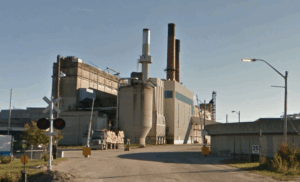 ONTARIO — Upper levels of government have reached funding agreements to support the Town of Kapuskasing’s Paper Mill, averting a planned closure and providing what local leaders are calling “a critical step” toward securing the region’s economic future. Kap Paper announced the newfound support in a social media post on Friday evening. “Next week, we’ll be working out the details for a restart plan,” the post said, adding that updates would be shared “as soon as everything is confirmed.” Kapuskasing Mayor Dave Plourde, called the deal a “critical step forward for Kapuskasing and the entire region,” in a statement posted to the town’s social media page. …“We now have a second chance – a window of opportunity to come together, calmly and deliberately, to build a plan for modernization and long-term competitiveness,” said Plourde …“Today, I am pleased to confirm that both the federal and provincial governments have agreed to provide support.”
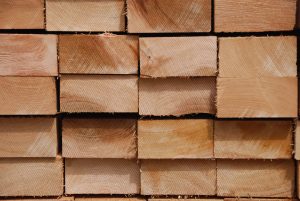 Companies reliant on New Brunswick’s softwood lumber industry are bracing for hard times after US President Trump announced new tariffs on Sept. 30. …In a letter to Prime Minister Mark Carney, New Brunswick Premier Susan Holt pleaded for the federal government to make softwood lumber tariffs a top priority. “In some communities in New Brunswick, one in every 11 workers depends directly on forest products,” Holt wrote. …Ron Marcolin, the New Brunswick vice-president with Canadian Manufacturers and Exporters, said the latest tariffs and duties are a big deal in a long-running drama over softwood lumber. …While New Brunswick may largely rely on the American market, Marcolin said Americans also rely on New Brunswick’s products. …”The thing is, too, they realize their product is inferior. Their softwood lumber is not as good as a Canadian stick of lumber.”



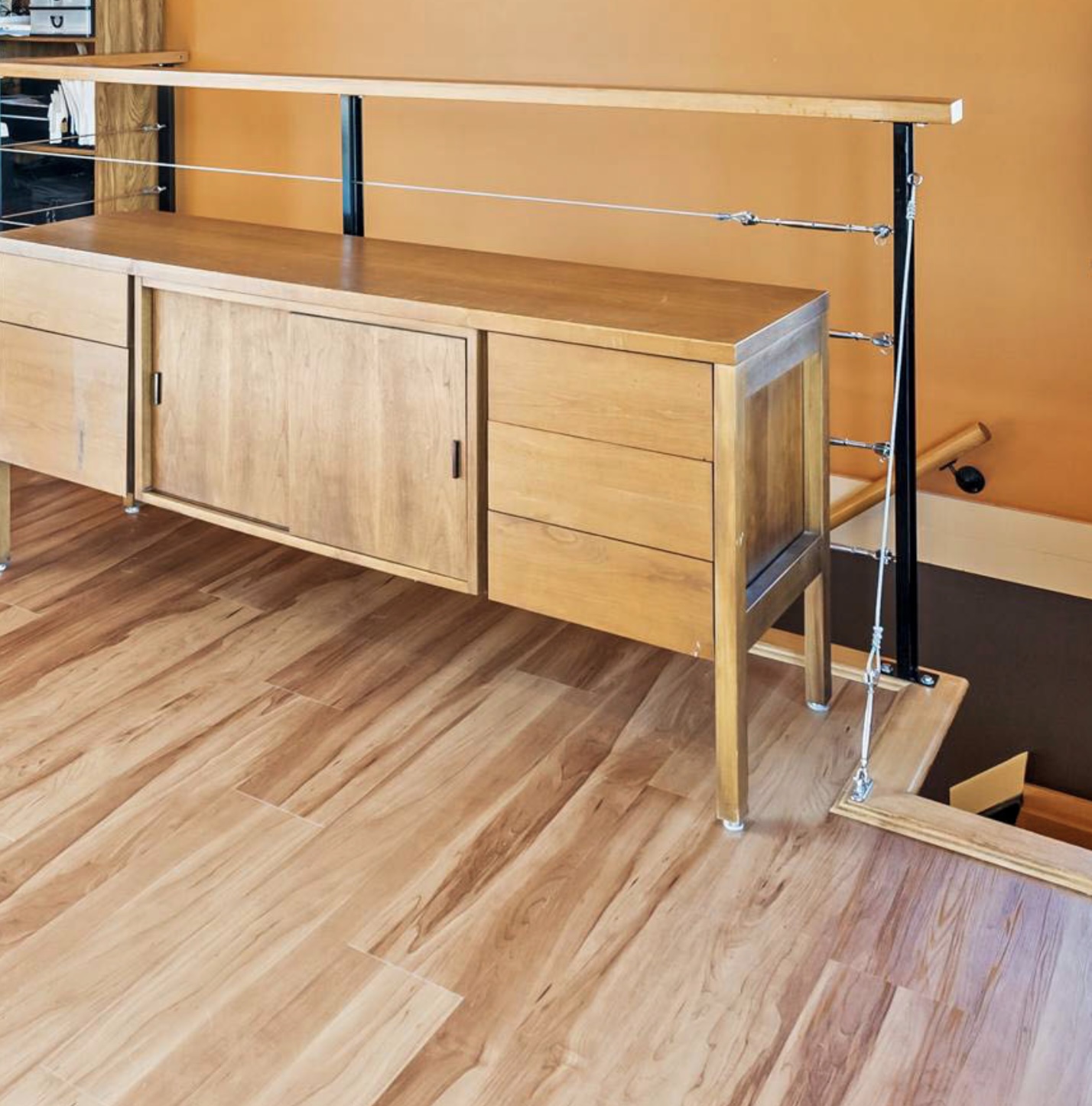 WASHINGTON, D.C. — On Oct. 1, 2025, nine presidents and CEOs representing American manufacturers of hardwood plywood, engineered wood flooring, and hardwood veneer asked President Trump to add their products to the recently announced Section 232 tariffs on wood products. The current 232 tariff proposal focuses on cabinets, vanities, lumber, upholstered furniture, and other products. Section 232 tariffs are trade restrictions, such as import duties, that the President of the United States can impose on goods that are found to threaten national security. According to the group of companies, more than 100,000 American manufacturing jobs are threatened by the “flood of dumped and subsidized decorative hardwood product imports from outside of North America.” The group pointed to the news that Roseburg Forest Products had closed its last hardwood plywood mill and exited the hardwood plywood market as a result of these imports, which the company said dominate 80% of the U.S. market.
 Much of the federal government shutdown in the early hours of Oct. 1 after federal lawmakers failed to reach a funding deal. If the shutdown persists, work related to federal data reporting, rulemakings and other regulatory initiatives could face delays. Ahead of the shutdown, many federal agencies published contingency plans on how work at those agencies may be impacted in the short term. …The USDA is expected to furlough 42,256 of its 85,907 employees, equating to more than 49% of the agency’s workforce. Data products and website updates offered by the USDA’s National Agricultural Statistics Service and Foreign Agricultural Service are among agency activities that are expected to cease during the funding lapse. …FAS also publishes a variety of data of interest to bioenergy producers, including monthly export data on ethanol, distillers grains, biodiesel and wood pellets. FAS also publishes reports that provide insight on foreign markets for biofuels and wood pellets.
  The Trump administration on Monday announced tariffs on imported wood products, targeting softwood lumber, timber, kitchen cabinets, vanities and upholstered furniture. …Trump’s proclamation said wood product imports were weakening the US economy, resulting in a persistent threat to the US supply chains and harming the domestic wood industry. “Because of the state of the United States wood industry, the US may be unable to meet demands for wood products that are crucial to the national defense and critical infrastructure,” the proclamation said. …Critics of the tariffs have voiced concern that the new duties will inflate costs for American consumers and builders. Former US Rep. Matt Cartwright, (D-Pennsylvania), said safety will suffer as a result of the new tariff on imports of trucks. …“A lot of these companies are already on shoestring budgets, and unfortunately the first thing that gets cut when costs go up is safety,” Cartwright said.
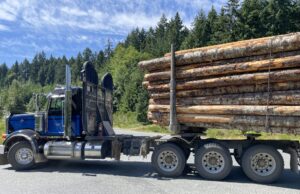 NEW ZEALAND — News that US President Trump imposed a tariff of 10 percent on imported timber has come as a relief to industry, which expected a higher figure. Mark Ross, chief executive of the Wood Processors and Manufacturers Association, said it was a relief as they thought it would be higher. “We’ve been working through the essential impact of a tariff on our products since March this year so it wasn’t a shock because we were, at one point, expecting a 50% tariff. “So 10% is a bit of relief. It is still going to have a financial impact on the wood processing industry in New Zealand. …Ross said they were working with exporters to work out how to handle the extra costs. …Ross said the United States was New Zealand’s third-largest export market and continued to grow.
 The Commerce Department in a shutdown contingency plan released Monday said it will continue “the necessary work to address the effect of imported articles on national security.” The contingency guidelines mark a subtle shift from the previous plan, which said investigations would continue with unexpired funds if Congress failed to approve additional spending by the end of the fiscal year on Sept. 30. By claiming a national security rationale for the investigations, the administration can continue work on probes being conducted under Section 232 of the Trade Expansion Act. That provision allows for the imposition of tariffs on goods deemed critical to national security. …Section 232 investigations could take on even greater weight if the Supreme Court strikes down Trump’s use of the International Emergency Economic Powers Act. [to access the full story a Bloomberg subscription is required]