 Ottawa — Forest Products Association of Canada (FPAC) welcomes the federal government’s announcement of new measures to support trade-exposed Canadian businesses and employees and to enable economic transformation. The measures announced today — ranging from the Strategic Response Fund to procurement reforms, tariff-response financing, workforce supports, and biofuels incentives — if well executed, can provide hope for the future for Canada’s forest sector and its 200,000 employees. In addition to the measures announced today, FPAC continues to call on the federal government to extend Clean Investment Tax Credits (ITCs) to include biomass for heat and electricity generation as part of Budget 2025. Introducing the biomass ITCs will create new jobs, improve energy security, lower carbon emissions, and help reduce wildfire risks. …“While a negotiated agreement on softwood lumber is the sector’s number one priority, today’s announcement is about trying to create stability as we modernize and innovate for the future,” said FPAC President and CEO Derek Nighbor.

 Trade disputes between the United States and Canada are nothing new. What began as two neighbouring countries seeking to expand their markets and assert economic sovereignty has evolved into a broad range of conflicts. These historical trade disputes have included accusations of unfair subsidies, protectionist tariffs, and, more recently, concerns over national security, fentanyl and border security. Softwood lumber, one of the most important items on the list of Canadian exports to the U.S., has been consistently under attack by different American administrations. …Though some might call it weakness, Prime Minister Mark Carney’s recent move to lift the retaliatory tariffs on U.S. goods covered under CUSMA, while retaining tariffs on auto, steel and aluminum, is arguably a wise strategy. The end goal is to minimize economic damage to Canada. According to Carney, this tariff removal on about 85 per cent of Canada-U.S. trade is consistent with the commitment under CUSMA.
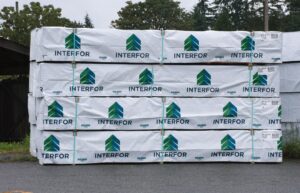 Lumber prices that have dropped more than 20% over the past month are prompting one of North America’s largest producers to throttle back output by 12%. Interfor said Thursday that it would reduce hours and reconfigure shifts as well as lengthen holiday breaks and maintenance shutdowns at its mills in Canada and the US to reduce output by about 145 million board feet through year-end. Lumber futures, which had fallen 18 of the past 22 trading sessions rose in response. …Interfor, which has headquarters in BC, is among the big Canadian sawyers that have shifted operations into the US as duties and diminished log availability have put sawmills out of the money back home. About 50% of Interfor’s capacity these days is in the US South. Another 12% is Washington and Oregon, where mills compete fiercely with Canadian rivals to sell the same species of wood. [to access the full story a WSJ subscription is required]
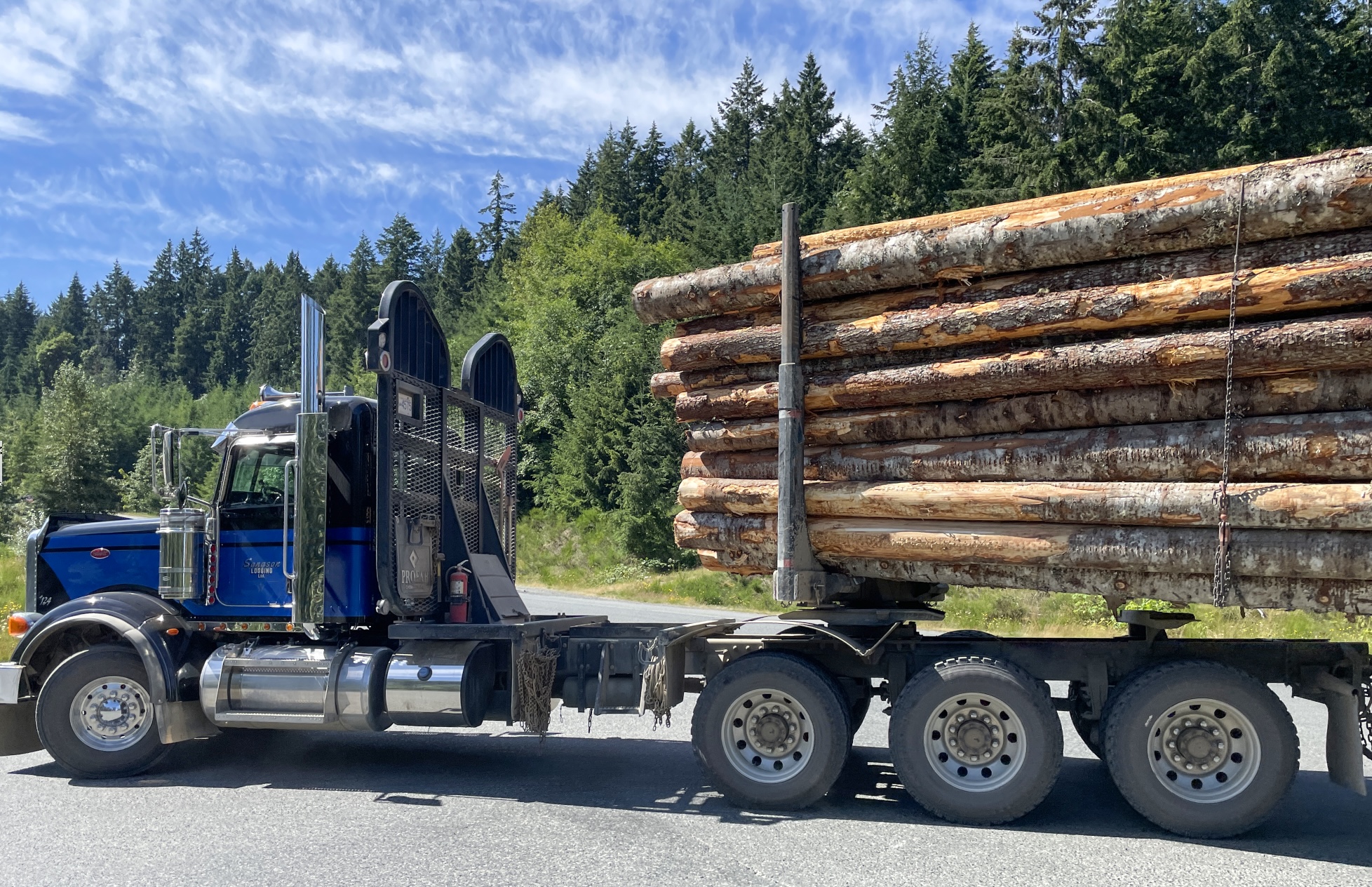 WASHINGTON – Canada’s government joined the Canadian lumber industry in seeking a trade panel review over certain softwood lumber products from Canada under the USMCA, according to a U.S. government notice posted online on Monday. The two requests were filed with the U.S. Department of Commerce’s International Trade Association following the departments July 29 decision following its investigation into the matter, the notices posted to the Federal Register said.
 BURNABY, BC — Interfor Corporation announced plans to reduce its lumber production by approximately 145 million board feet between September and December of 2025, representing approximately 12% of its normal operating stance. The temporary curtailments will be through a combination of reduced operating hours, prolonged holiday breaks, reconfigured shifting schedules and extended maintenance shut-downs. The curtailments are expected to impact all of Interfor’s operating regions, with both the Canadian and US operations expected to reduce their production levels by approximately 12% each. The curtailments are in response to persistently weak market conditions and ongoing economic uncertainty. The Company will continue to monitor market conditions across all of its operations and adjust its production plans accordingly. [END]


 Western is proud to launch a refreshed brand that better reflects who we are, where we’re going and what our customers, communities, and partners expect from us. Our refreshed brand is rooted in our belief that wood plays a vital role in building a more sustainable future. Wood has always been part of everyday life – in the homes we live in, the furniture we use and the warmth and comfort we seek in natural materials. At Western, we are proud to carry that legacy forward by helping meet today’s demand for beautiful, low-carbon building materials. This brand refresh is grounded in our long-term strategy and shaped by the people who make Western what it is. It reflects our continued commitment to quality, sustainability and stewardship. Explore the rest of our site to see how our refreshed brand reflects the care we put into everything we do, from forest to finished product.
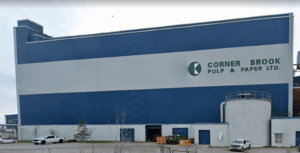 The provincial government, through Newfoundland and Labrador Hydro, is extending its agreement with Corner Brook Pulp and Paper to buy electricity. The initial agreement was made in March, 2024 for Hydro to buy electricity from Deer Lake Power, which energizes the paper-making machines at the Corner Brook mill for 27.5 cents per kilowatt hour. The deal has now been extended until March 31, 2026. Hydro will continue to purchase excess green energy from Deer Lake Power, while the mill continues work to identify new revenue sources through viable wood-based projects “to unlock Newfoundland and Labrador’s high forest potential while further stabilizing the mill’s sustainability and future,” wrote the province’s Department of Fisheries, Forestry and Agriculture in a news release on Wednesday. The department said the agreement will not impact rate payers. The announcement comes after the mill was forced to pause operations due to a number of wildfires.

 WENDAKE, QC
 MANIWAKI, Quebec — The Domtar sawmill in Maniwaki, Quebec, will temporarily close again next month. The company, which acquired the mill when it bought Resolute Forest Products in 2023, confirmed Wednesday to Radio-Canada that the indefinite closure will begin Oct. 10. It cited difficult market conditions and US softwood lumber duties, which rose to more than 35 per cent last month. About 120 workers at the mill lost their jobs in a previous closure that started in December 2024. The mill reopened for about 50 hours a week at the start of June. About 3,800 people lived in the western Quebec community as of the 2021 census. [END]
 Donald Trump has called on the European Union to hit China and India with tariffs of up to 100% to force Russian president Vladimir Putin to end the war in Ukraine. The US president made the demand during a meeting between US and EU officials discussing options to increase economic pressure on Russia. …Last month, the US imposed a 50% tariff on goods from India, which included a 25% penalty for its transactions with Russia. Although the EU has said it would end its dependency on Russian energy, around 19% of its natural gas imports still come from there. If the EU does impose the tariffs on China and India it would mark a change to its approach of attempting to isolate Russia with sanctions rather than levies.


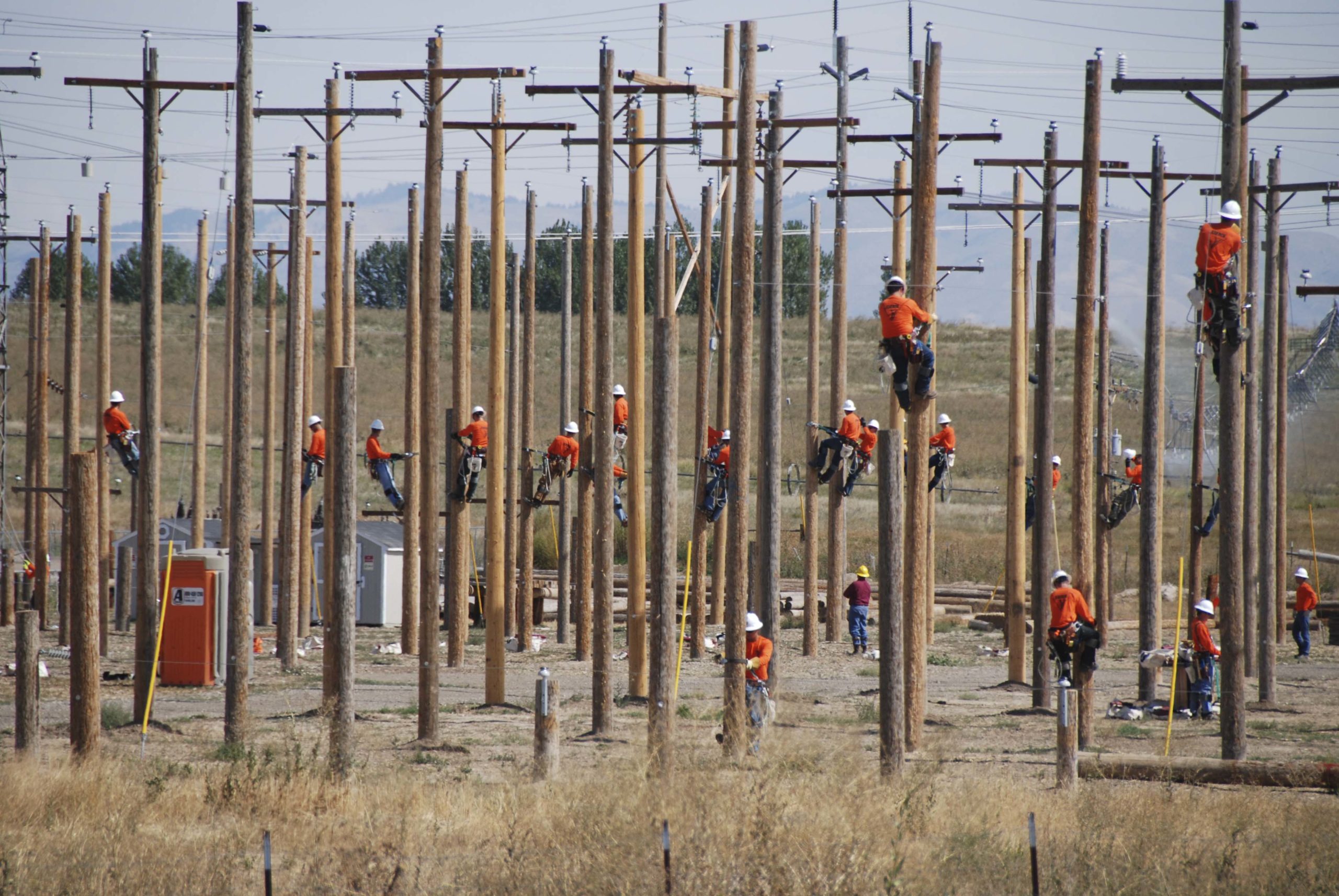 SHERIDAN, Oregon — The Oregon Department of Environmental Quality (DEQ) has fined a Yamhill County wood treating company $1,055,825 for numerous violations of environmental regulations for water quality, hazardous waste and spill response and cleanup.
 LEBANON COUNTY, Pa. — A large fire at Weaber Lumber comes just over a month after the company filed for bankruptcy. Weaber, Inc. filed for Chapter 11 bankruptcy on Aug. 1, according to online records. The company also filed a WARN notice in July at its distribution center on 25 Keystone Drive. In that notice, the company said 145 people would be laid off from July 26 through Sept. 9 of this year. The fire broke out Monday night around 10 p.m. at the company’s headquarters at 1231 Mt. Wilson Road, and it took firefighters until Tuesday morning to bring the blaze under control over eight hours later.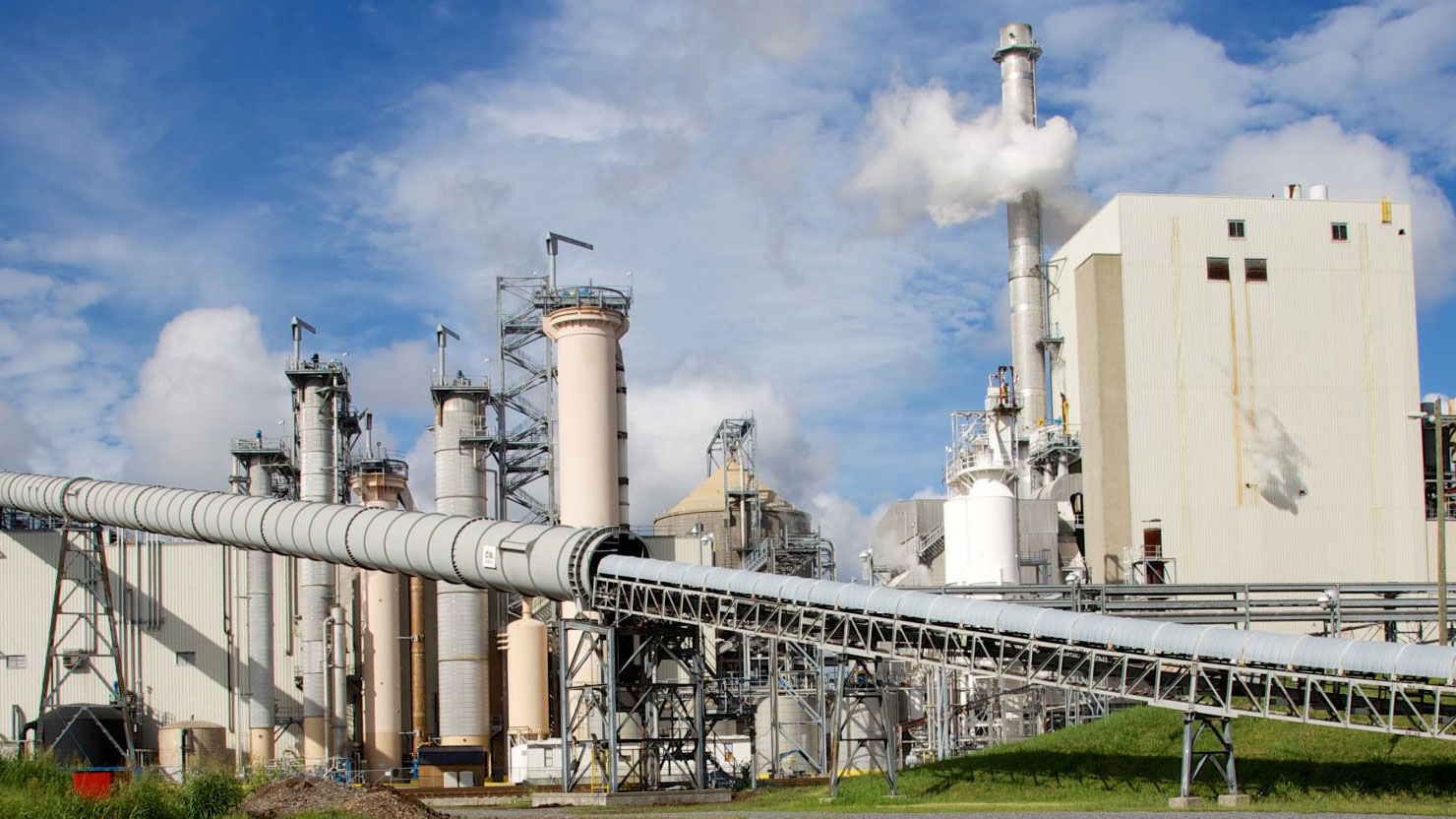
 BEMIDJI, Minnesota — The West Fraser wood engineering plant west of Bemidji was one of three companies to receive part of $4.2 million in business expansion grants from the state. The state’s Department of Employment and Economic Development stated in a news release that the three projects are expected to create or retain 587 jobs and leverage more than $270 million in private investment. West Fraser plans to renovate an existing building and improve the operating site in the small community of Solway. The operation there produces engineered wood products, such as OSB or particle board, that are used widely in construction and other industries. The project will receive more than $1 million in financing from the state’s Job Creation Fund, with the company expected to invest $137 million. The project is expected to retain 132 jobs.


 SOUTH ANNVILLE TOWNSHIP, Pa. — A three-alarm fire ripped through Weaber Lumber in Lebanon County. Crews responded to the fire in South Annville Township around 10 p.m. on Monday. Flames could be seen leaping from the burning building. The blaze was upgraded to the third alarm, prompting a large firefighter response. According to Lawn Fire Company Chief Dillon Wilson, approximately 1.1 million gallons of water have been used from the on-site hydrant system to combat the fire. Tankers also brought in additional water to the scene. Chief Wilson said most of the building was engulfed in flames when crews arrived. “It got ahead of us,” Wilson said. The chief believes this building might have the most combustible materials under one roof in the state. Weaber Lumber has experienced multiple fires over the years. …For 80 years, Weaber has been proudly committed to the lumber industry and is one of the nation’s leading hardwood manufacturers.




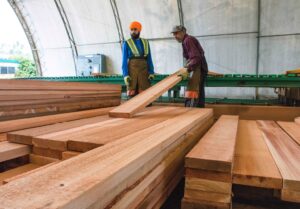 Wood production, processing, and export is one of Vietnam’s key industries, but it is currently facing a direct impact from trade competition and tariff barriers. …In early August 2025, the US imposed reciprocal duties of 20% on Vietnamese imports, and the figure could rise to 40% if illegal transshipment is detected. …“These moves are creating prolonged uncertainty for the wood processing industry,” Phuong says. “Although Vietnam’s wood exports grew by 8% in the first seven months of 2025, the risks remain high. The ability to control domestic raw material supply will be a decisive factor in maintaining Vietnam’s status as a sustainable source in the global market.” …Nguyen Chanh Phuong emphasises that despite the shifting policies, the US is the top market and is more stable than others. To mitigate risks, he stresses the need to expand into new export markets, diversify raw material sources, and produce more value-added products.