 The Canadian Lumber Trade Alliance (CLTA) issued the following statement. …Luc Theriault, President, Wood Products at Domtar and Co-Chair of the Canadian Lumber Trade Alliance, said “The U.S. government’s decision to impose a further 10% tariff – on top of existing duties of 35% – is disappointing. These measures unjustly punish Canadian producers, while also driving up costs for our neighbors in the US.” …“Canadian lumber does not pose a national security risk to the United States. Our industry directly supports 200,000 jobs and sustains over 300 forest-dependent communities across Canada. We will continue to work closely with the Government of Canada to defend against these unfortunate trade actions and to safeguard Canadian forestry jobs.” …In its recent Section 232 proclamation, the US signaled a willingness to pursue negotiations. The Canadian industry is ready to engage. It is essential that the Government of Canada match this commitment and play an active role in defending our industry.
 Prime Minister Mark Carney is set to head to Washington early next week to meet with US. President Trump. …Foreign Affairs Minister Anita Anand, Industry Minister Melanie Joly and Canada-U.S. Trade Minister Dominic LeBlanc will accompany Carney. This latest visit comes as Canadian and U.S. officials try to reach a deal on punishing American tariffs, and as a review of the Canada-U.S.-Mexico Agreement gets underway. …Over the summer, the U.S. hiked its tariffs on steel and aluminum imports to 50%, with Canada imposing a 25% counter-tariff on U.S. steel and aluminum. …The source says next week’s meeting follows weeks of groundwork by LeBlanc, Canadian Ambassador to the US Kirsten Hillman and Clerk of the Privy Council Michael Sabia, with the team being aware the discussions could go sideways.

 The United Steelworkers union (USW) is denouncing the latest escalation in Trump’s trade war, following his September 29 proclamation imposing a 10% tariff on Canadian softwood lumber exports to the US. …“For decades, Canadian lumber has supported the US housing market, keeping construction costs down for American families while sustaining good jobs here at home,” said Marty Warren, USW National Director. “Instead of recognizing that reality, Trump has chosen to pursue reckless trade policies that will drive up housing prices in the US and put tens of thousands of Canadian jobs at risk.” …Jeff Bromley, Chair of the USW Wood Council, underscored the toll on workers and communities across the country. “With nearly half the value of every Canadian lumber shipment being siphoned off at the border, sawmills, logging operations and whole towns in Canada are facing devastating consequences.” …The Steelworkers are urging the federal government to respond with urgency and resolve.
 Canada’s forest products sector strongly opposes the US administration’s decision to impose additional punitive tariffs not only on softwood lumber but also on derivative products, including furniture and kitchen cabinets. The targeting of Canada’s forestry products under Section 232 of the Trade Expansion Act is unjustified and disregards decades of evidence and cooperation that confirm Canadian forest products strengthen, rather than threaten, US national security. This broad action further undermines a deeply integrated North American supply chain that supports housing affordability, infrastructure, manufacturing, and shared prosperity and security on both sides of the border. …The new Section 232 tariffs pushes the total duty burden to over 45%. This compounds pressure, distorts markets, threatens jobs on both sides of the border, and escalates trade tensions. …This misguided move risks raising housing costs in the United States and undermines the integrated trade relationship that has provided jobs, investment, and prosperity in both countries,” said Nighbor.
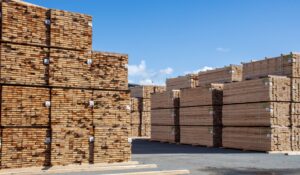 President Trump on Monday ordered significant new tariffs on wood and various wooden products, including imported lumber, timber, kitchen cabinets and upholstered furniture – potentially adding costs to homebuilding and furnishing, which have surged in price in recent months. In a proclamation, Trump said the United States would begin charging a 10% tariff on foreign softwood lumber and timber, used in a wide variety of building materials. He also announced a 25% tariff on kitchen cabinets, vanities and upholstered wooden furniture. Those rates are set to go into effect October 14. On January 1, Trump will boost the tariff on cabinets to 50% and upholstered furniture to 30%. He first announced those new tariffs on Thursday. …“In my judgment, the actions in this proclamation will strengthen supply chains, bolster industrial resilience, create high-quality jobs, and increase domestic capacity utilization for wood products such that the US can fully satisfy domestic consumption while also creating economic benefits through increased exports,” Trump wrote.

 Canada aims to establish duty-free access for up to 95 per cent of its exports to Indonesia over the next eight to 12 months, International Trade Minister Maninder Sidhu said, after signing a trade agreement. The Comprehensive Economic Partnership Agreement is Canada’s first in the economically crucial Indo-Pacific region since



.jpg)

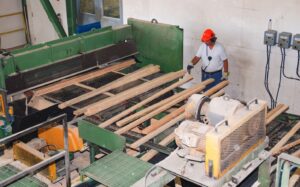 Terrace, a small town nestled in the foothills of the mountains of BC, boomed in the 1920s, shipping Canadian cedar for telephone lines and power cables across the globe. But today local sawmill owners such as Warren Gavronsky are on the front line of a crisis hitting the country’s US$63bn forestry industry as a result of US duties and a slowdown in the world’s largest economy. …Canada’s forest products industry is one of the country’s largest employers, operating in hundreds of communities and providing 200,000 direct jobs. …Ottawa this week quietly withdrew two challenges to US anti-dumping duties on softwood lumber, a “strategic choice” aimed at improving relations with Washington, said Canada’s foreign ministry. The issue for US housebuilders, according to Gavronsky, is that they need softwood lumber. …The US industry accuses its Canadian rivals of dumping because they have no other market to sell into and it is convenient to ship it across the border.

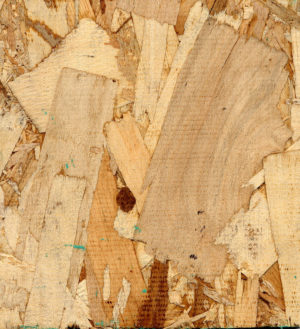 PRINCE ALBERT, Saskatchewan — “It’s taking way too long, and harder than we were hoping, but we have not given up.” That’s the message being delivered by those involved with One Sky Forestry Products‘ OSB mill project planned for Prince Albert. Last week, the Saskatchewan NDP said the mill was the latest in a string of major economic projects delayed or cancelled under a Sask. Party government. …However, a source at the OSB mill project said while they were in somewhat of a holding pattern because of the trade uncertainty with the US, the board of directors had a meeting last week and made the unanimous decision not to cancel or shelve the project, but instead look at ways to move it along. …They added the timing of the project that was supposed to be completed in 2027 and provide 700 jobs, will depend on whether they can tap into financing support sooner rather than later.
 Vancouver, B.C. – The British Columbia Lumber Trade Council (BCLTC) expressed deep disappointment today following the United States government’s decision to impose additional tariffs of 10 percent on Canadian softwood lumber under Section 232 of the Trade Expansion Act. This action comes despite the fact that Canadian lumber has never posed a national security risk to the United States. Canada is a trusted ally and a secure supplier, and U.S. producers already meet most of the domestic demand. Canadian exports simply fill the gap that U.S. production cannot cover, preventing supply shortages that would harm American consumers. “These tariffs will not improve U.S. national security — they will only drive-up lumber costs, making housing even less affordable for American families and undermining the integrated trade relationship that benefits both our countries.” – Kurt Niquidet, President, BC Lumber Trade Council. …This will impose needless strain on the North American market, threaten jobs on both sides of the border, and make it harder to address the housing supply crisis in the United States.
 VICTORIA — Forests Minister Ravi Parmar this week announced major reforms to B.C. Timber Sales, hoping to reverse a two-thirds decline in sales volumes under the NDP. …Parmar said the government will broaden the agency’s mandate to focus on providing wood to support manufacturing, delivering jobs to communities and building partnerships with First Nations. The changes are prompted by a review conducted earlier this year by former B.C. Liberal cabinet minister George Abbott, Vanderhoof councillor Brian Frenkel and First Nations representative Lennard Joe. …Parmar didn’t understate the urgency of delivering logs to all the right places … that day’s Merritt Herald announced Aspen Planer mill was closing for “an indefinite period.” …The company doesn’t lack for wood supply on paper. …For all Parmar’s and Eby’s enthusiasm for boosting the annual harvest, they have not made believers of the Ministry of Finance in their own government.
 The B.C. Government says it’s going to expand the scope of BC Timber Sales. The organization manages 20 per cent of the province’s allowable annual cut for Crown/public timber and the auction of public timber. The government released a review of BC Timber Sales on Tuesday… A Chemainus mill is among two Western Forest Products mills in the Cowichan Valley facing lengthy curtailments, impacting more than 200 workers. …At the Paulcan Jemico mills in Chemainus, there are 50 people working despite tough times for the industry. The owner says profit margins are razor-thin while regulations are always increasing. “We’re making it to the point where no one wants to do business because there is so much uncertainty in what goes on in this industry,” said Paul Beltgens, owner of Paulcan Jemico Industries. Beltgens says unless conditions improve, there’s very little reason to invest in his company’s operations for the future.
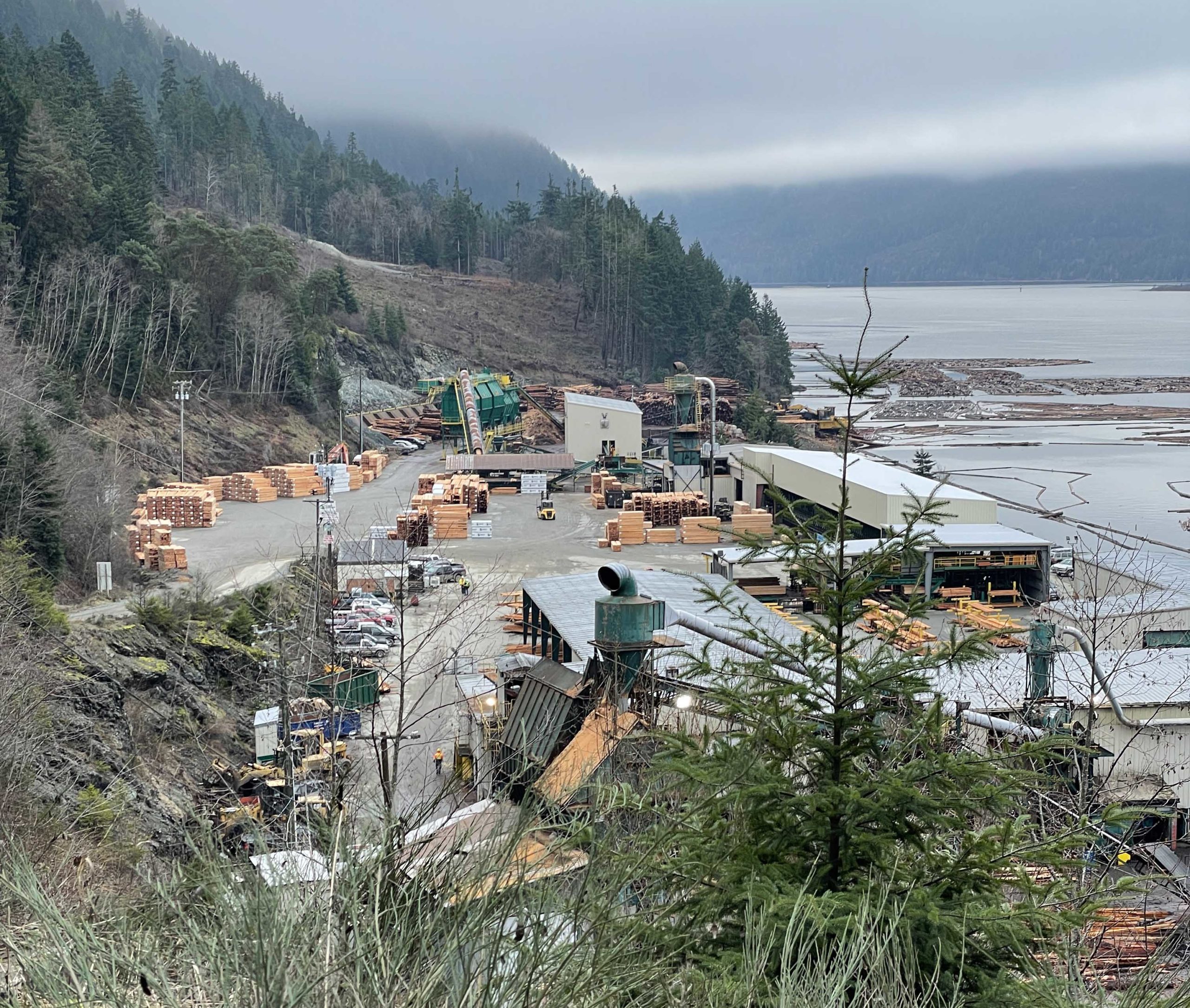 The new owners of the Coulson Manufacturing Mill (formerly operated by the San Group) say they are anxious to get the mill back up and running after purchasing the Port Alberni facility in a court-approved sale in June of this year. The mill will act as a stand-alone operation named Coulson Sawmills and will be managed by Jovan and Ajit Gill, but are connected at arms length with Fraserview Cedar on the Lower Mainland. “This is the next generation of Gills that have bought this and their plan is to go up there and get their own relationship,” says Fraserview Chief Executive Officer Gary Gill. Plans are to get the operation going near the beginning of November but the company’s first priority is to build up a long-term log deck so that the mill can run continuously with a healthy supply of logs. That’s a problem that Gary Gill says is facing other mills as well.
 CAMPBELL RIVER — Several mayors from across BC have united to advocate for resource development by creating the Alliance of Resource Communities, with Campbell River’s mayor at the helm. “It’s time for an alliance of community leaders from all corners of the province to come together and strongly advocate for a secure and brighter economic future through the responsible development of our abundant natural resources,” said Mayor Kermit Dahl at the Get it Done conference on Sept. 22, which was hosted by Resource Works. “While it’s encouraging that the federal and provincial governments are becoming more vocal in support of major projects, thousands of people in my community who rely on natural resource industries face an uncertain future,” said Dahl, referring to Prime Minister Mark Carney’s pledge to fast-track nation-building projects and the recent announcement of five major infrastructure projects.
 British Columbia’s forestry industry is “under pressure from all sides,” prompting the provincial government to bring in changes to expand the role of BC Timber Sales, including allowing some communities to manage their own forest resources. Forests Minister Ravi Parmar says attacks from US President Trump, “increasingly intense” wildfires and climate change all put extra pressure on the industry. A review of the work done by BC Timber Sales, an organization that manages 20% of Crown timber, has generated 54 recommendations in a plan to help support a thriving forest economy. One of the key recommendations includes expanding three community forests in Vanderhoof, Fraser Lake and Fort St. James. …Parmar said he wants the changes implemented as quickly as possible, but a number of them will require legislative change to move forward. Parmar said the B.C. forestry sector is also looking to expand into other foreign markets.
 MERRITT, BC — Aspen Planers has halted operations at its Merritt sawmill and planer facility for an undetermined period, citing what it calls a lack of available logs and rising costs that have made continued production unsustainable. “Simply put, our mill lacks logs,” said regional manager Surinder Momrath. “Our Lillooet veneer plant has also curtailed operations for the same reason. These two closures are linked given that we source logs from both our Merritt and Lillooet forest licenses – and the saw logs are processed in Merritt while the plywood ‘peeler’ logs are processed in Lillooet.” The company pointed to an inability to obtain cutting permits under its AAC. Aspen Planers’ licenses provide for 490,000 cubic metres, but over the past two and a half years the company has only harvested 29% of that amount. …He says the shortage stems from provincial policy decisions, including Indigenous co-governance under DRIPA and old growth initiatives.
 “The BC Council of Forest Industries (COFI)… is encouraged to see recognition of the urgency to ‘increase performance, move more fibre, and better serve the current client base, including the primary sector.’ To create the stability, certainty, and predictability needed, we urge government to prioritize and fast track the Task Force’s recommendations that focus on increasing wood flow to manufacturers across the province. While BCTS has consistently underperformed in its core function of delivering wood supply to the market, the government is choosing to expand its mandate and propose additional volumes be allocated to BCTS. …COFI is pleased to see harvest targets in Recommendation 17, however, the proposal to increase the BCTS volumes by only 1 million m³ per year is not ambitious enough to meet the government’s Major Project commitment to reach a 45 million m³ harvest.
 Western Forest Products announced planned temporary operating curtailments at its BC sawmills during the fourth quarter of 2025. These planned curtailments, combined with temporary curtailments taken in Q3 of 2025, will collectively reduce lumber production by ~50 million board feet in the second half of 2025, amounting to ~6% of the Company’s annual lumber capacity. The curtailments are in response to persistently weak market conditions, further impacted by increases in US lumber duties. In addition, certain factors relating to the operating environment, including a lack of available economic log supply, ongoing harvesting permitting delays and the strike by the United Steelworkers Local 1-1937 at our La-kwa sa muqw Forestry Limited Partnership are also contributing factors. The temporary curtailments will be taken through a combination of reduced operating hours, an extended holiday break and reconfigured shifting schedules. The Chemainus sawmill, which was curtailed for the third quarter of 2025, will remain temporarily curtailed for the fourth quarter.

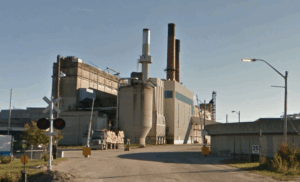 ONTARIO — Upper levels of government have reached funding agreements to support the Town of Kapuskasing’s Paper Mill, averting a planned closure and providing what local leaders are calling “a critical step” toward securing the region’s economic future. Kap Paper announced the newfound support in a social media post on Friday evening. “Next week, we’ll be working out the details for a restart plan,” the post said, adding that updates would be shared “as soon as everything is confirmed.” Kapuskasing Mayor Dave Plourde, called the deal a “critical step forward for Kapuskasing and the entire region,” in a statement posted to the town’s social media page. …“We now have a second chance – a window of opportunity to come together, calmly and deliberately, to build a plan for modernization and long-term competitiveness,” said Plourde …“Today, I am pleased to confirm that both the federal and provincial governments have agreed to provide support.”
 Companies reliant on New Brunswick’s softwood lumber industry are bracing for hard times after US President Trump announced new tariffs on Sept. 30. …In a letter to Prime Minister Mark Carney, New Brunswick Premier Susan Holt pleaded for the federal government to make softwood lumber tariffs a top priority. “In some communities in New Brunswick, one in every 11 workers depends directly on forest products,” Holt wrote. …Ron Marcolin, the New Brunswick vice-president with Canadian Manufacturers and Exporters, said the latest tariffs and duties are a big deal in a long-running drama over softwood lumber. …While New Brunswick may largely rely on the American market, Marcolin said Americans also rely on New Brunswick’s products. …”The thing is, too, they realize their product is inferior. Their softwood lumber is not as good as a Canadian stick of lumber.”

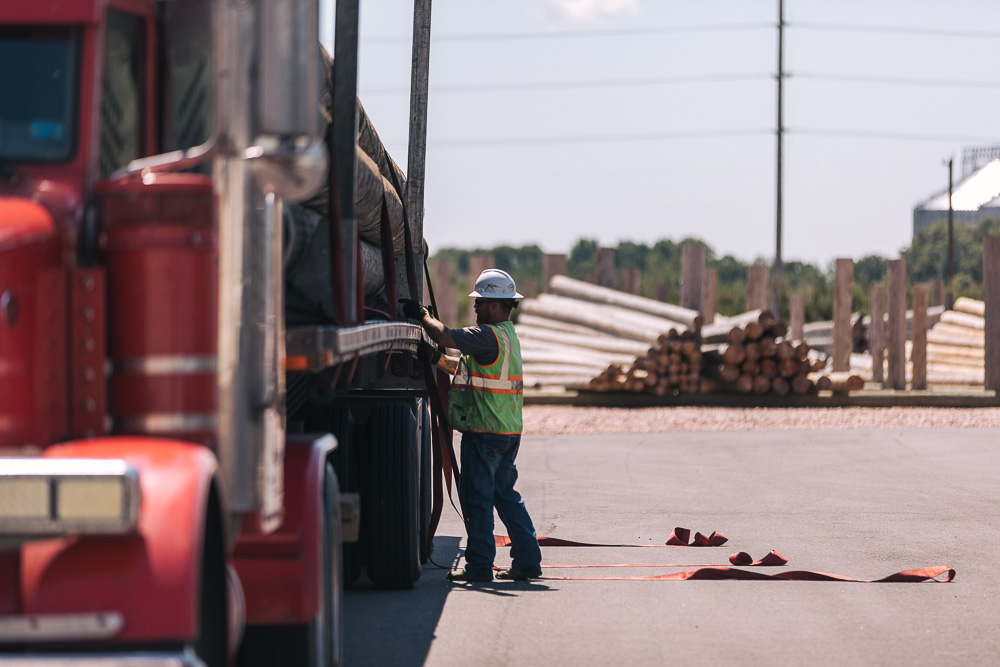
 THUNDER BAY, Ontario — The Ontario government is investing a further $30 million to support businesses, workers and communities dependent on the province’s forest sector. This funding will build and maintain more forestry access roads and provide immediate support for Ontario sawmills to find new markets for their woodchips. These investments will strengthen Ontario’s forestry sector, create jobs and increase the sector’s competitiveness in the face of increased US softwood lumber duties and the threat of tariffs. …An additional $20 million is being invested through the Provincial Forest Access Roads Funding Program, bringing the government’s total funding for the program to over $79 million this year. …The government is also providing immediate support to sawmills by investing $10 million in the Ontario Sawmill Chip Support Program. The funding provides immediate support to sawmills while they find new, innovative markets for their wood chips such as energy production or alternatives for single-use plastics.
 Ontario’s Associate Minister of Forestry and Forest Products announced over $5 million in funding today for Interfor Sault Ste. Marie at the company’s mill on Peoples Road.
  TORONTO – The Ontario government is investing over $3.5 million through the
 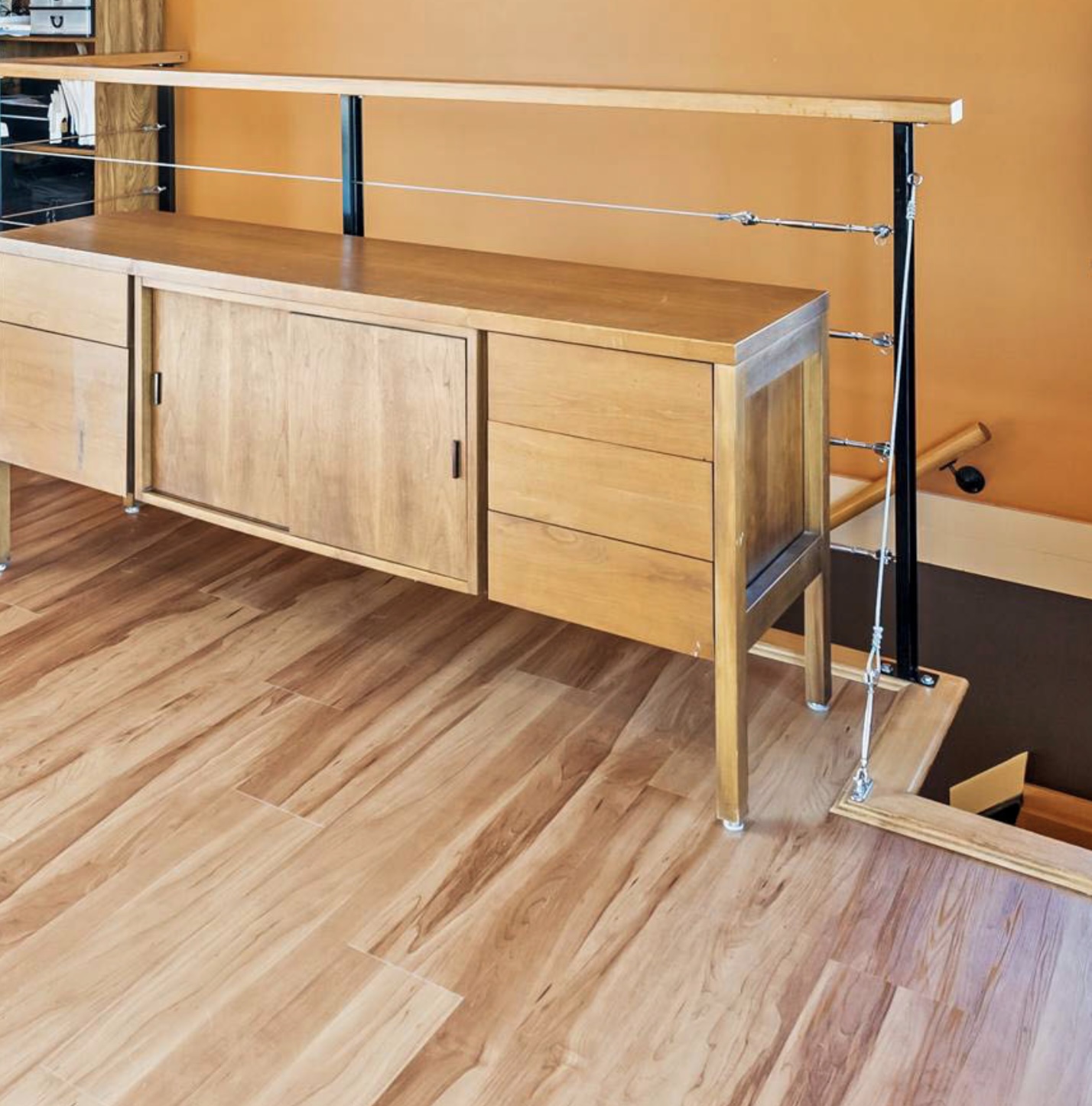 WASHINGTON, D.C. — On Oct. 1, 2025, nine presidents and CEOs representing American manufacturers of hardwood plywood, engineered wood flooring, and hardwood veneer asked President Trump to add their products to the recently announced Section 232 tariffs on wood products. The current 232 tariff proposal focuses on cabinets, vanities, lumber, upholstered furniture, and other products. Section 232 tariffs are trade restrictions, such as import duties, that the President of the United States can impose on goods that are found to threaten national security. According to the group of companies, more than 100,000 American manufacturing jobs are threatened by the “flood of dumped and subsidized decorative hardwood product imports from outside of North America.” The group pointed to the news that Roseburg Forest Products had closed its last hardwood plywood mill and exited the hardwood plywood market as a result of these imports, which the company said dominate 80% of the U.S. market.
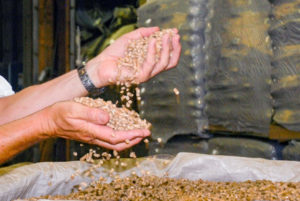 Much of the federal government shutdown in the early hours of Oct. 1 after federal lawmakers failed to reach a funding deal. If the shutdown persists, work related to federal data reporting, rulemakings and other regulatory initiatives could face delays. Ahead of the shutdown, many federal agencies published contingency plans on how work at those agencies may be impacted in the short term. …The USDA is expected to furlough 42,256 of its 85,907 employees, equating to more than 49% of the agency’s workforce. Data products and website updates offered by the USDA’s National Agricultural Statistics Service and Foreign Agricultural Service are among agency activities that are expected to cease during the funding lapse. …FAS also publishes a variety of data of interest to bioenergy producers, including monthly export data on ethanol, distillers grains, biodiesel and wood pellets. FAS also publishes reports that provide insight on foreign markets for biofuels and wood pellets.
 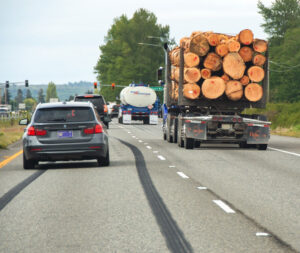 The Trump administration on Monday announced tariffs on imported wood products, targeting softwood lumber, timber, kitchen cabinets, vanities and upholstered furniture. …Trump’s proclamation said wood product imports were weakening the US economy, resulting in a persistent threat to the US supply chains and harming the domestic wood industry. “Because of the state of the United States wood industry, the US may be unable to meet demands for wood products that are crucial to the national defense and critical infrastructure,” the proclamation said. …Critics of the tariffs have voiced concern that the new duties will inflate costs for American consumers and builders. Former US Rep. Matt Cartwright, (D-Pennsylvania), said safety will suffer as a result of the new tariff on imports of trucks. …“A lot of these companies are already on shoestring budgets, and unfortunately the first thing that gets cut when costs go up is safety,” Cartwright said.
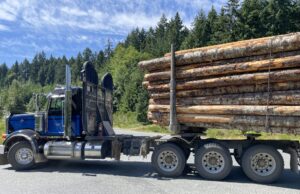 NEW ZEALAND — News that US President Trump imposed a tariff of 10 percent on imported timber has come as a relief to industry, which expected a higher figure. Mark Ross, chief executive of the Wood Processors and Manufacturers Association, said it was a relief as they thought it would be higher. “We’ve been working through the essential impact of a tariff on our products since March this year so it wasn’t a shock because we were, at one point, expecting a 50% tariff. “So 10% is a bit of relief. It is still going to have a financial impact on the wood processing industry in New Zealand. …Ross said they were working with exporters to work out how to handle the extra costs. …Ross said the United States was New Zealand’s third-largest export market and continued to grow.
 The Commerce Department in a shutdown contingency plan released Monday said it will continue “the necessary work to address the effect of imported articles on national security.” The contingency guidelines mark a subtle shift from the previous plan, which said investigations would continue with unexpired funds if Congress failed to approve additional spending by the end of the fiscal year on Sept. 30. By claiming a national security rationale for the investigations, the administration can continue work on probes being conducted under Section 232 of the Trade Expansion Act. That provision allows for the imposition of tariffs on goods deemed critical to national security. …Section 232 investigations could take on even greater weight if the Supreme Court strikes down Trump’s use of the International Emergency Economic Powers Act. [to access the full story a Bloomberg subscription is required]
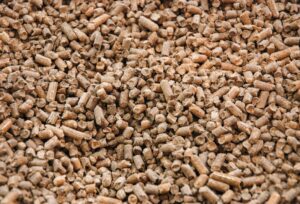 Musser Biomass announces a new sustainability partnership with Trex Company, the world’s largest manufacturer of wood-alternative decking and a pioneer in recycled materials innovation. Musser Biomass operates one of the most advanced low-temperature drying systems in North America, reducing energy use and preserving the integrity of wood fiber. Through partnerships like this one with Trex, Musser Biomass is further extending the life cycle of valuable resources and supporting a circular economy. Through its NextTrex program, Trex Company recycles everyday plastic film materials, keeping them out of landfills and turning them into high-performance composite decking. The updated packaging will begin rolling out nationwide. Musser Biomass produces premium wood pellets and engineered bedding using cutting-edge drying and screening technology.

 The SLB’s Board of Directors has approved a