 Canada withdrew challenges against some import taxes the US levied against softwood lumber in what the government called a “strategic choice,” as Prime Minister Carney seeks a trade deal with President Trump. The government has revoked two separate claims disputing US anti-dumping duties on softwood lumber based on trading between June 2017 and December 2019, according to Canada’s Global Affairs department. “Canada has made this decision in close consultation with Canadian industry, provinces and key partners, and it reflects a strategic choice to maximize long-term interests and prospects for a negotiated resolution with the US,” John Babcock said. …The move follows a pattern of Carney’s government trying to remove so-called trade irritants in pursuit of a wider settlement with the Trump administration, which has erected tariffs against key Canadian industries like steel and autos, as well as a 35% “emergency” tariff against other goods if they aren’t compliant with the US-Mexico-Canada trade deal.
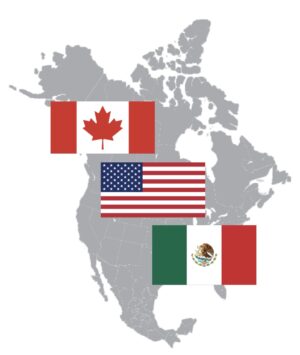 Canada is expected to announce it’s launching formal consultations on the North American trade pact within the next week, after the Trump administration kicked off its own review and the US ambassador said a larger deal is “not going to happen” soon. Canada-US Trade Minister Dominic LeBlanc’s office said the government is expected to imminently post an official notice seeking the public’s comments and feedback about the Canada-US-Mexico Agreement (CUSMA). In preparation for the review, “Canada will be engaging with Canadian industry leaders, provinces and territories and Indigenous partners,” LeBlanc’s office said. The US announced Tuesday it’s formally starting consultations to evaluate the agreement’s results over the past five years. …The formal negotiations to review CUSMA could begin in early 2026. …The prime minister and several ministers are headed to Mexico… an effort to shore up support ahead of the CUSMA review.
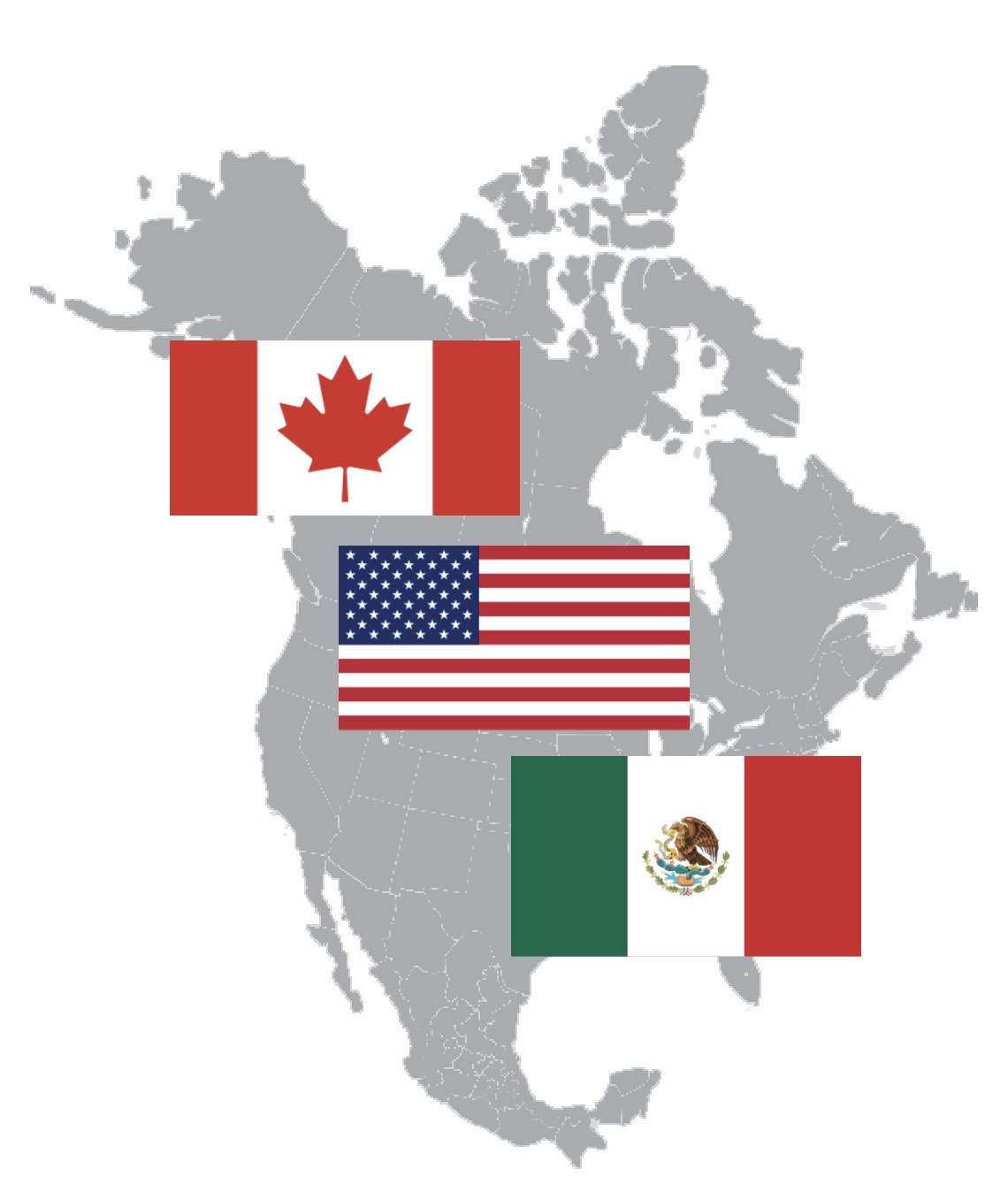 Prime Minister Mark Carney is embarking on a pivotal meeting with Mexican President Claudia Sheinbaum, just as the United States officially launches the process to review the North American trade agreement. The Office of the US Trade Representative will seek public comments on the Canada-US-Mexico Agreement (CUSMA) over 45 days and has scheduled a public hearing in November. Public consultation is required by law and is a clear sign that the Trump administration is preparing to renegotiate, not just review, the trilateral agreement, says Eric Miller, president of Rideau Potomac Strategy Group. Under the current agreement, Canada’s trade with the U.S. is 85% tariff free, but that could change when CUSMA expires next June. …It’s under this pressure that Carney is meeting with Sheinbaum to
 VANCOUVER — Canfor Corporation announced that its 77%-owned subsidiary, Vida AB, has completed the acquisition of AB Karl Hedin Sågverk. The transaction,

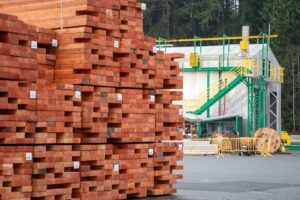 Shortly after Prime Minister Carney’s announcement of $500-million to help Canada’s softwood-lumber industry decrease its reliance on the hostile US market, BC’s Forestry Minister offered a modest target of 10%. …History suggests, however, that even that degree of market diversification stands to be an uphill battle. …While there have been modest inroads in China and Japan, diversification has mostly proved quixotic − partly because the proximity of the massive US housing market, for which there is not enough lumber harvested stateside to serve, has been a disincentive to reach further….Rick Doman, chair BC’s Forestry Innovation Investment board − mentioned South Korea, Vietnam, India, Australia, Britain. …Canada Wood Group president Bruce St. John describe it as a painstaking process involving promotional efforts, direct engagement with local governments on building codes and standards, and expertise-building for industry. …To succeed, particularly amid growing softwood-export competition from Europe especially, will require steady focus through and perhaps beyond the Trump era. [to access the full story a Globe & Mail subscription is required]

 Ottawa — Forest Products Association of Canada (FPAC) welcomes the federal government’s announcement of new measures to support trade-exposed Canadian businesses and employees and to enable economic transformation. The measures announced today — ranging from the Strategic Response Fund to procurement reforms, tariff-response financing, workforce supports, and biofuels incentives — if well executed, can provide hope for the future for Canada’s forest sector and its 200,000 employees. In addition to the measures announced today, FPAC continues to call on the federal government to extend Clean Investment Tax Credits (ITCs) to include biomass for heat and electricity generation as part of Budget 2025. Introducing the biomass ITCs will create new jobs, improve energy security, lower carbon emissions, and help reduce wildfire risks. …“While a negotiated agreement on softwood lumber is the sector’s number one priority, today’s announcement is about trying to create stability as we modernize and innovate for the future,” said FPAC President and CEO Derek Nighbor.
 Trade disputes between the United States and Canada are nothing new. What began as two neighbouring countries seeking to expand their markets and assert economic sovereignty has evolved into a broad range of conflicts. These historical trade disputes have included accusations of unfair subsidies, protectionist tariffs, and, more recently, concerns over national security, fentanyl and border security. Softwood lumber, one of the most important items on the list of Canadian exports to the U.S., has been consistently under attack by different American administrations. …Though some might call it weakness, Prime Minister Mark Carney’s recent move to lift the retaliatory tariffs on U.S. goods covered under CUSMA, while retaining tariffs on auto, steel and aluminum, is arguably a wise strategy. The end goal is to minimize economic damage to Canada. According to Carney, this tariff removal on about 85 per cent of Canada-U.S. trade is consistent with the commitment under CUSMA.
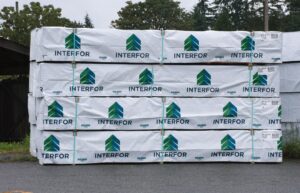 Lumber prices that have dropped more than 20% over the past month are prompting one of North America’s largest producers to throttle back output by 12%. Interfor said Thursday that it would reduce hours and reconfigure shifts as well as lengthen holiday breaks and maintenance shutdowns at its mills in Canada and the US to reduce output by about 145 million board feet through year-end. Lumber futures, which had fallen 18 of the past 22 trading sessions rose in response. …Interfor, which has headquarters in BC, is among the big Canadian sawyers that have shifted operations into the US as duties and diminished log availability have put sawmills out of the money back home. About 50% of Interfor’s capacity these days is in the US South. Another 12% is Washington and Oregon, where mills compete fiercely with Canadian rivals to sell the same species of wood. [to access the full story a WSJ subscription is required]
 WASHINGTON – Canada’s government joined the Canadian lumber industry in seeking a trade panel review over certain softwood lumber products from Canada under the USMCA, according to a U.S. government notice posted online on Monday. The two requests were filed with the U.S. Department of Commerce’s International Trade Association following the departments July 29 decision following its investigation into the matter, the notices posted to the Federal Register said.
 BURNABY, BC — Interfor Corporation announced plans to reduce its lumber production by approximately 145 million board feet between September and December of 2025, representing approximately 12% of its normal operating stance. The temporary curtailments will be through a combination of reduced operating hours, prolonged holiday breaks, reconfigured shifting schedules and extended maintenance shut-downs. The curtailments are expected to impact all of Interfor’s operating regions, with both the Canadian and US operations expected to reduce their production levels by approximately 12% each. The curtailments are in response to persistently weak market conditions and ongoing economic uncertainty. The Company will continue to monitor market conditions across all of its operations and adjust its production plans accordingly. [END]
 Campbell River, British Columbia: La-kwa sa muqw Forestry Limited Partnership (LKSM) has been working to bring closure to the strike, which began on June 6, 2025, in a way that supports strong, positive, and enduring relationships between First Nations and other participants in the forestry sector in their territories and allows everyone to move forward together. Despite LKSM’s repeated efforts to achieve a negotiated resolution—including multiple applications for mediation and requests for special government intervention, the USW has continued to refuse both direct bargaining and third-party mediation. This now leaves legal action as the only available recourse to advance the interests of all parties and communities affected by the dispute. …This situation has left LKSM with no other option than to pursue a legal remedy that will remove this impediment to progress and enable resumption of negotiations.
 VANCOUVER ISLAND — Over 3 months later, 105 forestry workers are still on the picket lines this week after walking off the job June 6, and it doesn’t look like they expect to be going back to work anytime soon. …“I didn’t think we’d get to this point,” said United Steelworkers’ Jason Cox. …The union says the company wants to contract out jobs but La-kwa sa muqw Forestry says that’s not the case, it just wants to give new employees the choice. Operations manager Greg DeMille said, “They are demanding that we agree to mandatory union certification. And so with that and the fact we can’t agree to that because we feel it impacts employee’s rights to choose and has an impact to First Nations rights to free, prior and informed consent. …The union says it respects First Nation rights but insists this should be considered a “normal labour dispute” and nothing else.


 Western is proud to launch a refreshed brand that better reflects who we are, where we’re going and what our customers, communities, and partners expect from us. Our refreshed brand is rooted in our belief that wood plays a vital role in building a more sustainable future. Wood has always been part of everyday life – in the homes we live in, the furniture we use and the warmth and comfort we seek in natural materials. At Western, we are proud to carry that legacy forward by helping meet today’s demand for beautiful, low-carbon building materials. This brand refresh is grounded in our long-term strategy and shaped by the people who make Western what it is. It reflects our continued commitment to quality, sustainability and stewardship. Explore the rest of our site to see how our refreshed brand reflects the care we put into everything we do, from forest to finished product.



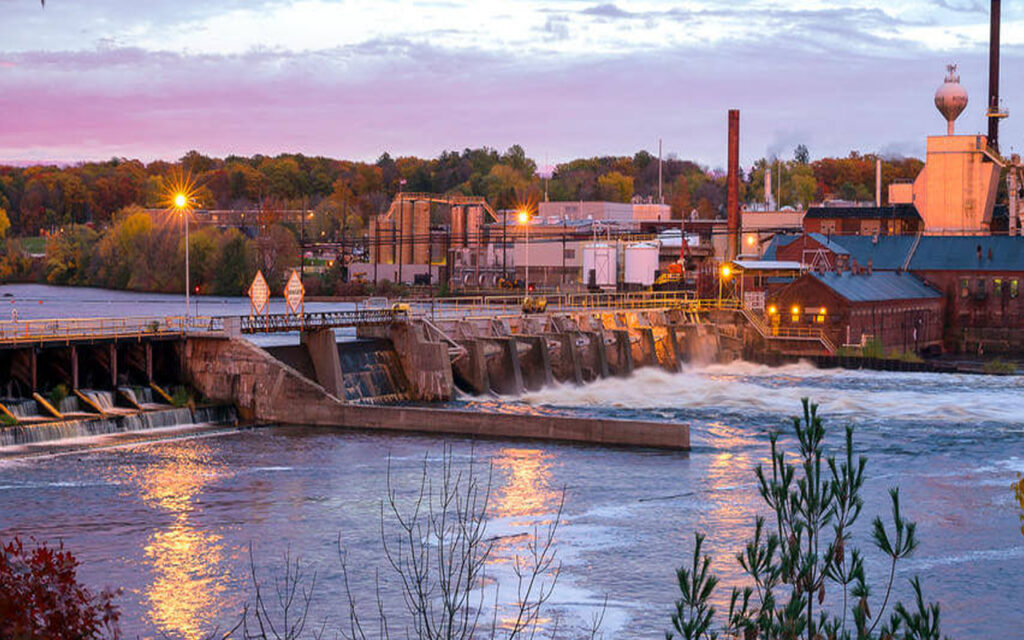
 Coulson Aircrane says the Saskatchewan government has agreed to pay more than twice what it should have for four firefighting aircraft — a decision the B.C.-based company says will cost Saskatchewan taxpayers an extra $100 million. Coulson, one of the leading companies in the world for retrofitting planes for firefighting, made the claim last month in an application to the Court of King’s Bench. “We are concerned the government of Saskatchewan has awarded a very large (over $187,000,000) contract for forest fire airplanes, without affording any reasonable opportunity to Coulson or any other competitor to bid on the contract,” says an affidavit filed by company president Britt Coulson. Coulson is asking the court to quash the sale and order a fair, transparent competition. …He says the government failed to hold a proper, competitive tendering process, resulting in Conair making “an immense profit.” …Conair has declined to comment, as the matter is before the courts.
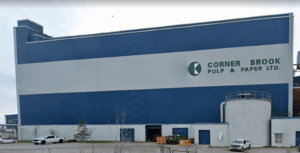 The provincial government, through Newfoundland and Labrador Hydro, is extending its agreement with Corner Brook Pulp and Paper to buy electricity. The initial agreement was made in March, 2024 for Hydro to buy electricity from Deer Lake Power, which energizes the paper-making machines at the Corner Brook mill for 27.5 cents per kilowatt hour. The deal has now been extended until March 31, 2026. Hydro will continue to purchase excess green energy from Deer Lake Power, while the mill continues work to identify new revenue sources through viable wood-based projects “to unlock Newfoundland and Labrador’s high forest potential while further stabilizing the mill’s sustainability and future,” wrote the province’s Department of Fisheries, Forestry and Agriculture in a news release on Wednesday. The department said the agreement will not impact rate payers. The announcement comes after the mill was forced to pause operations due to a number of wildfires.


 MANIWAKI, Quebec — The Domtar sawmill in Maniwaki, Quebec, will temporarily close again next month. The company, which acquired the mill when it bought Resolute Forest Products in 2023, confirmed Wednesday to Radio-Canada that the indefinite closure will begin Oct. 10. It cited difficult market conditions and US softwood lumber duties, which rose to more than 35 per cent last month. About 120 workers at the mill lost their jobs in a previous closure that started in December 2024. The mill reopened for about 50 hours a week at the start of June. About 3,800 people lived in the western Quebec community as of the 2021 census. [END]
 WASHINGTON
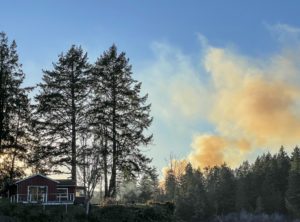 The American Property Casualty Insurance Association (APCIA) is pressing lawmakers to advance federal wildfire legislation, warning that inaction risks worsening losses for communities nationwide. …Sam Whitfield explained that federal reforms are essential to reduce wildfire risks, strengthen community resilience and protect lives and property. The House has passed its version of the Fix Our Forests Act, or H.R. 471, in January. In April, a companion bill, or S. 1462, was introduced in the Senate. Both bills align with recommendations from the Wildland Fire Mitigation and Management Commission. Provisions include reducing fuel loads in forests and rangelands, preventing utility infrastructure from sparking fires through vegetation management, and promoting community wildfire risk reduction. …The insurance industry has faced mounting wildfire-related losses. …Insurers have responded by tightening underwriting standards, reducing capacity in wildfire-exposed areas, and relying more heavily on reinsurance to absorb catastrophic risks.
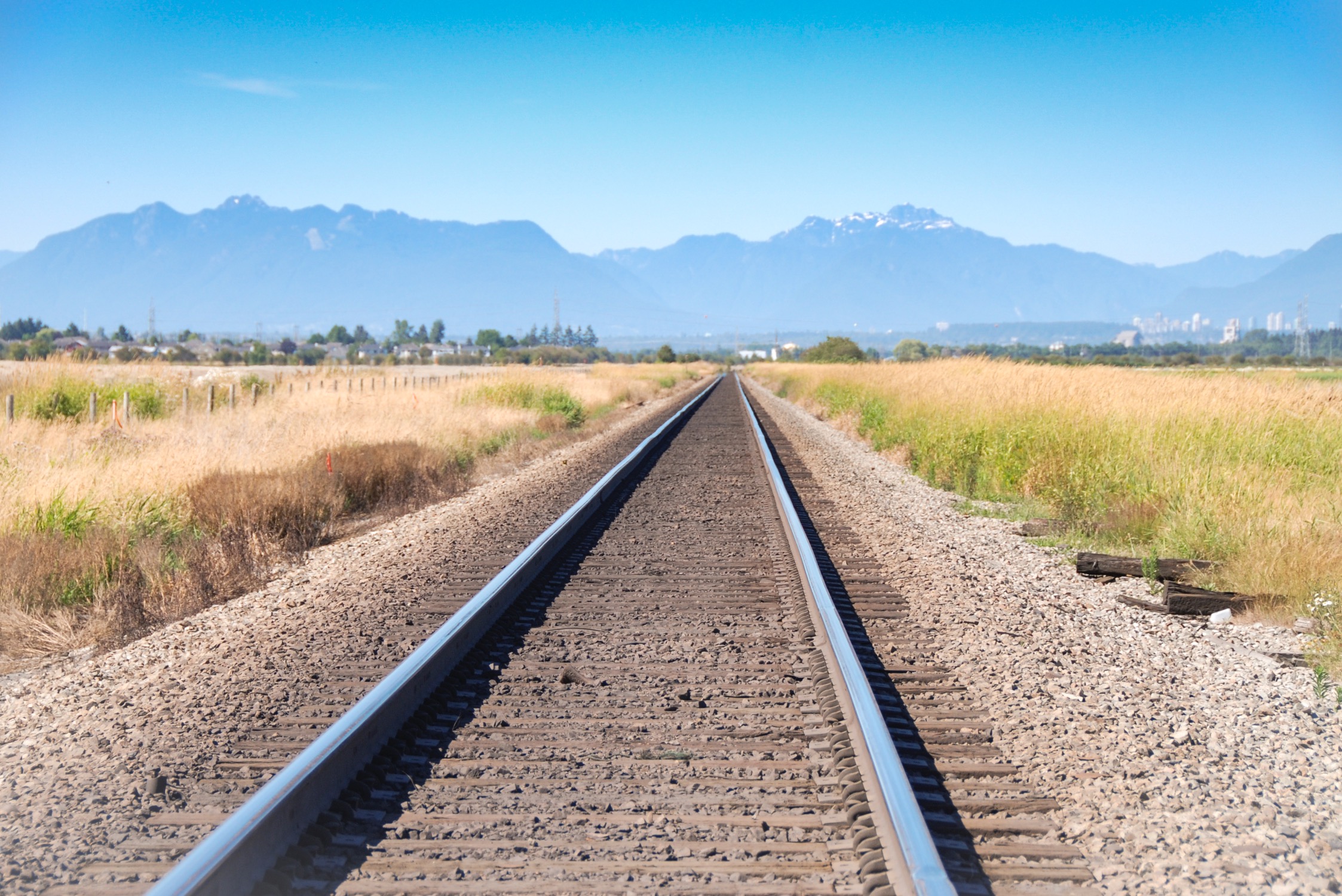 Trade associations representing various industries issued a letter Tuesday expressing “serious concerns” about a proposed merger between major rail companies Norfolk Southern and Union Pacific. “We write to express our serious concerns and reservations about the proposed merger between Union Pacific and Norfolk Southern,” said the letter, which came from trade associations representing manufacturing, chemical, energy and agriculture firms. “Past rail mergers have shown what happens when consolidation goes unchecked: service suffers, costs increase, and jobs disappear,” the trade groups wrote to the U.S. Surface Transportation Board. …The railroad companies, however, have argued that the merger will be a benefit to the country, improving efficiency and allowing for more routes. …In addition to the American Chemistry Council, signatories of the letter include the American Petroleum Institute, International Dairy Foods Association and the American Forest and Paper Association.
 Donald Trump has called on the European Union to hit China and India with tariffs of up to 100% to force Russian president Vladimir Putin to end the war in Ukraine. The US president made the demand during a meeting between US and EU officials discussing options to increase economic pressure on Russia. …Last month, the US imposed a 50% tariff on goods from India, which included a 25% penalty for its transactions with Russia. Although the EU has said it would end its dependency on Russian energy, around 19% of its natural gas imports still come from there. If the EU does impose the tariffs on China and India it would mark a change to its approach of attempting to isolate Russia with sanctions rather than levies.


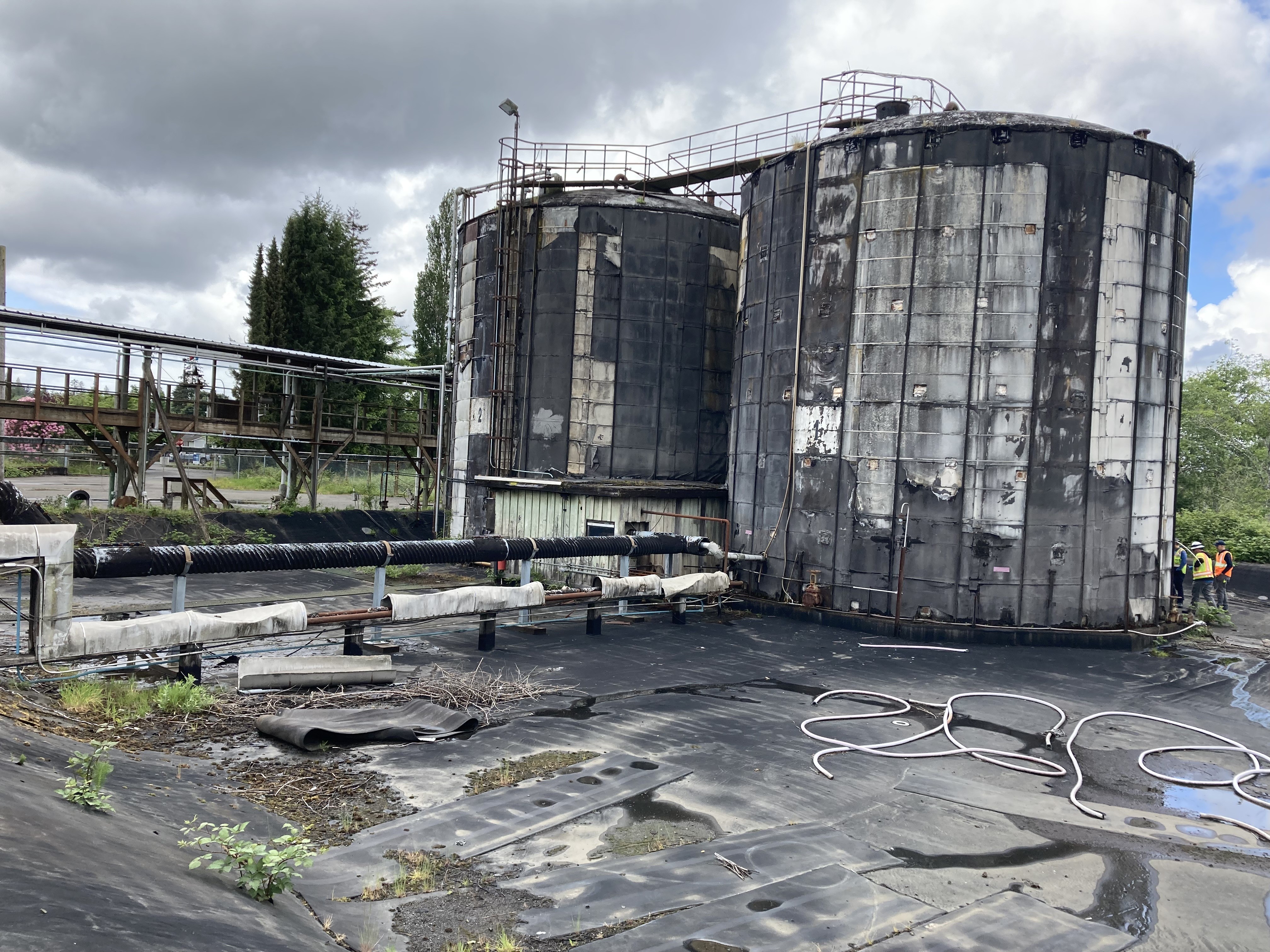
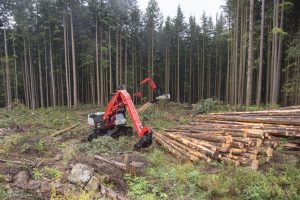 EUGENE, Oregon — President Trump’s demand that the US increase timber output by a quarter is running into a math problem: Lumber companies may not make as much money on wood in the coming months. A steep drop in lumber futures prices nationally is jolting the wood products business just as the Trump administration is prodding the industry — including the government’s own forest managers — to ramp up production so the US doesn’t have to rely on imports. Futures prices on lumber at the end of last week dipped to $527 per MFBM, the lowest point in a year. For Weyerhaeuser, which operates a mill in Cottage Grove, Oregon, the pricing signal isn’t sounding alarms just yet. The mill’s in the middle of a multiyear modernization said representatives who figure the market is doing one of its usual seesaws. [to access the full story an E&E News subscription is required]
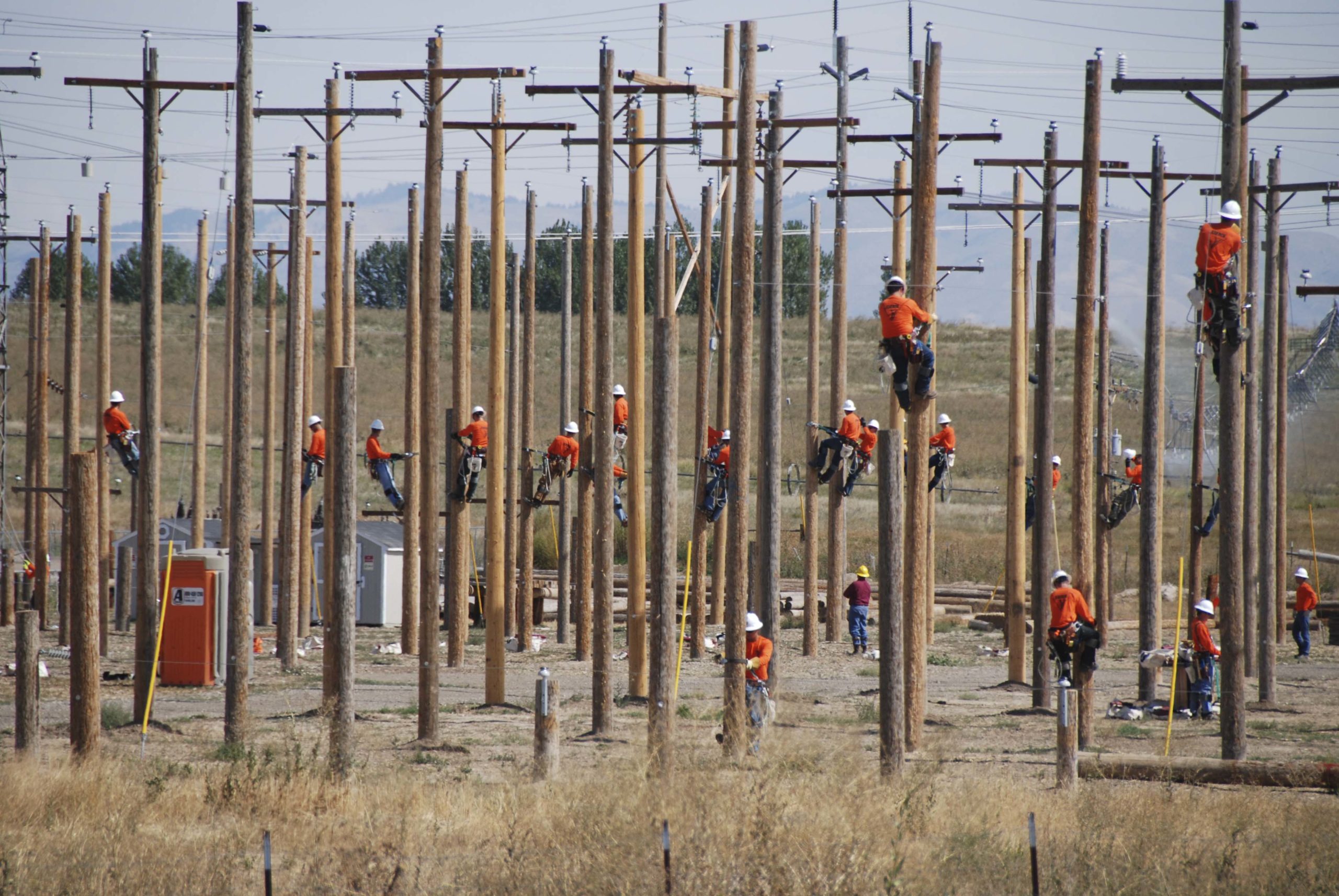 SHERIDAN, Oregon — The Oregon Department of Environmental Quality (DEQ) has fined a Yamhill County wood treating company $1,055,825 for numerous violations of environmental regulations for water quality, hazardous waste and spill response and cleanup.
 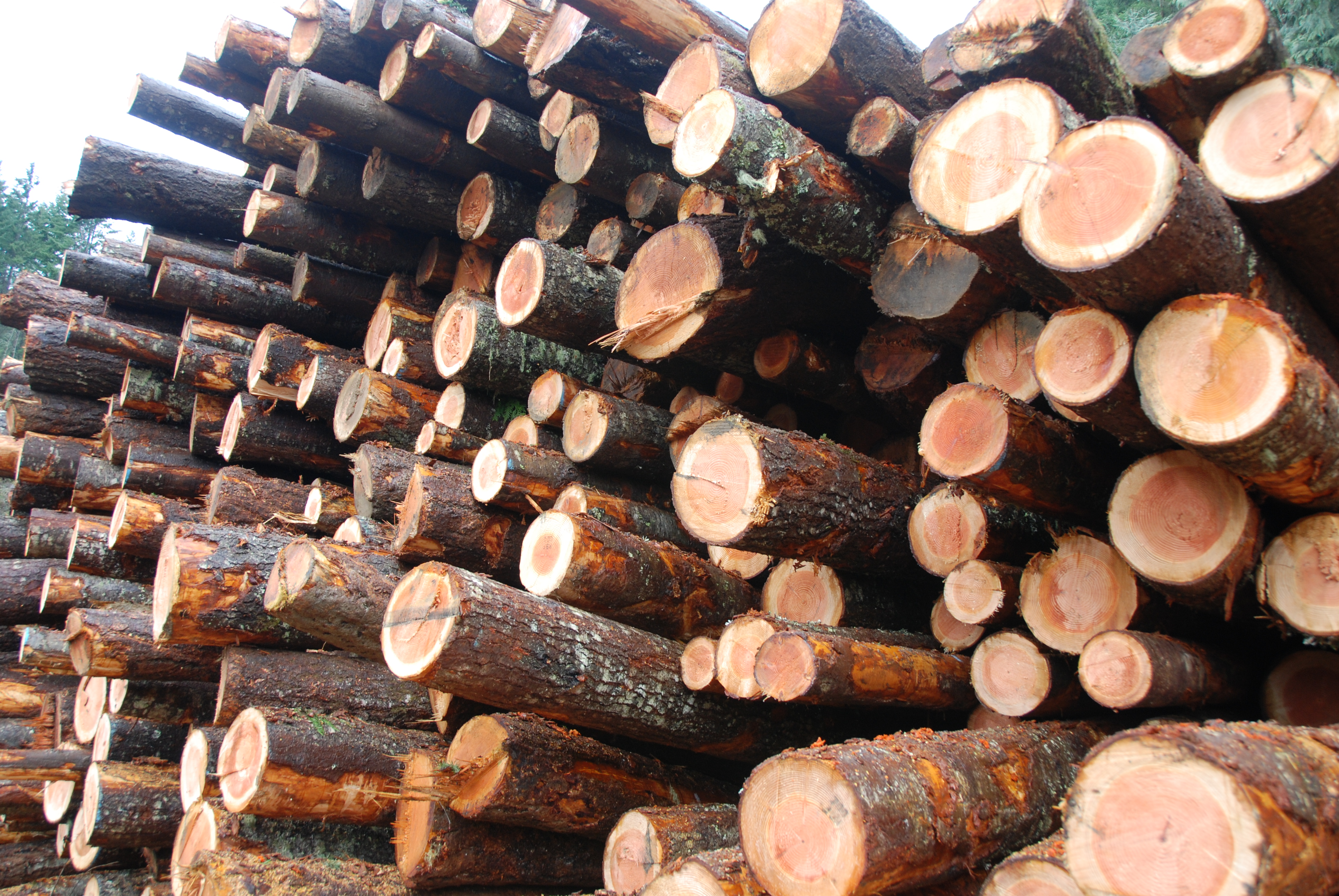 HORRY COUNTY, S.C. — A family-owned sawmill plans to create 18 jobs by opening a multi-million facility in northern Horry County amid high-profile shutdowns of other sites across the region. “This facility will support area businesses impacted by recent closures, and we’re proud to expand our services and give back to the region that has supported us,” Matthew Johnson, founder of Galivants Ferry Sawmill, said in a news release shared on Facebook by the Myrtle Beach Regional Economic Development Corporation. In August, Canfor closed its Darlington and Estill plants — eliminating 290 jobs in a move it blamed on “an extended period of consistently weak market conditions.” And in December, Georgetown County’s International Paper ended operations, cutting 674 jobs. The Galivants Ferry facility on McCracken Road will support the local timber industry and help fill the gap left by those closures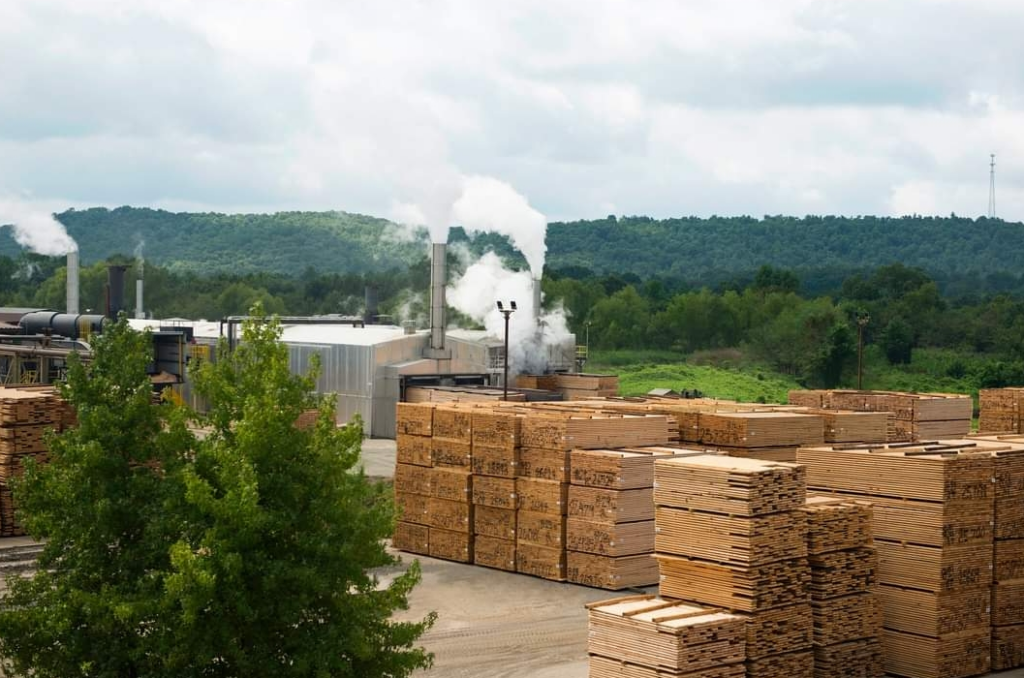
 JONESBORO — The Arkansas State University System board of trustees approved several policy changes during a meeting Friday at Arkansas State University. Trustees approved a policy to “ensure the efficient disposition of real property,” effective immediately. …Trustees also approved creation of a new hire and annual employee training policy — effective Jan. 1, 2026 — as the system doesn’t currently have a mandatory training policy. …Trustees approved naming the workforce training center at Arkansas State University Three Rivers for West Fraser for the next decade. …West Fraser “has made significant contributions to ASU Three Rivers, of a magnitude worthy of special gratitude and lasting recognition, including funding that will provide program support for workforce development and generous support through sponsorships, donations, resources, and collaboration that has created significant revenue for the college,” according to the resolution. …Over the past eight years, the college has collaborated on more than 15,000 training hours with West Fraser.

 LEBANON COUNTY, Pa. — A large fire at Weaber Lumber comes just over a month after the company filed for bankruptcy. Weaber, Inc. filed for Chapter 11 bankruptcy on Aug. 1, according to online records. The company also filed a WARN notice in July at its distribution center on 25 Keystone Drive. In that notice, the company said 145 people would be laid off from July 26 through Sept. 9 of this year. The fire broke out Monday night around 10 p.m. at the company’s headquarters at 1231 Mt. Wilson Road, and it took firefighters until Tuesday morning to bring the blaze under control over eight hours later.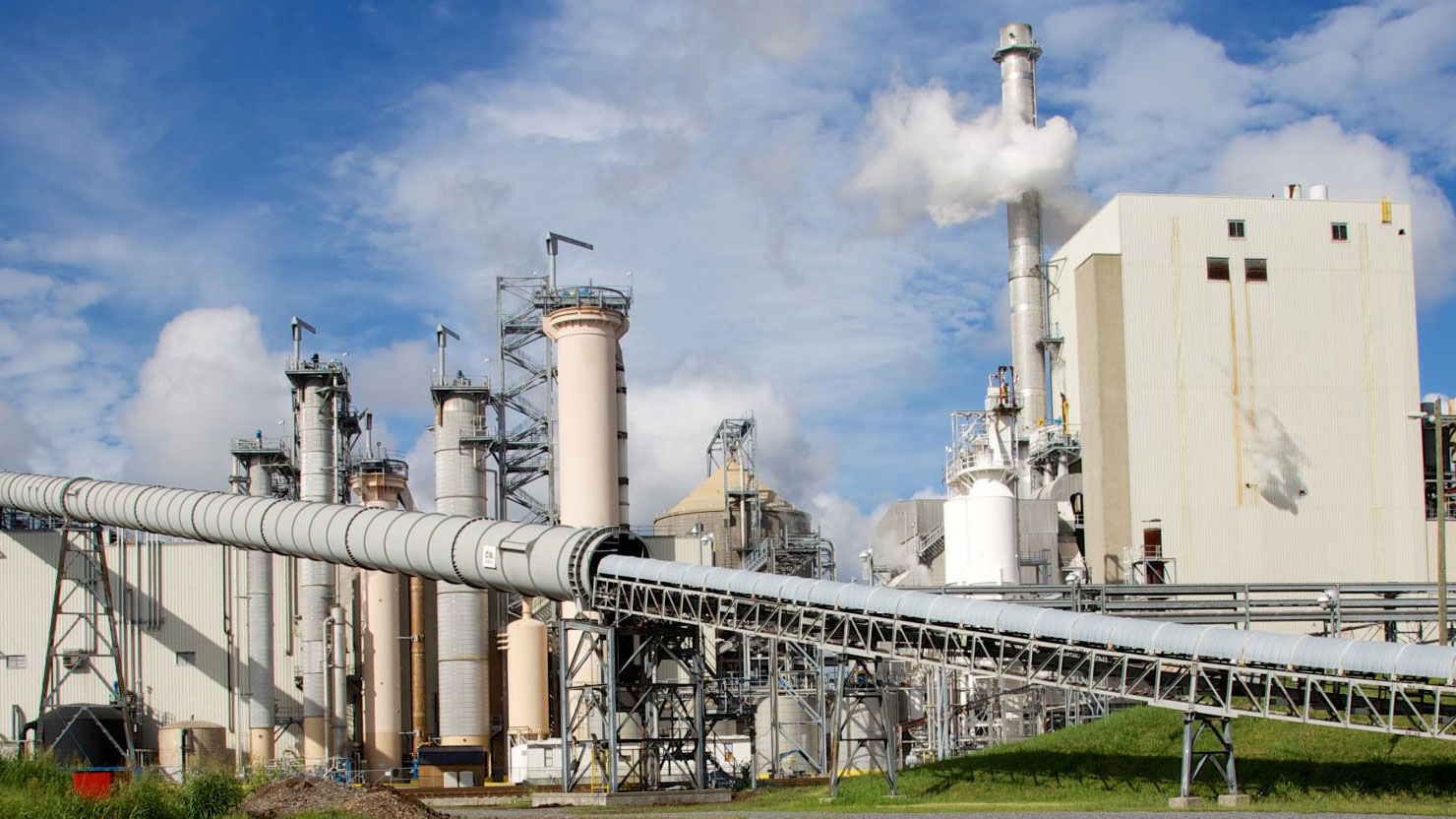



 SOUTH ANNVILLE TOWNSHIP, Pa. — A three-alarm fire ripped through Weaber Lumber in Lebanon County. Crews responded to the fire in South Annville Township around 10 p.m. on Monday. Flames could be seen leaping from the burning building. The blaze was upgraded to the third alarm, prompting a large firefighter response. According to Lawn Fire Company Chief Dillon Wilson, approximately 1.1 million gallons of water have been used from the on-site hydrant system to combat the fire. Tankers also brought in additional water to the scene. Chief Wilson said most of the building was engulfed in flames when crews arrived. “It got ahead of us,” Wilson said. The chief believes this building might have the most combustible materials under one roof in the state. Weaber Lumber has experienced multiple fires over the years. …For 80 years, Weaber has been proudly committed to the lumber industry and is one of the nation’s leading hardwood manufacturers.



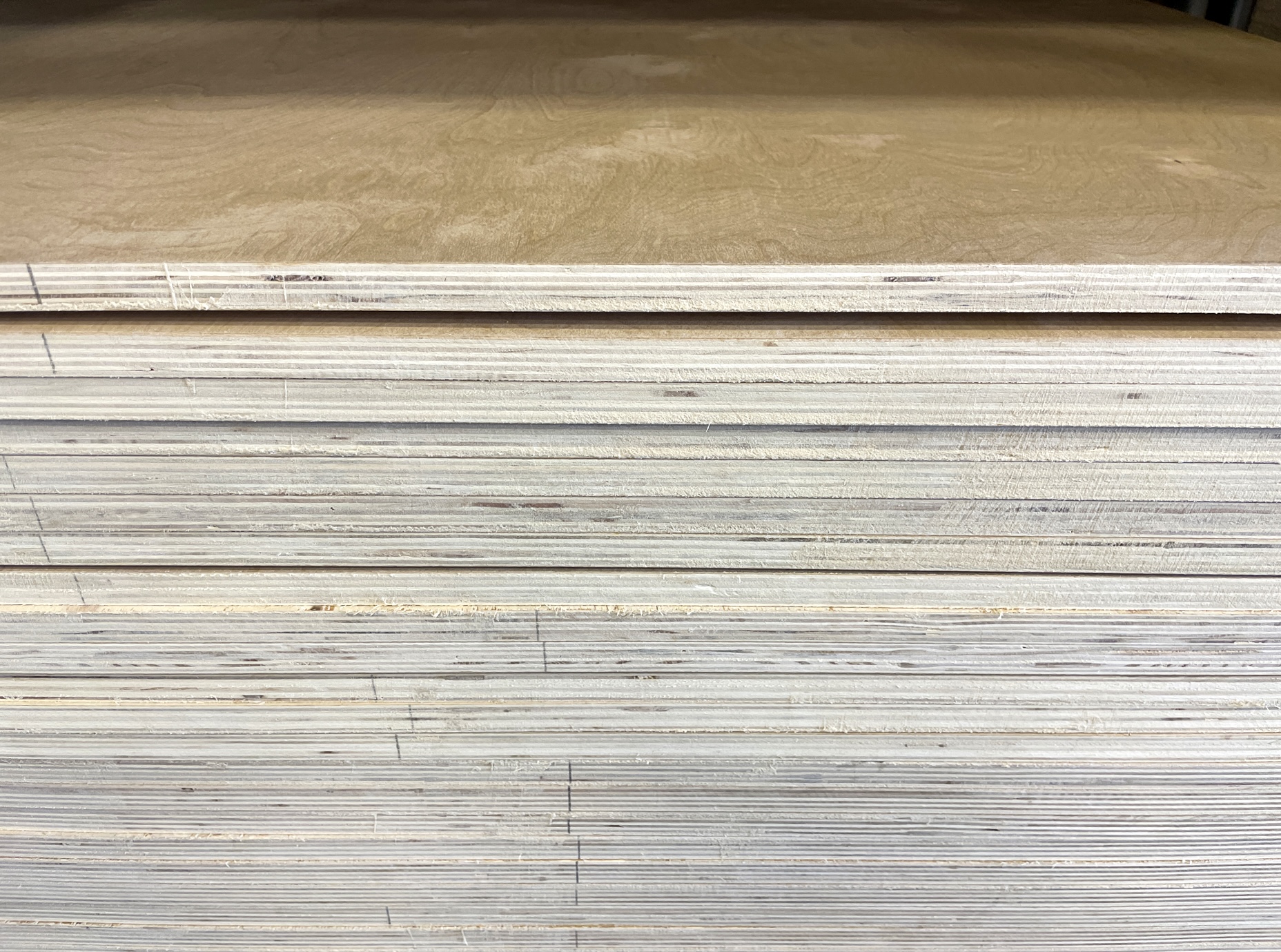 New Zealand — Up to 119 jobs could go at Carter Holt Harvey’s Tokoroa factory, with locals calling the move devastating for the town. A union representing workers at Carter Holt Harvey’s Tokoroa plywood manufacturing plant says its closure will be devastating for the town. The company has begun consultation with staff on closing the plant and importing ply from overseas, with the loss of up to 119 full-time jobs. The proposed closure follows OJI Fibre Solutions cutting 130 jobs and closing the country’s last paper-making machine at nearby Kinleith in June this year. Red Middlemiss has been a union spokesperson at the ply plant for 23 years. He said Carter Holt Harvey can now make and import plywood from overseas for around 60 percent of what it costs to manufacture it locally.
 Timber illegally sourced from Russia has been found in the UK housing supply chain, according to an investigation by Australian forensic supply chain specialist Source Certain. Imports of Russian timber were prohibited in 2022 following the invasion of Ukraine. However, the investigation identified a smuggling operation that concealed the timber’s origin by relabelling it as material from the Baltic States, including Estonia, Latvia and Lithuania. The findings raise concerns for the housing and construction sectors, where suppliers investing in certified and responsibly sourced timber face higher operational costs. Industry voices warn that without effective monitoring, compliant businesses are being undercut and the credibility of the wider supply chain is being damaged. In response, UK-based Think Timber has introduced a packaging system designed to provide traceability from forest to building site. Each pack incorporates a unique QR code that, when scanned, verifies the chain of custody and origin of the material.



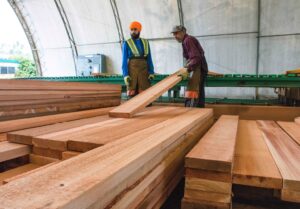 Wood production, processing, and export is one of Vietnam’s key industries, but it is currently facing a direct impact from trade competition and tariff barriers. …In early August 2025, the US imposed reciprocal duties of 20% on Vietnamese imports, and the figure could rise to 40% if illegal transshipment is detected. …“These moves are creating prolonged uncertainty for the wood processing industry,” Phuong says. “Although Vietnam’s wood exports grew by 8% in the first seven months of 2025, the risks remain high. The ability to control domestic raw material supply will be a decisive factor in maintaining Vietnam’s status as a sustainable source in the global market.” …Nguyen Chanh Phuong emphasises that despite the shifting policies, the US is the top market and is more stable than others. To mitigate risks, he stresses the need to expand into new export markets, diversify raw material sources, and produce more value-added products.