 It’s been a tough year for the lumber trade. With US housing starts unusually low, demand and prices for lumber are down — even as trade costs, especially for Canadian producers, keep rising. …The president’s goal is straightforward: to bolster the domestic lumber industry — a move U.S. producers welcome. “This is our market. America first, baby,” says Andrew Miller, chair of the US Lumber Coalition. “I don’t think Canadians get that through their thick head. This is America, not Canada. There’s nothing that obligates us to take dumped subsidized product at the expense of US producers.” …Free market advocates see it differently: They say tariffs hurt consumers and that the added costs will eventually be passed through in the form of higher prices. They also doubt the U.S. lumber sector can replace Canadian boards in a timely fashion. …Even Miller said using national security as a reason was merely a “sideshow.”
 BURNABY, BC — Interfor announced today revised operating plans for the fourth quarter of 2025. Due to persistently weak market conditions and ongoing economic uncertainty, Interfor will further temporarily reduce lumber production across its operations in British Columbia, Ontario, the US Pacific Northwest and the US South. These curtailments are expected to reduce lumber production in the fourth quarter of 2025 by approximately 250 million board feet, or 26%, as compared to the second quarter of 2025, which reflected a more normal operating stance. The curtailment volumes are approximately evenly split between Interfor’s Canadian and U.S. operations. …These curtailments are an amendment to Interfor’s previously announced curtailments on September 4, 2025. “Lumber prices in all regions of North America have continued to weaken, from already unsustainably low levels,” said Ian Fillinger, Interfor’s CEO. …While necessary, we fully recognize the impact these actions will have on our employees, contractors, suppliers and communities.”


 The US imports about 40% of the softwood lumber the nation uses each year, more than 80% of that from Canada. President Trump says that the US has the capacity to meet 95% of softwood lumber demand and directed federal officials to update policies and regulatory guidelines to expand domestic timber harvesting and curb the arrival of foreign lumber. …As researchers studying the forestry sector and international trade, we recognize that the US has ample forest resources. But replacing imports with domestic lumber isn’t as simple as it sounds. There are differences in tree species and quality, and U.S. lumber often comes at a higher cost, even with tariffs on imports. Challenges like limited labor and manufacturing capacity require long-term investments, which temporary tariffs and uncertain trade policies often fail to encourage. In addition, the amount of lumber imported tends to mirror the boom-and-bust cycles of housing construction, a dynamic that tariffs alone are unlikely to change.
 President Trump ushered in new tariffs on imported furniture, kitchen cabinets and lumber on Tuesday, adding a fresh round of levies as he once again threatened to expand his trade war with China. Tariffs ranging from 10% to 50% on foreign wood products and furniture snapped into effect just after midnight. The tariffs are meant to encourage more domestic logging and furniture manufacturing. But critics say that the levies will raise prices for American consumers and could slow industries including home building that rely on materials from abroad. …Critics have called it a stretch to issue the furniture and lumber tariffs under the national-security-related law. …Some American manufacturers lobbied for the tariffs. …Some economists expect the higher price of lumber, along with home furnishings, will slow the pace of home building. That could set back the Trump administration’s goals of improving a weak housing market. [to assess the full story a NY Times subscription is required]
 The US is now collecting tariffs on imported timber, lumber, kitchen cabinets, bathroom vanities and upholstered furniture, duties that threaten to raise the cost of renovations and deter new home purchases. …Trump described his wood and furniture tariffs as helping to “strengthen supply chains… and increase domestic capacity utilization for wood products.” Yet
  The Forest Products Association of Canada (FPAC) is extremely frustrated and deeply concerned by the U.S. government’s decision to impose Section 232 tariffs on Canadian softwood lumber and derivative products. These unjustified measures, which take effect today, threaten the livelihoods of more than 200,000 Canadians and the stability of hundreds of towns and cities that rely on a strong forest sector. “For eight years, forest workers and communities across Canada have borne the brunt of increasing duties—now exceeding 45 percent with the addition of these new tariffs,” said Derek Nighbor, President and CEO of FPAC. “These are punitive, protectionist measures with no basis in fact. They ignore decades of evidence that Canadian lumber strengthens, rather than threatens, U.S. national security and economic resilience.” Targeting responsibly managed, sustainably sourced Canadian wood products under the pretense of national security is both unjustified and deeply damaging. These actions undermine one of the most integrated, mutually beneficial trade relationships in the world, increasing costs for American families and homebuilders while jeopardising Canadian mills and workers.
 President Trump has warned of disaster if the Supreme Court overturns his signature tariffs. For starters, it would unleash a bureaucratic nightmare involving reams of refund paper checks. Should the court uphold a US Court of Appeals ruling that Trump’s country-based tariffs are illegal, the government could owe the bulk of the $165 billion in duties collected so far this fiscal year back to companies that paid them. But they won’t have an easy time getting their money back; refunds are typically issued slowly and while the administration could streamline the process, experts fear that’s unlikely. …That means Trump likely won’t part with the funds easily if the tariffs are struck down, and the administration is expected to move quickly to reimpose levies using other legal authorities if that happens. The Supreme Court is expected to hear arguments in November in the case.
 Prime Minister Mark Carney said Canadian and American officials are currently “negotiating terms” of a deal on tariffs a day after he met with the U.S. president to try and bring the trade war to a close — and Canada will come out ahead when the two sides come to an agreement. Speaking in question period … about what he accomplished out of his Oval Office sit-down with U.S. President Donald Trump, Carney said Canada already “has the best deal with the Americans” — most products are still being sold into the U.S. tariff-free despite Trump’s trade action — and “we will get an even better deal.” …Conservative Leader Pierre Poilievre said Carney “pathetically” offered up “a trillion-dollar gift” to Trump when speaking with the president, and it was an instance of him “bowing before the president in weakness.” …Daniel Smith said Carney is developing a rapport with the president…
 TORONTO – United Steelworkers union National Director Marty Warren issued the following statement as Prime Minister Mark Carney travels to Washington, D.C., to meet with US President Trump. …“Canada’s softwood lumber industry is on the brink of collapse. Thousands of workers and entire communities are hanging by a thread while Trump’s tariffs deindustrialize our economy and threaten good jobs across the country. We need urgent action – not more concessions. If free and fair trade in strategic sectors cannot be restored, the federal government must be ready to retaliate and take all necessary measures to protect the integrity of Canadian industrial production and employment. …We cannot allow foreign producers to use Canada as a back door for cheap, dirty, or diverted imports. …If Washington wants access to our market, it must come with respect for fair trade and for the workers who keep our economy running.”
 British Columbia’s forest sector is at a crossroads — facing tough challenges, but also leading the way in solutions that matter most to our province: housing, wildfire resilience, reconciliation, and sustainable economic growth. At the 2026 COFI Convention, leaders from across industry, government, and Indigenous and community partners will come together to rebuild competitiveness and chart the future of a strong, sustainable forest sector. Join us in Vancouver for the largest forest sector gathering in Western Canada. April 8 – 10, 2026 at the JW Marriot Parq Vancouver
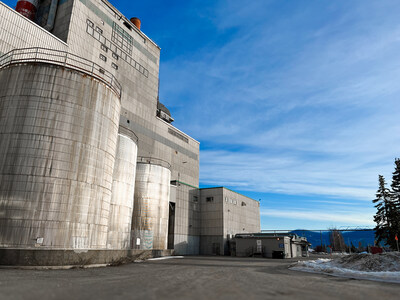



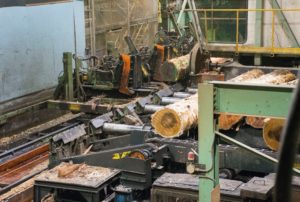 PRINCE GEORGE – Prime Minister Mark Carney met with President Donald Trump to discuss the connection between energy cooperation and support for Canada’s steel and aluminum industries. However, this meeting raised some eyebrows among forestry industry leaders, who wondered why softwood was left out of the conversation. Brink Forest Products owner John Brink believes that the omission of softwood tariffs in discussions with the president is yet another setback for an already struggling sector. MLA Kiel Giddens also voiced his disappointment that softwood lumber was left off the agenda, especially since forestry ranks among Canada’s leading employers. Brink notes that wood manufacturing plants are still shutting down across the province, and he believes the West must unite to send a strong message to Ottawa.
 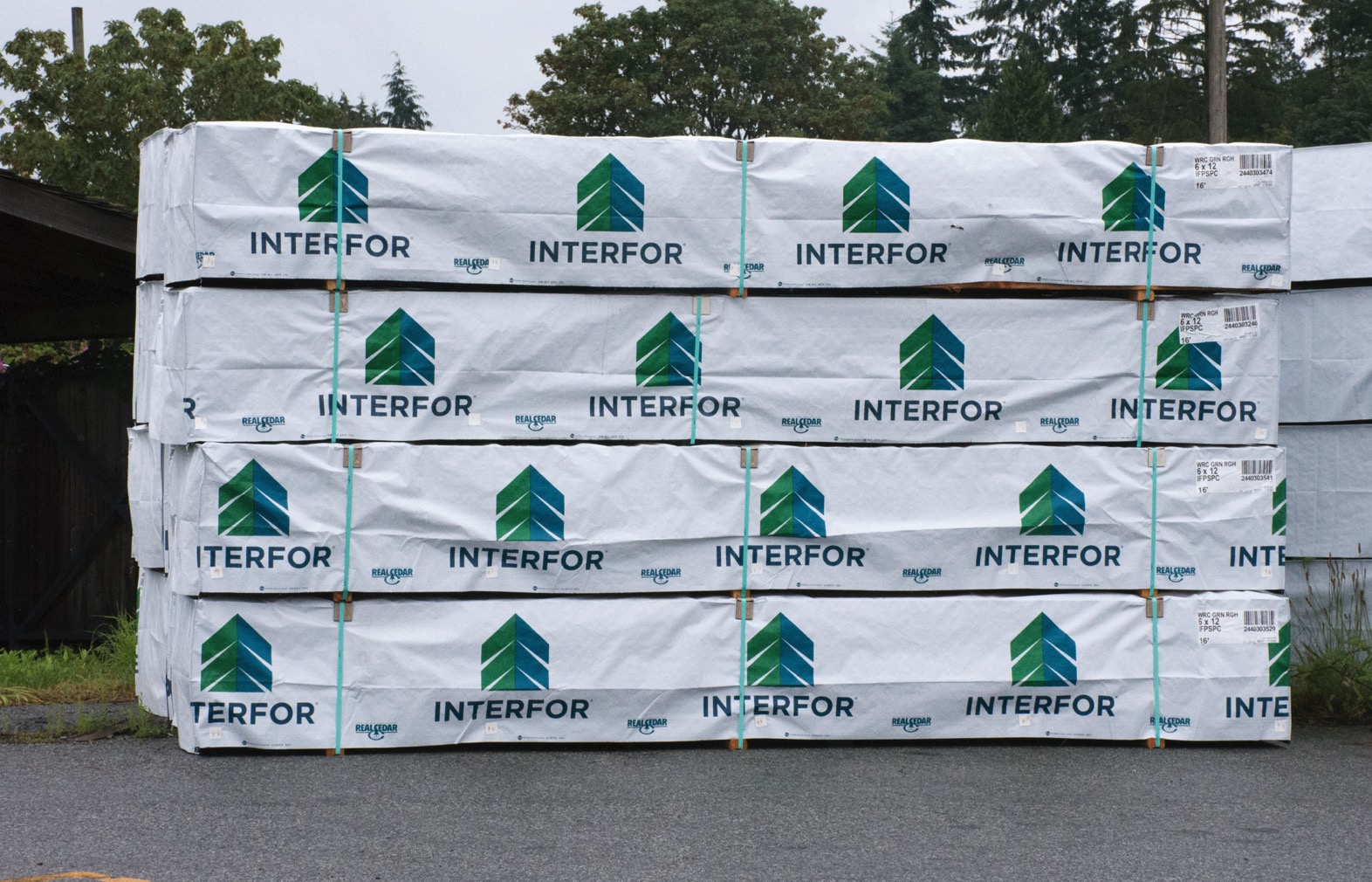 Plans to institute an “extended maintenance shutdown” of the Interfor lumber mill in Grand Forks is not a permanent shutdown, according to the company. On Sept. 4 Interfor Corporation announced plans to reduce its lumber production by approximately 145 million board feet at all operations between September and December of 2025, representing approximately 12 per cent of its normal output. The temporary curtailments will be through a combination of reduced operating hours, prolonged holiday breaks, reconfigured shifting schedules and extended maintenance shut-downs. The curtailments are expected to impact all of Interfor’s operating regions, with both the Canadian and U.S. operations expected to reduce their production levels by approximately 12 per cent each. “The curtailments are in response to persistently weak market conditions and ongoing economic uncertainty,” read a statement from the company.



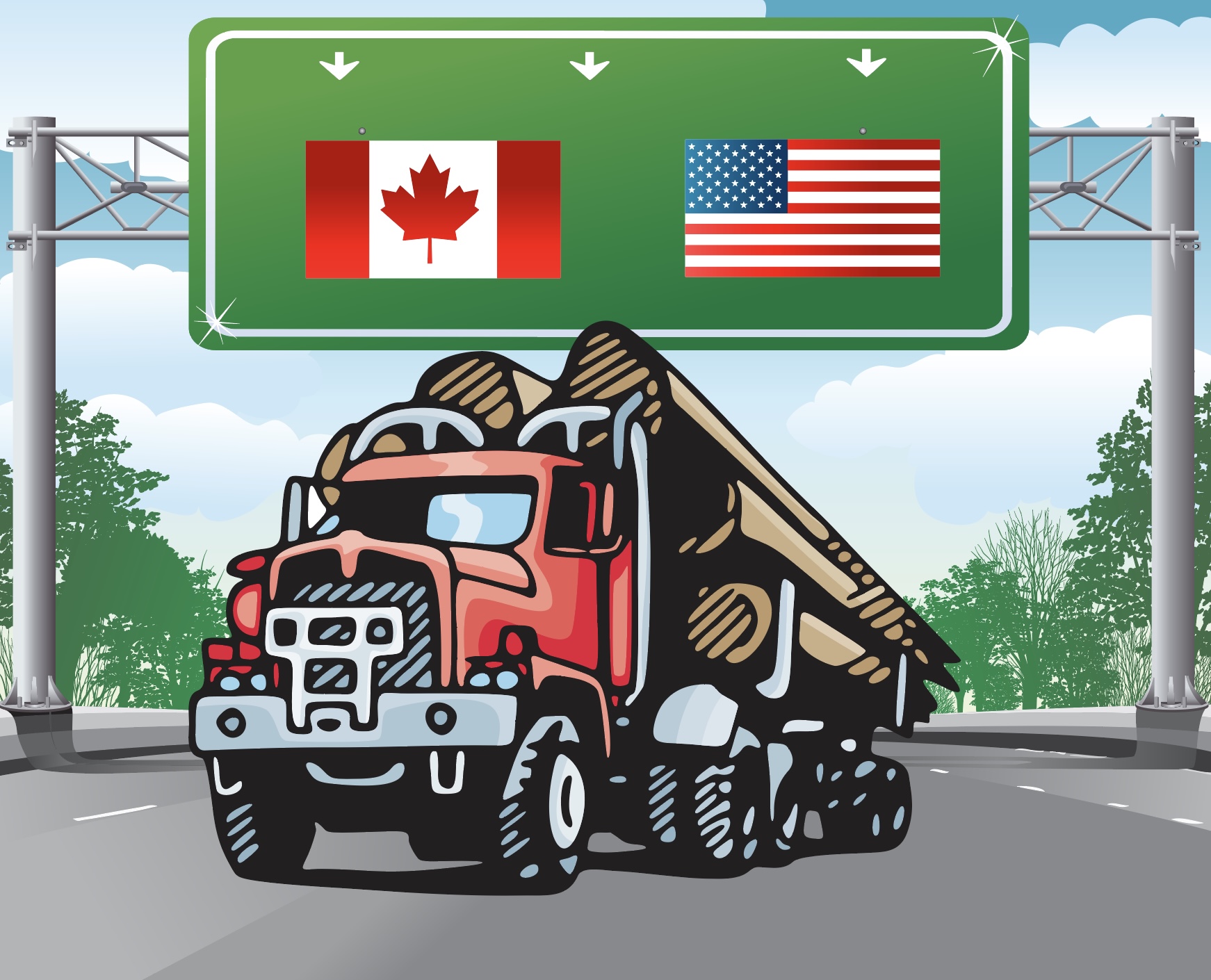
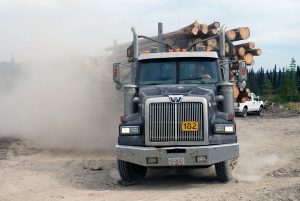 Linda Bell says there has been turmoil and chaos along parts of the US and New Brunswick border as trucks carrying lumber navigate the new tariffs that came into effect on Tuesday. But Bell says there’s been confusion as to what’s included under the new tariffs. In her almost three decades working as the general manager of the Carleton Victoria Wood Producers Association in Florenceville, she says it’s the first time there appears to be a duty on roundwood. “Trucks that were headed over there have been turned back and had to be unloaded. Some have been allowed to cross. We really don’t know what is going on,” she said. She said a few large mills in Maine who’ve been buying New Brunswick wood for five decades have halted all deliveries until the confusion can be cleared up. …Minister Mélanie Joly said there are different interpretations happening at various border locations.



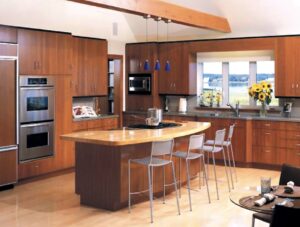 NEW YORK — Cabinet dealers, interior designers and remodeling contractors in the U.S. hope new tariffs on imported kitchen cabinets, bathroom vanities and upholstered wooden furniture will boost domestic production of those products. But several small business owners in the home improvement industry say they expect some short-term pains from the import taxes. Potential customers may postpone kitchen and bathroom renovations until costs — and the economy — seem more stable. …The American Kitchen Cabinet Alliance lobbied for tariffs to help offset what they described as a flood of cheap cabinets from countries such as Vietnam, Malaysia, China and elsewhere in the decades since manufacturing moved offshore. …Although the White House said the tariffs were intended to boost domestic production and protect U.S. businesses from predatory trade practices, some cabinet makers say that will be difficult because their supply chains are multinational.
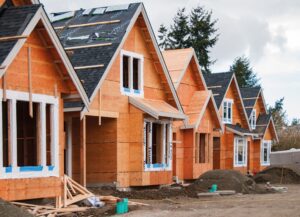 President Trump’s new tariffs on imported lumber and wooden fixtures have taken effect, potentially raising the cost of home construction and renovations. …“These new tariffs will create additional headwinds for an already challenged housing market by further raising construction and renovation costs,” says NAHB Chairman Buddy Hughes. …According to an NAHB analysis, U.S. sawmills are operating at just 64% of their potential capacity, a figure that has dropped steadily since 2017. “It will take years until domestic lumber production ramps up to meet the needs of our citizens,” the trade group says”. …Framing costs, including the roof, averaged about $49,763 for new single-family homes last year, accounting for about 12% of the total cost of a new build, according to an NAHB breakdown. Cabinets and countertops cost $19,056 on average, accounting for 4.5% of the total, the analysis found. …Builder profit margins have already been shrinking, and many companies have pulled back on new construction.
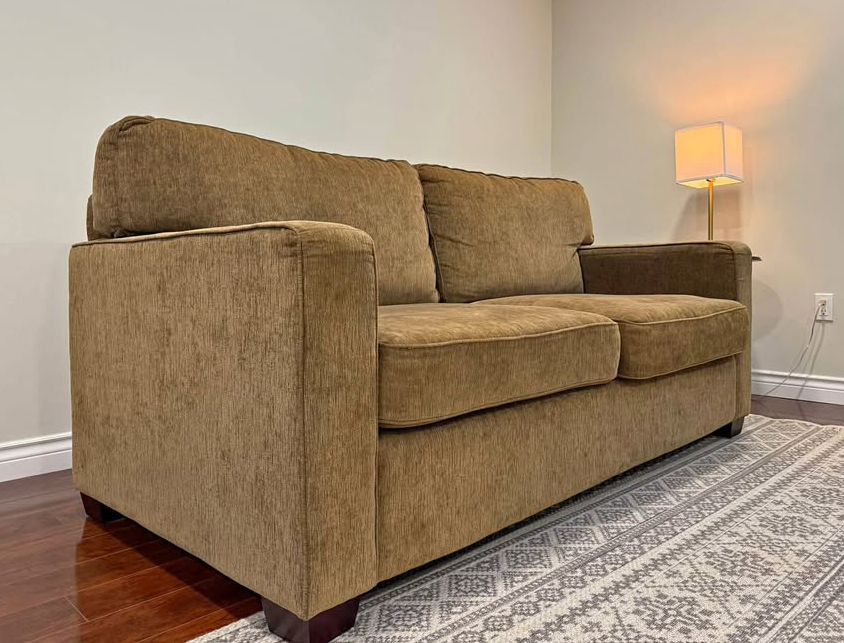 The Trump administration and its advocates have long sold tariffs as a smart and necessary way to reindustrialize the country, bolster national security, and revitalize the economy more broadly. In practice, however, they put tariffs on cabinets and sofas for “national security” reasons, exempt others because of potential political blowback, and do all sorts of other things that likely undermine the economic and security objectives the administration says its tariffs are achieving. And they do it all with little regard for the facts, economics, or law. Throw in some foolish nostalgia (contra the president, furniture manufacturing is today a tiny share of North Carolina’s economy and workforce), and the furniture tariffs make for an almost-perfect example of the canyon between protectionist rhetoric and US tariff reality. The only thing preventing perfection is that there isn’t a “national emergency” or fake “fiscal crisis” attached.



 The Mississippi Department of Environmental Quality permit board on Wednesday reversed a decision from earlier this year and granted wood pellet manufacturer Drax a permit that allows it to release more emissions from a facility in Gloster. The board held a two-day evidentiary hearing after denying the company the permit in April. The permit falls under Title V of the Clean Air Act and allows Drax’s facility Amite BioEnergy, to become a “major source” of Hazardous Air Pollutants, or HAPs. The board voted unanimously in favor of granting the permit said Kim Turner. Evidence from the hearing “sufficiently addressed” concerns the board previously had. MDEQ has found the facility in violation multiple times since Drax opened the Amite County plant in 2016. …Drax applied for the permit in order to better reflect its production capacity. Since violating the current permit, Amite BioEnergy has had to decrease its pellet output.

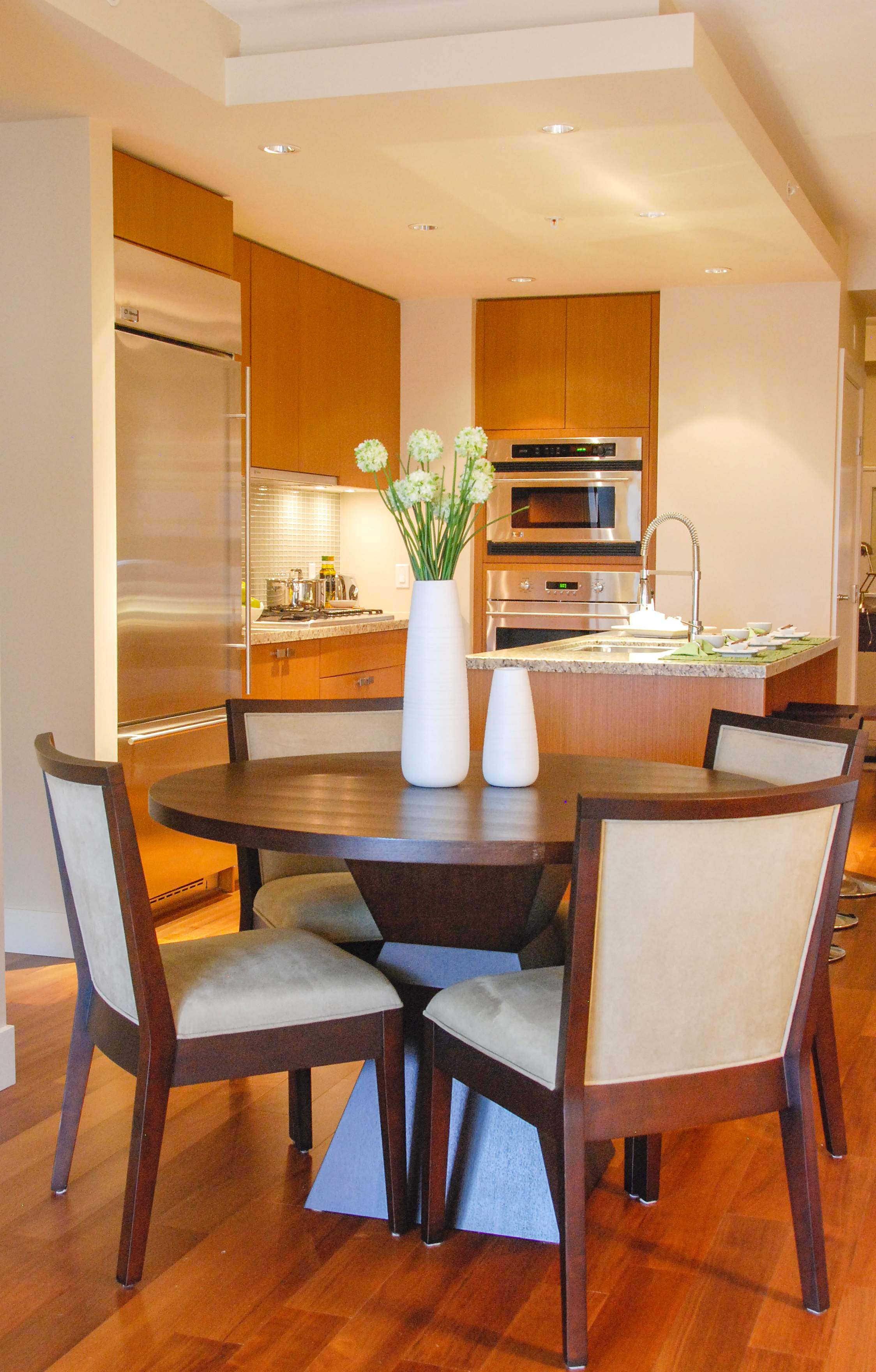 From October 14, wooden furniture exported to the United States will continue to be subject to a new import tariff of up to 25 percent. This has come as a “shock” at a time when enterprises are accelerating production, raising concerns over the feasibility of maintaining Vietnam’s 2025 wood export targets. In the long term, aside from adapting to frequently changing tariff policies, enterprises in the wood industry are working to improve product quality. Expanding markets and building the Vietnamese wood brand are considered key solutions for the sector’s sustainable development. On September 29, U.S. President Donald Trump signed a decree imposing a 25 percent tariff on wooden furniture, effective from October 14. The tariff rate may increase to 50 percent for dressing tables and kitchen cabinets, and 30 percent for upholstered products early next year. This move is regarded as a “shock” to Vietnam’s wood industry.
 The European Commission proposed preliminary antidumping duties on imports of softwood plywood from Brazil, following an investigation launched
 On 31 July 2025, Metsä Group announced it would launch the planning of a EUR 300 million cost savings and profit improvement programme. Planning is now complete, and Metsä Group will initiate statutory negotiations concerning its personnel as part of it. “Our profitability has been undermined by three factors. First, increased uncertainties in global trade have reduced demand for our products. Second, changes in exchange rates have weakened our result and will continue to do so. Third, the increase in raw material costs and the general cost level has eroded our profitability,” says Jussi Vanhanen, President and CEO of Metsä Group. …According to preliminary assessments, the planned measures may lead to a permanent reduction of 800 permanent jobs. A significant share – 540 jobs – are expected to be in Finland. In addition to redundancies, the planned changes may lead to changes in duties.