 The 2026 Arctic Bioenergy Summit and Tour brought together over 125 northern energy leaders, policymakers, and bioenergy experts in Yellowknife from January 26–28 to explore sustainable heating solutions for remote and Arctic communities. The event, hosted by the Arctic Energy Alliance and the Wood Pellet Association of Canada, showcased the theme Sustainable Bioenergy for Northern Communities: Reliable. Affordable. Local. Sessions emphasized that bioenergy continues to offer meaningful economic, environmental, and energy‑security benefits for northern and remote communities—especially when paired with strong local leadership and practical, scalable project design. The event also provided valuable networking opportunities, connecting community representatives, government officials, and industry innovators.
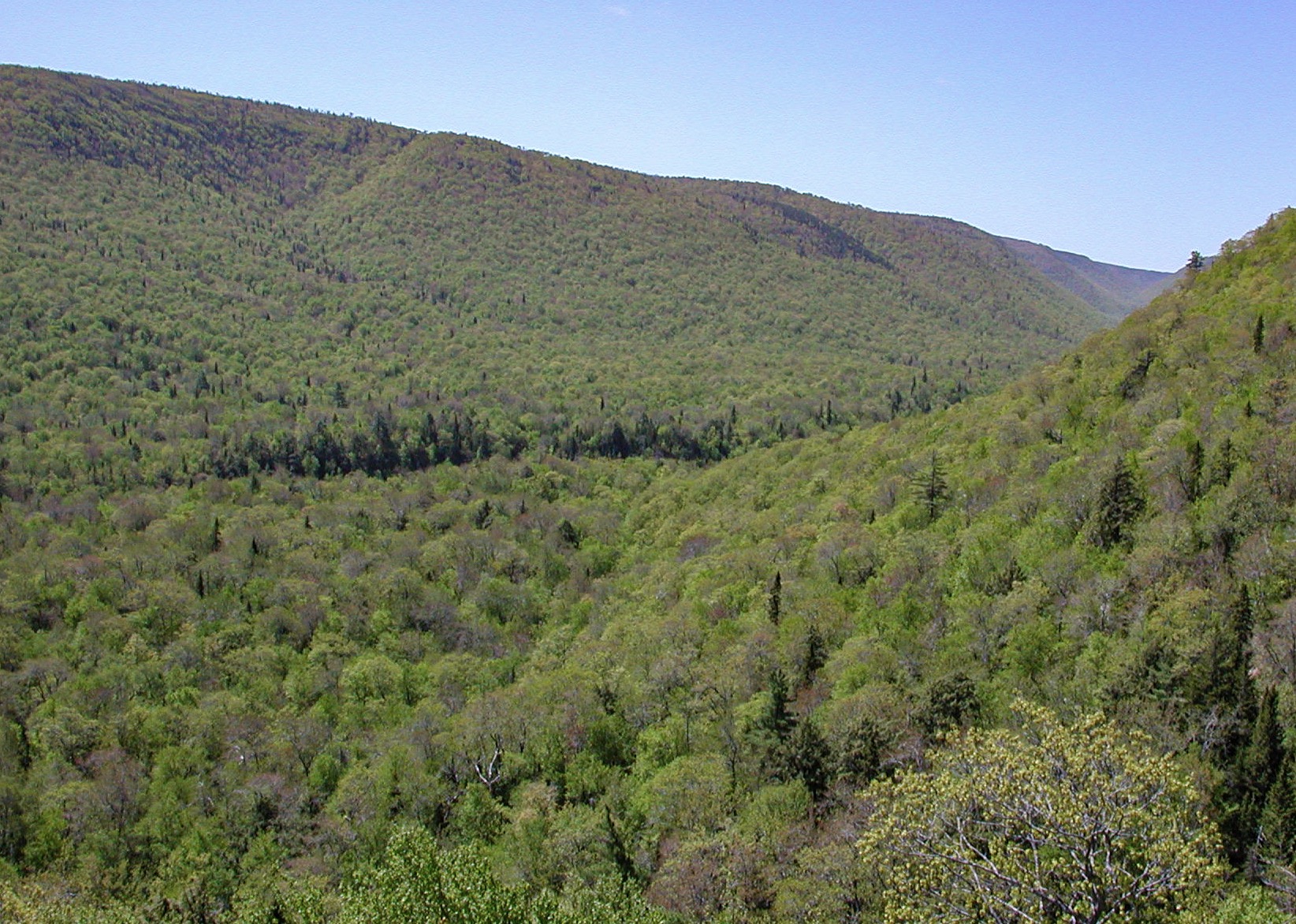 A new study finds that Canada could remove at least five times its annual carbon emissions with strategic planting of more than six million trees along the northern edge of the boreal forest. The
  Nature markets are systems for measuring an ecological improvement on some land, then creating a representation of that improvement as a credit, which can then be bought and sold. In theory, they allow governments to attract more private investment and diversify funds that help restore nature. The reality is much more complicated. I recently
 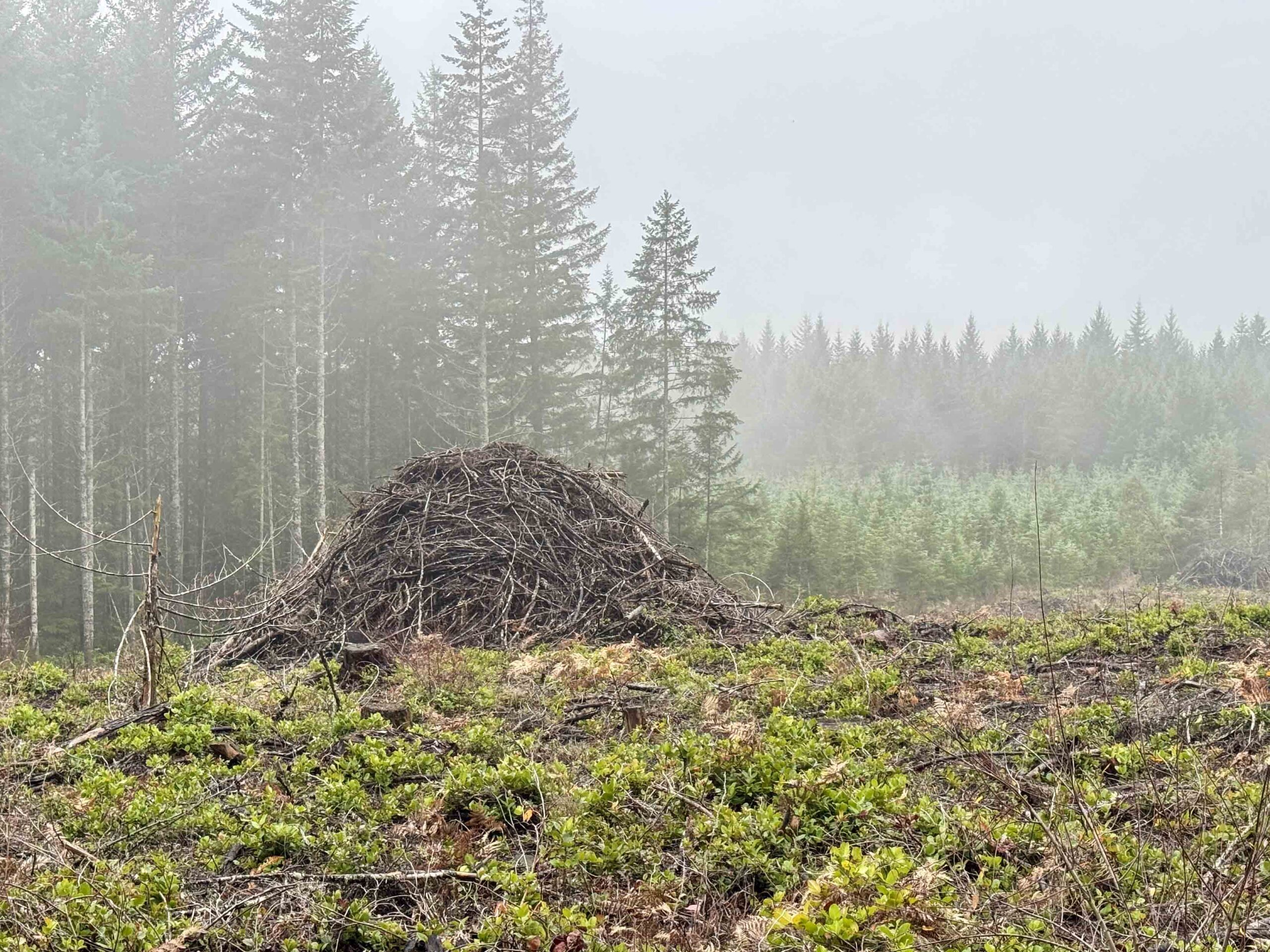 Record forest fires, under-utilized agricultural residues like straw and husks and struggling sawmills have left Canada with an abundance of undervalued biomass. If carefully and strategically managed, this resource could become a powerful ally in the fight against climate change. Canada’s biomass sectors are facing significant uncertainty because of political and natural disruptions. The forestry sector was hit last year by new American tariffs announced by the Donald Trump administration on Canadian forest products, bringing the total duties imposed on Canadian lumber to 45 per cent. The agricultural and agri-food sector is also particularly vulnerable, since it exports more than 70 per cent of its main crops. In addition to facing these political uncertainties, biomass sectors are increasingly experiencing the effects of climate disasters.
  OTTAWA, ON
 NEW YORK, NY – Mercer International announced that its subsidiary, Mercer Peace River Pulp (MPR), and Svante Technologies (Svante) have commenced operation of a previously announced carbon dioxide (CO₂) capture demonstration unit at the Mercer Peace River pulp mill in northern Alberta. The pilot project is designed to evaluate Svante’s solid sorbent carbon capture technology on biogenic CO₂ emissions from the mill’s recovery boiler flue gas. As a cost-efficient step, this stage builds on the previously announced Front-End Engineering and Design Phase 2. …“Commissioning this demonstration unit… allows us to evaluate carbon capture performance in our operating environment and gather practical data on what would be required for any future scale-up,” said Bill Adams. “The results from this on-site demonstration will help us evaluate the decarbonization potential of this technology for biogenic emissions and inform longer-term planning across our pulp operations.”

 The Quebec government says it’s pushing back its greenhouse gas reduction target by five years to protect the economy and jobs. Environment Minister Bernard Drainville announced today that the government will not meet its goal of reducing emissions by 37.5 per cent below 1990 levels by 2030. This target has now been set for 2035— a timeline the government describes as ambitious yet realistic. Drainville says in a news release that Quebec has reduced its greenhouse gas emissions by approximately 20 per cent since 1990. He says achieving the other half of the target in just five years would risk economic damage at a time of uncertainty and tariff threats from the US. In response, environment group Equiterre says the government is letting young Quebecers down.
 Misleading. Unjustified. Hypocritical. Those are just some of the words that Department of Energy scientists used to describe a 141-page report on climate change that was commissioned by DOE Secretary Chris Wright. The feedback appears in newly revealed emails that were made public as part of a court fight between DOE and public interest groups. And they show that criticism of the report isn’t limited to scientists outside the Trump administration. The department’s own internal reviewers took issue with the document, which was written by five climate contrarians from outside DOE who were handpicked by Wright. …One DOE reviewer echoed that opinion and said it was “misleading” for the report to talk about how climate change could boost plant growth without mentioning its other drawbacks. Another comment described the report’s criticism of climate modeling as an “unjustified (and at worst a biased) judgement.”
 NEW YORK
 UK energy company Drax’s ambitions of becoming a significant wood pellet supplier to Asia are in danger of faltering as Japanese policymakers wind back generous subsidies for the biomass sector. Japan is set to soon surpass the UK as the world’s largest wood pellet importer after a post-Fukushima push to diversify power sources that caused hundreds of plants to spring up that burn wood pellets, palm kernel shells — a palm oil byproduct — and other organic materials. But policymakers in Japan are pulling support for the controversial industry after realising the hurdles to bringing down fuel costs. Tokyo has already cut subsidies for new projects of more than 10 megawatts. “The real intention is quite simple: no new government support, phasing out. We don’t see any clear path of bringing down costs in the foreseeable future,” said one government official. “Existing projects might survive but no new projects are coming.”
 When UN Spokesperson Stéphane Dujarric briefed correspondents in New York on Thursday following the release of the White House Memorandum, he insisted that the Organization will continue to carry out its mandates from Member States “with determination.” Wednesday’s memorandum states that the US administration is “ceasing participation in or funding to those entities to the extent permitted by law.” Several of the bodies listed in the memo are funded principally or partially by the regular UN budget, implying that voluntary funding will be impacted, although central funding will continue. However, the White House notes that its funding review of international organisations “remains ongoing,” and it is currently unclear what the impact of the announcement will be. Here’s a breakdown of the 31 UN entities mentioned in the memorandum, and how they are making a positive difference to people, communities and nations, worldwide.
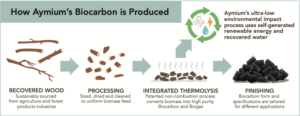 Weyerhaeuser, America’s largest private landowner, said it has launched a venture to turn runty trees and sawdust from its fleet of mills into a replacement for metallurgical coal used in steel making. The forest-products company said it expects production to begin in 2027 at a facility being built next to its sawmill in McComb, Mississippi—the first of several biocarbon plants planned by Weyerhaeuser and partner Aymium. It is the latest effort to find a market for the trees too small or otherwise unsuitable for making lumber. Such wood has typically been sent to pulp and paper mills, but U.S. wood-pulp consumption capacity has plunged due to waning paper demand. …Stockfish said he envisions the venture with Aymium operating as many as 10 or 11 biocarbon production facilities across Weyerhaeuser’s U.S. properties. …Aymium CEO James Mennell said the company’s process works with all species of wood as well as agricultural residues. [to access the full story a WSJ subscription is required]
 Washington state officials admitted Jan. 6 they overstated by more than 80% how much projects funded by cap-and-trade taxes have reduced greenhouse gases. The Department of Commerce blamed data entry errors for inflating the benefits of eight grants that helped low- and moderate income households buy energy-efficient electric appliances. The state reported in November the eight grants will cut emissions by 7.5 million metric tons and accounted for 86% of all reductions over two years. The actual reduction was only 78,000 tons, according to Commerce. Commerce’s correction confirmed calculations by Washington Policy Center vice president for research Todd Myers. Earlier in the day, Myers posted online that 86% of the purported reductions were “probably fake.” …The Department of Ecology compiled and issued the faulty report. The report was a comprehensive accounting of how 37 state agencies and universities spent $1.5 billion in cap-and-trade taxes during the 2023-25 biennium, Ecology said.
 …Timber prices have been low for a long time; they never really recovered from the 2008 housing crash. Nearly a dozen paper mills closed across the South in recent years, and Hurricane Helene tore down trees in much of Georgia and the Carolinas. It’s left many in Georgia, one of the leading states for forestry, with a dilemma: what do you do when your income relies on a forest but nobody wants to buy your trees? A group of researchers and industry leaders thinks paying landowners for carbon storage could help. “We may see a decline in the number of acres that are kept in forests and the quality of the land that is forested,” said David Eady with Georgia Tech’s business school. Losing those trees would shrink the industry and be devastating for the environment. …So Eady and others asked: why not use that carbon storage to keep foresters in business?
 New Hampshire and its counties may soon be barred from enrolling publicly owned lands in carbon sequestration programs. “We don’t see sequestration as a traditional use,” said Rep. Mike Ouellet, a Colebrook Republican, at a hearing before the House Committee on Municipal and County Government on Tuesday. The committee later voted, 13-1, to recommend passage of House Bill 1205, which would prohibit “carbon sequestration projects” on state- and county-owned lands. …No county- or state-owned land is currently listed on the registry of New Hampshire carbon sequestration projects. But the long duration of forest carbon contracts and the possibility they would impose restrictions on land use were two reasons bill proponents cited for preventing them on public lands in the future. …Others said timber harvest could be an important source of revenue for counties and the state, and worried the contracts would have a negative impact on the timber industry.
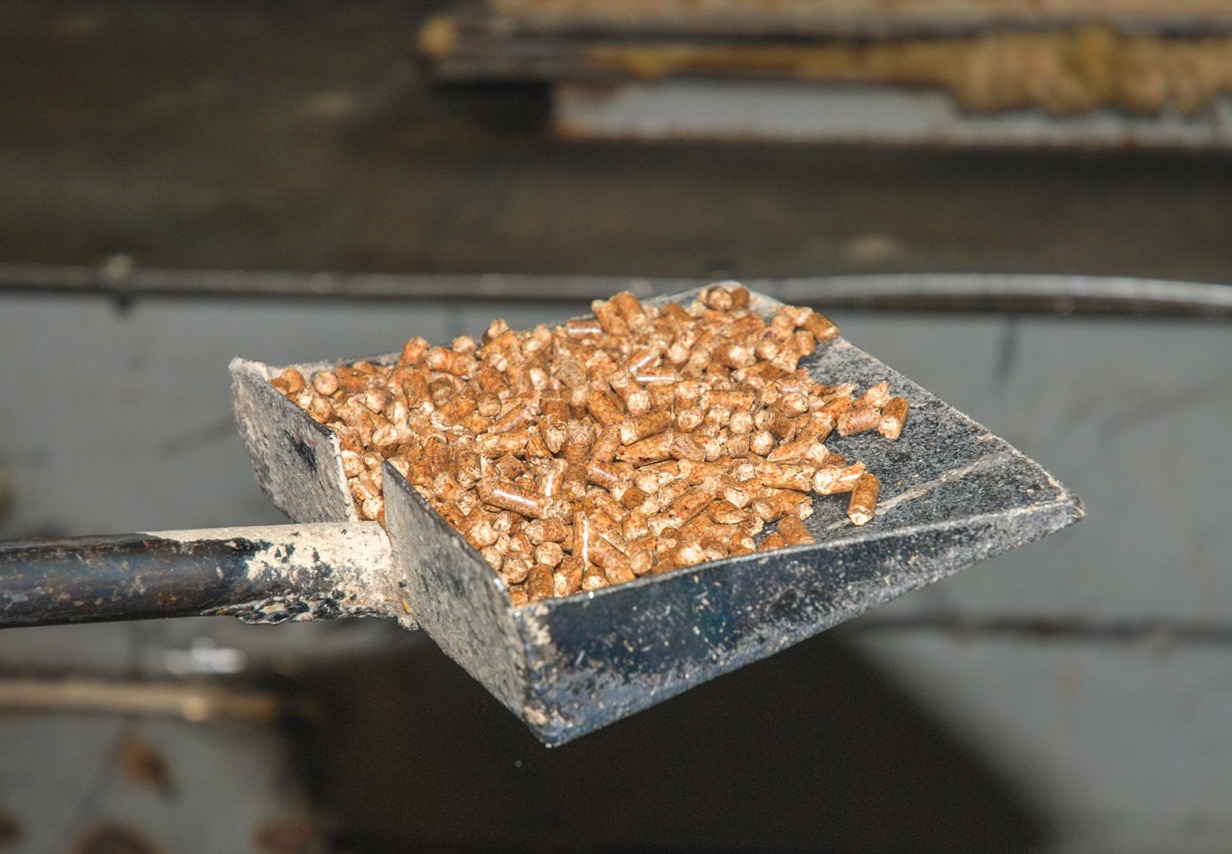 A community-led survey coordinated by the Southern Environmental Law Center across parts of the southern United States has documented concerns about pollution linked to wood pellet manufacturing facilities. The survey focused on areas where residents live near large biomass plants, including a facility in Northampton County, North Carolina. Wood pellet plants process pellets that are exported overseas…where they are burned to generate electricity. While often described as a renewable energy source, the manufacturing process produces dust and emissions that residents say affect air quality and daily life. …[Survey] participants visited households near pellet plants to gather information about health concerns, environmental conditions and quality-of-life impacts associated with nearby industrial activity. According to the survey findings, residents reported respiratory problems, persistent dust, noise and increased industrial traffic. These concerns were most frequently recorded in rural communities and in areas with lower-than-average household incomes.
 The U.S. Endowment for Forestry and Communities (the Endowment) has announced a new collaboration with the Georgia Institute of Technology. This partnership aims to address the far-reaching social, economic and environmental impacts of pulp and paper mill closures across the United States, particularly in the rural South, where these mills have long served as economic anchors. The Endowment and Georgia Tech’s Aerospace Systems Design Laboratory (ASDL) are developing an integrated decision-making dashboard to help policymakers, community leaders and industry stakeholders quantify the effects of mill closures and identify data-driven pathways to offset them through the sustainable use of forestry residues to produce bioenergy, renewable diesel, and sustainable aviation fuel (SAF). Over the past decade, nearly 50 paper mills have shut down nationwide, including major facilities in Georgia, South Carolina, Louisiana, Texas and Ohio.
 WISCONSIN — Hayward is the “first choice” for a German company considering building a $1.5 billion plant to convert wood and wood waste into sustainable aviation fuel, but the company also is talking to Minnesota, Michigan and other states, said Matthias Mueller, CEO of Synthec Fuels. …Hayward has good access to energy and to rail and highway transportation, it is not far from the Minneapolis and Chicago airports, and it is home to Synthec’s partner Johnson Timber, Mueller said. European investors have committed to providing $1.5 billion to build that plant, but Wisconsin lawmakers are working to make the state more attractive with the Forestry Revitalization Act that would provide $210 million in tax credits and loans. …The proposed plant annually would use 890,000 tons of woody biomass to produce 48 million gallons of sustainable aviation fuel.
 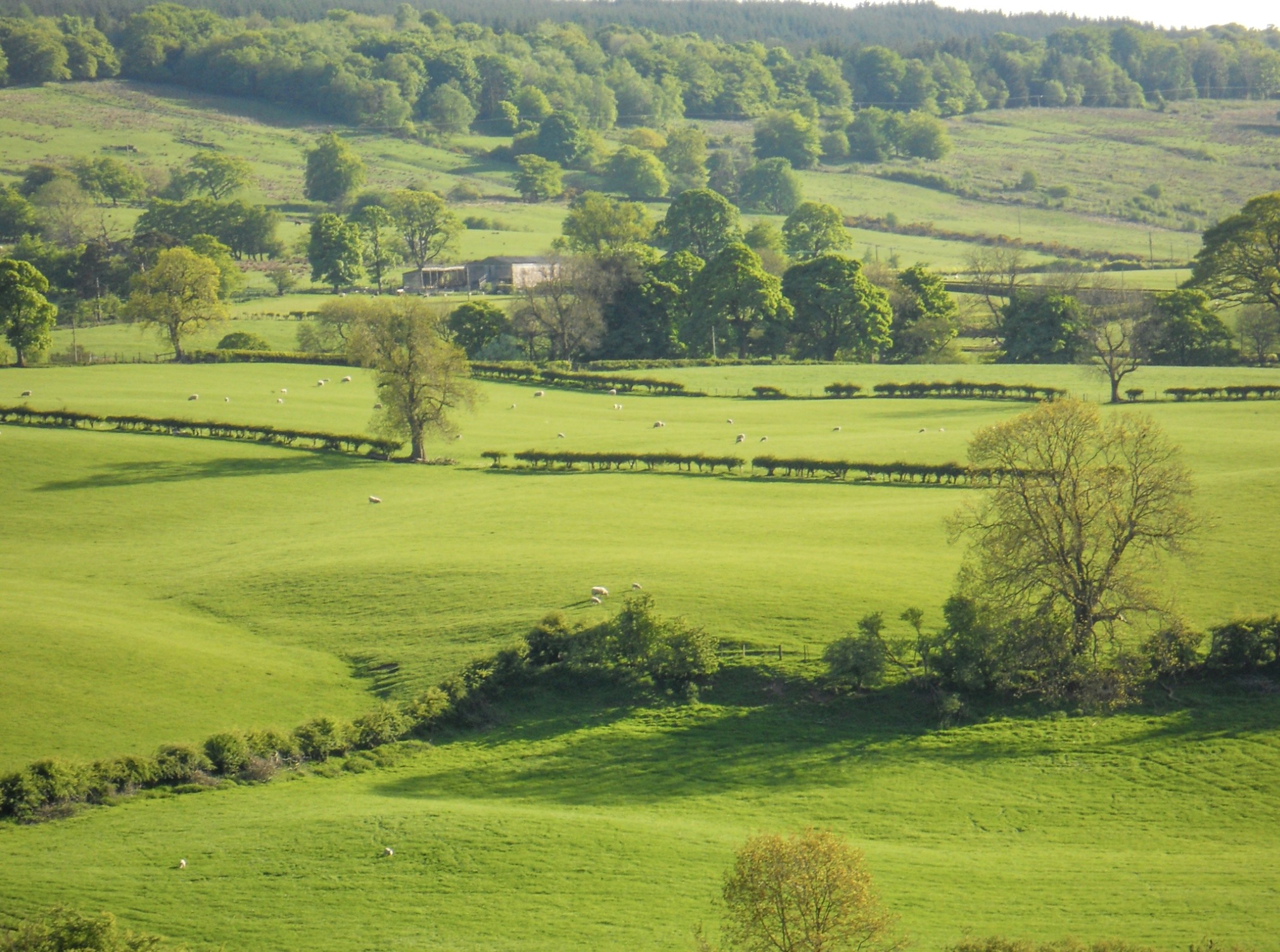 Scotland would have to plant several hundred thousand hectares of new woodland to achieve net-zero carbon emissions in the livestock sector by 2050 through afforestation alone, a new study has shown. The study by The James Hutton Institute, which was recently published in the journal Science of The Total Environment, investigated how multi-functional afforestation and livestock reduction could contribute to helping Scotland achieve net-zero emissions in the livestock sector by 2050. This goal aligns with the Paris Agreement on climate change. Researchers have simulated a scenario in which approximately 30,000ha per year of new woodland and agroforestry were planted in Scotland between 2020 and 2025. …It is often assumed such planting can only occur at the expense of grazing area, so the researchers coupled this planting effort with a linear decrease in livestock, with an estimated total reduction of approximately 50% of the present herd numbers.
 Boreal ecosystems store twice as much carbon as the atmosphere and warm faster than the global average. The current paradigm based on boreal forests and tundra considers that warming will accelerate boreal carbon loss. However, the warming response of Sphagnum peatlands, storing ~40% of boreal carbon stocks, remains under-investigated. …investigations into two long-term warming experiments in Finnish peatlands, we demonstrate that warming enhances soil carbon accumulation in boreal Sphagnum peatlands. This result sharply contrasts with warming-induced carbon loss from boreal forests and tundra, owing to the unique metabolic response of Sphagnum… Our estimates suggest that warming-induced increase of soil carbon in boreal Sphagnum peatlands (assuming no hydrological changes or plant species shifts) may offset nearly half the boreal forest carbon-sink decline or heterotrophic respiration increases in Arctic tundra under warming. These findings highlight the vital but overlooked role of Sphagnum peatlands in counteracting boreal carbon loss under future warming.
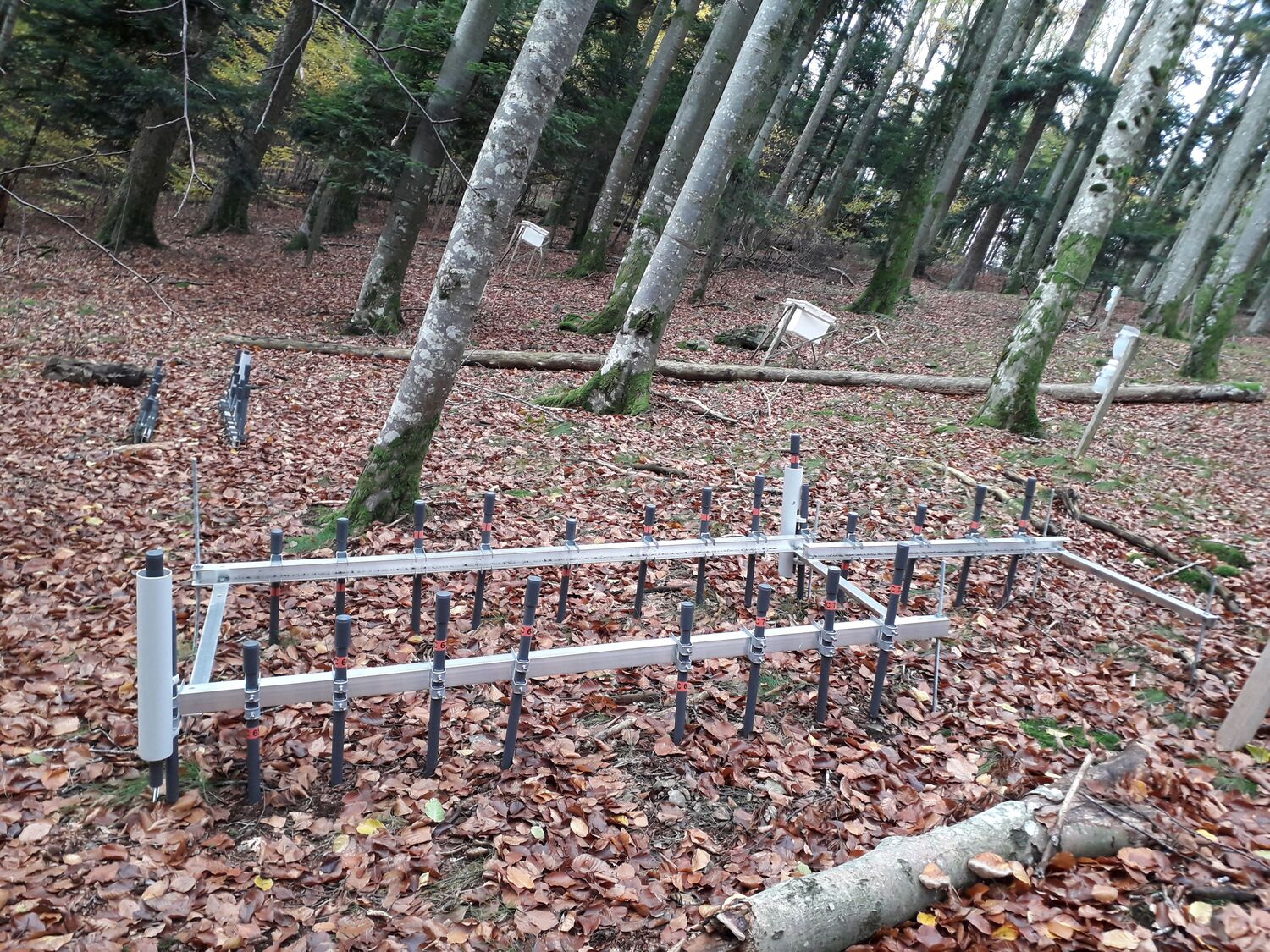
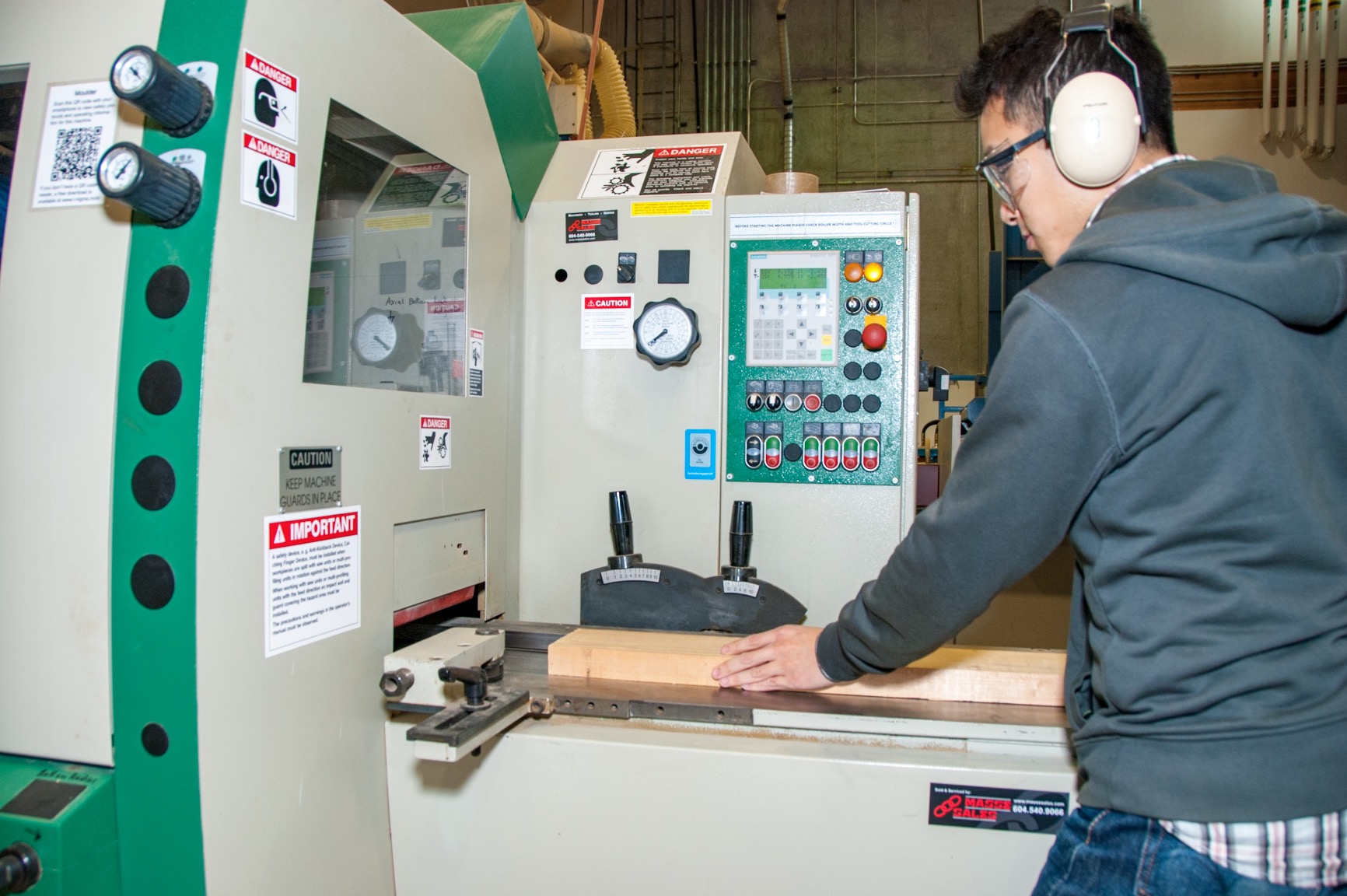 A door company in Ireland says it holds the key to turning wood dust into electricity to help power its factory. It’s part of a new multimillion-pound investment by O&S Doors. The company says the onsite renewable heat and energy technology is “a first on the island of Ireland”. Currently the company takes wood dust left over from the manufacturing process and ships it to England where it is used as animal bedding or sent to landfill. But the company – located just outside Benburb in County Tyrone – has revealed new details of its plans to install a biomass-fuelled combined heat and power system. It will turn the dust into millions of units of electricity that can reused to power parts of the factory. …O&S Doors says its biomass-fuelled combined heat and power system will harness MDF dust.
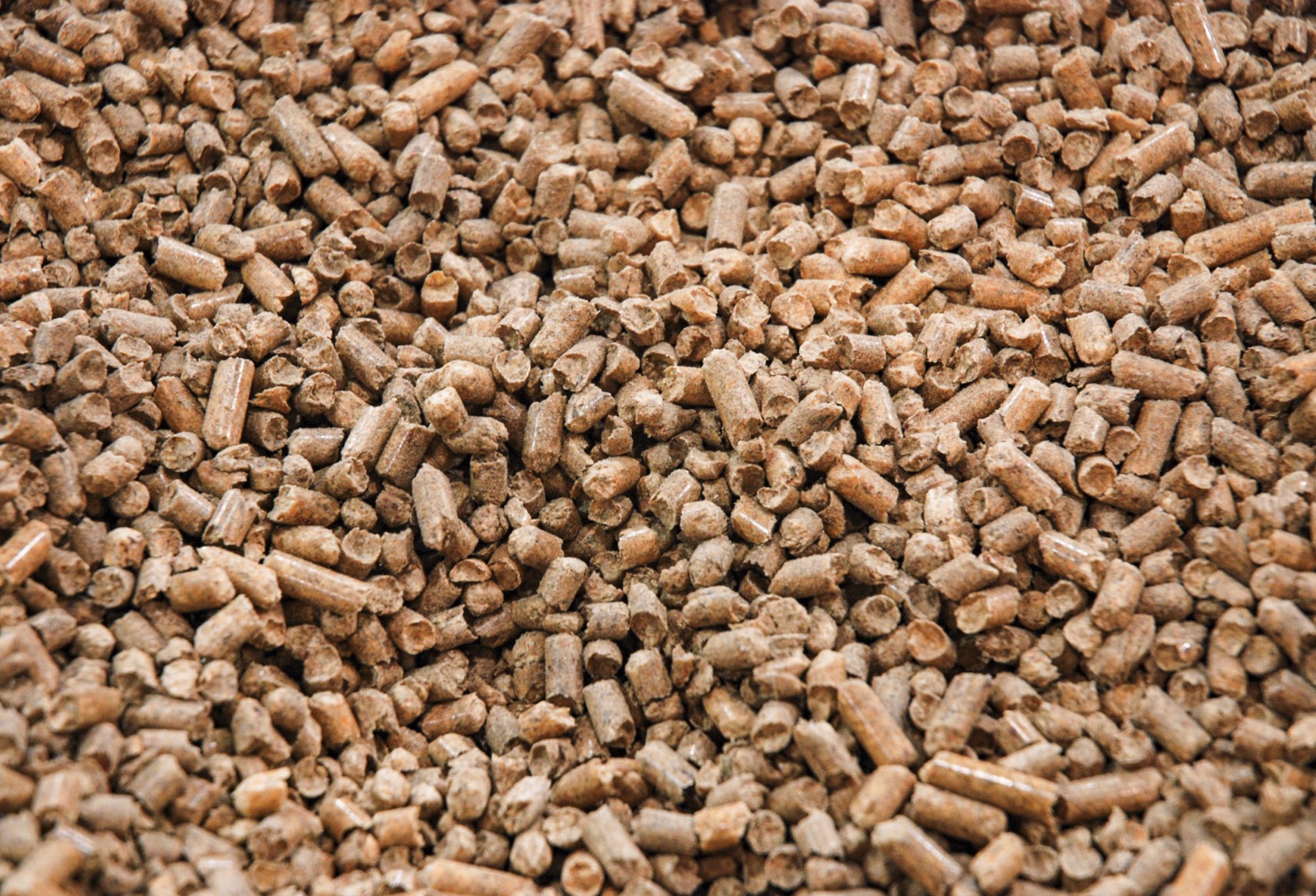 The energy industry initially sold wood pellets as a way to clean up coal. And governments bought into that assumption. But now policymakers are questioning that position and even reversing course. At the center of this debate is a UK-based power company called Drax, which converted Europe’s largest coal plant into a biomass facility—one fueled by wood pellets that it imported from southern states in the United States. The debate raises a multitude of questions, namely those centered on pollution and costs. That is, if the additive creates more pollution than either wind or solar energy, why bother, especially since it comes from a power source that depends on subsidies? Merry Dickinson, campaign director for the Dogwood Alliance, told me that Drax now operates entirely on woody biomass… “The amount of wood required … is beyond what is available as waste wood,” Dickinson says. “…much of the supply consists of whole trees.” [Forbes allows 4 free articles per month]
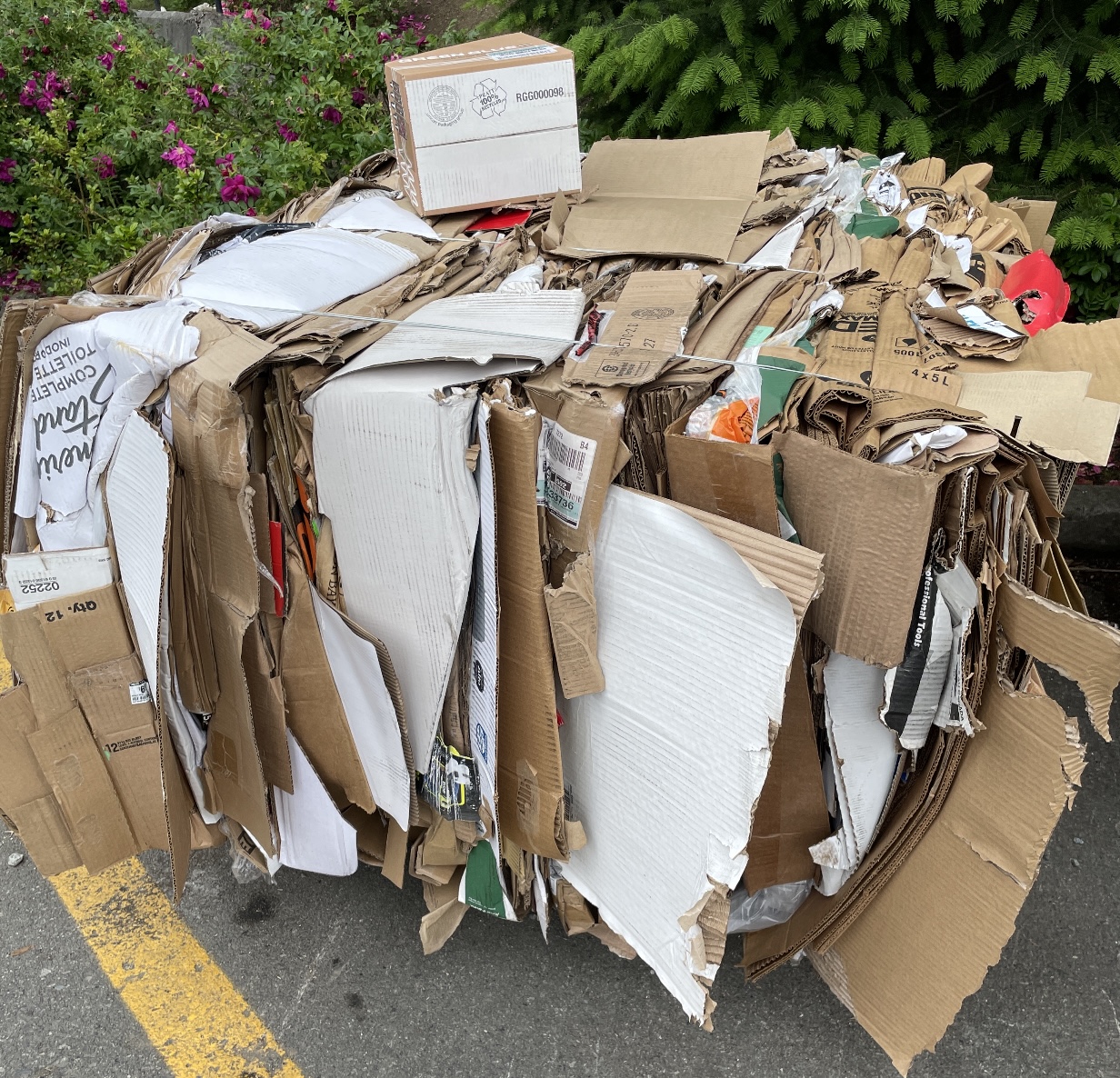 A new study has shown for the first time that waste cardboard can be used as an effective source of biomass fuel for large-scale power generation, offering a potential new domestic resource to support the UK’s renewable energy sector. Engineers from the University of Nottingham have carried out the first comprehensive characterisation of cardboard as a fuel source and developed a new method to assess its composition. The research … provides a practical tool for evaluating different grades of cardboard for use in energy production. The study found that cardboard displays distinct physical and chemical properties compared with traditional biomass fuels. These include lower carbon content, a reduced heating value and a high level of calcium carbonate fillers, particularly in printed grades. Calcium carbonate is commonly added to cardboard to improve stiffness and optical qualities, but during combustion it forms ash that can reduce boiler performance.

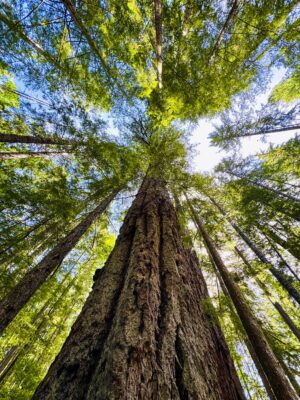 Forest management has entered a phase defined by competing pressures. Fire risk is rising. Biomass residues are accumulating. Carbon accounting expectations are tightening. Pyrolysis has emerged as a technical lever capable of addressing these constraints simultaneously. Its value lies not in abstract sustainability claims, but in its operational and ecological consequences when integrated into forestry systems. Reducing Fuel Load and Wildfire IntensitymOne of the most immediate benefits of pyrolysis in forest management is fuel load reduction. Thinning operations, deadwood removal, and post-harvest residues generate large volumes of low-grade biomass. When left unmanaged, this material increases wildfire probability and severity. …When treated as an ancillary technology, pyrolysis underperforms. When embedded as a strategic tool, it amplifies the effectiveness of existing management practices. Pyrolysis contributes by connecting fuel reduction, carbon management, soil health, and economic viability within a single operational logic.