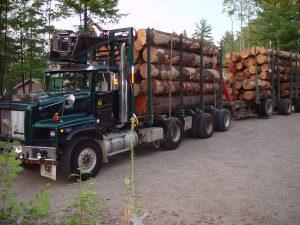
 Canada’s forests are burning. …Smoke from these fires has degraded air quality across Canada and the US. The situation has led some US policymakers to publicly blame Canada for failing to manage wildfires and to demand more active forest management. These critiques are hypocritical, given their record of climate change denial. …Yet beyond partisan politics, the US continues to impose tariffs on Canadian lumber, undermining our capacity to invest in stronger forest management. …Eliminating or reducing US tariffs would instantly raise the value of Canada’s standing forest stock, sending a price signal that makes forestry activity viable in regions that are currently too remote or costly to harvest. At the margin, higher returns would unlock investment in better forest management, including areas that are now left untouched because they are uneconomic to service. …Lifting tariffs would be the first step, but it would not be a cure-all.
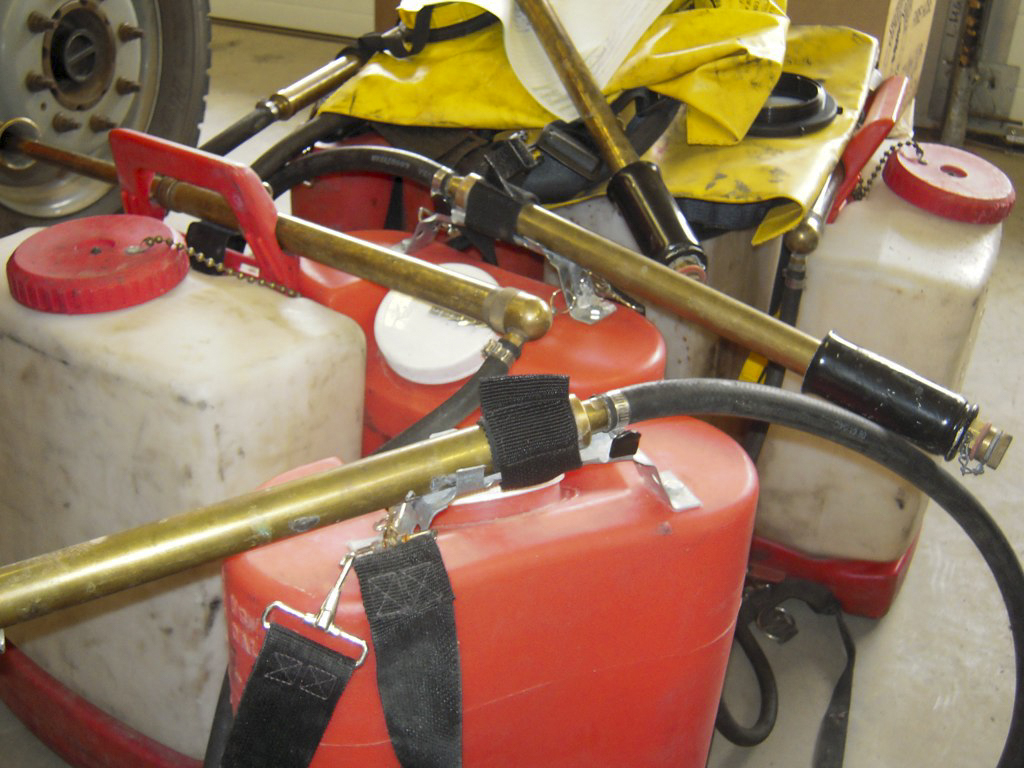
 …calls are growing for Canada to change how it prepares for, reacts and responds to the natural disasters. Experts say Ottawa needs to rethink how it deals with wildfires… Ken McMullen, the president of the Canadian Association of Fire Chiefs, which represents municipal firefighters, has been calling for the creation of a national fire administration. …When asked by CBC News if the federal government will create a new entity or program to improve wildfire response, federal Emergency Management Minister Eleanor Olszewski said it is one idea under consideration. …While suppression is critical, Yolanda Clatworthy, the interim director of the Mitigating Wildfire Initiative, argues that it does not address the root cause of the wildfire crisis. …She said mitigation and prevention work can include choosing where homes are built, how communities are protected, how forests are managed, as well as supporting Indigenous fire stewardship and moving away from fossil fuel expansion.
 Both Canada and Australia have experienced megafires in the past few years, the size and severity of which have been unprecedented. It has been suggested that Canada needs to “fight fire with fire” in order to solve the problem, and follow Australia’s lead in tackling this national environmental issue. Wrong. Rather, it is critically important that Canada does not repeat the mistakes that Australia has made. The widespread application of prescribed burning or hazard-reduction burning has been proposed as a way to protect people and property in Canada. Prescribed burning to reduce fire hazards has been employed throughout large parts of Australia. Yet robust scientific evidence showing that it is effective is remarkably limited. In some places, prescribed burning can reduce fire severity and restrict fire spread for a few years, but afterwards the regrowing vegetation becomes more flammable – an increased fire-risk effect that can last for many decades. That is: short-term gain, but long-term pain.
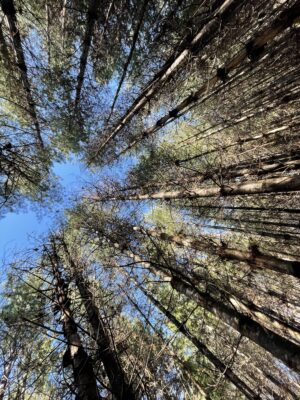 The Forest Appeals Commission dismissed a Vanderhoof hunting and fishing lodge’s appeal of a $25,000 fine for cutting Crown timber without a licence. In an Aug. 13 decision, panel chair Maureen Baird upheld the March 2023 fine against Crystal Lake Resort Ltd. by the Ministry of Forests. Daniel Brooks, whose family bought the resort in 1975, admitted trees were cut without a licence in July 2020 on a right of way and the company asked, after the fact, for the Ministry of Forests to authorize the removal of merchantable timber. The ministry advised the company that it needed to have a licence to harvest in the first place. Brooks said he did not know he needed a licence. …The Ministry approved the required management plan, that allowed cutting trees if the resort had a forestry licence to do so.
 In the Summer Almanac you’ll find these headlines and much more:
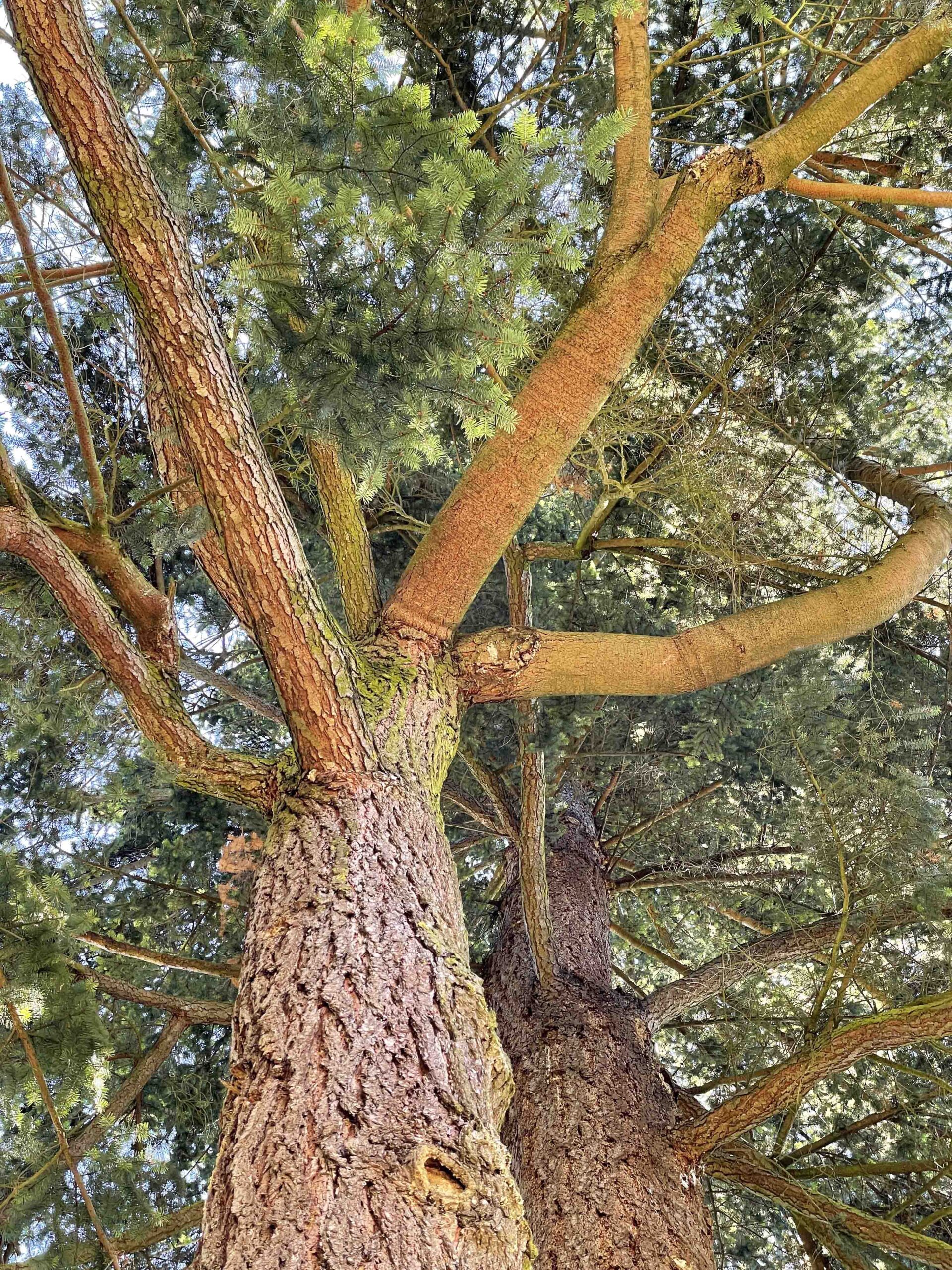 Peter Constabel, a professor in the biology department at the University of Victoria said that several years of repeated drought in B.C. mixed with heat stress has increased the likelihood of branches breaking off, it could even happen on a “perfectly calm day” without any breeze. The consequences can be tragic. Constabel, who specializes in tree health said, “it’s the drought that specifically causes this, and somehow it stresses the tree and drops the branch, or the branch falls. If you get cumulative droughts, of course, it weakens the tree overall”. …Dry spells can leave trees in a weakened state, Simon Fraser University biological sciences professor Jim Mattsson said, reducing photosynthesis and growth, cutting their energy or sugar reserves, and lowering production of chemical defences. All of these can cause a chain reaction increasing trees’ susceptibility to insects and fungal diseases, causing trees to rot inside, weaken and potentially topple over.

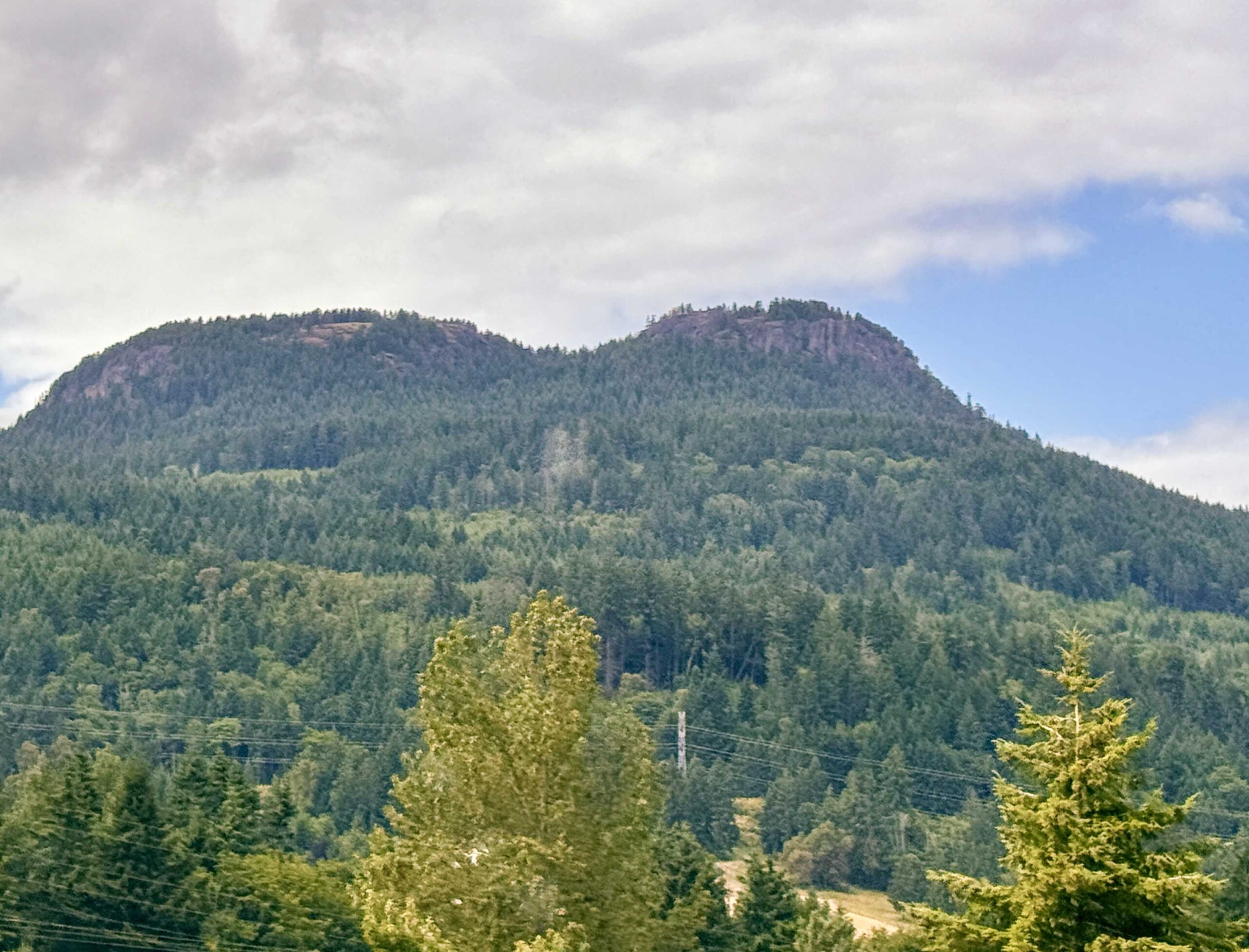 The Cowichan Valley Citizen has published two letters to the editor referencing the North Cowichan Municipal Forest Reserve
 Global warming is predicted to drive one of the greatest declines in caribou populations in the last 21,000 years, with British Columbia’s herds expected to see declines of up to 61 per cent by 2100 if high rates of warming go unchecked, a new study says. Caribou — also known as reindeer in Europe and Asia — have survived several spells of Arctic warming in the past. Their presence across the planet’s tundra, forests and mountains have long supported Indigenous populations while acting as ecosystem engineers, disturbing the soil and trampling vegetation in a way that promotes new plant growth. …Human disturbance of those landscapes — from logging to road building — has already led to a two-thirds decline in the global population over the past 30 years. New
 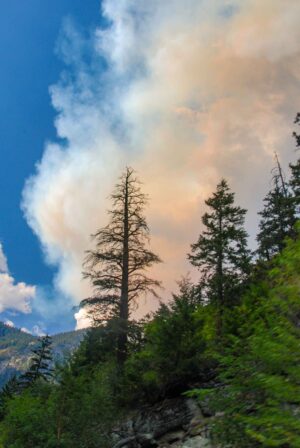 The Mount Underwood fire near Port Alberni wasn’t your typical Vancouver Island blaze. But what is normal is changing. Thanks to droughts and heat waves, tiny fires that crews were once able to extinguish in a matter of hours are now ballooning into major blazes. Historically, fires have been nearly non-existent in coastal B.C., and the playbook for putting them out has been simple: Find fire. Spray water on it. Dig up hot spots. Case closed. This “direct attack” was possible because of the slow speed at which fires grow in coastal ecosystems. But the Mount Underwood fire, which ignited along the road connecting Port Alberni to Bamfield, spread rapidly, burning as a Rank 5 fire, with flames rising into the crowns of trees and up the mountainside. “In the seven years I’ve worked for the Coastal Fire Centre, I don’t think I’ve seen a fire like this on Vancouver Island,” Julia Caranci told CBC.
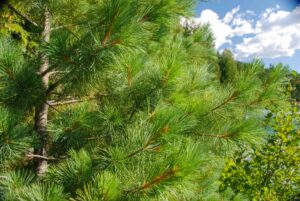 Over 70,000 new trees have been planted in Narrow Hills Provincial Park after the destructive Shoe Fire ripped through the area in May. The park, about 130 kilometres northeast of Prince Albert, Sask., is home to Gem Lakes and Lost Echo campgrounds, which remained closed for the season due to the wildfire. “There was a lot of enthusiasm to get the new life going back in the forest,” Pat MacKasey, a provincial park forest ecologist. MacKasey has been the supervisor of a five-person crew who have planted 73,080 Jack pine and white spruce trees since July. Trees have been planted in an area in Pine Lake that had previously been wiped out by a windstorm in the 1990s, he said. MacKasey says regrowth after that storm was slow, but new trees were eventually planted again in 2002 once forest health improved.
 The number and severity of wildfire damage claims are increasing partly because fire seasons are longer with more hectares burned, according to IBC spokesperson Adam Sutherland. “As we see the frequency and severity of claims growing, that’s putting pressure on premiums. “We know the risk is only going to grow. Insurance puts a price on risk. That’s why it’s paramount that we do much, much more as a society to reduce that, to better fireproof our communities and better protect our homes.” He said in addition to government action to reduce fire danger in the forests, residents need more incentives to protect their properties. “But then we also need to rethink our building codes and how we are developing our communities in the first place. That means moving away from wood shingles, wood roofs. No more vinyl siding. We need non-combustible materials on homes and interface fire zones for all new development.”
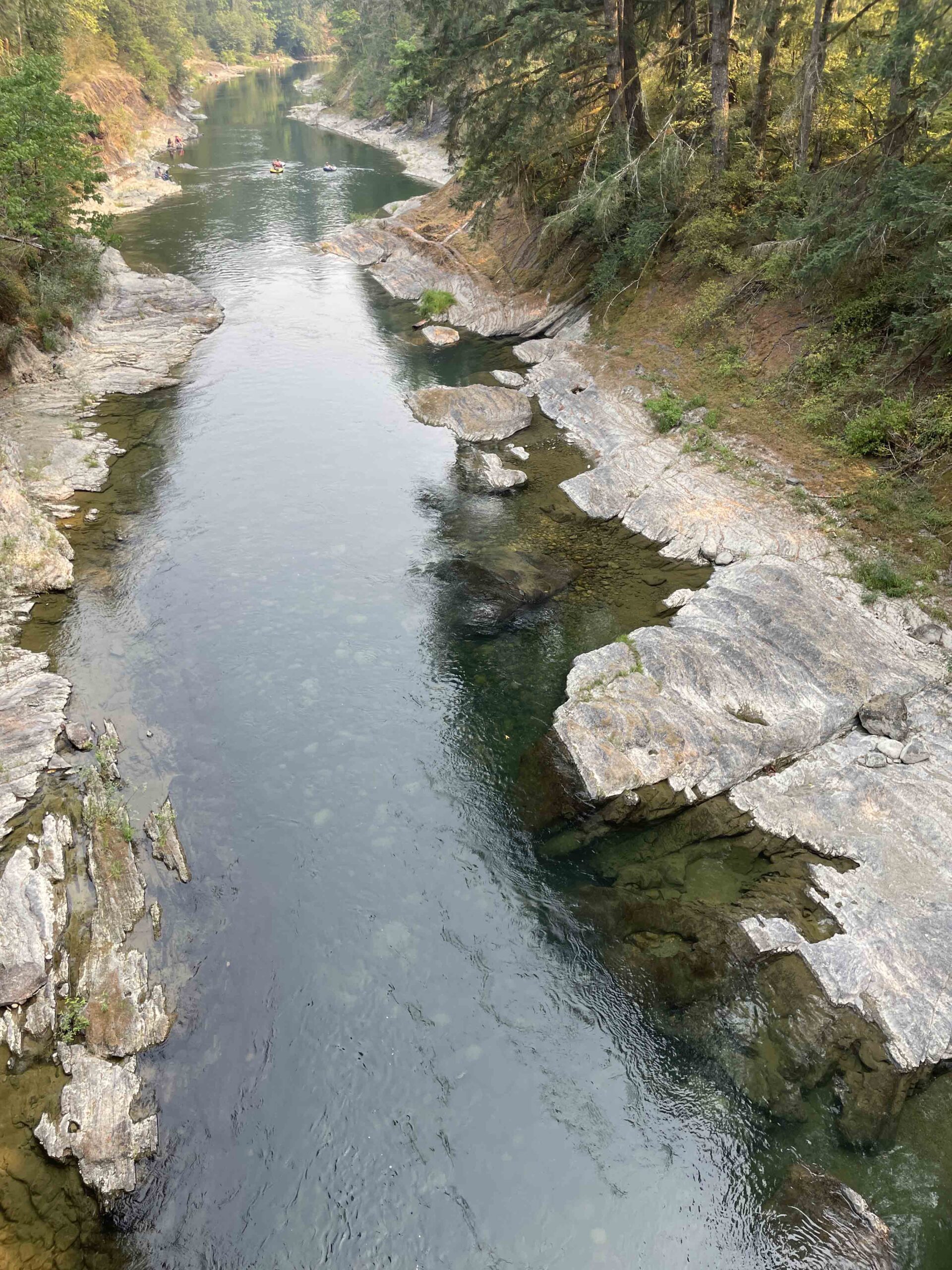 Cowichan Lake had just 16.5 per cent water storage capacity as of Aug. 13 as the recent hot spell, which saw temperatures in the region go above 30C, began to die down. Brian Houle, environment manager at the Domtar Crofton mill, which owns and operates the weir at Lake Cowichan, said the regulators of the watershed decided to reduce water flows from the lake over the weir to 4.5 cubic metres per second beginning on Aug. 13. He said the flow reduction will be done in two stages, dropping to 5.0 cms on Aug. 13 and then to 4.5 cms on Aug. 14 and that flow will hold until the rainfall returns this fall. …Houle said that, as water flows are reduced to the river, Domtar will have qualified professionals in the river helping to salvage fish stranded in pools, as well as measuring water quality.

 A powerful documentary that addresses BC’s escalating wildfire crisis and the urgent need for solutions will be shown tonight in Williams Lake. “BC Is Burning” was written and produced by retired forester Murray Wilson who has over 4 decades of experience in wildfire suppression and forest management. “In August 2024 I started filming mainly around the Interior of BC.” Wilson said, ” I didn’t do any filming in the Williams Lake area but Central Chilcotin Rehabilitation Ltd. had some excellent videos and they very graciously gave me some of their footage from around the Williams Lake area as well as Percy Guichon who is also in the documentary.” …So far the documentary has been shown in Kelowna, Vernon, Merritt, Kamloops, and Williams Lake tonight (August 19) then it will be in Nakusp and on to Castlegar. A 20 minute Q & A with Wilson and Josh Prestie, Regional Executive Director for the Ministry of Forests will follow the Williams Lake show.
 Interfor says it won’t proceed with its plan to spray forests in northern Ontario with a herbicide critics say is harmful. While the province said it was safe, First Nations and some municipalities were opposed to the plan to spray glyphosate over Crown land near Elliot Lake, Blind River, Espanola and other forest management areas in the north. Andrew Horahan, executive vice-president of Interfor’s Canadian operations, confirmed it won’t be conducting the aerial spray of the herbicide, at least for now. “Interfor is committed to responsible forest management and to maintaining open, constructive dialogue with our stakeholders and the communities in which we operate,” Horahan said in a statement. “The use of herbicide sprays is a carefully regulated and widely accepted industry practice, overseen by relevant authorities. For 2025, Interfor has chosen not to proceed with an herbicide application in the Pineland, Spanish and Northshore forests.”
 Trees are valuable components of the Canadian ecosystem and natural instruments of carbon storage and sequestration. A tree’s growth is controlled by regional climate, including growing season length and air temperature. It is also impacted by local hydroclimate; water and temperature variations that occur on a smaller scale. Black spruce trees are common within the boreal landscape of North America, including within fen wetlands. There is limited research on black spruce growth in fens, and how the unique hydroclimate of fens may impact tree growth in a changing climate. Tree core and ring samples were collected from both sites and placed within a microscope slide scanner. This allowed key tree growth characteristics to be identified on a cellular level. Correlation analysis was conducted between these growth characteristics and long-term climate data to determine the relationship between the two variables.
 The historic wildfires that ripped through Quebec in 2023, destroying millions of hectares of forest and impacting thousands of people, is estimated to have cost over $8 billion. That’s according to a new provincially funded study published Wednesday by Nada Conseils — a climate action consultancy firm — highlighting the impacts and collective costs of the fires on citizens, governments, businesses and ecosystems. According to SOPFEU, the agency responsible for wildfire prevention and suppression in Quebec, the 2023 wildfire season was the worst in over 100 years with 713 fires — 99.9 per cent of which were caused by lightening — burning 4.3 million hectares of forest. …For governments, much of the costs incurred stemmed from firefighting operations, emergency services including evacuations and housing evacuees, and financial assistance programs. …The report notes that some of the most significant costs for citizens were linked to property damage, as well as financial impacts related to lost income and increased expenses.
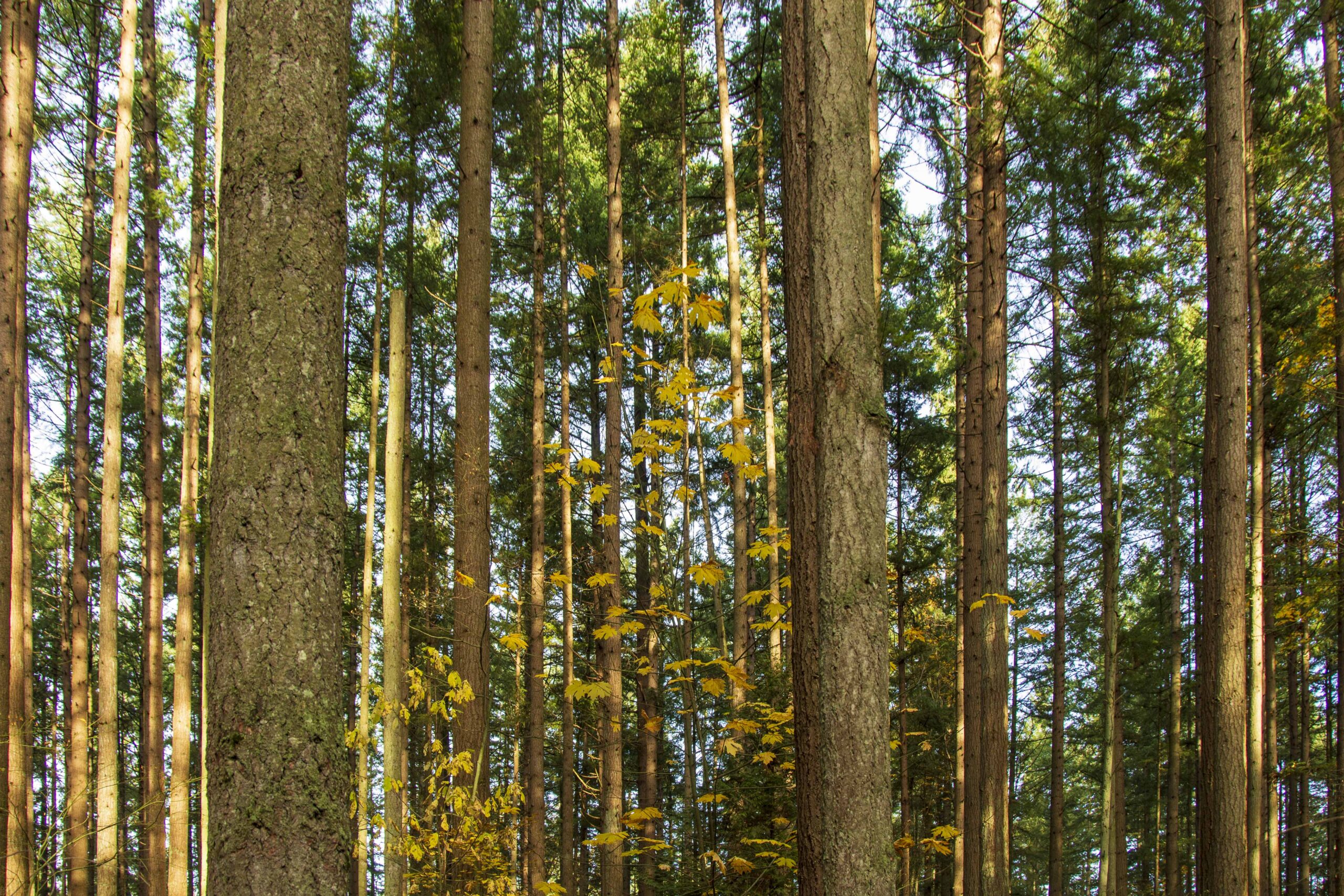 The odds of high-severity wildfire were nearly one-and-a-half times higher on industrial private land than on publicly owned forests, a new study found. Forests managed by timber companies were more likely to exhibit the conditions that megafires love—dense stands of regularly spaced trees with continuous vegetation connecting the understory to the canopy. The research, led by the University of Utah, University of California, Berkeley, and the United States Forest Service, is the first to identify how extreme weather conditions and forest management practices jointly impact fire severity. Leveraging a unique lidar dataset, the authors created three-dimensional maps of public and private forests before five wildfires burned 1.1 million acres in the northern Sierra Nevada, California. …Although the study demonstrates that private industrial lands fare worse, both private and public agencies have much room for improvement to protect our nation’s forests.
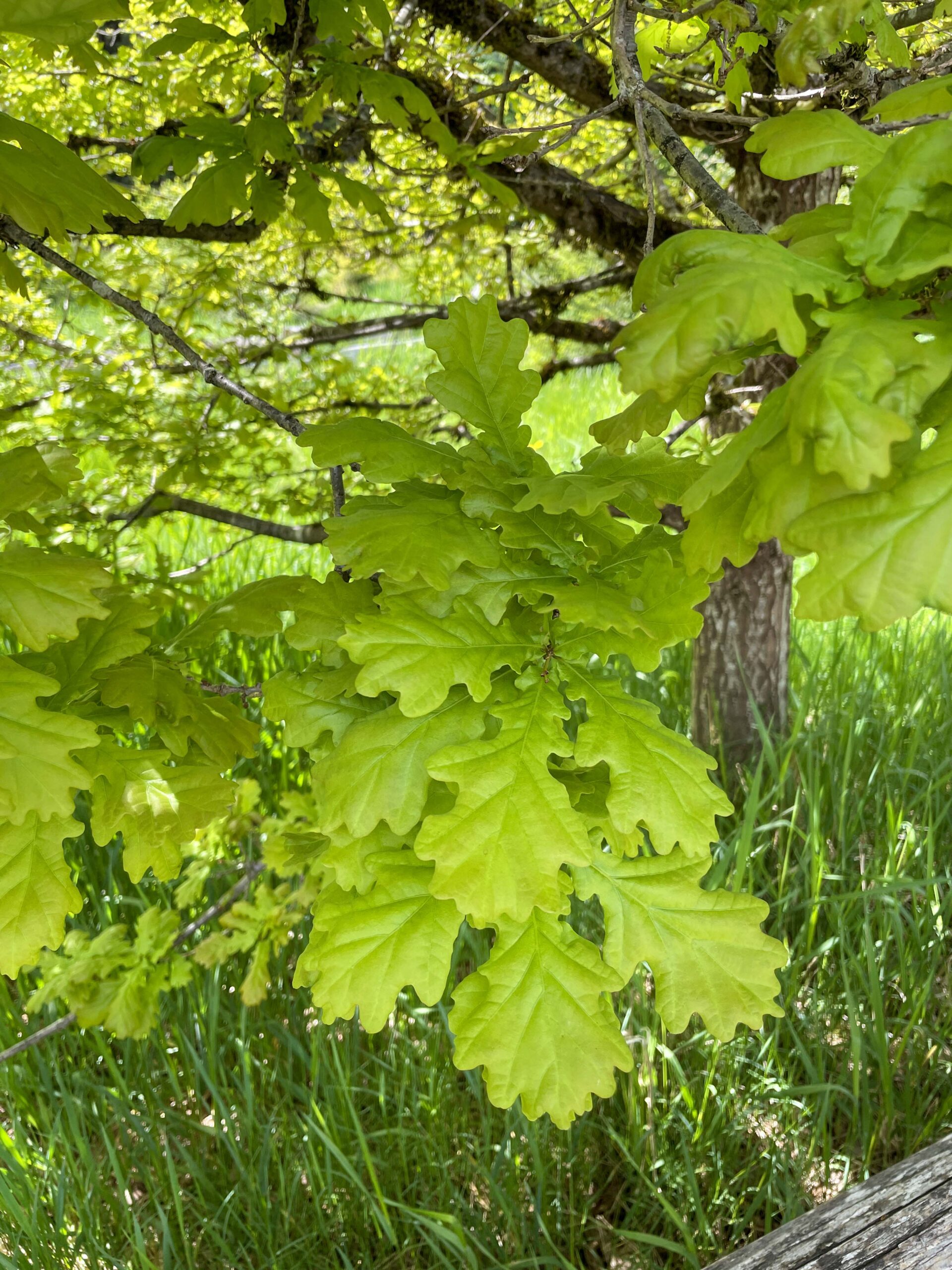 PORTLAND, Oregon — The USDA Forest Service and the Oregon Department of Forestry are investing $750,000 to restore oak habitat and reduce wildfire risk in the southern Willamette Valley. The project will reduce the risk of uncharacteristic wildfire and restore fire-adapted oak ecosystems that are important to wildlife, water quality, and rural communities. Work includes treating 150 acres of hazardous fuels while supporting partner efforts to treat an additional 1,200 acres — for a total of 1,350 acres restored. Landowners will receive assistance to implement oak management activities, including hazardous fuels mitigation, that promote resilient and fire-adapted forests. This investment is part of the Forest Service’s Landscape Scale Restoration (LSR) program, a nationally competitive grant program that supports collaborative, science-based projects across state, tribal, and private forestlands. The Forest Service invested $7 million to fund 19 projects nationwide, including $300,000 to this project in Oregon.
 Wildfires are a natural part of the landscape in much of Central and Eastern Oregon. James “Jim Bob” Collins has seen the damage a wildfire can cause and the effects it has on the land after the smoke clears. His district had worked for months to receive a $21 million grant from the U.S. Department of Agriculture that would have gone to wildfire mitigation in forests and rangelands. But this summer, just as wildfire season was starting, the government walked back on its offer in Wheeler County and across the state. All told $90 million worth of conservation work is on hold across Oregon. That’s left ranchers like Collins and his neighbors, whose land bears the scars of last year’s fires, hoping the rest of this year’s wildfire season is uneventful, as he and the conservation district he serves explore new ways to pay for the work.
 A budget crisis a century in the making is coming to a head as Oregon’s rural counties. The crisis originates with a compromise from the era of President Teddy Roosevelt and was prolonged by piecemeal solutions made during the Timber Wars of the 1990s. Now the president’s signature One Big Beautiful Bill removes a key funding source for Oregon’s timber counties. If nothing is done, rural counties could find themselves with no money to pay for sheriff’s departments or other essential needs. …Many rural Oregon counties once relied on a portion of revenue from trees logged on federal lands to cover the costs of essential services. That federal land doesn’t generate local property taxes… So the federal government started sharing a portion of its logging revenues with those counties. When those declined, federal lawmakers came up with the Secure Rural Schools program. …But Congress needs to regularly re-authorize the program.
 ATLANTA — The U.S. Department of Agriculture’s Forest Service announced it is investing more than $2.1 million in four projects across nine states in the Southern Region to restore state and private forestlands. These investments directly support the agency’s efforts to reduce wildfire risk, increase timber production, and expand rural economies, while providing critical support to landowners across management jurisdictions as they work to promote healthy, productive forests that benefit rural communities. The investments, totaling more than $7 million nationwide, are being delivered as competitive grants through the Landscape Scale Restoration program. Of the total funding, $600,000 will support two projects for federally recognized tribes. …In the Southeast, protecting wildlife habitat and restoring important forest ecosystems such as longleaf pine and oak are important priorities to ensure continued economic productivity of rural working lands.
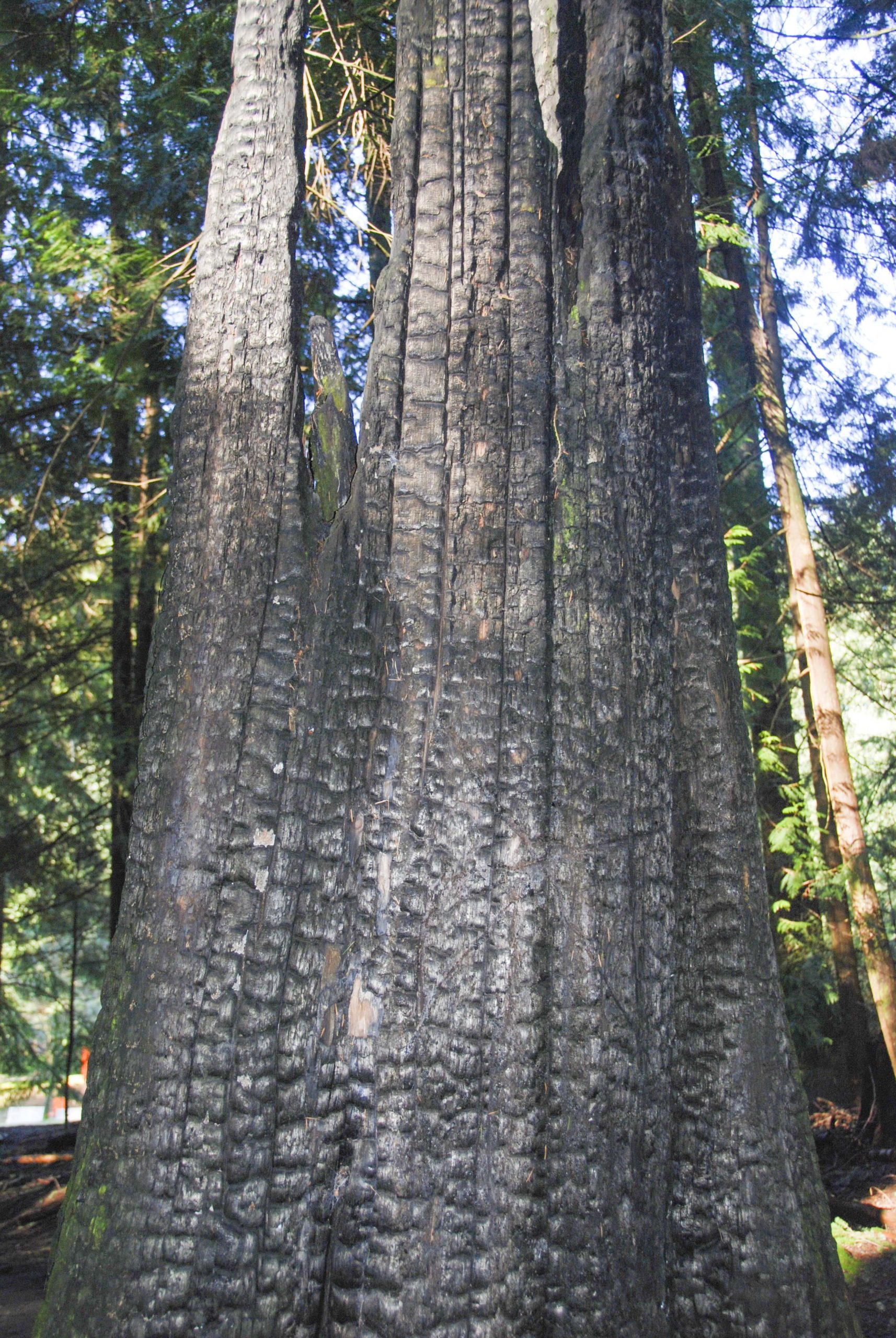 …a University of Delaware professor has found that there is something of value to be learned from what’s left behind in the remnants of a wildfire. The charred debris left in the wake of wildfires … is known as wildfire char. UD’s Pei Chiu, professor of civil, construction and environmental engineering, studies wildfire chars and the ways they just might prove useful in reducing methane, a powerful gas that traps heat in the atmosphere. Methane emissions come from many different sources, ranging from livestock manure to landfills and wastewater treatment plants. This work also informs his research on biochar — man-made chars created from leftover wood chips, rice husks, corn stover and other agricultural biomass — that can be used in soil amendments, stormwater treatment and other applications. Chiu shares five important facts about char — both natural (wildfire char) and manmade (biochar).
  One of the key agreements for Amazon rainforest protection – the soy moratorium – has been suspended by Brazilian authorities, potentially opening up an area the size of Portugal to destruction by farmers. Coming less than three months before Brazil hosts the Cop30 climate summit in Belém, the news has shocked conservation groups, who say it is now more important than ever that consumers, supermarkets and traders stand up against Brazilian agribusiness groups that are using their growing political power to reverse past environmental gains. Brazil is the world’s biggest soya bean exporter. The legume … posed a huge deforestation threat to the Amazon rainforest until stakeholders voluntarily agreed to impose a moratorium and no longer source it from the region in 2006. …Greenpeace Brazil called the move a “terrible mistake”, which was the result of political pressure from the “regressive wings of agribusiness”…
 JAKARTA, Indonesia — The recreational vehicle industry is now the biggest consumer of tropical wood in the United States, UK-based NGO Earthsight and Indonesian NGO Auriga Nusantara said. They said evidence showed sheets of tropical “lauan” plywood found in Indonesia were likely being used in the floors, walls and ceilings of RVs produced by major brands like Jayco, Winnebago and Forest River. “Nature-loving RV owners will be horrified,” said Earthsight director Sam Lawson. …Indonesia has one of the world’s highest rates of deforestation linked to mining, farming and logging, and is accused of allowing firms to operate in Borneo with little oversight. …PT Kayu Lapis Asli Murni, sourced timber mostly from rainforest in areas the NGOs visited, half of which was then exported to US firms MJB Wood and Tumac Lumber in 2024, they said.
 The Forest Stewardship Council has allowed Asia Pulp & Paper — “one of the world’s most destructive forestry companies” — to resume its remedy process toward regaining certification it lost in 2007 for deforestation and land conflicts. Watchdog groups say the decision is premature because a legal review of APP’s links to Paper Excellence/Domtar, the biggest pulp and paper company in North America, is still unfinished. Critics warn the move could erode trust, enable greenwashing, and expose communities in conflict with APP-linked companies to further harm. NGOs are calling for the remedy process to be paused until the review is completed and for full transparency on corporate ownership and compliance.