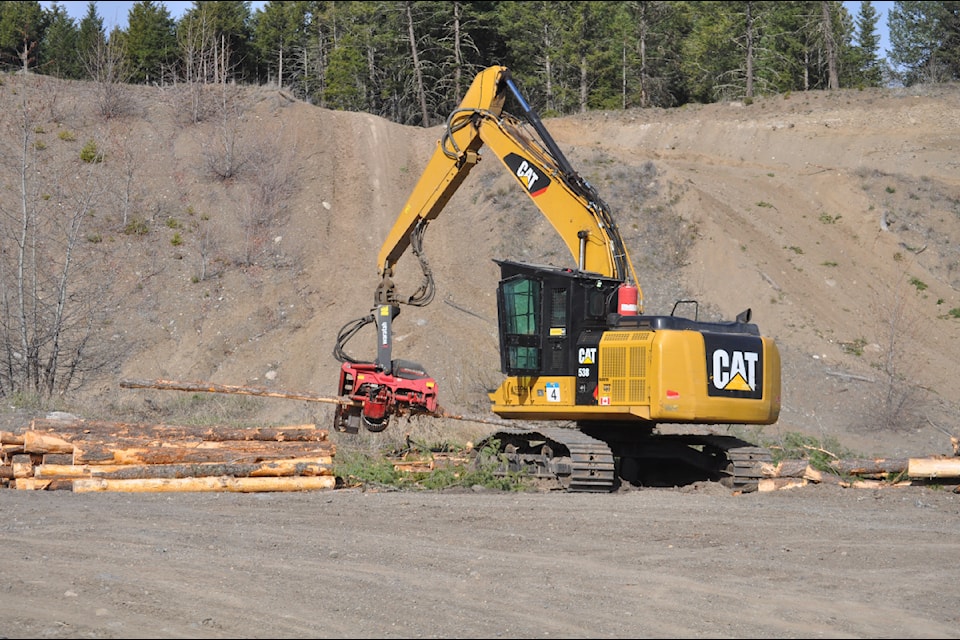
 Grade 11 and 12 students from Lake City Secondary School learned how to operate heavy machinery during the annual Heavy Metal Rocks program in Williams Lake. Twenty machines were donated by local industry for the program, and experienced operators volunteered their time to pair up with students and tour, guide and supervise as they learned how to operate each machine. From small and large excavators to rock trucks, graders, dozers, skidders and dump trucks… students were able to glimpse what working in mining and forestry is like, and consider whether they want to pursue a career in industry. …Mount Polley Mining Corporation, Gibraltar Mines, West Fraser and Tolko all sponsored awards for students who excelled in their respective areas from safety, operation, forestry and mining.
 The FSC Leadership Awards recognize excellence in the use of FSC-certified products, materials, and commitment to responsible forest management across industries, as well as in advocacy, conservation and individual leadership in the FSC community. Submissions are due Friday, July 25, 2025. Categories for submissions for people, organizations, and projects in the United States and Canada:
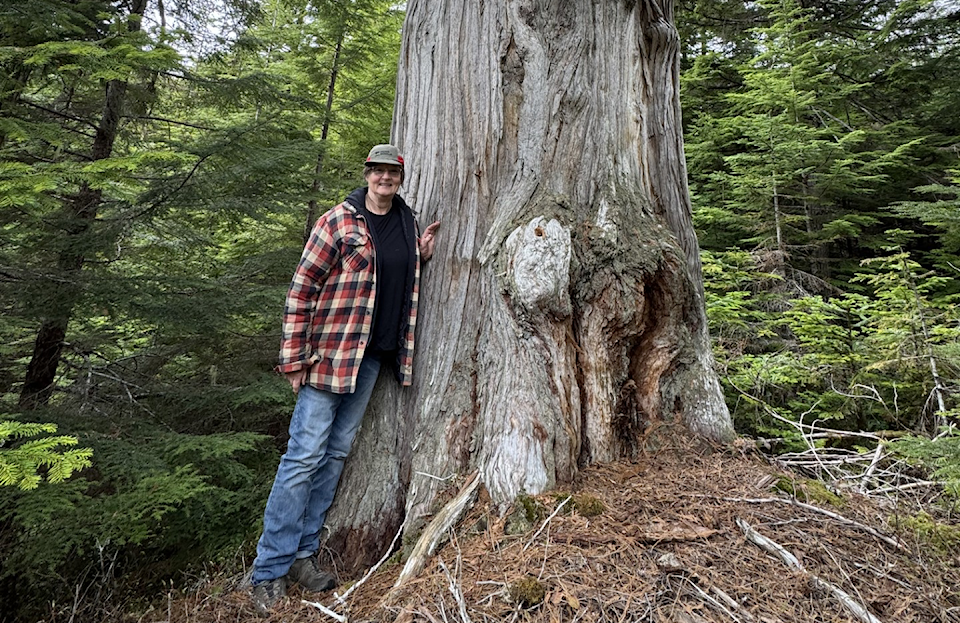
 May is Invasive Species Action Month and 33 organizations throughout BC will be able to continue their work fighting invasive plants, due in part to a funding boost. …Ravi Parmar, Minister of Forests said “No one person, group, agency or government can effectively control invasive plant species alone, and collaboration is critical to everyone’s success. The work these groups do is crucial in our fight to ensure BC’s environments remain healthy and vibrant.” …Nearly $3 million will go toward groups, such as regional invasive species committees, local governments, environmental groups, researchers and the Invasive Species Council of BC, to continue collaboration and support of invasive plant programs and management actions. …Gail Wallin, executive director, Invasive Species Council of British Columbia said, “Invasive plants are estimated to cost us over $2 billion in losses annually.”
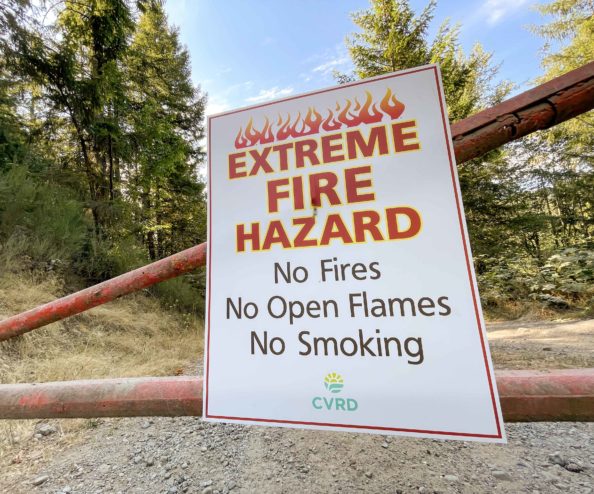 People are asked to use caution over the next several days as a combination of warm, dry conditions and strong winds in much of southern B.C. are adding to elevated wildfire danger. The BC Wildfire Service urges people to postpone any open burning until the windy conditions pass and to use extra caution when camping in the backcountry. “We are expecting active weather in the coming days that could set the stage for dangerous wildfire conditions across the province,” said Ravi Parmar, Minister of Forests. “This is the time of year when we’re at the most risk for human-caused wildfires in B.C., most of which are entirely preventable.” People planning to have campfires should do so safely, following any local prohibitions.
 With the Southern Interior’s hottest months just around the corner, FortisBC is putting important safety measures into place to help protect communities and its electricity system against wildfires, which includes adding extra precautions that could result in power outages. To further enhance its wildfire safety practices, FortisBC has introduced a Public Safety Power Shutoff (PSPS) policy, a new precautionary measure where electricity is proactively shut off in selected areas in advance of extreme weather. FortisBC is advising its customers to be prepared for these potential outages that help reduce potential ignition sources. …According to FortisBC, customers should always be prepared to be without electricity for at least 72 hours, especially during wildfire season.

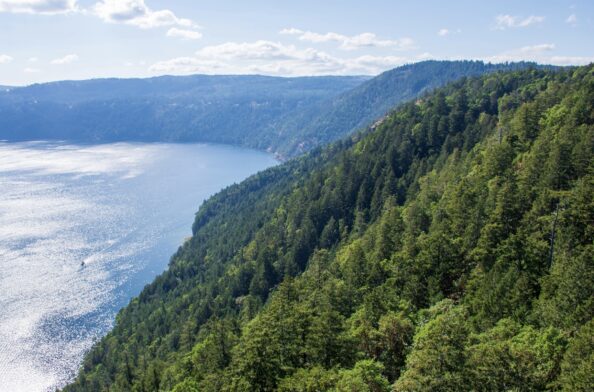 More than 80 per cent of the critical habitat for at-risk species in B.C. fails to meet federal protection standards, according to a government briefing document. The
 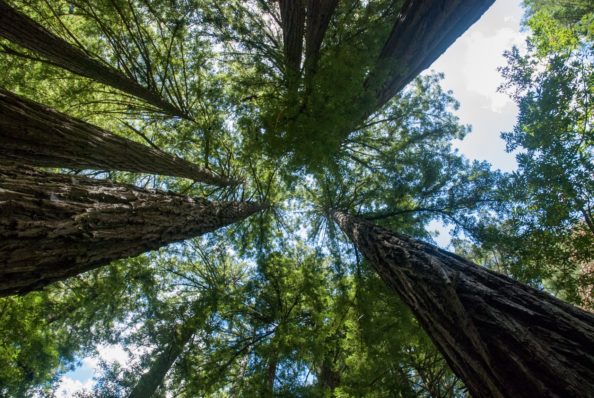 After we marked Earth Day last week, the significance of forests for conservation, community benefits and human health has never been more urgent to acknowledge. Forests play many critical roles for nature and people: they provide habitat for hundreds of species, act as water filters, reduce air pollution, and are places of community connection, recreation and refuge. However, many pressures, including severe storms and wildfires, invasive alien species and habitat loss threaten these ecosystems, the benefits they provide and the relationships they support. …The economic value of our forests is just as vital as their ecological importance. According to the Forest Products Association of Canada, more than 200,000 Canadians earn their livelihood directly from forestry, sustainable agriculture and eco-tourism, contributing an impressive $87 billion in annual revenue. …The call is clear: safeguarding Canada’s forests means safeguarding ourselves. Our natural resiliency, our economic prosperity and our health require us to do our part.
 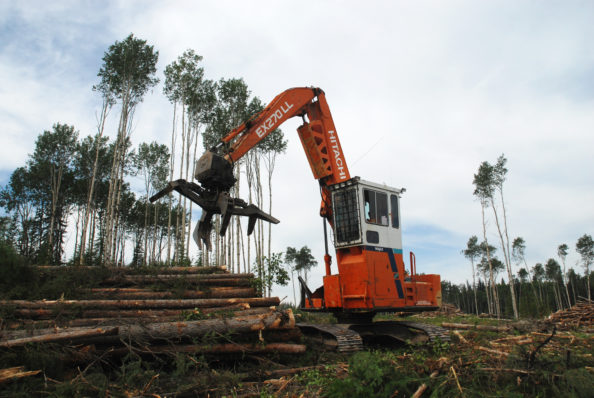 …As northern B.C. sawmills have closed over the past few years, a common refrain has been in each company press release. Punishing tariffs, high log costs, lack of access to B.C.’s plentiful timber and uncertainty in permitting processes… Is this the opening we need to dispense with the notion we need to begin turning B.C. into one big park for the world to enjoy? …Although B.C. has lost many of our lumber manufacturing facilities, our main ingredients are still here – our forests, its trees and a workforce, which when combined, provides for some of the best quality forest products in the world. Despite the economic hit our rural communities and residents have sustained with the loss of our forest industry, it is only a temporary setback, if we treat it as such, and do not let our governments succumb to the “end the forest industry” ideology that is so prevalent today.
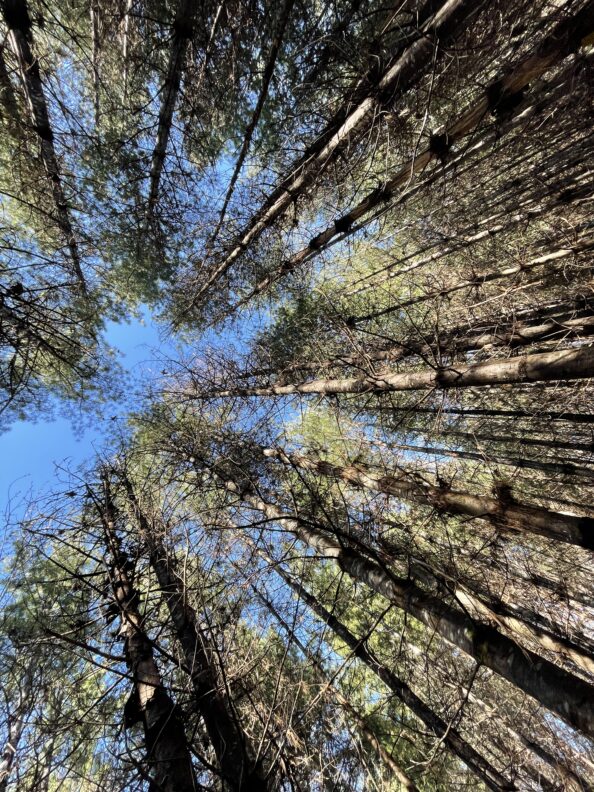 The Forest Enhancement Society of BC has given over $5 million for 18 projects in the Cariboo Region. Executive Director Jason Fisher said the Society distributes the money on behalf of the Province to invest in Forest Management activities related primarily to two major functions. “There’s the wildfire risk reduction, which involves going in and removing potentially some of the crown closure, removing some of the stems, some woody debris off the ground and making forest stands more resilient in the event of wildfire or less likely a wildfire that occurs in those stands would lead to more catastrophic wildfires.” Fisher said the other major function is wood recovery and utilization. In damaged stands, or post harvesting “we will help support applicants in going in, collecting that wood [debris] and bringing it to facilities like pulp mills or pellet plants to generate economic opportunities.”
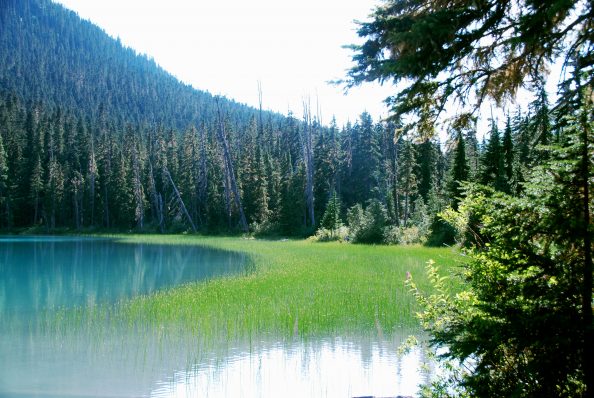 A temporary closure will take place at Pipi7íyekw/Joffre Lakes Park to provide time and space for members of the Líl̓wat Nation and N͛Quatqua to reconnect with the land and carry out cultural and spiritual practices. Pipi7íyekw/Joffre Lakes Park has become one of the busiest parks in the province. As more people go to the park, there is a need for enhanced visitor-use management, ensuring the park is not degraded by heavy use. Temporary closures to the park for recreational visitors will occur from April 25 until May 16, 2025. Beginning Saturday, May 17, adults and youth older than 12 will require a free day-use pass to visit the park. …The park is collaboratively managed with Líl̓wat Nation and N’Quatqua with the primary goal of maintaining the natural environment, and so the Nations can continue their cultural practices on their territory.
  Communities and workers throughout British Columbia are benefiting from 64 new Forest Enhancement Society of BC (FESBC) supported projects that reduce wildfire risk, enhance forest health and get more fibre into the hands of mills and energy producers. “The projects will remove almost 11,000 truckloads of flammable waste fibre from our forests,” said Ravi Parmar, Minister of Forests. “…This fibre that once would have been burned in slash piles will instead support workers and help keep communities safe.” With $19 million in provincial funding, projects will take place in all eight of the Province’s natural resource regions. This includes 31 led by First Nations and another 14 with First Nations involvement, demonstrating the critical leadership role First Nation communities are playing in restoring and protecting B.C.’s forests. This funding is part of the $90 million allocated in 2025 for wildfire-prevention initiatives through BC Wildfire Service, FireSmart initiatives and FESBC.
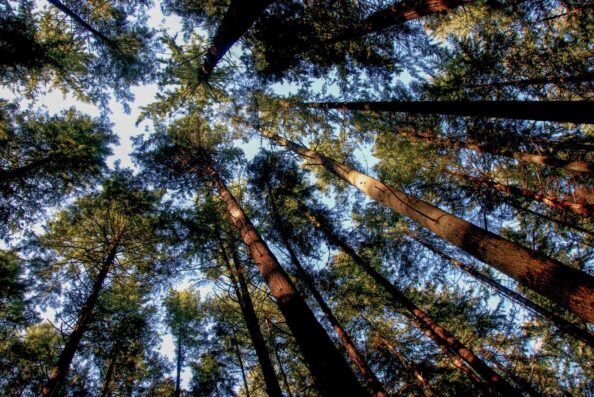 The Ancient Forest Alliance (AFA) and Endangered Ecosystems Alliance (EEA) are calling for better protection of old-growth forests from the BC Government. [They want the] province to refocus their measures, implement their draft biodiversity, and Ecosystem Health Framework to ensure a transition to a sustainable forest industry. Executive Director of EEA Ken Wu said there is two directions the government can go in response to tariff threats from the U.S. “Either take the easy but foolish route by falling back on the destructive status quo of old-growth logging and raw low exports, or instead take the opportunity to invest in a modernized, sustainable, value-added, second-growth forest industry that is the future of forestry in BC, while protecting the last old-growth forests.” …The groups are also issuing a warning which commercial logging must not be permitted in protected areas under the guise of wildfire risk reduction.
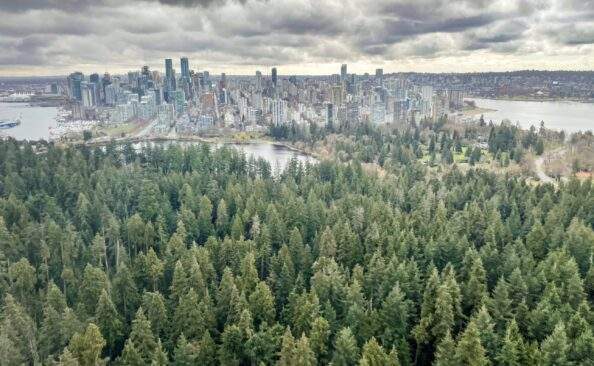 The Sḵwx̱wú7mesh Úxwumixw (Squamish Nation) is calling for better education on Stanley Park’s Indigenous history after a First Nations group threw their connection into question during a logging protest earlier this month. A “sacred fire” lit March 15 was kept ablaze for over a month at Brockton Park’s totem poles by a woman who identified, according to protest group Save Stanley Park, as a “matriarch” of the land. The woman claimed to be a descendent of “Portuguese Joe”, an early B.C. settler with Musqueam lineage, and was in protest of the Vancouver Park Board’s ongoing project to remove hundreds of trees affected by the looper moth disease. Squamish Nation elected councillor Wilson Williams says the claims are still yet to be verified, and his own community is left reeling at the group’s failure to address the history of the Squamish people that dates back thousands of years within the park.
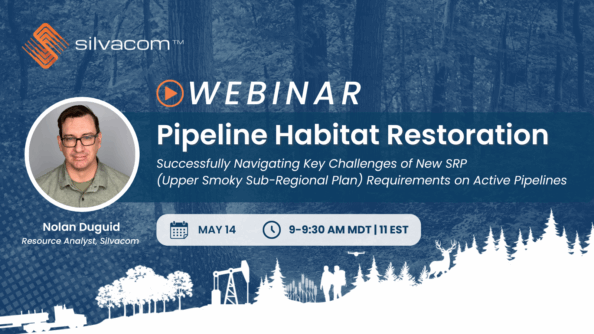 Silvacom is hosting a free webinar titled “Pipeline Habitat Restoration: Strategies and Innovations” MAY 14, 2025 9:00 AM MDT | 11 EST. This event will bring together industry experts, environmental scientists, and key stakeholders to discuss the latest developments and best practices in habitat restoration in areas affected by pipeline projects. Join Our Webinar on Pipeline Habitat Restoration: Successfully Navigating Key Challenges of New SRP Requirements on Active Pipelines (Upper Smoky Sub-Regional Plan). With Alberta’s Sub-Regional Planning Process introducing new regulatory requirements for caribou habitat restoration, the energy sector must adapt and implement habitat restoration on active pipeline corridors. Unlike decommissioned or abandoned pipelines, active right-of-ways (ROW) present unique operational, regulatory, and ecological challenges. This webinar will explore the complexities of meeting habitat restoration objectives while balancing: Ecological restoration goals; Operational efficiencies; Regulatory requirements; and Indigenous community and stakeholder values.


 The Trump administration’s attempt to weaken the Endangered Species Act is easy to criticize. This month, it proposed a rule that would limit what constitutes “harm” under the law to only direct actions against wildlife, such as hunting, wounding or trapping. Destroying their habitats would no longer count. …As scientists warn that the world is entering a period of mass extinction, lawmakers would be wise to rethink federal conservation strategies. This means reforming the Endangered Species Act to better incentivize citizens to protect the country’s precious biodiversity. …The government could, for instance, turn protected species into assets by giving landowners financial incentives to assist in conservation efforts. …President Donald Trump and his party are unlikely to embrace these reforms. But Congress in recent years has shown that there is strong bipartisan appetite to strengthen protections for endangered species. The best way forward is to embrace market-oriented strategies.
 The Agriculture Research Service researchers are helping to mitigate a destructive tree and insect that continue to spread across the United States. With its lush tropical canopy and ability to quickly grow toward the sky, the Tree of Heaven seems as angelic as its name suggests. However, Tree of Heaven is proving to be a devil. The invasive tree is aggressive and damaging as it spreads rapidly across Mid-Atlantic and Midwestern states. …Not only is Tree of Heaven an environmental menace, it is also “the most favored host” of the invasive spotted lanternfly, according to Tracy Leskey, a research entomologist in Kearneysville, WV. Leskey and university partners are working to reduce both Tree of Heaven and spotted lanternfly populations through ARS’ Area-Wide Pest Management program. Their goal is to suppress the populations of both invasive species … all while alleviating the impact on native pollinators and plants.
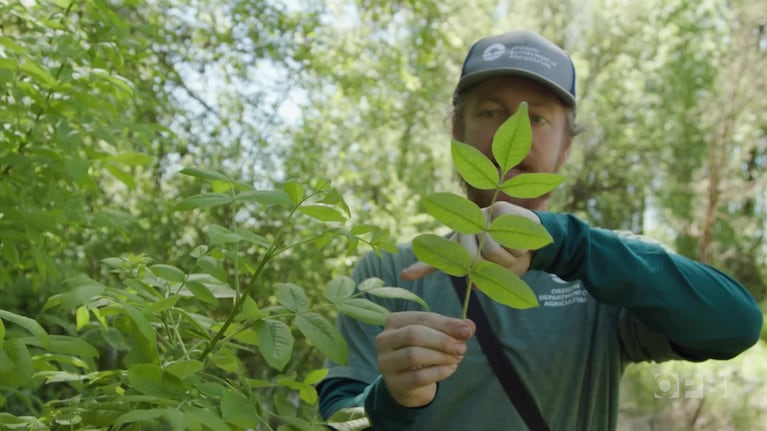

 The Washington State Department of Natural Resources recently began a multi-faceted forest restoration project across approximately 150 acres of the Mount Baker-Snoqualmie National Forest near Verlot. The Pilchuck Restoration Project is led by the Department of Natural Resources (DNR) Federal Lands Program under the agency’s Good Neighbor Authority agreement with the USDA Forest Service. Established in 2014, the GNA allows DNR to leverage its resources with federal and local partners to perform a variety of restoration activities on federal lands. Operators are following a carefully designed prescription focused on thinning out the small-diameter, younger trees that, due to past management practices, are overcrowding tree stands to the detriment of the larger, older trees.
 A big change could be coming to U.S. wildlife conservation policy. In mid-April, the National Oceanic and Atmospheric Administration and U.S. Fish and Wildlife Service announced a proposal to change how the term “harm” would be defined in the Endangered Species Act. …According to Paula Swedeen, policy director at Conservation Northwest, the goal of the change is to bring the definition of “harm” in the ESA closer to what the Trump administration believes is its originally-intended meaning. …Washington state has its own conservation plans that are already in place on state lands. According to Swedeen, there’s reason to think that the changes to the ESA won’t impact those too much. …According to Swedeen, the spotted owl is one of the best examples of how endangered species could be put at risk by the proposed new ESA reading. …changes could also impact other endangered species in Washington, like the grizzly bear
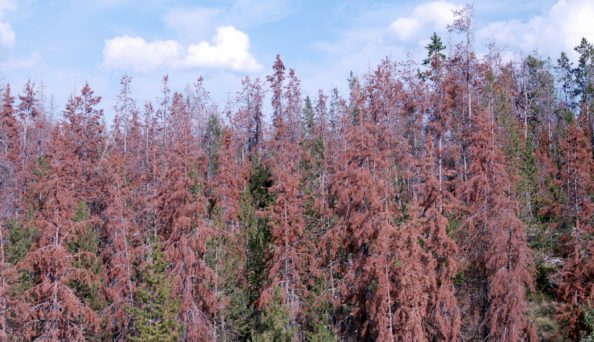 …a relatively wet 2023 for much of the state bolstered many trees against the spread of the mountain pine beetle, the separate spruce beetle and the spruce budworm. But a dry 2024 set the pests marching again by sapping forests of the water they need to stay healthy and fight off infestations, said Dan West, entomologist with Colorado State Forest Service. Colorado’s higher-altitude forests need several normal to wet seasons in a row to build up true resiliency, he said. One dry season meant Western spruce budworm affected 217,000 acres of state forests in 2024, up from 202,000 acres in 2023… Mountain pine beetle… grew to 5,600 acres of impact. The Douglas-fir beetle impacted 21,000 acres in 2024, its largest total damage in almost 10 years… Western balsam bark beetle …is still the … most widespread by acreage. The acres affected by the balsam bark beetle held steady at 27,000, but more of those trees die.
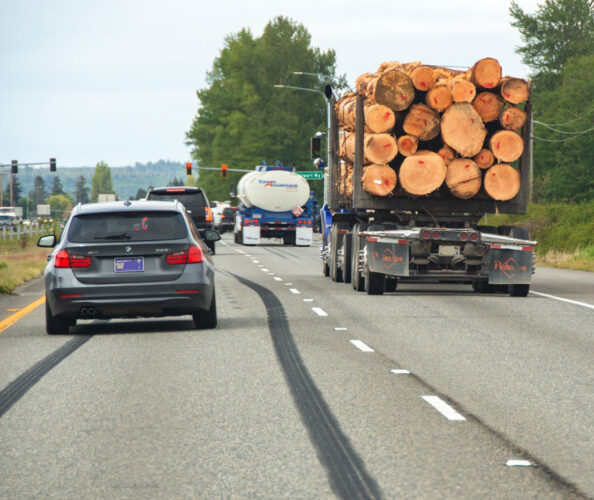 Increased timber production may be coming to the Volunteer State, impacting the Appalachian forests in East Tennessee. A new emergency order from the U.S. Department of Agriculture allocated 59% of national forests across the country for timber production. …However, the economics benefits of logging come at a steep price, according to The Wilderness Society. “Don’t be fooled: the Trump Administration and its allies in Congress aren’t trying to solve the wildfire crisis or protect communities threatened by it. Instead, they are aiming to deepen the pockets of private industry to log across our shared, public forests, while sidestepping public review,” said Josh Hicks, Conservation Campaigns Director at The Wilderness Society. …A majority of the impacted U.S. Forest Service areas are in the western half of the United States. However, the USDA declaration also impacts Appalachia and East Tennessee. The affected areas total more than 112 million acres of U.S Forest Service land.
 From the summit of Katahdin, the view is of forests stretching in all directions. …Forty-five years ago this scene would have been quite different. A voracious insect called the spruce budworm was ravaging Maine’s North Woods, killing mountainsides of balsam fir and red spruce. …Today, foresters and landowners are nervously tracking a renewed spruce budworm presence in the North Woods. The insects have already stripped hundreds of thousands of forest acres in Quebec and Ontario. After decades of heavy logging, scattered tracts are being managed with ecological timbering methods that strive to maintain natural systems — but most are not. Questions abound over how the state’s forests, both the northern timberlands and smaller, privately owned tracts throughout the state, will fare in a world beset by climate change. …And there’s the coming spruce budworm invasion.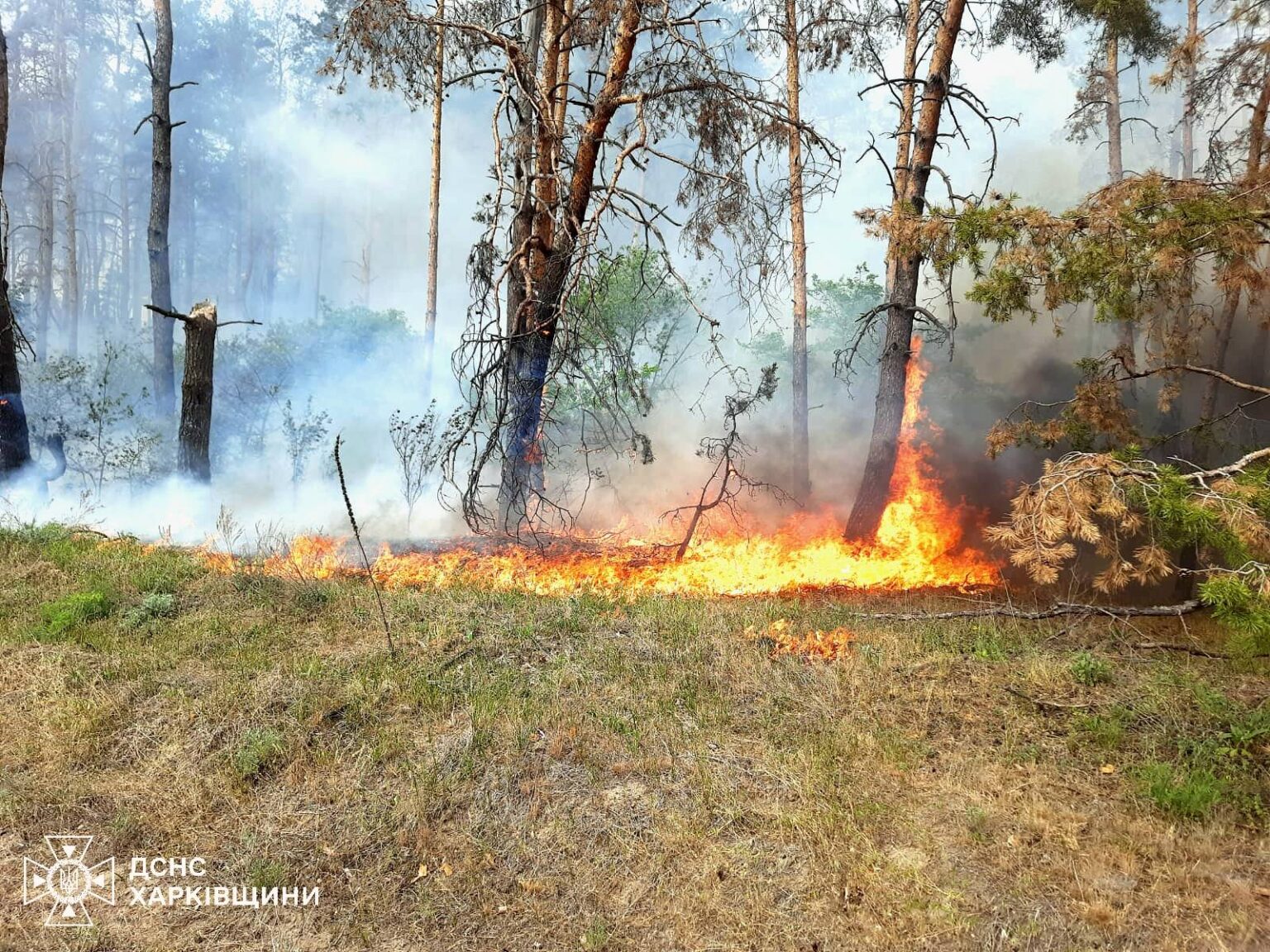

 BRUSSELS – For fashion companies grappling with the EU’s ambitious anti-deforestation law, a recent tweak from the European Commission may appear to offer some relief. As the December deadline looms for the landmark EU Deforestation Regulation (EUDR), Brussels has eased what some companies claimed were daunting reporting requirements. Instead of the initially mandated declaration for every shipment of goods linked to forest destruction, companies now only need to submit a single annual due diligence statement. …The Commission hopes this new simplification – which also includes allowing authorised representatives to file for company groups and enabling reuse of statements for re-imported goods – will shave off a significant 30% in reporting burdens and associated costs for affected businesses. However, the EU Commission’s simplification is being met with concern by environmental campaigners. As Reuters reported, the streamlining of paperwork has sparked fears that the teeth of the EUDR might be blunted.
 The age of forest restoration has arrived. Between 1990 and 2020, our planet lost 420 million hectares of forest cover, with grave consequences for climate, biodiversity and resource security. For years, large-scale restoration efforts were hindered by concerns around cost-effectiveness and results — but science has come a long way. Yields are higher, and the cost is lower. Advances in methods for measuring carbon storage, creating three-dimensional maps of forest, planting and surveying wildlife populations have removed technical impediments. Now, new financial models are removing the final barrier to large-scale restoration. Philanthropy alone cannot restore, rewild and conserve hundreds of millions of hectares, especially in tropical systems in the global south. …We must find ways to unlock private capital for restoration. Fortunately, commercial restoration projects are now under way across the world and forward-thinking companies are building a strong business case for investing in nature.