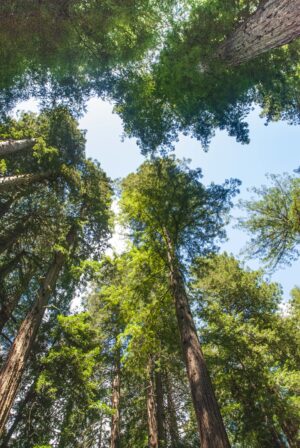
 President Trump is promising to unleash the US timber industry by allowing companies to raze swaths of federally protected national forests. …His order — which calls for the ramping up of the domestic timber production to avoid reliance on “foreign producers” — was followed by sweeping 25% tariffs on Canadian products, including lumber. …However, it’s more complex than simply swapping out Canadian imports for homegrown timber, said industry experts. …Meanwhile, environmental groups say clearcutting national forests will pollute the air and water and exacerbate climate change. Anna Kelly, White House deputy press secretary, referred to multiple organizations that have released statements of support about opening up federal land for logging, including the American Loggers Council, the American Forest Resource Council and the Forest Landowners Association. Increasing logging on federal lands would increase the supply of logs for US industry, said FEA’s Rocky Goodnow… but it won’t replace Canadian imports in the near term.



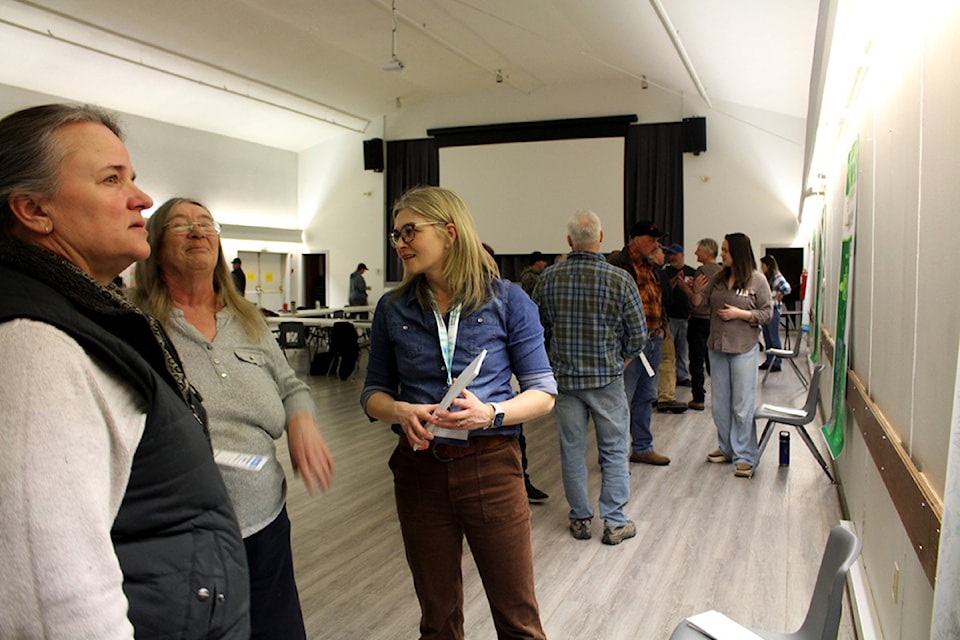
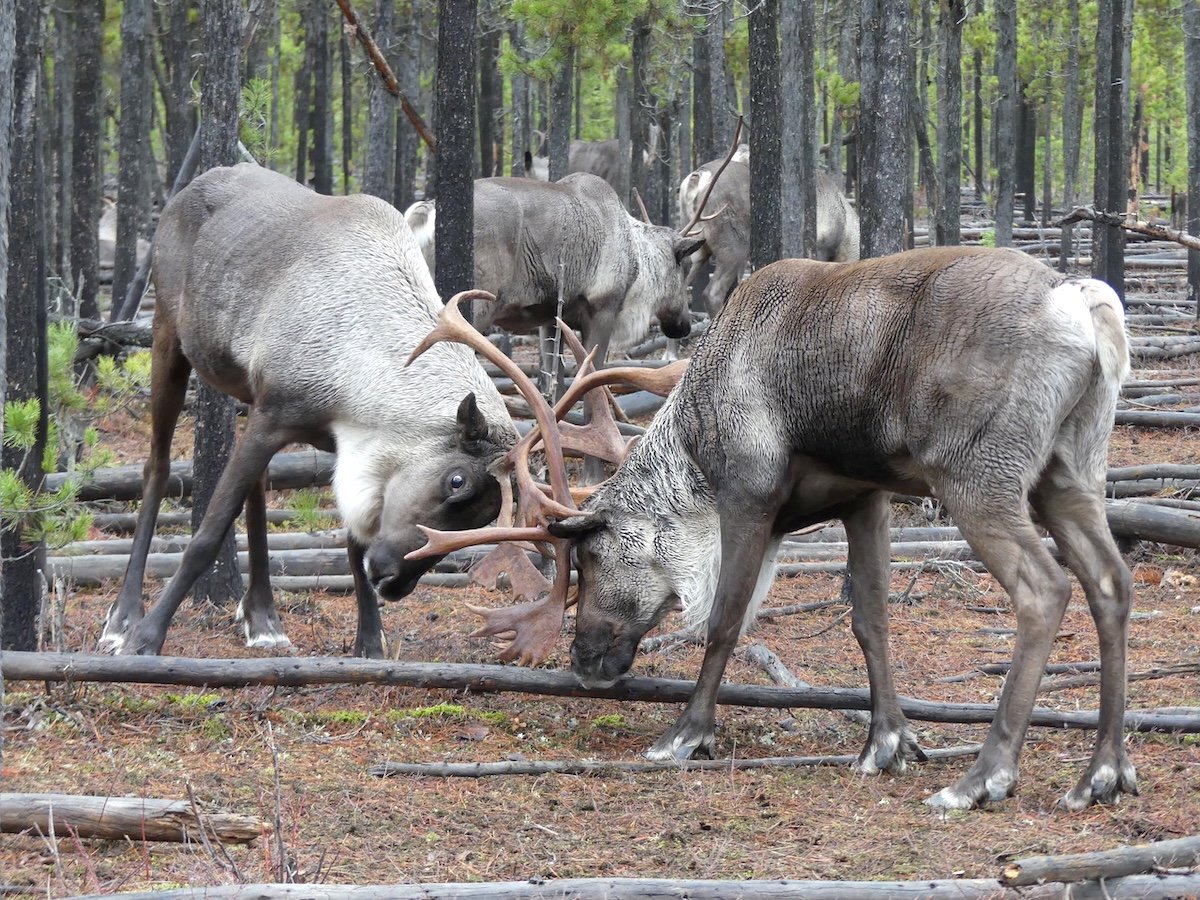

 Are clear-cuts in forestry bad? I would say no. Nature demands that there is a mosaic of age classes to support conservation of biodiversity. …Wildfire “clearcuts” following insect invasion, disease, wind or old old trees aging out in many forests. …Logging and tree planting have proven logged clear-cuts are a gentler treatment for refreshing forests when compared to traumatic wildfires. On top of the biodiversity and conservation benefits, we get socioeconomic benefits of forest products and employment and resulting government services and infrastructure. …In certain areas where trees are shade tolerant, such as in Interior Douglas Fir areas, various types of selection may be prescribed to fit the ecology of the site. Biodiversity provides for all species in a mosiac of different types across the landscape. Look outside, it is not one continuous environment.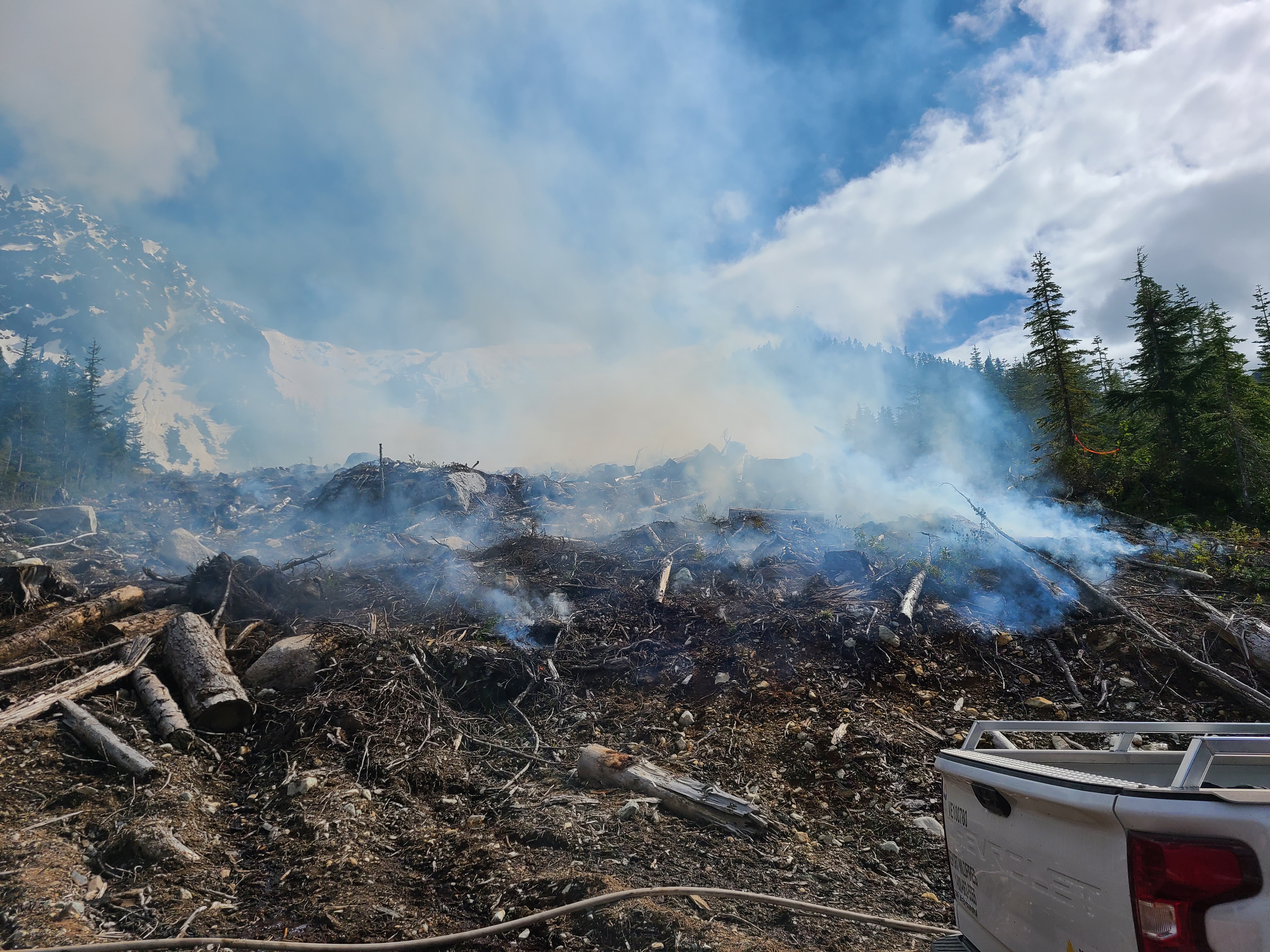

 WINNIPEG, MB

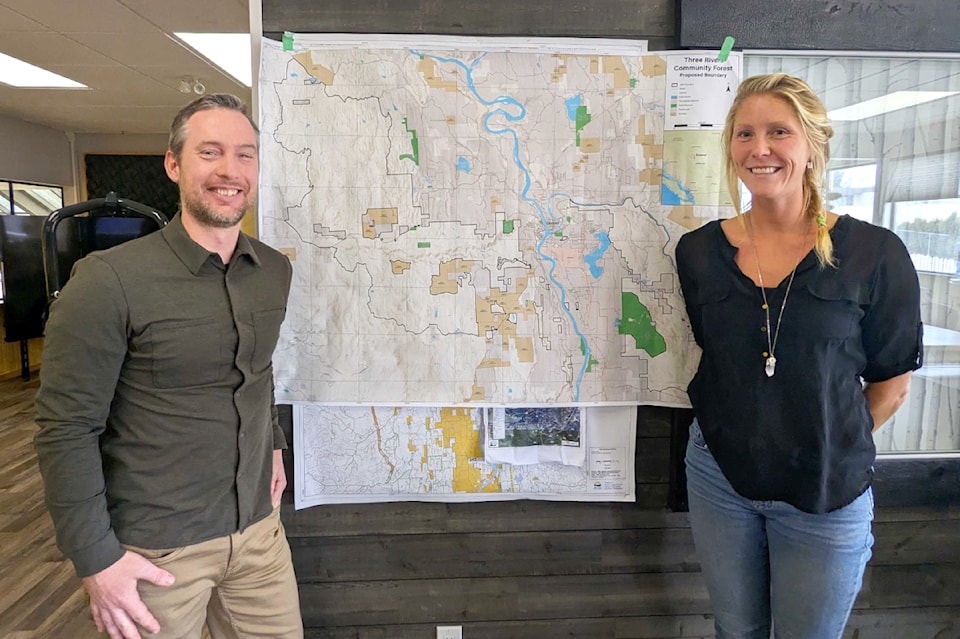
 B.C.’s Ministry of Forests will pump $28 million into 74 wildfire-prevention projects across all eight of the province’s natural resource regions, an investment applauded by NDP MLAs given its nearly $3-million investment in Kootenay communities. Through the Forest Enhancement Society of BC (FESBC), 43 new and expanded fibre-recovery projects and 31 new and expanded wildfire-mitigation projects will receive the funding, with all 74 projects expected to be complete by end of March. …In the Kootenay natural resource region, some $2,854,000 is supporting seven projects. These include $1.6 million for Nk’Mip Forestry in Castlegar; $593,000 for the Slocan Integral Foresty Cooperative; $396,000 and $46,500 for the Nakusp and Area Community Forest in Nakusp and New Denver, respectively; $101,000 for the Harrop-Procter Community Co-operative; $96,500 for the West Kootenay Woodlot Association in Nelson; and $21,000 for the Creston Valley Forest Corporation.

 In response to the Whitebark Pine Harvesting complaint response from the Forest Practices Board (FPB). Having been aware of and having followed the complaint over the last couple of years, it is interesting to read the FPB’s response summarized by Gazette staff in the Feb. 19, 2025 edition. The gravity of harvesting the Cut Block in question has more potential consequences than what meets the eye….We as local inhabitants of the Boundary have not yet convinced the Government to take these high elevation forests out of the Timber Harvesting Land Base (THLB) within the Boundary Timber Supply Area (TSA) or TFL 8. Doing so would help aid in preventing droughts and floods. Subalpine forests are harsh environments where tree establishment and growth is very difficult and slow. Will the Whitebark Pine seedlings survive in sufficient numbers to reestablish a new forest?…What are we doing?
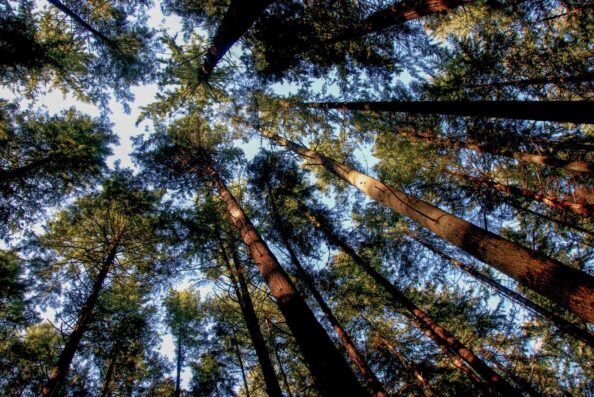 A new wildfire risk reduction project in Bella Coola is set to benefit the community by improving forest safety and supporting local jobs. North Coast-Haida Gwaii MLA Tamara Davidson says the initiative will help reduce wildfire threats while increasing the fibre supply for the forestry industry, which continues to face challenges from U.S. tariffs on softwood lumber. The Bella Coola Community Forest is a cherished part of the region for both locals and visitors, said Davidson. Projects like this not only help protect against wildfires but also provide valuable community education and create good-paying jobs—critical as we deal with climate change and rising wildfire risks. The Bella Coola Community Forest organization is receiving nearly $149,000 to complete wildfire mitigation work in an area south of Hagensborg and the Bella Coola airport.
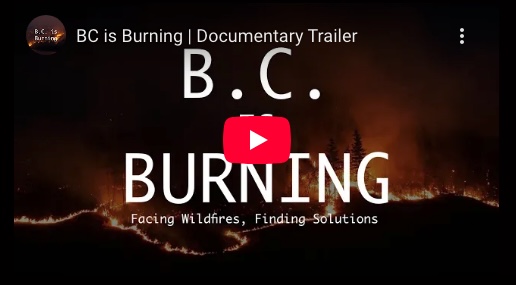 Rick Maddison, who lost his home in the 2003 Okanagan Mountain wildfire, and Murray Wilson, a retired forester of Vernon have teamed up to create the film B.C. Is Burning, a documentary that focuses on solutions, rather than devastation. “I’m hoping if these ideas in the film are adopted, more communities can be protected from this ongoing threat,” said Maddison. The project began in 2024, and the team is looking to raise funds to help finish the project and distribute the film. …“We’ve spoken with some of the leading people in the field,” said Wilson. “Their insights could change how we manage our forests — and how we protect our communities.” The team is hoping to raise $45,000. Recognizing the film’s importance for B.C.’s future, Kelowna-based Homestead Foods, a local hydroponics and sustainable farming operation, has agreed to match donations up to $22,500 to fund the final stages and the launch of the documentary. To watch the trailer and donate, visit

 VICTORIA – Workers and communities throughout B.C. are benefiting from Forest Enhancement Society of BC (FESBC) supported projects that reduce wildfire risk and increase fibre supply, keeping local mills and energy plants running in the face of U.S. tariff threats and unjustified softwood lumber duties. With $28 million from the Province, FESBC is supporting 43 new and expanded fibre-recovery projects and 31 new and expanded wildfire-mitigation projects. “In tough times, I want workers in our forest sector to know I’ve got their back,” said Ravi Parmar, Minister of Forests. “Whether it’s better utilizing existing sources of fibre or helping protect communities from wildfire, the projects are supporting workers and companies as they develop new and innovative forest practices.” Projects are taking place in all eight of the Province’s natural resource regions, helping create jobs, reducing wildfire risk and supporting B.C.’s pulp and biomass sector. They will be complete by the end of March 2025, in advance of wildfire season.
 BURNABY, BC
 The Willow Creek watershed project will restore wetlands and watercourses in the Homalco First Nation’s territory to reduce flooding and other climate disaster risks, but also boost cultural values and sustainable economic development, said Xwémalhkwu (Homalco) Chief Darren Blaney. Wetlands and riparian areas are critical because they slow and store water moving across the landscape during heavy rains to prevent floods and reduce the wildfire risk created when forests dry out. The Xwémalhkwu, whose territory is in the Campbell River area, recently secured $1.5 million in provincial funding for watershed mapping to identify flood risks and environmentally important areas, Blaney said. The project will focus on balancing the community’s climate resiliency with ecological needs. …Collaborating with partners like Strathcona Regional District will create a holistic approach to flooding that will also protect downstream neighbours, like Campbell River’s Willow Point community, David Carson, Homalco’s emergency planning and land use consultant noted.
 .JPG;w=960)
 QUÉBEC – The Ministry of Environment and Climate Change announced the signing of a Canada-Quebec agreement to advance the protection and conservation of nature throughout Quebec. The Government of Canada will invest up to $100 million between now and 2027 to support the objectives of Quebec’s 2030 Nature Plan and Canada’s 2030 Nature Strategy. This nature agreement reflects both governments’ commitment to implementing the Kunming-Montréal Global Biodiversity Framework and establishes a series of objectives to achieve this: Create and expand protected and conserved areas, and accelerate the conservation of natural environments on private land in southern Quebec, including through the implementation of urban park projects; Take action to address threats to biodiversity, better protect threatened or vulnerable species, and foster the recovery of at-risk species; Control invasive alien species; and Support Indigenous leadership in biodiversity conservation.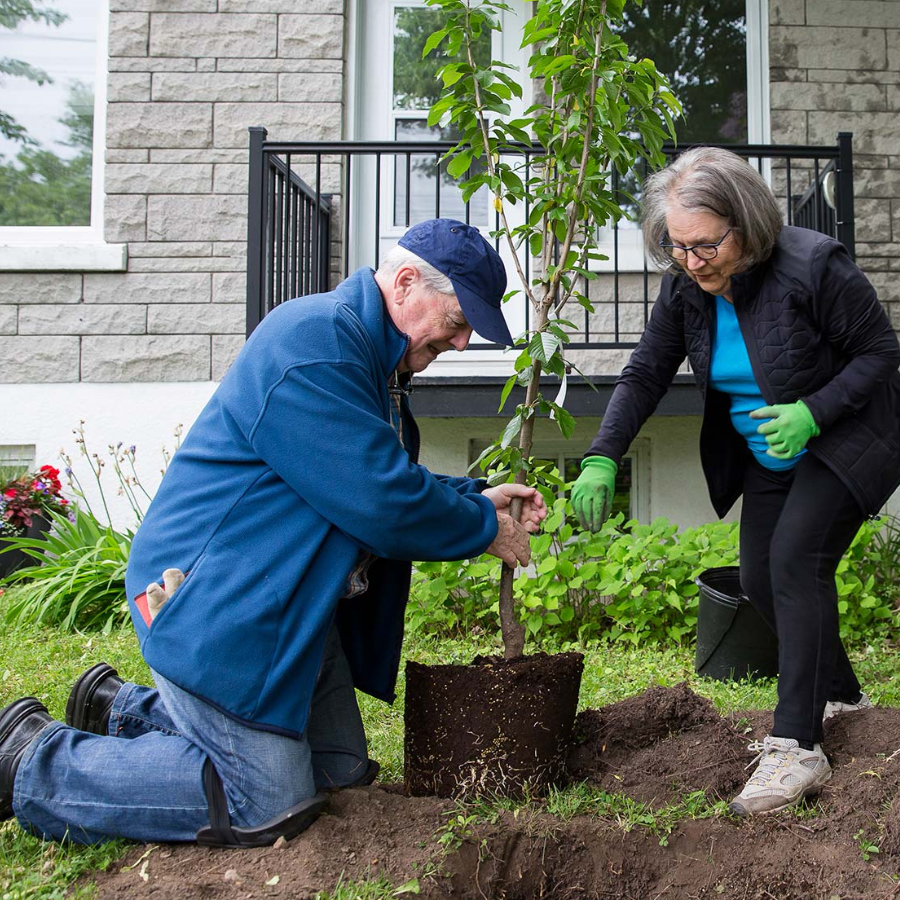


 The Trump administration touted logging as the next frontier in job creation and wildfire prevention, but those goals will face confounding challenges. Trump issued two executive orders on March 1: the first to boost timber production on federal land and the second to address wood product imports. The moves were cheered by the timber industry. “These are common sense directives,” said Travis Joseph, president of the American Forest Resource Council, a timber industry trade group. “Our federal forests have been mismanaged for decades and Americans have paid the price in almost every way – lost jobs, lost manufacturing, and infrastructure.” Timber groups and rural lawmakers also said the orders could help manage overstocked forests and reduce the threat of wildfire. But conservation groups and forestry experts say cutting down more trees doesn’t inherently reduce wildfire risk and can actually increase it. The plan also faces pushback about environmental concerns and economics.
 President Donald Trump took action last weekend to increase domestic logging by circumventing environmental protections and to staunch the flow of imported lumber products primarily from Canada. A pair of executive orders — one addressing timber and wood product imports, the other addressing logging on federal lands — drew praise from the logging industry, condemnation from environmental and wildlife groups, and concern from the construction industry over higher prices. The order rolls back the degree to which the agencies have to comply with the Endangered Species Act or consider negative impacts of logging. …[making] it easier for environmentally damaging clear-cut logging to be approved. …The executive order on timber production … can exempt projects from complying with the landmark law. …allowing projects to proceed even if they will harm a protected species or result in extinction. Historically, the committee has been used to aid recovery from natural disasters, not to expedite resource extraction.
 FRANKFURT – Bayer has told U.S. lawmakers it could stop selling Roundup weedkiller unless they can strengthen legal protection against product liability litigation, according to a financial analyst and a person close to the matter. Bayer has paid about $10 billion to settle disputed claims that Roundup, based on the herbicide glyphosate, causes cancer. About 67,000 further cases are pending for which the group has set aside $5.9 billion in legal provisions. The German company has said plaintiffs should not be able to take Bayer to court by invoking U.S. state rules given the federal U.S. Environmental Protection Agency has repeatedly labelled the product as safe to use, as have regulators in other parts of the world. “Without regulatory clarity (Bayer) will need to exit the business. Bayer have been clear with legislators and farmer groups on this,” analysts at brokerage Jefferies said in a note on Thursday, citing guidance Bayer’s leadership provided in a meeting.
 Thousands of fired workers at the Department of Agriculture must get their jobs back for at least the next month and a half, the chair of a federal civil service board ruled Wednesday. The ruling said the recent dismissals of more than 5,600 probationary employees may have violated federal laws and procedures for carrying out layoffs. The decision from Cathy Harris, the chair of the Merit Systems Protection Board, is a blow to the Trump administration’s effort to drastically and quickly shrink the federal bureaucracy. Though it applies only to the USDA, it could lay the groundwork for further rulings reinstating tens of thousands of other probationary workers whom the Trump administration has fired en masse across the government. But it’s far from a final resolution of the legality of the mass terminations.

 President Donald Trump’s plans to use the “God Squad” and emergency provisions of the Endangered Species Act to promote widespread logging on public lands are likely illegal and little more than rhetoric without the force of law, legal experts say. …The timber order’s directives say they must comply with existing law and do not create any enforceable law, making them little more than “a lot of hot air,” said John Leshy, a former Interior solicitor in the Clinton administration in San Francisco. “It’s core could be summed up as ‘study, consider, recommend,’” Leshy said. The caveats that end the order “deprive even those exhortations of any enforceability or effect.” Murray Feldman, a partner at Holland & Hart LLP in Boise, Idaho, said the executive order is an “aspirational statement.” The order doesn’t satisfy the qualifications for an emergency under ESA regulations, the use of which is generally limited to human health risks, he said.
 President Trump has promised to “drill, baby, drill.” Now, he also wants to log.
  WASHINGTON – President Trump issued an executive order that seeks to ramp up logging across federal forests. …In response to the executive order, members of the Climate Forests Coalition, including Center for Biological Diversity, Sierra Club, Earthjustice, Oregon Wild, and WildEarth Guardians issued the following statement: “This executive order will decimate our federal forests. It will use tax dollars to line the pockets of corporate logging interests, undermine environmental laws, and take public forests out of public hands. This directive is part of a pattern to undermine science, gut the federal workforce, and privatize our public lands. Clearcutting our public lands for private profit will destroy mature and old-growth forests, pollute our air and water, and in bypassing the Endangered Species Act, actively drive vulnerable wildlife to extinction.” The order is being introduced just after a timber industry executive was appointed as the new Forest Service Chief.
 A bipartisan group of lawmakers on Monday urged the Trump administration to scrap plans to kill more than 450,000 invasive barred owls in West Coast forests as part of efforts to stop the birds from crowding out a smaller type of owl that’s facing potential extinction. The 19 lawmakers claimed the killings would be “grossly expensive” and cost $3,000 per bird. They questioned if the shootings would help native populations of northern spotted owls, which have long been controversial because of logging restrictions in the birds’ forest habitat beginning in the 1990s, and the closely related California spotted owl. Barred owls are native to eastern North America and started appearing in the Pacific Northwest in the 1970s. They’ve quickly displaced many spotted owls, which are smaller birds that need larger territories to breed.
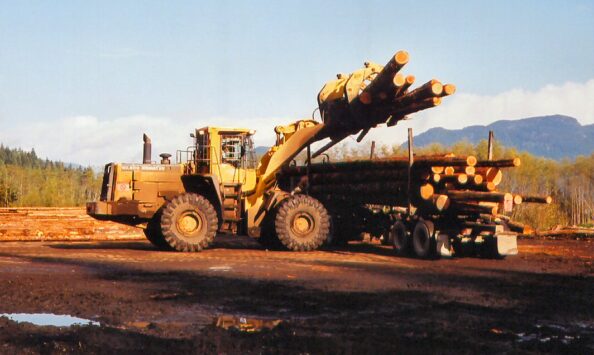 Northeastern Minnesota loggers and the nation’s forest products industry could get a lift under an executive order issued by President Donald Trump. New guidance or updates to facilitate increased timber production, sound forest management, reduced timber delivery time, and decreased timber supply uncertainty, are by the end of March to be issued by the U.S. Secretary of the Interior, Secretary of Agriculture, and U.S. Forest Service chief, under Trump’s “Immediate Expansion of American Timber Production,” order. National and Minnesota timber products officials say Trump’s order is a positive step toward boosting American timber production. “We’ve had nearly 150 mills close across the U.S. in the past 24 months,” Scott Dane, American Loggers Council (ALC) executive director said. “We need to turn the dismantling of the American timber industry around before it is too late. President Trump’s “immediate” increase in lumber production is the beginning of that turnaround.”
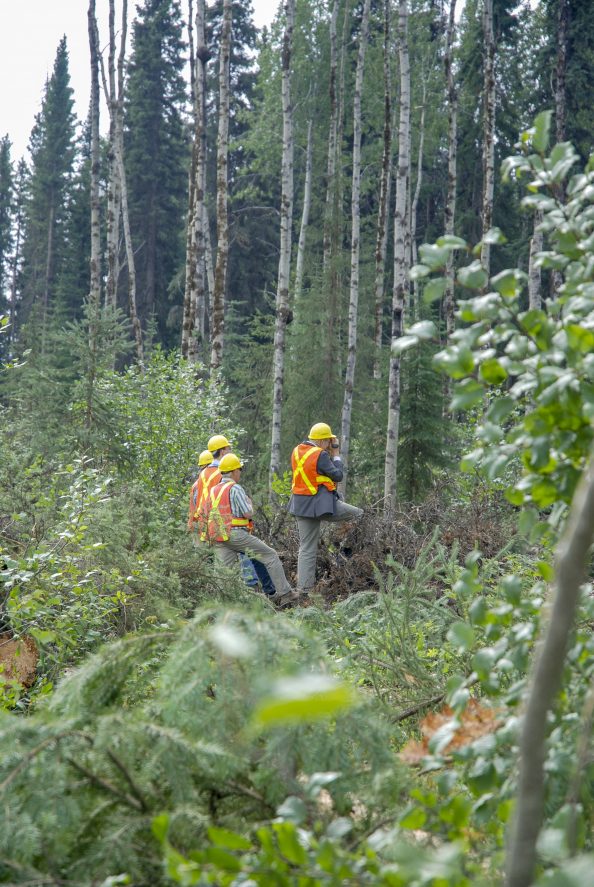 …in the early 2000s, a group of scientists and businessmen began arguing that forest thinning was too much for the government to take on. If Arizona had any hope of decreasing the risk of catastrophic forest fire, private industry would have to play a part. From this debate emerged Arizona Forest Restoration Products, a company that had planned to make oriented strand board from the low-dollar trees. …But …the Forest Service unexpectedly awarded the contract in 2012 to Pioneer Associates, a group it favored, even if they were arguably less qualified and had gathered almost no funding for their proposal. …Pioneer quickly went defunct, and the company that took over its contract, Good Earth, only thinned a fraction of what it promised. …And a cautionary tale as we fall into a pattern of on-again, off-again federal infrastructure funding cuts and threatened tariffs, which were enacted and then delayed on Canada and Mexico until April.
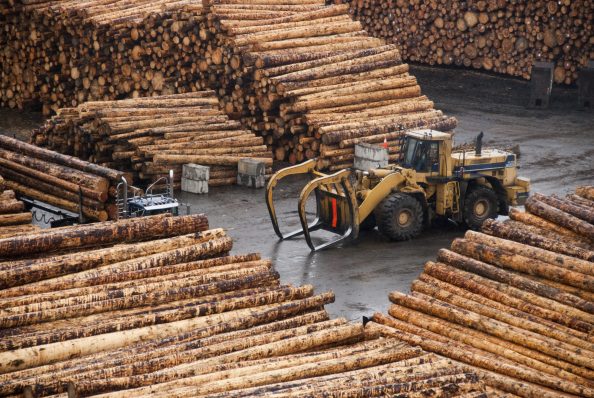 Republican-led policy directives could rewrite forest policies that affect public lands in Oregon and the rest of the West. New executive orders from the Trump administration call on federal agencies to fast-track logging projects by circumventing endangered species laws, and to investigate whether lumber imports threaten national security. …Some experts say it’s too soon to tell how these directives will affect Oregon’s timber market, particularly Trump’s order on fast-tracking timber sales to benefit logging companies and mills. Mindy Crandall, associate professor of forest policy at Oregon State University, said Canadian imports make up a large chunk of the U.S.‘s softwood lumber supply. Oregon also leads the nation






 HORRY COUNTY, S.C. — As the Covington Drive fire in Carolina Forest reaches Day 11, the South Carolina Forestry Commission told News13 the agency will cover all its costs associated with fighting the blaze but that it’s “too early to know” what the actual price will be. “We will cover all our costs associated with the fire — personnel, food, lodging, equipment, etc,” the agency said. “Since the Southeast Compact was activated, we will reimburse the Florida IMT for their costs — personnel, food, lodging, equipment. As with all large incidents of this type, there will be expenses we don’t even know about yet that we will have to pay for.” The forestry commission said since the fire management assistance grant was approved, FEMA will reimburse agencies and fire departments for 75% of approved costs.

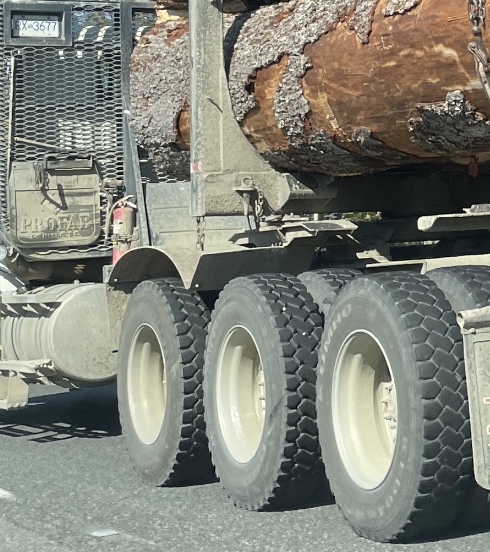 Legislation introduced by the Alabama Forestry Association would significantly worsen the condition of local and state roads and bridges, as well as hinder safety inspections of commercial vehicles. “The legislation is to allow significantly heavier axle weights to be hauled by large trucks — a move that is difficult to comprehend when the truckers already complain of sky-high liability insurance rates and serve as the primary target of advertising by personal injury law firms,” said Alabama Department of Transportation Deputy Director George Conner… “The math is simple: heavier truck axle weights are exceptionally dangerous and destroy roads and bridges; even heavier axle weights will be more dangerous and will destroy roads and bridges even more quickly.” …The Forestry Association’s proposal would increase the legal limit for a single axle from 20,000 pounds to 22,000 pounds while increasing the legal limit for two axles (tandem axles) from 34,000 pounds to 44,000 pounds.
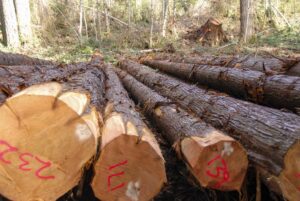 CHEYENNE, Wyoming — Rep. John Eklund thought back a half century, to an era when commercial sawmills processing Wyoming timber abounded and logging was the Equality State’s third-largest industry. “We should be able to get back to that,” the Cheyenne Republican said Tuesday morning in the Wyoming Capitol. …Commercial logging in national forests around the country, including Wyoming, has fallen off dramatically from its heyday. Cut and sold timber has stagnated at a fraction of what it was from the 1950s through the 1980s for three decades running, U.S. Department of Agriculture data shows. …Trump’s order isn’t the only prospective policy change afoot that could revitalize commercially cutting American forests. The “Fix Our Forests Act,” has passed the U.S. House of Representatives and moved to the U.S. Senate. The bill, proving divisive in big commercial timber country, would further expedite environmental reviews — and could potentially have immediate impacts in Wyoming.
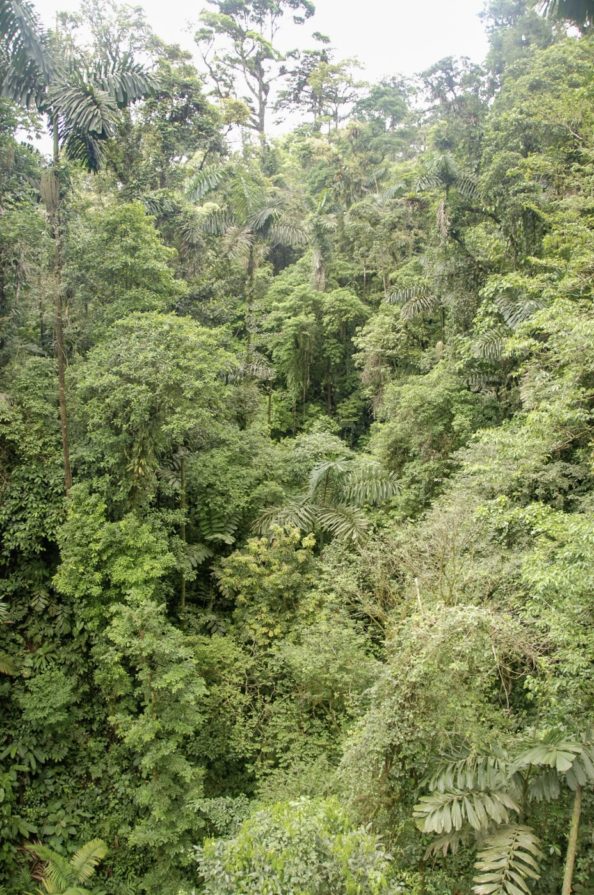 In 2006, Brazilian President Lula da Silva’s government passed the Public Forest Management Law, implementing a forest concession scheme designed to regulate and legalize logging activities in Brazil’s forest — in particular, the Amazon. Forest management consists of removing a small number of trees whose species are valued in the market. After that, the area can only be explored again in 30 to 40 years, following its regeneration cycle. Behind on its concessions targets, the current government wants to almost quadruple the current area of federal concessions by 2026. Even though it is different from deforestation, timber management has never been seen as a way to conserve the forest by traditional peoples.
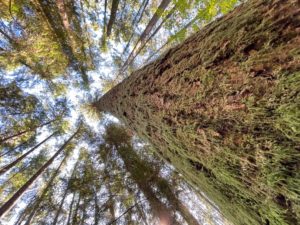 The European Union Deforestation Regulation (EUDR) aims to prevent deforestation-linked products from entering the EU market. This study assesses the potential impacts of the EUDR on global forest product markets using the FOrest Resource Outlook Model (FOROM). We simulate two scenarios: the baseline EUDR, focused on commodity-driven deforestation and urbanization, and an extended EUDR+ scenario, which includes shifting agriculture. The results indicate that high-deforestation countries, such as Brazil, Indonesia, and Malaysia, are expected to face significant reductions in roundwood production and exports, with downstream effects on sawnwood and panel prices. In contrast, low-deforestation countries like Canada and the United States may experience slight increases in production to meet EU demand, but their impact is limited by moderate deforestation rates. The study also highlights the potential for market leakage, where deforestation-linked products may shift to non-EU markets, potentially undermining global environmental goals.