 It could be another dangerously smoky summer for some in the United States as Canada prepares for a busy wildfire season with forecasts also signaling extreme heat is in store for both countries in the coming months. But when it comes to wildfire threats this season, the call is also coming from inside the house for the US: Violent wildfires have already raged in multiple states this year, millions were under red flag warnings this week and an active summer is on the horizon. In Canada, wildfires have scorched tens of millions of acres, displaced hundreds of thousands of people and killed multiple firefighters since the country’s record-breaking 2023 fire season. Some fires from the past two years also poured smoke into large population centers in Canada and the US, cratering air quality and ushering in orange-tinted, apocalyptic-looking skies. …Large wildfires produce dangerous smoke that can reach communities hundreds of miles away.
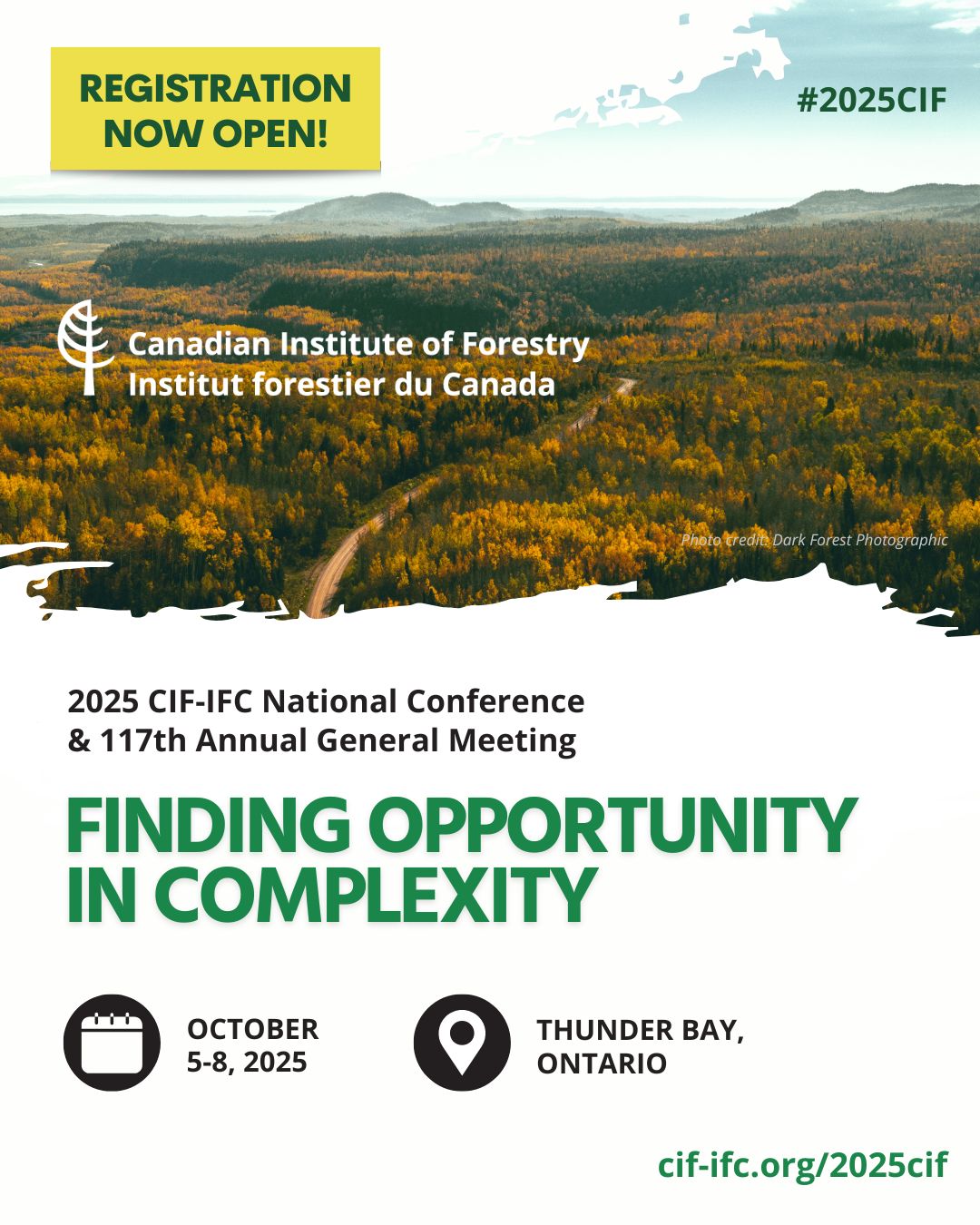 This multi-day Conference, Finding Opportunity in Complexity, will explore the interconnected dimensions of climate change, forest fire management, biodiversity conservation, Indigenous forest stewardship, socio-economic considerations, and the evolving forest industry. From October 5-8, 2025, you can experience beautiful Binesii-wiikwedong (Thunder Bay), on the shore of Anishinaabewi-gichigami (Lake Superior) and the surrounding area. The boreal forests of the “Lakehead”, the traditional territory of Fort William First Nation, have provided a cultural and spiritual foundation for Indigenous Peoples for generations, along with a diverse suite of ecosystem services. Over time the area’s forests have also become a source of economic prosperity, making the region a hub of forest management, scientific inquiry, and policy development. Join us as we transform the challenges of complexity into opportunities by considering the history of forest management, celebrating the contributions and diverse perspectives of our peers, and looking toward resilient and healthy future forests.



 A new University of Alberta study calculates that there are 277 billion trees in the North American boreal forest, including 30 billion in Alberta, and it could benefit climate mitigation. Estimated using a sophisticated machine learning algorithm, the numbers are 31 per cent higher than a count made through an earlier attempt in a major 2015 global study. “Our research provides by far the most accurate and credible answer to the question of how many trees are in our boreal forests,” says study lead Fangliang He, a forest ecologist and Canada Research Chair in Biodiversity and Landscape Modelling in the Faculty of Agricultural, Life & Environmental Sciences. The work fills a crucial knowledge gap that “reduces the uncertainty in estimating and managing tree density to promote forest productivity that enhances forest carbon sink potential,” he adds. “Knowing that there are 31 per cent more trees than previously estimated suggests our boreal forests have greater capacity to mitigate climate change.”
 The Telkwa Caribou Road Restoration project has received a commitment of $278,257 over three years from the Habitat Conservation Trust Foundation. This project will benefit the Telkwa caribou herd through the reclamation of approximately 100 kilometres of road that will according to the project, reduce interactions of caribou with predators, increase habitat availability and access for predators to alternative prey, and increase intact caribou habitat (mature, old-growth forest) into the future. Senior conservation planning biologist Laura Greene said the Telkwa caribou herd has been a conservation concern since the late 1960s. Increasing landscape change, such as logging, road-building, human settlement, etc., is what has driven the decline of the Telkwa caribou, Greene explained. Habitat alteration can result in the direct loss of habitat for caribou, a decrease in habitat quality, and/or a shift in the predator-prey dynamics, resulting in more caribou being killed by predators.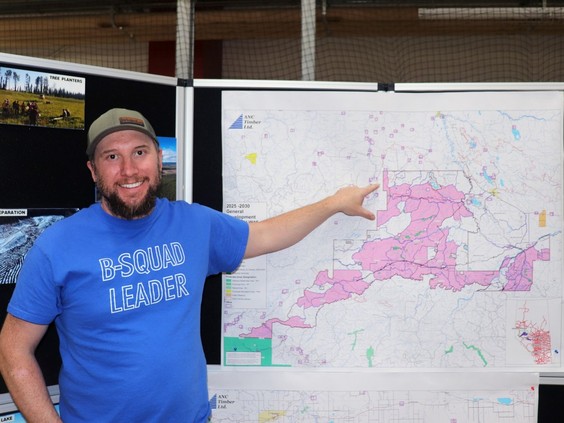




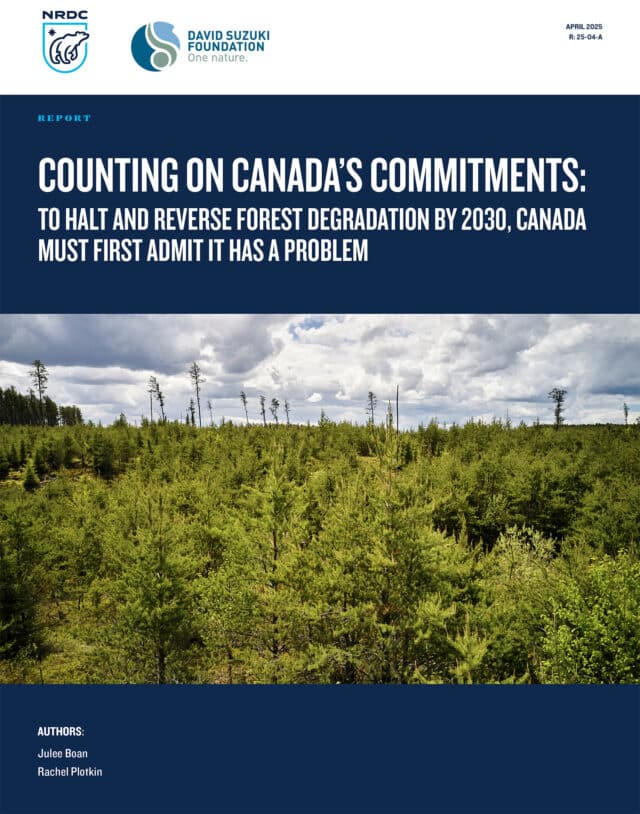 THUNDER BAY — The health of Canada’s forests is an issue if the county is to meet its climate targets, according to a recent study. Co-authored by Julee Boan, partnership director for the Global Nature International Program at the Natural Resources Defense Council, with Rachel Plotkin, the boreal project manager at the David Suzuki Foundation,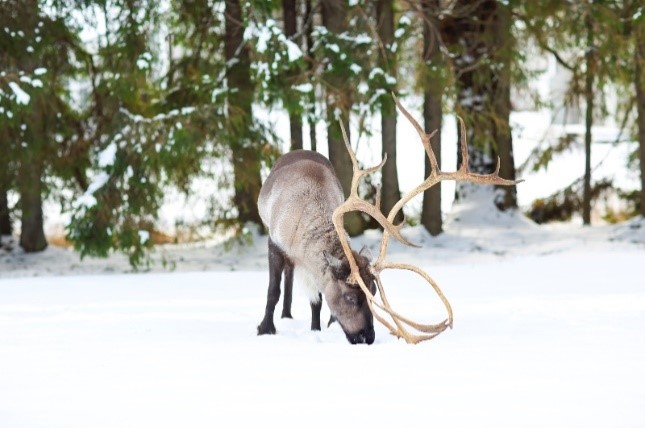
 The Trump Administration aims to increase lumber production in the U.S. while simultaneously reducing wildfire risk on federal lands across the country, including Dixie National Forest. However, some are concerned the president’s decision could make matters worse. On March 1, President Donald Trump signed an executive order, the Immediate Expansion of American Timber Production, to streamline permitting processes. It directs the U.S. Forest Service and the Bureau of Land Management to use the Endangered Species Act’s emergency regulations to the maximum extent possible to “facilitate the Nation’s timber production.” Additionally, the order directs federal members of the Endangered Species Committee to develop and submit a report to the president identifying “obstacles to domestic timber production infrastructures specifically deriving from implementation of the ESA and recommends procedural, regulatory, and interagency improvements.” …According to the Center for Biological Diversity, there are over 400 federally listed species that depend on national forest lands, such as grizzly bears, spotted owls and wild salmon.
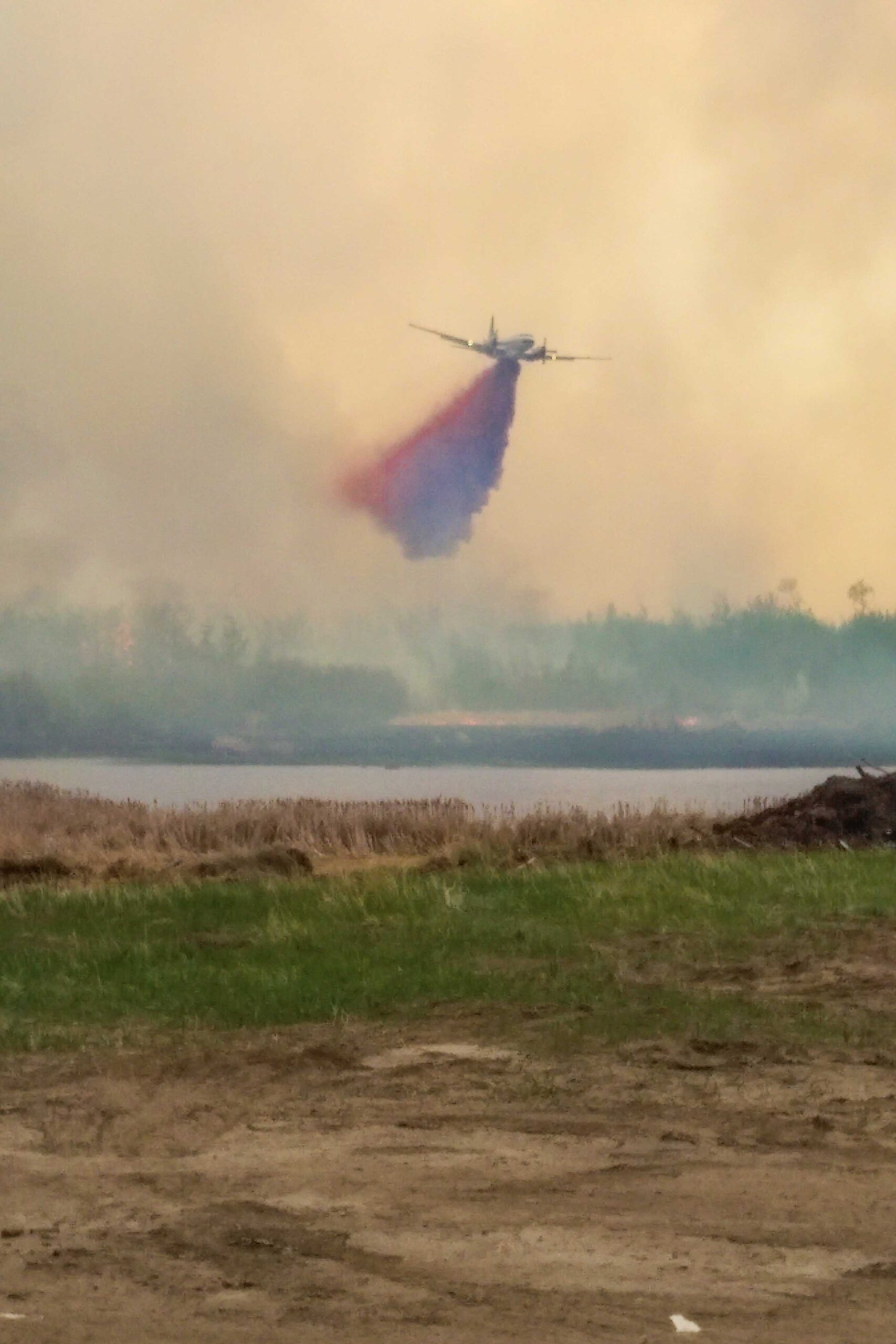 Washington, D.C.—Congressman Doug LaMalfa (R-Richvale), along with Reps. Jimmy Panetta (D-CA) and Jeff Hurd (R-CO), introduced H.R. 3300, the Forest Protection and Wildland Firefighter Safety Act of 2025, to ensure aerial fire retardant remains available for wildfire suppression efforts without being tied up in Clean Water Act permitting delays. The bill clarifies that federal, state, local, and tribal firefighting agencies do not need a National Pollutant Discharge Elimination System (NPDES) permit to use fire retardant from aircraft when responding to wildfires. … In 2022, an environmental group sued the Forest Service over its use of aerial fire retardant, arguing regulation under the Clean Water Act. A federal court ruled in 2023 that the Forest Service must obtain a NPDES permit from the EPA… …if future litigation results in a successful injunction, firefighters could be forced to ground aircraft or fly them with only water…
 After Oregon’s devastating 2020 Labor Day fires, the Legislature passed a bill that was supposed to lead to more wildfire awareness and resilience. Among other things, Senate Bill 762 created a map of areas at high risk of fire. But that map led to a huge backlash from property owners — a backlash so strong that a few weeks ago, the state Senate voted unanimously to eliminate it. Jeff Golden is a Democratic state senator from the Rogue Valley. He voted to create the map in 2021, now he’s voted to get rid of it. …“We delegated to Oregon State University, which has credentials — among the best in the world in terms of maps like this — and gave them almost no direction, just said, ‘We need a map to fulfill this purpose. Let us have it within the next 18 months.’” At the time, very few lawmakers were worried about what would come next.
 With the passing of the 25th anniversary of the 2000 Cerro Grande Fire on May 10—during yet another bone-dry spring of the Modern Megadrought—we should consider a wildfire variation of the adage, “Those who don’t learn from (fire and forestry) history are doomed to relive it.” In the 1990s, Los Alamos and Los Alamos National Laboratory (LANL) were warned, repeatedly, that they were vulnerable to wildfire. Today, Los Alamos and New Mexico in general, despite Cerro Grande and other fires, have not acknowledged or addressed the dangerous reality of today’s forests. As a correspondent for the Santa Fe New Mexican in the 1990s, I authored multiple stories featuring foresters and wildland firefighters who saw Los Alamos’ peril. I also witnessed, firsthand, the power and destruction of wildfires—Cerro Grande, Dome, Missionary Ridge, Los Conchas—in places I love. …Instead, it’s time to demand municipal, county, state, and federal leaders who acknowledge and aggressively address the wildfire threat.
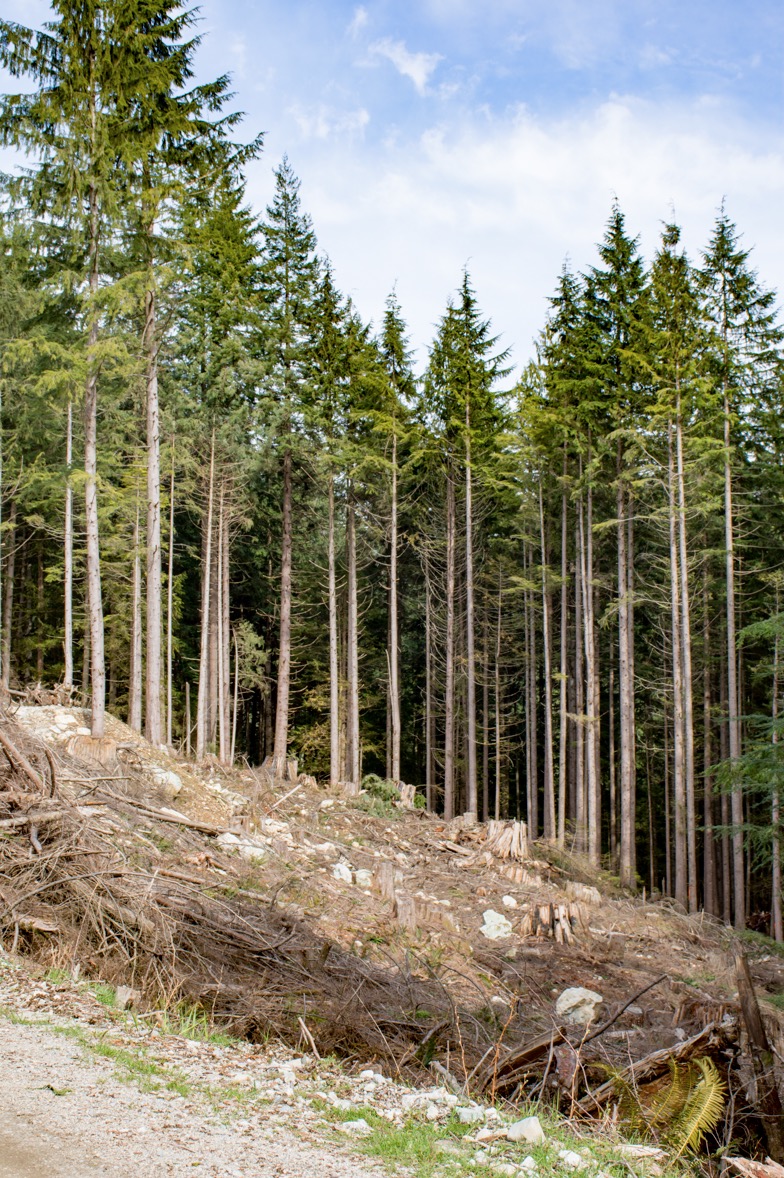 NASELLE, Wash. — One self-service library, high school, and grocery store serve the 519 people of Naselle, Washington. The piles of felled logs along the roadsides dwarf the passing cars, signaling to drivers that this town was built on logging. Many Naselle residents have family roots in the forestry sector, allowing them to be intimately familiar with its demands. They also do not often push back on timber harvests that pose no threat to endangered species or their habitats. But an upcoming harvest will fell trees surrounding one of two creeks that supply the town’s water: this is where most residents draw the line. …The Washington State Department of Natural Resources (DNR) will auction off 105 acres of state-owned forest in Naselle on May 29 after they determined the area was suitable for harvest. The revenue from the highest bid will go to UW. …UW received approximately $20 million from the DNR from 2020 to 2024, $8.6 million of which was from timber sales.
 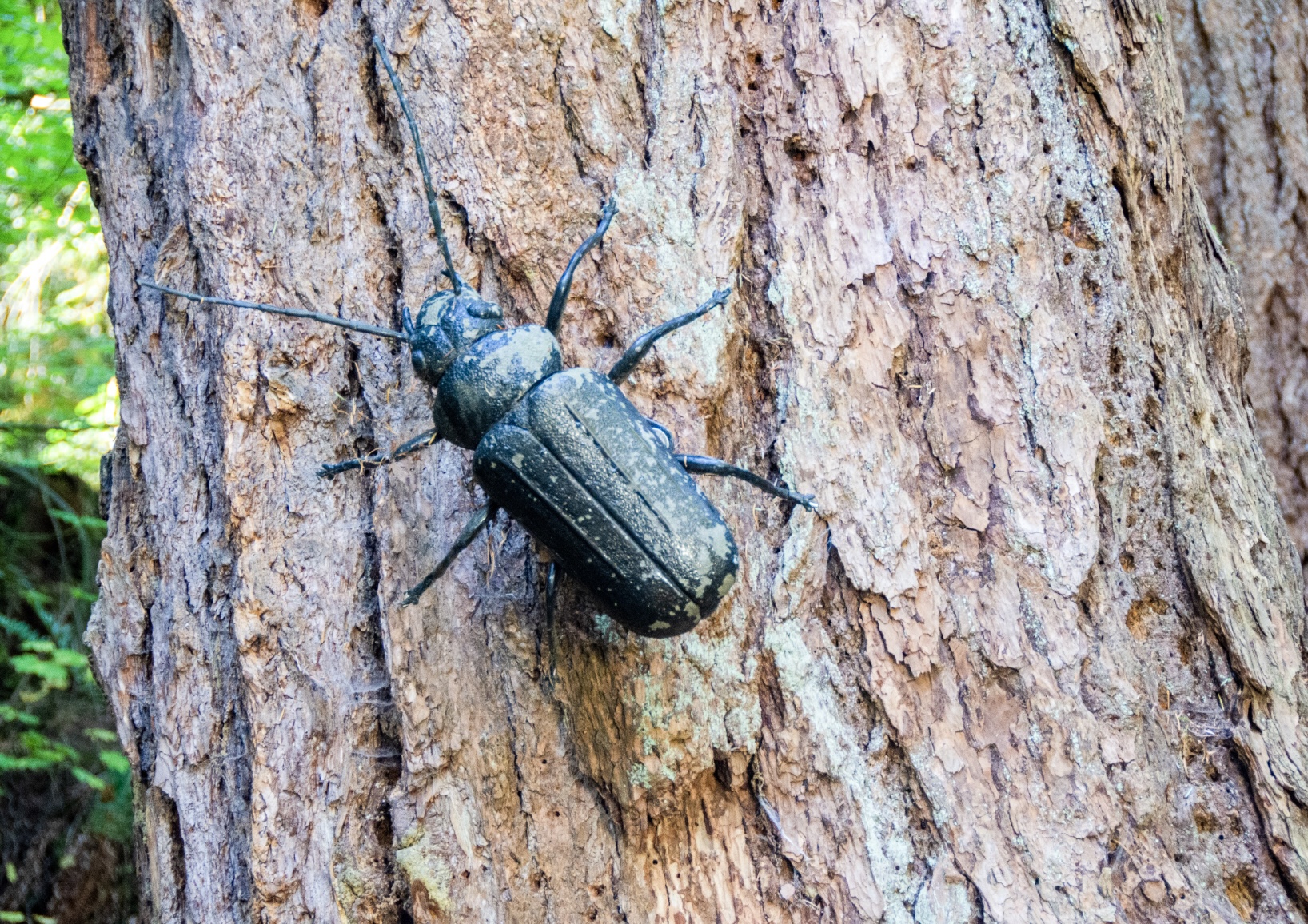 EVERGREEN, Colo. — Crews with Jefferson County Open Space (JCOS) are working to reduce a spike in pine beetles in ponderosa pine trees at an Evergreen park. When the bark of infected trees is pulled back at Elk Meadow Park, the problem is clear. Pine beetles burrow into the trees and lay their larva under the bark. The larva live right on top of the living tissue of the tree, suck up the nutrients and end up killing the tree. They then pupate, turn into adults and fly off to the next tree. …”We are totally OK with a few trees being killed from the pine beetle that creates variable habitat for our wildlife species, and so at a small scale, mountain pine beetle is a good thing,” Steve Murdock, the interim manager of JCOS’ Natural Resource Stewardship. said. However, the numbers that Colorado communities, including Jefferson County, are seeing are well above what would be beneficial for a forest.

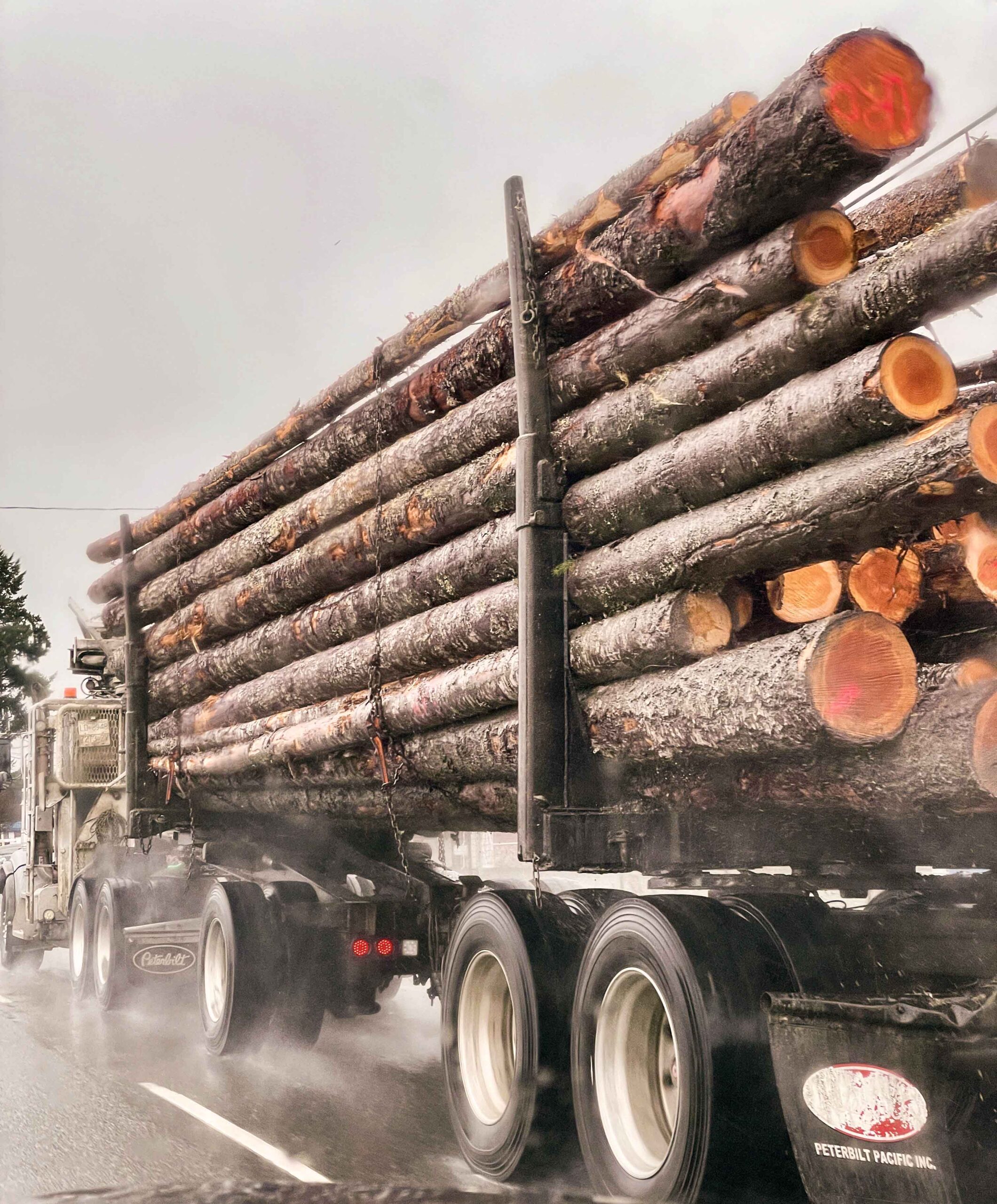

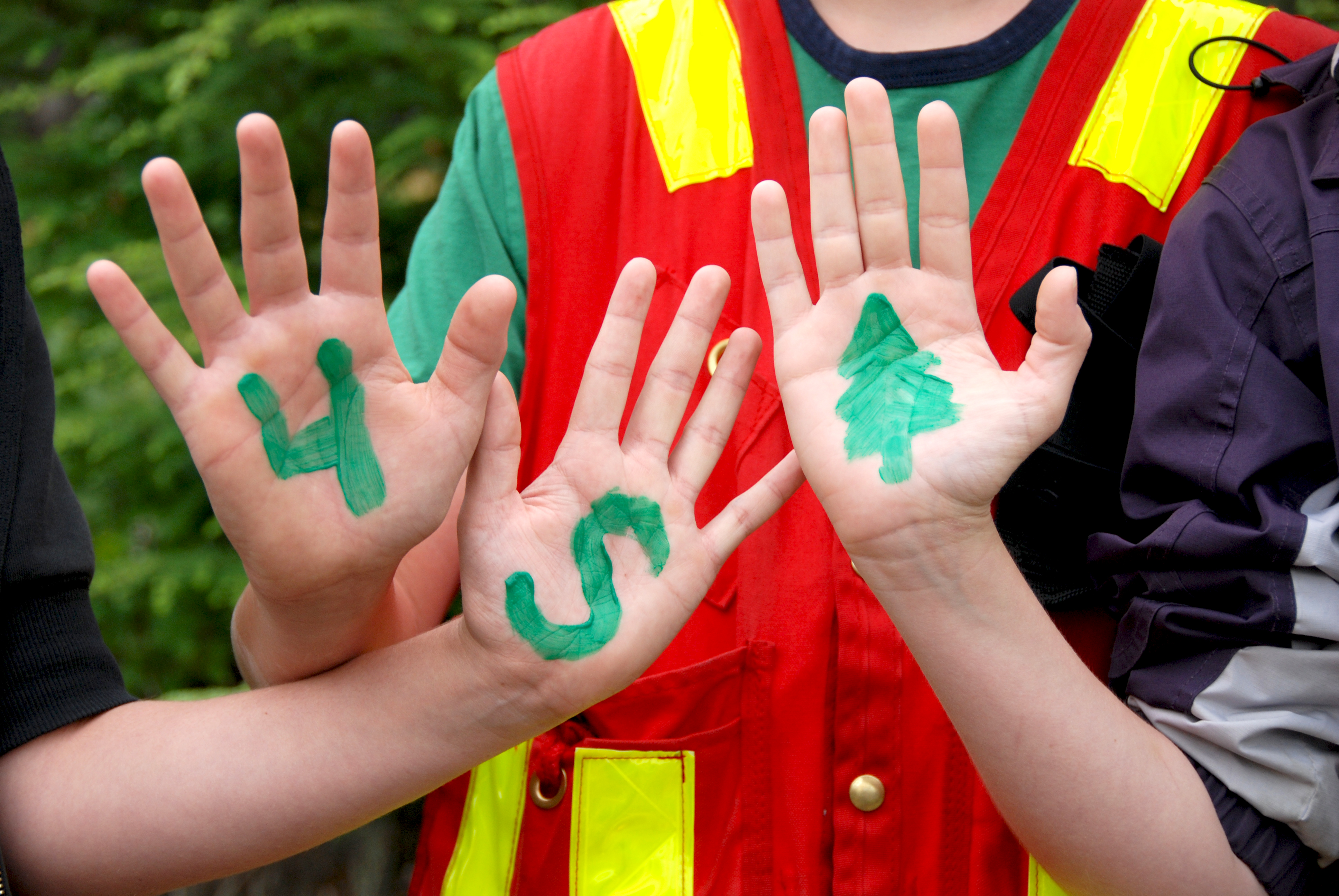 Oregon lawmakers appear likely to pass a bill that encourages college-credit agriculture and forestry classes in high schools, though some have doubts about its effectiveness. Senate Bill 784 would require the development of statewide standards for “dual credit” courses in these subjects, which is intended to make such classes more widely available, especially in rural areas. “Many students are eager to pursue careers in agriculture, forestry and natural resources but they need exposure and seamless pathways to higher education and industry jobs,” said Sen. Todd Nash, R-Enterprise, the bill’s chief co-sponsor. …More than 7,400 students are enrolled in natural resource programs at Oregon’s universities, showing there’s a demand for such education, so SB 784 would be a “smart investment” in the state’s future workforce, said Rep. Bobby Levy, R-Echo, the bill’s chief co-sponsor.
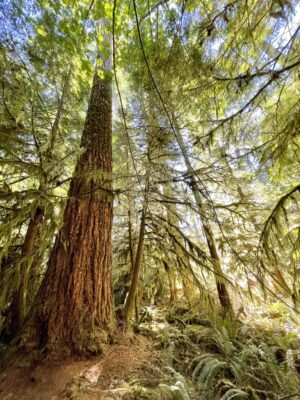 SEATTLE — Recent controversy over the management of Washington’s older state-owned forests has been dominated by an either/or framework: Either we clear-cut these tracts or prevent any harvest at all. Cut it all now or don’t cut any, ever? The human brain loves to dichotomize, but this type of either/or thinking doesn’t work in the woods. Ecologically, economically and culturally, our forests are too complex. Ecologically, climate change is altering our forests rapidly and radically. …Economically, rural areas in Washington state are a microcosm of a pattern that is global in scope. …Cultural values need to be considered as well. …We have to implement a broad array of management models and tools. Instead of re-fighting the 1980s War in the Woods and practicing lawsuit-driven forestry, we need to create flexible, forward-looking practices that will support the health of our forests and rural communities in a time of rapid change.
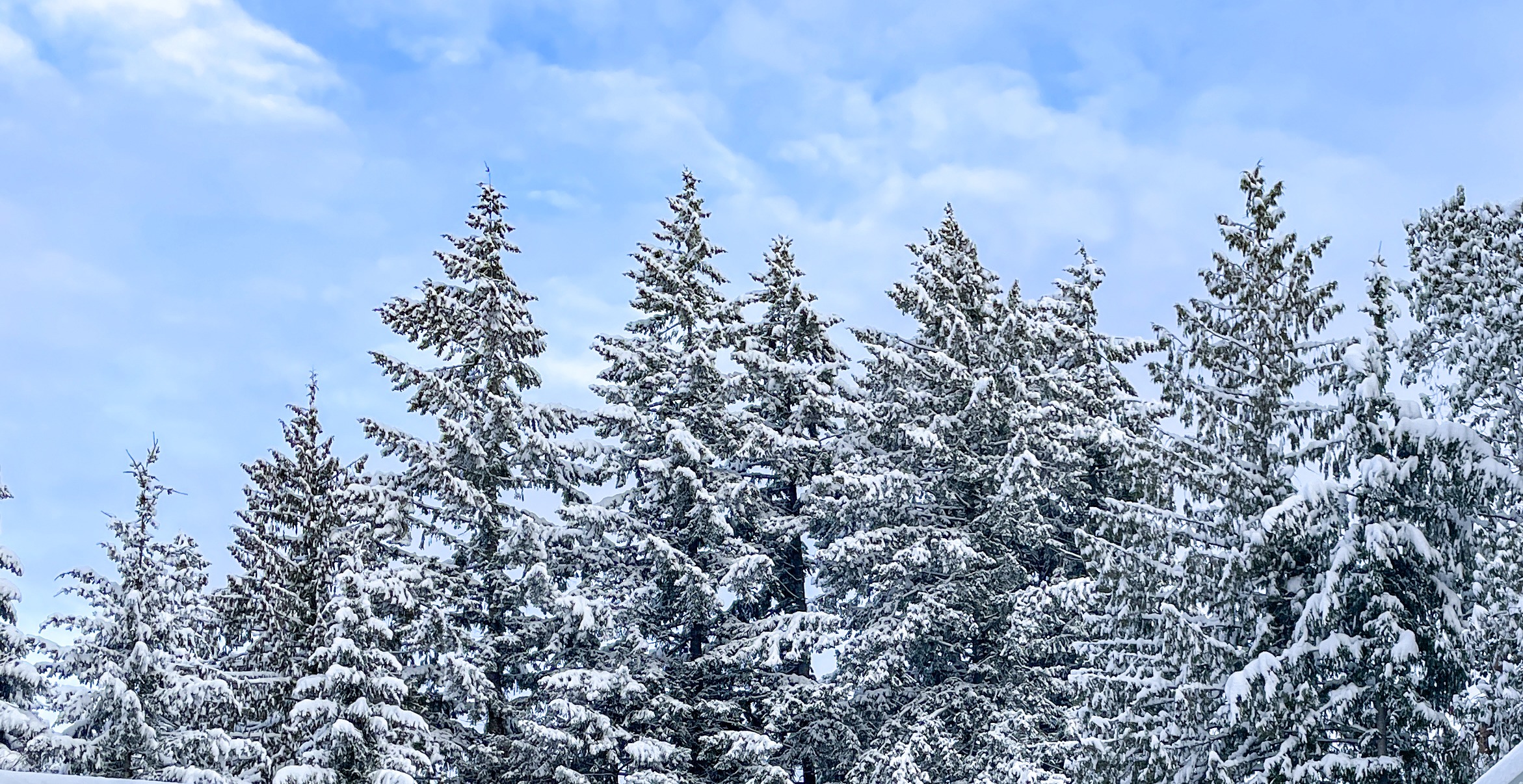 The Alaska Division of Forestry & Fire Protection (DOF) is working with the Anchorage Fire Department (AFD) Wildfire Division to implement a shaded “fuel break” in the Anchorage Hillside area extending from Hilltop Ski Area Road to Prospect Drive. Known as the East-West Connector, this project was scheduled to begin May 5 and represents a renewed effort to reduce wildfire risk through coordinated mitigation work across the Municipality of Anchorage. Wildfire Division Chief, Anchorage Fire Department, Jon Glover shared this statement: “The collaboration between the State of Alaska Division of Forestry & Fire Protection and the Anchorage Fire Department on the East-West Connector shaded fuel break represents exactly the kind of partnership our community needs. This project is more than a line on a map, it’s a commitment to proactive wildfire mitigation and public safety. Together, we’re building resilience and delivering long-term value to the residents we serve.”
 Washington, D.C. – Today, Representatives Ryan Zinke (R-MT-01) and Joe Neguse (D-CO-02) introduced the Collaborative Forest Landscape Restoration (CFLR) Program Reauthorization Act of 2025, which would extend and expand a successful program focused on reducing wildfire risk, restoring forest health, and supporting rural economies through proven, locally driven strategies. Senators Mike Crapo (R-ID) and Jeff Merkley (D-OR) introduced companion legislation in the Senate. Originally authorized in 2009, the CFLR program is a model of how communities, industry partners, landowners, and local governments can work together to improve forest conditions and prevent catastrophic wildfires. In its first decade, CFLR projects treated and restored 5.7 million acres of forest, improved 1,000 miles of trails, and maintained over 25,000 miles of forest roads helping keep public lands open and safe.
 WASHINGTON – U.S. Sens. Mark R. Warner and Tim Kaine (both D-VA) introduced two bills to protect wilderness in Rockingham, Augusta, Highland, and Bath counties. “We are lucky to have such beautiful natural resources in Virginia, and we need to do more to ensure that these lands are protected for future generations,” said the senators. “We’re proud to introduce this legislation to preserve wilderness in Rockingham, Augusta, Highland, and Bath counties, protect wildlife, and support local economies that depend on tourism and outdoor recreation.” These additions were recommended by the U.S. Forest Service in 2014 and endorsed by members of the George Washington National Forest Stakeholder Collaborative, a group of forest users who work together on acceptable locations in the George Washington National Forest for wilderness, timber harvest, trails, and other uses. In 2023, the tourism economy directly employed 7,562 people and generated $842.5 million in expenditures in [these areas].
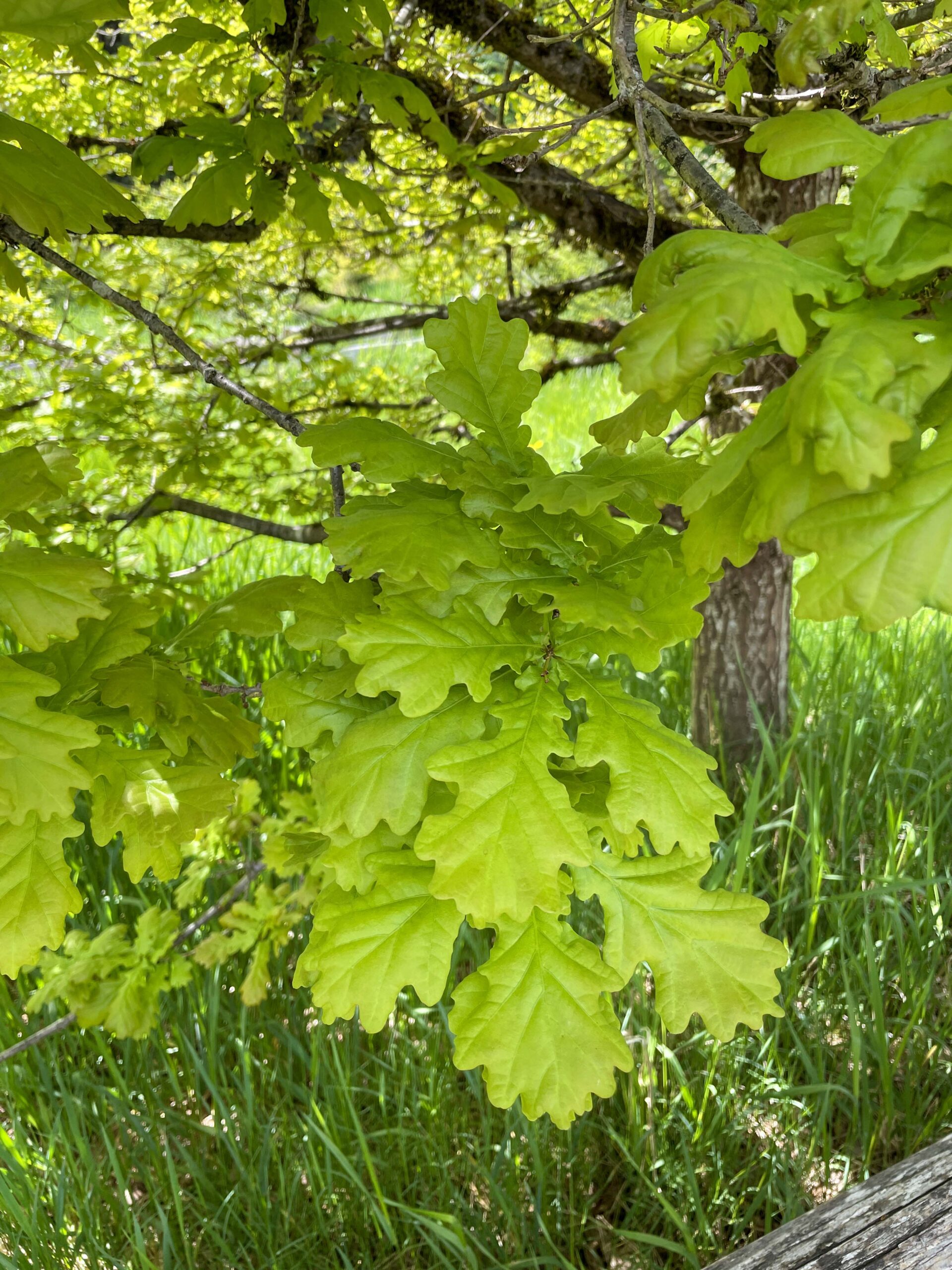 UNIVERSITY PARK, Pa. — A debate continues among scientists over whether tree composition in forests in eastern North American historically have been influenced more by climate or by cultural burning, which is the intentional and controlled use of fire by Indigenous people to manage their environment. A new study of southern New England forests … lends credence to the cultural burning hypothesis, suggesting that fire-tolerant vegetation — oak, hickory and pine — were significantly more abundant near Indigenous settlements over the last 5,000 years. “The results of this study strongly suggest that Native Americans extensively use fire and other disturbances such as land clearing for villages, agriculture and trails, and both directly and indirectly promoted fire-adapted trees,” said study co-author Marc Abrams, Penn State professor emeritus. “These trees were very important to the Native American diet because of the mast — nuts and acorns — they produced.”