 Mattawa, ON – The Canadian Institute of Forestry (CIF-IFC) is excited to announce that the 2026 National Conference and 118th Annual General Meeting will take place in Calgary, Alberta, from October 5-8, 2026. This landmark event, hosted in collaboration with the Society of American Foresters (SAF) and the CIF-IFC Rocky Mountain Section, will unite forestry professionals, practitioners, and students from across North America and beyond under the theme, “Leading from where we are for a brighter future.” The event will showcase the leaders of today and empower the leaders of tomorrow to begin acting now to make the world they want to see. …The Conference will serve as a platform to address pressing issues such as climate change, biodiversity, and sustainable forestry and natural resources management while highlighting innovative approaches to ensure a vibrant and resilient future for forests globally.
 How FSC is using Google Earth Engine to monitor forest degradation and support EUDR compliance: The Forest Stewardship Council is leveraging cutting-edge technology to better monitor and protect the world’s forests.
  VICTORIA – The Forest Practices Board has completed its audit of BC Timber Sales (BCTS) and Timber Sale Licence (TSL) holders in the Haida Gwaii Natural Resource District. A compliance audit examined all forestry planning and activities carried out in the area between May 1, 2022, and May 31, 2024. The parties complied with most legislative requirements with two exceptions. Auditors found BCTS was not diligent in inspecting approximately 90 kilometres of its roads and structures in its Sewell Inlet operating area. …Following the audit, BCTS inspected these roads … and has committed to working with the Ministry of Forests and the Haida Nation to develop road deactivation plans as needed. …Auditors found all three TSL holders audited had abated fire hazards within the required period. However, two TSL holders did not complete the required number of fire-hazard assessments and did not conduct fuel-hazard assessments on time. This is considered an area requiring improvement…


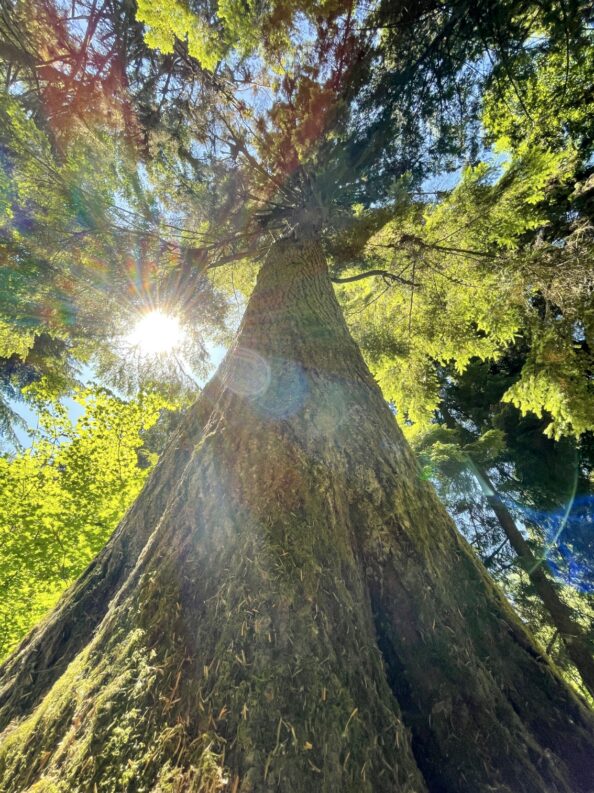 A new University of British Columbia study has pinpointed strategies to help local forests adapt to climate change. …the eight-year study found ways forest ecosystems can be better prepared for the climate threat, with a focus on mitigating the loss of the Douglas fir tree. …professor and co-author of the study Suzanne Simard, said the project looked at the process of relocating Douglas firs that are already adapted to dry, hot weather, further north. …Opting for a two-pronged approach, researchers also explored how various routes of harvesting and regenerating forests would affect the migrated seedlings’ attempt to grow in the face of climate change. Researchers tried various avenues, from clear-cutting to retaining larger densities of the tallest Douglas fir trees, said Simard.

 MONTREAL – With wildfires increasing in frequency and severity across Canada — impacting our health, economies, communities and wildlife — the Governments of Canada and Quebec are supporting Canadians and residents of Quebec whose lives and livelihoods are at stake. Natural Resources Canada announced a joint investment of $64 million over three years through the Government of Canada’s Fighting and Managing Wildfires in a Changing Climate Program – Equipment Fund. This joint investment is supporting Quebec’s efforts to purchase wildfire firefighting equipment, such as vehicles, drones and telecommunications equipment. By buying and upgrading equipment and hiring and training more personnel, Quebec will be better prepared to respond to wildfires and provide support when other regions in Canada experience high fire activity.
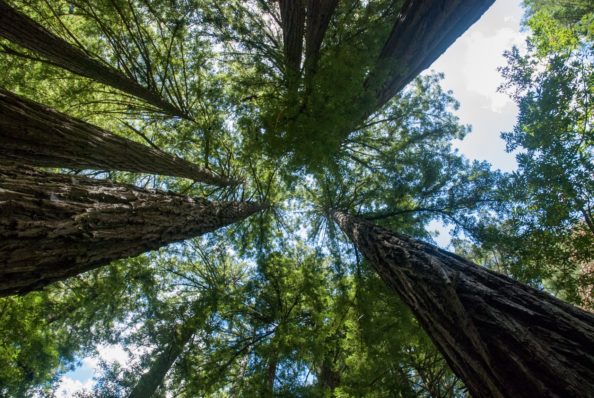 PORTLAND, Ore. – The United States Forest Service (USFS) is currently taking comments on its proposed changes to the Northwest Forest Plan (NWFP) through March 17. The NWFP dates back to the mid-1990s, serving as the blueprint for conserving forests and wildlife habitat along the West Coast. It covers over 24 million acres managed by the Forest Service and other federally managed lands, spanning from California and up through Washington. The proposed amendments intend to provide an updated management framework that incorporates best available scientific information and current conditions in order to better address the social, economic, and ecological changes experienced over the last 30 years. The proposed changes outlined in a Draft Environmental Impact Statement focus on themes of fire resilience, economic benefits, and forest stewardship, with Tribal inclusion and adapting to changing conditions interwoven throughout these themes.
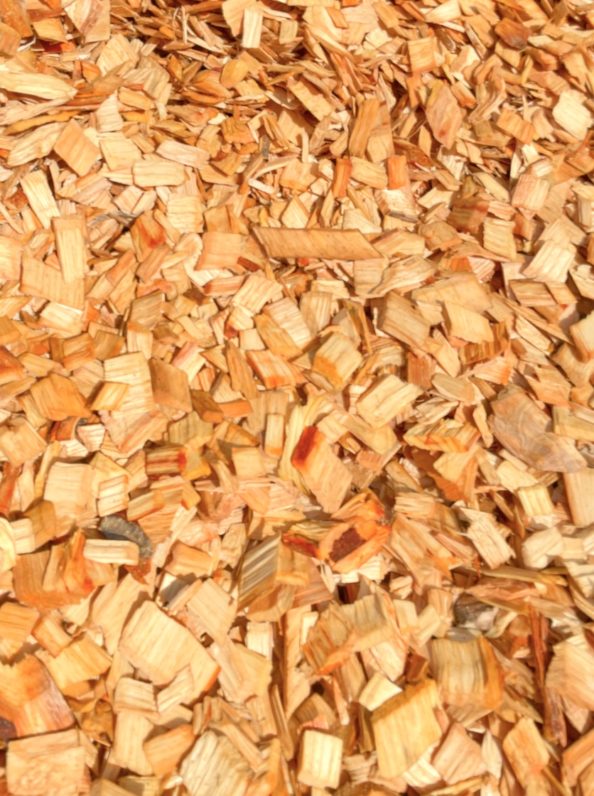 BATON ROUGE, La. — Louisiana produces 70% more forests than it is cutting down. The Forestry Association is trying to encourage industry to utilize those resources, including renewable fuel makers. The state has been working on reforestation closely since the 1940s when the issue of losing critical timber came to a head. With paper mills closing up shop over the years, Louisiana Forestry Association Executive Director Buck Vandersteen said the state is nearing a forest level that will be hard to manage against disease and wildfires. Vandersteen talked about four mills that are in the works of opening in some of the northern parishes in the state. Those companies harvest the larger trees for hardwood. Smaller brush and trees offer an opening for the biofuel industry to thrive. …With the Trump administration … undoing the push towards renewable energy, there is a question of how this will impact the industry in Louisiana.
 Controlled burns are a key to Georgia’s strategy of preventing the kind of wildfires that are devastating the Los Angeles area… The fires in LA, fueled by historic drought and powerful Santa Ana winds, have raised questions about the vulnerabilities of other communities, particularly as human development spreads into wildlands. More frequent and more costly natural disasters, such as wildfires, have also contributed to surging home insurance costs nationwide. …Georgia lately has been averaging about 1,200 wildfires a year — a historical low, said Johnny Sabo, director of the Georgia Forestry Commission, which issues permits for controlled burns under proper conditions. He credited the state’s overall response and management for preventing most of those fires from getting out of hand. In Georgia, more than 90% of the state’s woodlands are in private hands, including commercial timberland that generates billions in economic impact each year, according to the forestry commission.