 Forestry operations work in some of the most demanding environments. BC has more than 620,000kms of resource roads that are not built or maintained to public roadway standards and present various risks. Vehicles used to transport workers and equipment on resource roads travel on narrow, steep grades and rough surfaces. These conditions increase the risk of mechanical failures, loss of control and collisions, making regular vehicle inspections essential for anyone working in the woods.
A solid inspection process catches issues early and reduces the likelihood of mechanical failure in the field. Regular inspections enhance safety, increase vehicle reliability, reduce downtime, improve cost efficiency and help meet safety and transportation regulations. Inspections also ensure vehicles are equipped for sudden weather changes, road hazards and emergency response in remote areas.
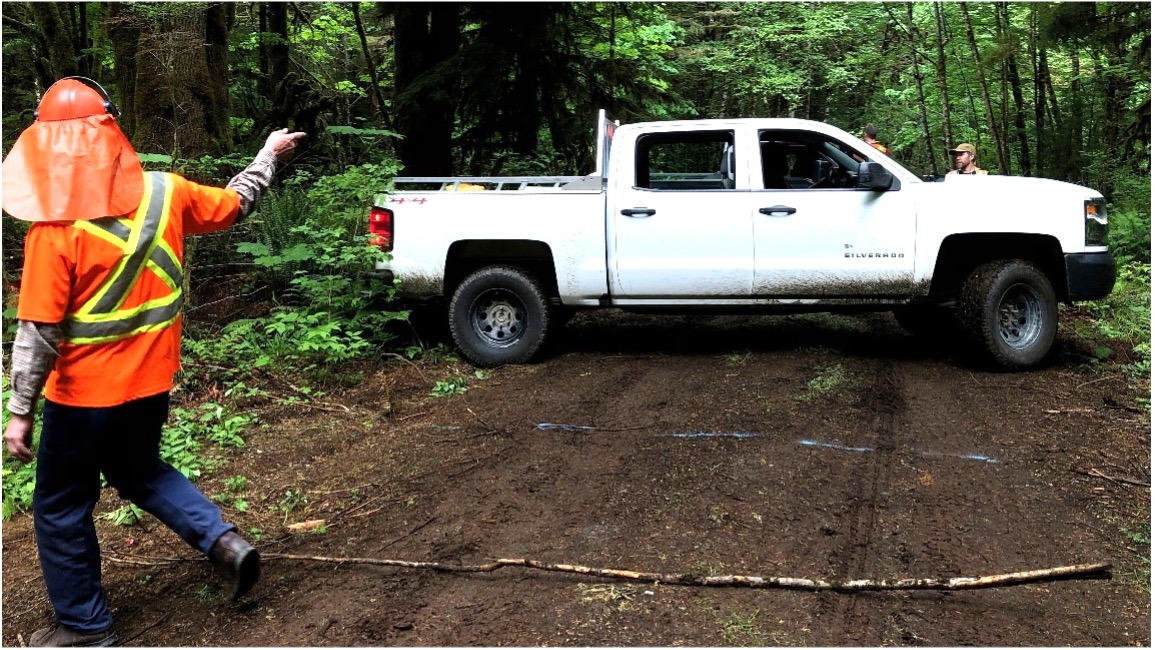 If you drive a vehicle for work, you want to ensure it is safe to use. Pre‑ and post‑trip inspections help maintain the reliability of vehicles used to transport workers to the job site each day. Use the BCFSC Vehicle Inspection Checklist to help you with your inspection.
Strong safety programs ensure all drivers are trained in inspection procedures as part of maintaining safe vehicle operation. BCFSC offers one‑ and two‑day Resource Road Safety and Driver Training that includes how to perform a vehicle inspection as well as other training related to safe road use in forestry settings.
Visit our web site to learn more.