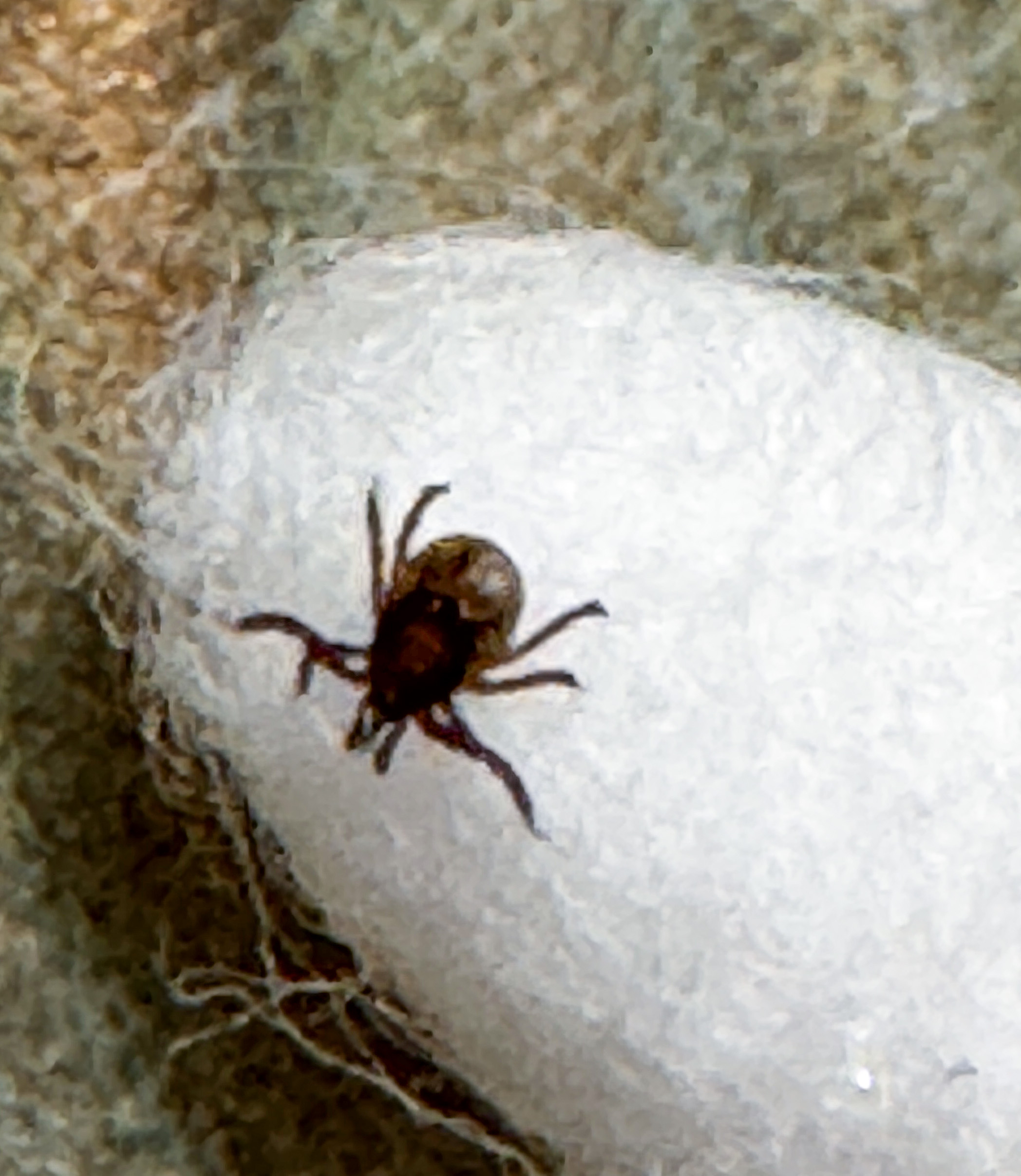
 In fall, hoards of winter ticks latch on to New Hampshire’s moose — sometimes upward of 50,000 per adult animal. Over the course of the winter, the ticks drink their fill of blood, weakening adult moose and sometimes killing calves. …a team of New Hampshire researchers has a new hypothesis: Could the way forests are logged make moose more or less likely to encounter parasites? …Winter ticks are the driving force behind years of decline in Northeastern moose populations. …In recent decades, parasitism of moose by winter ticks has boomed… major driver was a boom in the local moose population… The sheer abundance of hosts helped tick populations in the region reach the high levels they remain at today. …One option is raising hunting quotas to reduce the number of moose… Another line of attack is the use of pesticides. …But there’s another idea … that has not been extensively studied: managing their habitat.