
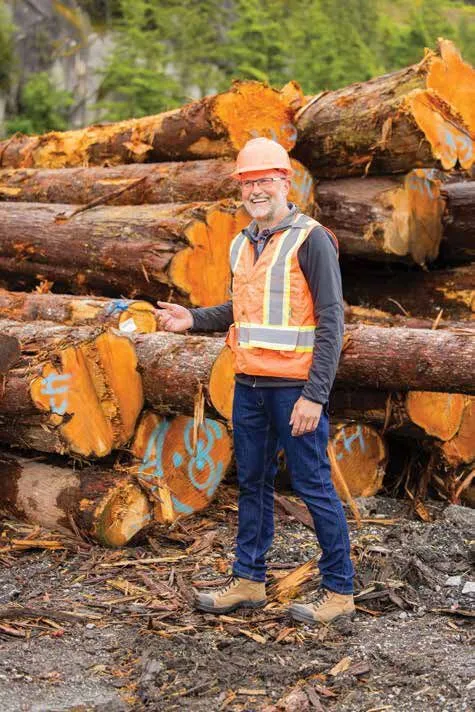
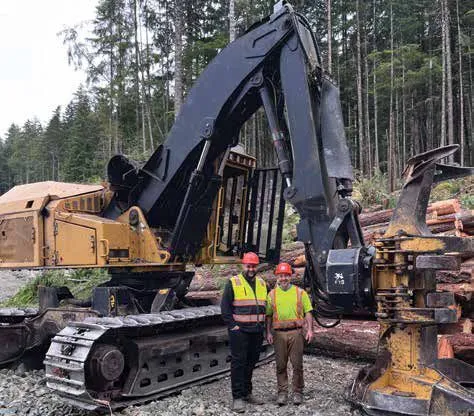
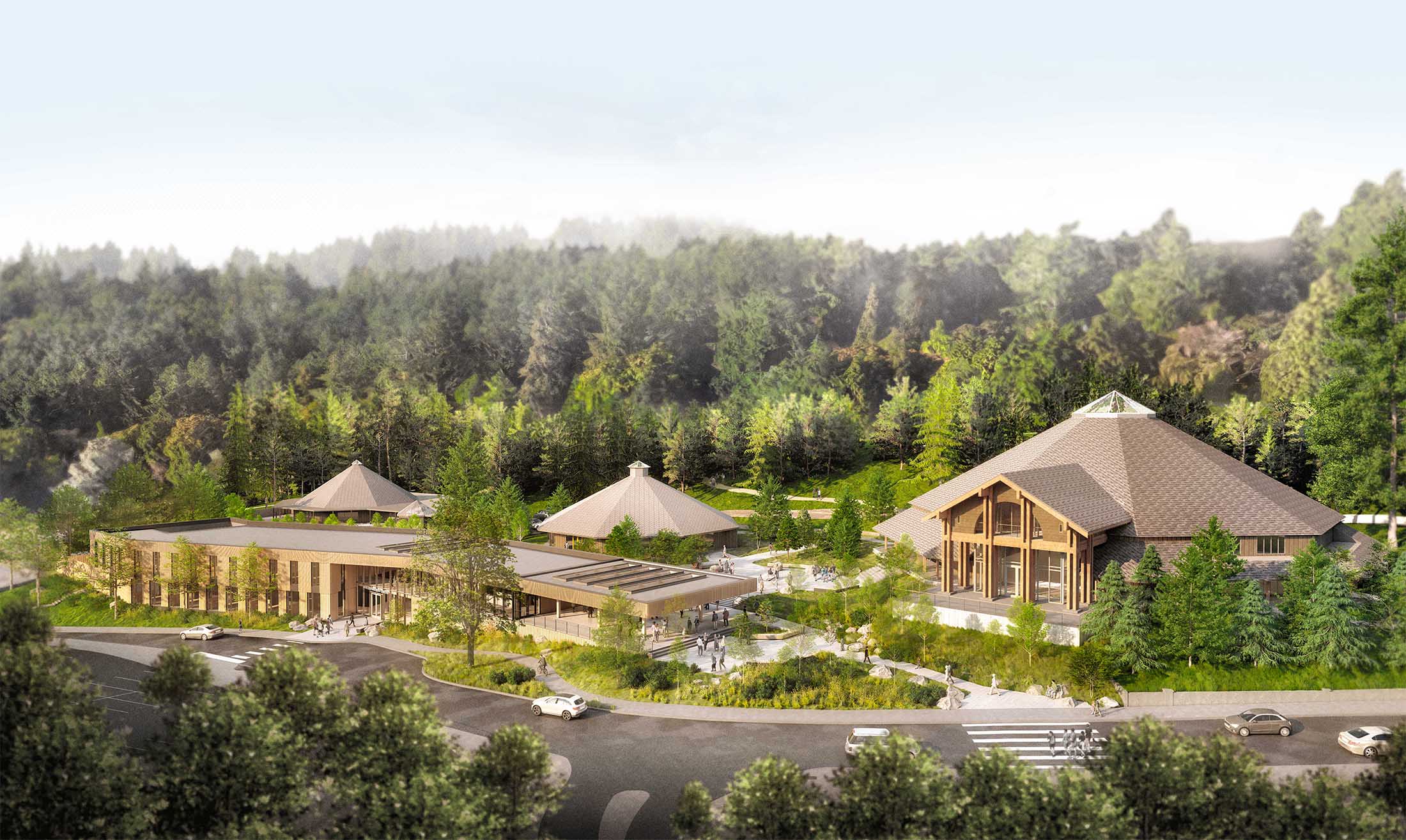
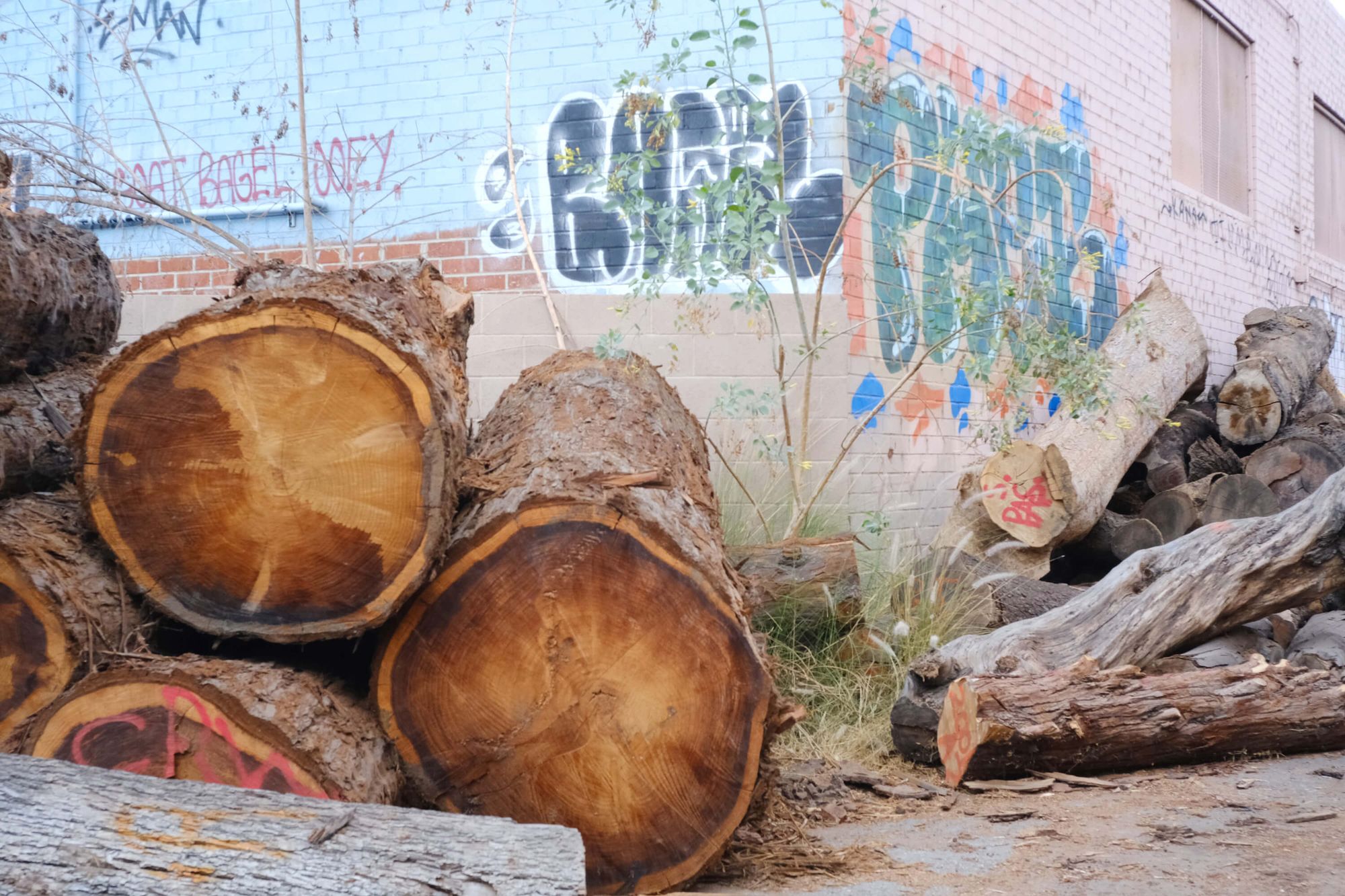
BC Forests Minister Ravi Parmar salutes forestry crews “grinding it out every day” following his tour of Wahkash Contracting and Mosaic’s TFL 47, while Peter Lister returns to his roots to lead the BC Truck Loggers Association. In other Business news: fire destroys Nova Scotia’s L.E. Elliott Lumber mill; L.A.’s Angel City Lumber gives street trees new life; Oregon approves $1M for the World Forestry Center; and Finland’s Metsä readies its Kemi mills after major repairs.
In Forestry/Wildfire news: in Canada—wildfires now emit more GHGs than all other sources combined; Canada and Yukon invest $17M to reduce wildfire risk; a poor choice of protective gear put Halifax firefighters at greater risk; and climate change is increasingly blamed for making fires worse. Meanwhile: Trump’s tax-and-spending bill passes Congress—slashing programs and timber funding in Oregon—while New Zealand warns of US tariffs as the Section 232 deadline approaches.
Finally, to our US readers—wishing you Safe and Happy Independence Day.
Kelly McCloskey, Tree Frog News Editor


 WASHINGTON — Republicans muscled President Donald Trump’s tax and spending cut bill through the House on Thursday, the final step necessary to get the bill to his desk by the GOP’s self-imposed deadline of July 4th. At nearly 900 pages,
 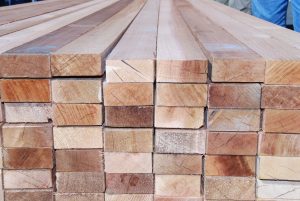 New Zealand has a strong story to tell about free trade, farming and renewable forestry resources. …Given the healthy relationship between the US and New Zealand on the trade front, the temporary relief of tariffs on timber and lumber imported into the US has been welcomed. Though we realise that this tariff exemption could be short lived based on the outcome of the Section 232 investigation aimed at determining the global effects imports of timber, lumber and their derivative products have on the US supply chain. As a small niche supplier of wood products that are needed by the US domestic building market, there is a strong argument for keeping New Zealand timber and lumber imports tariff free to avoid any additional price hikes and further supply chain disruptions. …Like many, we now wait for completion of the section. 232 Investigation.
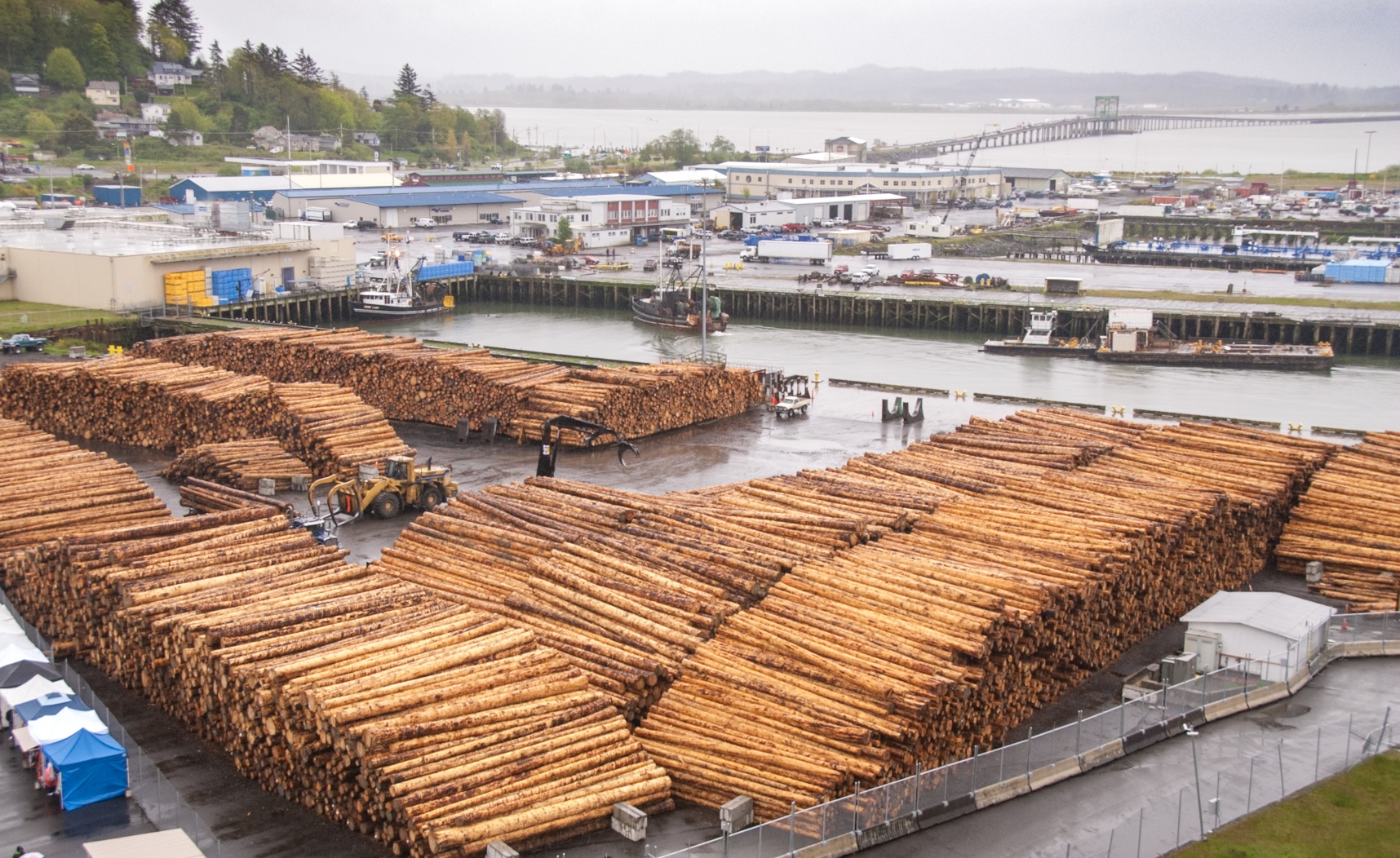 Congressional Republicans have passed their domestic policy bill that makes sweeping changes to entitlement programs like Medicaid and SNAP, significantly increases funding for immigration enforcement efforts and cuts funding for a number of environmental programs. …In Oregon, the impacts of the legislation will be significant. An analysis …found the state would be disproportionately hit by the cuts to Medicaid. The Senate’s version of the bill would also cut funds to the state’s timber counties, and could reshape Oregonian college tuition and student loans. …Oregon will see more logging, less timber money going to local communities and less support for private forest owners. …However much more is logged, Oregon counties will not get a cut. That’s a change from current practice. Many counties in rural areas rely on a cut of revenues from timber sales on federal public lands to pay for schools, law enforcement and public infrastructure.
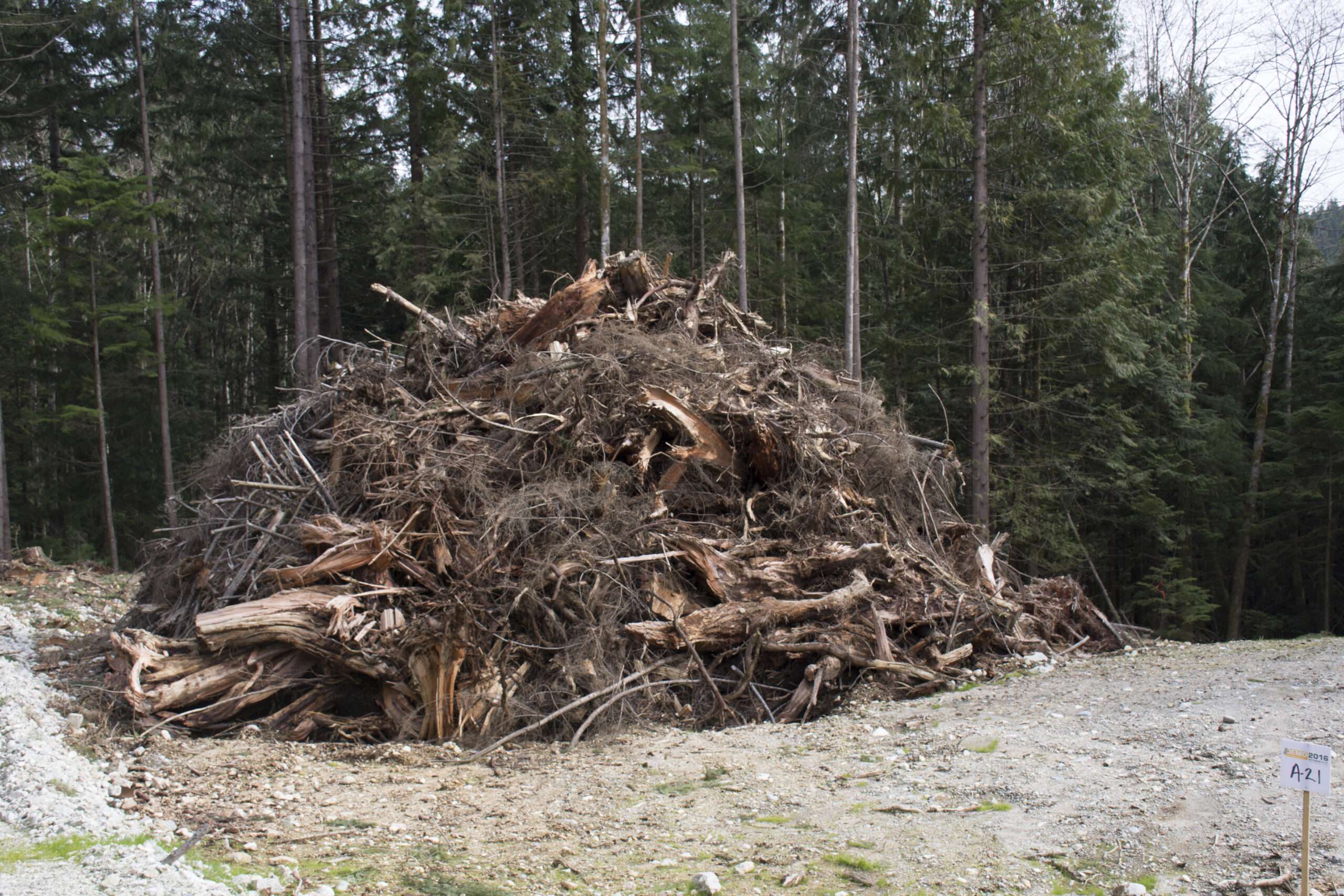 On the Easter long weekend, there was a wildfire on Egmont Forest Service Road that had to be controlled by the local fire department because a logging slash pile being burned was left unattended. How big does a wildfire have to get before the shíshálh Nation or the province will finally fulfill their promises to the residents around North Lake in Egmont? …Four years ago we participated in a community engagement process with BC Timber Sales and the shíshálh Nation regarding the cutting of 60,000 cubic metres (thousands of trees) around North and Klein Lakes. …One of the bigger concerns that we had was the removal of hundreds of large burn piles created by the logging. We were promised by both BCTS and the shíshálh Nation that the burn piles would be dealt with after the logging ended. It is now two years later and the burn piles have not been removed.
 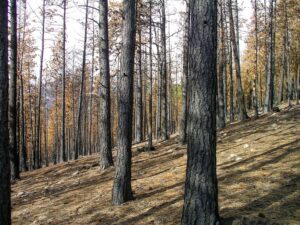 WHITEHORSE, Yukon — Communities in southern Yukon will reduce their wildfire risk after a combined investment of more than $17 million from the federal and Yukon governments. The funding was announced by Dr. Brendan Hanley, Parliamentary Secretary to the Minister of Northern and Arctic Affairs and Member of Parliament for Yukon. …Funding for the Government of Yukon’s Wildland Fire Management branch will decrease fire risk in the communities of Whitehorse, Teslin, and Haines Junction—communities which are part of the northern boreal forest region and prone to aggressive wildfire behaviour. …New treatment will include reducing or managing materials that are flammable or combustible in the wildland-urban interface. These measures follow national standards set out by FireSmart Canada and will increase the wildfire resilience of these three communities.
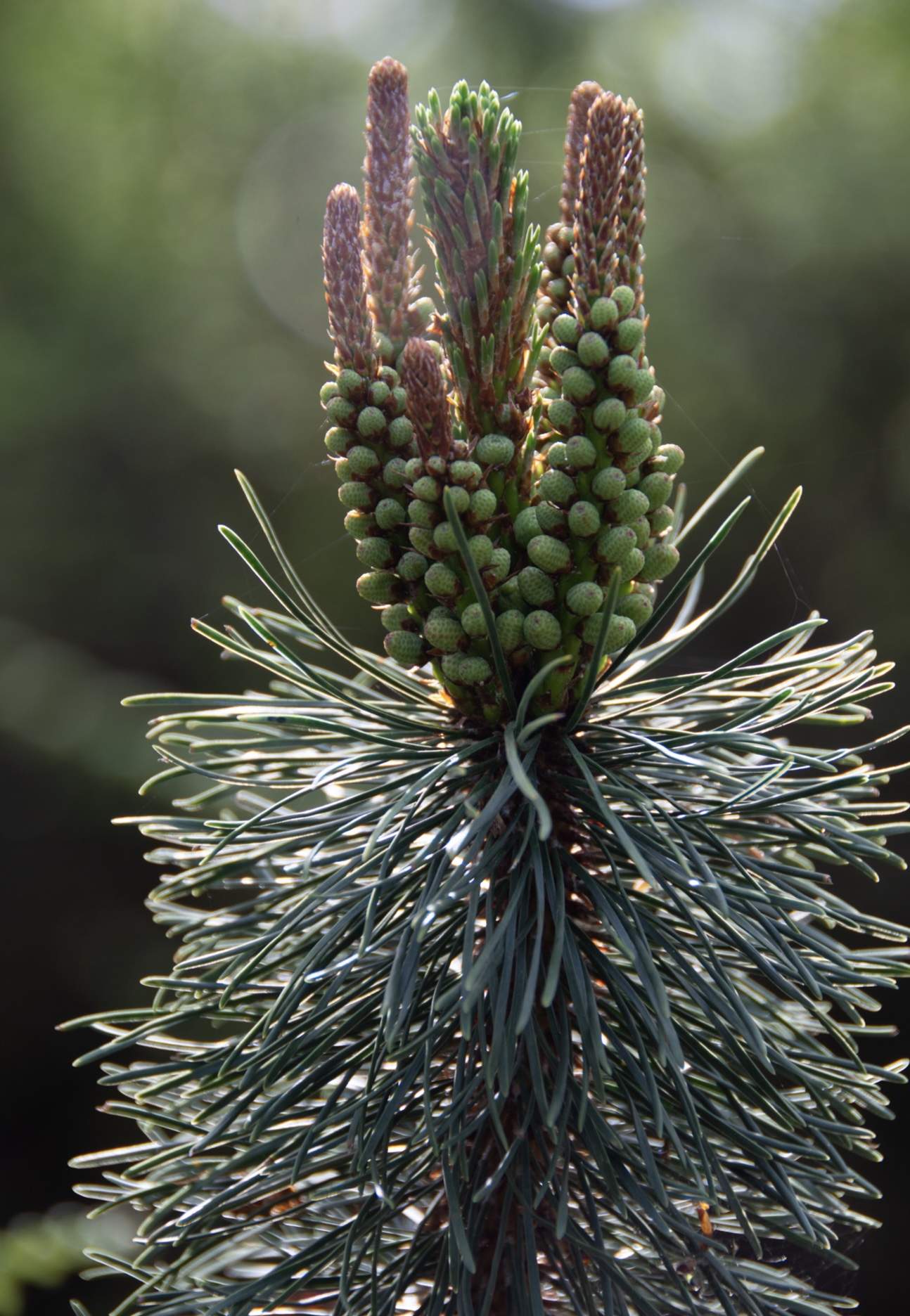 In the parched summer of 1988, wildfires ripped through more than one-third of Yellowstone National Park during the most severe fire year in park history. Approximately 1.2 million acres scorched by September. …While new forests sprouted in most of Yellowstone’s charred woodlands, recent research has identified that 16 percent of the forests consumed by the fires still have few trees. A recent study found that much of this land has transformed into green meadows full of grasses and wildflowers. Of the roughly 965 square miles of forest killed by the fires, 158 remain unforested, largely due to a lack of available seeds to start the next generation of trees. Seventy square miles of the previously forested land is now open meadow… The forests that [recovered quickly] were full of lodgepole pines with serotinous cones. …Alternatively, the areas that remain unforested were mainly above 8,200 feet in elevation and dominated by subalpine fir, Engelmenn spruce and non-serotinous lodgepole pines.

 Halifax spent more than $160,000 on the wrong type of wildfire protective gear, and the union for municipal firefighters says the mix-up is just one example that the department is not properly preparing for wildfires. In the aftermath of the