 Experts agree that the G7’s Wildfire Charter is positive but needs to shift from response to prevention. In related news: Tom Fletcher speaks to fighting fires in a fog of misinformation; Statistics Canada assesses GPD impact of 2023 fires; Ontario improves working conditions for firefighters; Oregon passes bill to repeal Wildfire Hazard Map; and American Scientists give mixed review of US wildfire orders. Meanwhile, Senator Mike Lee vows to resurrect US public lands sale; ENGOs say logging continues in BC’s caribou habitat; and the WWF asks business to help reverse forest loss.
In Business news: Domtar reaches settlement agreement with Michigan over waste materials; a California nonprofit scales back wood pellet mill plans; the US investigates hardwood plywood trade; and Mackenzie, BC rebounds after mill closures. Meanwhile: the US economy shrank more than expected in Q1, 2025; Deloitte says a mild recession is likely in Canada; the latest newsletter from Woodlots BC; and Canadian retail lumberman Michael Westrum dies at 79.
Finally, researchers explore use of tree bark waste to reduce radar detection.
Kelly McCloskey, Tree Frog News Editor

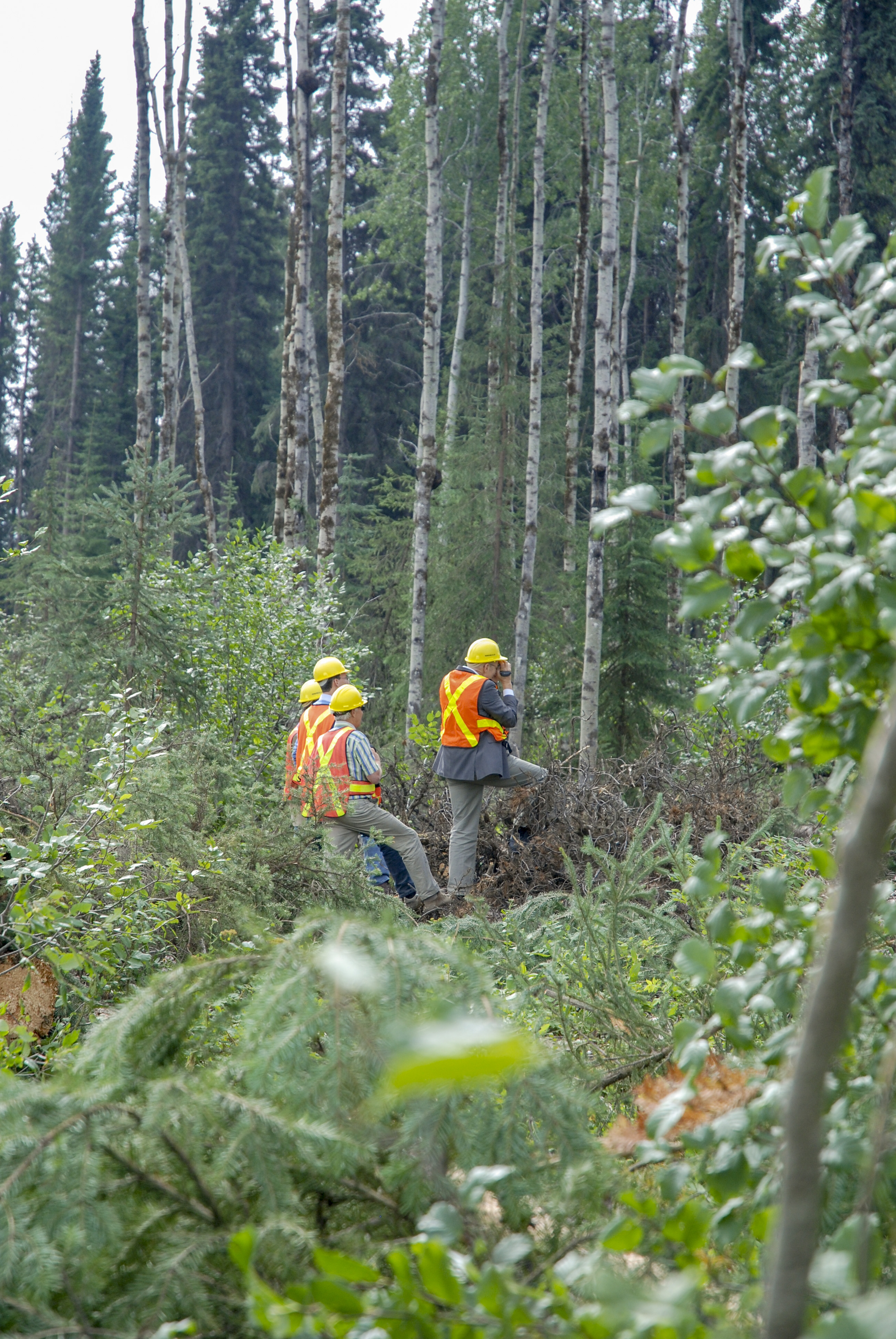 MACKENZIE — The District of Mackenzie has seen challenges in recent years with a downturn in British Columbia’s forestry industry, but Mayor Joan Atkinson said that diversifying into other industries has made a big impact on her community. … “We suffered a huge loss in taxation from 2024 to 2025 as a result of the closure of two large industrial facilities, but this community has always been resilient,” said Atkinson. …Canfor said it was indefinitely curtailing activity at its Mackenzie sawmill in July 2019. … Paper Excellence permanently shuttered its Mackenzie pulp mill in April 2021. Atkinson noted two factors that have helped the local forestry industry. The first was Forests Minister Ravi Parmar announcing a change in an appraisal system that makes it more economically viable for companies to operate in Northern BC. The second is ownership of nearby timber supply areas by First Nations.
 ONTARIO — A northern Ontario forestry company says a train crossing Highway 560 collided Wednesday morning with logs that were spilled by an overturned contractor’s trailer. It happened at the railroad crossing near Interfor’s Gogama Division and resulted in the road being closed between highways 144 and 560A. “There are no injuries or derailment,” Ontario Provincial Police said in a social media post at 8:40 a.m. “A train stop order is in place.” Interfor also confirmed this. …“At Interfor, the safety of our people and the communities where we operate is our highest priority. We are focused on supporting those affected and are actively monitoring the situation.” There is no estimated time of reopening, said OPP Const. Michelle Simard. “The officers are still investigating,” Simard said.
 A new Canada-US trade deal will likely carry forward the Canada-United States-Mexico Agreement tariff exemptions shielding most Canadian exports from American tariffs, says Deloitte Canada chief economist Dawn Desjardins. …US President Donald Trump has set July 9 as the deadline for countries to ink a trade deal in order to avoid his “Liberation Day” tariffs. For Canada, Prime Minister Mark Carney and Trump agreed on the sidelines of the recent G7 meeting in Alberta to strike a deal by July 21. “Our baseline view assumes that at a minimum, we continue to operate with our CUSMA carve-outs. “The sounds we’re hearing seem to be moving in the right direction. Obviously, I have no inside information. It’s just an assumption that we will not be severely hit by 25 per cent tariffs across the board.” …Deloitte Canada’s latest economic forecast, published on Wednesday, calls for a “modest recession” in the second and third quarters of the year.
 The US economy contracted in the beginning of the year at a much faster pace than previously reported, after new data factored in much weaker consumer spending. Gross domestic product, the broadest measure of economic output, registered an annualized rate of -0.5% from January through March, the Commerce Department said Thursday in its third and final estimate. That’s worse than the 0.2% decline reported in the second estimate. …The latest estimate showed that consumer spending — the lifeblood of the US economy — was tepid in the beginning of the year. Spending in the first quarter grew at a rate of just 0.5%, down from 1.2% in an earlier estimate. That’s the weakest rate in more than four years. …Economic data released Thursday provides a clearer picture how the US economy has fared in the face of Trump’s policy shifts, which includes fresh figures on new applications for unemployment benefits, and mortgage rates.
 UK — Housing programmes delivered by Homes England resulted in 38,308 new houses starting on site and 36,872 new homes completed between 1 April 2024 and 31 March 2025. This represents an increase in both starts (by 5%) and completions (by 12%) compared to the same period the previous year. 30,087 of new starts on site were for affordable houses — a 0.6% increase on the previous year, and representing 79% of all starts. …Eamonn Boylan, Chief Executive of Homes England, said: ”The statistics demonstrate the importance of programmes like the Affordable Homes Programme (AHP) to enable the delivery of these much-needed homes — and comes hot on the heels of the government committing a further £39 billion in funding to affordable homes over a 10 year period, giving confidence and certainty to the sector.”
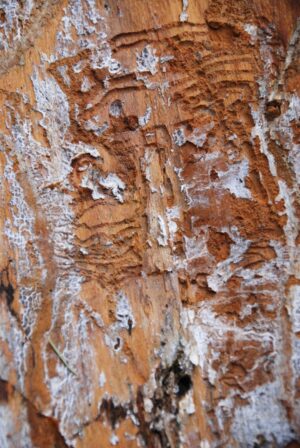 Most researchers today explore high-tech materials like carbon nanotubes or graphene to develop a class of composite known as radar-absorbing material, i.e., a composite that can attenuate radar signals for stealth applications. Such high-tech materials are costly and energy-intensive to produce. Researchers from Brazil and Canada have explored sustainable carbon made of tree bark waste as an affordable alternative to those options. Their findings were recently published in the
 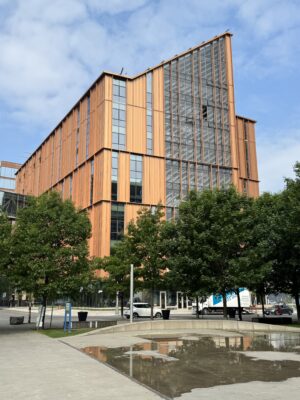 TORONTO — A mass timber showcase on Toronto’s George Brown campus is also a study in collaboration and innovation. George Brown College’s Nerys Rau, Moriyama Teshima Architects partner Philip Silverstein and PCL’s Mike Love all explained the process behind building Limberlost Place at a session titled Exploring Limberlost Place: at the Canada Green Building Council’s Building Lasting Change conference held recently in downtown Vancouver. Limberlost Place is a 10-storey mass-timber net-zero building that achieved occupancy in January. …Silverstein said the building is rated at Tier 4 of the Toronto Green Standard, adding no other building in the city has reached that metric. “It’s like LEED Platinum on steroids,” Silverstein said. Love said the number one question was “what if the wood gets wet?” “It’s OK for wood to get wet. Just remove any ponding water and let it dry. It wants to breathe,” he said.
 UK waste wood market processed over 96% of material, annual statistics published this month by the Wood Recyclers’ Association (WRA) showed. The association said that there was “strong demand” for material in 2024. According to the statistics, 4.5 million tonnes of waste wood arose in the UK last year. Of this, 4.33 million tonnes (96%) were sent for reuse, recycling or recovery, the figures showed. The organisation compiled the 2024 figures through its annual survey of members who handle approximately 90% of the market, combining the findings with latest industry data. The figures are somewhat similar to 2023 which saw 97% of the material processed.
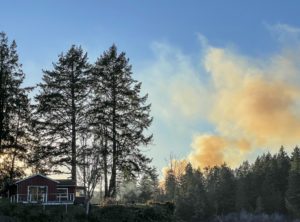 As world leaders gathered for the G7 summit last week in Kananaskis, Alberta, more than 50 wildfires burned across the province. The leaders’ joint statements included the
 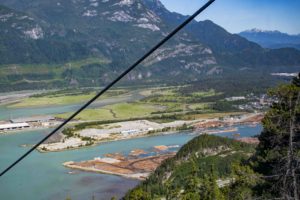 Firefighters are urging hikers and mountain bikers not to enter trails closed due to a wildfire just north of Squamish, B.C., ahead of the Canada Day long weekend. The Dryden Creek wildfire, which was discovered on June 9, is considered under control by the B.C. Wildfire Service, but a local state of emergency remains in Squamish and a campfire ban remains in effect for the district. Fire suppression work is ongoing in the area, and evacuation orders and alerts remain due to the danger of trees falling and rocks rolling loose. Despite that, firefighters say they’re seeing people disobey trail closures, which could prove to be a risky decision. “Especially last weekend, numerous hikers and mountain bikers accessed trails that were closed,” said B.C. Wildfire fire information officer Jennifer Lohmeyer on Tuesday. “Some people even moved barriers that had been put in place to indicate that the trail was closed,” she added.
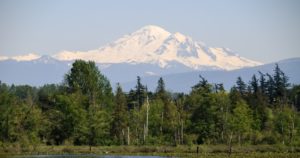 The City of Delta is undertaking an inventory of its trees. Crews started last week in Ladner, collecting data on street and park trees as part of Delta’s Urban Forest Strategy. In its request for proposals this spring for a qualified arboricultural consultant to conduct the urban forest subsection inventory of individual city-owned urban trees, the city noted it wanted to focus on street and park specimen trees. The project does not include trees on private property, nor is it the intent to include larger stands of trees in the city’s natural areas. The purpose of the project is to expand a tree inventory that was started in-house in 2023, improve asset management, as well as gain an accurate cost of a city-wide tree inventory for areas with low, medium and high canopy coverage.
 It’s been hot in southern Ontario [with] apocalyptic news coverage out of Toronto…. “The world is burning,” announces the headline of a parenting advice column in The Globe and Mail. “Should we tell our children?” The author’s children are not told about forest fires… They are not told about the huge, ongoing increase in greenhouse gas emissions in Asia, cancelling out many times over the modest reductions achieved at great cost in North America and Europe. …The answer… is that natural variability is larger than the trend line produced by statistics. It’s true that Canada has seen more communities damaged or destroyed by fire, but that’s largely because there are more communities. …The Second World War was nearing its end, but the war on forest fires was just beginning, with the deployment of heavy equipment as well as aircraft. Saving timber was the goal, and the unintended consequences have piled up ever since.

 For years, forest firefighters in Ontario have been calling on the provincial government to reclassify their jobs to recognize them as an emergency service in a bid to stem recruitment and retention issues. It’s a change the Ford government promised it would take on after sustained pressure from front-line staff and union officials. The province now says work to reclassify forest firefighters — officially called resource technicians — has been “completed,” and is blaming the Ontario Public Service Employees Union for a delay in announcing the move. Whether the terms the government has put forward address the substantive changes called for by forest firefighters is contested. Draft information seen by Global News shows the reclassification involves renaming positions within the existing union structure — and moving people one category further up the grid, for a raise of roughly $3 per hour.
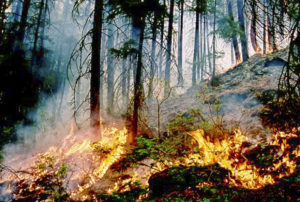 President Trump’s Executive Order (EO) “Empowering Commonsense Wildfire Prevention and Response” is the latest of several significant federal policy efforts aimed at tackling the wildfire crisis. The Federation of American Scientists (FAS) focuses on embedding science, data, and technology into government to support communities in preparing for, responding to, and recovering from wildfires. FAS applauds several elements of President Trump’s EO. For instance, the EO correctly recognizes that wildfire technology and prescribed fire are powerful tools for reducing risk and strengthening wildfire resilience. FAS is also glad to see the Administration promote interagency coordination; emphasize the importance of state, local, and Tribal leadership; and recognize the intersection of wildfire resilience and other sectors, such as the grid and our bioeconomy. We are encouraged that the Administration and Congress are recognizing the severity of the wildfire crisis and elevating it as a national priority. Yet the devil is in the details when it comes to making real-world progress.
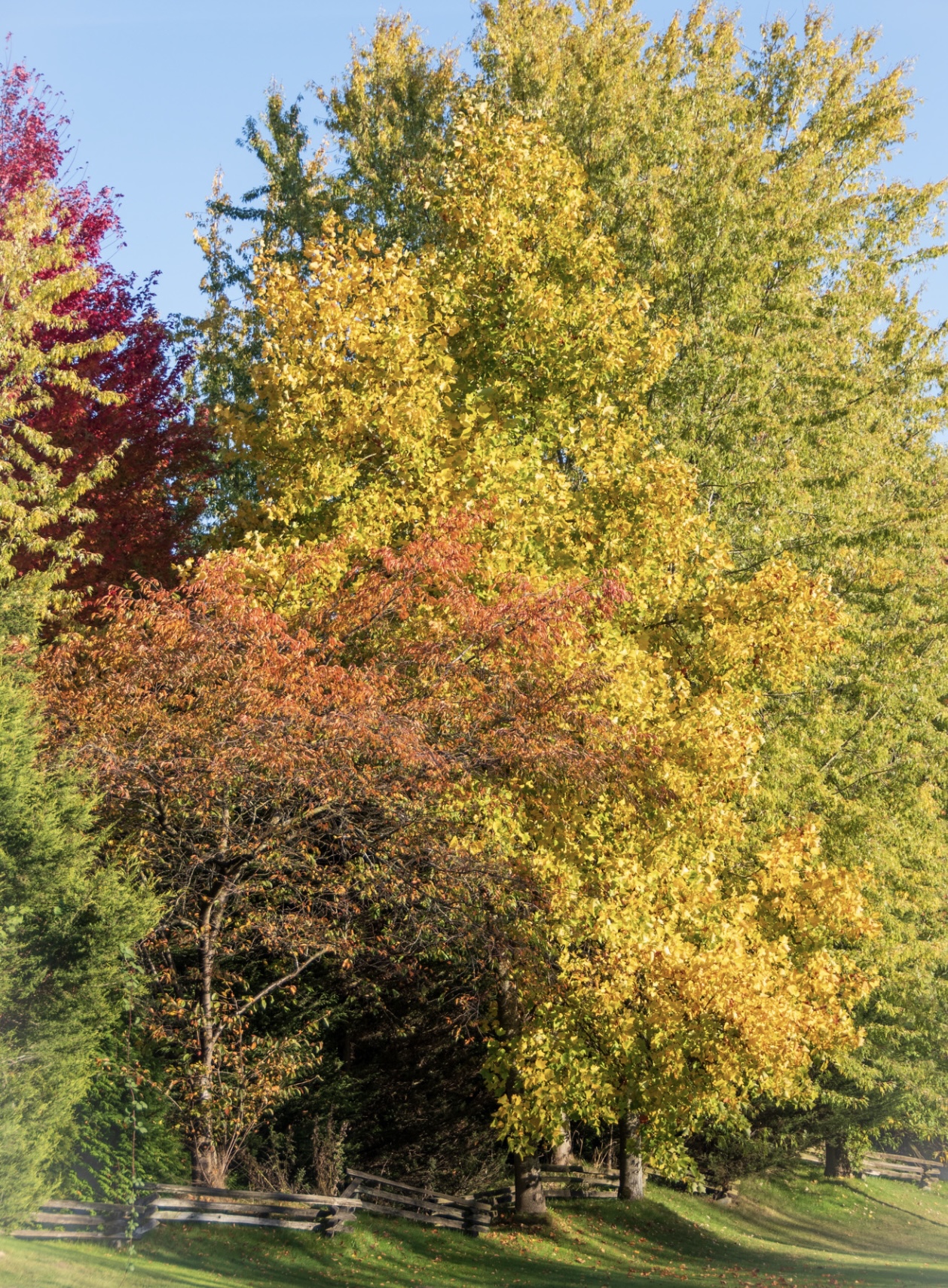 A proposal to sell public lands through the U.S. Senate’s budget reconciliation bill died by the sword of parliamentary procedure Monday, though the budgetary battle over public lands is not yet over. The Senate parliamentarian … nixed a provision to sell up to three million acres of Bureau of Land Management and U.S. Forest Service land across 11 states, including Wyoming, finding that it violated a rule limiting budget reconciliation bills to measures that are directly related to federal spending. The provision, which framed the sale as a way to alleviate the housing crisis by opening up more land for development, has roiled Westerners of all political persuasions since it was unveiled June 11. …U.S. Sen. Mike Lee, R-Utah, the architect of the provision, will introduce a new measure removing Forest Service land from the bill and narrowing the amount of BLM land for sale to tracts within 5 miles of population centers.
 When U.S. Agriculture Secretary Brooke Rollins announced on Monday that her department would be opening up more US Forest Service land to development, she did so with the caveat that just two states — Colorado and Idaho — would not be impacted. Rollins, who serves in President Donald Trump’s cabinet, unveiled the plans during a meeting of Western state governors in Santa Fe, where she told reporters that the Agriculture Department would be rescinding the 2001 “roadless rule” established under former President Bill Clinton. The rule, hailed by conservationists as a landmark preservation effort, protects roughly 58.5 million acres of backcountry Forest Service land from road construction, logging and other development. “For too long, Western states, especially those with large swaths of land administered by our incredible Forest Service, have been inhibited from innovating because of burdensome regulations imposed by the federal government,” Rollins said.
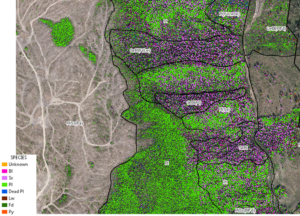 After a longer wait than expected, the a bill that would eliminate the unpopular Oregon Wildfire Hazard Map passed the Oregon House on June 24. Senate Bill 83 repeals a map meant to identify parts of Oregon at high risk of catastrophic wildfires but has become a lightning rod for anger from rural residents who say it places an unfair burden on them. The bill, which passed the Senate in April, now heads to the desk of Gov. Tina Kotek. The map, which was released earlier in 2025 and identifies areas at high wildfire risk, requires stricter building codes and creation of defensible space for roughly 100,000 properties in the name of wildfire prevention. The map was roundly condemned by impacted residents who said it was inaccurate, decreased property values and imposed burdensome regulations.
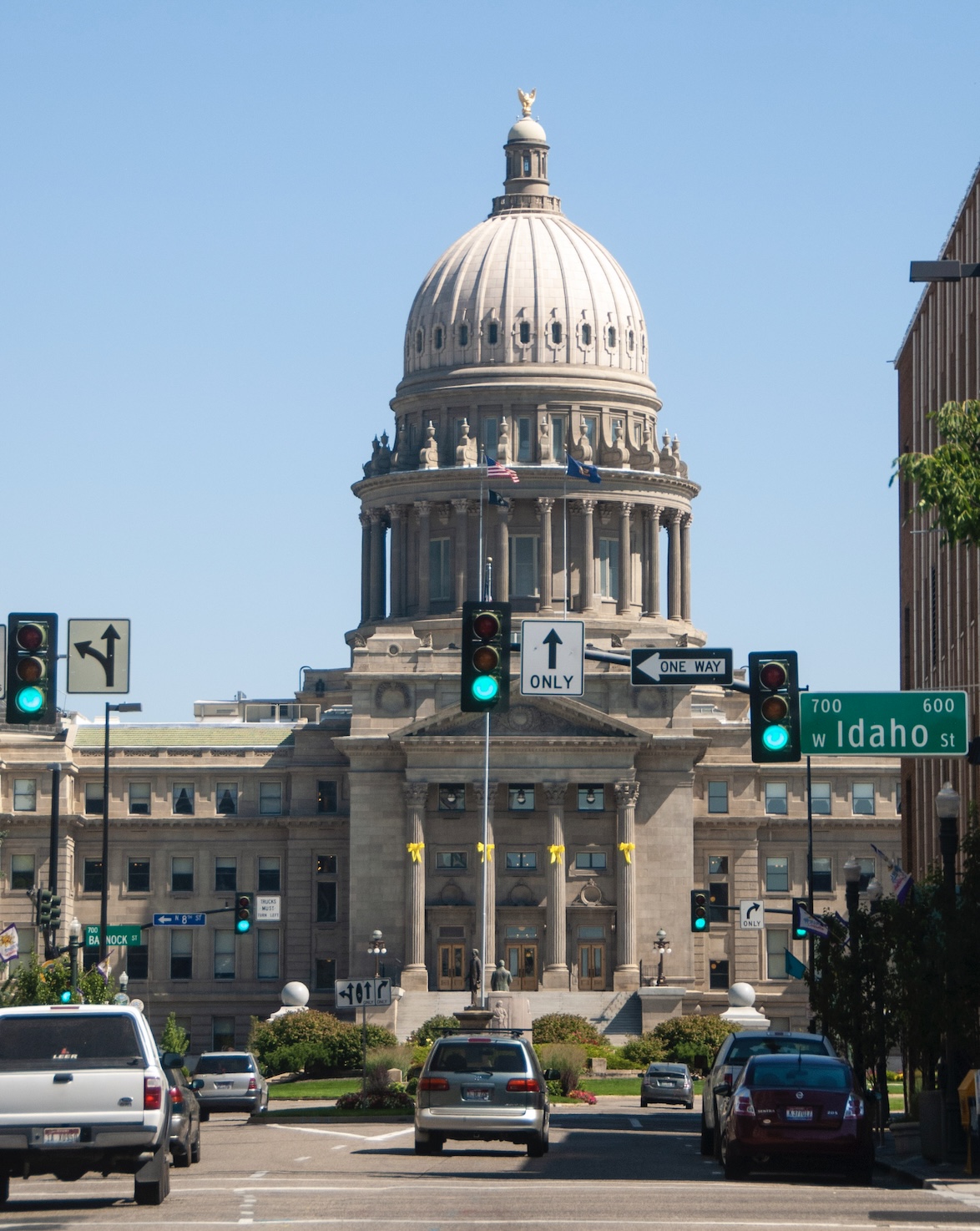 The Idaho roadless rule is not included in the effort by the Trump administration to rescind the national rule. A spokesperson for the U.S. Department of Agriculture said, “the Idaho state-specific roadless rule was part of the Administrative Procedures Act petitions and will not be affected by rescinding the 2001 Roadless Rule.” The rule, a collaboratively written offshoot of the national rule, was spearheaded by then-Gov. Jim Risch in 2006. It is more flexible than the national rule and allows limited logging and road building in some of the state’s roadless forests that are not otherwise protected as wilderness areas. But it also offers more stringent protections to the most remote areas. …Risch’s Idaho-specific roadless rule, implemented in 2008, overrides the national rule and forbids logging and roads on 3.2 million acres of the state’s 9 million acres of inventoried roadless areas. Some logging and roads are allowed, under limited circumstances, on the remaining 6 million acres.

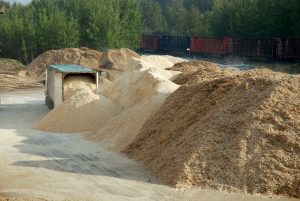 A California nonprofit organization has decided to revise its controversial plan to build two wood pellet processing plants that would turn excess biomass in the state’s forests into pellets to be shipped overseas for use in renewable energy generation. Golden State Natural Resources said Wednesday it will develop a reduced-scale project focused on domestic, rather than international, use of sourced wood, producing wood chips instead of pellets. The project will target emerging demand in California and nearby regions for sustainable energy and alternative wood products. The organization’s proposed Forest Resiliency Project has drawn the ire of environmentalists who say California needs to rethink “falling for the biomass delusion.” Golden State Natural Resources was formed by rural counties to reduce massive wildfires fueled by overgrown, undermanaged forests. The project aims to use low-value forest material like ladder fuels and dead trees to lower wildfire risk and improve forest health.
  In an update to the joint UNESCO-WRI-IUCN report
 When Domino’s advertised its “smokehouse” pizzas in 2023, it trumpeted that the meat was smoked over timber logged from “Aussie Mountain ash”. It also advertised that the timber was certified as sustainable. But what the advertising didn’t promote was that mountain ash forests are critically endangered, with logging listed as one of the key processes threatening them. And now the ABC can reveal the certification that assured consumers that logging was sustainable was breached in seven different ways, according to the organisation that accredits certifiers. Those breaches included potentially stealing the trees from the neighbouring state forest, ignoring protections for waterways and logging potential endangered species habitat. “I think Australians should be absolutely appalled that the world’s tallest flowering tree is chipped up to make woodchips to smoke pork bellies to put on pizzas. It’s ridiculous. What are we talking about? Endangered possum pizzas?” Professor Lindenmayer said.
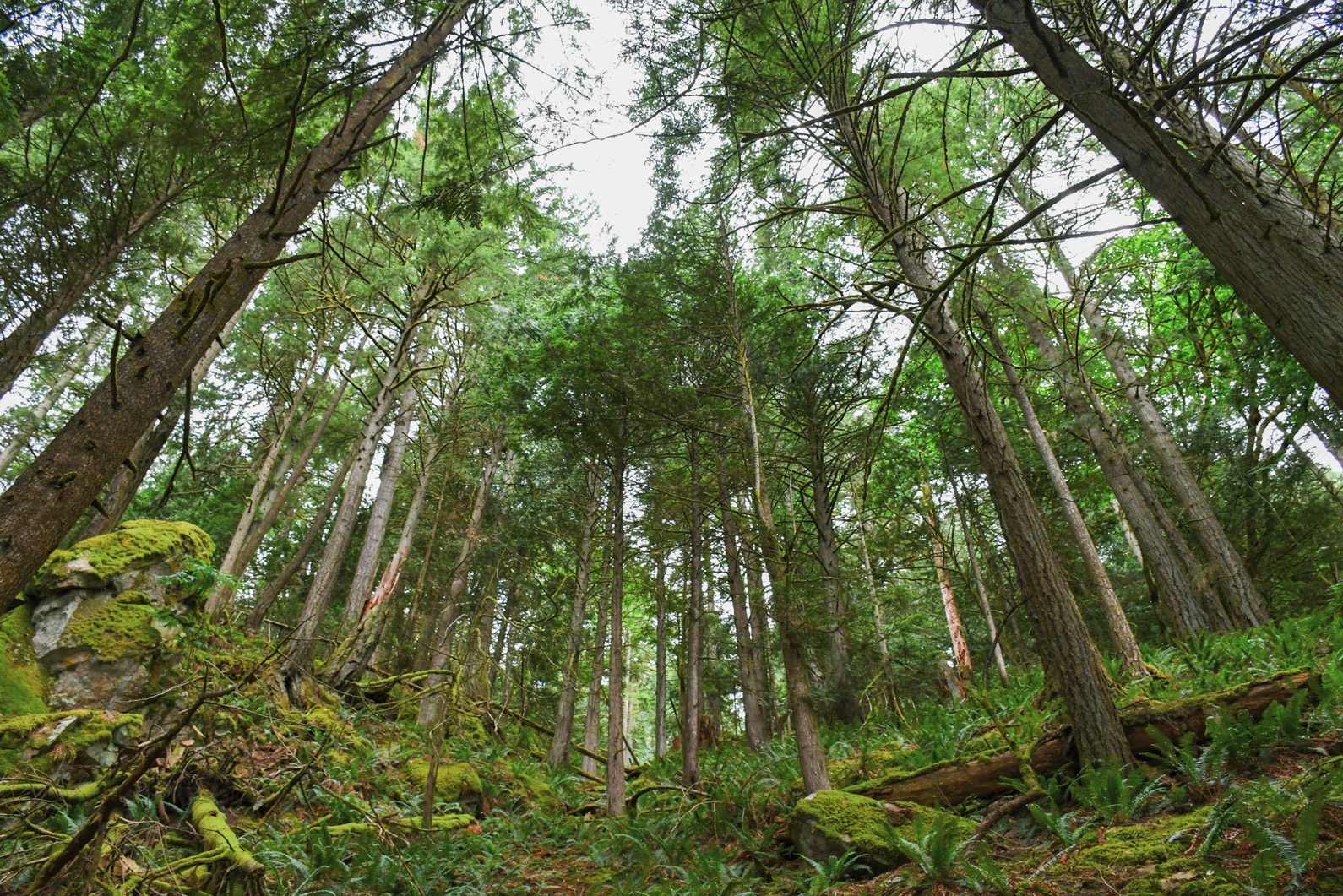 Naturally-regenerating forests are often ignored by policymakers working to curb climate change even though they hold an untapped potential to rapidly absorb planet-warming carbon from the atmosphere, scientists found in a research paper published Tuesday. These so-called secondary forests, which have regenerated themselves after being razed, often for agriculture, can help bring the world closer to the net-zero emissions target needed to slow global warming, the research published in the journal shows. That is because these young forests, which are made of trees between two and four decades old, can remove carbon from the atmosphere up to eight times faster per hectare than forests that were just planted, they found. It comes as companies worldwide are raising millions of dollars to regrow forests from scratch to generate carbon credits they can sell to polluting industries seeking to offset their greenhouse gas emissions.
 Recent rainfall has reduced the wildfire hazard across northwestern Ontario, though the region’s largest wildfire is now more than 194,000 hectares large. Red Lake 12 — the fire that has forced community evacuations in Deer Lake First Nation and Sandy Lake First Nation — remains not under control. However, precipitation and cooler temperatures have given FireRangers more breathing room over the past few days and have also reduced smoke levels. However, thunderstorms this past weekend have created the potential for holdover fires caused by lightning, which crews will be monitoring over the next week. Red Lake 12 has 23 firefighting crews assigned to three divisions on the fire’s south and eastern perimeters, supported by 18 helicopters, including four heavy helicopters with increased bucketing capacity, Ontario Forest Fires said in its latest update.