 Oregon-based Hampton Lumber bucks South Carolina’s mill closure trend with new sawmill announcement. In related news: SmartLam’s Alabama expansion is paying dividends; US homebuilders wonder if lumber self-reliance is possible; Southern Pine exports are up; and US consumer confidence is down again. Meanwhile: the BC lawsuit over RCMP actions at Fairy Creek is dismissed; BC First Nations want to expand their forest economy; and the Softwood Lumber Board reports Q1, 2025 lumber demand generated.
In Forestry news: Trump’s Roadless Rule change garners support while raising concerns; the US plan to sell public land hits Senate roadblock; and Vietnam aims to up its FSC and PEFC certification. Meanwhile, new studies on climate mitigation via burying forest waste; natural-regeneration and carbon-credit schemes.
Finally, the BC is Burning documentary premiers in Vernon tomorrow!
Kelly McCloskey, Tree Frog News Editor


 SOUTH PITTSBURG, Tennessee – Recent missile attacks put global trade on alert as the Baltic and International Maritime Council warned the Strait of Hormuz and the Persian Gulf could face disruption. …Mike Cardin, Cardin Forest Products Chief Manager, said the conflict could hurt the American lumber industry as well. Cardin’s hardwood sawmill reported fewer orders coming out of the Middle East. Uncertainties about President Trump’s future tariff policies forced Cardin to change how his sawmill operates. Before Trump took office, Cardin said his sawmill shipped wood products across the globe. He said foreign buyers proactively stopped buying American wood because they expect Trump to slap new tariffs on timber imports by the end of the year. Most of Cardin’s sales now come from Mexico and within the U.S. …”Right now, no one knows what’s going to happen,” Jarrod Cardin, Cardin’s Controlling Member, said.
 GEORGETOWN COUNTY, S.C. —



 April 2025 Southern Pine lumber exports (treated and untreated) were up 22.7% over the same month in 2024 at 57.4 MMBF and up 34.8% over March 2025, according to April 2025 data from the USDA’s Foreign Agriculture Services’ Global Agricultural Trade System. Year-to-date exports, however, are running 4% behind the same period in 2024 at 179.7 MMBF. When looking at the report by dollar value, Southern Pine exports were up 27% to $22.6 million in April – a 12-month high – compared to the same month in 2024 and up 26% over March 2025. Mexico leads the way YTD 2025 at $20.7 million, followed by the Dominican Republic at $15.8 million, and Canada at $5 million. Treated lumber exports, meanwhile, were up 47% compared to April 2025 at $15 million and up 53% over March 2025. …Softwood lumber imports were down 5% in April to 1.2 MMBF over the year and down 13.7% over March 2025.
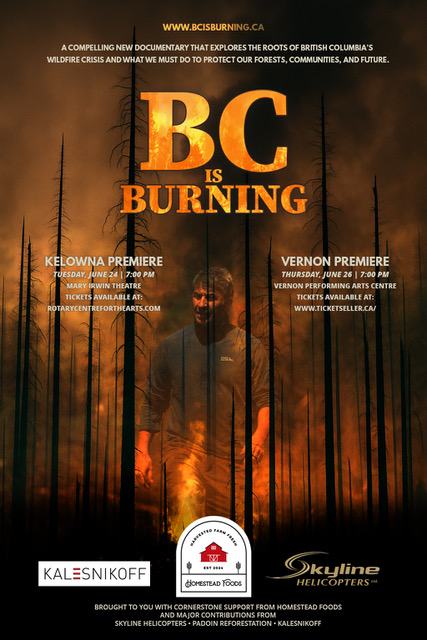 New film reveals the roots of B.C.’s wildfire crisis—and what we must do to stop it. A powerful new documentary exploring the causes and consequences of British Columbia’s escalating wildfire crisis will premiere to the public at the Vernon Performing Arts Centre Thursday June 26 at 7:00 pm. Titled B.C. is Burning, the 45-minute film delivers a sobering but hopeful look at what’s fueling today’s megafires—and the science-based solutions that could protect our forests, our communities, and our future. B.C. is Burning was independently produced and funded through community support, with Homestead Foods generously contributing half of the total budget. We also gratefully acknowledge major support from Skyline Helicopters, Padoin Reforestation, and Kalesnikoff.
 A plan to sell more than 2 million acres of federal land in Oregon, Washington and 9 other Western states has been ruled out of Republicans’ big tax and spending cut bill after the Senate parliamentarian determined the proposal by Senate Energy Chairman Mike Lee would violate the chamber’s rules. Lee, an Utah Republican, has proposed selling public lands to states or other entities for use as housing or infrastructure. The plan would revive a longtime ambition of Western conservatives to cede lands to local control after a similar proposal failed in the House earlier this year.The proposal received a mixed reception Monday from the governors of Western states. New Mexico Gov. Michelle Lujan Grisham, a Democrat, called it problematic in her state because of the close relationship residents have with public lands. …Lee said he would keep trying. …Environmental advocates celebrated the ruling late Monday, but cautioned that Lee’s proposal was far from dead.
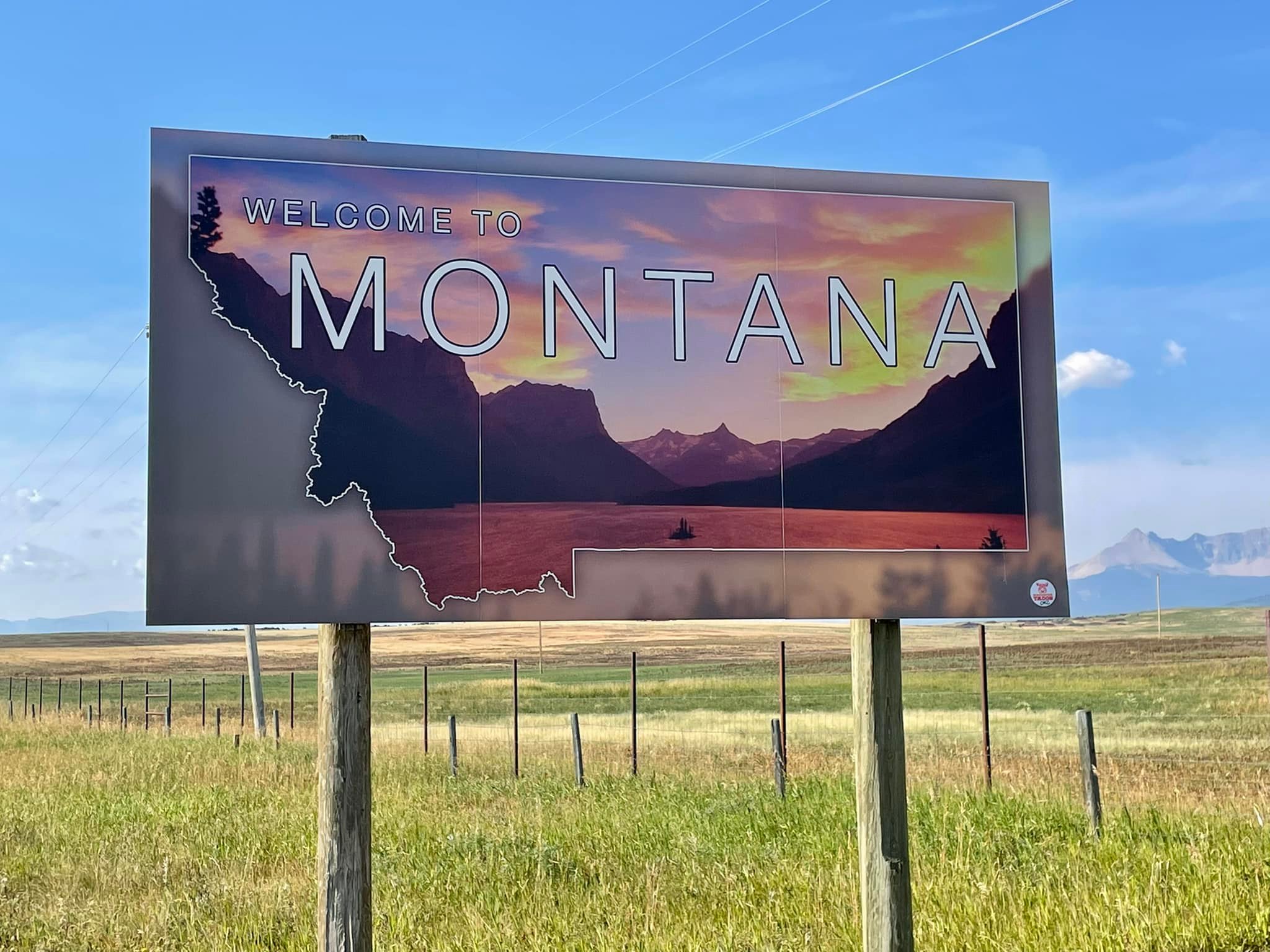 Less than two weeks have passed since the public learned of a Senate proposal to sell off public lands, and now, the U.S. Department of Agriculture has removed roadless protections for more than 58 million acres of federal land across the nation. …Helena Hunters and Anglers …decided to call an emergency meeting for Tuesday to discuss the implications of the announcement. If roadless areas were truly gone, the group might not continue their yearly monitoring of roadless areas. Montana has almost 6.4 million acres of inventoried roadless areas… Helena Hunters and Anglers has been monitoring some of those roadless areas for the past few years to assess their condition, and some of the findings aren’t good. …A number of other conservation organizations immediately criticized the action, calling it another handout to corporations to the detriment of the American public and future generations. The Colorado-based Center for Western Priorities said Rollins’ reasons were suspect.
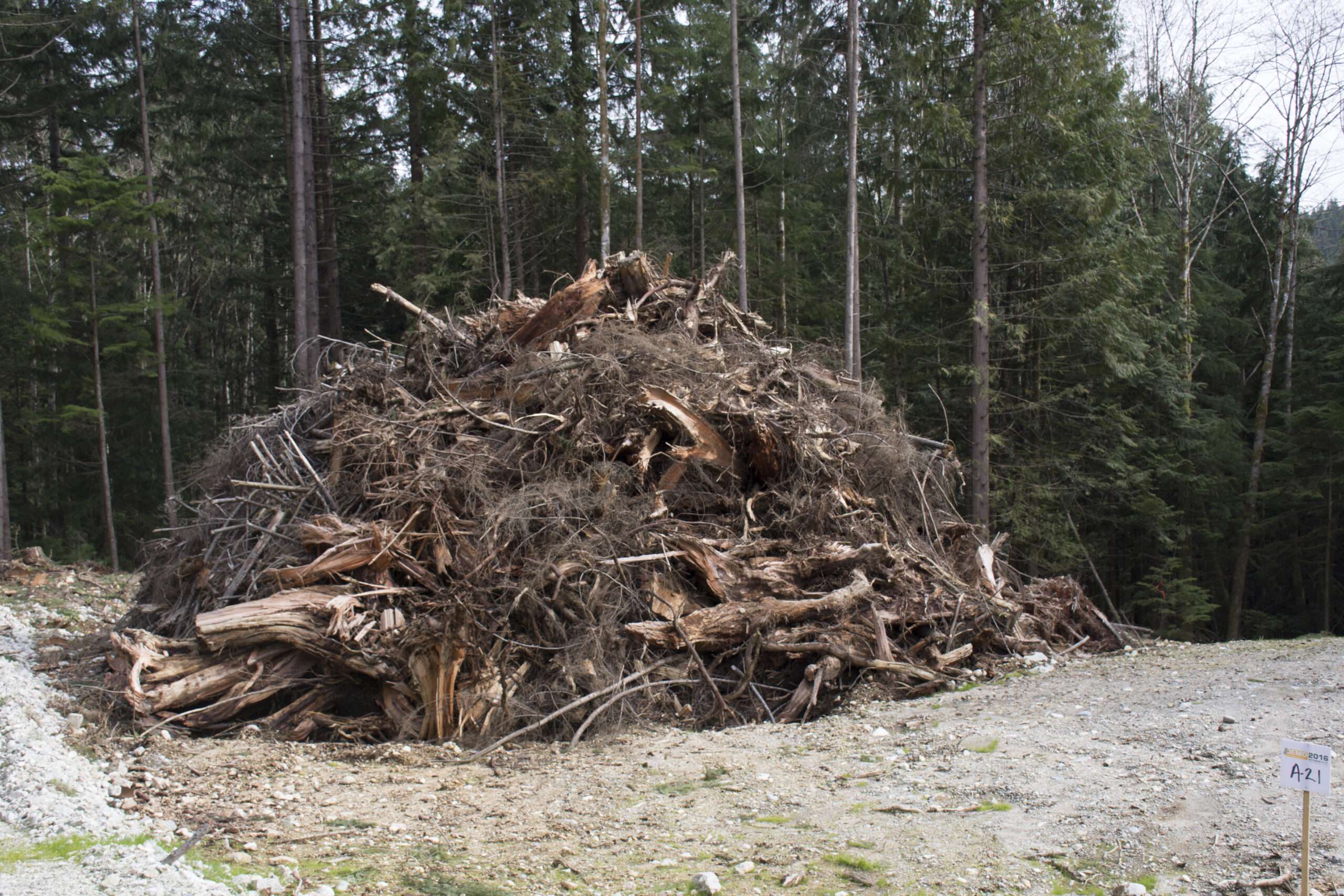 The world’s sawmills and plantation forests offer a powerful weapon against climate change, a new study has found. A paper published in Nature Geosciences found that burying the vast quantities of wood waste produced in the course of logging and processing trees could markedly slow Earth’s heating. Heat waves like the one currently afflicting the East Coast in the U.S. have been made far more likely by centuries of unchecked burning of fossil fuels — which release heat-trapping chemicals like carbon dioxide. …But in addition to the need to halt that burning, researchers found that burying waste from trees … offers an unparalleled way to counteract its impacts. …the study burying waste could reduce the Earth’s heating by 0.42 degrees Celsius, or about one-sixth of the estimated 3 degrees Celsius that scientists believe the Earth is on track to heat up by the end of the century.
 Judges across the world are proving sceptical of companies’ attempts to offset their greenhouse gas emissions by buying carbon credits,