 US President Trump signed an executive order directing the consolidation of US wildland fire programs—to the chagrin of some and applause of others. In related Wildfire news: Mike Flanagan says Canada’s forests are in uncharted territory; the BC is Burning documentary exposes causes and consequences; a BC Indian Band’s wildfire equipment is vandalized; and fire updates from Squamish BC, Ontario and New Jersey. Meanwhile: AI and LiDAR combine forces to advance forest carbon mapping.
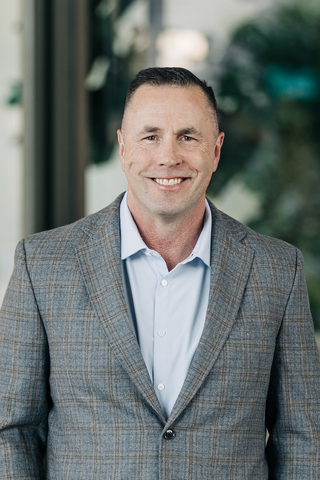
In Business news: Cranbrook, BC Steelworkers say severance payments are still owed at shuttered Galloway Sawmill; the Veldman brothers financed Michigan’s paper mill restart; and Sierra Pacific settles its water pollution lawsuit. Meanwhile: Dr. Kathy Lewis received an honorary title at the University of Northern BC; Boise Cascade has a new Senior VP of wood manufacturing; and the Canadian Institute of Forestry is seeking a new Executive Director.
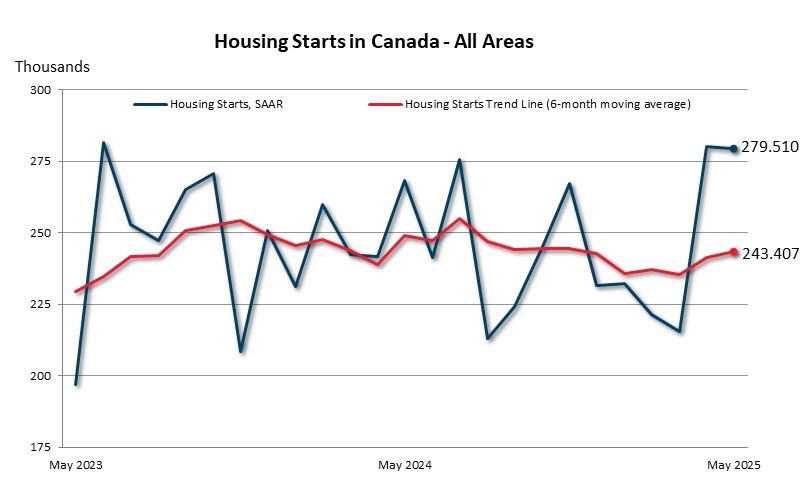
Finally, Canadian housing starts remain flat, but US consumer sentiment finally improves.
Kelly McCloskey, Tree Frog News Editor
 The Institute is seeking an enthusiastic individual to provide strategic and operational leadership as Executive Director. The Executive Director leads the Canadian Institute of Forestry / Institut forestier du Canada (CIF-IFC), guiding the organization through strategic growth and operational excellence. This role ensures the long-term sustainability of the Institute through sound governance, financial stewardship, and stakeholder engagement. The Executive Director works closely with a small team, the Executive Committee, and a broad national network of members, volunteers and partners. They are accountable to the Board of Directors and collaborate with committees, staff, members, sponsors, and regions across Canada. This is a full-time, remote position. Individuals with the requisite qualifications are invited to apply by July 21, 2025.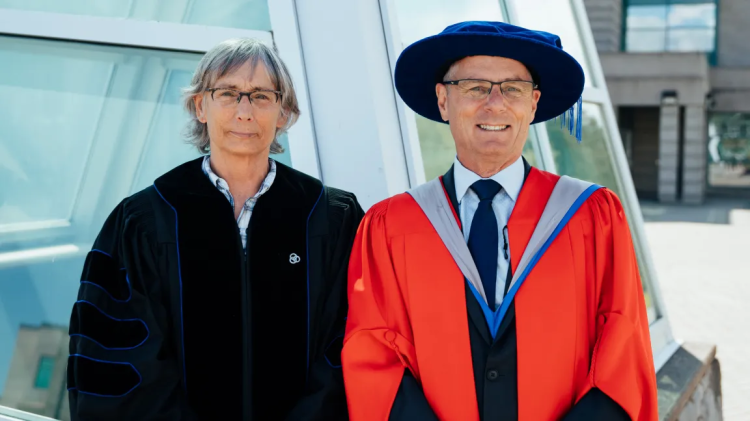
 SURREY, BC — Mackenzie Sawmill is back in the courts, a little more than a decade after the sum of three fires ruined a large mill built in 1938. The first of three fires was on Nov. 12, 2010, followed by a second on Jan. 25, 2011 and the third on Oct. 31, 2014 essentially destroyed what was left of it. …Judge Rory Krentz, presided over a hearing in B.C. Supreme Court in Vancouver, where the defendants applied for a dismissal for want of prosecution. Mackenzie ceased operations in early 2011 after the second fire, with two groups of employees entitled to severance pay. The court heard Mackenzie told the union the company intended to build another mill on site, enabling the union employees to keep their jobs. …This was before the third fire, after which Mackenzie indicated it still planned to rebuild the mill. But the union alleges MacKenzie decided before the last fire happened that it wouldn’t rebuild.
 Cranbrook, BC – United Steelworkers (USW) Local 1-405 members at Galloway Sawmill have had enough and are going public with their frustration with Peak Renewables and Galloway Sawmill owner Brian Fehr and the violation of their collective agreement rights and severance owed to the 20 workers of the Galloway Sawmill. “Workers left at the Galloway Sawmill are entitled and deserve their severance from Peak Renewables and owner Brian Fehr at Galloway Sawmill. The company is reneging on a negotiated closure agreement and the workers are the only ones that get hurt,” said USW Local 1-405 President Grant Farquhar. “That site was closed officially by the employer in December of 2024. Five months later and two months after the commitment was made by the employer to pay the severance was made, the members still haven’t received it.” Brian Fehr, owner of Peak Renewables, bought the Galloway Sawmill from Bud Nelson in 2017. The mill hadn’t run since December of 2022.


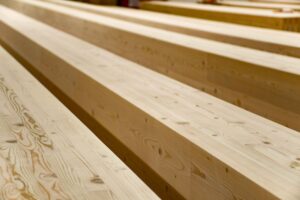 The American military is looking at the possibility of using 3D printing, additive construction methods and cross-laminated timber (CLT) to build new military barracks and other buildings at various bases. The U.S. Army Corps of Engineers has already built new barracks at Fort Bliss, Texas, using 3D printing. …CLT is also being used in another centre planned at Joint Expeditionary Base Little Creek-Fort Story, also in Virginia. …Engineers at the Air Force Civil Engineer Center of the Air Force Installation and Mission Support Center are leading the way with research and development on the possibility of implementing concrete building construction techniques in future military construction projects. They discussed a number of topics, including additive construction, 3D-printed buildings, high performance cement and concrete mixes, geosynthetics, mass timber, composite materials, industrialized construction, tension fabric structures and carbon fiber-reinforced polymers.
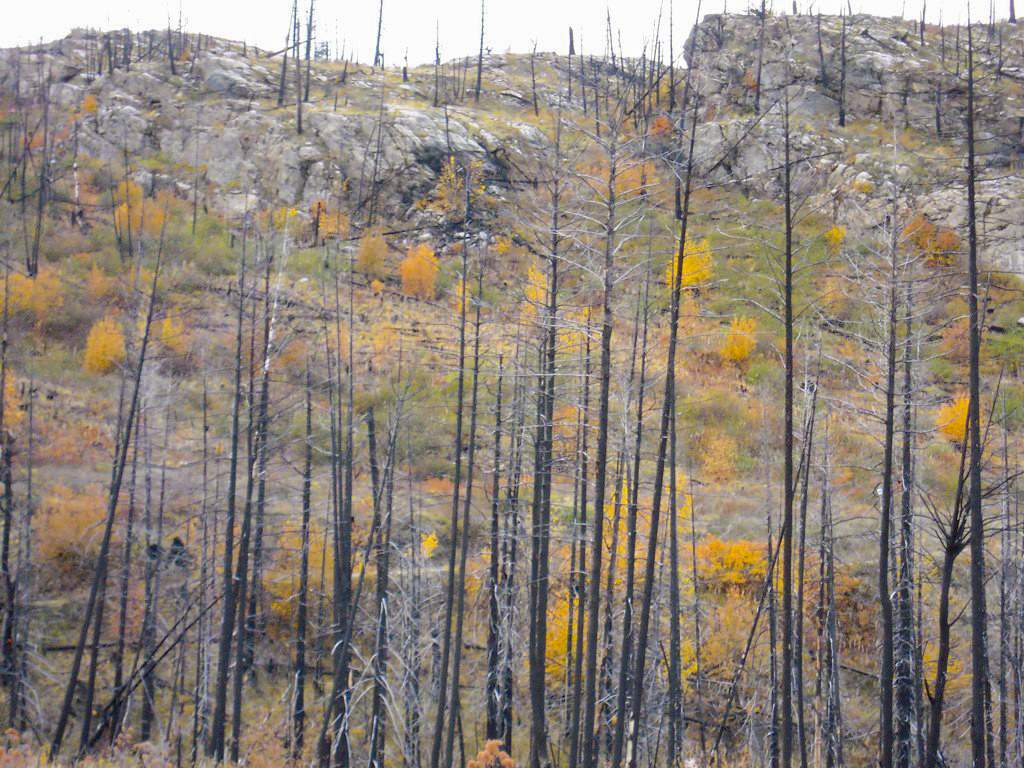
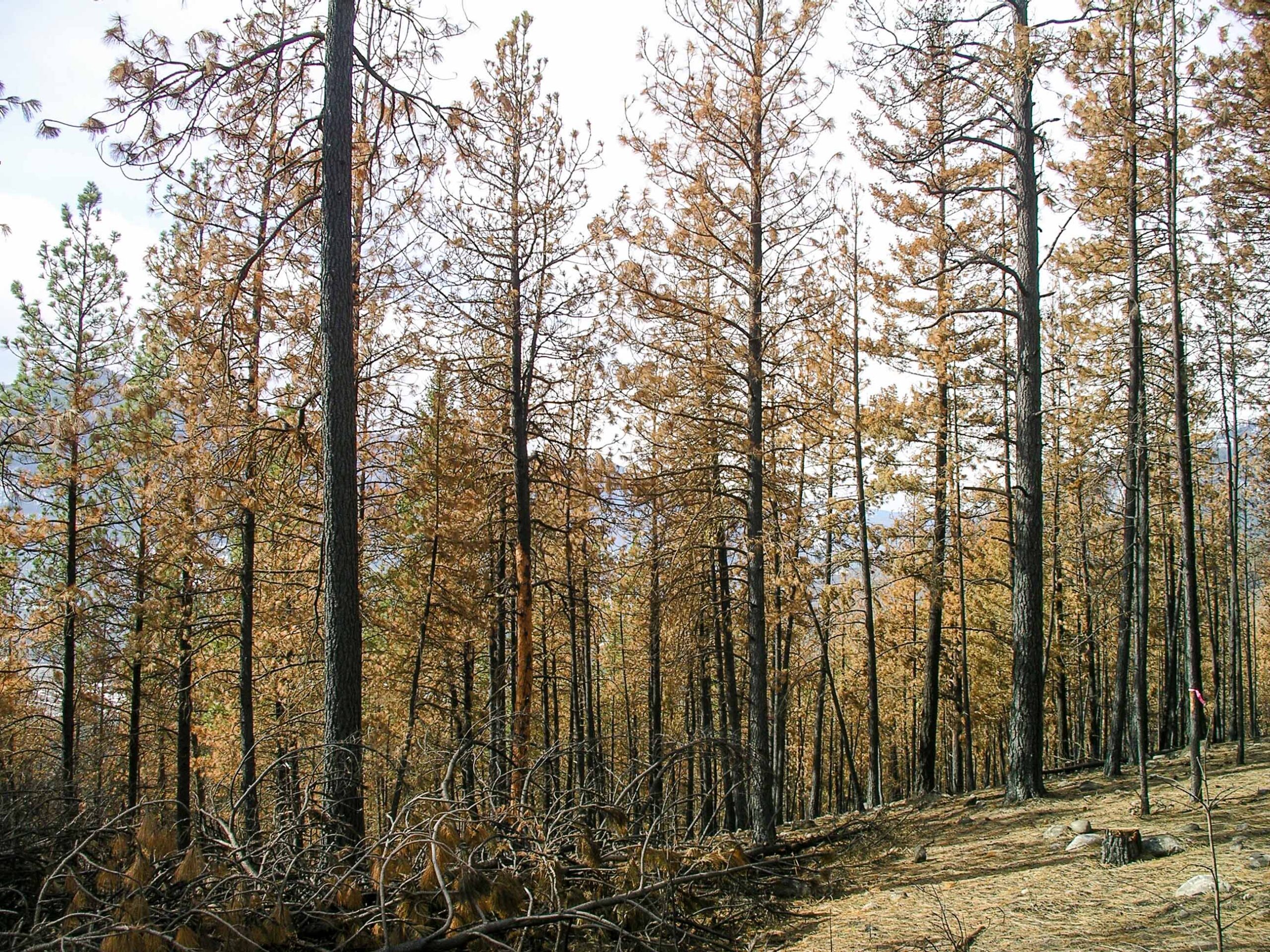 Scientists say wildfire could transform parts of the Canadian landscape, as more intense and more frequent fires push forests to adapt and prevent certain common Canadian trees from regrowing…. Canada’s native plants are hardwired to endure the effects of wildfire — to an extent. But … drier conditions and warmer weather due to climate change are making these fires more frequent and hotter. …What could happen is a shift from tall forests to grassland or savanna in some parts of the country… This would in some ways be a return to the past, said Marc-André Parisien, a scientist with the Canadian Forest Service — and not necessarily a bad thing. …“We’re moving to a place that has no historical analogue,” said Mike Flannigan, the science director of the Canadian Partnership for Wildland Fire Science at the University of Alberta. “We’re in new uncharted territory,” as climate change has exacerbated wildfires’ pace and scale. [Full story access requires a subscription to the Washington Post]
 A wildfire documentary funded in part by community donations and Okanagan businesses will be screened in Kelowna and Vernon later this month. B.C. is Burning is a 45-minute film that explores the causes and consequences of the megafires that have devastated communities in the province in recent years. It also looks at science-based solutions that could protect communities, forests and B.C.’s future. The documentary was produced and written by retired forester Murray Wilson, initiated by association producer Rick Maddison and directed/edited with production support from Ryan Tebbutt of Edge Digital Media in Kelowna. It combines expert interviews, government data, and powerful footage from both British Columbia and California. …We know how to stop this,” says Wilson. “B.C. can lead — if we stop solely reacting and start managing our forests to protect lives, cut emissions, and reduce wildfire risk.”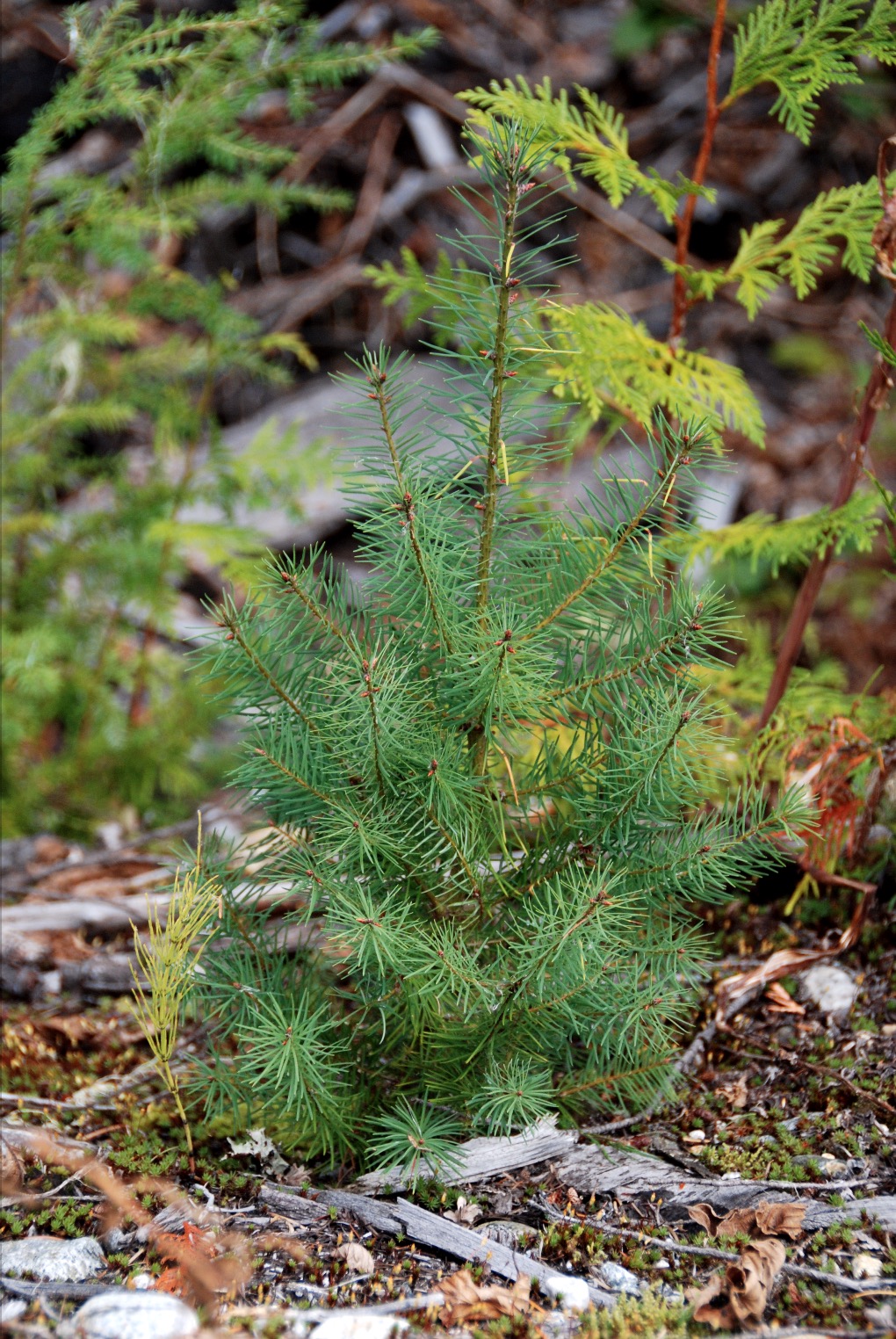
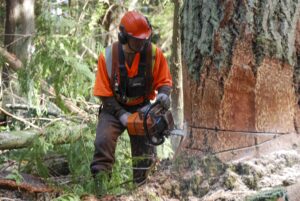 The buzz of saw teeth and scent of crushed pine needles filled the air as Roy Blackburn walked up a muddy path tucked away in the Willamette National Forest. …Timber once drove the economies of states like Oregon. But forest harvests nosedived beginning in the early 1990s due to stricter environmental regulations, a changing lumber market and other factors. President Trump hopes to reverse that trend by executive fiat, ordering the US Forest Service to ramp up logging on federal lands in what environmental groups like Earthjustice call a “cynical attempt to justify destructive logging.” …The amount of timber harvested on Forest Service land has decreased nearly 80% since reaching a high in 1987. …Canadian competition was on Trump’s mind in March when he signed an executive order to immediately expand timber production on federal lands. …Previous administrations allowed environmental groups to drive “the decision-making on our forests.” That’s changing.
 Satellite data used by archaeologists to find traces of ancient ruins hidden under dense forest canopies can also be used to improve the speed and accuracy to measure how much carbon is retained and released in forests. Understanding this carbon cycle is key to climate change research, according to Hamdi Zurqani, for the Arkansas Forest Resources Center and the College of Forestry, Agriculture and Natural Resources at the University of Arkansas at Monticello. The center is headquartered at UAM and conducts research and extension activities through the Arkansas Agricultural Experiment Station. …In a study recently published in Ecological Informatics, Zurqani shows how information from open-access satellites can be integrated on Google Earth Engine with artificial intelligence algorithms to quickly and accurately map large-scale forest aboveground biomass, even in remote areas where accessibility is often an issue.
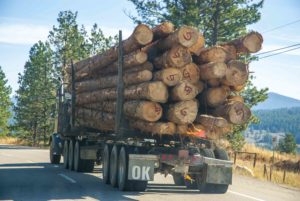 The trucking industry has been facing unprecedented challenges in recent years, with a shortage of qualified drivers, rising fuel and insurance costs… and now economic uncertainty caused by tariffs. …Now, one large lawsuit against a trucking company highlights a dangerous practice that has been going on. …The Estate of Sarah Susman v. Starker Forests, Inc., R&T Logging of Oregon, Wolf Cr. Timber Services, Shane Mcvay – is a $65 million wrongful death claim. Sarah Susman… was driving to work in September 2021 when a logging truck operated by a 67-year-old driver rolled over and lost its load. …Family members of the victim believe that the incident can be attributed to a dangerous injury practice referred to as “double brokering.” …Court filings explained that double-brokering is a practice within the trucking industry where multiple contractors pass hauling jobs between them with very little oversight or enforcement of safety regulations.
 New Jersey — A wildfire that began Friday in the Wharton State Forest in Burlington County is now 80% contained, fire officials said Sunday. The New Jersey Forest Fire Service posted on its Facebook page a total of 5,750 acres were scorched since the blaze began Friday morning. It was first spotted near the Carranza Memorial in the state forest. By 11 p.m. Friday, flames had grown to 3,250 acres, state fire officials had said. The blaze, dubbed the Mines Spung Wildfire, is located within Wharton State Forest in Shamong Township. A wildfire is defined by state fire officials as an uncontrolled fire burning different types of vegetation covering the land, with a “major wildfire” being anything that exceeds 100 acres in size. Crews on Sunday were continuing to mop up hot spots and patrol the fire perimeter, state fire officials said.