Trump doubles down on tariff benefits, as his Commerce Secretary Lutnick says a compromise is possible. Notable reactions include:
- FPAC’s Derek Nighbor: US tariffs on Canadian exports breaks terms of USMCA
- NAHB’s Buddy Hughes: Warn of rising building costs as Trump’s tariffs take effect
- AF&PA’s Heidi Brock: Fears disruption of industry’s cross-border supply chains
- US Economist Paul Krugman: Trump tariffs are profoundly self-destructive
 Meanwhile: BC forecasts tough times ahead, as industry fears economic fallout; tariffs could untangle Maine’s ties with Canada; US construction is bracing for a cost surge; Los Angeles’ rebuild will now cost more; and China moves to halt US log imports.
In Forestry news: meet Tom Schultz—the new US Forest Service chief; Trump’s logging order is challenged by firings; investment uncertainty, and by timber supply; Washington State’s commissioner has a new forest plan; and climate change’s clearcutting problem.
Finally, this isn’t America’s first rodeo with a trade war. How’d it go in the past?
Kelly McCloskey, Tree Frog News


 WASHINGTON — A day into Donald Trump’s North American trade war, the U.S. president remained adamant that tariffs would benefit America even as a key member of his team has floated that a compromise could materialize Wednesday. Trump addressed a joint session of Congress Tuesday night by making a case for his massive tariff agenda. …Ottawa introduced immediate 25% retaliatory tariffs. …Following a second day of sharp decline, U.S. Secretary of Commerce Howard Lutnick said… the government was looking to “work something out” in a deal that could be announced on Wednesday. …Lutnick tied the deal to the Canada-U.S.-Mexico agreement, which was negotiated under the first Trump administration to replace the North American Free Trade Agreement. …Trump also ordered 25% tariffs on all steel and aluminum imports into the United States on March 12… m[and he] signed an executive order to implement “reciprocal tariffs” starting April 2. Other tariff targets include automobiles, copper, lumber and agricultural products.
 Overnight, Jake Power went from reflecting on one of the best months that his Agassiz-based custom sawmill has ever had to staring into a potential recession sparked by U.S. President Donald Trump’s tariffs. Power, along with every other British Columbian, woke up to the reality of a trade war. …“Our business was growing, our customers were doing well,” said Power, CEO of Power Wood. “Now, I think we all expect a North American recession if this continues.” …Premier David Eby declared that “all bets are off” in terms of his response to standing up for the province. …Trade economist Werner Antweiler said he worries the most about B.C.’s forest industry, which was “already struggling (at) the edge of profitability.” …There is another looming danger in a trade war if it results in continuing depreciation of the Canadian dollar versus the U.S. currency, according to economist Bryan Yu.



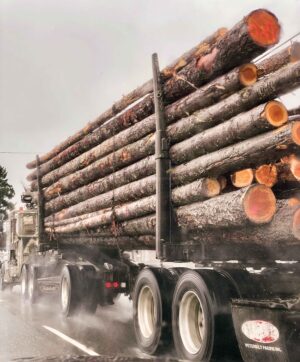 China suspended on Tuesday the soybean import licences of three U.S. firms and halted imports of U.S. logs, stepping up its retaliation for Donald Trump’s decision to impose an extra 10% duty on China. …The suspension of U.S. logs was a direct response to Trump’s move on March 1 to order a trade investigation on imported lumber. Trump had earlier told reporters that he was thinking about imposing a 25% tariff rate on lumber and forest products. “The announcement of import restrictions on U.S lumber and soybeans linked with phytosanitary issues follows a long history of similar measures by Beijing,” said Even Pay, agriculture analyst at Trivium China. …China is one of the world’s largest importers of wood products and the third-largest destination for U.S. forest products. It imported around $850 million worth of logs and other rough wood products from the U.S. in 2024, according to Chinese customs data.
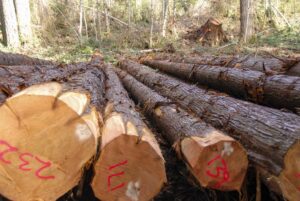 AUGUSTA, Maine — Tariffs on Canadian imports and Ottawa’s retaliation on American goods could sever—or at least strain—the close ties between the forest product industries of Maine and eastern Canada. The state exported $775 million in forest products to Canada in 2023. …Much of the wood Maine sends across the border is in the form of raw logs, according to Dana Doran of Professional Logging Contractors of the Northeast. The timber goes to Canada for processing… and the finished wood products are then frequently re-imported and sold in Maine. …Doran has doubts that these tariff efforts will achieve their intended effect of boosting domestic production. “Most of those Canadian manufacturers have already invested in the United States,” Doran said. …However, others acknowledge that—even if foreign companies benefit—shifting the processing of wood back into the U.S. aligns with the White House’s protectionist aims.


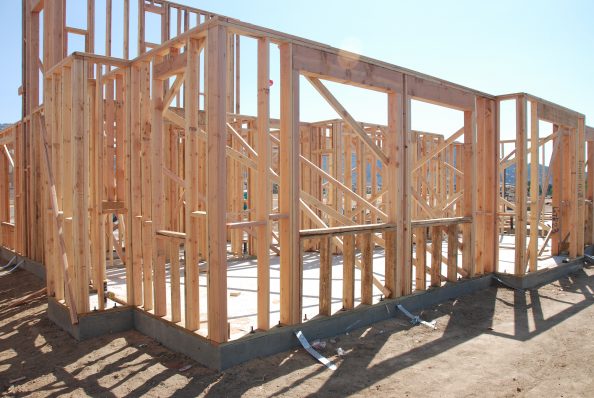 CHINO, Calif. — Where some just see lumber, Marc Saracco, a sales manager at wholesale distributor Capital Lumber Company, sees the building blocks of new communities. Although with the 25% tariffs President Donald Trump is placing on imports from Mexico and Canada, Saracco said those building blocks are expected to get more expensive. “I estimate that the tariffs from appliances to lumber would cost a homeowner between $30,000 and $40,000 per house,” Saracco said. He said it could exacerbate the current housing shortage. “We as an industry rely heavily on what they produce. About 30% of the lumber that we consume in the United States comes from Canada,” Saracco said. …”You’re talking about $600 million just in the scale of the rebuild in additional tariffs to meet those 15,000 homes that absolutely need to be rebuilt,” Saracco said. …With domestic sawmills closing, Saracco said it would take 10 to 20 years before the U.S. can internally meet lumber demand.
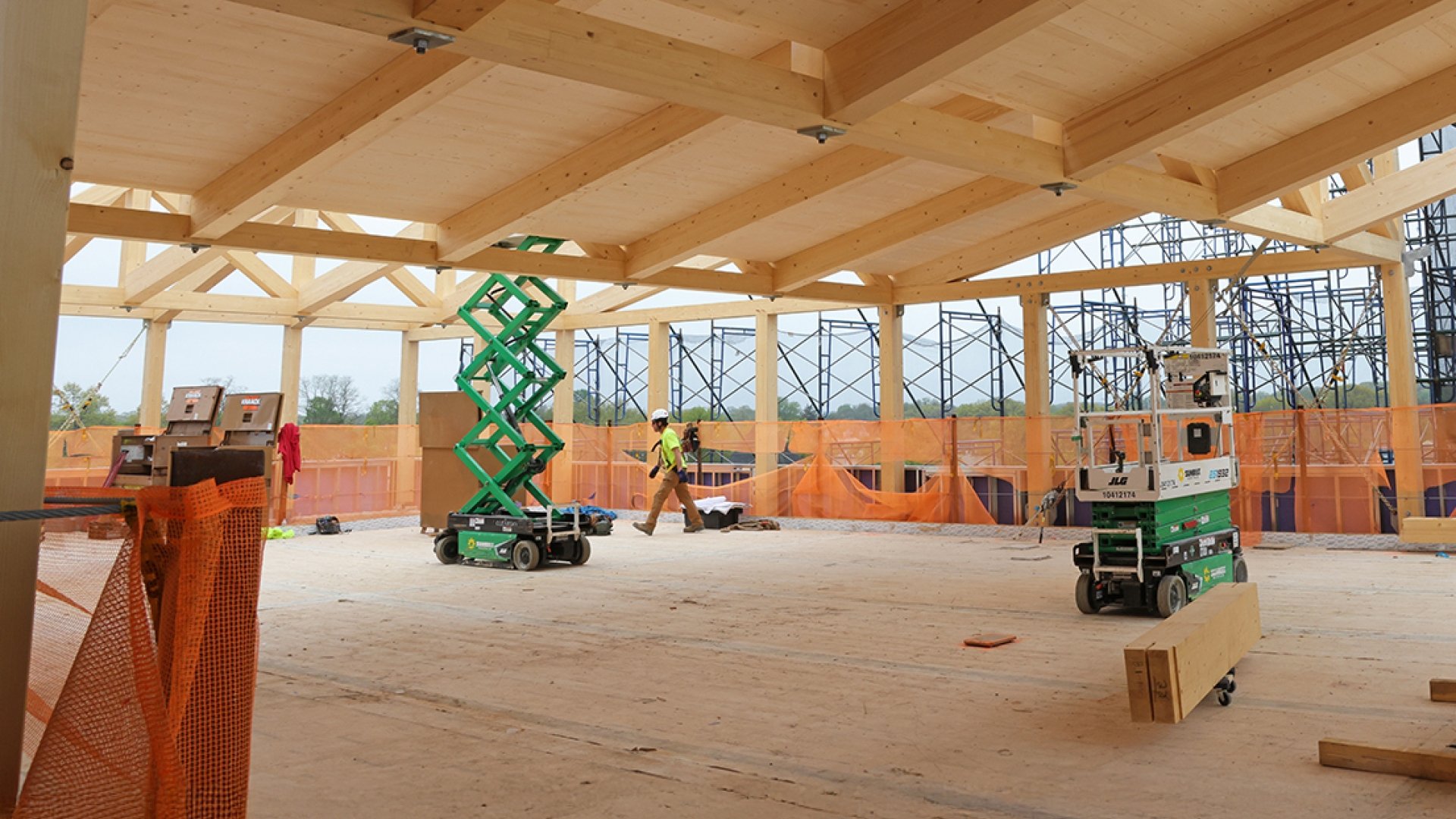

 In response to the Whitebark Pine Harvesting complaint response from the Forest Practices Board (FPB). Having been aware of and having followed the complaint over the last couple of years, it is interesting to read the FPB’s response summarized by Gazette staff in the Feb. 19, 2025 edition. The gravity of harvesting the Cut Block in question has more potential consequences than what meets the eye….We as local inhabitants of the Boundary have not yet convinced the Government to take these high elevation forests out of the Timber Harvesting Land Base (THLB) within the Boundary Timber Supply Area (TSA) or TFL 8. Doing so would help aid in preventing droughts and floods. Subalpine forests are harsh environments where tree establishment and growth is very difficult and slow. Will the Whitebark Pine seedlings survive in sufficient numbers to reestablish a new forest?…What are we doing?




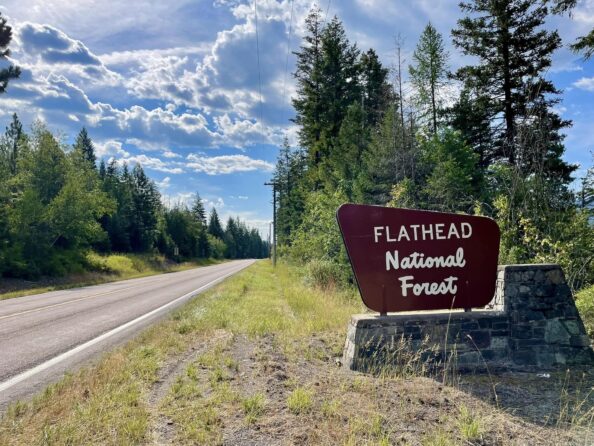 Four conservation groups filed suit in January over the Round Star logging project west of Whitefish on the Tally Lake Ranger District. In the suit against the Flathead National Forest, the Alliance for the Wild Rockies, Council on Wildlife and Fish, Yellowstone to Uintas Connection and Native Ecosystems Council argue that the project is ill-conceived and encroaches on lynx, grizzly and elk habitat. “Lynx critical habitat is the worst place for clearcuts,” said Mike Garrity, executive director of the Alliance for the Wild Rockies, in a Jan. 9 press release. “The surest way to drive lynx to extinction is to continue massive deforestation of the West.” However, local loggers say that the lawsuit is a deterrence to the bigger picture of forest management.


 Here are the headlines from the winter newsletter. Click the read more link to see these stories and more. We hope you enjoy reading it and we welcome your feedback.
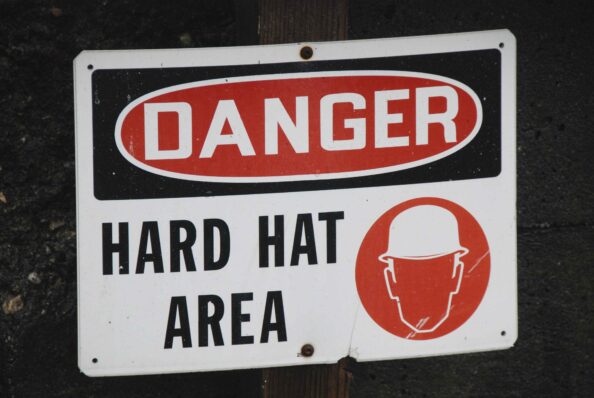 A Washington timber company has been fined nearly $115,000 for child labor violations after a 17-year-old worker was injured while working in a logging operation. The Washington State Department of Labor & Industries issued the citation against MVR Timber Cutting Inc. following an investigation into the incident. The investigation began in May 2024 when L&I received a report of a workplace injury involving the teen, who fractured his foot while jumping between tree stumps. Upon learning that the minor was working as a member of the company’s logging crew, L&I expanded its investigation. …In January, L&I fined MVR Timber Cutting Inc. $56,000 for allowing the minor to work in logging operations 56 times. State regulations prohibit minors under 18 from working in jobs requiring more extensive personal protective equipment than boots, gloves, and safety glasses. Additionally, state law bans teens from working in hard hat zones, prompting L&I to issue an additional $56,000 fine for the 56 violations of that regulation.