 The US Lumber Coalition says lumber duties have a near-zero impact on home prices, while the NAHB says tariffs could nearly triple lumber costs. In related news: Northern Ontario braces for a period of pain; Canada is advised to strengthen its supply chain; the Decorative Hardwood Association says Canada should be exempted; and more on BC’s creation of a Softwood Lumber Advisory Council.
In other Business news: ENGOs fear the UK will renew Drax’s power subsidies; EU climate goals are seen as a threat to Nordic forestry; and regulatory uncertainty is a barrier to forest carbon investments. In Forestry/Wildfire news: US senators propose a new wildfire agency; Canada invests $72M for wildfire monitoring satellites; Governor Newsom wants more fire resistant homes; and the University of Alberta’s latest caribou habitat research.
Finally, Brisbane’s 2032 olympic venue could be the world’s largest timber stadium.
Kelly McCloskey, Tree Frog Editor
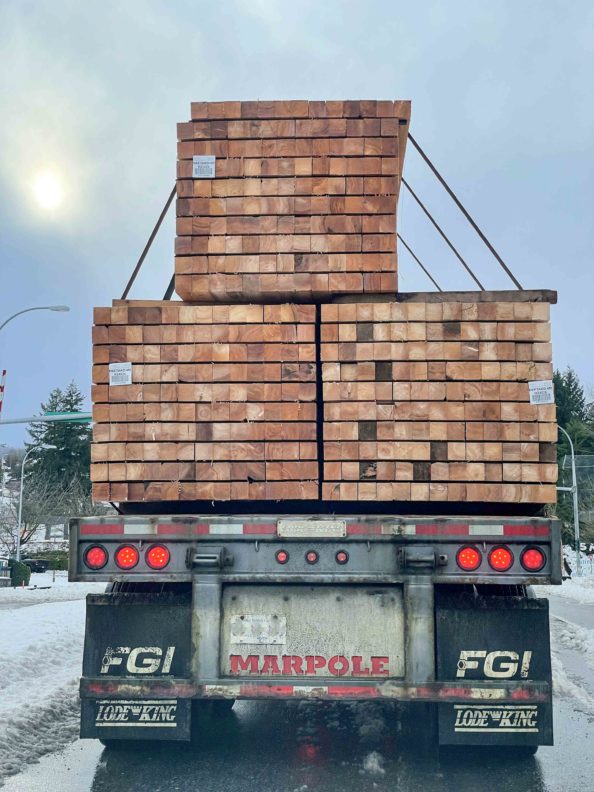 Data provided by the National Association of Home Builders (NAHB) and Fastmarkets Random Lengths confirm that cost of lumber is a very small component of the price of a new home. Consequently, duties on a share of that lumber imported from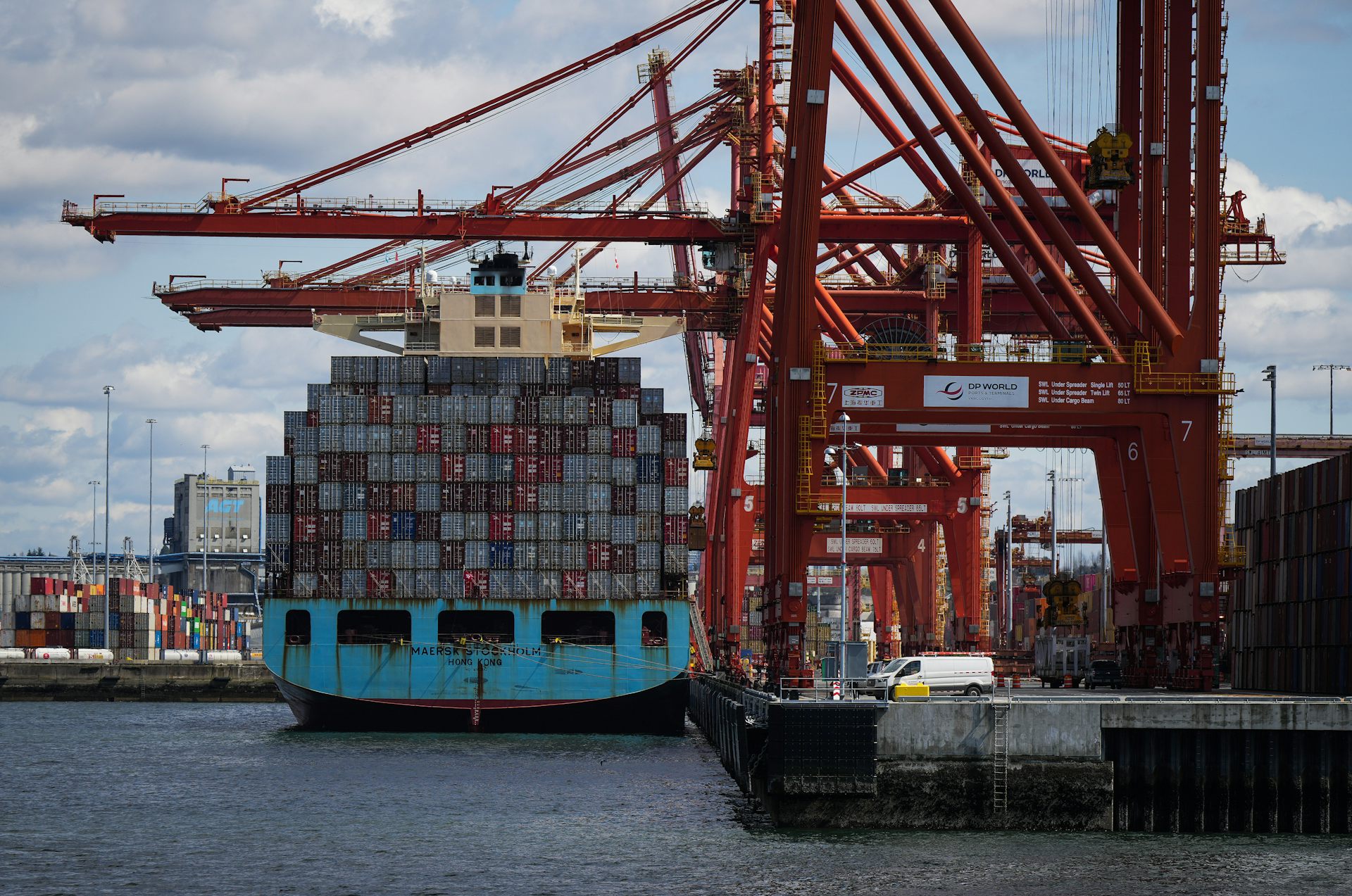
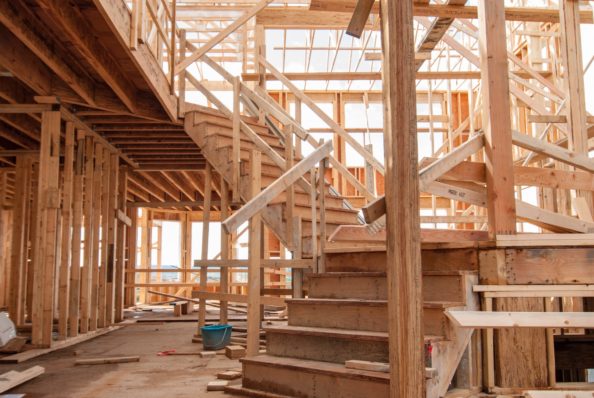 As President Donald Trump ushers in a slew of new policy changes, the proposed 25 percent tariffs on imports from Canada and Mexico—if implemented after the recently introduced 30-day pause—could significantly escalate the cost of lumber, further complicating the already strained U.S. housing market. Some experts predict a near-tripling of costs that could undermine home affordability at a time when the nation grapples with a housing crunch. …According to Carl Harris, chairman of the National Association of Home Builders (NAHB), over 70% of softwood lumber and gypsum, which is used in drywall, originate from Canada and Mexico. …Robert Dietz, chief economist at the NAHB, outlined the risks posed by tariffs as it relates to lumber costs. …Per Dietz, not only could they nearly triple the cost of lumber, a critical component of home building, but they would also drive up prices for consumers, putting homeownership out of reach for many Americans.
 WASHINGTON — Reports indicate that the B.C. Minister of Forests has created an “Advisory Council” to develop strategies for combating U.S. antidumping and countervailing duties. These duties are in place as a result of repeated findings by the U.S. Department of Commerce and U.S. International Trade Commission that Canada’s egregious ongoing dumping practices and long-standing subsidies to its industry have caused havoc in the U.S. market. Andrew Miller, Chairman and Owner of Stimson Lumber, stated that “this is not a complicated issue. Canada must stop dumping its excess lumber production into the U.S. market and should stop subsidizing its industry instead of convening an ‘Advisory Council’ in British Columbia to study ways of getting around U.S. trade laws.”
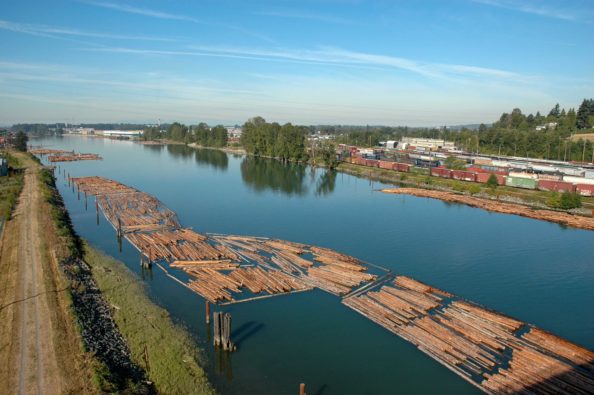 The minister responsible for forestry and local MLA Ravi Parmar said a new council on softwood lumber will bring industry expertise together to help navigate the economic concerns with U.S. duties, and any potential tariffs that could be coming Canada’s way. While many people across the country have let out a sigh of relief about the pause on U.S. tariffs, Parmar said those in the forestry industry are still feeling the economic threat loom. “We’re already dealing with duties to the tune of 14.4 per cent. With tariffs on top of that—we could be dealing with 50 to 55 per cent duties and tariffs on our softwood lumber going into the United States,” he said, adding how that scenario would be devastating. …However, Parmar acknowledged the softwood lumber dispute with the U.S. has been a long-time problem, adding that his task of getting the industry back on its feet is made difficult by the duties.



 Canada’s economy added 76,000 jobs in January as the country braced for the impact of tariffs from U.S. President Donald Trump, marking the third consecutive month of jobs growth. The unemployment rate fell by 0.1 percentage points last month, bringing Canada’s unemployment rate to 6.6 per cent, with the largest gains (33,000 jobs) coming from the manufacturing sector, Statistics Canada said in its monthly labour force survey. The latest

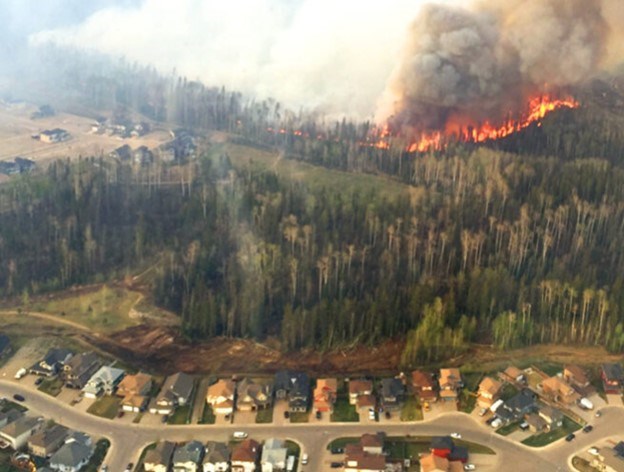


 A bipartisan group of senators introduced legislation Thursday that would create a new Wildfire Intelligence Agency, seeking to streamline the federal response to fires. The bill, led by Sens. Alex Padilla (D-Calif.), Tim Sheehy (R-Mont.), John Hickenlooper (D-Colo.) and Steve Daines (R-Mont.), came in the wake of recent blazes that decimated parts of Southern California, primarily in the Los Angeles region. “The scale of the wildfire crisis demands a singular, whole-of-government wildfire intelligence center to foster cross-agency collaboration and save lives,” Padilla wrote in a statement. The joint office would share information with the Department of Agriculture, the Department of Commerce and the Department of the Interior, according to the legislation. “Wildfires don’t care about state lines or forest service boundaries,” Hickenlooper said. “A centralized wildfire intelligence center will speed our response to fires and promote cross-agency collaboration to tackle them.”
 SACRAMENTO, Calif. — As Los Angeles reels from deadly January wildfires that destroyed thousands of homes, California Gov. Gavin Newsom signed an order Thursday directing the state to advance long-delayed regulations requiring homeowners in high-risk areas to clear combustible materials around their homes. Newsom ordered the state to publish draft regulation next month, with a deadline to adopt those rules by the end of the year. The requirements were passed by lawmakers in 2020 and originally set to take effect by Jan. 1, 2023. Newsom signed the order after he returned from Washington to advocate for disaster aid. The rule requires homeowners to clear materials like dead plants and wooden furniture within 5 feet of their homes in fire-prone areas. As multiple fires roared through LA neighborhoods in January, the regulations still weren’t written, and the state Board of Forestry and Fire Protection told The Associated Press last month it had no firm timeline for completing them.

 As institutional interest in real asset investing grows, forestry is gaining recognition beyond its core enthusiasts for its ability to produce income and capital growth, alongside added benefits like carbon sequestration and biodiversity protection. However, trust in sustainability-focused investments remains a challenge. In EY’s 2024 Institutional Investor Survey, 85% of respondents said misleading claims about sustainability are more of a problem today than five years ago, despite regulators’ efforts to quash exaggerated ESG statements. …A persistent narrative is that established timberlands are better, safer investments than new greenfield developments. The truth is more nuanced. Greenfield projects, which involve reforesting degraded or underused land, offer an opportunity to achieve ‘additionality’ – a crucial component of effective carbon sequestration. …For forestry investors, the upshot is clear: regulatory uncertainty is currently a barrier to restoring widespread trust in carbon markets, and resolving this will take time.
 Swedes and Finns have long monetized their forests. EU climate goals — seen as a threat to both family wealth and the two national economies — are fast becoming a lightning rod for anger. …In Sweden and neighboring Finland, forestry is, to all intents and purposes, a retail asset class. In Sweden, some 300,000 people own, in total, half of the country’s forests. In Finland, 60% of forests belong to 600,000 individuals. Owners like Velander have been able to work their land with relatively light regulations, generally free to harvest trees when and as they chose. The way these small forest owners traditionally manage their land is, they contend, also good for the climate. But this approach, along with their investments, is under threat from a growing number of European Union regulations aimed at protecting biodiversity and reducing the bloc’s carbon emissions. In Sweden and Finland these measures have been interpreted as a potential ban on logging. [to access the full story a Bloomberg subscription is required]
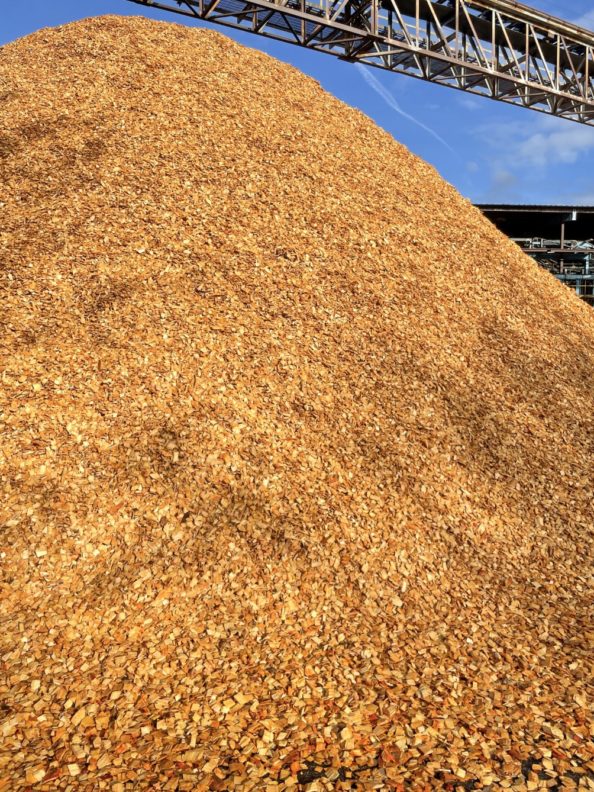 Green campaigners fear ministers are poised to award billions of pounds in fresh subsidies to Drax power station, despite strong concerns that burning trees to produce electricity is bad for the environment. Drax burns wood to generate about 8% of the UK’s “green” power, and 4% of overall electricity. This is classed as “low-carbon” because the harvested trees are replaced by others that take up carbon from the atmosphere as they grow. But many studies have shown that wood burning harms the environment, by destroying forests, and because of the decades-long time lag between the immediate release of carbon dioxide CO2 from burning and the growth to maturity of replacement trees. Drax currently receives billions of pounds in subsidies from energy bill payers, at the rate of about £2m a day according to Greenpeace, but these are scheduled to run out in 2027. A government decision to continue the support payments beyond the cut-off could come on Monday.