 Ottawa plans a pandemic-style bailout for workers and businesses, as pundits ponder Trump’s tariff resolve. In related news: BC and Ontario plan for the worst; an economist says Canada should leverage its lumber; and the NAHB says tariffs could add $4B to homebuilding costs. In other Business news: CPKC Rail and Unifor reach agreement; Williams Lake Council fights to save Atlantic Power’s biomass plant; Ontario provides loan support to Kap Paper; and PotlatchDeltic reports positive Q4, 2024 earnings.
In Forestry/Climate news: some pros and cons of the US Fix our Forest Act; conservationists regroup over Alaska’s Roadless Rule; US Forest Service wants feedback on Northwest Forest Plan; forest thinning curbs Arizona wildfires; and Finland touts climate benefits of forestry. Meanwhile: a win for American red oak; and the CIF and SAF announce joint National Conference and AGM in Calgary.
Finally, the world’s first plantable pencil, and a wood-based air freshener.
Kelly McCloskey, Tree Frog Editor

 Having already forced Colombia to accept deportees by threatening a 25% tariff, President Donald Trump is readying the same move against Canada and Mexico as soon as Saturday. But this time, the stakes are higher and many economists surveying the possible damage doubt Trump would be comfortable with self-inflicted wounds from the tariffs. Trump has repeatedly insisted that tariffs on Canada and Mexico are about illegal border crossings and the smuggling of fentanyl. But the Republican president is also motivated by the idea that tariffs would force other countries to “respect” the US. …The economics division of the insurance company Nationwide estimated that Trump’s proposed tariffs on Canada and Mexico would increase inflation by as much as 0.5 percentage points and pull down growth by 0.7 percentage points. The analysis noted it did not “account for potential retaliatory tariffs from Canada or Mexico, which could amplify the deleterious impact.”
 The Ontario government is stepping up to protect Ontario workers in the face of potential American tariffs on Canadian goods by investing an additional $100 million in the province’s Skills Development Fund (SDF) Training Stream, bringing the total provincial investment in SDF to $1.5 billion. This investment will support workers in fields including manufacturing, construction, critical mineral extraction and other skilled trades, providing them with the skills and training they need to secure better jobs and bigger paycheques while protecting Ontario’s economy… “The Ontario Forest Industries Association welcomes additional investment in the Skills Development Fund,” said Ian Dunn, President & CEO. “This commitment will help ensure workers in Ontario’s forestry sector—and across the province—are equipped with the skills and training needed to thrive in an increasingly competitive global market. By investing in our forestry workforce, Premier Ford’s government is strengthening our economy and supporting industries that are vital to Ontario’s growth and resilience.”


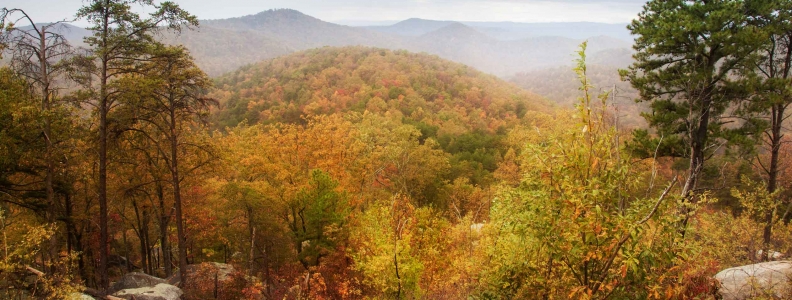

 Mattawa, ON – The Canadian Institute of Forestry (CIF-IFC) is excited to announce that the 2026 National Conference and 118th Annual General Meeting will take place in Calgary, Alberta, from October 5-8, 2026. This landmark event, hosted in collaboration with the Society of American Foresters (SAF) and the CIF-IFC Rocky Mountain Section, will unite forestry professionals, practitioners, and students from across North America and beyond under the theme, “Leading from where we are for a brighter future.” The event will showcase the leaders of today and empower the leaders of tomorrow to begin acting now to make the world they want to see. …The Conference will serve as a platform to address pressing issues such as climate change, biodiversity, and sustainable forestry and natural resources management while highlighting innovative approaches to ensure a vibrant and resilient future for forests globally.
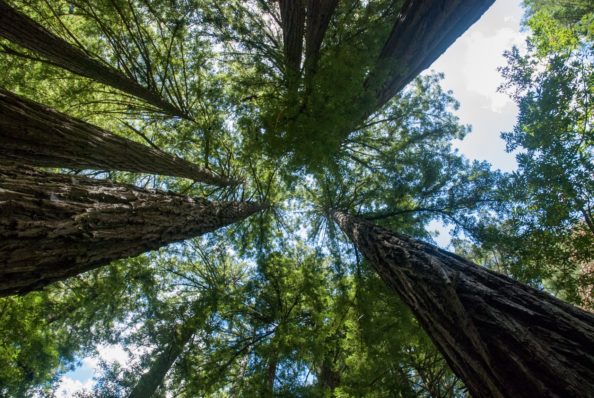 PORTLAND, Ore. – The United States Forest Service (USFS) is currently taking comments on its proposed changes to the Northwest Forest Plan (NWFP) through March 17. The NWFP dates back to the mid-1990s, serving as the blueprint for conserving forests and wildlife habitat along the West Coast. It covers over 24 million acres managed by the Forest Service and other federally managed lands, spanning from California and up through Washington. The proposed amendments intend to provide an updated management framework that incorporates best available scientific information and current conditions in order to better address the social, economic, and ecological changes experienced over the last 30 years. The proposed changes outlined in a Draft Environmental Impact Statement focus on themes of fire resilience, economic benefits, and forest stewardship, with Tribal inclusion and adapting to changing conditions interwoven throughout these themes.
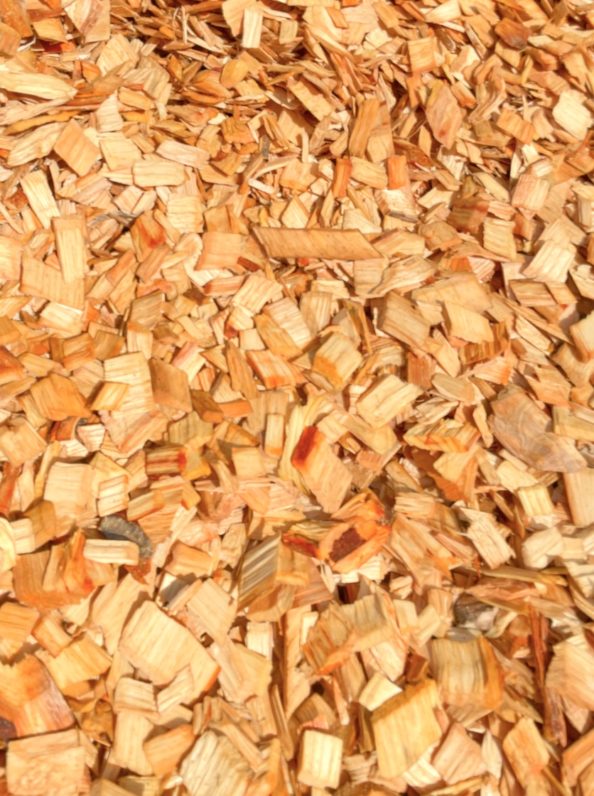 BATON ROUGE, La. — Louisiana produces 70% more forests than it is cutting down. The Forestry Association is trying to encourage industry to utilize those resources, including renewable fuel makers. The state has been working on reforestation closely since the 1940s when the issue of losing critical timber came to a head. With paper mills closing up shop over the years, Louisiana Forestry Association Executive Director Buck Vandersteen said the state is nearing a forest level that will be hard to manage against disease and wildfires. Vandersteen talked about four mills that are in the works of opening in some of the northern parishes in the state. Those companies harvest the larger trees for hardwood. Smaller brush and trees offer an opening for the biofuel industry to thrive. …With the Trump administration … undoing the push towards renewable energy, there is a question of how this will impact the industry in Louisiana.
 A forest twice the size of Greater London would need to be planted in the UK to cancel out the extra emissions from the expansion of Heathrow, Gatwick and Luton airports, Carbon Brief analysis reveals. New runaways at these airports surrounding London would result in cumulative emissions of around 92m tonnes of extra carbon dioxide equivalent (CO2e) by 2050, if the number of flights increases in line with their operating company targets. For example, offsetting these emissions would require more than 300,000 hectares of trees to be planted within just a few years. This equates to all the trees planted in the UK since 2000… Reeves has stressed that “sustainable aviation fuels” (SAFs) and electric planes could help to offset these emissions. However, such technologies are still in the early stages of deployment and previous Carbon Brief analysis suggests the role of SAFs in achieving net-zero may be limited.