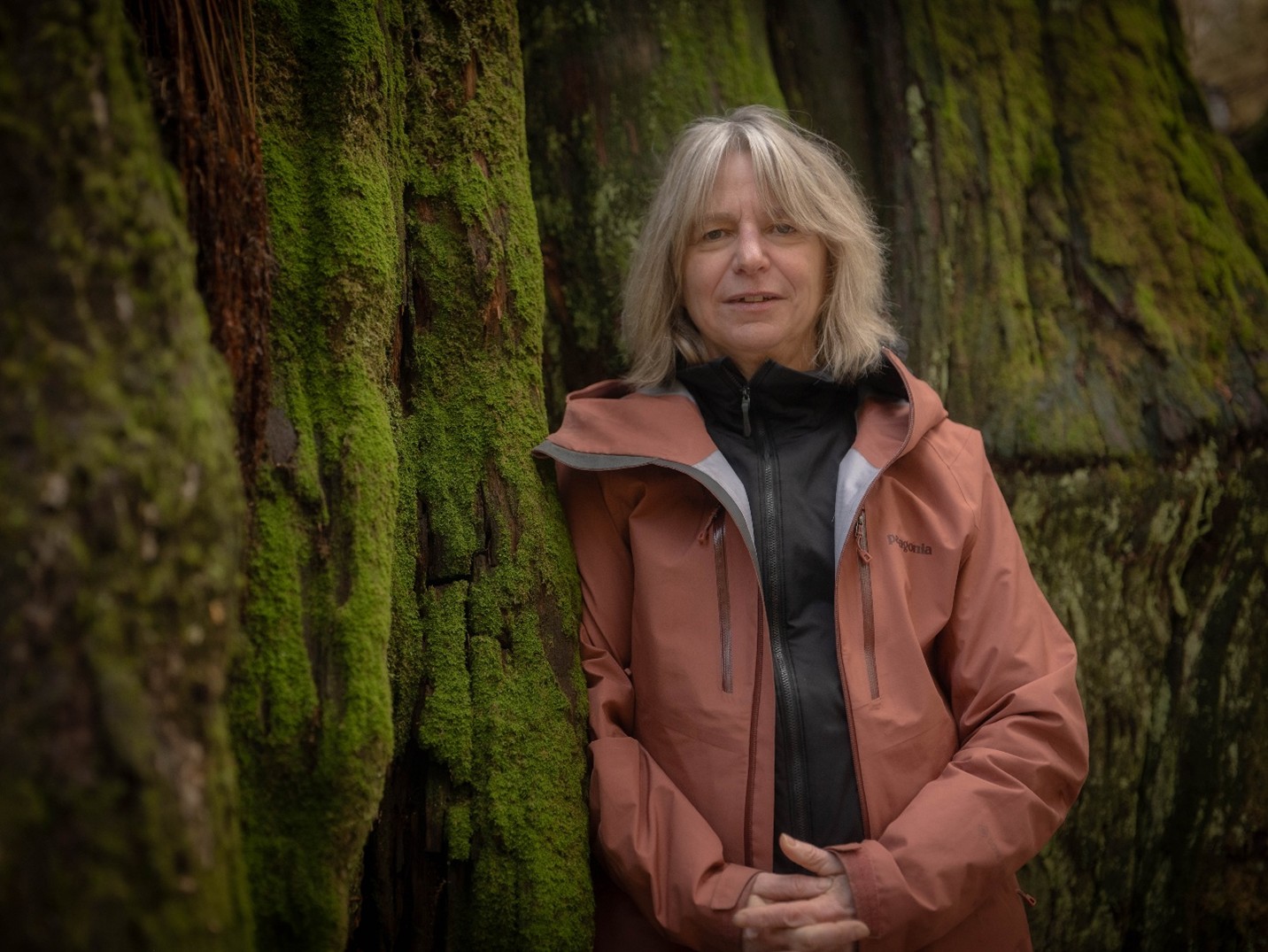
 In the late ’90s, Suzanne Simard started what can only be (indelicately) described as a firestorm in the forestry world. Her Ph.D. findings, published in the renowned journal Nature, argued that trees weren’t the valiant loners scientists once believed them to be. Rather, they survived through symbiosis, communicating and even sharing carbon through a subterranean series of mycorrhizal networks (fungal root systems). Initially, Simard’s peers weren’t nearly as generous as the tree community—one reviewer rebuked her paper as “a dog’s breakfast”—but, over time, some listened more closely. Today, Simard isn’t just the tree world’s tallest poppy; she’s a global, Goodall-esque conservation icon.