 As summer forestry work ramps up across British Columbia, workers face a range of hazards both on the road and in the field. Two risks this time of year are wildlife encounters at worksites and wildlife collisions while driving. So, whether you’re heading out to the worksite or working in remote areas, being prepared can help prevent serious incidents.
Wildlife on the Road: Stay Alert Behind the Wheel
Wildlife collisions remain a significant risk for drivers in BC, with thousands of animal-related crashes reported every year. These incidents can lead to serious injuries, fatalities and costly damage to vehicles.
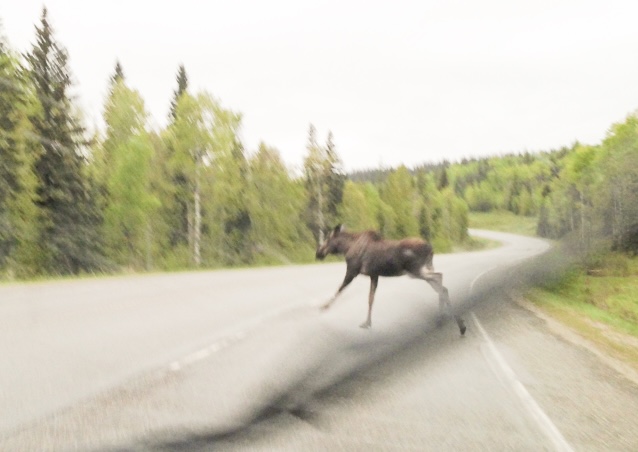 Many collisions happen when drivers try to avoid animals and lose control of their vehicle or collide with something else. Areas where roads intersect with wildlife travel routes carry a higher risk, and animals can appear suddenly and unpredictably.
Collisions tend to peak during spring and fall, particularly involving deer, elk, moose, bear, raccoons and caribou.
To reduce the risk while driving:
- watch for wildlife warning signs in high activity areas
- slow down, especially at dawn, dusk and at night
- stay alert for movement on or near the road
- use high beams when it’s safe to do so
- keep your vehicle well maintained and your windshield clear
- always wear your seatbelt
Even with precautions, not all collisions are avoidable. Staying alert and driving defensively can make a critical difference.
Working in Bear Country: Be Prepared
As spring arrives, bears are coming out of hibernation and becoming more active across many parts of the province. Forestry workers often operate in high‑risk areas, making it important to understand how to avoid and respond to bear encounters.
The best approach is prevention. Most bears will avoid people if they are aware of your presence.
Key steps to reduce risk include:
- talk about bear safety in safety meetings and training sessions
- understand the behaviour of black bears and grizzly bears
- stay aware of your surroundings, especially in dense brush or noisy environments
- make noise and make your presence known when visibility is limited
- be cautious in areas where food sources or cubs may be present
Bears may display defensive behaviour if they feel threatened or are protecting cubs. In rare cases, predatory behaviour can occur, particularly with black bears that have become accustomed to human activity.
Be Ready to Respond
Carrying bear spray is one of the most effective ways to protect yourself, but only if you know how to use it properly. Workers should:
- carry bear spray where it is easily accessible
- practice using it in a safe training environment
- understand wind direction and avoid spraying into the wind
- react quickly and calmly if an encounter occurs
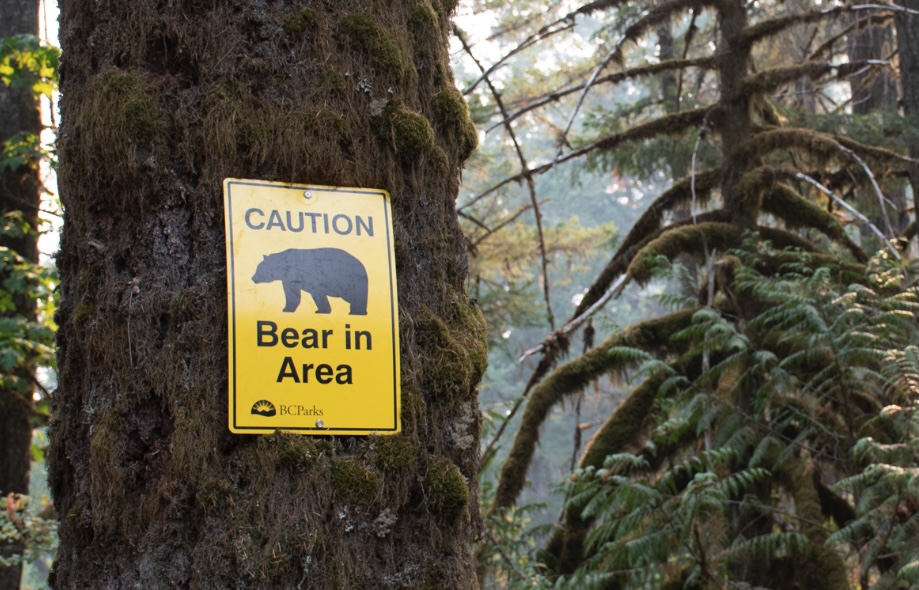 If you encounter a bear:
- stay calm and do not run
- assess the situation and slowly back away if the animal is not interested
- prepare your bear spray if the animal approaches
- use the spray to create a barrier if necessary
Communication is also critical. Any negative wildlife encounter should be reported to supervisors and shared with others working in the area. Serious incidents should be reported to the BC Conservation Officer Service.
Plan for All Wildlife Risks
Bears aren’t the only wildlife hazard in the forest. Workers should also be prepared for encounters with other animals such as cougars, moose, and wasps to name a few, and plan work activities accordingly.
Stay Prepared, Stay Safe
Whether you’re behind the wheel or working on site, wildlife hazards are a reality in forestry operations across BC. By staying alert and planning ahead, you can help protect yourself, your crew and the wildlife that share these landscapes.
BC Forest Safety Council Resources: