
Ian Dunn
Government aid to deliver relief to the embattled forestry industry is being welcomed by industry and municipal groups. But a negotiated, permanent solution to end the Canada-U.S. softwood lumber dispute is needed to ensure the long-term viability of the sector. That’s the reaction trickling in to the US Department of Commerce’s move last week to significantly increase duties on exports of Canadian softwood lumber to the US. …OFIA president-CEO Ian Dunn said the softwood lumber dispute must remain a “top priority” in Ottawa’s trade discussions with the US. “Ontario’s forest sector depends on international trade, exporting approximately $7.9 billion worth of goods per year,” said Dunn. Provincial and federal measures, such as offering loan guarantees, will “provide liquidity to impacted companies,” Dunn said, as will government procurement policies to use more domestically produced building materials in infrastructure and homebuilding projects.



 Mushkegowuk-James Bay MPP Guy Bourgouin is calling on the province to take immediate action to protect Ontario’s forestry sector in the wake of new U.S. tariffs on Canadian lumber. Bourgouin said the impact of the tariffs imposed by U.S. president Donald Trump could be devastating for northern communities that depend on the industry. “The anti-dumping tariffs imposed by Trump will devastate our lumber industry. Condemning Trump’s actions isn’t enough. We saw it with the auto sector, with steel, and now with lumber — the Premier’s ‘wait and see’ approach is leaving thousands of workers vulnerable to layoffs.” Bourgouin criticized the Ford government for failing to present a concrete strategy, calling their approach “an afterthought” for northern Ontario’s economy. …Ontario NDP party argues that using Ontario-produced wood could tackle multiple challenges at once, safeguarding forestry jobs, boosting local economies, and addressing the province’s housing shortage with “made-in-Ontario” solutions.
 Members of the forest industry and the provincial government weighed in Monday on the Trump administration’s decision to raise tariffs on Canadian softwood lumber. Last week, the U.S. Commerce Department decided to raise anti-dumping duties on Canadian softwood to 20.56 per cent. A news release stated the province’s forest industry is “deeply troubled” by the decision to increase the duties by over 14 per cent. “Increasing anti-dumping duties to 20.56 per cent from the current average rate of 7.66 per cent is unjustified,” read the statement. “New Brunswick’s softwood lumber producers already face punitive and unfair anti-dumping and countervailing duties.” According to the statement, when combined with an anticipated rise in countervailing duties, the new increase to anti-dumping duties will mean an expected new total of 34 per cent by the middle of August.
 A cornerstone industry of northwestern Ontario is at risk, says a regional municipal group, with the decision by the U.S. Department of Commerce to raise anti-dumping duties on Canadian softwood lumber to 20.56 per cent. “Forestry is the economic lifeblood of communities across northwestern Ontario,” said Rick Dumas, president of the Northwestern Ontario Municipal Association (NOMA), in a July 28 statement. “This unjustified and protectionist action will have a direct and harmful impact on workers, families, Indigenous communities, and local economies throughout our region.” The provincial government called the U.S. commerce department’s decision to increase duties on Canadian softwood lumber exports an “unjust burden” on American consumers that will raise construction costs in the U.S., make homes less affordable, and negatively impact economic growth on both sides of the border. “We remain firm in our position that these duties should be lifted entirely, for the benefit of workers and families on both sides of the border.”

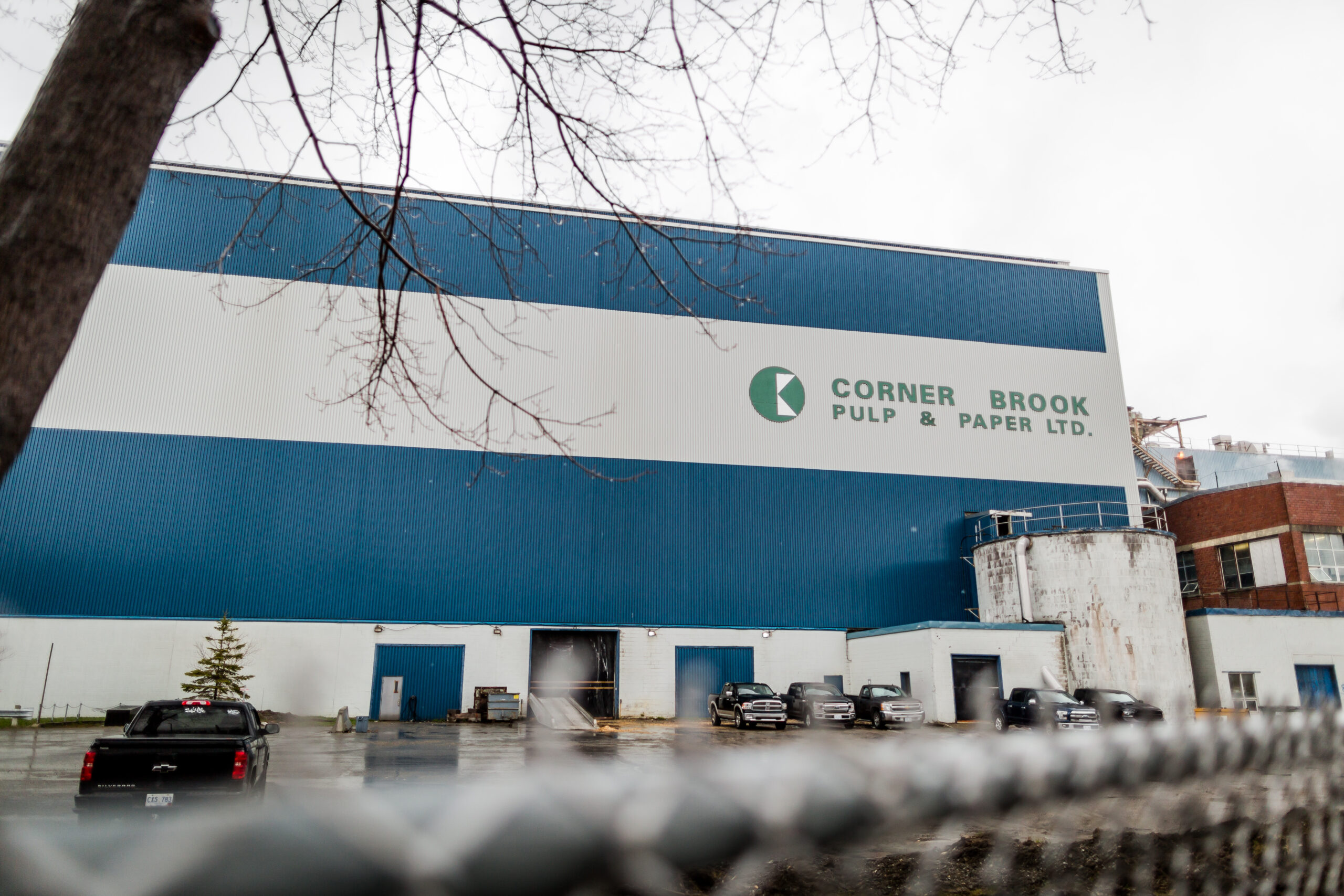
 Northern Pulp is abandoning its plans in Nova Scotia, but the province is still counting on the company to decommission its old mill and clean up the site in Pictou County that was used for heavy industrial activity for more than half a century. Environment Minister Tim Halman says his department is waiting for the company to file a reclamation plan. …Northern Pulp had been pursuing a new mill in Liverpool, and had said it would maintain the old mill for “potential logistics operations.” But the plan for a new mill was abandoned earlier this month. In a settlement agreement, Northern Pulp agreed to pay up to $15 million to the province for the mill’s closure and any necessary cleanup. …(However), it must first pay off hundreds of millions of dollars owed to its creditors as part of an insolvency process being handled in a BC court.

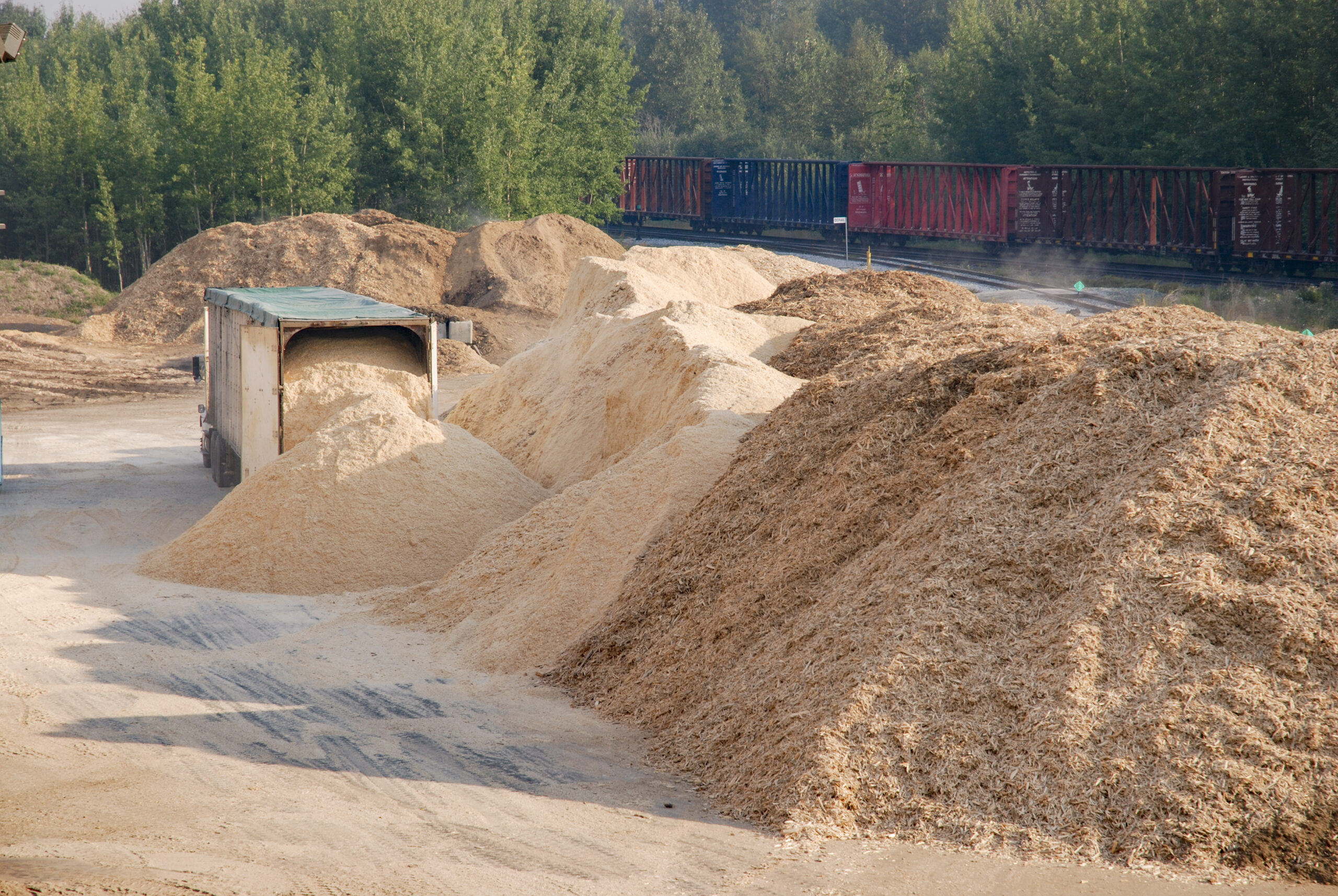

 Stop me if you have heard this one before. A company from away lands and makes loud noises about hiring hundreds of people in a job-hungry rural part of Nova Scotia. Government puts up millions of our dollars to bring in a new industry it really doesn’t understand. …Sometimes it works, other times the receivers move in or the multi-nationals move out. Then the recriminations begin. They already have in the 58-year-long saga of Northern Pulp and its predecessor companies which limps to a conclusion in Nova Scotia. This province has had a few successful commercial transplants. …But it is our high-profile failures, like this week’s announcement that Northern Pulp not only wouldn’t build a mill on the South Shore but has started selling off its assets, that seem to stick. …Enough companies have gone bust, sometimes spectacularly so, that they should serve as cautionary tales.
 Days after Nova Scotia’s forestry sector was dealt a major blow, the province is promising to use more wood to heat and construct public buildings — although officials deny any connection between the two developments. Two cabinet ministers made the announcement Thursday at Ledwidge Lumber, a sawmill in Enfield, N.S. Public Works Minister Fred Tilley said every government department is being directed to look for opportunities to use wood products that are leftover after trees have been harvested and milled for lumber. The products could include mass timber, wood pellets, biomass and biofuels. Tilley said the move was driven by the province’s desire to become more self-reliant, reduce fossil fuel use and produce more locally-made construction materials. …Meanwhile, lawyers for Northern Pulp were in a British Columbia courtroom on Thursday where they received approval for a plan to extend creditor protection while preparations continue to auction off the outfit’s Nova Scotia assets.

 TERRACE BAY, Ontario — AV Terrace Bay has been convicted on two charges: Failing to control the quality of discharged effluent to ensure that acute toxicity tests resulted in no more than a 50% mortality rate for the test organisms; and Failing to comply with an industry standard by discharging Total Reduced Sulphur compounds. …AV Terrace Bay was convicted of two violations under the Environmental Protection Act, fined $525,000 plus a victim fine surcharge of $131,250, and given 12 months to pay. …Due to financial constraints and market conditions, the mill has been in a warm idle state and has not been producing product or revenue since at least January 2024. The mill generates industrial effluent that undergoes primary and secondary treatment prior to discharging to Lake Superior via Blackbird Creek. …On May 1, 2023, 100% of the Rainbow Trout died during an acute lethality test performed on a grab sample of the mill’s final effluent.
 ST. JOHNS, Newfoundland — St. John’s lawyer Bob Buckingham is not sure how an investigation into the illegal burial of hazardous and contaminated materials in Deer Lake will take place, but he’s giving all the credit for it happening to one man. Buckingham represents Richard Dewey, a resident of Deer Lake who, for more than a decade, has worked to bring attention to three separate environmental issues in the town: the burial of the hazardous and contaminated materials, pollution of the town’s drinking water and property damage caused by seepage from the Humber Canal. …Dewey made a complaint to the provincial government claiming that creosote-contaminated soil was trucked from beneath the penstocks on the Humber Canal and buried near the town’s water supply, and that creosote-soaked penstocks were dumped at the closed town landfill.
 OTTAWA — Canada’s housing crisis may get worse before it starts to show much relief, as new projections say that the number of housing starts will actually decrease this year and next. These new estimates, from both public and private sector housing forecasts, contradict political promises from all levels of government to boost supply of homes across the country. The Canada Mortgage and Housing Corporation (CMHC) forecasts that the total number of housing starts in Canada this year will be about 237,800, down from 245,367 in 2024. CMHC, a Crown corporation that acts as Canada’s national housing agency, also forecasts a drop to no more than 227,734 next year and 220,016 in 2027. Those forecasts are all below the 267,000 annual output for housing starts from 2021-22 and less than half the 480,000 that the CMHC says Canada needs to add each year over the next decade.
 EDMUNDSTON, New Brunswick – Acadian Timber reported financial and operating results for the three months ended June 28, 2025. “During the second quarter, Acadian delivered mixed results,” said Adam Sheparski, CEO. …Acadian generated sales of $17.1 million, compared to $41.2 million in the prior year period. The second quarter of 2024 included $19.7 million in carbon credit sales, while no carbon credit sales occurred in the second quarter of 2025. Acadian generated $0.8 million of Free Cash Flow during the second quarter and declared dividends of $5.2 million or $0.29 per share to our shareholders. …While the second quarter of the year is traditionally our weakest due to seasonal operating conditions, operating activity in Maine was impacted by prolonged wet conditions which significantly delayed the commencement of deliveries in the spring.
 TORONTO — George Brown College’s (GBC) Limberlost Place has helped trigger major changes to Ontario’s building codes and is playing a key role in the province’s strategy to grow its mass timber construction sector, college officials say. The 10-storey academic building—Canada’s first institutional structure made from mass timber and designed to achieve net-zero carbon emissions—has served as a catalyst for the Ontario government’s Advanced Wood Construction Action Plan, unveiled on June 26. The action plan outlines four goals: Promote awareness and use of advanced wood construction; Remove regulatory barriers in codes and standards; Stimulate innovation and investment in advanced manufacturing; and Showcase successful projects to build industry confidence. Limberlost Place embodies all four goals. …By demonstrating the viability and benefits of mass timber at scale, George Brown College has positioned itself—and Ontario—as a leader in sustainable construction and advanced wood manufacturing.
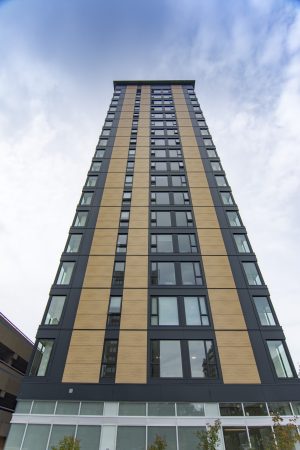 There may have been dissension surrounding the Morris Street bikeway, but the Halifax mayor and regional council found common ground with mass timber. Mayor Andy Fillmore tabled a motion at Tuesday’s council meeting to direct the chief administrative officer to prepare a staff report that, with changes to land-use bylaws and amendments to a municipal planning strategy, would knock down barriers to mass timber construction to help expedite housing builds. That would include the potential to increase the height of built-form requirements from 10 to 12 storeys for mass timber construction. The motion passed unanimously. “The principal reason (for supporting the mayor’s motion) is that this unlocks some newfound potential in local supply,” Coun. Jean St-Amand (Bedford-Wentworth) said. “I think that’s something that can have a very positive impact to the acceleration of our ability and our capacity to build.


 The Province is making wood construction and heating a priority in public buildings. All departments have been directed to look for every opportunity to use mass timber, wood pellets, biomass, biofuels and other products made with wood that is leftover from sustainable harvesting and sawmilling. “Government is leading by example and using more wood products in our own buildings. It’s one of many steps our government is taking to make Nova Scotia more self-reliant and energy secure and to grow our economy and create jobs through innovation in our forestry sector,” said Public Works Minister Fred Tilley. Departments will prioritize wood products in new construction, renovations and conversions from oil heat. They will also make it a priority where applicable in projects that are partially or completely funded by the government. This focus aligns with the Nova Scotia Loyal program, reduces reliance on imports and enhances export markets.
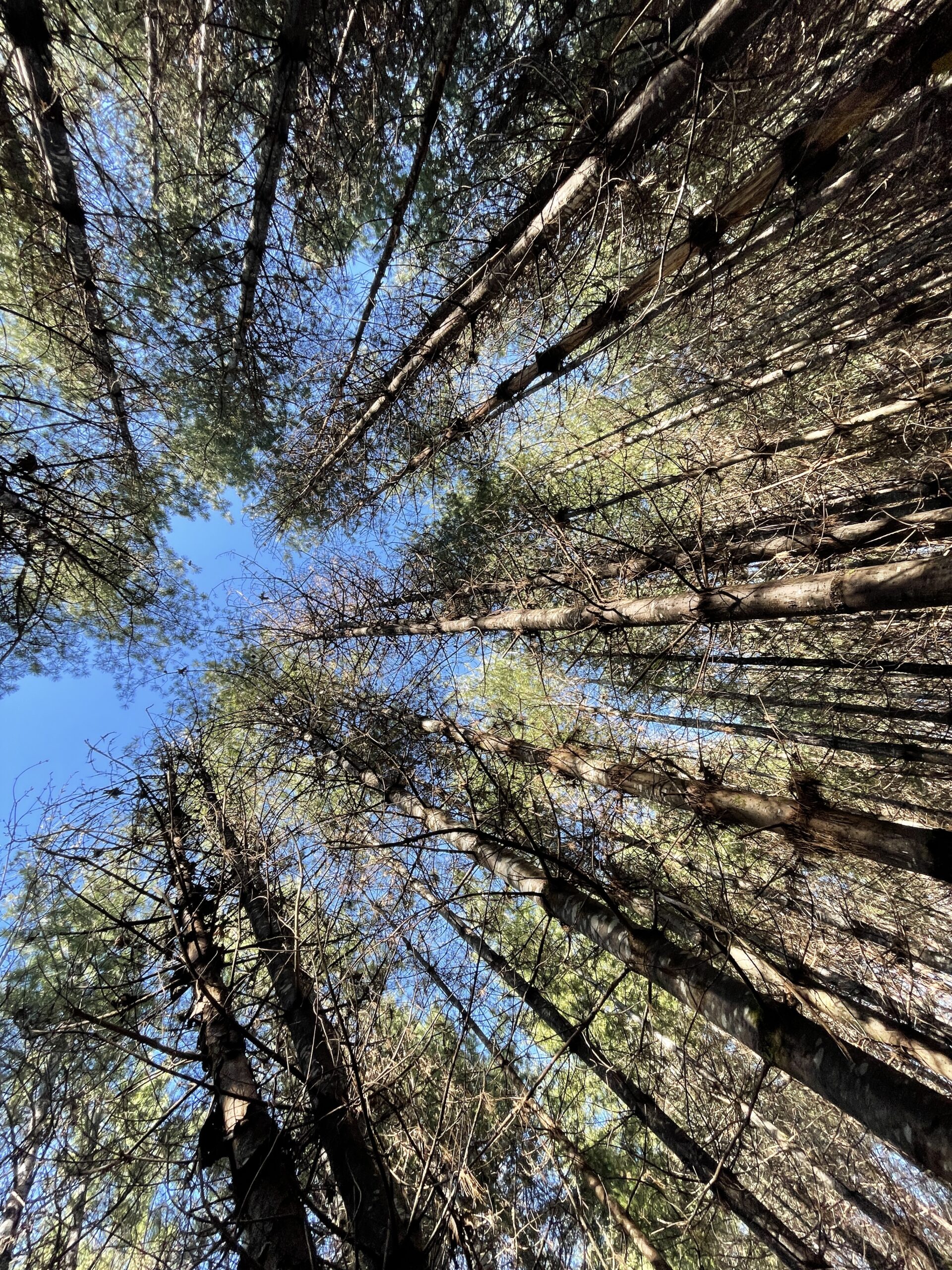 Worsening dry conditions across New Brunswick — which sparked a provincewide burn ban and led this week to an uncontrolled wildfire near Miramichi — have prompted the provincial government to impose restrictions on some industrial activities in forested areas. The Department of Natural Resources said in a news release Friday that some forestry operations would be banned for the next several days given the high risk of another wildfire. …From midnight on Aug. 8 to midnight on Aug. 12, harvesting, forwarding, skidding, scarification, chipping and all pre-commercial thinning and cleaning are all banned. That restriction applies to all forestry on both Crown and private lands. Trucking, road construction and maintenance, vegetation management and tree planting are allowed to continue. …Except for the possibility of a shower Saturday afternoon in northern New Brunswick, the province could see at least six more days of dry, hot weather, according to Environment Canada forecasts.

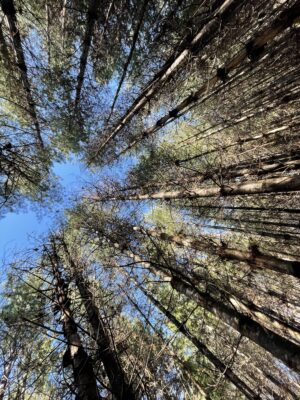 MIRAMICHI, New Brunswick — In response to the increased wildfire risk, some forestry operations in New Brunswick will be restricted over the next couple of days. A release from the province’s Department of Natural Resources says the move is to protect both the forests and people living in the province. On Friday, the natural resources minister said in the release the restrictions will be on both Crown and private lands. “These measures will help protect our forests, animals, natural habitats and our communities, as well as our wildland fire crews,” John Herron said. As of midnight Friday, harvesting, forwarding, skidding, scarification, chipping and all pre-commercial thinning and cleaning are restricted until Tuesday. However, trucking, road construction and maintenance, vegetation management and tree planting are still getting the green light. These restrictions apply to all forested lands in the province, both private and Crown.
 Fostering inclusive economic development and ensuring that local communities, including Indigenous partners, benefit from these opportunities are key priorities for the Government of Canada. Today, Claude Guay, Parliamentary Secretary to the Minister of Energy and Natural Resources, concluded a two-day tour of Northern Quebec, where he highlighted the importance of Quebec’s mining and forest sectors in building Canada’s supply chains and export opportunities, creating good jobs, and strengthening reconciliation… Parliamentary Secretary Guay concluded the trip with a visit to Les Chantiers Chibougamau’s Kraft Pulp Mill in Lebel-sur-Quevillon and their head manufacturing plant in Chibougamau. These sites are key examples of Quebec’s forest sector excellence and innovation in modernizing the industry, accelerating affordable housing and promoting green construction using value-added Canadian wood-based products.
 Vic Fedeli, MPP for Nipissing, announced the Ontario government is investing $2,874,898 through the Skills Development Fund Training Stream to The Canadian Institute of Forestry to support 75 workers across Northern Ontario get the skills they need to land good-paying, in-demand jobs in forestry, logging, and agriculture-related services. …“As we navigate a shifting economic landscape, disrupted by U.S. tariffs, we remain laser-focused on protecting Ontario workers and job seekers,” said MPP Fedeli. “That’s why we’re investing over $2.8 million to support a project by the Canadian Institute of Forestry, in partnership with College Boréal, to train workers for in-demand roles in the forestry and resource sector, helping grow Northern Ontario’s economy.” …”These programs are equipping the next generation of forest professionals and ensuring the continued vitality of our forestry communities,” said Ken Farr, Interim Executive Director, Canadian Institute of Forestry.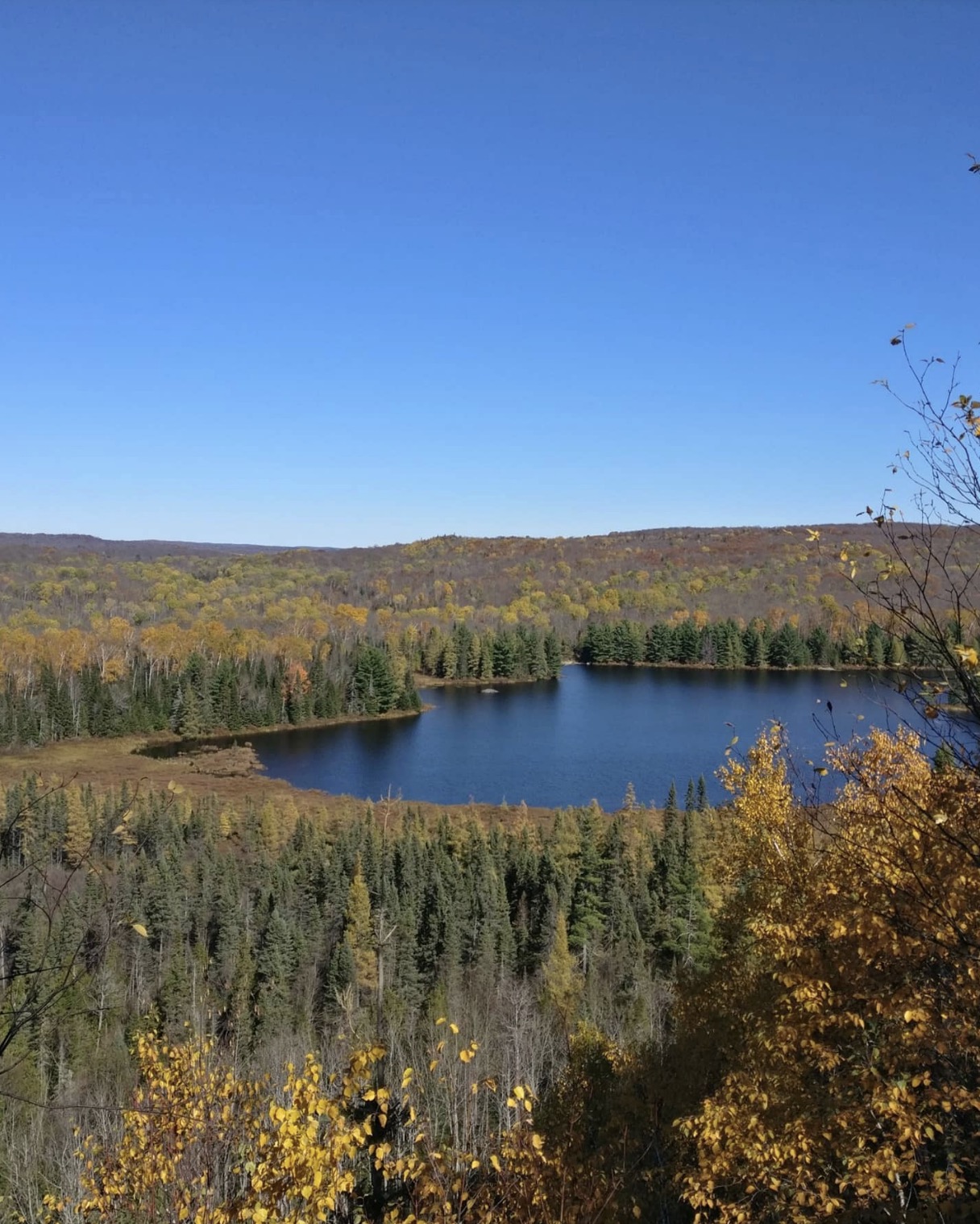

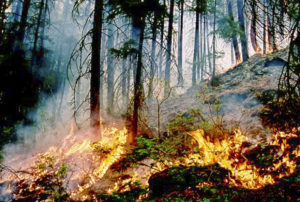 As wildfires become more frequent and intense across Canada, fire officials are seeing stark differences between northwestern and northeastern Ontario. They say it all comes down to what’s burning, how it burns, and where. More than 2.2 million hectares have burned in Ontario’s northwest since 2015, compared with around 287,000 hectares in the northeast. “The three things that we need to consider are the weather, the fuels and the topography,” said Chelene Hanes, a wildland fire research scientist at the Great Lakes Forestry Centre in Sault Ste. Marie. Northwestern Ontario typically gets a minimal amount of rain, whereas the northeast has a wetter climate and vast peatlands, she explained. …”On the [northwest] side of the province, and moving into the prairies, they’ve experienced a bit more drought, which is influencing the moisture of the fuels. So that is causing more ignitions to happen as well, because it’s drier,” Hanes said.
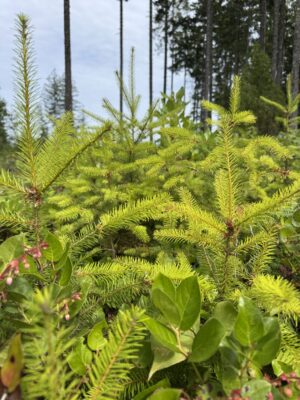 WHITBY, Ontario — Ryan Turnbull, Parliamentary Secretary to the Minister of Finance… highlighted a $4-million federal investment for tree-planting projects in urban and suburban areas in southern Ontario. Trees For Life will collaborate with planting partners to plant an average of 24,000 trees annually over five years, for a total of 120,000 trees in communities across southern Ontario. The collaboration with Trees For Life is already ahead of target, supporting the planting of 83,000 trees in southern Ontario with 35,000 trees planted in 2024 and 48,000 trees planted across 40 projects in 2025 to date. This project builds on a successful regional model piloted in the Durham Region.
  A new peer-reviewed scientific study [
 Montreal’s tree-lined streets are one of the city’s greatest assets — they clean the air, add bursts of green to the scenery and help push the concrete background. But when storms hit, those trees clash with the urban landscape and are a major cause of power outages. That’s why Hydro-Québec is now using new technologies to find a way for trees to coexist with its power lines. “We’re trying to make a digital twin of the network to see if there are interactions between the tree and the network,” said Étienne Langdeau, director of vegetation management for Hydro-Québec. Artificial intelligence then measures the trees before and after a weather event, like a windstorm, to see which branches broke. The algorithm uses this information to get better at predicting which branches are most likely to snap. In turn, technicians can preemptively cut these branches before they become a problem.
 THUNDER BAY — The Government of Ontario is protecting workers and jobs in the forest sector by investing over $6.2 million in research, innovation and modernization projects in Northwestern Ontario. As part of the government’s plan to protect Ontario, the investments from the Forest Biomass Program will boost Ontario’s forest sector’s competitive advantage by creating new jobs, increasing productivity and opening up opportunities for new revenue streams in new markets for underused wood and mill by-products, known as forest biomass. …Ontario’s investment is supporting
 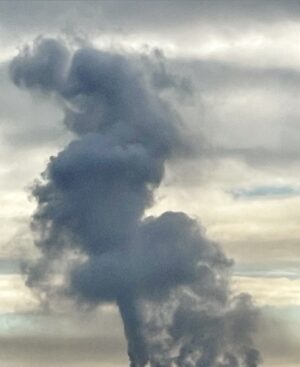 New Brunswick’s biggest industrial carbon emitters pumped out lower amounts of greenhouse gases in 2023, but the reductions were not enough to keep pace with tightening emissions standards. The gap between the total emissions by the province’s 15 biggest industrial polluters and their regulated emissions limits grew larger, according to numbers from the provincial government. That left them paying more under the province’s credit-trading carbon pricing system. Even so, that system is gaining traction, with more of those credits changing hands. …New Brunswick’s industrial carbon price is based on a credit trading system, a financial incentive for the 15 largest industrial emitters to stay below their emissions standards. If they do, they earn what are called performance credits they can sell for a profit. Plants that go above their standards must buy credits, adding to their cost. …The 15 big emitters collectively bought $21.1 million worth of fund credits in 2023, up from $12.6 million in 2022.
 NB Power’s estimated $300-million plan to convert its biggest plant in northern New Brunswick from burning coal to wood pellets would be environmentally damaging and waste a lot of energy, warns a new report. The Conservation Council of New Brunswick, an environmental organization looked at the plan. …They came up with findings that are at odds with NB Power’s rosy view. Running the plant full time on wood pellets, the critics said, would need more offcuts, forcing NB Power to import fuel from Europe. Furthermore, they warn that sourcing as much wood as possible locally would hurt the forest ecology. And lastly, they argue that burning pellets to create electricity is hugely inefficient and would drive up greenhouse gas emissions. …Energy Minister René Legacy told Brunswick News his department would take a close look at the report. But he alluded to the more than 100 jobs NB Power has created.
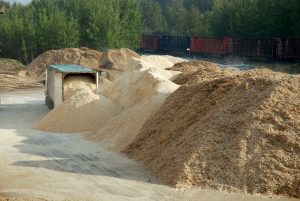 Five Eastern Ontario companies – three of them in Renfrew-Nipissing-Pembroke – will receive just over $9.1 in government funding under the Forest Biomass Program to create new products and expand markets for existing products produced from low quality forest products. The announcement was made Monday morning by MPP Kevin Holland, the Associate Minister of Forestry and Forest Products at one of two Killaloe Wood Products sites in Bonnechere Valley Township, south of Eganville, where landscaping mulch and other biomass products are processed… “These investments support good paying jobs, drive local growth and encourage innovation,” he said. “But today isn’t just about numbers on a page. Behind every dollar are businesses right here in Eganville and in Whitney that form the backbone of our local economy. The forestry sector is the cornerstone of the economic ecosystem that supports every corner of the riding.”
 Toronto is among the most polluted cities in the world on Monday morning as the city remains under a special air quality statement for its third consecutive day. Environment Canada said smoke from forest fires is expected to continue to impact much of southern Ontario Monday and may persist into Tuesday before finally easing. “Air quality and visibility due to wildfire smoke can fluctuate over short distances and can vary considerably from hour to hour,” said Environment Canada in a special air quality statement issued Monday morning. …Toronto ranked third in a
 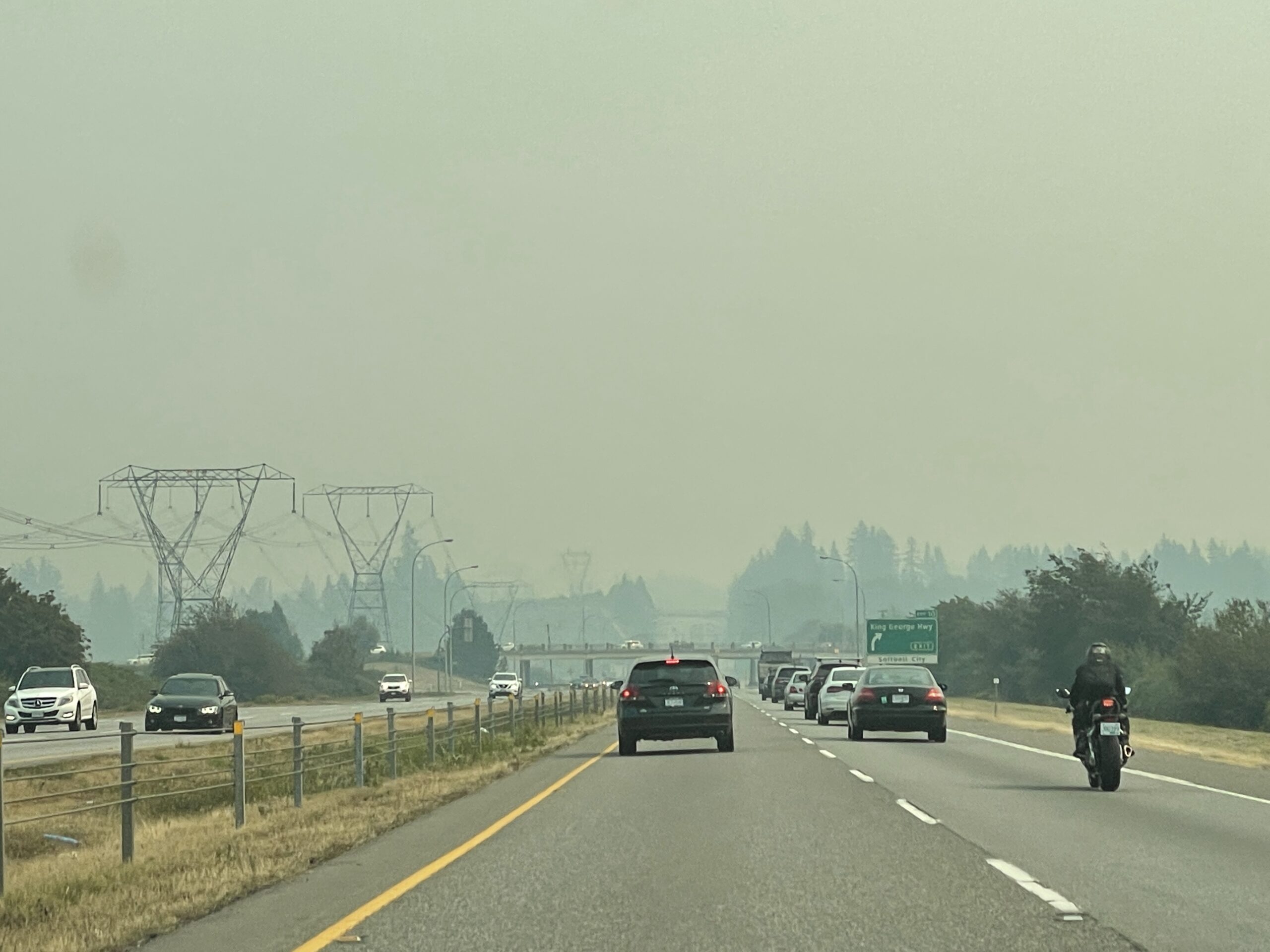 KENORA — Across Northwestern Ontario, the public is being urged to limit time outdoors due to “extremely high levels of air pollution.” The poor air quality is being caused by smoke from forest fires in the Prairies, according to an air quality warning issued by Environment Canada and the Province of Ontario Tuesday morning. The warning extends from east of Marathon — including Biigtigong Nishnaabeg — west to the Manitoba border and extends as far north as to include communities like Wunnumin Lake, Muskrat Dam and Deer Lake. Poor air quality is expected to persist through Thursday for most areas, according to the updated warning, extending the expected duration.
 Summer camps and daycares are being forced to shift their plans amid stifling heat and poor air quality caused by wildfire smoke drifting across Central Canada, the Prairies and other parts of the country. Special air quality statements or warnings were in effect Tuesday for a second day across several provinces and territories, combined with heat warnings that stretched from Ontario to Prince Edward Island. Smoky air in the Toronto area prompted many camps to field calls from concerned parents and make last-minute changes, especially on Monday, when the city was under a warning due to the Air Quality Health Index reaching the “very high risk” rating of over 10. Adib Razavi, director of Toronto Athletic Camps, said they received hundreds of calls on Monday morning from parents who wanted to know how their kids’ activities were being adjusted.
 Environment Canada has once again issued a special air quality statement for the North Bay area. …Environment Canada says smoke is causing or expected to cause poor air quality and reduced visibility. “Smoke from forest fires over northern Ontario is causing poor air quality that may persist throughout the day for some areas,” EC stated. “As smoke levels increase, health risks increase. Limit time outdoors. Consider reducing or rescheduling outdoor sports, activities and events. …EC suggests when indoors, keep windows and doors closed as much as possible. “Protect your indoor air from wildfire smoke. Actions can include using a clean, good quality air filter in your ventilation system and/or a certified portable air cleaner that can filter fine particles.

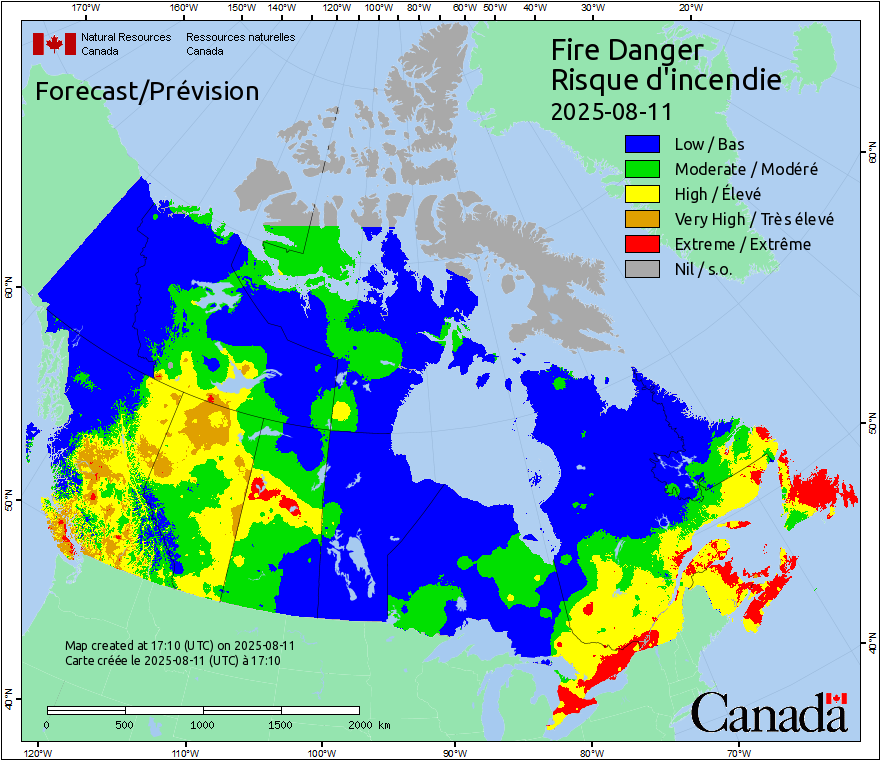
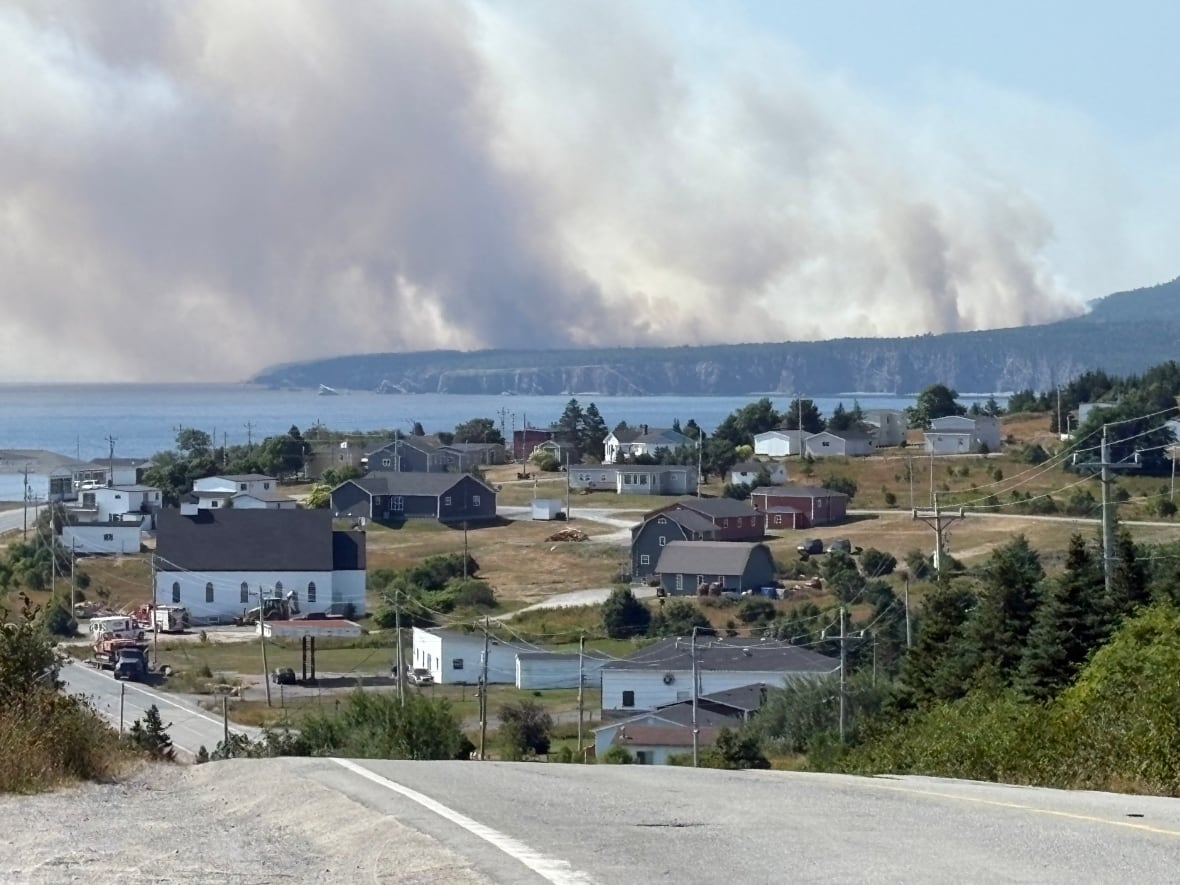
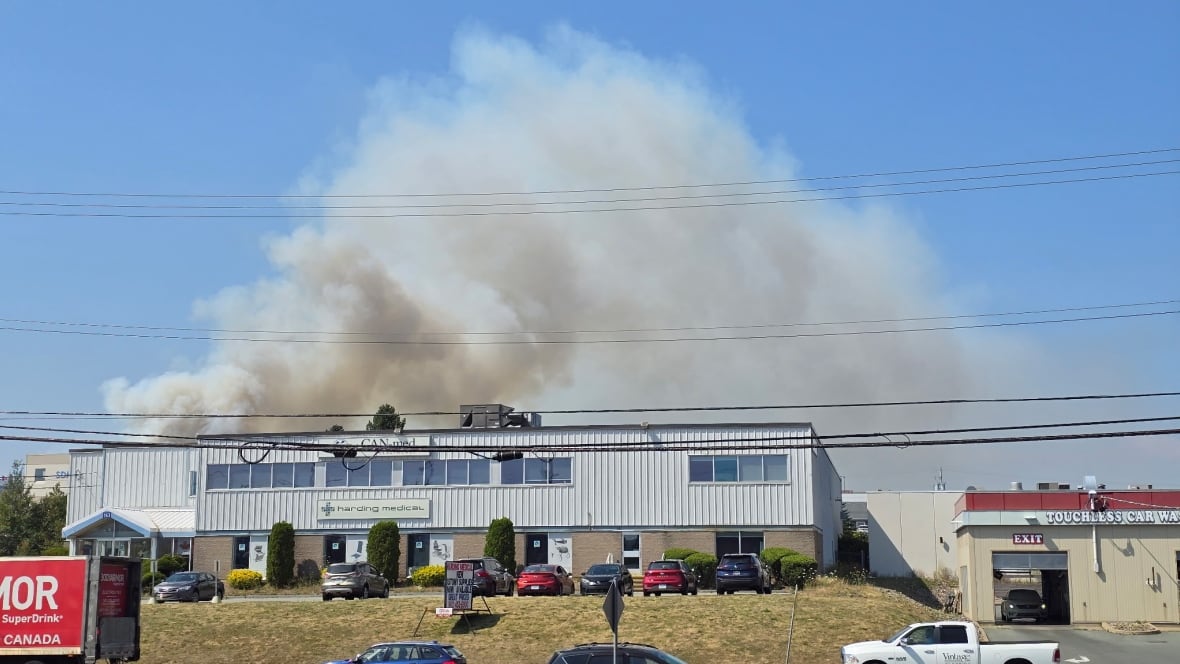


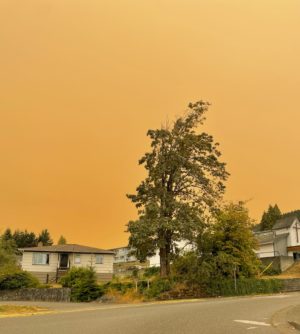 The air quality has finally improved after several days of wildfire smoke hanging over much of southern Quebec. Montreal, along with several other cities in the province, were dealt an air quality advisory starting Saturday and clearing up Monday evening. But this year, the smoke causing the poor air quality isn’t coming from within the province but rather from the fires raging in the Prairies. While Quebec is seeing a rather tame wildfire season, this year is still gearing up to be another intense season for other parts of Canada. So far, 2025 has seen wildfires consume 6.5 million hectares. Last year the number totalled 5.3 million, and in 2023 — Canada’s worst wildfire season on record — a little over 16 million hectares burned. “The thing that is quite exceptional right now is that we had three years in a row with very, very high fire activity in Canada,” said Boulanger. The three most active fire seasons since 1995 have been recorded between 2023 and 2025, he said.

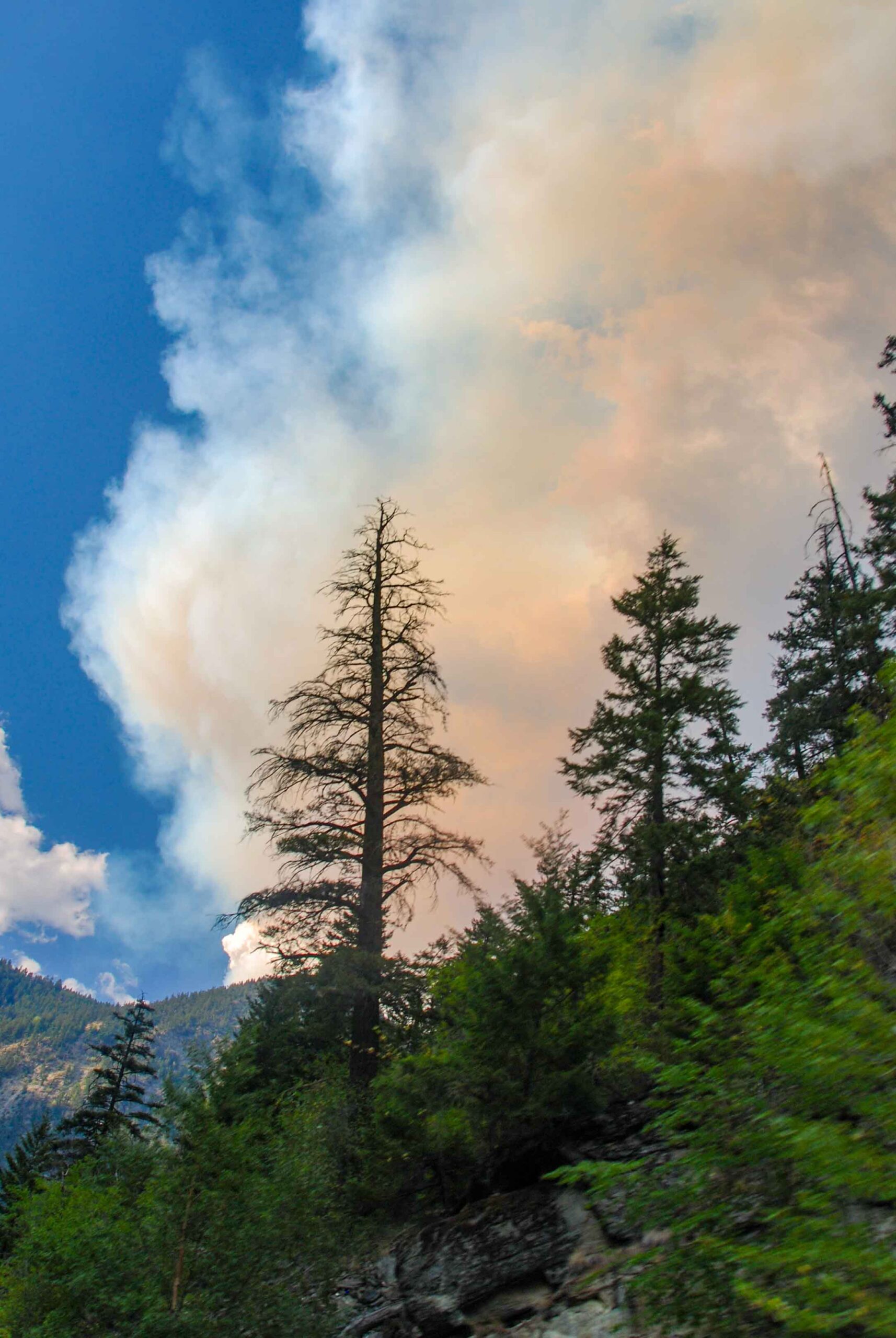 Rainfall continues to help crews fighting fires in Newfoundland and Labrador as the number of active wildfires drops from five to three, says the provincial fire duty officer. The active wildfires are the Winokapu fire in Labrador and the Chance Harbour fire in Newfoundland. The Ragged Harbour fire, which forced nearby Musgrave Harbour residents to evacuate over the weekend, also continues to burn. Wes Morgan said Wednesday morning that firefighters hit the ground on Tuesday to fight the Chance Harbour fire, located on the Bonavista Peninsula. “The precipitation that was forecasted did come true and we did see significant amounts of rain — that was a real advantage to us,” he told CBC. Morgan said they haven’t seen any additional fire growth, but it remains steady at 1,820 hectares. “Overall, it was a really great day and spirits are good and crews were back out in that way again this morning,” he said.

 Much of Central Canada, Manitoba and Saskatchewan were placed under special air quality statements or warnings on Monday due to smoke from wildfires, as Environment Canada advised residents to limit time outdoors and watch for smoke exposure symptoms. The weather agency said air quality was poor across swaths of Ontario and Quebec as westerly winds brought in smoke from forest fires in the Prairies and northern Ontario. The weather agency also issued air quality warnings in central Saskatchewan and a special statement for much of Manitoba, noting that air quality and visibility due to wildfire smoke can fluctuate over short distances and vary from hour to hour.
 Fire crews in Northwestern Ontario are monitoring 52 active wildfires across the region after five new blazes were confirmed by Sunday evening. Among the latest is Red Lake 99, burning near Grist Lake, which is the largest of the new fires at 394 hectares and not under control. Red Lake 101 has also drawn attention after crossing into Ontario from Manitoba. That fire is currently 227.5 hectares and continues to burn within Woodland Caribou Provincial Park. Other new fires include Red Lake 98 near Hornby Lake, Red Lake 100 west of Poplar Hill First Nation, and Red Lake 102 northwest of Nechigona Lake. Of those, only Red Lake 100 is under control. Fire officials continue to urge people to respect emergency orders and stay out of restricted zones to support safety and firefighting operations.
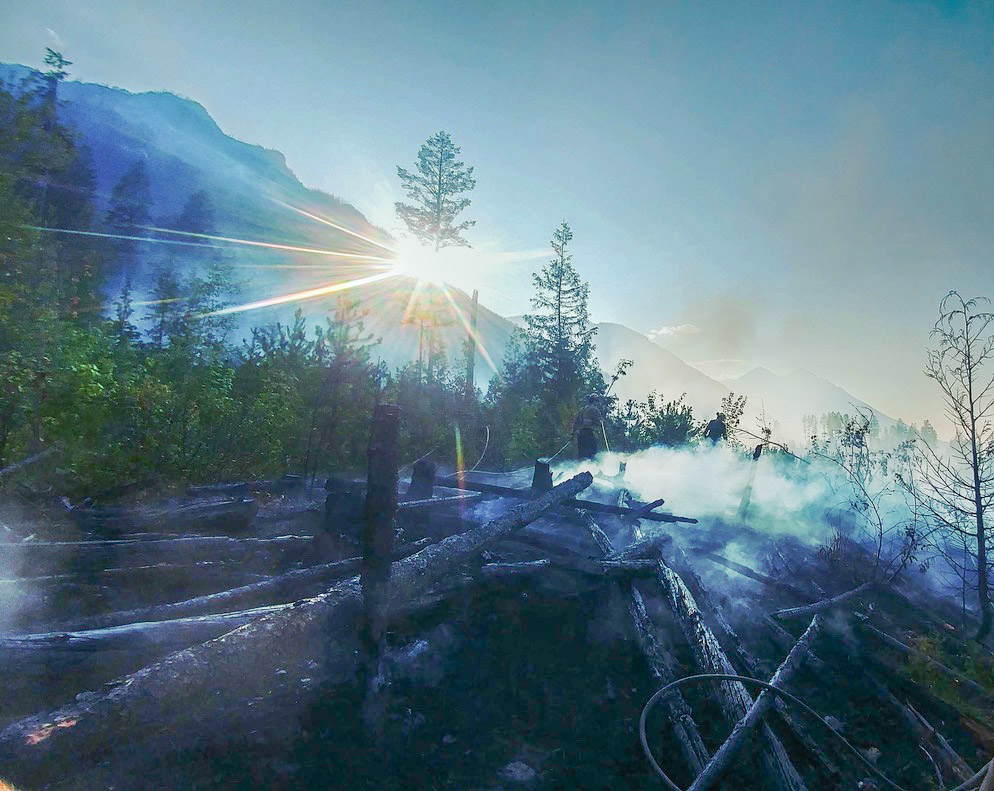 DRYDEN — Ten new forest fires in Northwestern Ontario over the weekend brought the total number of active fires in the region to 52. The Ministry of Natural Resources reports that one of the new outbreaks is an extension of a wildfire burning in Manitoba. That province’s EA061 fire has burned 278,000 hectares there, and 228 hectares in Ontario, as of Sunday evening. It’s located about 10 kilometres west of Bulging Lake in Woodland Caribou Provincial Park. Among other new fires of note in the Northwest, a 394-hectare blaze is burning four kilometres northwest of Grist Lake in the MNR’s Red Lake sector. The ministry reports the wildland fire hazard is low to moderate in most of the region, except for along the Ontario-Manitoba border from the Rainy River area to Opasquia Provincial Park, 250 kilometres north of Red Lake, where the hazard is mainly high.