Kapuskasing Mayor Dave Plourde said that, after much lobbying, the federal government said it is willing to sit down with the province to discuss a solution for the northeastern forest industry. That means that Kap Paper remains open, at least for now. The company is facing a crisis because of tariffs imposed by the US as part of the trade war launched by President Trump. …Plourde said he felt some relief to hear the federal government has agreed to sit down with the province. …News of a working group that includes the federal and provincial governments, as well as representatives from the industry, is also good news. …“In a recent news release, Kap Paper indicated a couple of ways the federal government can help would be to provide proportional forestry funding to Ontario, equivalent to BC and Quebec, and to address duties and tariffs that unfairly penalize Canadian producers.
 THUNDER BAY, Ontario — The Ontario government is investing a further $30 million to support businesses, workers and communities dependent on the province’s forest sector. This funding will build and maintain more forestry access roads and provide immediate support for Ontario sawmills to find new markets for their woodchips. These investments will strengthen Ontario’s forestry sector, create jobs and increase the sector’s competitiveness in the face of increased US softwood lumber duties and the threat of tariffs. …An additional $20 million is being invested through the Provincial Forest Access Roads Funding Program, bringing the government’s total funding for the program to over $79 million this year. …The government is also providing immediate support to sawmills by investing $10 million in the Ontario Sawmill Chip Support Program. The funding provides immediate support to sawmills while they find new, innovative markets for their wood chips such as energy production or alternatives for single-use plastics.
 Ontario’s Associate Minister of Forestry and Forest Products announced over $5 million in funding today for Interfor Sault Ste. Marie at the company’s mill on Peoples Road.
  TORONTO – The Ontario government is investing over $3.5 million through the



 Coulson Aircrane says the Saskatchewan government has agreed to pay more than twice what it should have for four firefighting aircraft — a decision the B.C.-based company says will cost Saskatchewan taxpayers an extra $100 million. Coulson, one of the leading companies in the world for retrofitting planes for firefighting, made the claim last month in an application to the Court of King’s Bench. “We are concerned the government of Saskatchewan has awarded a very large (over $187,000,000) contract for forest fire airplanes, without affording any reasonable opportunity to Coulson or any other competitor to bid on the contract,” says an affidavit filed by company president Britt Coulson. Coulson is asking the court to quash the sale and order a fair, transparent competition. …He says the government failed to hold a proper, competitive tendering process, resulting in Conair making “an immense profit.” …Conair has declined to comment, as the matter is before the courts.
 The provincial government, through Newfoundland and Labrador Hydro, is extending its agreement with Corner Brook Pulp and Paper to buy electricity. The initial agreement was made in March, 2024 for Hydro to buy electricity from Deer Lake Power, which energizes the paper-making machines at the Corner Brook mill for 27.5 cents per kilowatt hour. The deal has now been extended until March 31, 2026. Hydro will continue to purchase excess green energy from Deer Lake Power, while the mill continues work to identify new revenue sources through viable wood-based projects “to unlock Newfoundland and Labrador’s high forest potential while further stabilizing the mill’s sustainability and future,” wrote the province’s Department of Fisheries, Forestry and Agriculture in a news release on Wednesday. The department said the agreement will not impact rate payers. The announcement comes after the mill was forced to pause operations due to a number of wildfires.



 MANIWAKI, Quebec — The Domtar sawmill in Maniwaki, Quebec, will temporarily close again next month. The company, which acquired the mill when it bought Resolute Forest Products in 2023, confirmed Wednesday to Radio-Canada that the indefinite closure will begin Oct. 10. It cited difficult market conditions and US softwood lumber duties, which rose to more than 35 per cent last month. About 120 workers at the mill lost their jobs in a previous closure that started in December 2024. The mill reopened for about 50 hours a week at the start of June. About 3,800 people lived in the western Quebec community as of the 2021 census. [END]
 The US Court of International Trade threw out a legal challenge from Canadian softwood lumber producers J.D. Irving Ltd. granting a motion-to-dismiss from the Commerce Department. Timothy Reif said in the opinion that J.D. Irving, which had challenged Commerce’s 2022 antidumping administrate review on grounds that the agency erred by assigning a higher cash deposit rate in the order, has its proper venue under a binational panel though the USMCA now reviewing the Commerce order. While the Canadian firm said it was challenging not the Commerce fine order but the instruction for the cash deposit rate. Reif said the challenge entered on the commerce final result and thus should rest before the USMCA panel. [to access the full story, a MLex.com subscription is required]
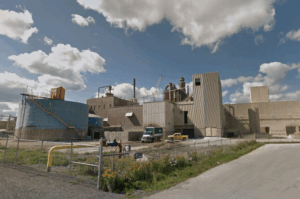 A proposed sale of Northern Pulp’s vast timberlands appears to leave nothing for the cleanup of its former kraft pulp mill in Pictou County or for the money owed to taxpayers. But the companies that provided interim financing to Northern Pulp through its five-year insolvency, and potentially a significant portion of its underfunded pension obligation to former mill employees, would get paid. On Monday, Northern Pulp filed a proposed “stalking horse” (a minimum bid) of $104 million for Northern Timber with the BC Supreme Court as part of its insolvency proceedings. It is also seeking the extension of creditor protection, leaving the potential that a higher bid could come in for its valuable forest lands. …No estimated cost has been released publicly for cleaning up the Abercrombie site that housed Northern Pulp for 50 years. …On Monday, Northern Pulp said it had provided a cleanup plan to the Department of Environment.
 Housing starts and pre-sales in much of Southern Ontario have earned failing grades and are on track to get even worse, a new study warns — a situation that “should alarm policymakers across all three orders of government.” The report from University of Ottawa’s Missing Middle Initiative compares housing starts and sales in 34 municipalities across the Greater Toronto Area and neighbouring Southern Ontario cities for the first six months of 2025 with the same period from 2021–2024. It found starts are down 40% relative to that four-year average, with pre-construction condo sales plunging 89 per cent and other homes 70 per cent. The reduction in starts has direct employment implications, and the collapse in pre-construction sales, the study says, is “a clear indication that Ontario’s housing situation will get worse before it gets better, and that market weakness is not isolated to the condo market.” …The study paints a similarly bleak picture for the first half of 2025.


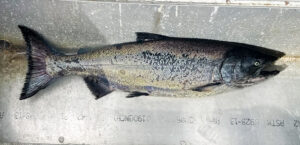 Researchers from Trent University are immersing themselves in forests and streams in northwestern Ontario to understand how forestry practices and climate change affect brook trout populations and freshwater ecosystems. The team is working in the Walkinshaw and Wolf watersheds, northeast of Thunder Bay. They are focusing on headwater streams, which are small rivers that feed larger waterways across the Great Lakes. “Northern freshwater ecosystems are currently experiencing major disturbances, two of which are forest harvest and climate change. One of the effects of climate change is an increase in water temperatures. And the consequences of these predicted increased temperatures on the stream ecosystem are still unclear,” said PhD student Celeste Milli, who is leading the fieldwork. …Milli said the research could help inform science-based policy decisions in Canada’s northern forests, ensuring that both forest ecosystems and freshwater resources remain resilient in a changing climate.

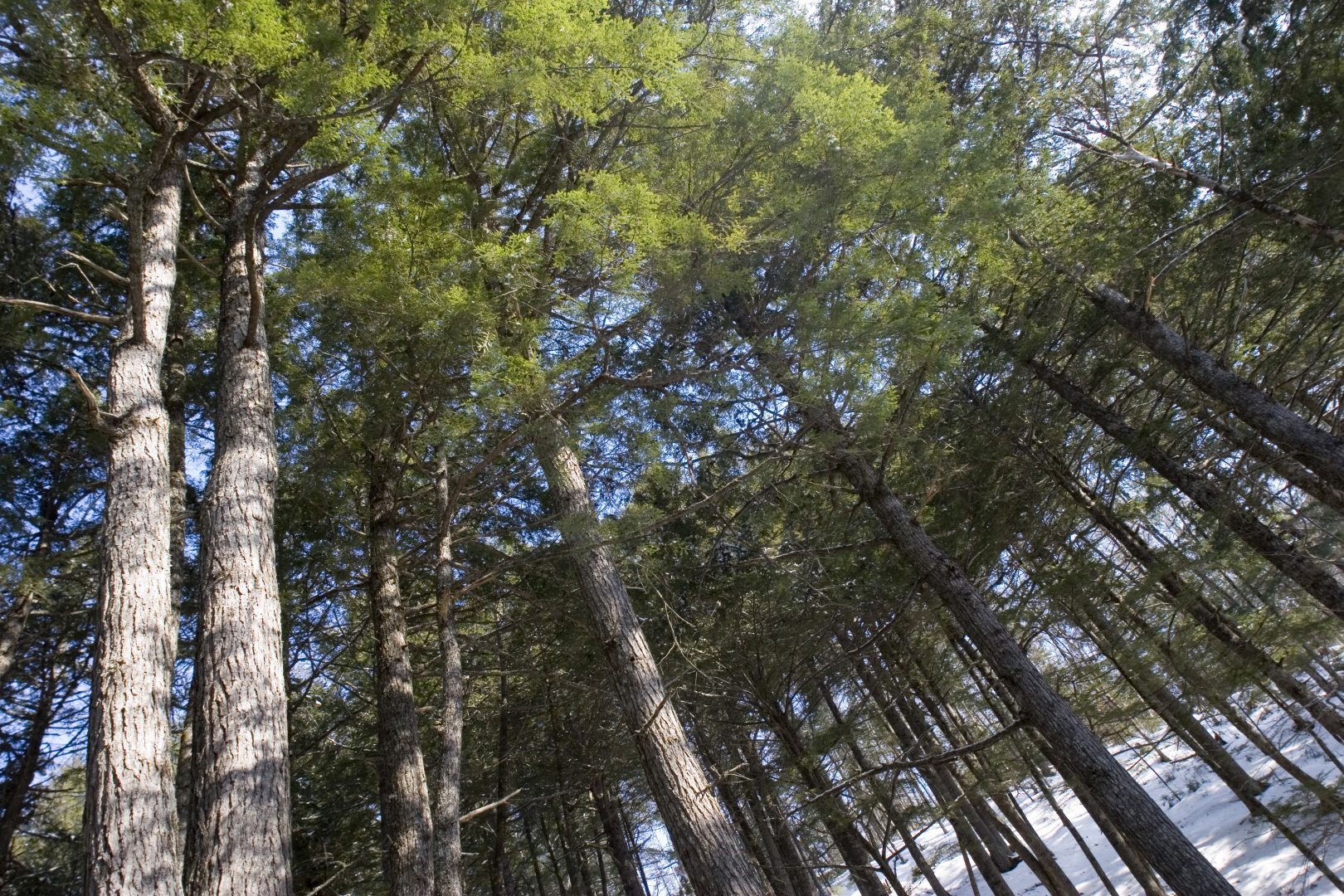
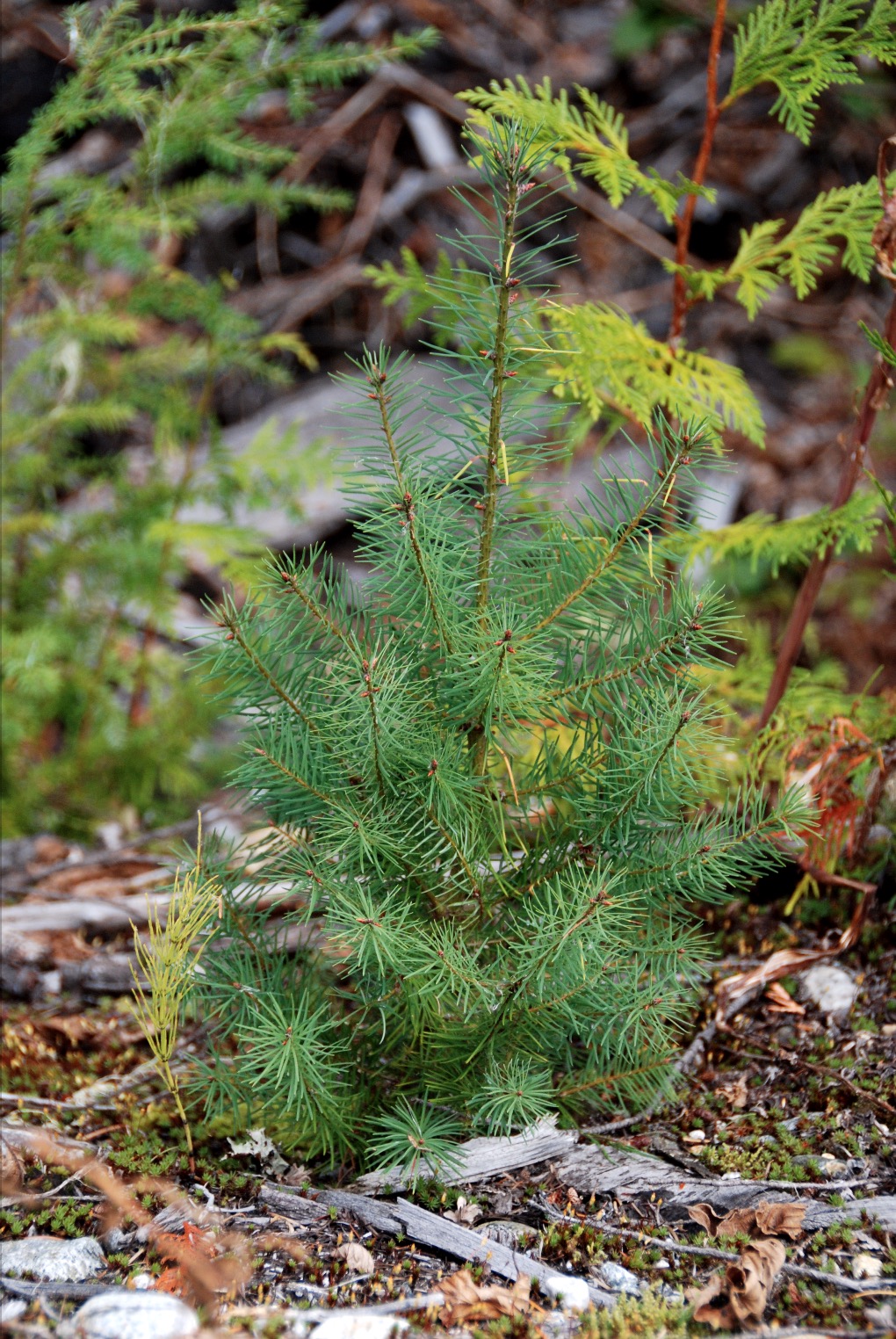 As Nova Scotia grapples with one of its most severe wildfire seasons, a controversial decision by the provincial government has flown under the radar: the approval of aerial glyphosate spraying on 3,577 acres of drought-stricken, fire-prone forest. This move not only risks human health and ecosystems but also exacerbates the very wildfires it claims to mitigate. …Glyphosate-based herbicides are used in forestry to kill deciduous plants and shrubs that compete with commercial softwood species. However, this practice replaces diverse, resilient forests with flammable monocultures. By inhibiting plant growth and causing vegetation to wilt and die, glyphosate leaves behind dry, combustible biomass — effectively turning forests into tinderboxes. In a province already parched by drought and under travel bans due to fire risks, adding fuel to the fire is nothing short of reckless.
 Michelle Conroy says she appreciates all the work the province’s firefighters have put into protecting Miramichi, as wildfires raged out of control. But the Progressive Conservative MLA for Miramichi East also wonders if their employer, the Department of Natural Resources, might have unintentionally made conditions in the forests worse by encouraging herbicide spraying so that New Brunswick’s powerful timber industry could have softwood plantations. …The idea that the ecosystem could had been thrown “out of balance,” was addressed by Deputy Minister Cade Libby. “Your comment is one we’ve heard quite a few times,” Libby said. “Yes, herbicides target broad-leafed plants. …But a working forest is a great way to mitigate forest fire risk.” The deputy minister said timber cutters use forestry roads that act as fire breaks and that they work on forests of various types and age classes that have less fuel load than virgin, old-growth forests do.
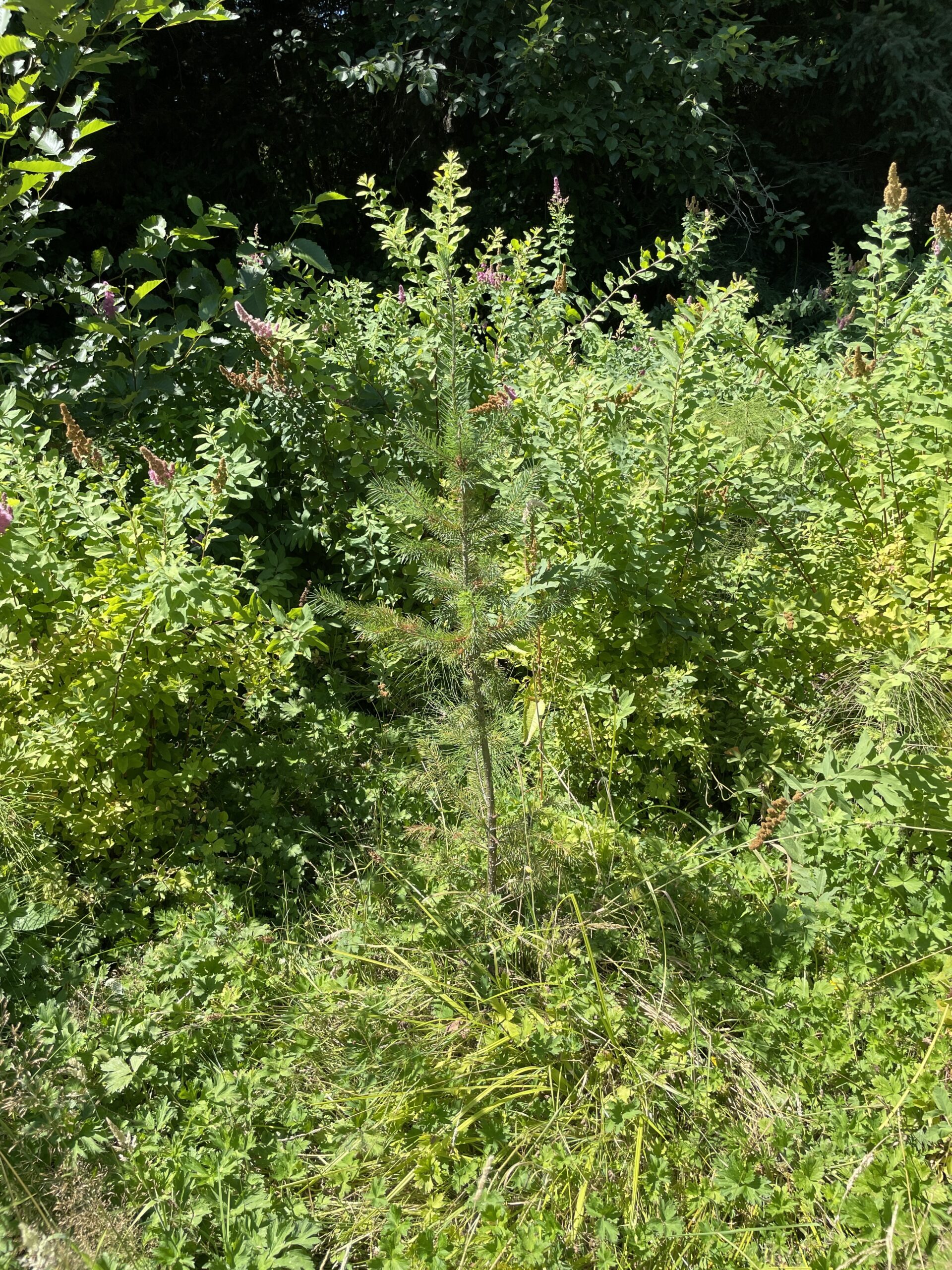 Amid calls from some First Nations and municipalities in northeastern Ontario to stop glyphosate spraying on Crown land, environmental groups are raising concerns over the herbicide’s effect on biodiversity. …Wildland fire ecologist Bob Gray said leafy deciduous trees, like aspen, are more resilient to wildfires than softwood conifers like pine and spruce. “Softwoods are highly resinous,” he said. “The foliage and bark is highly flammable. When you’ve got large contiguous areas of conifer forest, you can have large continuous forest fires.” If a timber company’s goal is to promote the growth of softwoods for harvest, at the expense of hardwoods, it can make that area more prone to wildfires. …Jocelyne Laflamme is a Ph.D. candidate at the University of British Columbia found that aspen becomes more flammable in the fall, when they lose their leaves. …In August, forest company Interfor cancelled plans to spray herbicides on trees along the north shore of Lake Huron.
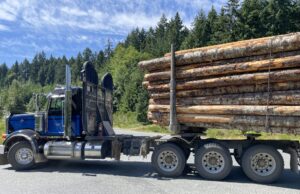 NOVA SCOTIA — Mikmaq have begun blocking logging trucks from leaving Hunters Mountain. Madonna Bernard began the blockade on Monday afternoon when she stood in front of two logging trucks. She was then joined by other Mi’kmaq seeking to stop harvesting from the Cape Breton Highlands. …“This is not a protest, this is a protection. We’re willing to stay as long as it takes.” A large RCMP presence has gathered and more Mi’kmaq supporters are arriving. …Port Hawkesbury Paper mill manager Bevan Lock said that the supercalendered paper relies on wood coming from the highlands for a significant part of its woods fibre. He said some 70 people work for forestry and logging contractors operating in the area. “The province and RCMP have taken steps to remove the blockade and allow travel on a public road,” said Lock.
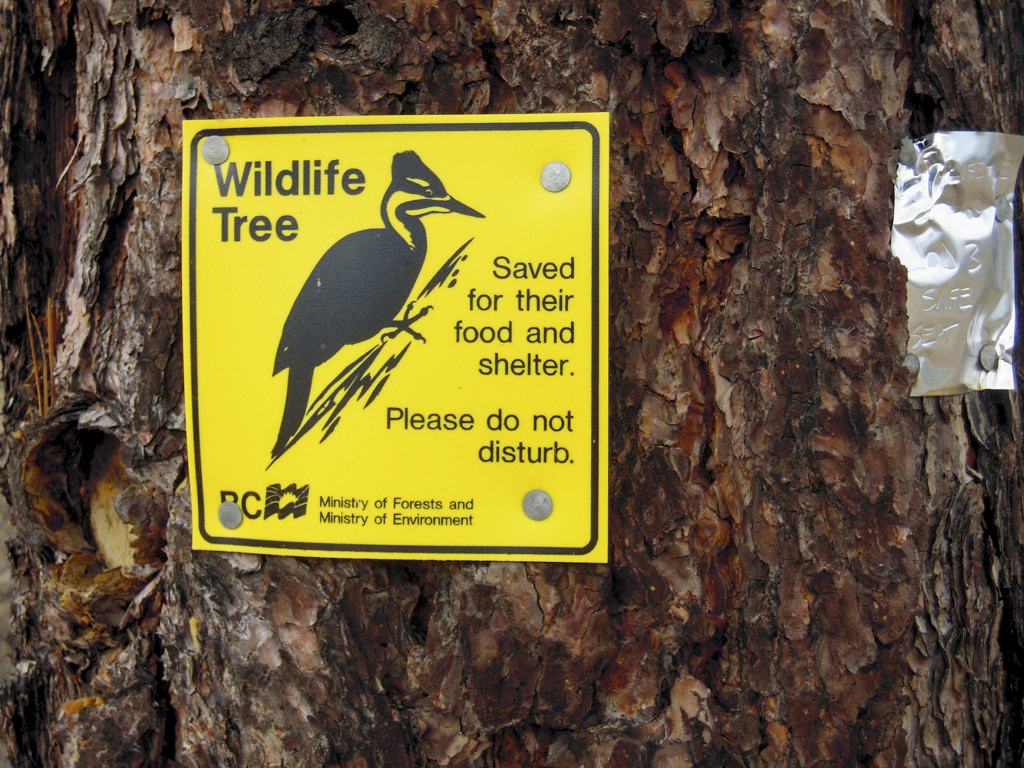 As wildfires tear through New Brunswick’s forests at record rates this year, researchers say the resulting damage is reshaping bird habitats — displacing some species while creating new opportunities for others. “With every disturbance in a forest, you have winners and losers,” says Joe Nocera, a forestry and environmental management professor at the University of New Brunswick. In this case, the winners will be woodpeckers. Wildfires, while destructive, are a natural part of forest ecosystems, said Amy-Lee Kouwenberg, an associate director at Birds Canada explained. They clear out underbrush and create habitats that support a wider range of species, boosting biodiversity in the long run. Woodpeckers thrive in burned areas, and the resulting tree cavities they leave behind are used as nesting sites that other birds rely on. …Species like the Canada warbler, wood thrush and Bicknell’s thrush — all of which depend on dense, mature or shrubby forests — are particularly vulnerable .
 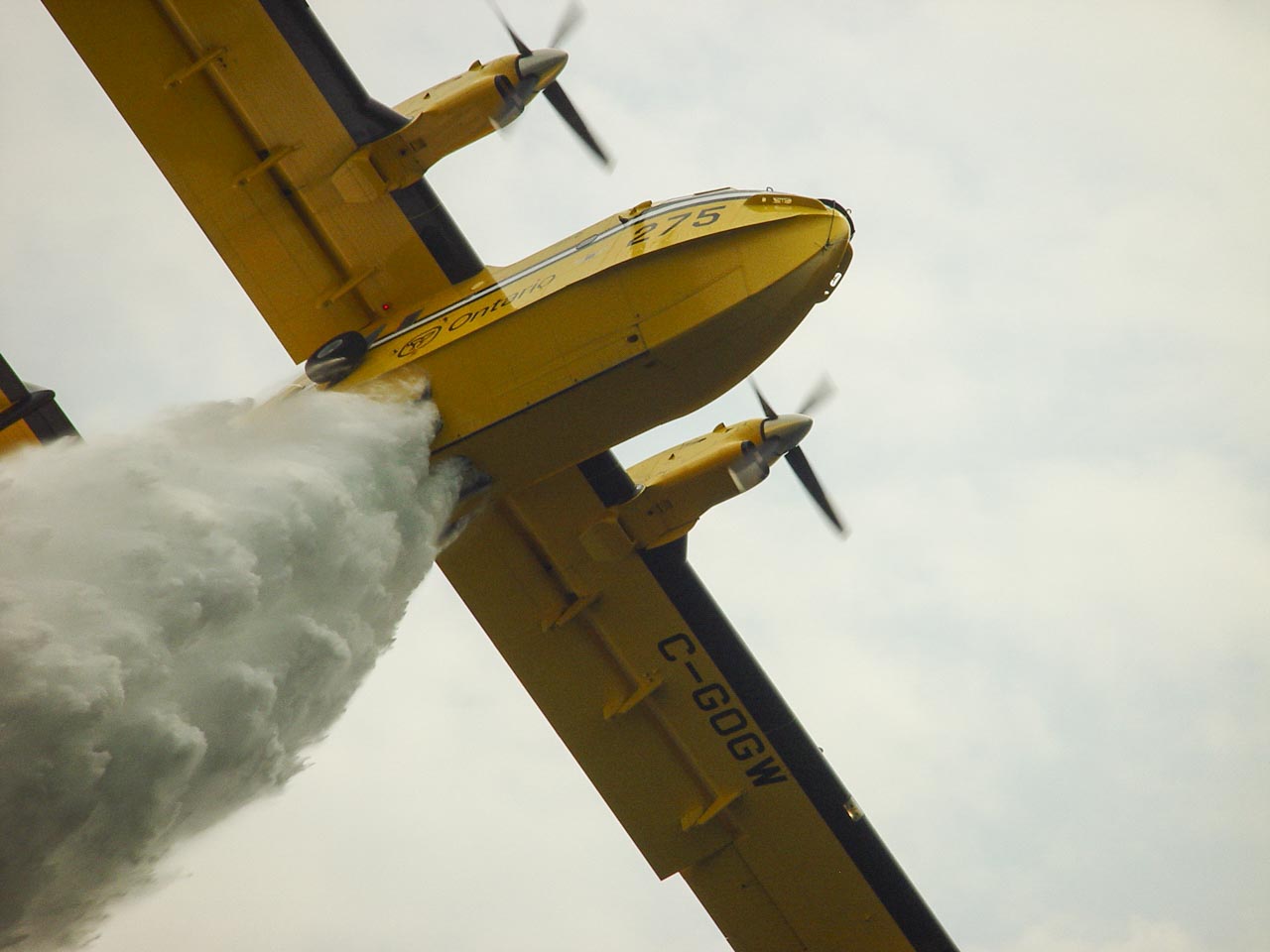 Air quality warnings are becoming a feature of Ontario summers, but for most, the source has felt far away. As southern Ontarians stayed indoors … under air quality warnings this summer, fires closer to home ignited. In July and August, the province experienced a number of wildfires in places including the Kawarthas, a couple hours northeast of Toronto, and near the town of Huntsville, in the cottage country region of Muskoka. Farther north, First Nations communities like the Pikangikum First Nation and North Spirit Lake First Nation were evacuated due to wildfires and smoke… How do wildfires in southern Ontario stack up to the massive fires farther north, and what can be done? Here’s what you need to know. …fires in southern Ontario are different for two main reasons: the forest type and the many, many people here.
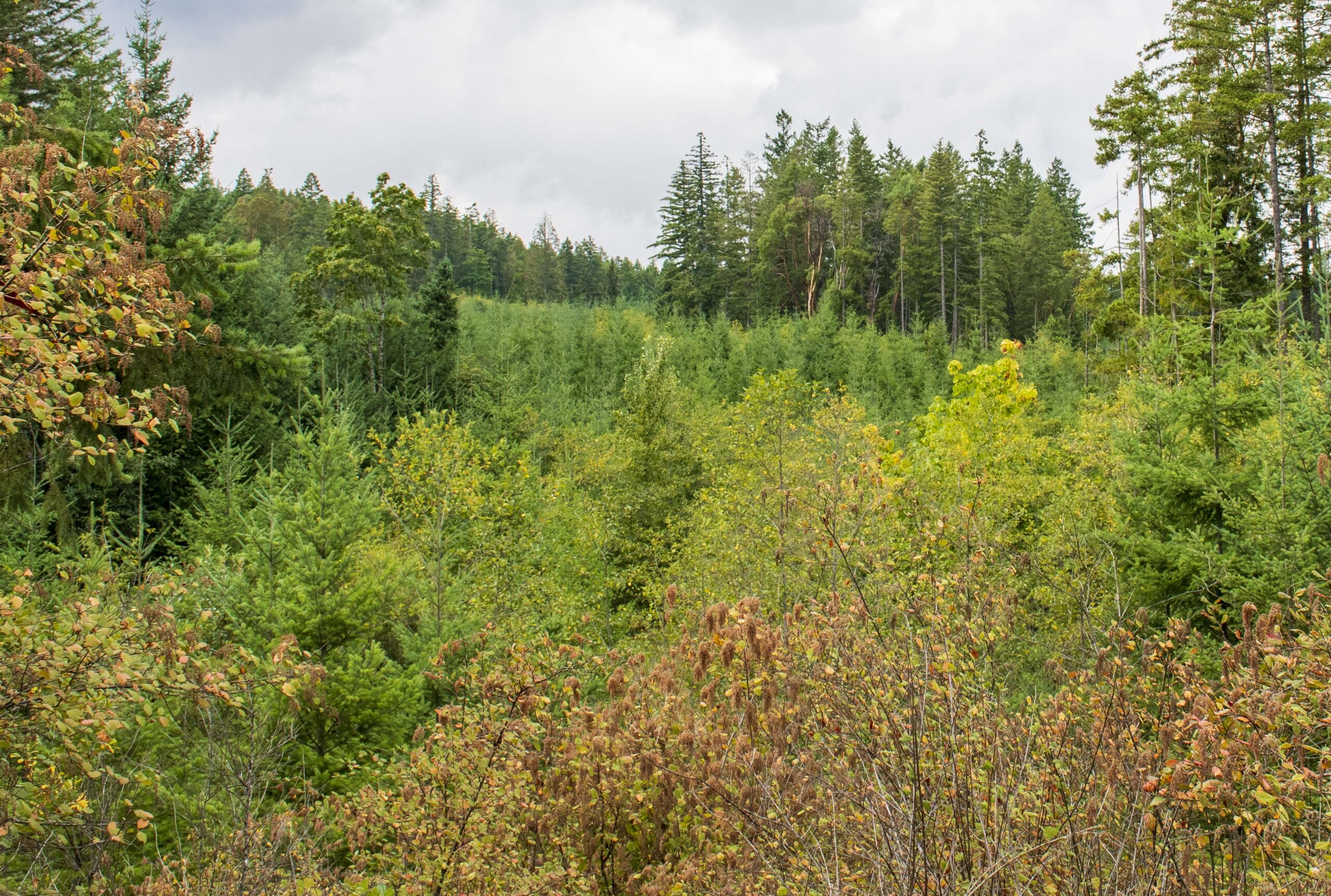 Activists are pushing for more information about where aerial spraying of glyphosate is happening after the Nova Scotia government has stopped releasing the locations for spraying of the herbicide by forestry companies. However the forestry sector says the use of the herbicide gets unfair attention, and identifying the locations draws protesters who block access to woodlots. Glyphosate is used by some woodlot owners to …reduce competition for more profitable softwood species… Previously, the provincial government provided premises identification (PID) numbers for where aerial sprays were approved. That didn’t happen when four approvals for spraying were issued in August. “We don’t have to tell everyone where these PIDs are, because it attracts people who don’t know the full story about forest management to show up roadblock your private woodlot, and prevent you from managing it as you see fit,” said Todd Burgess, executive director of Forest Nova Scotia.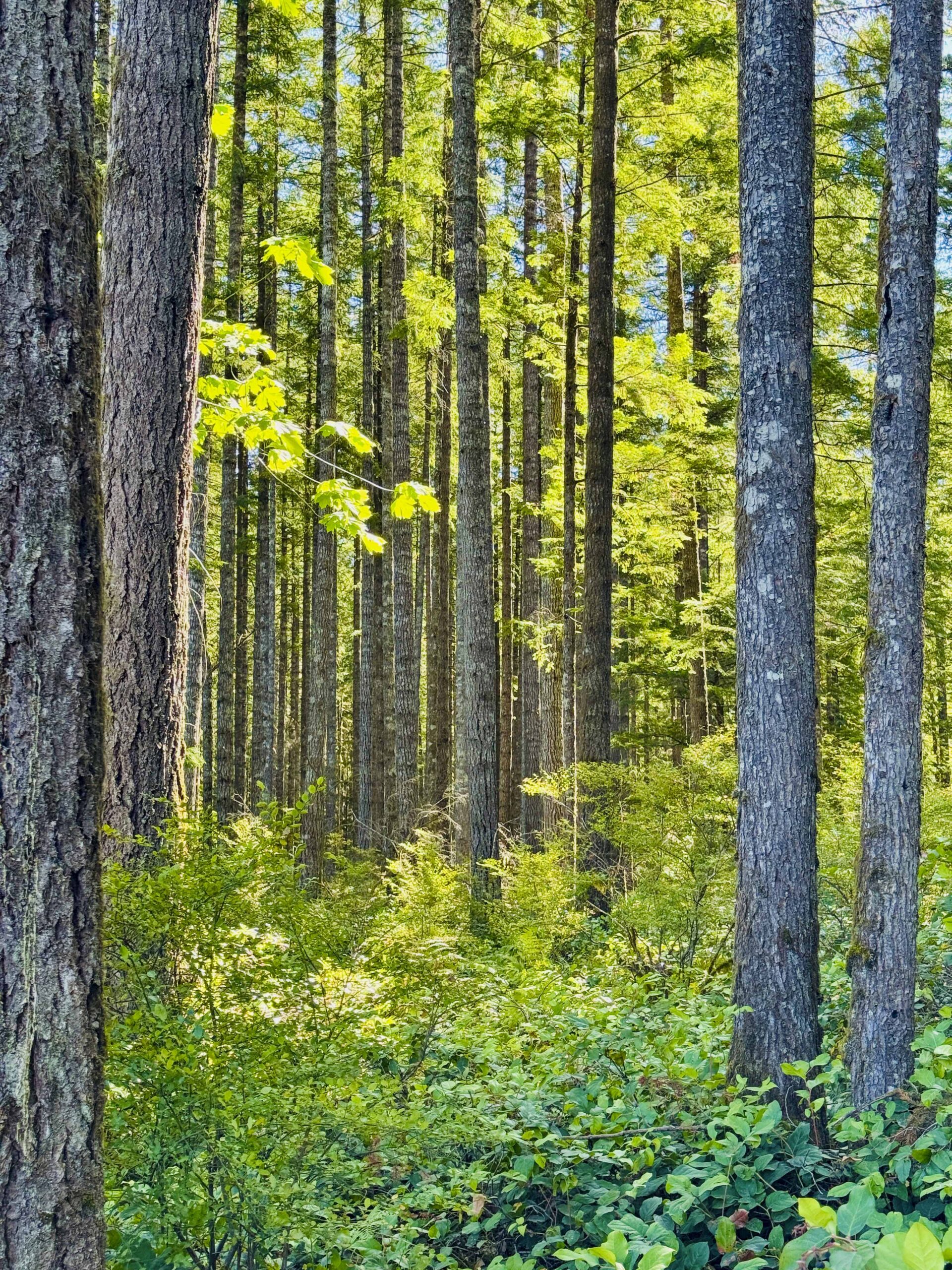


 A monster firestorm roared through the pine and spruce forests of New Brunswick. It burned one-fifth of the province’s forests and raged through villages, reducing buildings to ash and killing at least 160 people — although historians believe that is likely a severe undercount. This was the Miramichi Fire, which 200 years ago this fall announced an era of megafires in North America. Commemorated in folk songs, documented in archives and seared into memory for those who lived through it, the Miramichi Fire to this day ranks among the largest and most devastating fires the continent has ever seen. The Miramichi Fire was the continent’s first megafire rooted in extracting resources from the land, but that century was packed with other examples that collectively destroyed thousands of buildings and caused millions in damages, all while claiming lives. Among the major fires were Quebec City in 1845, 1866, 1876 and 1881; St. John’s in 1846 and 1892; Toronto in 1849, 1885 and 1895; Montreal in 1850, 1852 and 1898 and both Calgary and Vancouver in 1886.
 Trees are valuable components of the Canadian ecosystem and natural instruments of carbon storage and sequestration. A tree’s growth is controlled by regional climate, including growing season length and air temperature. It is also impacted by local hydroclimate; water and temperature variations that occur on a smaller scale. Black spruce trees are common within the boreal landscape of North America, including within fen wetlands. There is limited research on black spruce growth in fens, and how the unique hydroclimate of fens may impact tree growth in a changing climate. Tree core and ring samples were collected from both sites and placed within a microscope slide scanner. This allowed key tree growth characteristics to be identified on a cellular level. Correlation analysis was conducted between these growth characteristics and long-term climate data to determine the relationship between the two variables.
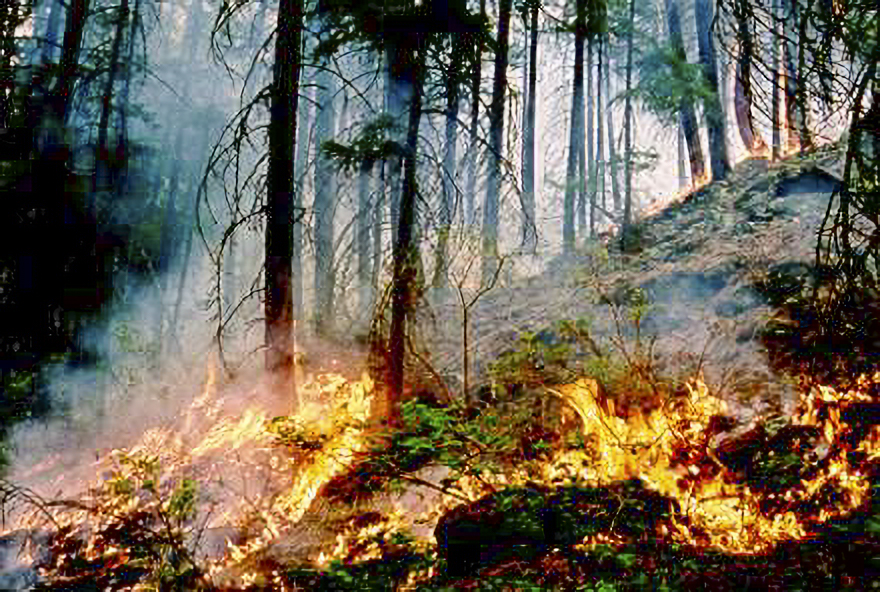 The historic wildfires that ripped through Quebec in 2023, destroying millions of hectares of forest and impacting thousands of people, is estimated to have cost over $8 billion. That’s according to a new provincially funded study published Wednesday by Nada Conseils — a climate action consultancy firm — highlighting the impacts and collective costs of the fires on citizens, governments, businesses and ecosystems. According to SOPFEU, the agency responsible for wildfire prevention and suppression in Quebec, the 2023 wildfire season was the worst in over 100 years with 713 fires — 99.9 per cent of which were caused by lightening — burning 4.3 million hectares of forest. …For governments, much of the costs incurred stemmed from firefighting operations, emergency services including evacuations and housing evacuees, and financial assistance programs. …The report notes that some of the most significant costs for citizens were linked to property damage, as well as financial impacts related to lost income and increased expenses.
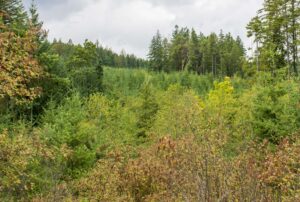 LAKE HURON, Ontario — Jenifer Brousseau often picks berries and traditional medicines in the bush around her community in northeastern Ontario. But in recent years, Brousseau and many others from Serpent River have been concerned about the forestry industry’s use of herbicides that contain the chemical glyphosate. …Environmental groups — including Friends of the Earth Canada, the David Suzuki Foundation, Safe Food Matters and Environmental Defence Canada — have launched a court challenge of Health Canada’s conclusions on glyphosate. …Some small municipalities in northern Ontario have also started to petition the province in their effort to get the ban. …Fred Pinto, an adjunct professor of forestry at the University of Toronto said herbicides are just one tool used by forestry companies to manage vegetation. Pinto said herbicide spraying is often done using aircraft in areas that have little to no road access.






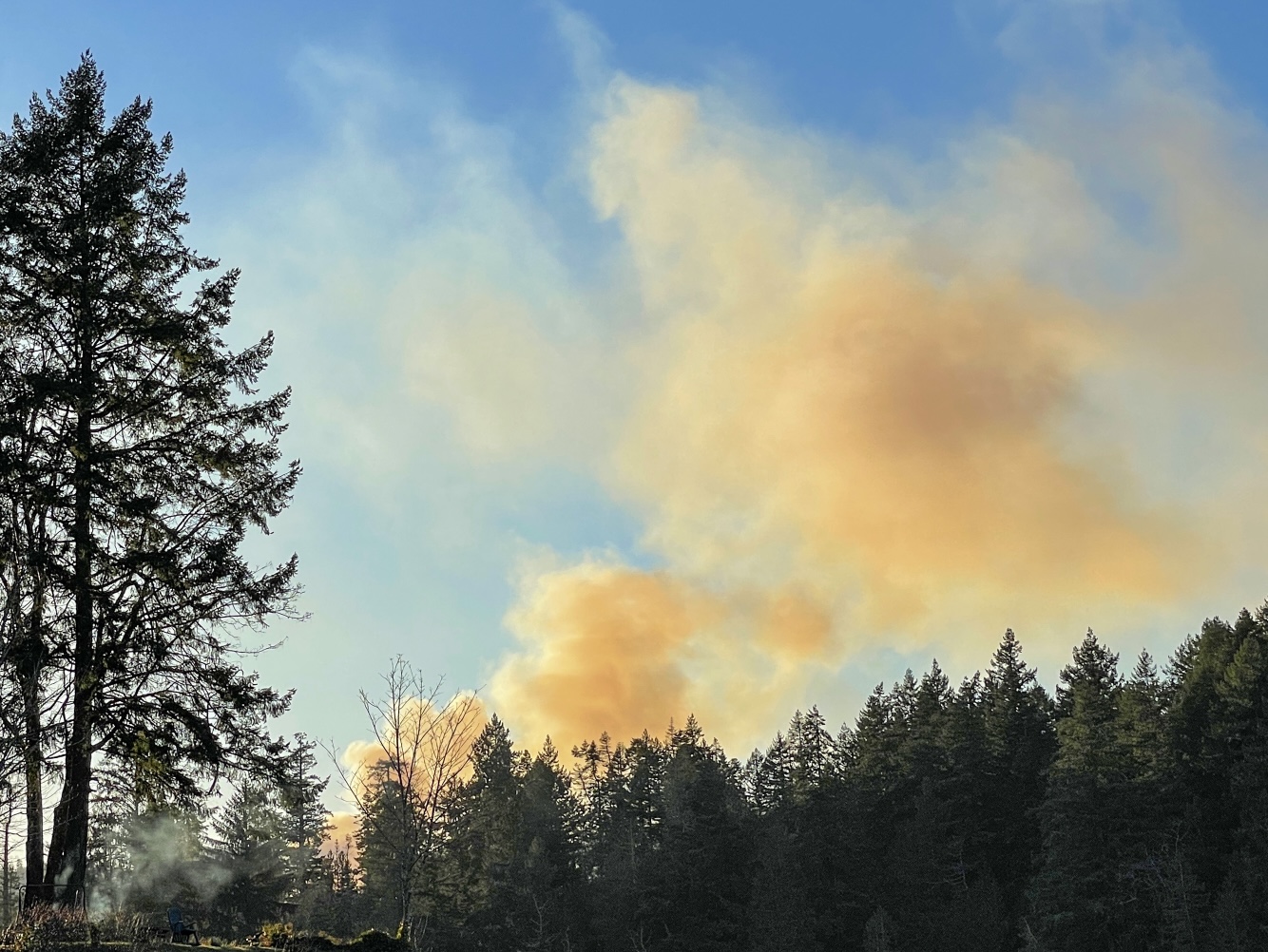
 The local service district of Lethbridge, N.L., is partially evacuated after a wildfire started in a bark pile and its adjacent forest outside Sexton Lumber late Sunday afternoon. The evacuation zone includes the areas of Oldford’s Hill to Southwest Bridge and Bayside Drive and Forest Drive, where the saw mill is located. Anthony Paddon Elementary in Musgravetown has been converted into a reception centre for impacted residents. In a social media post, the school announced that it will be closed to students on Monday, as it supports the efforts of emergency responders. The elementary school in Lethbridge, Hertiage Collegiate, is closed as well. In a social media post the school says more updates will be provided at 10:30 a.m. N.T. Route 233 remains impassible in both directions to all traffic. As of Sunday, three water bombers and ground crews were working the fire, and crews remained on the scene overnight to monitor conditions.
 The Nova Scotia government has confirmed 20 homes were destroyed last weekend in the Annapolis County wildfire, which remains out of control and is estimated at 8,234 hectares — or more than 82 square kilometres. According to a news release on Thursday, the residences were destroyed Sunday on West Dalhousie and Thorne roads. Not all of the residences were primary structures. “Our hearts are broken for residents in the West Dalhousie community who’ve lost their homes,” Premier Tim Houston said in a news release. “It’s overwhelming to get that news, it will be a long road to recovery, and I know residents will find comfort through this strong, tight-knit community. The wildfire in the West Dalhousie area of Nova Scotia is still burning out of control and has destroyed 20 homes. The Long Lake fire, which started on Aug. 13, is estimated to be 8,234 hectares in size (or more than 82 square kilometres), as of 11:30 a.m.
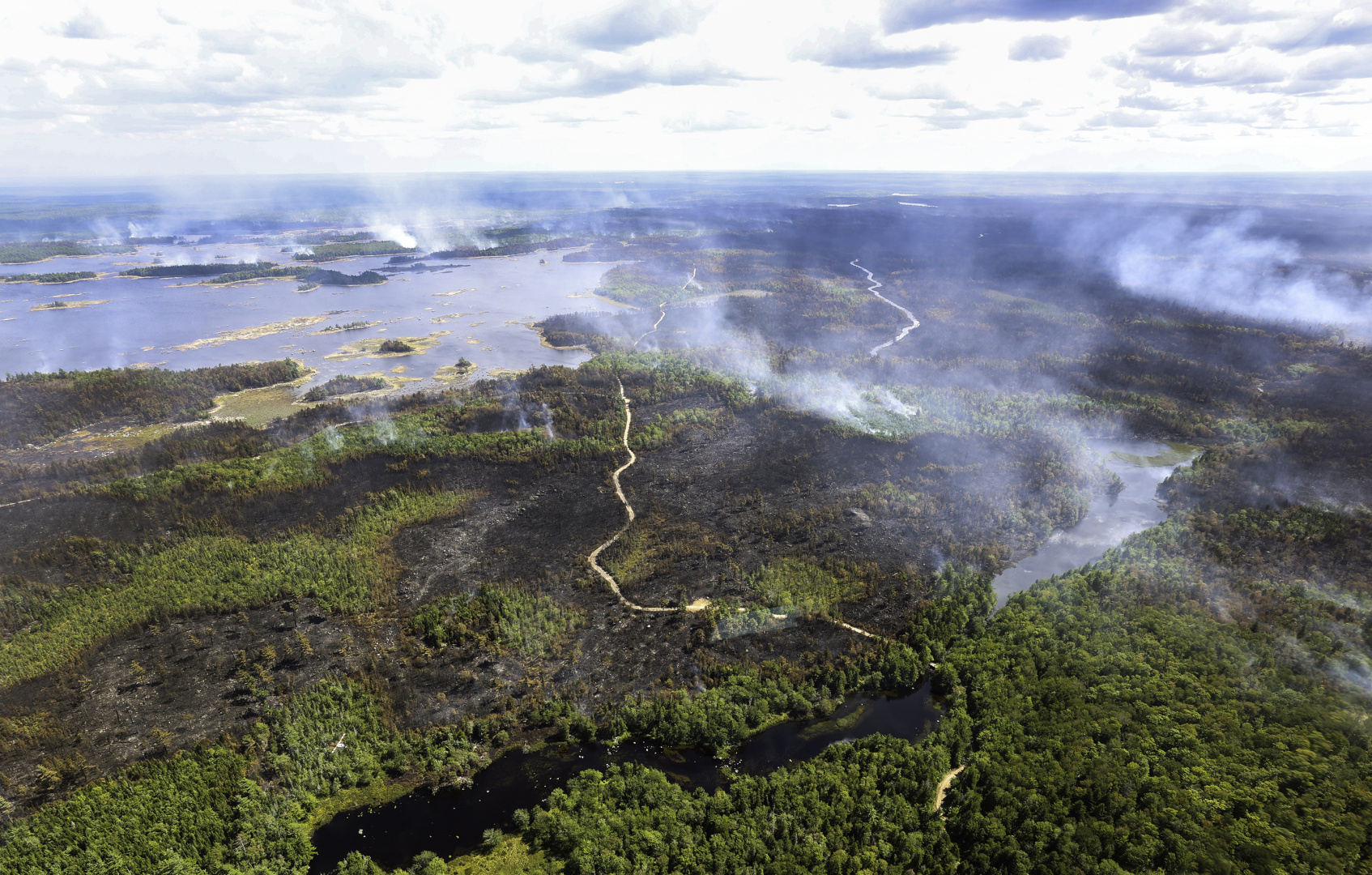

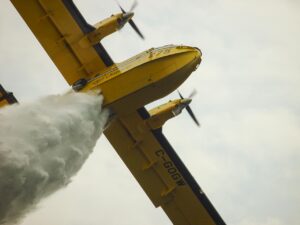 New Brunswickers will be permitted once again to enter the province’s forests, following a bout of cool weather that has reduced the risk of wildfires, officials said Monday. Starting Tuesday at 12:01 a.m., the province will lift its ban on access to Crown land, parts of which have been scorched in recent weeks by wildfires triggered by drought-like conditions and lightning. “I would like to thank New Brunswickers for their co-operation, for changing their plans for protecting our forests and communities,” Premier Susan Holt said Monday. About two weeks ago, there were 39 active wildfires across the province, and temperatures were close to 40 C with the humidex, said Natural Resources Minister John Herron. But over the past couple of days, temperatures have fallen well into the “very low teens” at night, he said, adding that parts of New Brunswick got rain on Monday, which has helped in firefighting.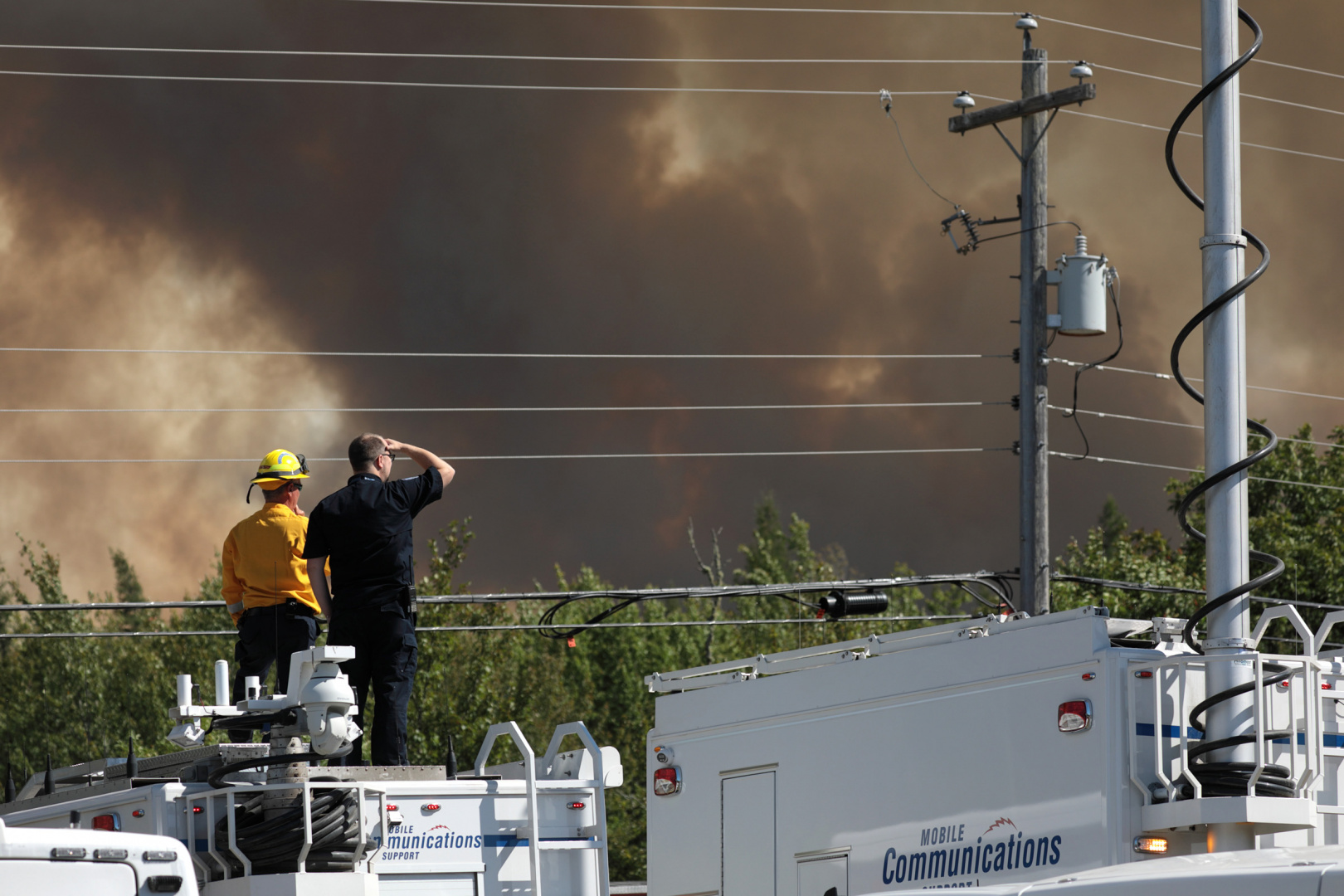


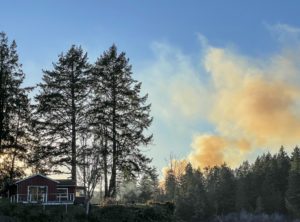 Officials in Nova Scotia say a wildfire in the western part of the province has grown and could force people out of their homes, while cooler temperatures and low winds have helped firefighters in Newfoundland and Labrador. The Long Lake wildfire is expected to grow, said Scott Tingley, manager of forest protection with Nova Scotia’s Natural Resources Department. On Sunday evening, the Nova Scotia Department of Natural Resources said the fire had almost doubled in size, growing from 11 square kilometres in the morning to nearly 20 square kilometres. It had spread past Godfrey Lake to the intersection of Fairns and West Dalhousie roads on one side and the south side of Spectacle Lakes on the other, it added. “These are not favourable firefighting conditions,” Tingley told reporters Sunday morning. “It’s very, very dry.” Two contracted helicopters were helping local firefighters along with crews from Prince Edward Island and Ontario, he said.
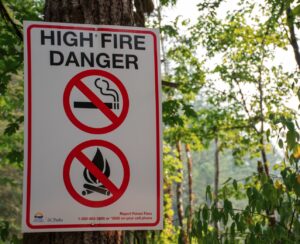 NOVA SCOTIA –More than one hundred homes have been evacuated as an out of control wildfire near West Dalhousie in Annapolis County continues to burn Friday morning. The fire broke out Wednesday on the north side of Long Lake, about 20 kilometres east of Annapolis Royal, Nova Scotia. The provincial Department of Natural Resources has said a lightning strike caused the fire. …The national weather forecaster has issued an air quality statement for Annapolis County and parts of Halifax County, saying smoke from the wildfires is reducing air quality in the area, and that people who are more likely to be impacted by smoke — including pregnant people, infants and young children, people with chronic health conditions and people who work outdoors — should avoid strenuous outdoor activities.