 As leaders gather t
 his week at the 2025 Union of BC Municipalities’ convention to chart the future of British Columbia, forestry must be central to those discussions. Forestry touches communities of every size in every part of BC It is not just an industry — it is part of BC’s fabric. And at a time of pressing challenges, forestry offers solutions: for rural, urban and Indigenous communities, it can and should be a unifying force. …Yet the sector faces headwinds. US softwood lumber duties exceed 35%, global markets remain volatile and further tariff increases loom. These forces are beyond our control, but they make action at home urgent. In challenging times, we need to focus on solutions that make us stronger together — solutions that are about “and”, not “or.”
Recent polling shows 87% of British Columbians agree that effectively developing natural resources is key to future growth. That means economy and environment. Reconciliation and jobs. …Premier David Eby has recognized this by naming forestry as a major project known as the “path to 45 million cubic metres.” BC’s allowable annual cut is around 60 million cubic metres. We’re harvesting barely half of that, and many mills are down to one shift. That means lost jobs, lost opportunities and declining community stability. The good news is: forestry doesn’t need years of permitting. We already have the people, the infrastructure and the supply chain in place. We can unleash forestry now, while new mines, LNG facilities and clean energy projects work their way through the approval process. Closing that gap matters — not just for companies, but for communities across BC. If we can reach the 45 million target harvest, government tax revenues would increase over $500 million per year from stumpage and non-stumpage revenues.
 VICTORIA — Forests Minister Ravi Parmar this week announced major reforms to B.C. Timber Sales, hoping to reverse a two-thirds decline in sales volumes under the NDP. …Parmar said the government will broaden the agency’s mandate to focus on providing wood to support manufacturing, delivering jobs to communities and building partnerships with First Nations. The changes are prompted by a review conducted earlier this year by former B.C. Liberal cabinet minister George Abbott, Vanderhoof councillor Brian Frenkel and First Nations representative Lennard Joe. …Parmar didn’t understate the urgency of delivering logs to all the right places … that day’s Merritt Herald announced Aspen Planer mill was closing for “an indefinite period.” …The company doesn’t lack for wood supply on paper. …For all Parmar’s and Eby’s enthusiasm for boosting the annual harvest, they have not made believers of the Ministry of Finance in their own government.
 The B.C. Government says it’s going to expand the scope of BC Timber Sales. The organization manages 20 per cent of the province’s allowable annual cut for Crown/public timber and the auction of public timber. The government released a review of BC Timber Sales on Tuesday… A Chemainus mill is among two Western Forest Products mills in the Cowichan Valley facing lengthy curtailments, impacting more than 200 workers. …At the Paulcan Jemico mills in Chemainus, there are 50 people working despite tough times for the industry. The owner says profit margins are razor-thin while regulations are always increasing. “We’re making it to the point where no one wants to do business because there is so much uncertainty in what goes on in this industry,” said Paul Beltgens, owner of Paulcan Jemico Industries. Beltgens says unless conditions improve, there’s very little reason to invest in his company’s operations for the future.
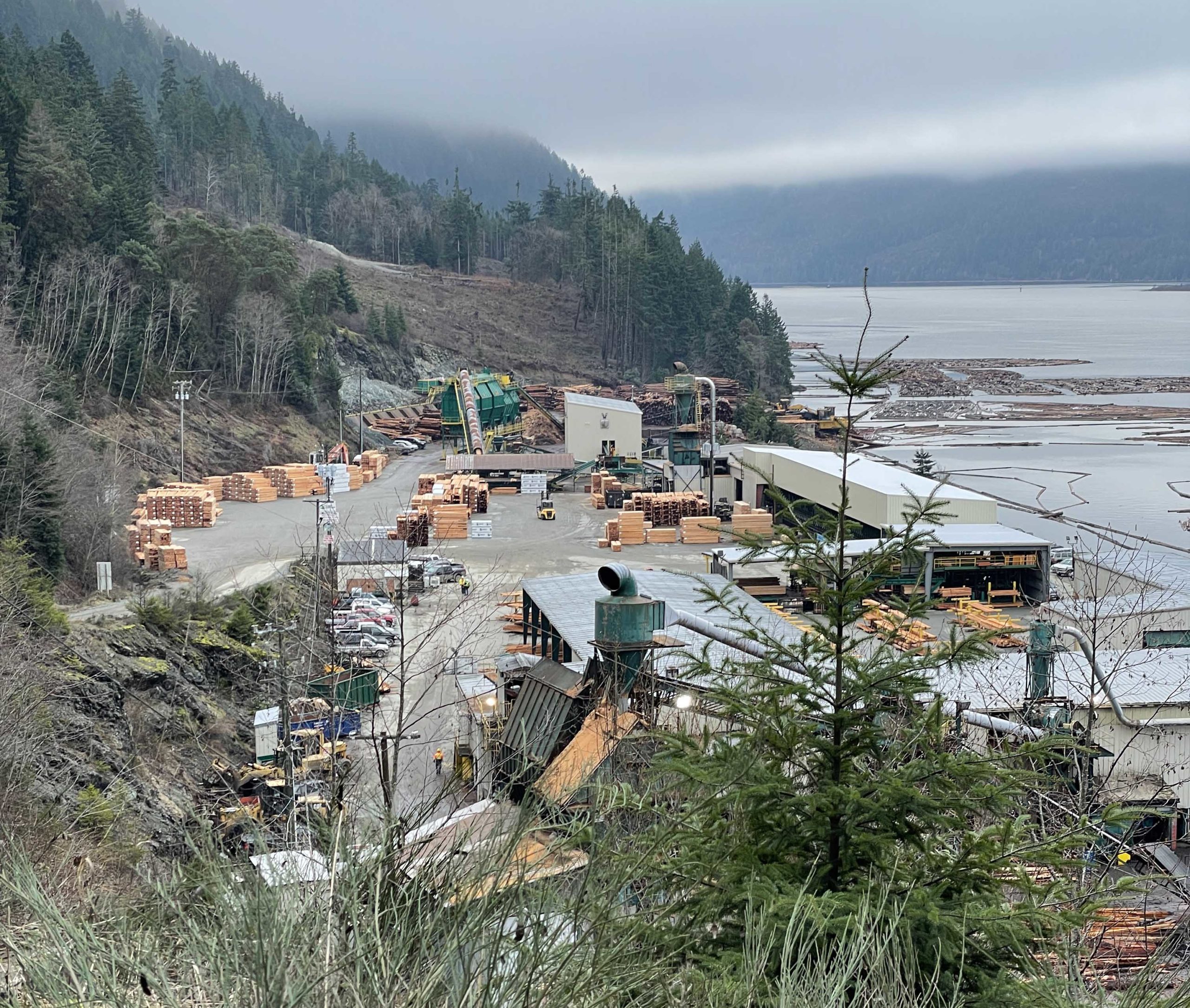 The new owners of the Coulson Manufacturing Mill (formerly operated by the San Group) say they are anxious to get the mill back up and running after purchasing the Port Alberni facility in a court-approved sale in June of this year. The mill will act as a stand-alone operation named Coulson Sawmills and will be managed by Jovan and Ajit Gill, but are connected at arms length with Fraserview Cedar on the Lower Mainland. “This is the next generation of Gills that have bought this and their plan is to go up there and get their own relationship,” says Fraserview Chief Executive Officer Gary Gill. Plans are to get the operation going near the beginning of November but the company’s first priority is to build up a long-term log deck so that the mill can run continuously with a healthy supply of logs. That’s a problem that Gary Gill says is facing other mills as well.
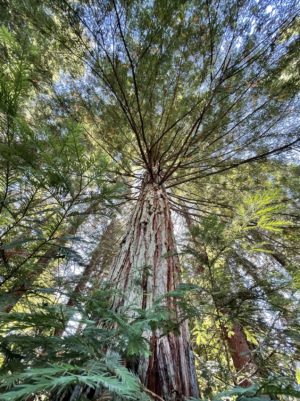 CAMPBELL RIVER — Several mayors from across BC have united to advocate for resource development by creating the Alliance of Resource Communities, with Campbell River’s mayor at the helm. “It’s time for an alliance of community leaders from all corners of the province to come together and strongly advocate for a secure and brighter economic future through the responsible development of our abundant natural resources,” said Mayor Kermit Dahl at the Get it Done conference on Sept. 22, which was hosted by Resource Works. “While it’s encouraging that the federal and provincial governments are becoming more vocal in support of major projects, thousands of people in my community who rely on natural resource industries face an uncertain future,” said Dahl, referring to Prime Minister Mark Carney’s pledge to fast-track nation-building projects and the recent announcement of five major infrastructure projects.
 British Columbia’s forestry industry is “under pressure from all sides,” prompting the provincial government to bring in changes to expand the role of BC Timber Sales, including allowing some communities to manage their own forest resources. Forests Minister Ravi Parmar says attacks from US President Trump, “increasingly intense” wildfires and climate change all put extra pressure on the industry. A review of the work done by BC Timber Sales, an organization that manages 20% of Crown timber, has generated 54 recommendations in a plan to help support a thriving forest economy. One of the key recommendations includes expanding three community forests in Vanderhoof, Fraser Lake and Fort St. James. …Parmar said he wants the changes implemented as quickly as possible, but a number of them will require legislative change to move forward. Parmar said the B.C. forestry sector is also looking to expand into other foreign markets.
 MERRITT, BC — Aspen Planers has halted operations at its Merritt sawmill and planer facility for an undetermined period, citing what it calls a lack of available logs and rising costs that have made continued production unsustainable. “Simply put, our mill lacks logs,” said regional manager Surinder Momrath. “Our Lillooet veneer plant has also curtailed operations for the same reason. These two closures are linked given that we source logs from both our Merritt and Lillooet forest licenses – and the saw logs are processed in Merritt while the plywood ‘peeler’ logs are processed in Lillooet.” The company pointed to an inability to obtain cutting permits under its AAC. Aspen Planers’ licenses provide for 490,000 cubic metres, but over the past two and a half years the company has only harvested 29% of that amount. …He says the shortage stems from provincial policy decisions, including Indigenous co-governance under DRIPA and old growth initiatives.
 The union representing thousands of forest-industry workers on the coast is calling for a united effort to address a growing crisis in the sector. Brian Butler, president of United Steelworkers Local 1-1937, says government, industry, First Nations and the union need a plan to resolve the issues that remain under the province’s control. He said members of the union, which represents 5,500 workers on the coast, are being hit hard with layoffs, most of which are either due to market conditions or lack of available logs. “Right now, as we see it, stakeholders work independently in their own silos, rather than collectively,” he said. On Monday, Western Forest Products, which supports about 3,300 jobs on the coast, announced that curtailments at its Chemainus sawmill will be extended until the end of the year. …Butler said there are plenty more examples of trouble in the sector around the Island.
 Western Forest Products announced planned temporary operating curtailments at its BC sawmills during the fourth quarter of 2025. These planned curtailments, combined with temporary curtailments taken in Q3 of 2025, will collectively reduce lumber production by ~50 million board feet in the second half of 2025, amounting to ~6% of the Company’s annual lumber capacity. The curtailments are in response to persistently weak market conditions, further impacted by increases in US lumber duties. In addition, certain factors relating to the operating environment, including a lack of available economic log supply, ongoing harvesting permitting delays and the strike by the United Steelworkers Local 1-1937 at our La-kwa sa muqw Forestry Limited Partnership are also contributing factors. The temporary curtailments will be taken through a combination of reduced operating hours, an extended holiday break and reconfigured shifting schedules. The Chemainus sawmill, which was curtailed for the third quarter of 2025, will remain temporarily curtailed for the fourth quarter.

 Campbell River, British Columbia: La-kwa sa muqw Forestry Limited Partnership (LKSM) has been working to bring closure to the strike, which began on June 6, 2025, in a way that supports strong, positive, and enduring relationships between First Nations and other participants in the forestry sector in their territories and allows everyone to move forward together. Despite LKSM’s repeated efforts to achieve a negotiated resolution—including multiple applications for mediation and requests for special government intervention, the USW has continued to refuse both direct bargaining and third-party mediation. This now leaves legal action as the only available recourse to advance the interests of all parties and communities affected by the dispute. …This situation has left LKSM with no other option than to pursue a legal remedy that will remove this impediment to progress and enable resumption of negotiations.
 BURNABY, BC — Interfor announced that it has entered into an agreement with a syndicate of underwriters led by RBC Capital Markets and Scotiabank, under which the Underwriters have agreed to purchase, on a bought deal basis, 12,437,800 common shares of the Company at a price of $10.05 per Common Share for gross proceeds of $125 million. The Company has agreed to grant the Underwriters an over-allotment option to purchase up to an additional 15% of the Common Shares. …The Company intends to use the net proceeds of the Offering to pay down existing indebtedness and for general corporate purposes. …Proceeds of the Offering are expected to further enhance Interfor’s flexibility to navigate near-term market volatility. The Offering is scheduled to close on or about October 1, 2025.
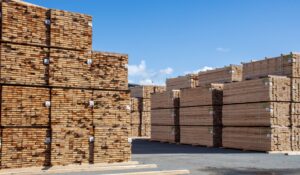 Weakening U.S. housing construction has put another dark cloud over BC’s forest industry, increasing the likelihood of more mill shutdowns and layoffs. Lumber prices flatlined in recent weeks due to weak demand, just as new, higher duties in the Canada-U.S. softwood lumber dispute took effect. That means BC mills are operating at losses of up to US$220 per thousand board feet of two-by-fours, according to industry consultant Russ Taylor. …Taylor said market conditions during September are typically favourable for sawmills, but they’re decidedly negative this year. His forecast is that they will remain weak for the rest of the year, which will likely result in mills taking downtime. “We’re seeing it already,” said Kim Haakstad, CEO of the B.C. Council of Forest Industries. “We’re seeing temporary curtailments, we’re seeing extended holiday breaks, we’re seeing reconfigured shift schedules. …Haakstad said Parmar’s recognition of the urgency for change was encouraging.
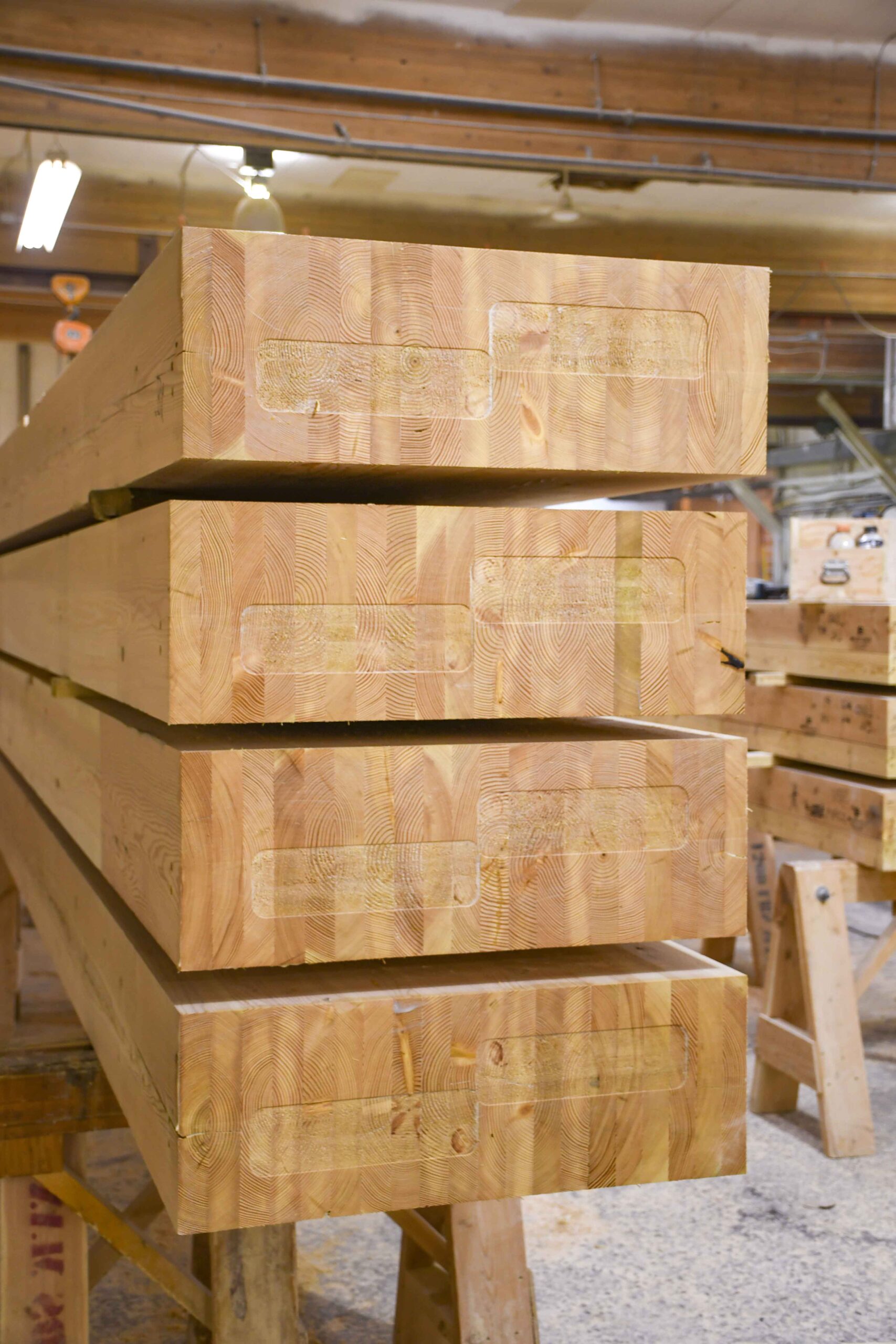
 Four new buildings in B.C. are each receiving $500,000 — totalling $2 million — to demonstrate and showcase the benefits of mass-timber construction. “Mass timber represents a transformative, locally sourced solution that’s generating significant employment opportunities, spurring cutting-edge innovation, and revitalizing rural economies across British Columbia,” said Ravi Kahlon, Minister of Jobs and Economic Growth. …The four projects were announced at the 2025 International Woodrise Congress. …Delivered through the Province’s Crown corporation Forestry Innovation Investment. The four projects are: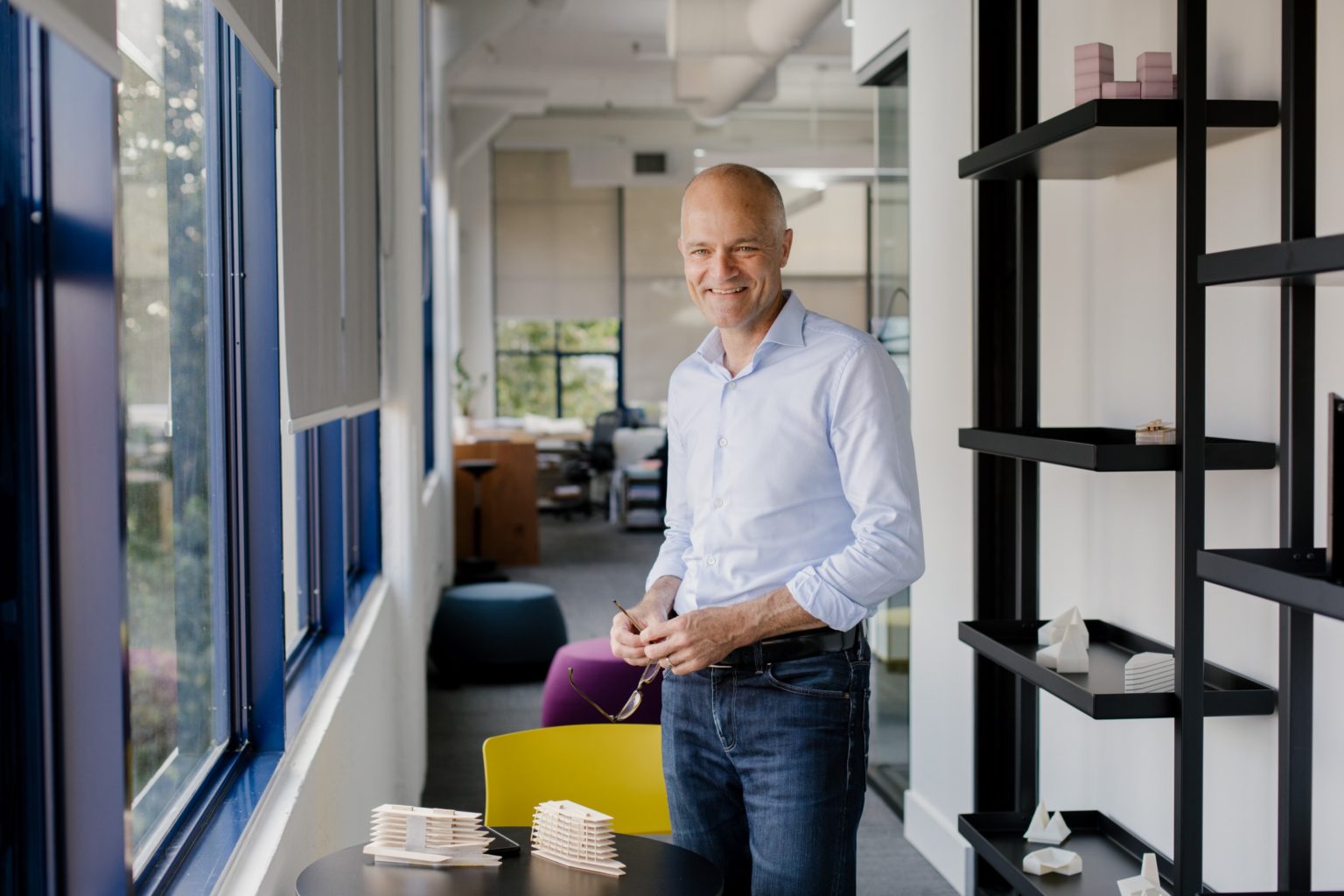
 A proposed 18-storey residential tower on St. Paul Street in downtown Kelowna will be constructed using mass timber, according to applications recently submitted to city planners. The city announced earlier this year that it was partnering with non-profit developer Housing Okanagan Foundation on the project for middle-income earners. Now a development permit and variance applications have been submitted for the property at 1428 St. Paul St. “If completed today, it would be the tallest mass timber residential building in Canada,” according to the application from project architect Lang Wilson Practice in Architecture Culture. “The use of mass timber also offers significant reductions in embodied carbon emissions. “This design aligns with the provincial and federal housing objectives while also incubating a building construction methodology that creates local manufacturing jobs.” Above the three-storey podium will be 15 residential floors and a rooftop terrace for all tenants.

 The BCIT School of Construction and the Environment offers two Associate Certificate programs designed to support workforce development in the North American lumber and sawmill sector: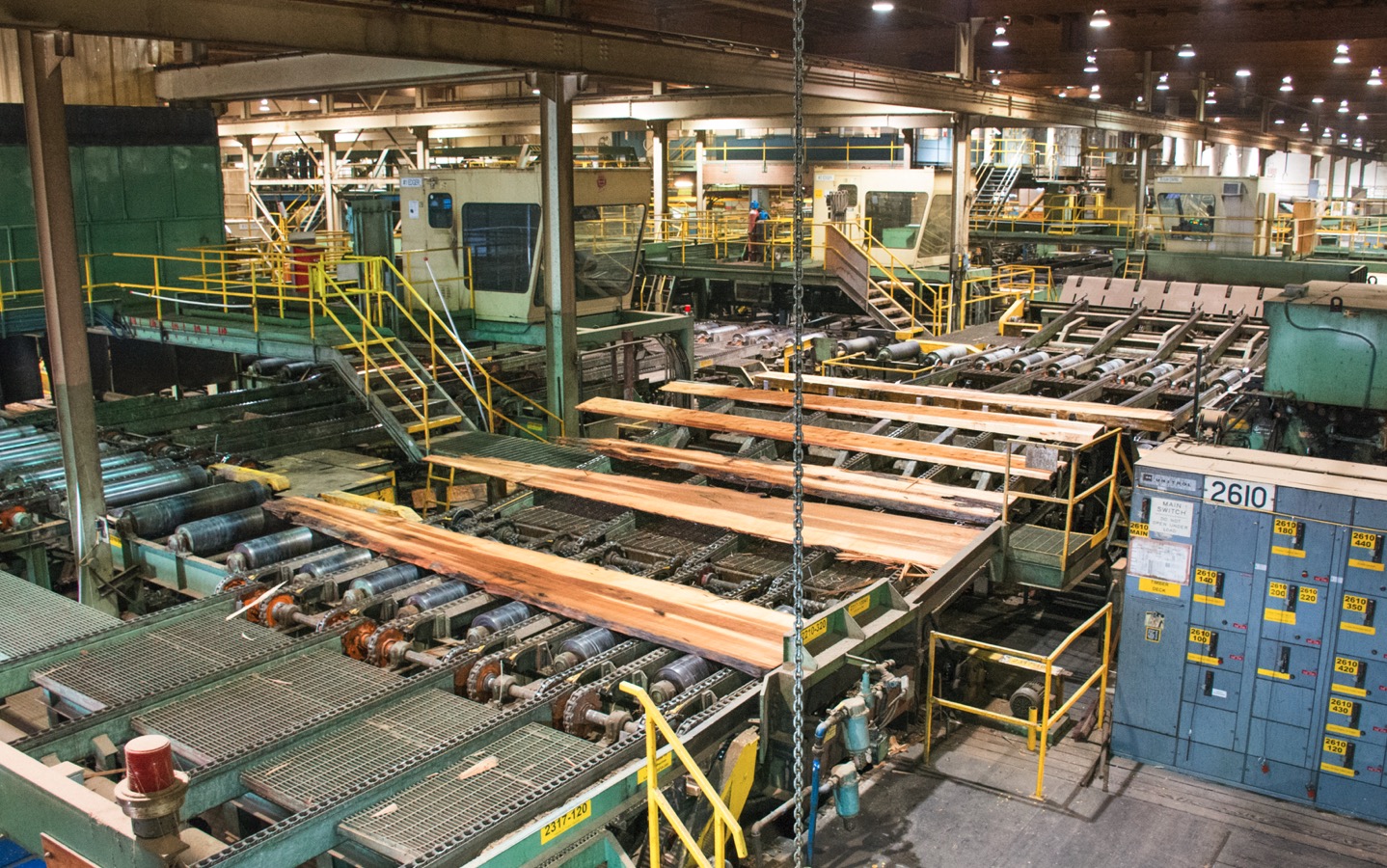
 In this newsletter you’ll find these stories and more:

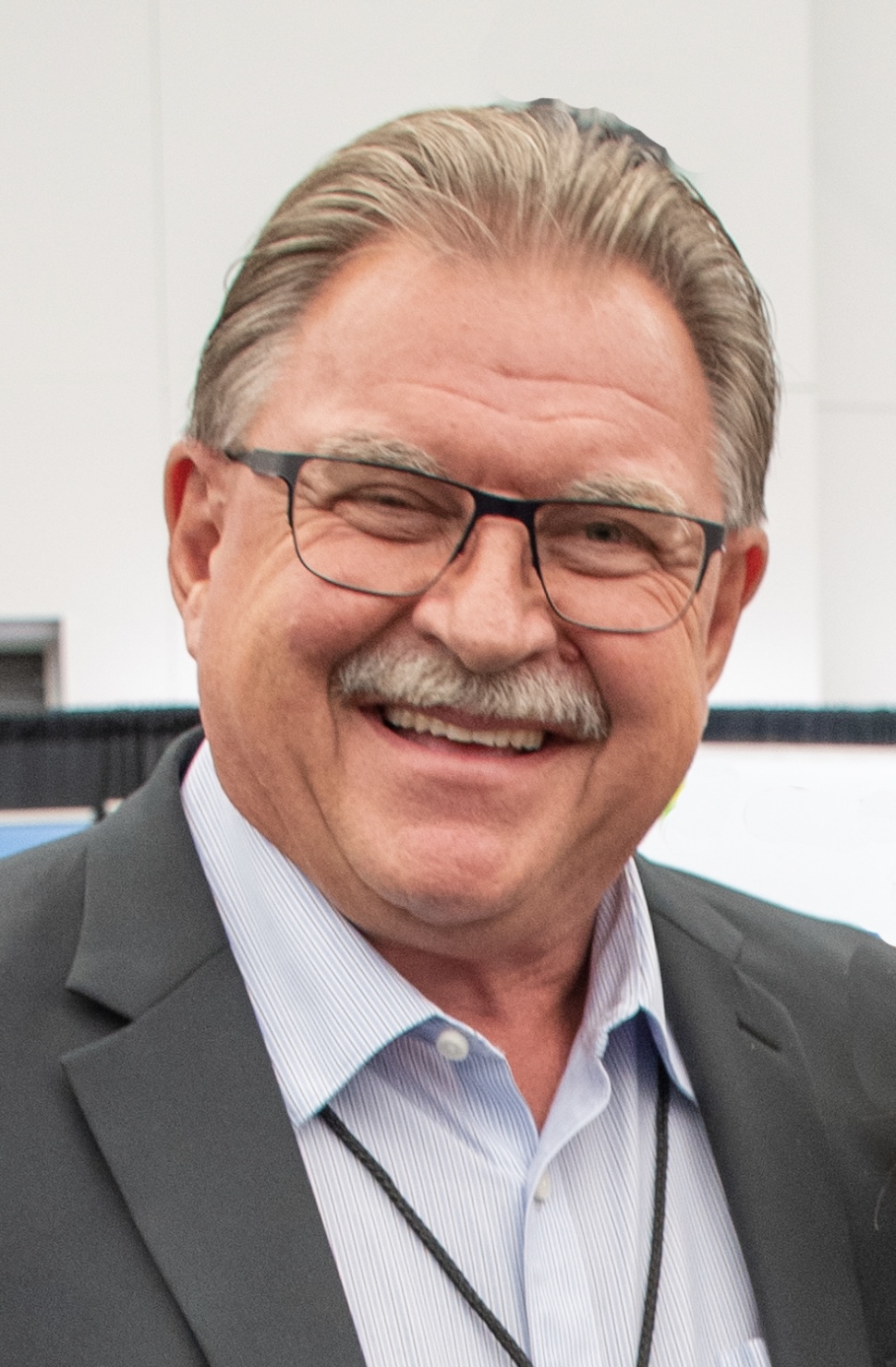
 In a career that has spanned nearly 40 years in the forestry industry, Michael McKay says he’s never had to face a situation like the one he’s staring at now. “This is probably one of the biggest, I mean with this fire and the current state of the industry, to have it all come together at once, it’s definitely about as tough as it’s been,” McKay said. The president of Franklin Forest Products is facing a perfect storm of problems but is pivoting as best he can to weather through it. The latest issue was the Mount Underwood Fire which started Aug. 11 and ended up destroying half of the company’s powerline despite his employees trying to save it. …The blaze interrupted the implementation of a new Gang Mill plant that would have added more staff to the company’s roster of 35 employees. …”It’s been four years and wood’s not coming out, there’s just no wood coming out of the bush and all we are is a bunch of too many squirrels chasing too few nuts,” McKay said.


 Less wildfire damage throughout the province and improved access to the great outdoors feature prominently in Danielle Smith’s renewed vision for Alberta. The premier issued new marching orders last week to Forestry and Parks Minister Todd Loewen, directing him to expand efforts to prevent wildfires and reduce their effects. One bullet point is that the minister seek a wildfire agreement with the federal government. Loewen said wildfire fighting and prevention are “incredibly important to Albertans.” So is more access to public lands in a sustainable way. “Those two things encompass a lot of what’s in the mandate letter, and I think they really resonate well with Albertans,” said Loewen, the member for Central Peace-Notley in the province’s northwest. He was one of four ministers to receive new mandate letters on Sept. 17.
 [Recent] articles in the Campbell River Mirror during Forestry Week, “Celebrating the role of First Nations in the forestry economy,” and “Mayor calls for urgent action to support forest industry,” deserve some context and reply from someone like myself who is directly in the crosshairs as a forest industry worker. …I work for La-kwa sa muqw Forestry Ltd., a majority-owned Western Forest Products company. And, as a union member, I am on strike. However, I am expressing my opinion only. …The article on the First Nations’ role in forestry is positive and forward-looking to a point. … On the face of it, you would think that the the Nanwakolas Council and Western Forest Products agreement was a win/win. …It glosses over the fact that Western is now using that partnership to try to gain major concessions from the union regarding the mid-island forest operations being a union shop.

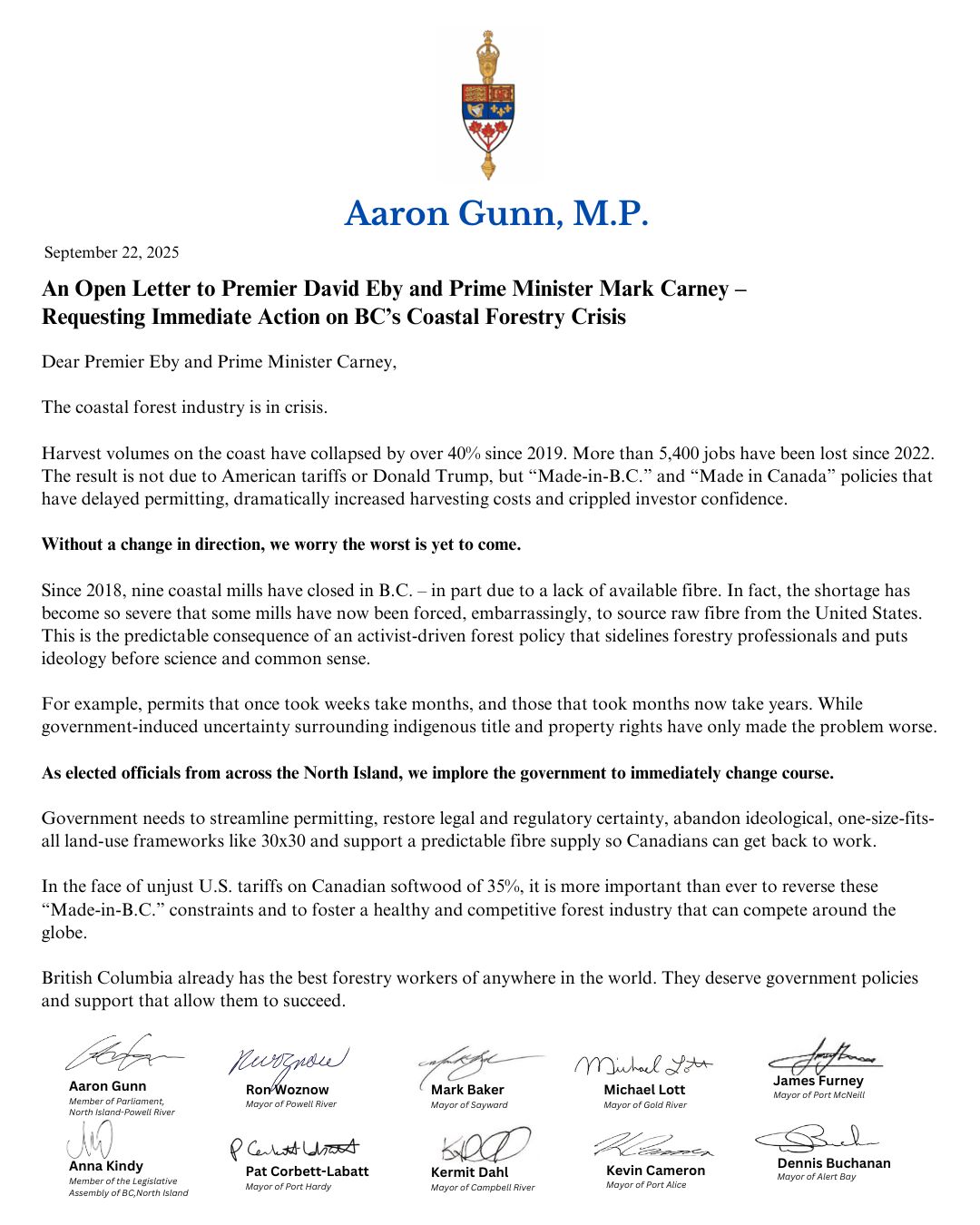

 Today on the back steps of the Legislature building, MP Aaron Gunn, MLA Anna Kindy along with five North Island Mayors are calling on Ottawa and BC to remove the red tape when it comes to cutting permits in the province. North Island- Powell River MP Aaron Gunn sent an open letter today to both Premier David Eby and Prime Minister Mark Carney telling North Vancouver Island and the province is in a forestry crisis. “Harvest volumes have collapsed in half and more than 5,400 jobs have been lost. It’s the result of made in BC, made in Canada policies that have delayed permitting, dramatically increased harvesting costs and crippled investors confidence,” said Gunn. The Mayor of Powell River Ron Woznow was at the press conference with Gunn, echoing his concerns. …BC Forests Minister Ravi Parmar reacted briefly… adding that more details on a ‘refreshed BC timber sales’ will be released Tuesday.
 Mosaic Forest Management says it has heard Vancouver Islanders loud and clear when it comes to accessing private forest lands,
 After a successful 2025 event, Quesnel council has approved $20,000 to advance the 2027 Future of Forestry Think Tank (FFTT) Summit. On May 21 and 22, the fourth FFTT took place at the North Cariboo Community Campus where 54 delegates from various orders of government, academia, industry, and funding organizations from across Canada attended. B.C.’s Minister of Forests, Ravi Parmar, opened the event with a pre-recorded message to the attendees addressing the importance of a positive, proactive, innovative, and local approach to the significant challenges confronting the province’s forest sector. This year’s theme was ‘Accelerating Change’ and in total,
  The B.C. government says two partnerships with the federal government are being expanded to help workers and communities affected by U.S. tariffs. The first is Build Your Own Future. A program originally focused on forestry, it is being expanded to support workers across all industries affected by U.S. President Donald Trump’s trade policy, says a release from the Social Development and Poverty Reduction Ministry Sept. 19. It’s funded through the Northern Innovation Network as a three-year initiative to develop and deliver entrepreneurship training tailored to skilled trades people and technicians. The ministry says the program offers five-day business boot camps, with one-on-one coaching and mentorship to “help displaced workers transition into entrepreneurship.” Those who complete the program are eligible for a $5,000 grant to help cover startup costs, the release adds.
  Lil’wat Forestry Ventures (LFV), working in partnership with the Líl̓wat Nation and with support from the BC Wildfire Service (BCWS), is set to carry out a cultural burn this fall adjacent to the Xetó̓lacw community in Mount Currie. The burn—located approximately 16 kilometres northeast of Pemberton—aims to reduce wildfire risk, restore ecosystems, and reintroduce culturally important plants like berries and mushrooms. “We’re proud to support this cultural burn, which combines traditional Indigenous knowledge with modern fire management practices,” said Fire Chief Marshall Ritchie in a release. “It will help protect our community from future wildfires while also restoring the landscape, bringing back berries and mushrooms over the next two to five years. That renewal will benefit not just us, but also local wildlife like deer and bears.”
 A group of people staged a rally outside the Museum and Archives of Vernon Saturday, calling for climate action and raising awareness about human activities they say are a net negative when it comes to human health. … Climate activist Jane Weixl, said one climate-related issue on her mind is the need for forestry reform. She said the five-year mark has just passed from when the provincial government said it would implement 14 forestry recommendations from a strategic review. “We need to stop clear-cut logging. We have a lot of different excuses for clear-cut logging, that it’ll help with forest fires — well, we know it causes flooding. We know it makes forest fires worse because the whole top layer dries up when there are no trees sheltering it. We are really in serious need of forestry reform,” she added.
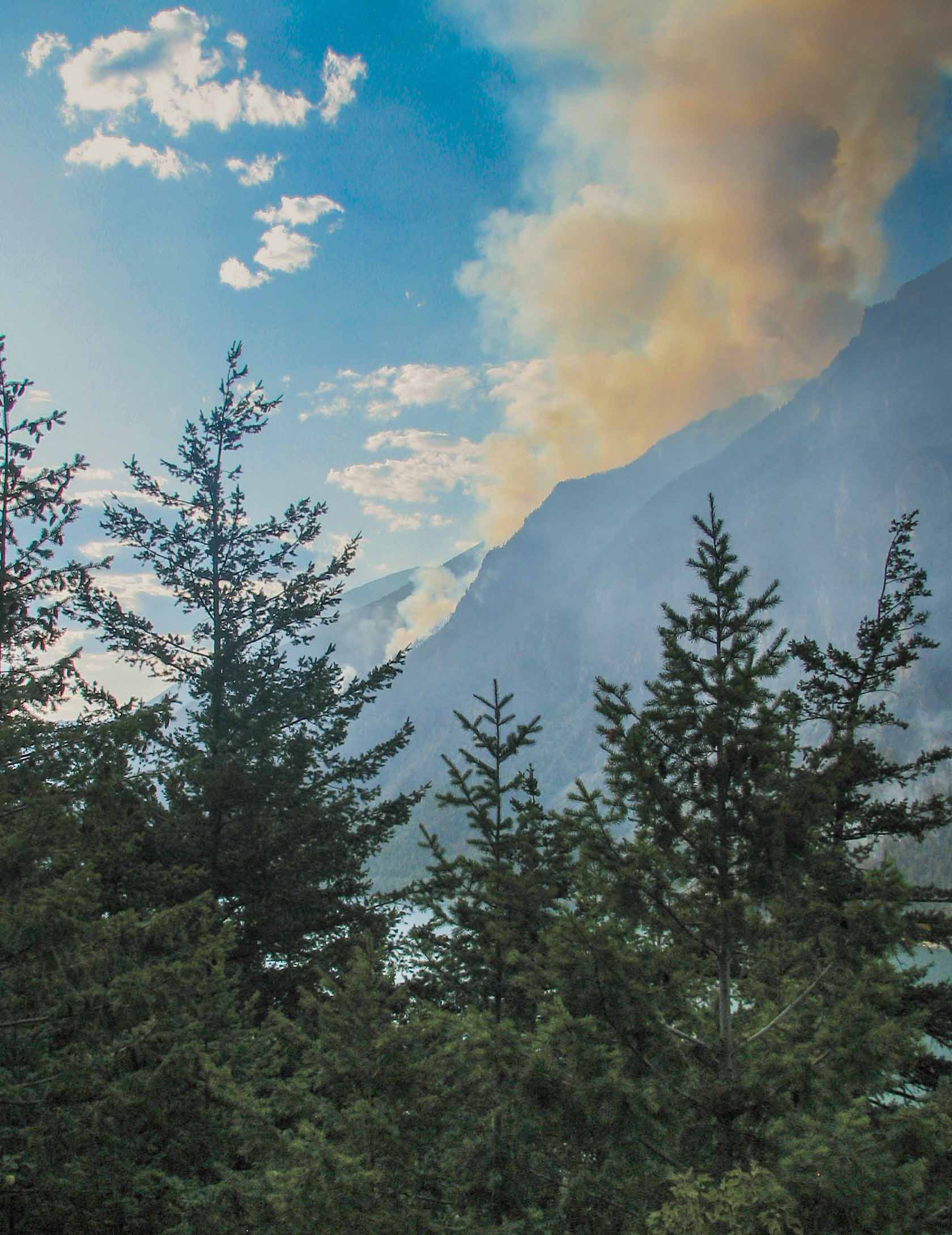 Summer is nearing its end but one Yukon community is already thinking about next year’s wildfire season. The Village of Mayo, Yukon is the latest community to finalize its wildfire community protection plan. It identifies potential wildfire risks within the community and surrounding areas, while outlining actions to prevent, or reduce those risks. The plan was designed with input from the municipality, the First Nation of Na Cho Nyak Dun, and the territory’s Wildland Fire Management. Ellis, Mayo’s mayor, said now that the plan is outlined on paper it’s time to start implementing it. “The big thing is the physical stuff,” he said, like thinning fire breaks for example. “That stuff is going to take some time and we’ve got to get to work on it.”

 Mosaic Forest Management has clearly heard that communities value their outdoor access. After receiving what the company calls an “overwhelming” response to a survey, they will be moving forward with next steps on improving its recreation program. The survey garnered 7,600 responses in 23 days. “What we heard was clear. Communities value access to the outdoors and want more and better opportunities to do so,” said Mosaic’s CEO Duncan Davies (see report titled
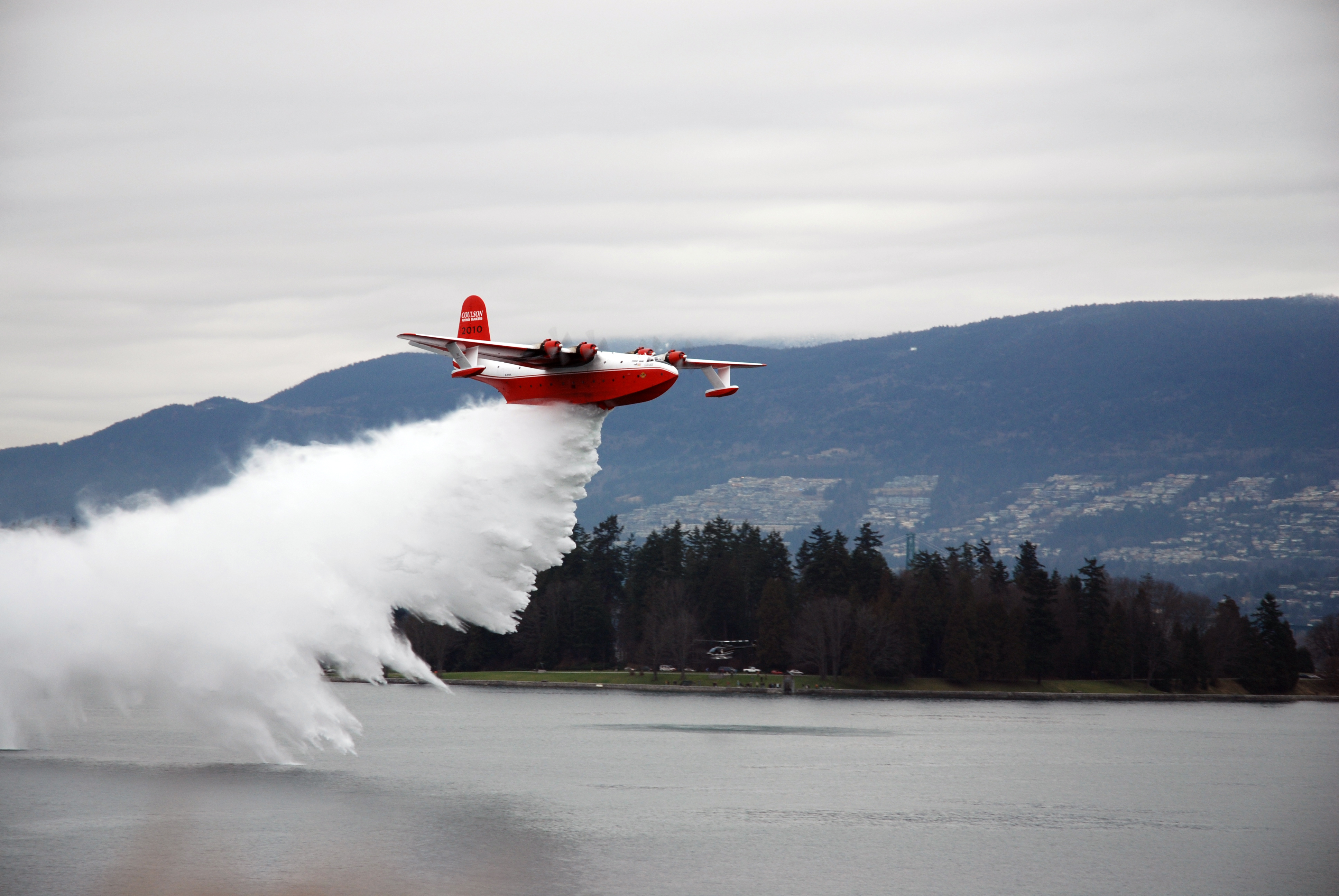 People should continue to use caution and take steps to be prepared by staying up to date on current conditions, following fire prohibitions and being Firesmart, as the risk of wildfire is expected to continue into fall. The BC Wildfire Service’s fall seasonal outlook forecasts ongoing wildfire risk for much of the province, especially in the Cariboo and southwestern Interior. Convective thunderstorms typically decrease as fall approaches; however, despite a lower likelihood of wildfires due to lightning, human-caused wildfires remain a risk. Until the southern coast shifts to a stormier fall-like pattern and the Prince George and Kamloops fire centres receive substantial rainfall, the wildfire danger ratings will continue to be elevated. As a result of the late summer’s record-breaking heat wave, combined with ongoing drought, people in B.C. are encouraged to be prepared for the risk of wildfire this fall.
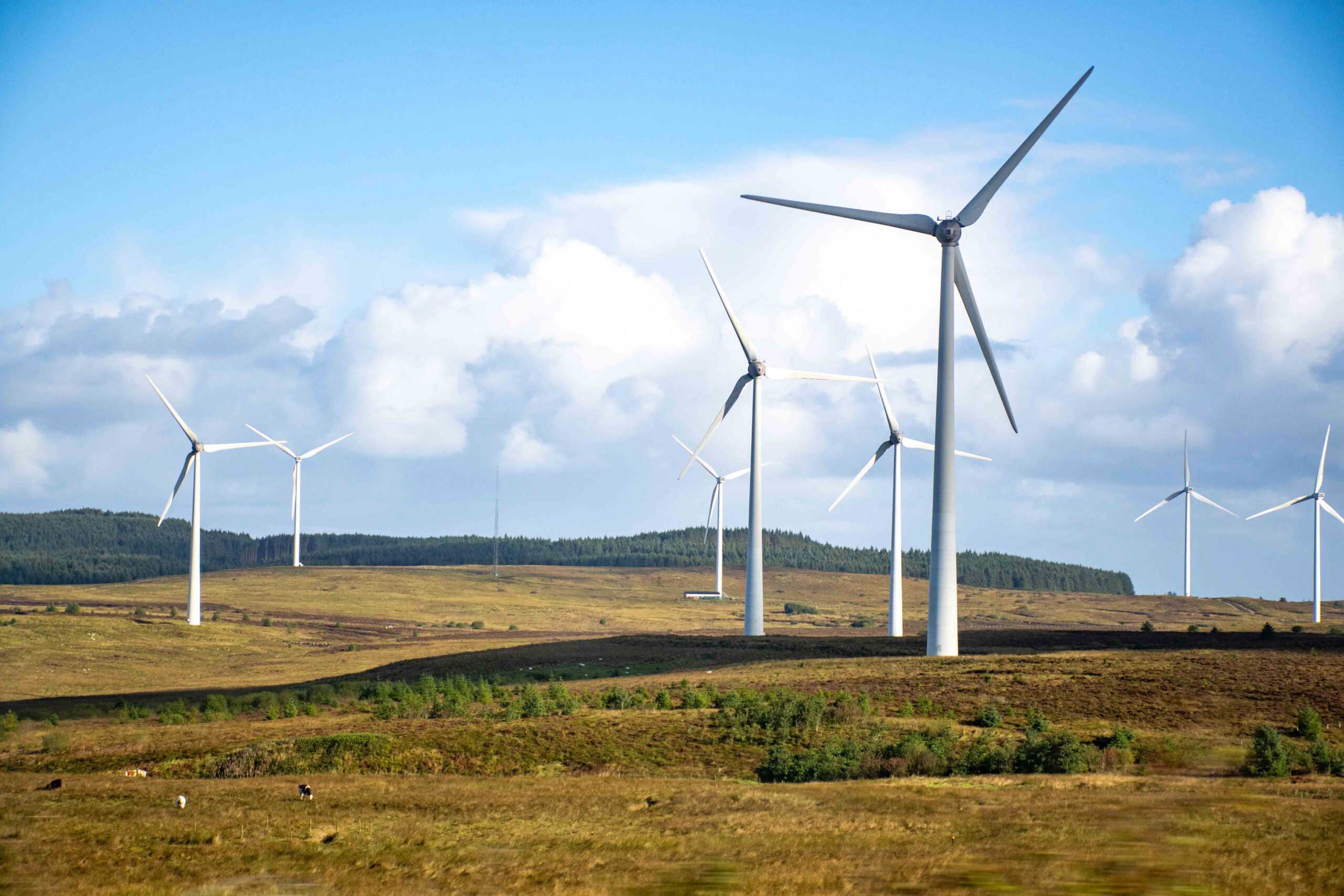 The District of 100 Mile House is refusing a proposed project that could see solar and wind farms built in the South Cariboo. During the Sept. 9 District of 100 Mile House Council meeting, around 50 people showed up to council to hear them deliberate about the Cariboo Wind and Solar Projects, which are a collection of wind and solar projects that are being proposed by MK Ince and Associates Ltd. …In a letter to the district, Tyrell Law, who is the current manager of the 100 Mile Community Forest, said that the project significantly overlaps with the Community Forest areas. The 100 Mile Community Forest is around 18,000 hectares in size and is managed by the 100 Mile Development Corporation. The proposal comprises around 730 hectares of the community forest. Law said that while Ince is partially correct to say that the area had been recently harvested and was in a plantation, it is more complicated than that.
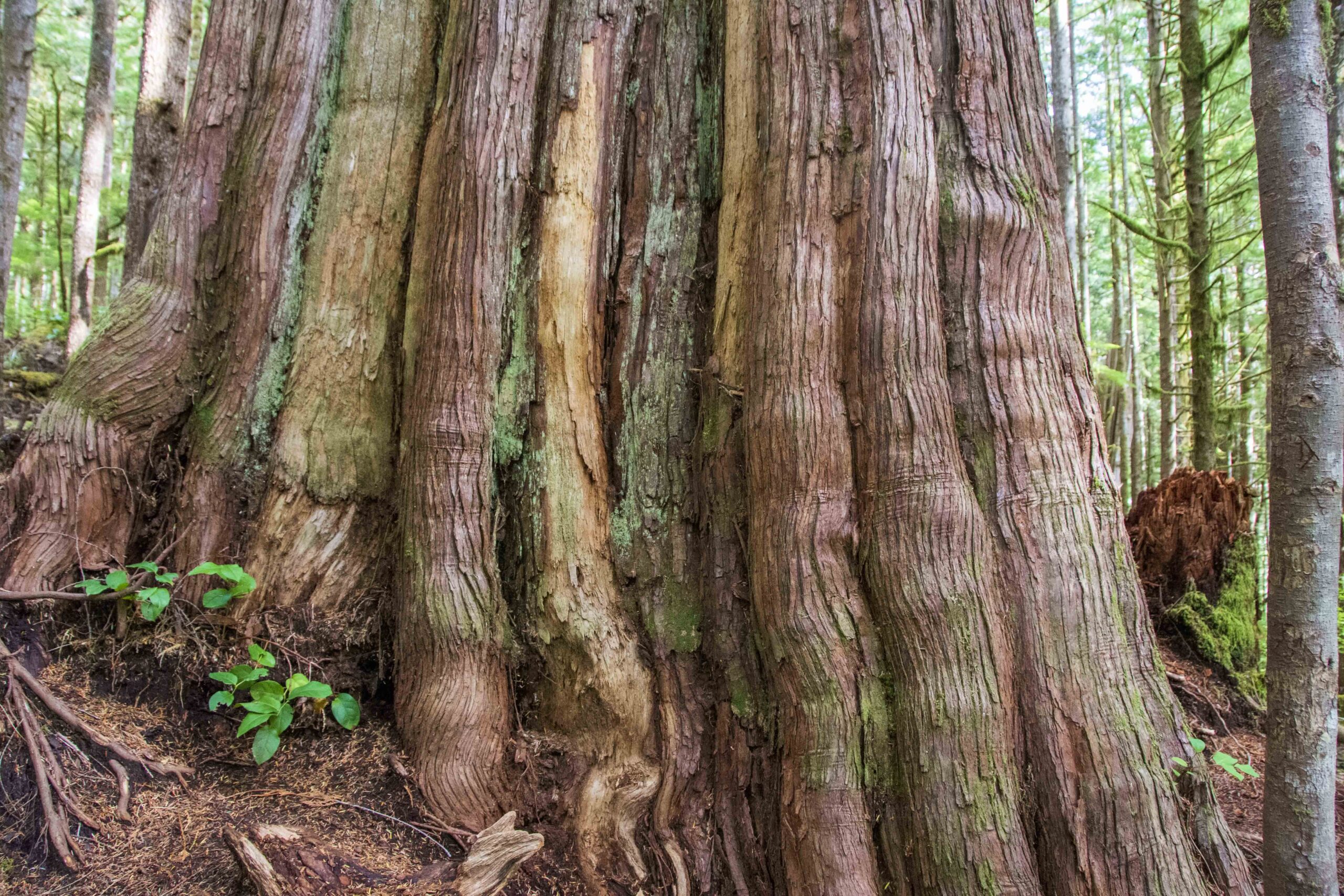 A shaggy, cool-green lichen hangs from the trunk of a tree in a forest on northeastern Vancouver Island. Lichenologist Trevor Goward has named it oldgrowth specklebelly. …Old-growth advocate Joshua Wright photographed oldgrowth specklebelly this summer in a forest about 400 kilometres northwest of Victoria. …Wright and Goward prize the forest in the Tsitika River watershed for its age and biodiversity, and a provincially appointed panel recommended that it be set aside from logging in 2021. But if a plan by the provincial logging agency, BC Timber Sales, goes ahead, the site will be auctioned for clearcut logging by the end of September. The area was stewarded by several Indigenous nations. …The plan to log it reveals differing opinions among Kwakwaka’wakw leaders on how to protect old-growth forests, while raising questions about which Aboriginal rights holders the BC government chooses to listen to, and why.
 Drought and wildfire have become the rule rather than the exception and that is bad news for wildlife, for fish, and for British Columbians who rely on healthy watersheds. …over the past couple of decades we drained wetlands, straightened streams, logged forests, built highways, and ripped millions of beavers from the landscape. The result is dry forests, destructive fire seasons, and choking smoke … every summer. Dry riverbeds are unable to support salmon populations, or any wildlife for that matter. A dewatered landscape is a towering forest of matchsticks waiting to burn. … So, how do we get from here to there? Fortunately, some of the answers are simple, natural, and inexpensive. …Prescribed and cultural burning helps restore native grassland and shrub-steppe ecosystems providing improved forage for large mammals. …BCWF’s 10,000 Wetlands Project has recently installed more than 100 beaver dam analogues and dozens of post-assisted log structures…
 The Osoyoos Indian Band is kicking off its first commercial thinning silviculture treatment via Siya Forestry. In the project 28 kilometres northeast of Oliver, select trees will be harvested while the strongest will remain left to grow in the OIB First Nations woodland licence area. …Siya Forestry, the OIB-owned new company, said it aims to care for the land through stewardship, balance, and responsibility. “This is a great pilot project and hopefully it will lead to a bigger program within the Osoyoos Indian Band’s traditional territory,” said Luke Robertson, Siya Forestry, operations supervisor, in the press release.
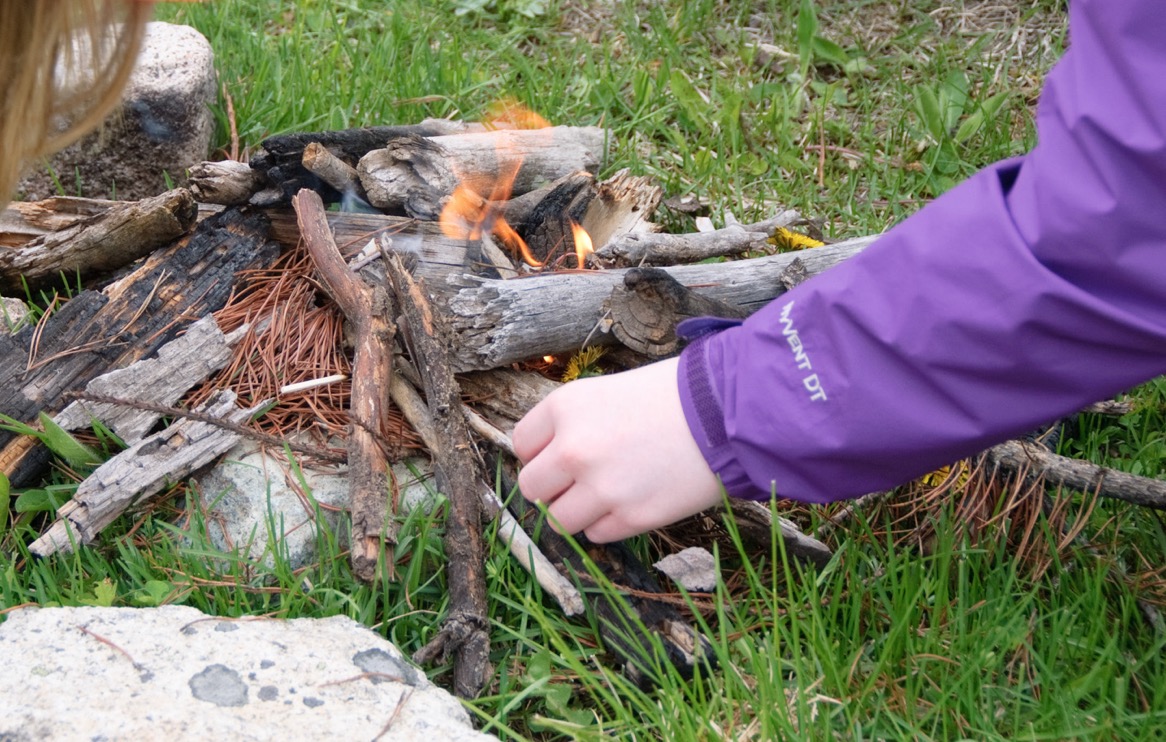 The Coastal Fire Centre is lifting the campfire ban for the Campbell River, North Island and Sunshine Coast forest districts as of Sept. 17 at noon. Due to declining fire danger ratings on the northern part of Vancouver Island, the Province has chosen to re-allow campfires and other small fires in the area. Campfires will remain prohibited for the rest of the Coastal Fire Centre, with the exception of the Haida Gwaii Forest District. The activities that will be allowed also include the use of sky lanterns, wood-fired hot tubs, pizza ovens and other devices that are not vented through a flue or are incorporated into buildings. Category 2 and 3 open fires remain prohibited throughout the Coastal Fire Centre, which includes backyard burning, industrial burning, fireworks, burn barrels and burn cages. These restrictions will remain in place until 12:00 (noon), PDT, on Friday October 31, 2025, or until the order is rescinded.
 Fall issue of WorkSafe Magazine
 REVELSTOKE, BC — A BC forestry worker was fatally injured while on the job last week, an industry safety group said Tuesday. “A skidder operator was fatally injured when their skidder rolled down a steep slope in an area north of Revelstoke,” the BC Forest Safety Council said of the Sept. 16 incident. “WorkSafeBC and the Coroners Service are currently investigating this incident.” It’s the fifth harvesting fatality in 2025 and BC Forestry said details are still to be determined. Contributing factors to the incident are not available during an ongoing investigation. The BC Forest Safety Council said they have several safety points to be considered as the process unfolds. Those include a thorough assessment before work begins to prepare operators for steep slope logging operations. …Maintain safety buffers by not operating on the steepest possible slopes. This helps operators recover when surprised by an unexpected event.