BC Wood is celebrating 22 years of hosting their popular Global Buyers Mission – and you’re invited. Join more than 700 delegates, September 5-7, 2025, in beautiful Whistler, British Columbia. This international event continues to be a great success for buyers and suppliers alike, with estimates last year of over $37 million in new business developed.
Only a few booth spaces left: The GBM Trade Show brings together international pre-qualified buyers to meet with Canadian manufacturers of wood products including mass & heavy timber, engineered wood products; remanufactured items and components; prefabricated housing and structures; log/post & beam/timberframe homes and structures; millwork & finished building products; and specialty lumber including Western Red Cedar – all in a great networking environment.
Specifier Workshops at the GBM: We will also invite North American buyers & specifiers to participate in our new Specifier Workshops program, held in conjunction with the GBM.
Evening Receptions
Social and Networking Events: In addition to the several daytime events that happen at the GBM, the GBM also hosts two evening networking receptions which are included in your registration. The first evening reception kicks off at the Roundhouse Lodge on the top of Whistler Mountain.

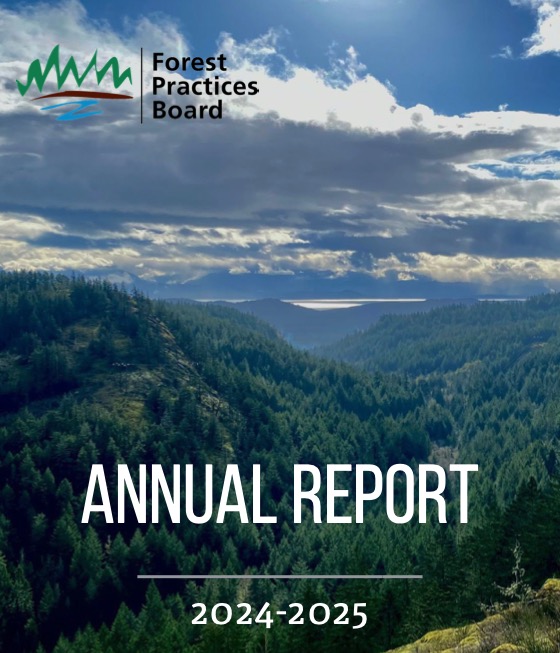 VICTORIA – The Forest Practices Board has released its 2024-25 annual report, highlighting nearly three decades of independent oversight and a continued commitment to sound forest and range practices throughout British Columbia. This year’s report reflects a sector in transition with growing pressures from climate change, wildfires and the need to modernize land management — all requiring strong oversight and innovative responses. Highlights include:
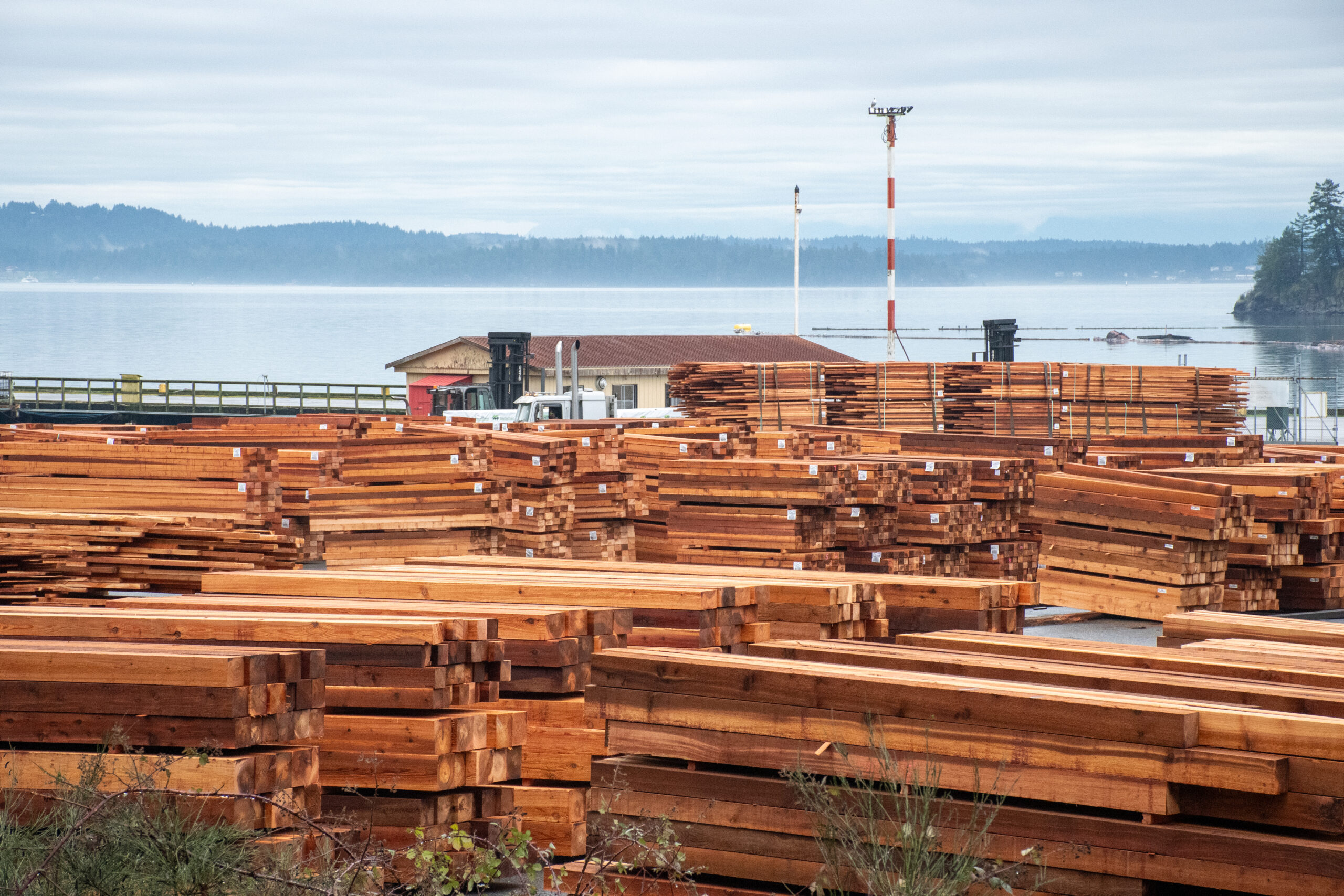
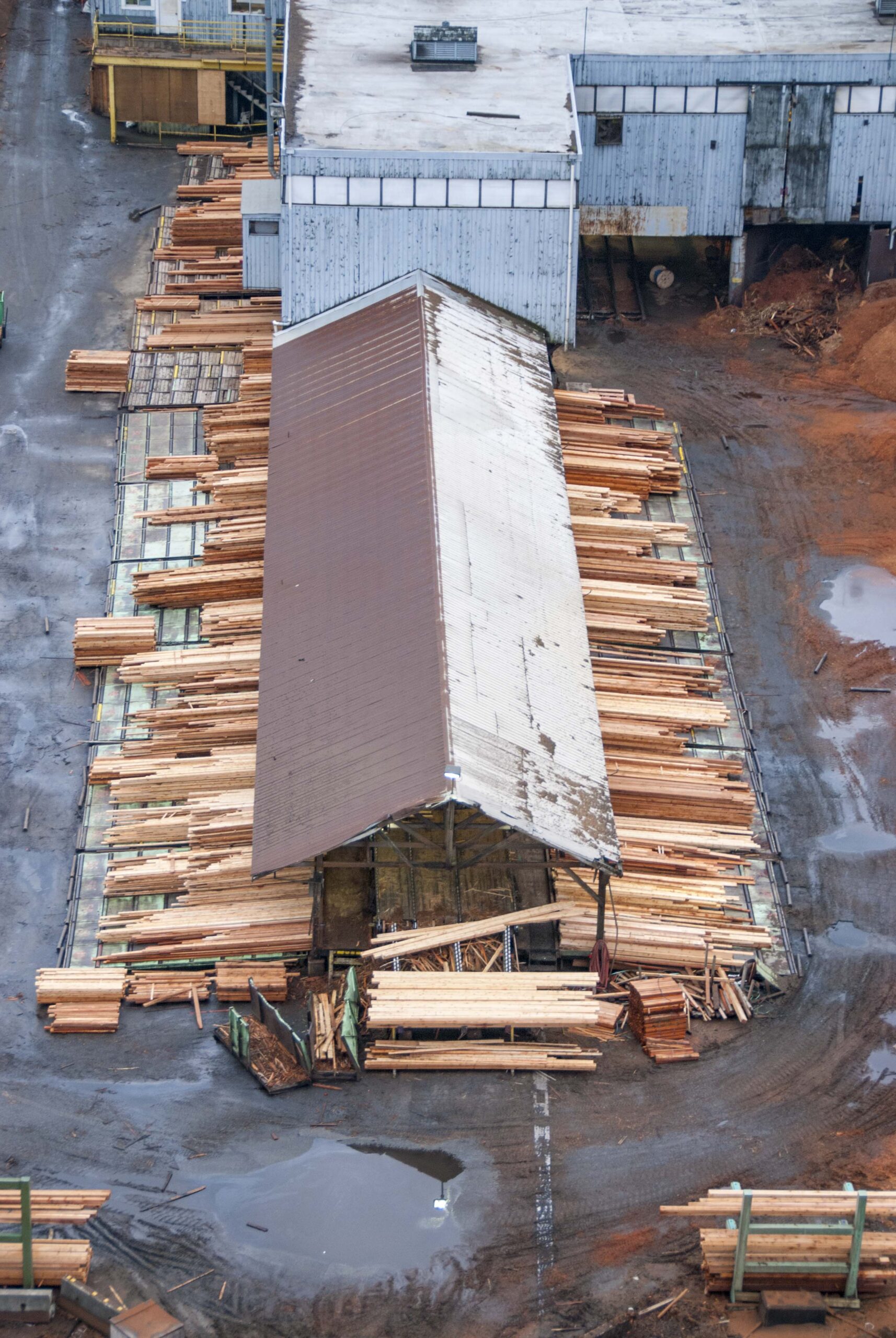 B.C.’s forest industry has a lot at stake in trade talks between Canada and the U.S. as Prime Minister Mark Carney works toward the suggested Aug. 1 deadline for a deal, and a promise to make resolving the pre-existing dispute between the two countries on softwood lumber trade a priority. Mills in the province are already running at just 67 per cent capacity during the uncertainty surrounding tariffs… But Carney put a spotlight back on the issue last week with his commitment to make a resolution “a top priority” in trade talks sparked by U.S. President Donald Trump. The prospect of additional tariffs … adds to the urgency for reaching a deal. …B.C. sawmills that would have been reluctant to absorb the high cost of curtailing production have been quicker to suspend operations … owing to the uncertainty around tariffs, according to industry analyst Keta Kosman, publisher of the trade data firm Madison’s Lumber Reporter.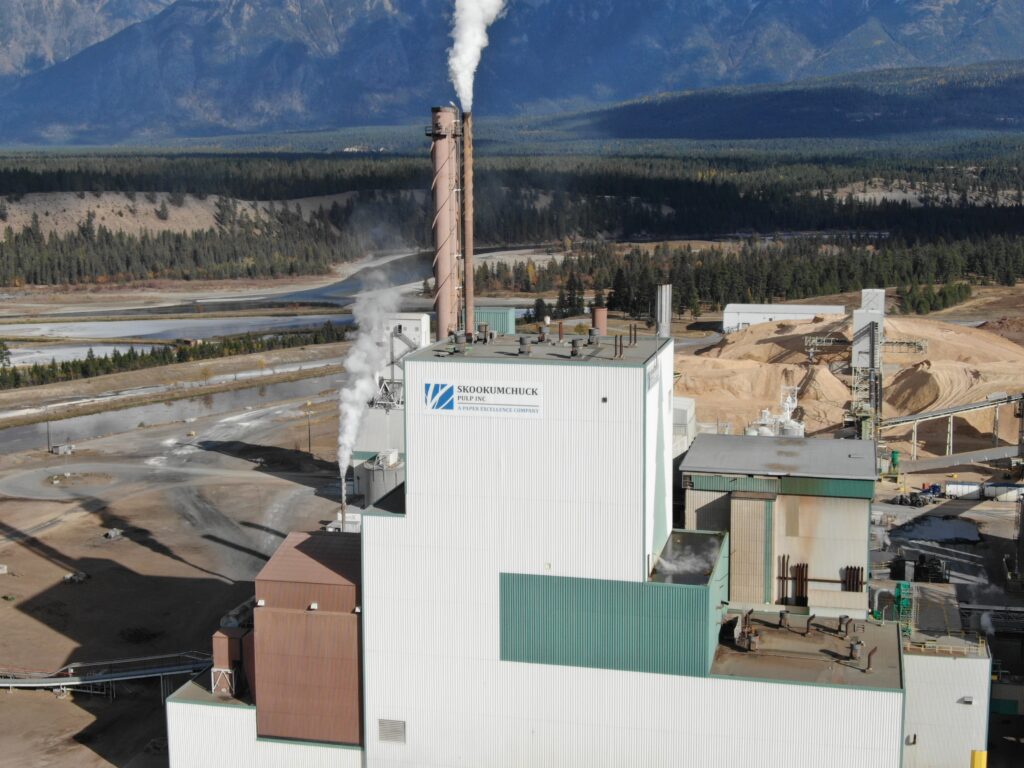
 The Canadian Wood Council is hiring a new leader to guide its WoodWorks BC program. Based in Vancouver (hybrid), this is a senior role focused on driving market growth, building strategic partnerships, and advancing wood use in construction across British Columbia. The Executive Director will lead a high-impact team, contribute to national market development efforts, and work closely with government, industry, and design professionals to promote innovation and sustainability in the built environment. This is a pivotal leadership role responsible for driving strategic growth, fostering stakeholder relationships, and championing the use of wood in construction. The Executive Director will serve as the principal representative of the program in BC and play a national role in mentoring and supporting Market development staff across Canada. WoodWorks is the market development program of the Canadian Wood Council that seeks to increase the use of wood in non-residential and multi-family building markets across Canada.
 B.C.’s employers in forestry-related businesses, sawmilling, stone cutting and oil and gas field servicing could be seen as the biggest beneficiaries of WorkSafeBC’s $2 billion surplus as the corporation proposes cuts to their service premiums approaching 40 per cent or more. WorkSafeBC’s policy is to maintain enough of a surplus “to avoid rate volatility” during economically difficult times. The corporation’s 2024 surplus, however, is equivalent to 141 per cent of liabilities, far more than its 130 per cent target. The corporation says its strong financial position has been helped along by “higher than-required investment returns,” according to WorkSafe’s statement, which is similar to workers-compensation agencies across the country. Ontario’s Workplace Safety and Insurance Board has used its 2024 surplus to issue $4 billion in rebates, over two rounds, to employers and in May, the Workers’ Compensation Board of Manitoba did likewise with $122 million in rebates, which is something the Canadian Federation of Business would like to see.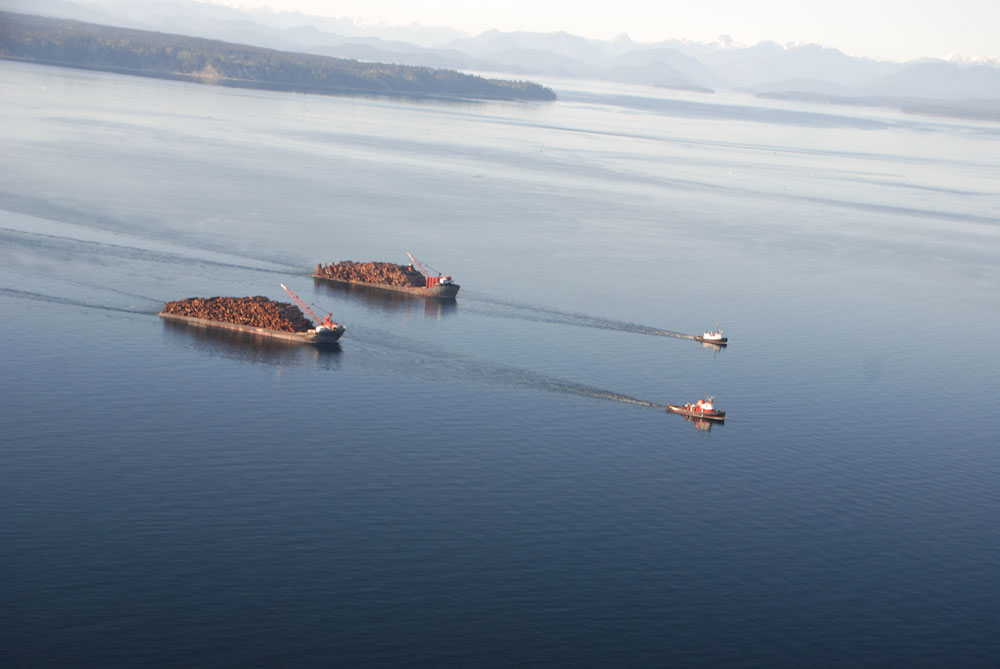
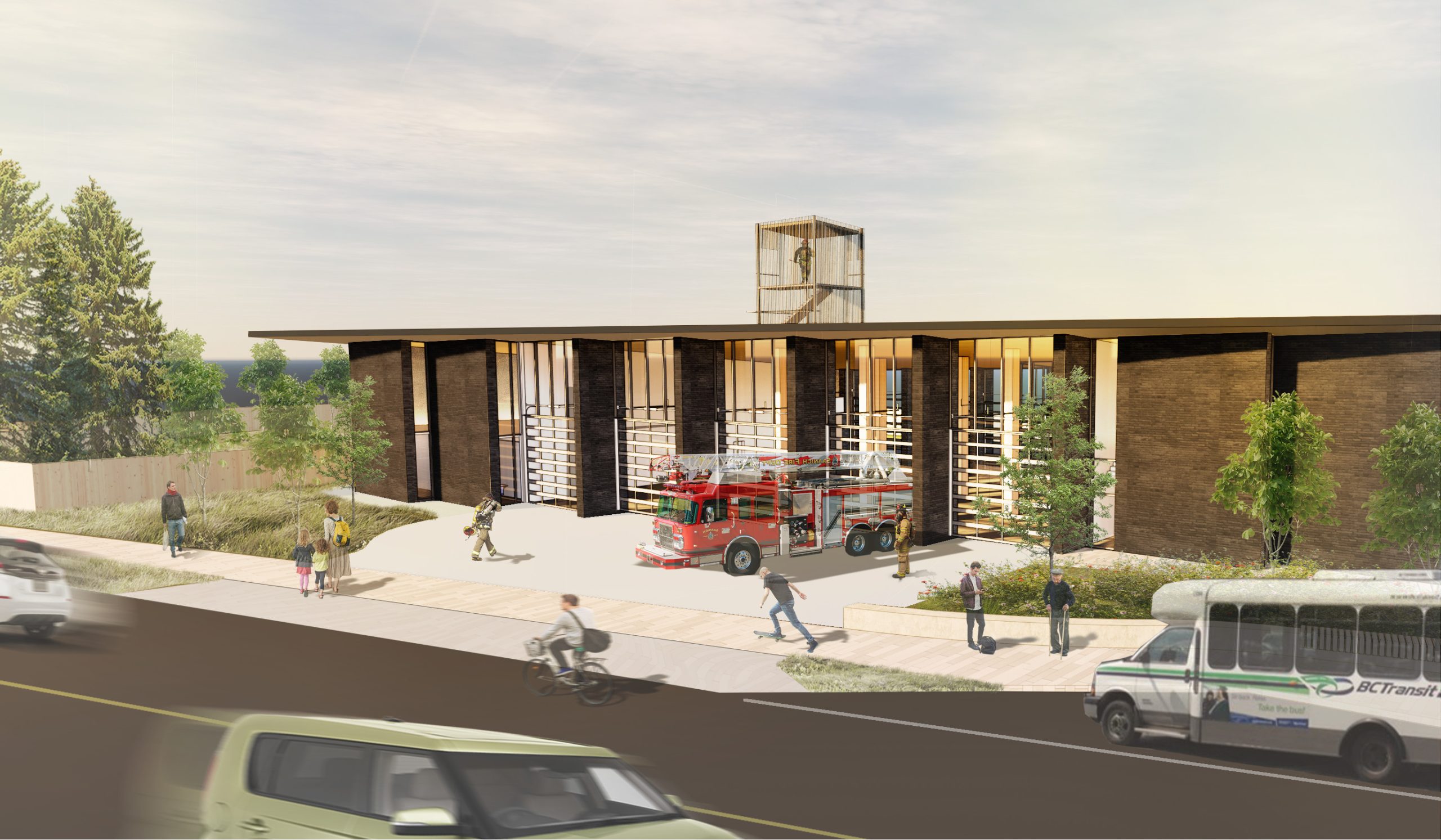

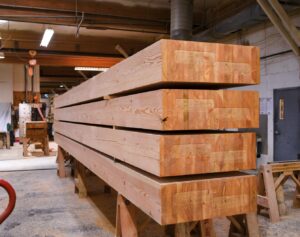 British Columbia remains at the forefront of mass timber design and implementation globally. The province has the highest number of mass timber buildings per capita of any other place in North America, and leads the country with more than 285 mass timber buildings. B.C.’s Mass Timber Action Plan has driven the expansion of mass timber construction, manufacturing, and workforce development across the province. This has increased the number of mass timber buildings and positioned B.C. as a critical exporter of knowledge and products to international markets. Metrics such as overall building count, advancements in carbon reduction, and the adoption of encapsulated mass timber construction (EMTC) standards in other regions all reflect our sustained leadership. Eric Andreasen, the vice-president of marketing and sales at Adera Development, spoke to Tanya Martins of Construction Canada and shed light on how B.C. is on its way to becoming the leader in mass timber development globally.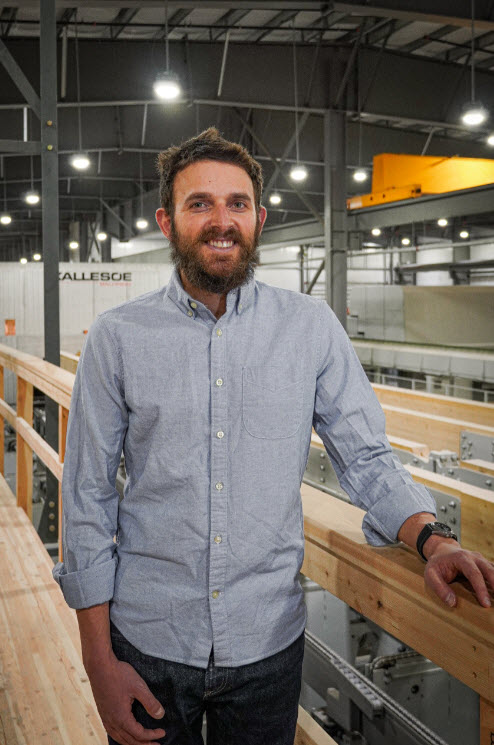
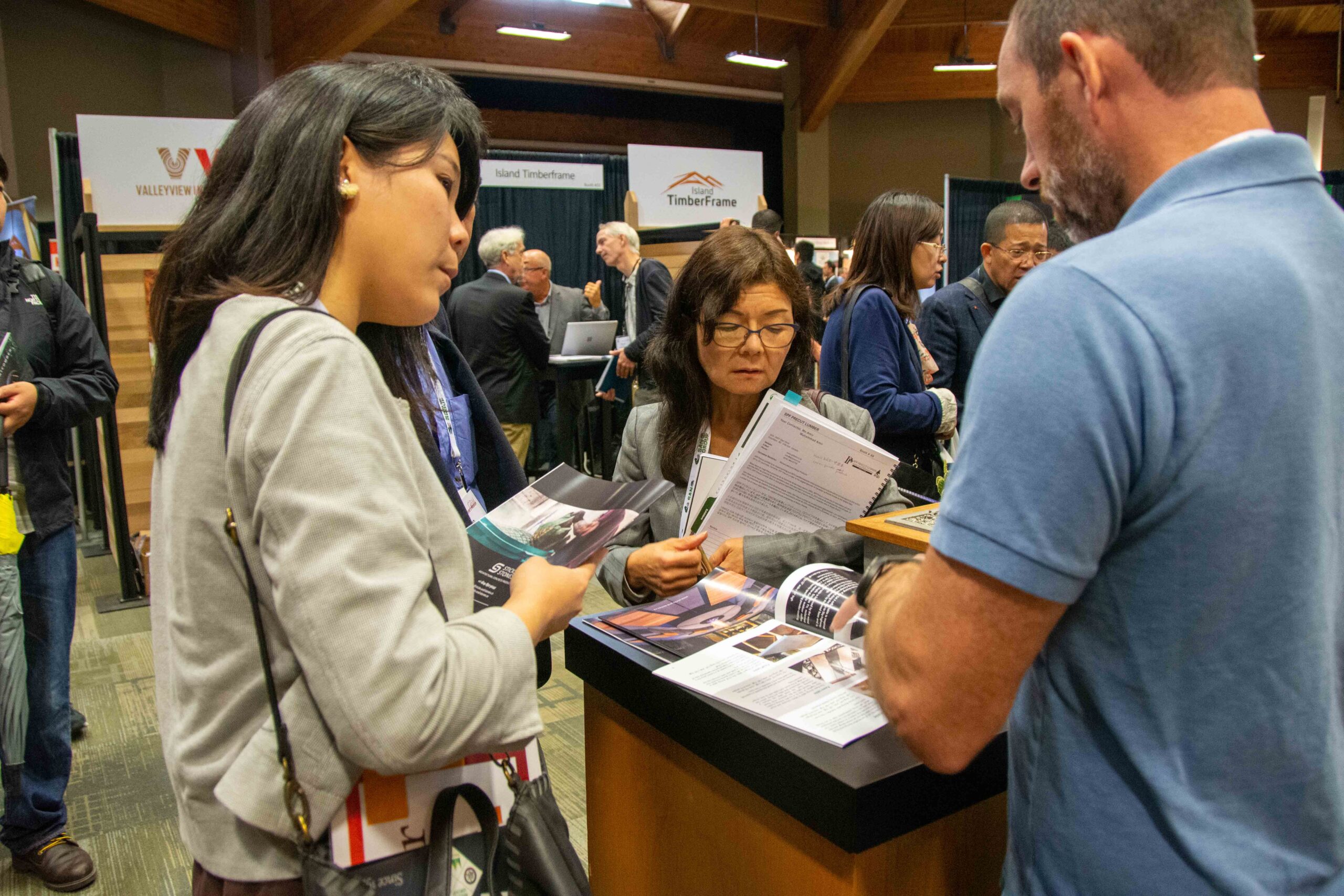 Join us for our 22nd Annual GBM September 4th to 6th, where we will host international buyers and specifiers from all around the world, to meet our Canadian suppliers in Whistler. If you are an industry member and thinking about exhibiting to get yourself in front of these buyers and decision-makers, ACT FAST! We only have 5 booth spaces left, and they will go on a first-come basis. Industry surveys from 2024 indicated an anticipated $37 million in new sales from contacts made at the GBM. We anticipate many “new to GBM” Buyers again this year, and with hard work of our overseas staff, the continued assistance of the federal International Trade Commissioner Service and the provincial Trade & Investment Representatives abroad, we expect an excellent group of Buyers from across the globe. As usual, we will host BC Wood’s AGM, deliver Specifier Workshops and the exclusive Building Connections program.
  Don’t miss the BC Wood newsletter. Headlines include:
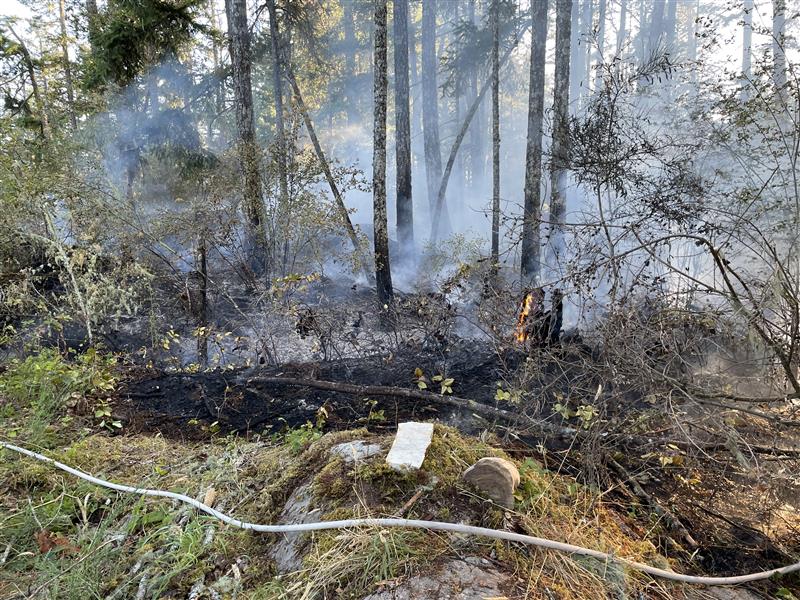
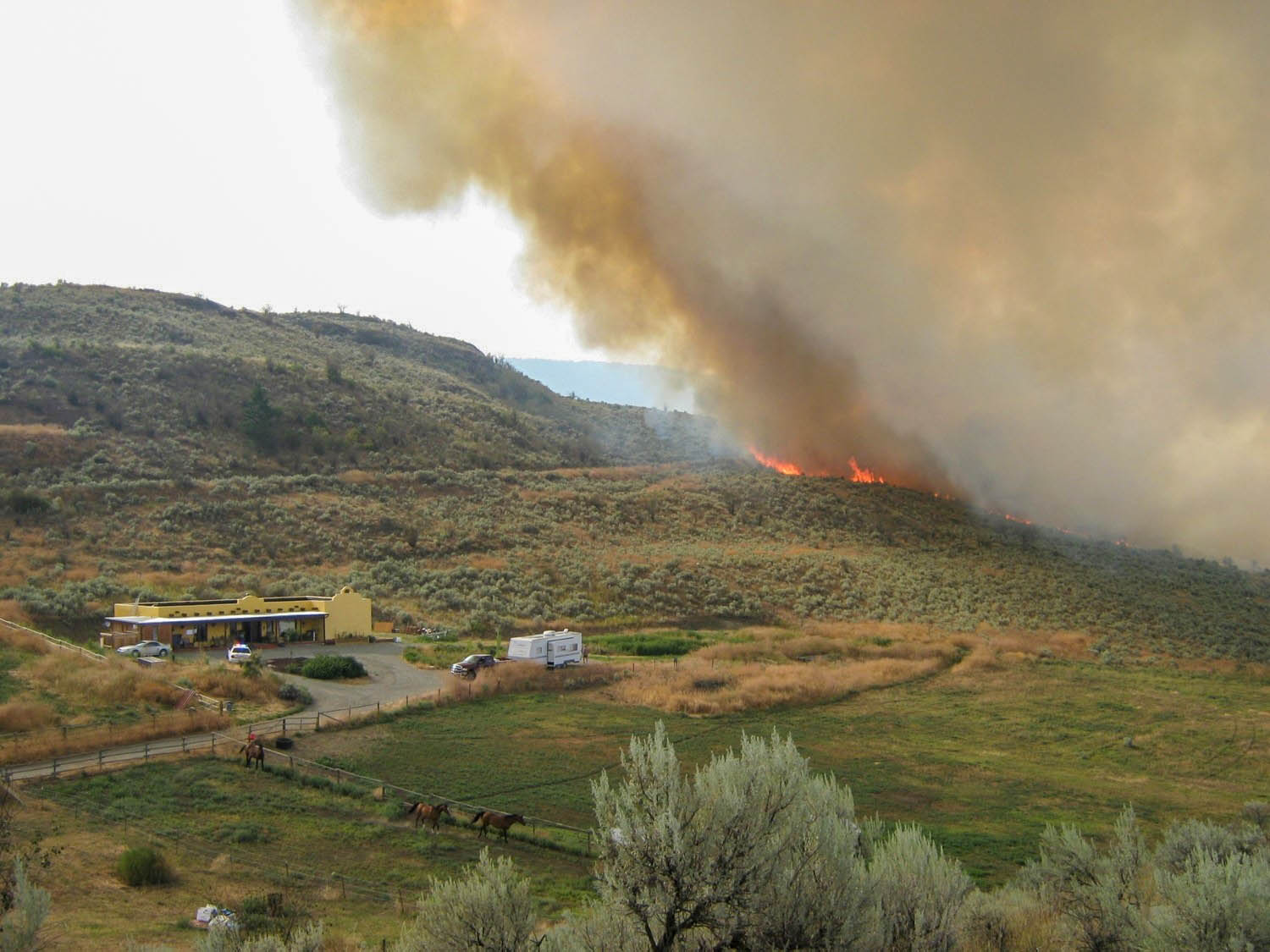 A recent report out of British Columbia suggests using beneficial fires to build wildfire resilience. In the Yukon, that idea is not new — but finding a way to reap the benefits of fire while preventing devastation is a delicate balancing act. …the

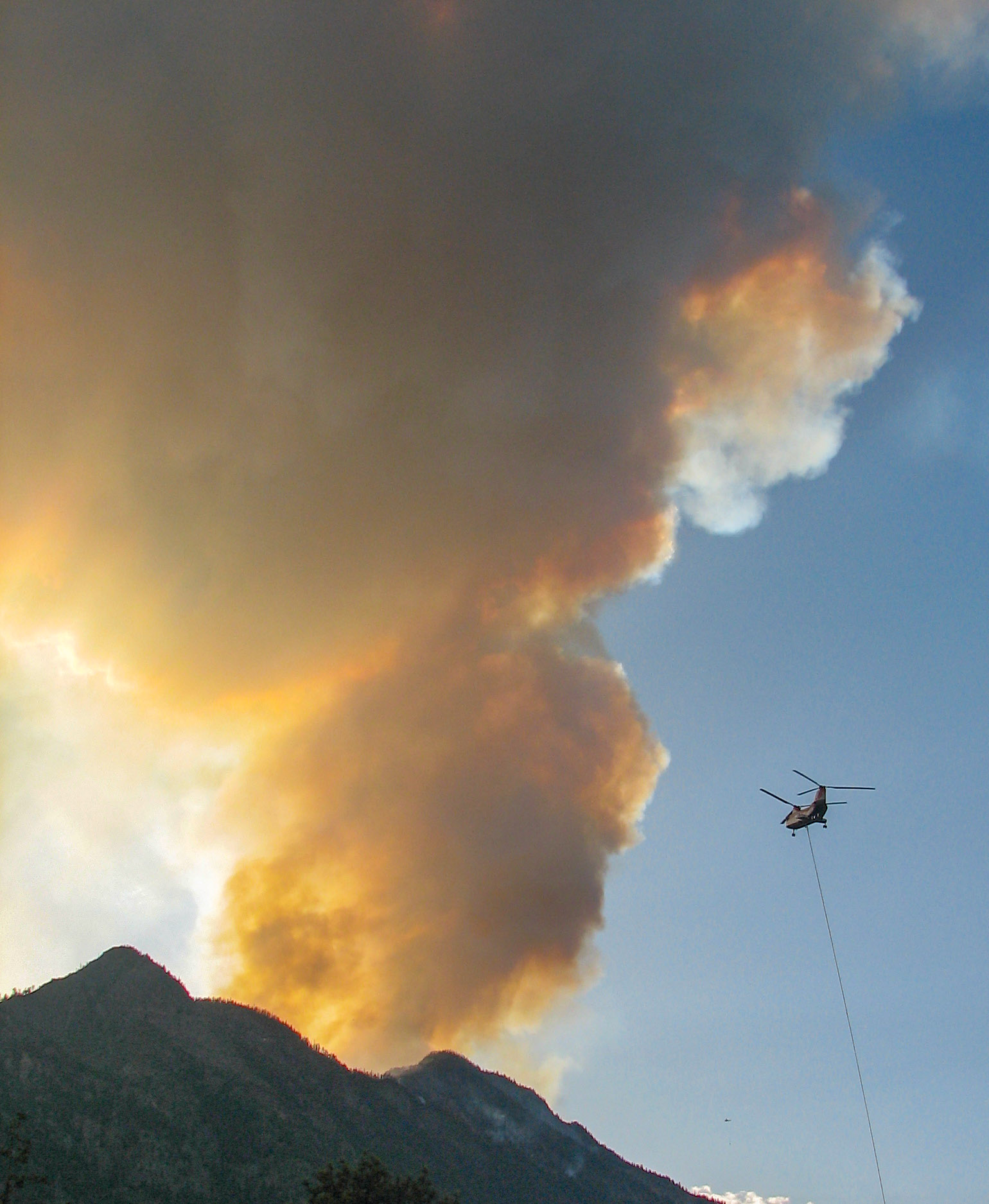 …The National Film Board–produced Incandescence is just one of several documentaries either released this year or currently in production that speak to the province’s new reality and the urgency of the climate crisis that’s fuelled it. This spring, B.C.’s Knowledge Network released a five-part docuseries called Wildfire, about BC Wildfire Service firefighters and the on-the-ground reality of their work. A third crowdfunded documentary, BC is Burning, recently finished production and had its first community screenings in the Okanagan in June. The appearance of these films feels especially timely, and speaks to deeper trends around documentary as a storytelling tool in times of social or ecological crisis. “Environmental documentaries have kind of come in waves that are often in response to policy,” says Chelsea Birks, the learning and outreach director at Vancouver’s The Cinematheque and a film studies lecturer at the University of British Columbia. She says climate change is not an easy subject to capture.
 VANCOUVER, BC — West Fraser Timber and the Lake Babine Nation Forestry Limited Partnership (LBN Forestry) welcomed the
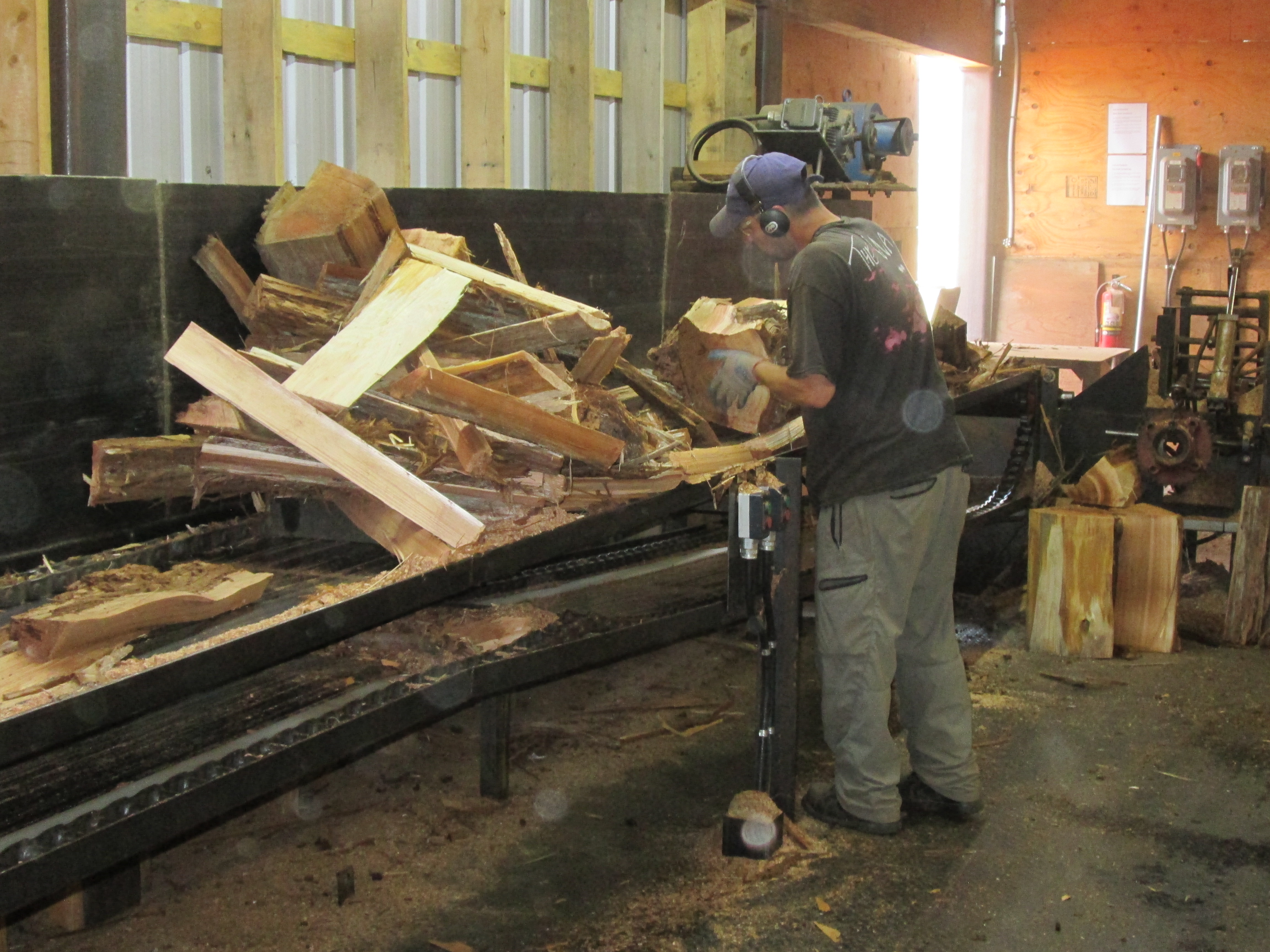


 A report from the Nelson-based organization Save What’s Left calls on the provincial government to revamp BC Timber Sales and give it an environmental stewardship mandate. The 50-page report titled Public Forest, Public Trust alleges that BCTS logs old growth forests, disturbs watersheds and interferes with wildlife corridors. BCTS is an independent organization within the Ministry of Forests that develops Crown timber for auction. BCTS plans and designs logging operations and builds logging roads, then sells the timber to the highest bidder. The document lays out 24 such allegations, stating they are based on field verification by Save What’s Left, on satellite time-lapse imagery, and on conversations with forest professionals and forest workers. “This paper both outlines the myriad of problems with how BC Timber Sales operates and presents a new path forward,” writes prominent environmentalist David Suzuki in his introduction to the report. “What we need now is courage by leaders to walk that path.”
 A contractor’s appeal of a B.C. Wildfire Service (BCWS) order to pay more than $1.8 million in compensation and penalties will be heard after a May 22 decision by the Forest Appeals Commission. Panel chair Ian Miller found “special circumstances” led to last summer’s two-day delay in filing a notice to appeal and granted the extension to Jaikle Contracting. “The delay was brief, the explanations and reasons are reasonable and credible, and there would be substantial prejudice to the appellant if the right to appeal is denied,” said Miller’s ruling. On July 12, 2024, designated decision maker Laurence Bowdige of BCWS issued a contravention order against Jaikle, under the Wildfire Regulation, for harvesting timber near Mackenzie in August 2021. “Specifically, that the appellant did not keep an adequate fire suppression system at the activity site while carrying out a high-risk activity within 300 metres of forest land,” said the Miller ruling.
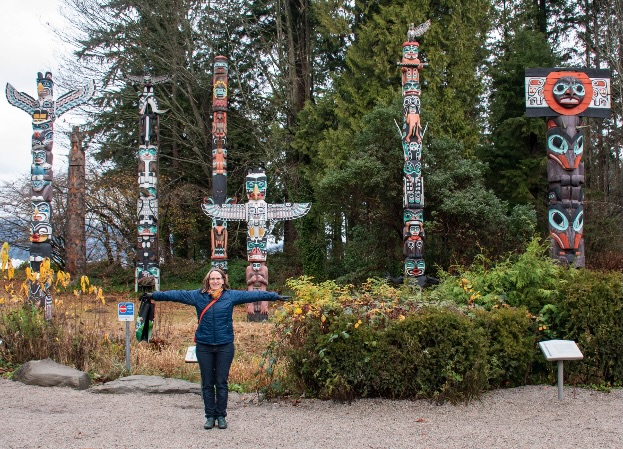 Vancouver park board commissioners voted Monday to keep the same contractor on the job for the continued work required to remove dead and declining trees in Stanley Park that have been damaged by a hemlock looper moth infestation. The board now has to finalize a contract with B.A. Blackwell and Associates Ltd. for the final phase of mitigation and restoration work in the park. The contract will be worth more than $3 million and fall within a previously approved overall budget of $17.9 million for the project. Although 23 suppliers registered an interest to complete the work, only Blackwell chose to submit a proposal, which was reviewed by the board’s evaluation team comprised of staff from urban forestry and supply chain management. …As for why Blackwell was the only bidder, Joe McLeod, the board’s associate director of urban forestry said, “There are very few forestry professional consulting firms that have the set of unique skill set.”

 Kamloops, B.C.– The Forest Enhancement Society of BC (FESBC) recently approved up to $1.7 million to the Woodlot Product Development Council (Woodlots BC) to carry out wildfire risk reduction treatments over a 2-year fiscal period. Treatments will be conducted on woodlots throughout British Columbia, each located within a Wildland Urban Interface, endorsed by the local Forestry District and following BC Wildfire Service (BCWS) wildfire risk reduction standards. Through this work, Woodlots BC looks forward to building capacity across the forest sector and helping promote innovative ways to complete treatment of wildfire risk reduction projects to reduce combustible forest fuel loading, thereby better protecting communities. “Woodlots are vital to B.C.’s forestry sector as they support local jobs, keep our forests healthy, and help reduce wildfire risk where it matters most: right where people live,” said Ravi Parmar, Minister of Forests.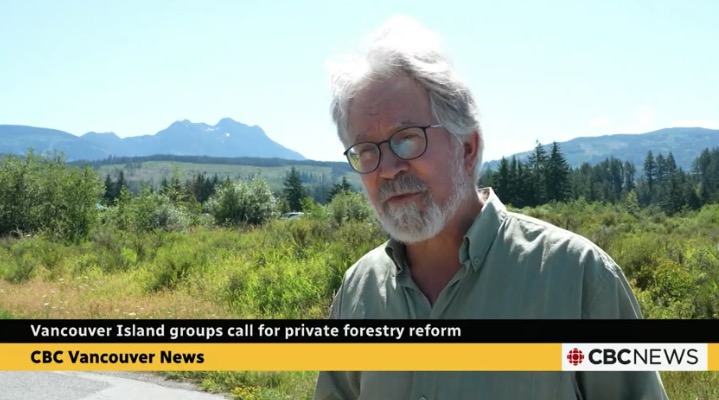


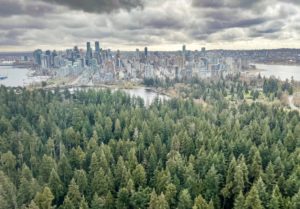 Vancouver Park Board staff are seeking commissioners’ approval to proceed with the next phase of a tree removal project in Stanley Park due to an extensive looper moth infestation. Work has been underway to cut down thousands of trees in Vancouver’s biggest park since the summer of 2023, due to fire and public safety risks posed by dead and dying trees. …While the tree removal plan has faced sharp criticism staff say they have a plan that will see the least number of trees removed. “This aims to balance key public safety risks resulting from the hemlock looper outbreak while leaving a moderate extent of internal forest areas to undergo natural forest stand regeneration,” the staff motion says of its preferred approach. If commissioners approve of the staff plan, planning for tree removal and mitigation work would begin later this year and conclude in the first quarter of 2027.

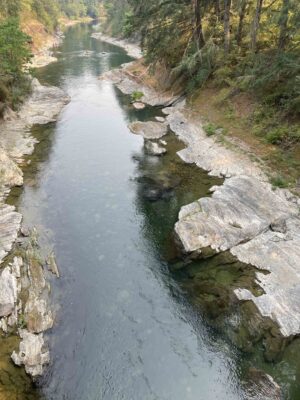 Clear-cutting can make catastrophic floods 18 times more frequent with effects lasting more than 40 years, according to a new UBC study. In one watershed, these extreme floods also became more than twice as large, turning a once-in-70-years event into something that now happens every nine. “This research challenges conventional thinking about forest management’s impact on flooding,” said senior author Dr. Younes Alila, a hydrologist in the UBC faculty of forestry. “We hope the industry and policymakers will take note of the findings, which show that it matters not only how much forest you remove but also where, how and under what conditions.” The UBC-led study draws on one of the world’s longest-running forest experiments at the Coweeta Hydrologic Laboratory in North Carolina and is published in the
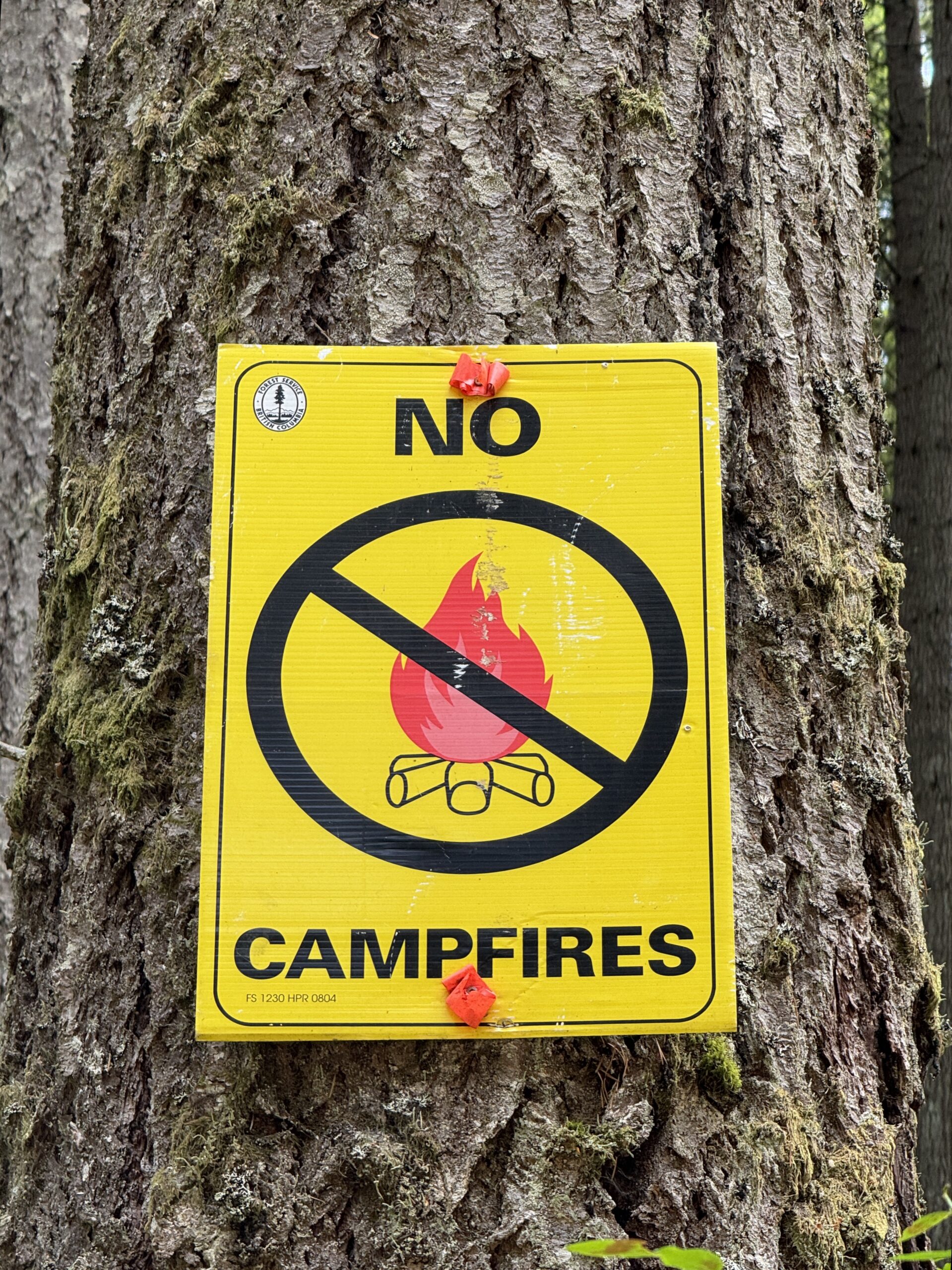 The Coastal Fire Centre will put a campfire ban into effect this week. The ban will be in place starting at noon on Thursday, July 17, noted a Coastal Fire Centre information bulletin issued Tuesday, July 15. Campfires will be prohibited on Vancouver Island and throughout the Coastal Fire Centre region with the exception of Haida Gwaii and the portion of the Central Coast Regional District within the North Island Central Forest District. Existing open fire prohibitions in the Coastal Fire Centre’s jurisdiction enacted May 30 will remain in place, and fireworks and burn barrels are restricted in most areas. “Open fire is the largest cause of human-caused fires provincially,” noted the information bulletin. “Human-caused wildfires are entirely preventable and may divert crucial resources from naturally occurring and/or existing wildfires.” The campfire ban and previous burning bans will be in place until Oct. 31 or until the orders are rescinded.
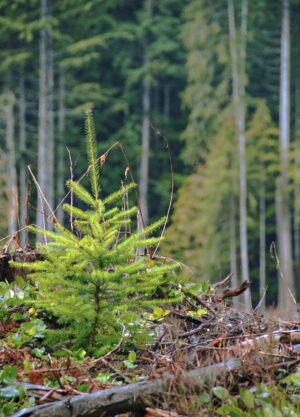 With the wildfire season intensifying in recent years, post-wildfire restoration has become increasingly critical. A Vancouver tech company drawing investor attention says it has an answer for not only replanting trees, but helping to rebuild forests that are more resilient to future fires. Veritree Technology Inc. is a platform that uses ecological data and monitoring tools to support tree planting, tracking and reporting. “Today, areas that historically wouldn’t have burned from wildfires are actually burning much hotter. At times, that burns the seed stock that would otherwise naturally regenerate after a wildfire,” said Derrick Emsley, CEO and co-founder of Veritree. He said that without intervention, deciduous species could grow back fast, crowding out the chance for a mature, healthy natural forest to regenerate, which leaves the area more vulnerable to wildfires in the future.




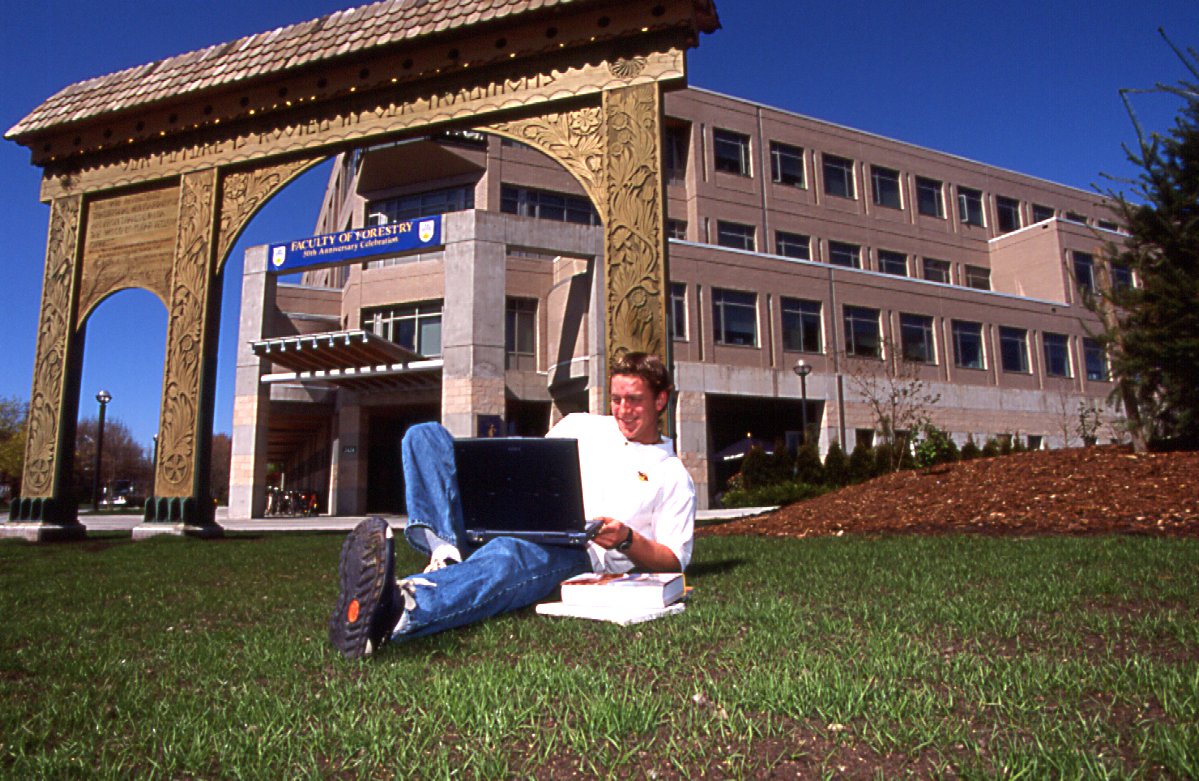 The Department of Forest Resources Management, Faculty of Forestry, at the University of British Columbia (UBC) Vancouver campus is recruiting an outstanding researcher in Natural Resources Governance. The successful candidate is expected to be eligible for a full-time appointment at UBC at the rank of Professor, or the rank of Associate Professor… The successful appointee will be nominated for a Canada Excellence Research Chair (CERC). …The appointment presents a unique opportunity for leading research focused on developing, implementing, and maintaining a research program in natural resources governance capable of advancing multiple sustainable development priorities. …As a faculty member and CERC holder, the successful candidate will be expected to lead a strong, externally–funded research program, supervise postdoctoral fellows and graduate students, teach undergraduate and graduate courses, collaborate with other faculty members, and actively participate in service to the Department, University, and academic/scientific community.
 The B.C. government, Fort Nelson First Nation and the B.C. Energy Regulator (BCER) are working collaboratively to implement new protection measures to support boreal caribou recovery in northeastern B.C. “Helping caribou populations recover is a complex challenge requiring multiple approaches to stabilize and reverse the decline of herds in B.C.,” said Randene Neill, Minister of Water, Land and Resource Stewardship. “The Boreal Caribou Protection and Recovery Plan and the implementation of the new measures are crucial for caribou-recovery efforts in these four northeast ranges. The Fort Nelson First Nation community continues to be an integral partner in this important work.” …The Boreal Caribou Protection and Recovery Plan was co-developed by the B.C. government and Fort Nelson First Nation, with contributions from the Northern Rockies Regional Municipality. The plan is designed to meet federal and provincial targets for species-at-risk recovery, while supporting opportunities to strengthen the natural-resource economy in the region.
 …The Tyee looked at three critical and vastly different means to store carbon in the West, examining how these ecosystems capture carbon, the restoration work they require and why Canada should take them seriously as solutions. …Peatlands are a type of wetland found all over Canada. In the West, they are found in northern B.C. and Alberta. …However, they come with a catch; as much as they absorb carbon, they also emit methane. …Kelp is one of the newest potentials for natural climate solutions and carbon sequestration in Canada. …It is hard for researchers to fully evaluate how much kelp carbon is sequestered in the deep oceans in the long term. …Trees are one of the world’s largest carbon sinks. Like peat, trees sequester carbon through photosynthesis. As trees grow, they take in carbon from the air around them and store it in their wood, soil and plant matter
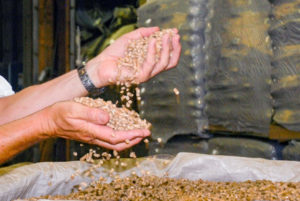 …In the aftermath of the earthquake and tsunami, Japan shut down not just Fukushima but all of its nuclear plants, a move that resulted in the loss of a third of its electrical power. …Japan faced a daunting energy crisis that it addressed… with conventional fuels such as natural gas and “bioproducts” including wood pellets derived from the logging of BC’s Interior forests. …Last year, roughly two million tonnes of those pellets arrived Japanese ports from BC, linked to a dozen mills in the province that make wood pellets derived from trees logged in the province’s rapidly dwindling primary forests — natural forests never previously subject to industrial logging. …Which means that in the name of creating allegedly clean energy, forests are being razed just to burn the wood. …The strain on the province’s stressed forests is [also] coming from other bioenergy producers, including those who want to use wood to make jet fuel.
 WorkSafeBC is holding a virtual public hearing on proposed amendments to the Occupational Health and Safety Regulation. The virtual public hearing will be streamed live on September 24, 2025, in two sessions. The first will take place from 11 a.m. to 1 p.m. and the second from 3 to 5 p.m. Further information on how to view or participate in the virtual public hearing will be provided closer to the hearing date. These details will be posted on