 Professionals working in the lumber and sawmill sector and looking to advance their careers can gain specialized training through BCIT’s Associate Certificate in Industrial Wood Processing, starting June 2025. The IWP program was developed with industry subject matter experts and informed by industry leaders to support upskilling and professional development within the sector. The program is 1-year, delivered online and part-time to allow students to balance work and studies.
What sets the program apart is the expertise behind the scenes—seasoned instructors who bring decades of hands-on experience from across North America. Here’s a look at some of the leading professionals guiding the next generation of wood processing experts: Wayne Horvath – Lumber Fundamentals; Julie Cool – Sawmill Technology; Vahid Nasir – Wood Processing Tools; and Ciprian Pirvu – Quality Control & Kiln Drying.
 The BC Truck Loggers Association is pleased to share and invite you to access the newly developed B.C. Timber Harvest Rate Model. The tool was built using data provided by contractors as a joint project of the TLA, ILA and NWLA. The tool calculates the hourly rates for equipment used in BC’s forest industry. It’s designed to give contractors a baseline rate for a selected piece of equipment, serving as a starting point. The rates in the model reflect the required revenues of a contractor who runs a reasonably efficient operation; however, they may vary based on specific operations. The parameters (such as labour and fuel) can be adjusted in the model to calculate rates tailored to specific needs.
 The rapid response of firefighters and workers at Pioneer Log Homes east of Williams Lake to prevent a log pile fire from spreading to other piles in the yard is being credited for saving the construction site from being destroyed. The fire on the west side of the building site at 1527 Old Cariboo Highway 97 (Mile 153) was reported to the 150 Mile House Volunteer Fire Department just after noon Monday and after a mutual aid request fire crews from City of Williams Lake and volunteer departments in Miocene and Wildwood were also dispatched to the scene. They spent nearly half a day dousing the burning logs until the fire was fully extinguished at about 11:30 p.m. Monday. No estimate has been determined on the cost of the logs lost in the fire, which was confined to one large pile covering an area estimated at one hectare.
 A high-stakes meeting between Prime Minister Mark Carney and United States President Donald Trump on Tuesday is being closely watched by politicians in Victoria. Ravi Kahlon, minister of housing and municipal affairs, said the province is being pragmatic… “We’re not expecting an agreement, and we’re also realistic that any agreement made with President Trump can be changed with a tweet the next day,” Kahlon said Tuesday. …Kahlon says the key for B.C. is to rely on its resources and to increase diversified trade with other countries. …Adding that breaking down interprovincial trade barriers will also help. …Meanwhile, B.C.’s forestry minister, Ravi Parmar, says Carney needs to prioritize B.C’s softwood lumber industry during his talk with Trump. …Western Canadian director for the United Steelworkers, Scott Lunny, tells 1130 NewsRadio that if the goal for the Trump administration is to rewrite the free trade agreement, we should “quit the nonsense and get on with that.”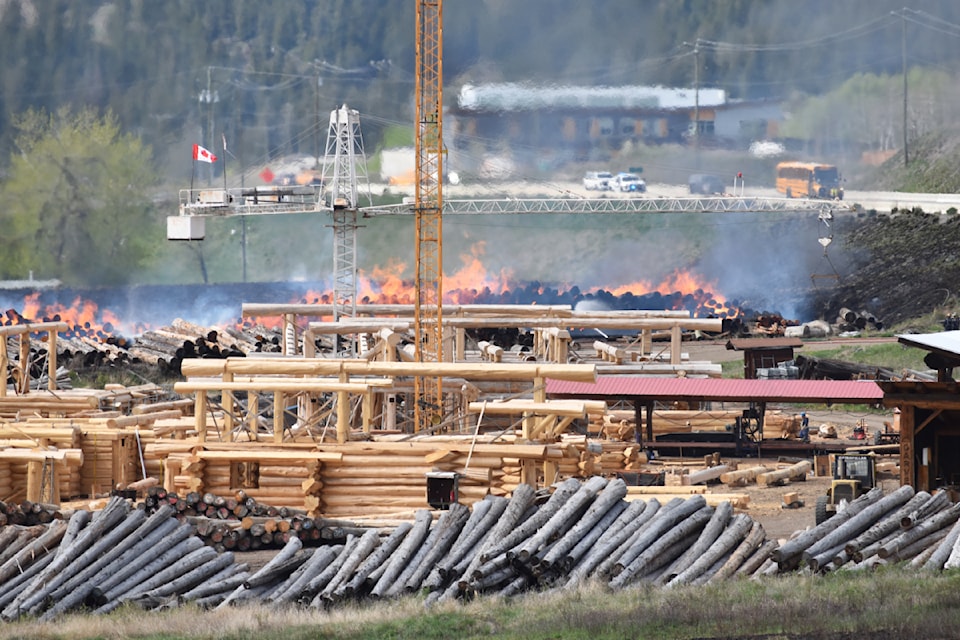


 New support for forestry-sector manufacturers in the province is creating sustainable jobs, strengthening local supply chains, establishing new made-in-B.C. products and reinforcing B.C.’s position as a leader in mass-timber innovation. …Through the BC Manufacturing Jobs Fund (BCMJF), the Government of B.C. is contributing as much as $11 million toward four forestry-sector capital projects in the province. The projects are helping B.C.-based forestry-product manufacturers grow their businesses by constructing new production facilities, purchasing new equipment and adding new high-value product lines, while creating and protecting hundreds of jobs.
 VANCOUVER – Western Forest Products reported improved financial results in the first quarter of 2025, as compared to the same period last year. Net income was $13.8 million in the first quarter of 2025, as compared to a net loss of $8.0 million in the first quarter of 2024, and a net loss of $1.2 million in the fourth quarter of 2024. …lumber production of 134 million board feet (versus 145 million board feet in Q1 2024); average lumber selling price of $1,533 per mfbm. …North American markets are expected to be volatile due to concerns around the economic impact caused by potential further US tariffs and retaliatory tariffs. The spring building season which typically leads to gains in softwood lumber demand could be more muted. …In Japan, the spring housing demand is stronger than expected and channel inventories have declined. …Demand for our Industrial lumber products in North America are expected to strengthen as supply remains tight across all species.



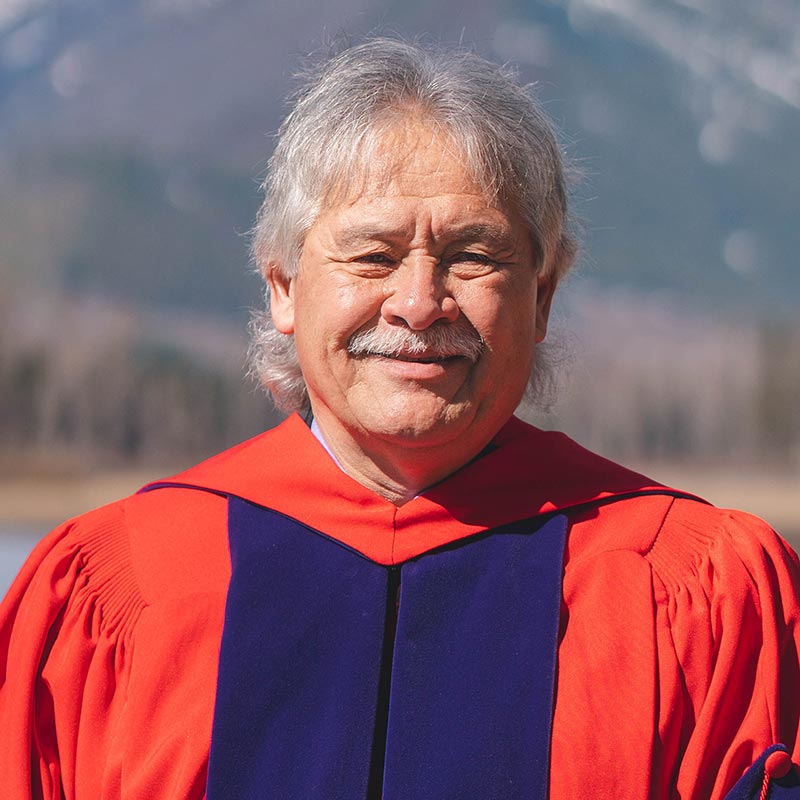


 May is Invasive Species Action Month and 33 organizations throughout BC will be able to continue their work fighting invasive plants, due in part to a funding boost. …Ravi Parmar, Minister of Forests said “No one person, group, agency or government can effectively control invasive plant species alone, and collaboration is critical to everyone’s success. The work these groups do is crucial in our fight to ensure BC’s environments remain healthy and vibrant.” …Nearly $3 million will go toward groups, such as regional invasive species committees, local governments, environmental groups, researchers and the Invasive Species Council of BC, to continue collaboration and support of invasive plant programs and management actions. …Gail Wallin, executive director, Invasive Species Council of British Columbia said, “Invasive plants are estimated to cost us over $2 billion in losses annually.”
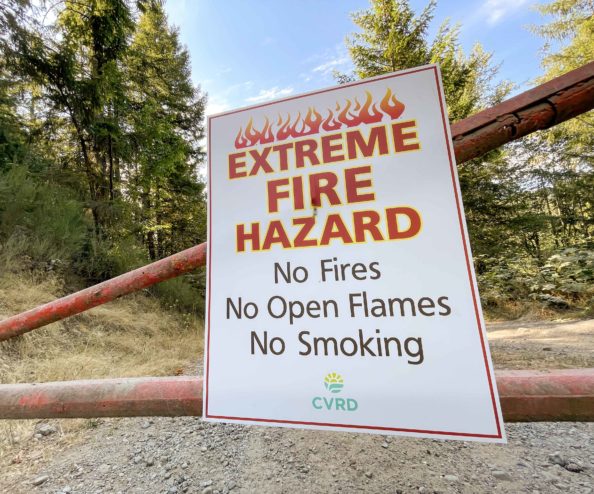 People are asked to use caution over the next several days as a combination of warm, dry conditions and strong winds in much of southern B.C. are adding to elevated wildfire danger. The BC Wildfire Service urges people to postpone any open burning until the windy conditions pass and to use extra caution when camping in the backcountry. “We are expecting active weather in the coming days that could set the stage for dangerous wildfire conditions across the province,” said Ravi Parmar, Minister of Forests. “This is the time of year when we’re at the most risk for human-caused wildfires in B.C., most of which are entirely preventable.” People planning to have campfires should do so safely, following any local prohibitions.
 With the Southern Interior’s hottest months just around the corner, FortisBC is putting important safety measures into place to help protect communities and its electricity system against wildfires, which includes adding extra precautions that could result in power outages. To further enhance its wildfire safety practices, FortisBC has introduced a Public Safety Power Shutoff (PSPS) policy, a new precautionary measure where electricity is proactively shut off in selected areas in advance of extreme weather. FortisBC is advising its customers to be prepared for these potential outages that help reduce potential ignition sources. …According to FortisBC, customers should always be prepared to be without electricity for at least 72 hours, especially during wildfire season.

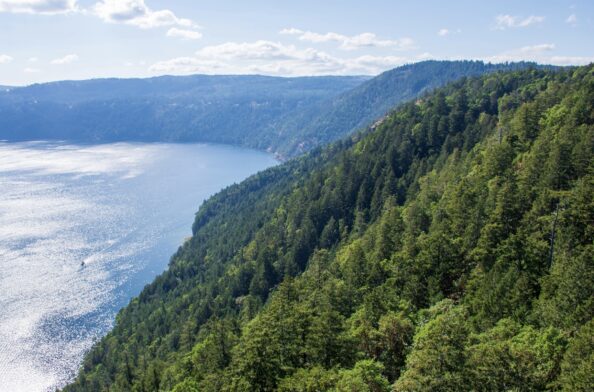 More than 80 per cent of the critical habitat for at-risk species in B.C. fails to meet federal protection standards, according to a government briefing document. The
 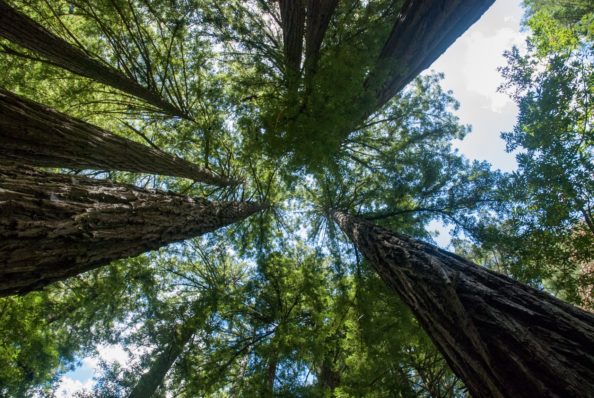 After we marked Earth Day last week, the significance of forests for conservation, community benefits and human health has never been more urgent to acknowledge. Forests play many critical roles for nature and people: they provide habitat for hundreds of species, act as water filters, reduce air pollution, and are places of community connection, recreation and refuge. However, many pressures, including severe storms and wildfires, invasive alien species and habitat loss threaten these ecosystems, the benefits they provide and the relationships they support. …The economic value of our forests is just as vital as their ecological importance. According to the Forest Products Association of Canada, more than 200,000 Canadians earn their livelihood directly from forestry, sustainable agriculture and eco-tourism, contributing an impressive $87 billion in annual revenue. …The call is clear: safeguarding Canada’s forests means safeguarding ourselves. Our natural resiliency, our economic prosperity and our health require us to do our part.
 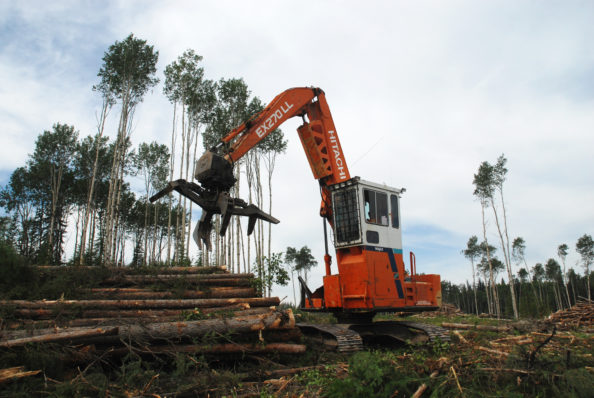 …As northern B.C. sawmills have closed over the past few years, a common refrain has been in each company press release. Punishing tariffs, high log costs, lack of access to B.C.’s plentiful timber and uncertainty in permitting processes… Is this the opening we need to dispense with the notion we need to begin turning B.C. into one big park for the world to enjoy? …Although B.C. has lost many of our lumber manufacturing facilities, our main ingredients are still here – our forests, its trees and a workforce, which when combined, provides for some of the best quality forest products in the world. Despite the economic hit our rural communities and residents have sustained with the loss of our forest industry, it is only a temporary setback, if we treat it as such, and do not let our governments succumb to the “end the forest industry” ideology that is so prevalent today.
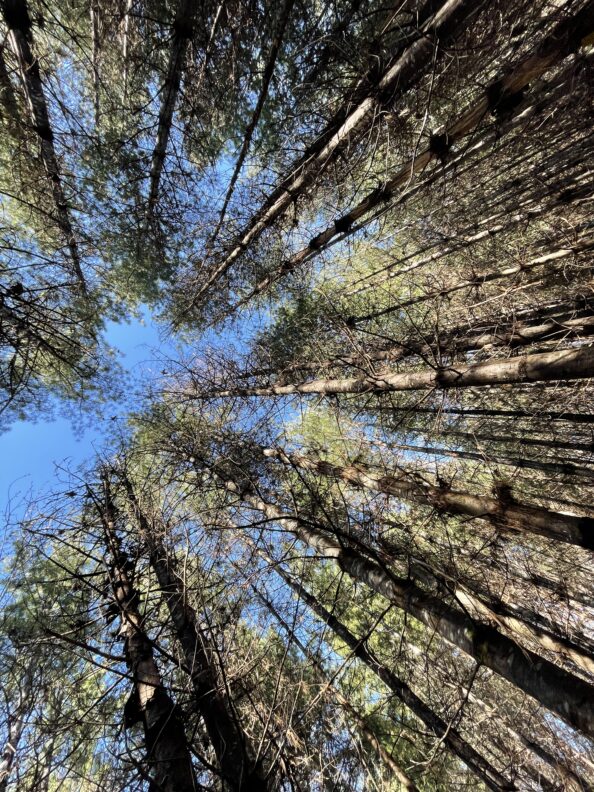 The Forest Enhancement Society of BC has given over $5 million for 18 projects in the Cariboo Region. Executive Director Jason Fisher said the Society distributes the money on behalf of the Province to invest in Forest Management activities related primarily to two major functions. “There’s the wildfire risk reduction, which involves going in and removing potentially some of the crown closure, removing some of the stems, some woody debris off the ground and making forest stands more resilient in the event of wildfire or less likely a wildfire that occurs in those stands would lead to more catastrophic wildfires.” Fisher said the other major function is wood recovery and utilization. In damaged stands, or post harvesting “we will help support applicants in going in, collecting that wood [debris] and bringing it to facilities like pulp mills or pellet plants to generate economic opportunities.”
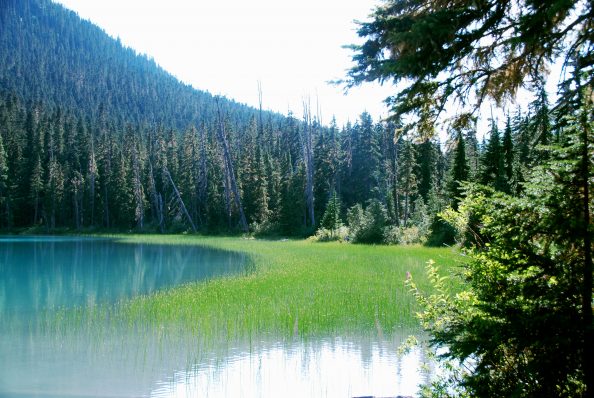 A temporary closure will take place at Pipi7íyekw/Joffre Lakes Park to provide time and space for members of the Líl̓wat Nation and N͛Quatqua to reconnect with the land and carry out cultural and spiritual practices. Pipi7íyekw/Joffre Lakes Park has become one of the busiest parks in the province. As more people go to the park, there is a need for enhanced visitor-use management, ensuring the park is not degraded by heavy use. Temporary closures to the park for recreational visitors will occur from April 25 until May 16, 2025. Beginning Saturday, May 17, adults and youth older than 12 will require a free day-use pass to visit the park. …The park is collaboratively managed with Líl̓wat Nation and N’Quatqua with the primary goal of maintaining the natural environment, and so the Nations can continue their cultural practices on their territory.
 The Sustainable Biomass Program (SBP) has today announced the publication of two Interim Regional Risk Assessments (RRAs), covering British Columbia and Alberta Forests, Canada (available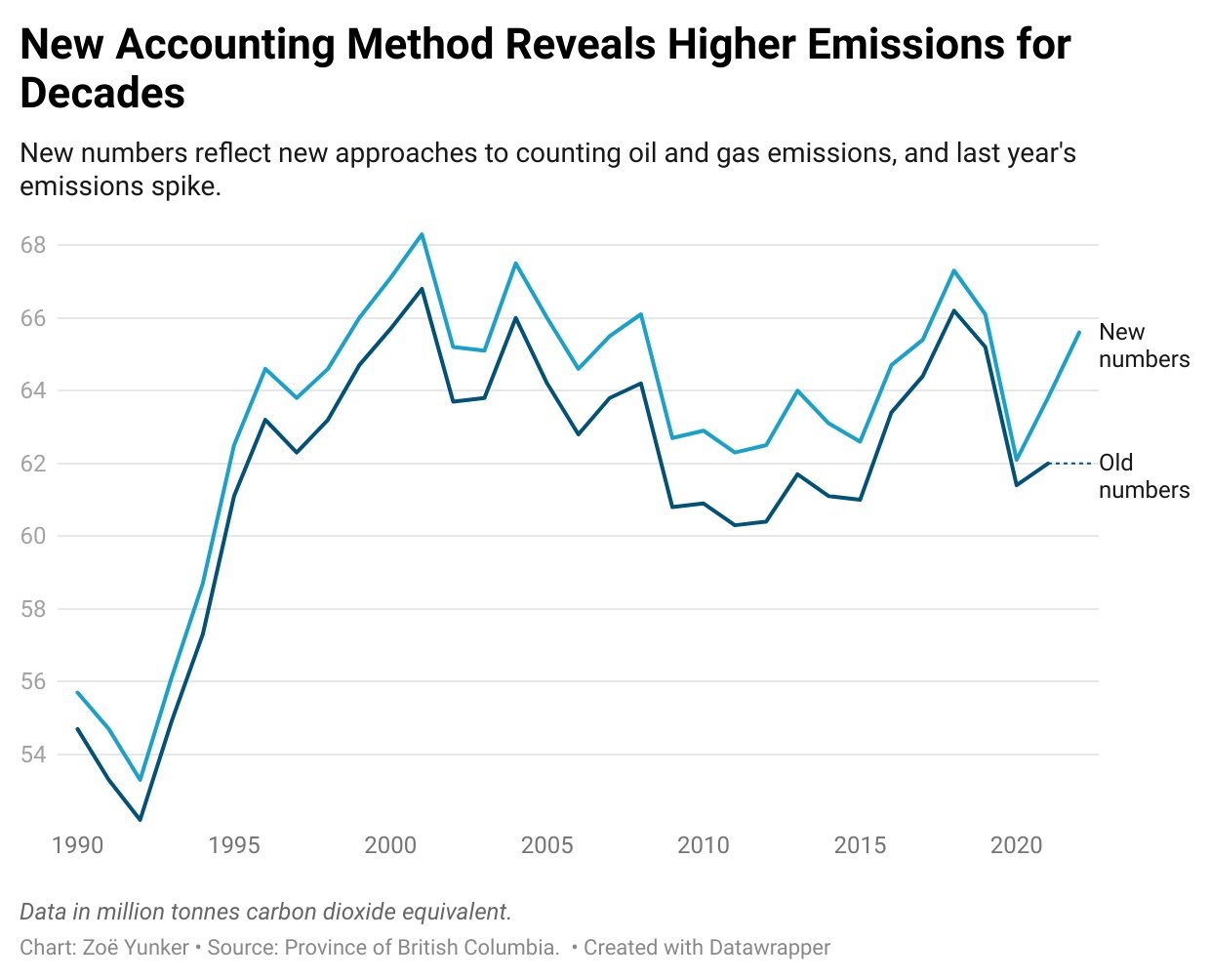

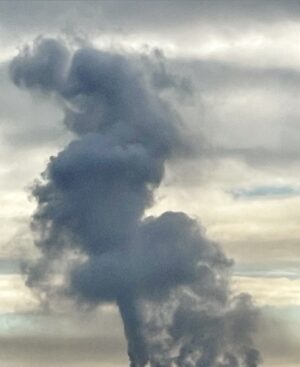 The BC government says it will only meet half of its 2030 target to lower greenhouse gas emissions. In an annual
  VANCOUVER, BC — Svante Technologies, a leader in carbon capture and removal technology, announced that its joint carbon capture and storage project with Mercer International has advanced to the Front-end Engineering and Design Phase 2 (FEL-2). Also known as Pre-FEED, this phase involves engineering, cost estimation, and risk analysis to evaluate the project’s commercial viability. …The carbon capture project targets biogenic CO2 emissions from Mercer’s Peace River pulp mill, where the biomass is sourced from sustainably managed forests. Advancing to the Pre-FEED stage will support further development of the integrated design, cost estimates, and risk assessments—key steps toward a final investment decision and potential implementation. …Utilizing a Novel Carbon Capture Technology for Commercial Deployment, Svante’s second-generation capture technology maximizes low-grade waste heat from pulp mills, reducing energy consumption and increasing cost-effectiveness.




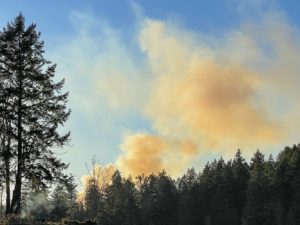 MOUNTAIN VIEW COUNTY, Alberta – Provincial officials elevated the wildfire danger rating to extreme across the Rocky Mountain House Forest Area Saturday after five new wildfires ignited in the area in recent days. Parts of Mountain View County are included in the forest area, namely west of Sundre and Bergen, covering Coal Camp and Bearberry west of Range Road 60 from Township Road 312 to the north boundary of the county. “The wildfire danger is now extreme in the Rocky Mountain House Forest Area,” the province said in its May 3 update for the forest protection area. “Dead and dry vegetation continues to be a major concern, as it is highly flammable and provides an easily available fuel source for wildfires.” …On Thursday, two wildfires were discovered in the Rocky Mountain House Forest Area while three more were discovered on Friday.
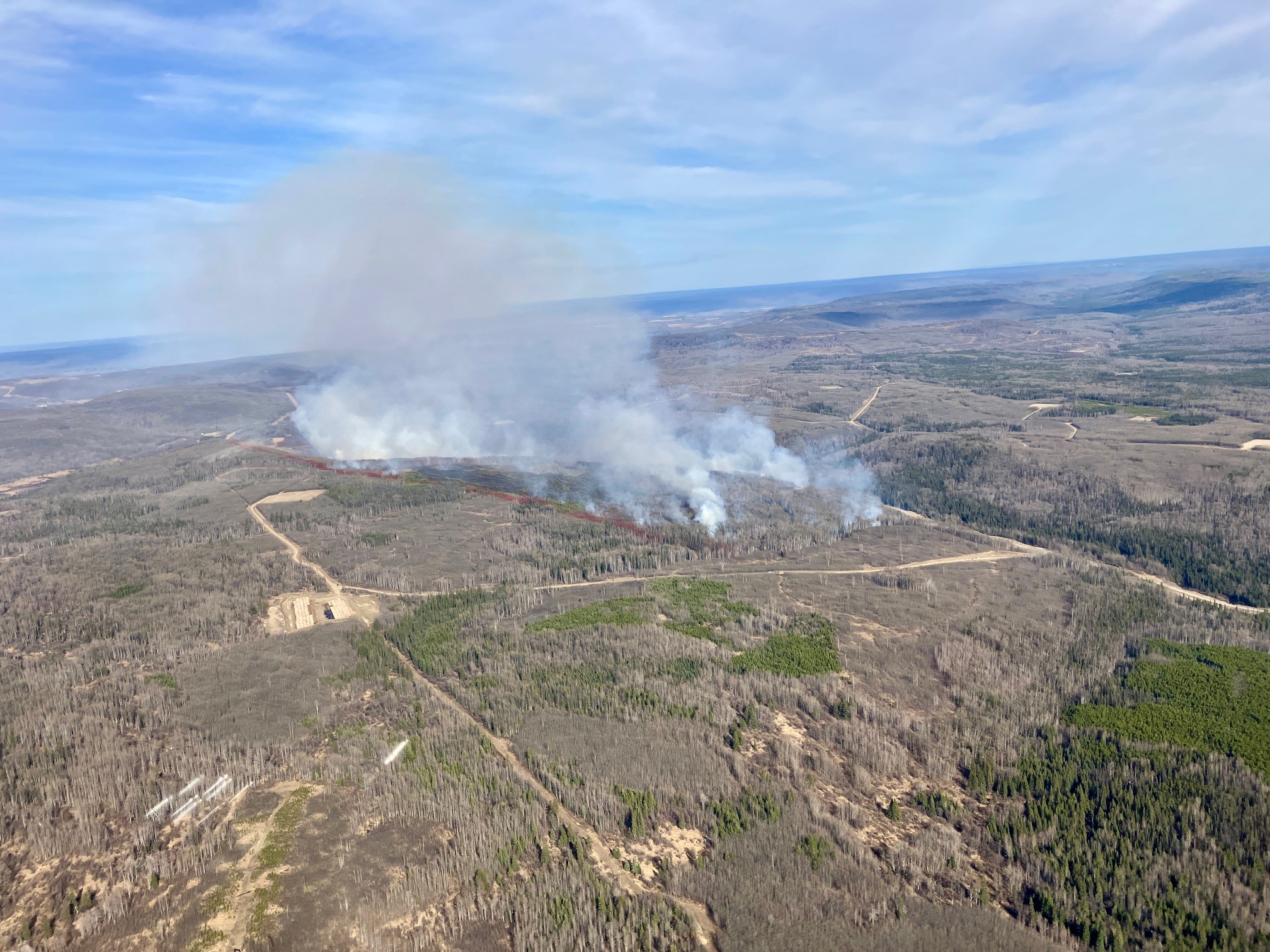
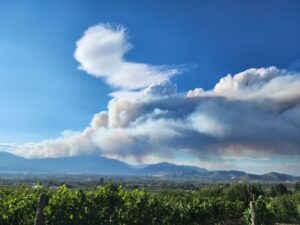 Firefighters from Fort St. John and the B.C. Wildfire Service were battling a blaze that prompted evacuations late Thursday, the city said. The fire is in the Fish Creek Community Forest on the northern outskirts of the city. …The wildfire service website indicates the out-of-control blaze was discovered Thursday and spanned an estimated 0.56 square kilometres — about four times the size of Granville Island in Vancouver — as of 7:32 p.m. The suspected cause of the fire is human activity. The fire is one of nearly two dozen active across BC on Thursday, as the provincial government warned that a combination of warm, dry conditions and strong winds would raise the fire risk in southern parts of B.C. It’s one of two blazes classified as burning out of control, the other being a 1.85-square-kilometre blaze that began as two separate fires about 30 kilometres southwest of Dawson Creek, which is south of Fort St. John.